Step-by-Step: Buying Your First NA Plot
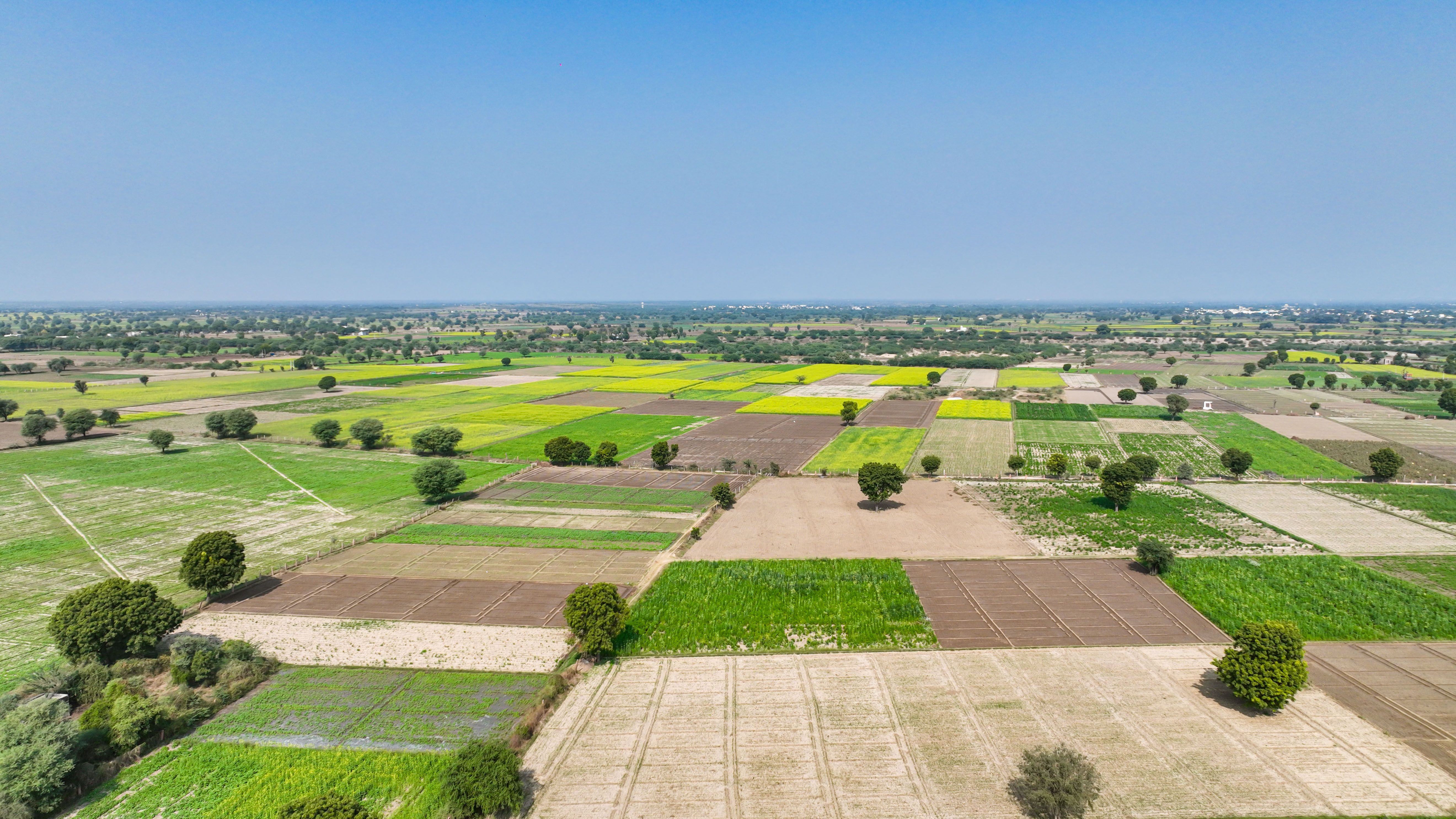
Buying a non-agricultural (NA) plot in Karjat is not complicated, but it is exacting. It runs as a sequence of checks, and skipping a single one can cost you the plot, or worse.
Here is how to buy an NA plot in Karjat, in order, from setting a budget to getting your name on the land record.
This guide assumes a residential NA plot. If you are still weighing agricultural land against NA, settle that first in NA plot vs agricultural land: which should you actually buy. And if you are still deciding whether Karjat is the right market for you at all, the Karjat investment overview and our Karjat location guide are the right starting points. When you are ready to browse what is available, Avacasa's Karjat listings are a curated and verified place to begin.
Step 1: Set a true budget, not just the plot price
The plot price is the start, not the total. Build your budget around the all-in figure.
- Stamp duty. In rural Raigad (Gram Panchayat areas) the base rate is around 3 to 4%, plus a 1% Zilla Parishad cess. That is well below Mumbai's 6 to 7%. The full breakdown of what you pay at closing, including the 2026 penalty for under-stamping, is in stamp duty and registration in Maharashtra.
- Registration. This is 1% of value, capped at Rs 30,000 for properties above Rs 30 lakh.
- Other costs. Budget for legal and title fees, brokerage, and the cost of developing the plot afterwards, including fencing, water, power and road access.
Model the full picture with the ten-year total cost of ownership comparison before you commit.
Step 2: Shortlist the right micro-market
Karjat is a dozen belts, not one. Match the location to your goal: rail access near Neral, premium managed communities around Kashele, larger farmhouse parcels on Tata Road, or appreciation bets near Chowk. Each belt has a very different character, price range and risk profile. Start with the Karjat micro-market map, which covers every major belt in detail. When choosing a specific plot within a belt, vastu for choosing and orienting your plot is worth reading if orientation and placement matter to you.
Step 3: Verify the 7/12 extract
The 7/12 extract (Saat-Baara) is Maharashtra's core land record. Confirm that the owner's name matches your seller, check the survey or gat number and the area, and read the "other rights" column carefully for loans, tenancy entries or disputes. Above all, confirm the land's classification. Our guide to reading a 7/12 extract breaks it down line by line.
Step 4: Confirm NA status with the sanction order
Do not take the word NA on trust. Ask for the NA sanction order from the Collector or Sub-Divisional Officer, the sanctioned layout plan, and the zone certificate. Confirm your specific plot falls inside the approved layout and that the sanctioned use is residential, not industrial or merely proposed. For a plain-English explainer of what NA status actually means and unlocks, see what "non-agricultural (NA)" land status really means.
Step 5: Trace the title over 30 years
Engage a local property lawyer to trace ownership through successive sale deeds, 7/12 mutation entries and the property card. A clean, unbroken chain is what you are paying the lawyer to confirm. See title search: verifying clear ownership for how this works in practice.
Step 6: Check for encumbrances
Search the Sub-Registrar's records for any mortgage, charge or attachment on the land, and cross-read it against the "other rights" entry on the 7/12. More on this in the encumbrance certificate explained. Know also what should concern you most at this stage: the red flags that should make you walk away is a plain-language checklist of the warning signs buyers routinely ignore.
Step 7: Check approvals, RERA, access and NOCs
If the plot is part of a layout marketed as a real estate project above the registration threshold, verify its MahaRERA registration on the regulator's portal. If you are buying from a developer, also verify their track record before proceeding. Confirm there is a legal access road to the plot, not a private or disputed track. Check the relevant no-objection certificates (NOCs), including from the gram panchayat, plus any environmental or forest clearances where the parcel sits near the Western Ghats. CRZ, forest and green-belt rules explains which environmental zones can block a build.
Step 8: Agree terms and sign an Agreement to Sell
Pay a reasonable token (earnest money) and put the terms into an Agreement to Sell, not the final deed. It should state the price, the timeline, the conditions to be met before completion, such as clear title and confirmed NA status, and what happens to the token if either side withdraws. Never hand over large sums on a handshake or an informal satha karar without legal review. Read how to negotiate land price like a pro before this conversation, and run through 10 questions to ask before signing anything as a final pre-commitment check.
Step 9: Pay stamp duty and register the sale deed
Stamp duty is charged on the higher of the agreement value or the Ready Reckoner (Annual Statement Rate) value, so check the reckoner rate for the locality first. Pay through the Government Receipt Accounting System (GRAS) portal, book a Sub-Registrar appointment on IGR Maharashtra, and register the deed with both parties present, or a representative holding a valid Power of Attorney. Register within four months of paying stamp duty. One 2026 change to note: Maharashtra now levies a penalty of up to Rs 1 lakh for insufficient stamp duty, so accurate valuation matters more than ever.
Step 10: Complete the mutation (Dakhil Kharij)
Registration transfers the deed. Mutation updates the land record to your name. After registering, apply to the talathi or tahsildar to record the change on the 7/12. Until the mutation entry is made, the record still shows the seller. Follow it through to completion and keep the updated extract.
After you buy: first steps on the ground
Once the land is yours, the practical work begins: fencing, a water source, an electricity connection, road access, and registering for property tax with the gram panchayat. We cover this in developing your plot after buying. If you plan to design and build, start with designing a weekend farmhouse on your NA plot for the layout and lifestyle side, and the cost to build a farmhouse in Karjat for the budget reality. If you plan to generate rental income, what a Karjat farmhouse actually earns on rent is worth reading before you start building.
A note for NRI buyers
If you are a Non-Resident Indian, the same steps apply, with two additions. Confirm the plot is residential NA, not agricultural or a farmhouse parcel. And use a registered Power of Attorney if you cannot attend registration in person. See can NRIs buy NA plots in India and power of attorney for overseas buyers. For the full documentation requirement, the NRI documentation checklist for buying land covers every form and certificate you will need.
The order is the whole point: classification and title before money, money before mutation. Followed in sequence, a residential NA plot is one of the cleaner property purchases you can make in the region. For a visual overview of how the full timeline fits together from booking to registration, see the full land purchase timeline. If you are visiting plots during the rainy season, monsoon buying: should you visit plots in the rains? covers what to watch for and how to assess a site when the Sahyadri is at full intensity.
Sources
- Karjat plot investment guide 2026 (Sugee Group)
- Stamp duty and registration charges in Maharashtra 2026 (ClearTax)
- Stamp duty and registration charges in Maharashtra 2026 (HomeFirst)
Ready to find your next holiday home?
Browse our curated collection of vacation homes and managed farmland across India and beyond.