Monsoon Buying in Karjat: Should You Visit Plots in the Rains?
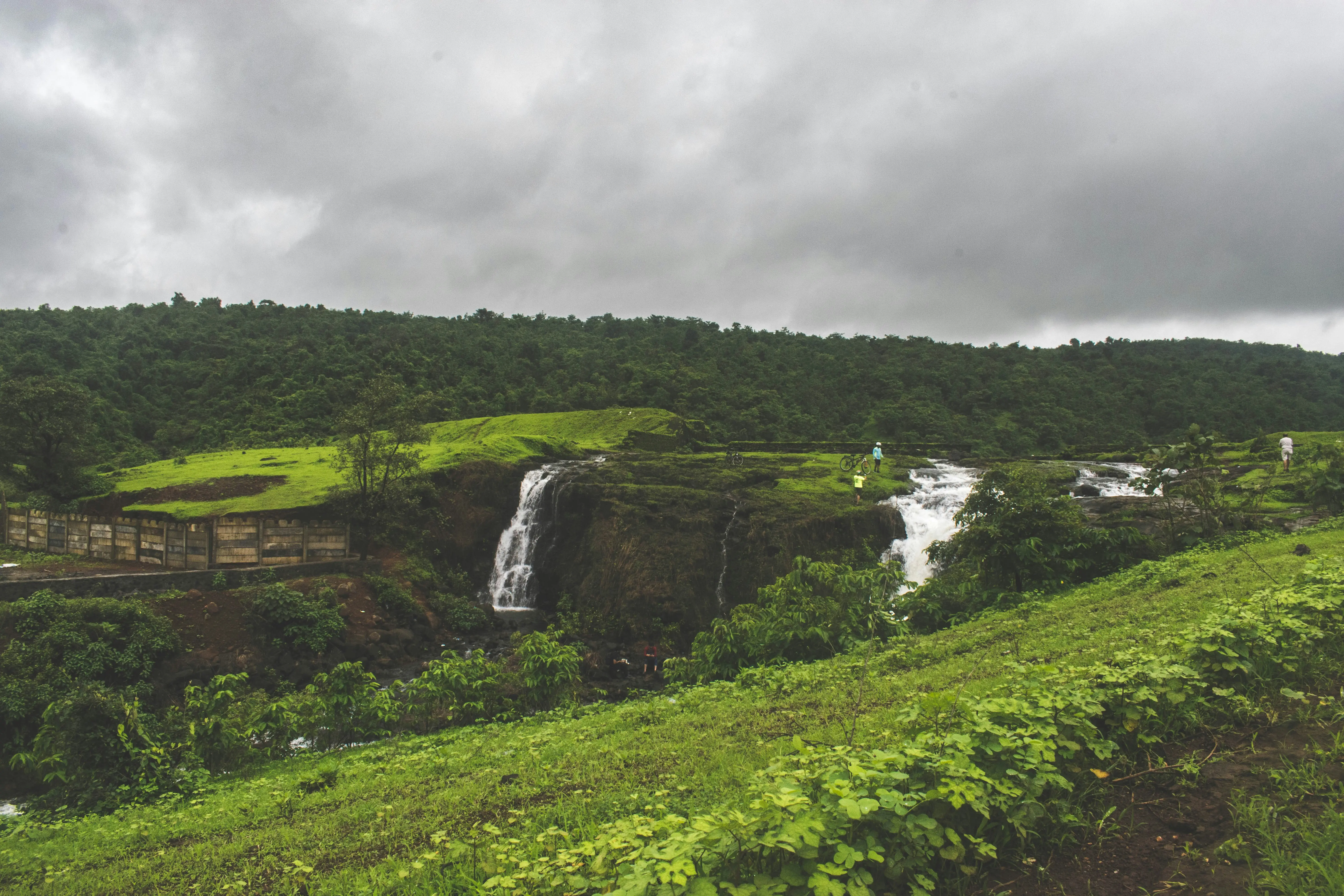
Most people shop for land in Karjat between December and February, when the weather is pleasant and every plot looks good. Visiting plots in the monsoon is less comfortable and far more useful.
The rains are the only season that shows you the truth about a piece of land, and in Karjat the rains are serious. For the full destination context before you plan a site visit, the Karjat location guide covers geography, connectivity and what the belts look like across seasons.
Why the monsoon is the honest season
A plot in January tells you what it looks like. A plot in July tells you what it is.
Karjat sits in the Sahyadris and takes heavy rain from roughly mid-June to late September. Everything that will go wrong with a plot goes wrong in those months, which means everything you most need to know is visible now and invisible in winter. The seller knows this. It is precisely why the December site visit is the one you get offered.
If a plot is only ever shown to you in the dry season, ask yourself why.
What to check while it is raining
Access. This is the big one. Drive to the plot, do not just look at it on a map. Is the approach road metalled, and does it stay passable when wet? Is the last stretch a dirt track that turns to slurry? Can an ambulance reach the plot in August? Can a cement truck? A plot you cannot reach for three months a year is a plot you cannot use, and it is worth considerably less than a comparable one with all-weather access.
Also confirm the road is a legal access road rather than an informal path across someone else's land. That is a title question as much as a monsoon one. See 10 red flags that should make you walk away.
Water, and where it goes. Stand on the plot in the rain and watch. Where does water collect? Is there standing water, and how long does it sit? Is the plot at the bottom of a slope, quietly receiving everything from the land above it? Does a seasonal stream, a nallah, cut across a corner that nobody mentioned?
Flood lines and river setbacks. Riverside plots along the Ulhas and Pej are beautiful and they are exactly where this matters most. Ask to see how close the water comes at peak monsoon, and check the flood line and setback rules before you fall in love with the view. Our guide to riverside plots in Karjat goes deeper.
Slope and soil stability. Look for signs of erosion, slips, or loose fill. A hillside plot that sheds soil in the rain will need retaining work, and retaining walls are expensive.
Neighbours and drainage. Where does the water from adjacent plots go? If the layout above you drains onto your parcel, that is now your problem.
The gated layout's actual performance. If you are looking at a managed community, the monsoon is a live test of the developer's work. Are the internal roads holding up? Is drainage working? Is the site accessible? A layout that struggles in its second monsoon is telling you something about how it was built. See how to verify a developer's track record.
What the monsoon will not tell you
Be fair to the land as well. Some things look worse in the rain than they are.
Mud is not the same as poor drainage. Everything in Karjat is muddy in July. What matters is whether water drains away within hours, or sits for days.
Lush greenery is not the same as good soil. The whole district is green in monsoon.
And a dramatic seasonal waterfall on the boundary may be gone by November. Do not price it in.
The practical case for buying in the rains
There is also a transactional argument. Fewer buyers make site visits in the monsoon, which means less competition and often a more willing seller. You are doing the work others are not, and there is usually a price to be had for that. See how to negotiate land price like a pro.
The right sequence: visit twice
The best approach is not to choose between seasons. It is to see the plot in both.
Visit in the monsoon to find the problems. Visit in the dry season to check what you can actually build, and to walk the boundaries properly. If a seller is unwilling to let you see the plot in the rains, that is information in itself.
And whichever season you are in, do the paperwork with the same care. Pull the 7/12 extract yourself, and take the site visit checklist with you.
Practical notes for a monsoon site visit
- Go with a local driver who knows the roads, and a vehicle with decent ground clearance.
- Wear proper footwear. You will be walking on wet, uneven ground.
- Take photos and video of the access road, not just the plot.
- Visit during or just after heavy rain, not on a clear day in July. A dry day in monsoon shows you nothing.
- Go with someone who has built in the area before, if you can.
The monsoon is inconvenient, and that is the point. It is the season that filters out the buyers who are not paying attention, and it hands the ones who are a genuine advantage.
Sources
- Things to do in Karjat in monsoon (StayVista)
- Best time to visit Karjat: weather and travel tips (Staymist)
- Buy land in Karjat: complete guide for Mumbai buyers (Universal Properties)
Ready to find your next holiday home?
Browse our curated collection of vacation homes and managed farmland across India and beyond.