Haridwar, near Rishikesh: Area Guide, Getting There & Homes
Fetching weather details…
Haridwar, the 'Gateway to the Gods', is one of India's most ancient and revered pilgrimage centers. This unwavering footfall, combined with its strategic location as the starting point for the Char Dham Yatra, creates a robust and recession-resistant real estate market.
Homes for sale in Haridwar →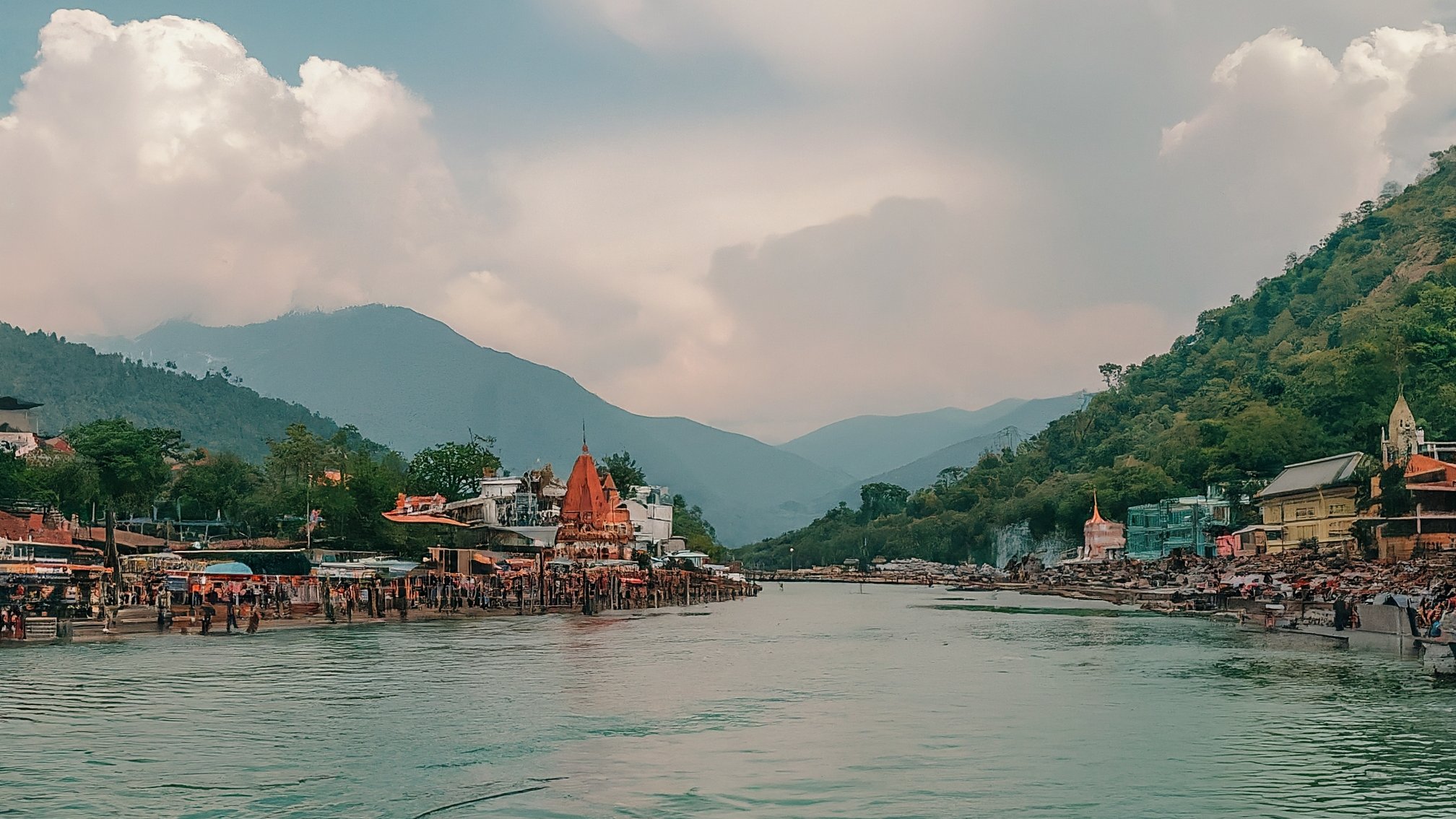
Key Details
Pilgrimage Hub
Consistent pilgrim footfall ensures stable demand for rental properties.
Gateway to Char Dham
Strategic location drives high demand for hospitality and transit accommodations.
Spiritual Tourism Growth
Government initiatives boost infrastructure and property value appreciation.
Strong Rental Yields
High demand for short-term stays translates to attractive rental income.
Recession-Resistant Market
Spiritual tourism provides stability even during economic downturns.
Attributes
Spiritual, Pilgrimage, Ganges, Yoga
Located in Haridwar
Connectivity
- Airport: Jolly Grant Airport (Dehradun)
- Railway: Haridwar Junction
- Highway: NH 58
Key Landmarks
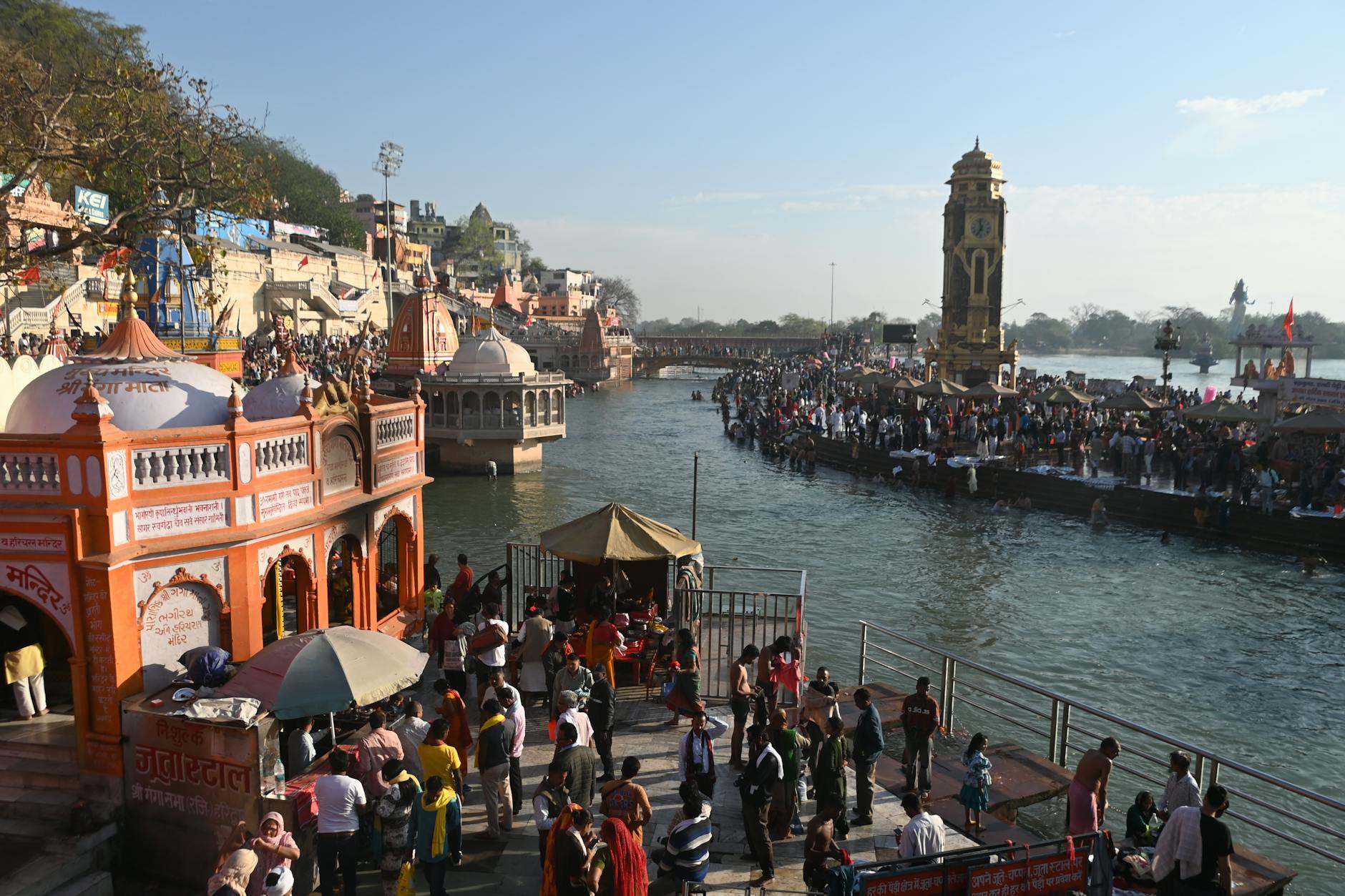
- Religious Site: Har Ki Pauri
- Temple: Mansa Devi Temple
- Temple: Chandi Devi Temple
A Look into Haridwar:
Haridwar offers a unique blend of spiritual tranquility and burgeoning investment opportunities.
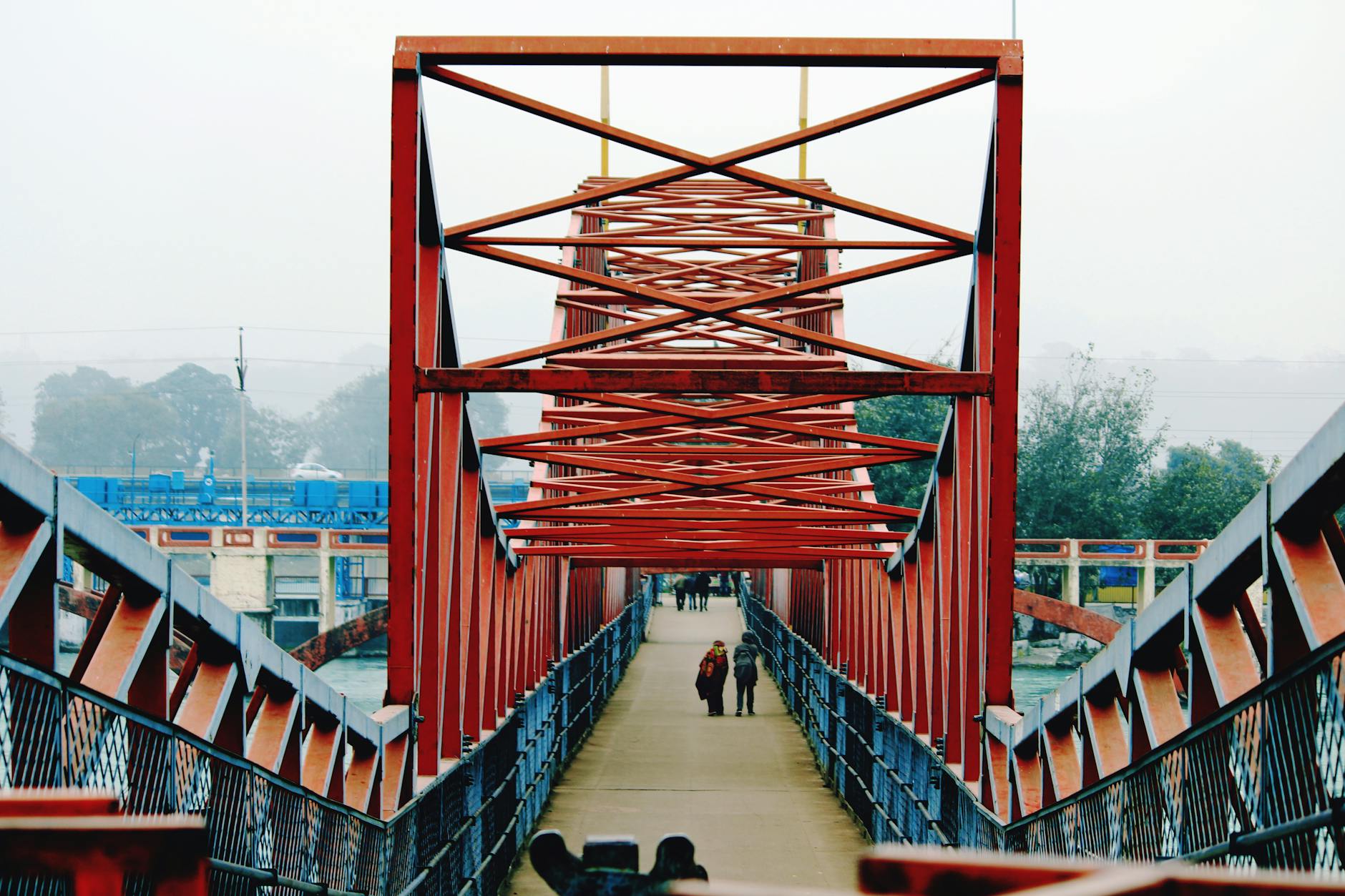
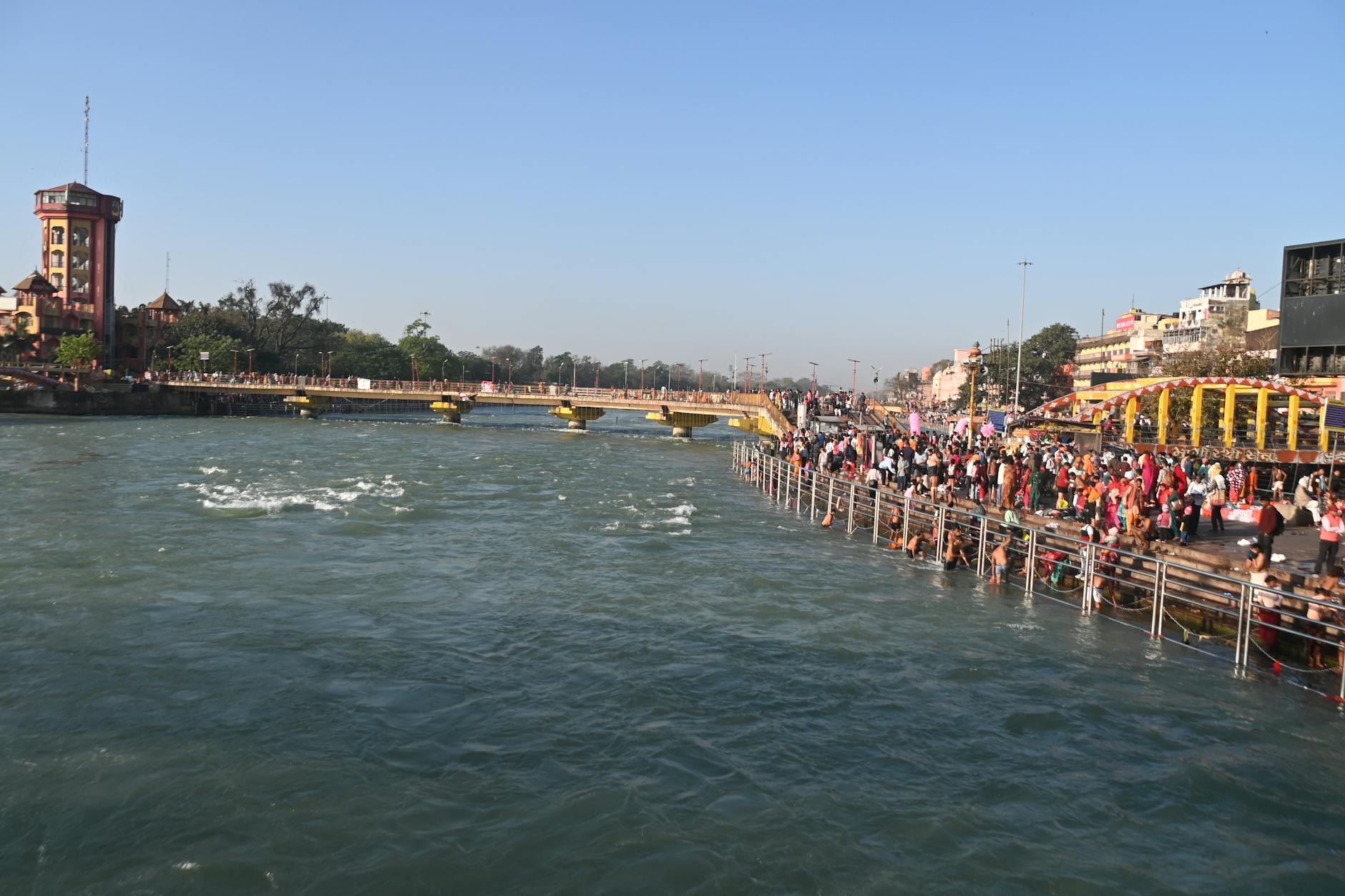
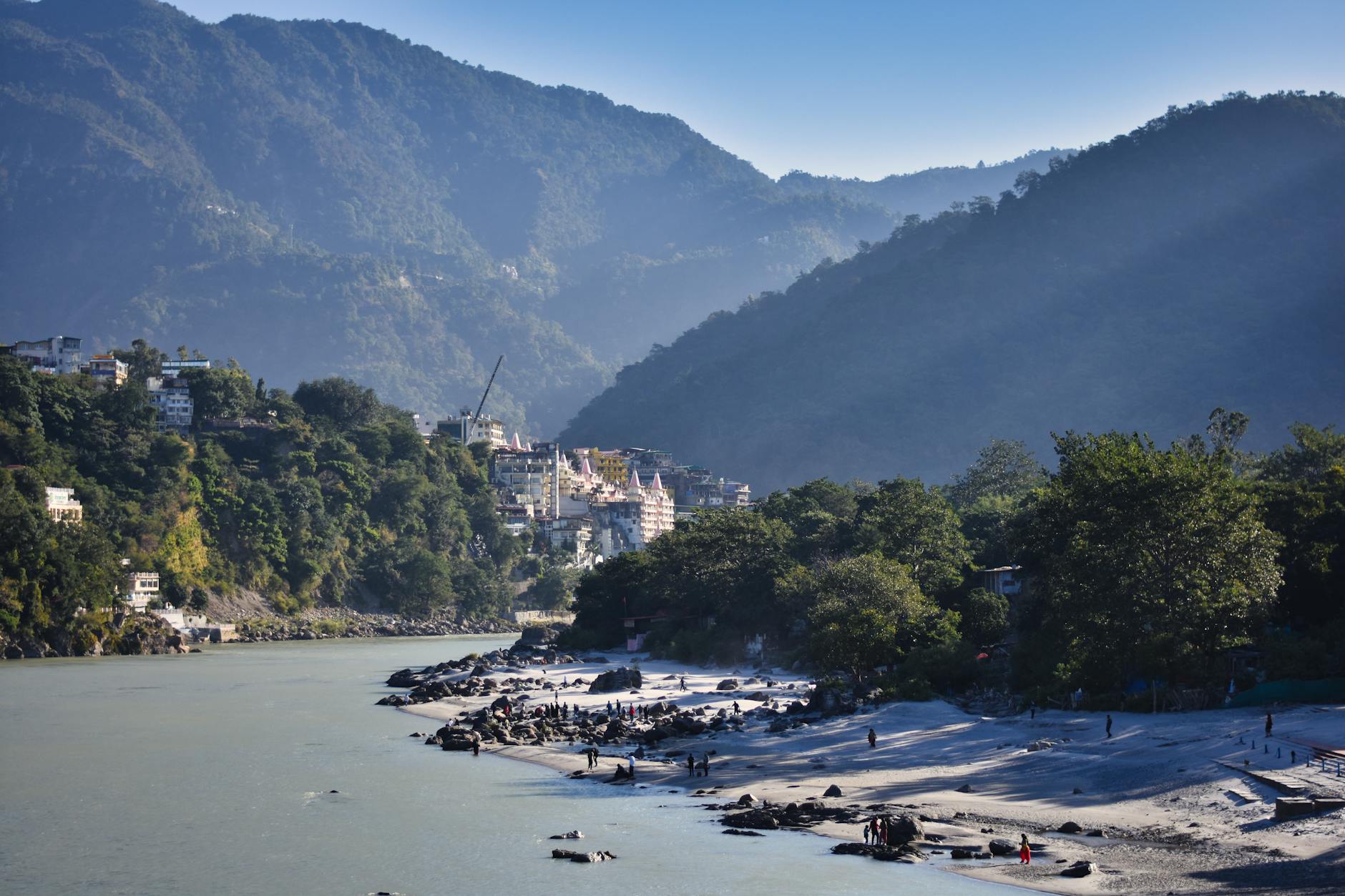
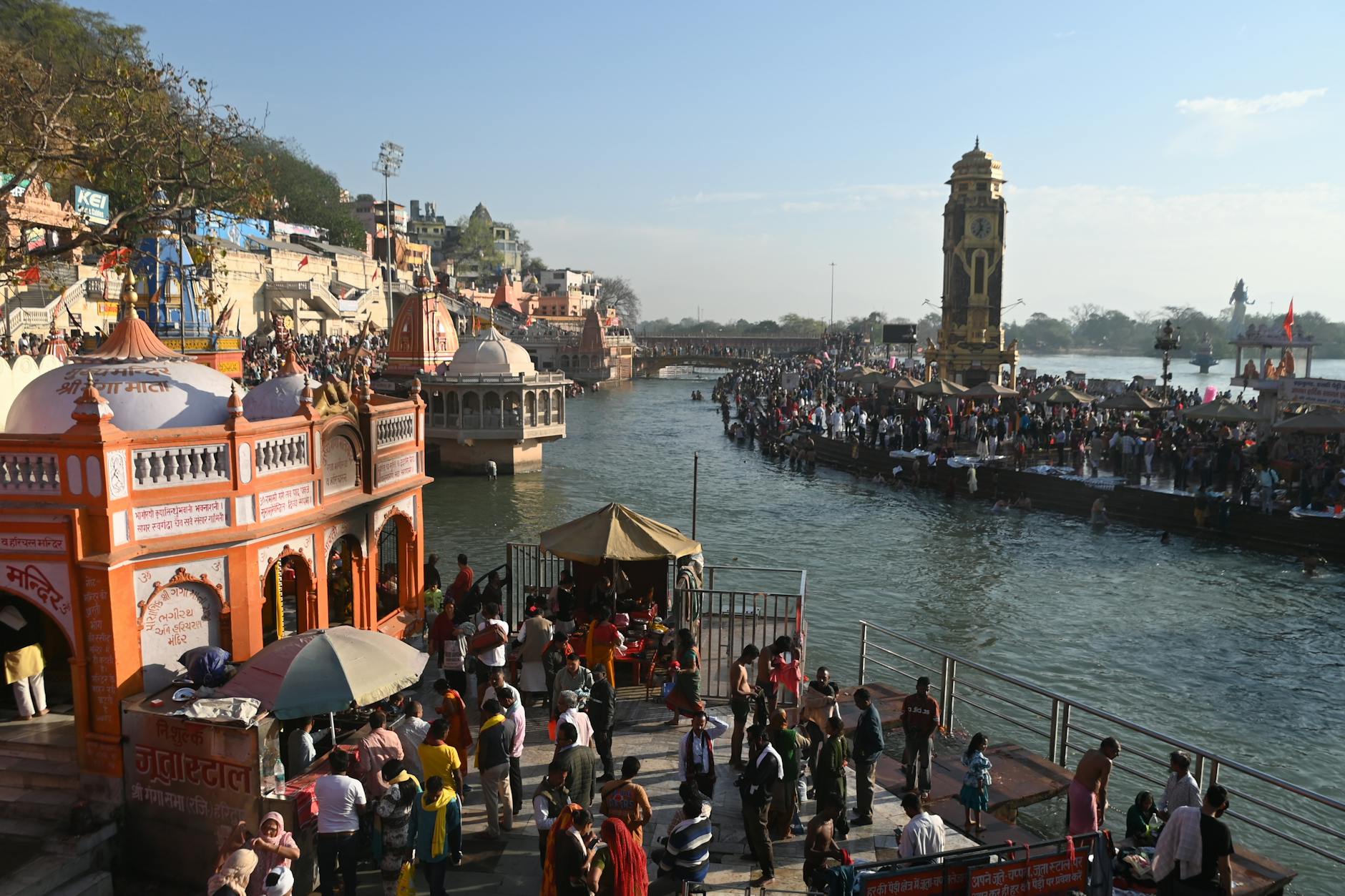
Haridwar, nestled at the foothills of the Shivalik Range, is where the sacred Ganges River gracefully descends into the plains. This ancient city, often called the 'Gateway to the Gods,' pulsates with spiritual energy, evident in its countless temples, ashrams, and the mesmerizing Ganga Aarti at Har Ki Pauri. The lifestyle here is deeply rooted in Hindu traditions, offering a serene and culturally rich environment.
What to Expect:
Experience daily life steeped in devotion, tradition, and natural beauty.
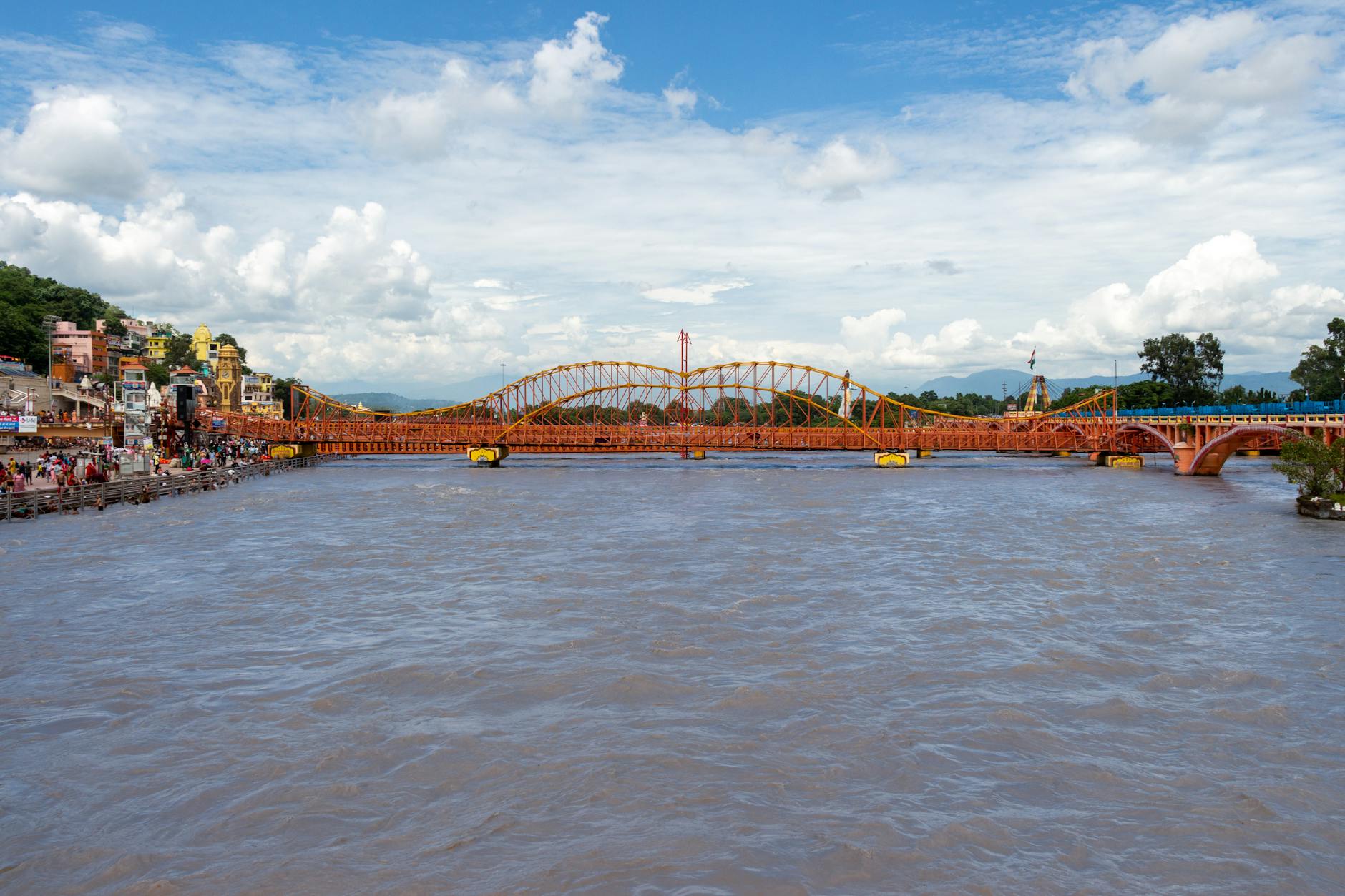
Daily life in Haridwar revolves around spiritual practices and the rhythm of the Ganges. Mornings begin with temple bells and devotional chants, followed by pilgrims taking holy dips in the river. The city's markets are bustling with activity, offering religious artifacts, local crafts, and traditional foods. Evenings culminate in the spectacular Ganga Aarti, a deeply moving experience.
The Lifestyle:
A lifestyle defined by spiritual serenity, cultural immersion, and community warmth.
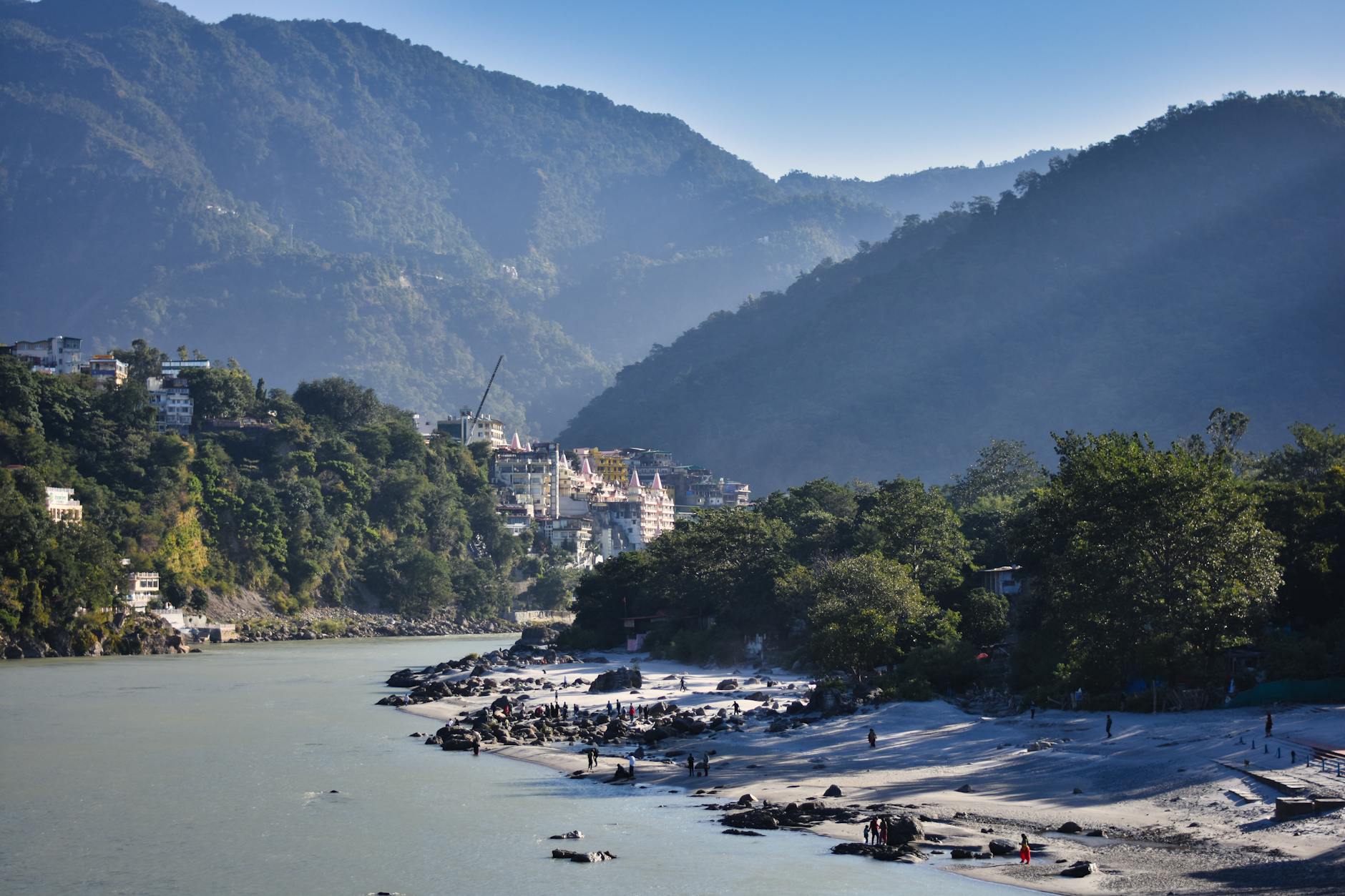
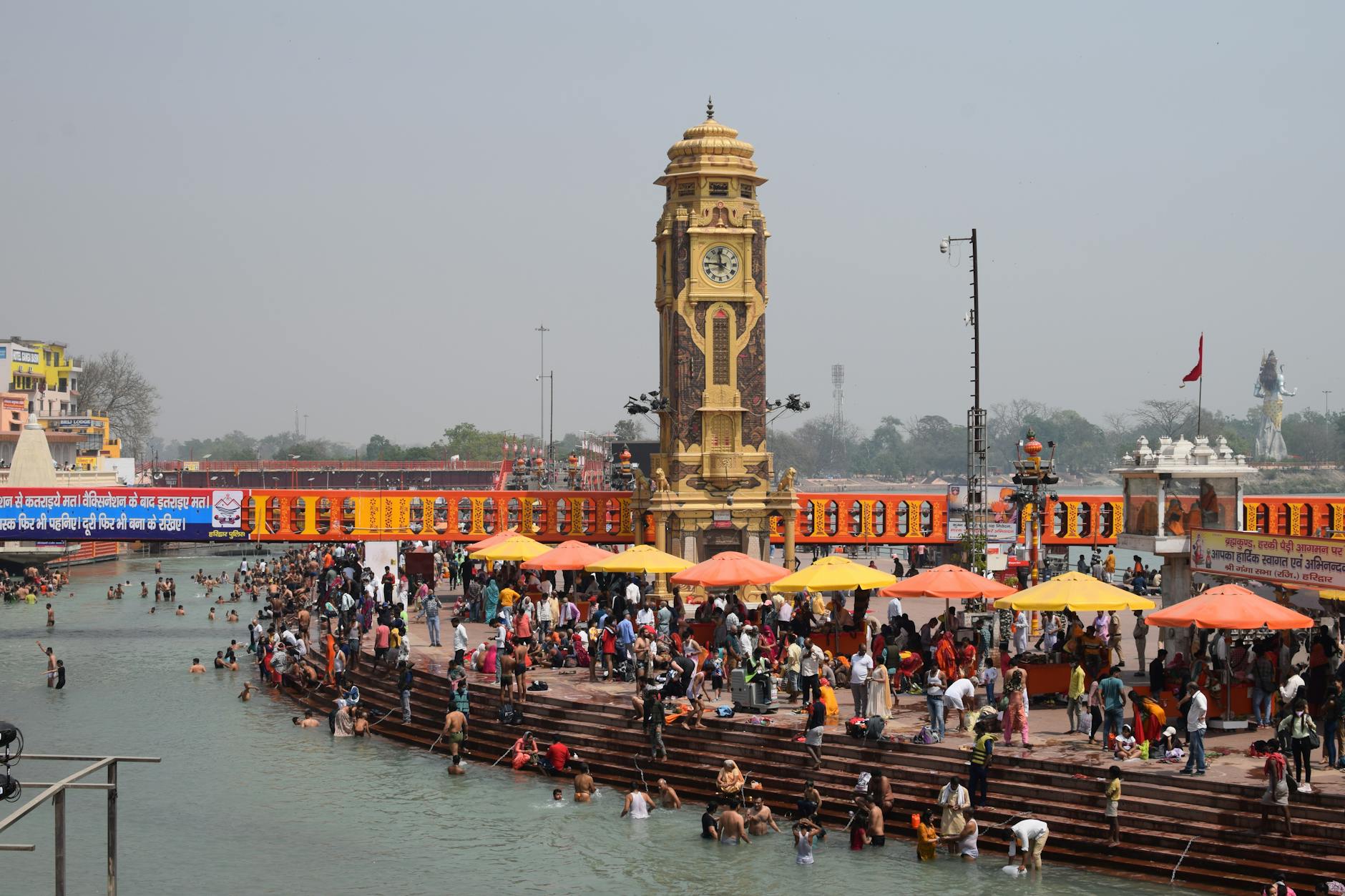
The lifestyle in Haridwar is characterized by its spiritual essence and close-knit community. Residents and visitors alike embrace a rhythm of life that respects ancient traditions and the sanctity of the Ganges. Daily rituals, festivals, and community gatherings are central to the social fabric. While deeply traditional, the city is also evolving, with modern conveniences gradually integrating into the landscape.
You'll Fall in Love:
Discover the profound spiritual energy and captivating natural beauty of Haridwar.
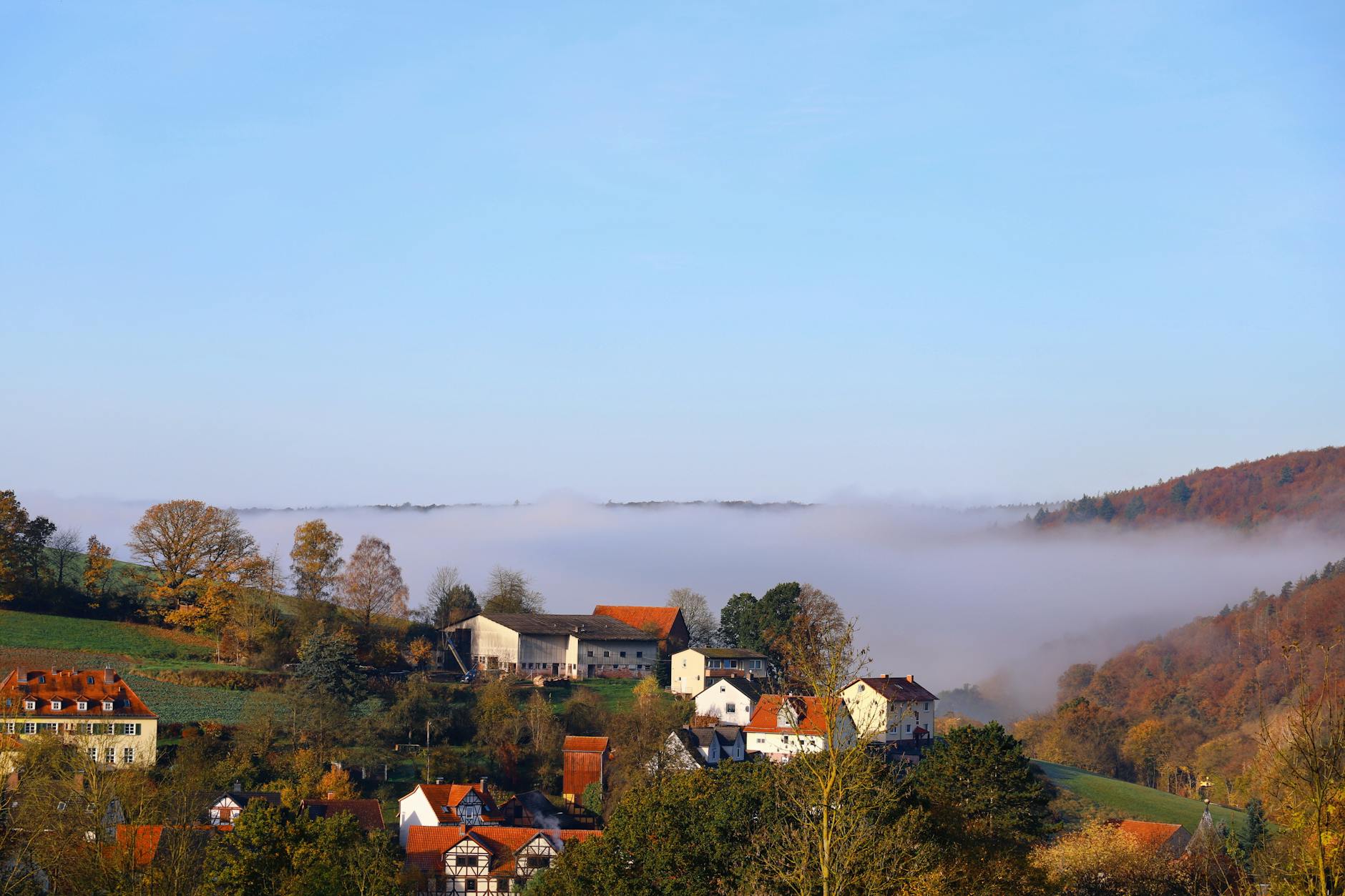
You will be captivated by the profound spiritual energy that permeates every corner of Haridwar. The sight of the Ganges flowing majestically, the resonant chants, and the vibrant evening Aarti create an unforgettable atmosphere of peace and devotion. The surrounding Shivalik hills and lush greenery offer a serene backdrop, inviting introspection and tranquility.
Nearby Attractions:
Explore sacred sites and natural wonders surrounding Haridwar, enhancing lifestyle and appeal.
Haridwar is surrounded by a plethora of attractions, from revered temples to wildlife sanctuaries, making it a diverse destination. These sites not only enrich the local lifestyle but also significantly contribute to the city's appeal as a tourist and pilgrimage hub, driving consistent visitor numbers and supporting the hospitality sector. Easy accessibility to these locations further enhances their value.
| Attraction | Type | Highlight |
|---|---|---|
| Har Ki Pauri📍 | Religious Site | Iconic ghat for Ganga Aarti and holy dips. |
| Mansa Devi Temple📍 | Temple | Hilltop temple offering panoramic city views. |
| Chandi Devi Temple📍 | Temple | Ancient hilltop temple accessible by ropeway or trek. |
| Maya Devi Temple📍 | Temple | One of the Shakti Peeths, a highly revered pilgrimage site. |
Schools & Education:
Quality educational institutions cater to local families and those seeking spiritual learning.
Haridwar offers a range of educational institutions, from reputable schools to specialized centers for traditional learning. These facilities serve the local population and attract students interested in a holistic education, including spiritual and cultural studies.
| School | Type | Grades |
|---|---|---|
| Delhi Public School, Haridwar | Private | - |
| Acharyakulam Public School | Private | - |
| Gurukul Kangri University | University | Undergraduate/Postgraduate |
| Dev Sanskriti Vishwavidyalaya | University | Undergraduate/Postgraduate |
Healthcare:
Accessible healthcare facilities provide essential medical services to residents and visitors.
The city of Haridwar is equipped with several hospitals and clinics, ensuring that residents and visitors have access to necessary medical care. These facilities range from general hospitals to specialized centers.
| Hospital | Type | Specialty |
|---|---|---|
| District Hospital Haridwar | Government | General |
| Metro Hospital & Heart Institute | Private | Multi-speciality |
| City Hospital | Private | General |
| Shivalik Hospital | Private | Multi-speciality |
Dining & Cafés:
A diverse culinary scene offers traditional Indian flavors and international options.
Haridwar's dining scene reflects its cultural heritage, with a strong emphasis on vegetarian cuisine. From traditional thalis to street food delights, there's a wide array of options to explore. The growing tourism sector has also led to the emergence of cafes and restaurants offering diverse culinary experiences, catering to varied palates and enhancing the overall visitor experience.
| Restaurant | Cuisine |
|---|---|
| Chotiwala Restaurant | Indian, Vegetarian |
| Hoshiyar Puri | Indian, Vegetarian |
| Ganga Lahari Restaurant | Indian, Multi-cuisine |
| Mathura Walo Ki Pracheen Dukaan | Indian Sweets & Snacks |
Geography Profile:
Haridwar: where the Ganges meets the plains amidst the Shivalik foothills.
The terrain is largely flat in the southern parts, transitioning to an undulating landscape towards the north as it approaches the hills.
| Parameter | Value |
|---|---|
| Terrain Type | Flat plains transitioning to hilly foothills |
| Water Bodies | River Ganges, Ranipur Rao, Pathri Rao, Ravi Rao, Harnaui Rao, Begam Nadi |
Soil & Ecology:
Fertile alluvial soils support rich biodiversity at the Ganges' plains entry.
The soil in Haridwar is predominantly alluvial, deposited by the Ganges River as it enters the plains. This fertile soil supports a rich variety of flora, including agricultural crops and dense forests, particularly in the northern parts of the district.
Climate Snapshot:
Subtropical climate with hot summers, moderate monsoons, and pleasant winters.
Haridwar experiences a moderate subtropical climate with distinct seasons. Summers (March to June) are warm to hot, with temperatures rising significantly. The monsoon season (July to September) brings moderate to heavy rainfall, transforming the landscape into lush greenery. Winters (October to February) are generally cool and pleasant, making it the most favorable time for visitors. The climate is influenced by its proximity to the Himalayas.
| Parameter | Value |
|---|---|
| Air Quality | Moderate |
| Best Outdoor Season | Oct-Mar |
| Monsoon Months | Jul-Sep |
Legal Ownership (Uttarakhand):
Bhoo Kanoon 2025 restricts non-resident land purchases in hill districts
Under the 2025 Uttarakhand Land Law, non-residents face strict area limits on residential and commercial land. Agricultural and horticultural land purchases by outsiders are banned across 11 of 13 districts. Foreign nationals follow national FEMA rules and cannot buy property.
Always consult a licensed real estate attorney before purchase. Rules change; verify current law.
| Buyer Type | Permitted | Tenure | Conditions | Approval |
|---|---|---|---|---|
| Uttarakhand Resident | Yes | Freehold | Unrestricted within state law | None |
| Non-Resident Indian (other state) | Conditional | Freehold | Max 250 sqm residential, 500 sqm commercial; one-time purchase; affidavit mandatory | State registration + online portal |
| NRI / OCI | Conditional | Freehold | Same as non-resident Indian; agri/horti banned in 11 of 13 districts | FEMA + state approval |
| Foreign National | No | None | Not permitted under national FEMA rules | Not applicable |
Capital Gains Tax (India):
Understanding capital gains tax on real estate in India.
Capital gains tax applies to profits from selling property. The tax rate depends on the holding period, classifying gains as short-term or long-term, with different tax implications and indexation benefits.
Always confirm with a qualified tax professional.
| Holding period | Classification | Tax |
|---|---|---|
| 24 months or less | Short-term | At your income tax slab rate |
| More than 24 months | Long-term | 12.5%, without indexation |
Effective 1 April 2026. Income-tax Act 2025 (Act 30 of 2025), sections 197(1)(b), 197(3) and 2(101)(a); in force 1 April 2026. Read the notification
- For resident individuals and Hindu Undivided Families selling land or a building acquired before 23 July 2024, any tax above what a 20%-with-indexation computation would produce is ignored, so the effect is the lower of the two. Other taxpayers, including NRIs, do not get this relief.
Stamp duty (Uttarakhand):
Uttarakhand charges 5% stamp duty, with a lower rate for a woman buying in her own name on a purchase up to Rs 25 lakh. The registration fee is 2% of the value, up to a cap.
| Buyer | Stamp duty |
|---|---|
| General | 5% |
| Female buyer, consideration up to ₹25 lakh | 3.75% |
| Female buyer, above ₹25 lakh | 5% |
Read from the schedule on 28 September 2026. Government of Uttarakhand, Schedule of Stamp Duty and Registration Fee, Article 23.
Registration fee (Uttarakhand):
Registration fee 2%, capped at ₹50,000. The published schedule still shows the earlier ₹25,000 cap; the cap was raised by an amendment of November 2025.
Amended November 2025. Government of Uttarakhand, Schedule of Stamp Duty and Registration Fee, Article 23.
Frequently Asked Questions
Yes, Haridwar presents a compelling investment case in 2026. Its status as a major spiritual hub ensures consistent tourist and pilgrim footfall, driving demand for both rental and appreciation-based investments. Ongoing infrastructure development, like new expressways and bypasses, further enhances its accessibility and economic potential, making it a sound choice for property investors.
Local Insights & Discussions
Ask a question or share a local tip about Haridwar
Be respectful and constructive in your comments.
Buying or selling in Haridwar?
Tell us once. Our team connects you with the right homes, or the right buyers.