🏰 Heritage
Forts, churches and monuments — their history, significance and visiting details.
200 places

Historic 17th-century church, a local landmark.

Example of Indian Baroque architecture

Historic fort offering panoramic views of the coastline.

Historic church in Siolim, a significant landmark with beautiful architecture.

Large 17th-century Portuguese fort with a lighthouse.

Historic fort with panoramic views of the Mandovi River.
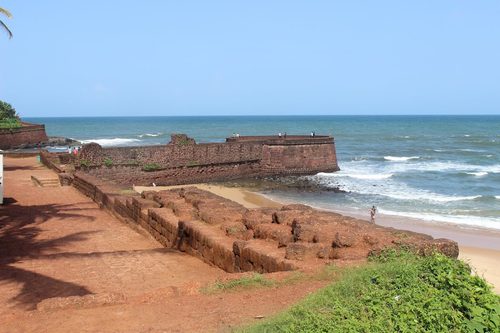
17th-century Portuguese fort with a lighthouse.
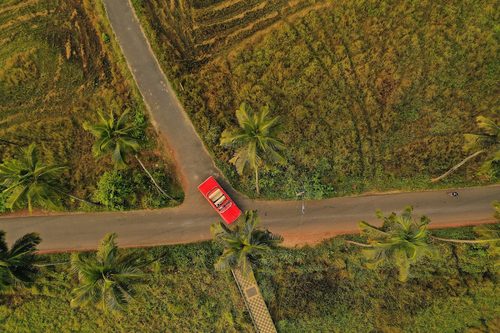
Parra Coconut Tree Road is a straight village stretch in Parra, North Goa, lined on both sides by tall coconut palms. It became a magnet for photographers after the film Dear Zindagi shot its cycling scene here, and today it is one of Goa's best-known spots for photos, reels and an early-morning ride, though visitors are candid that it is popular and can feel overhyped.

The road bridge over the Chapora river linking Siolim (Bardez) with Chopdem (Pernem), opened in 2002 to replace a slow ferry crossing — primarily a piece of everyday infrastructure that doubles as a quiet, scenic river viewpoint.
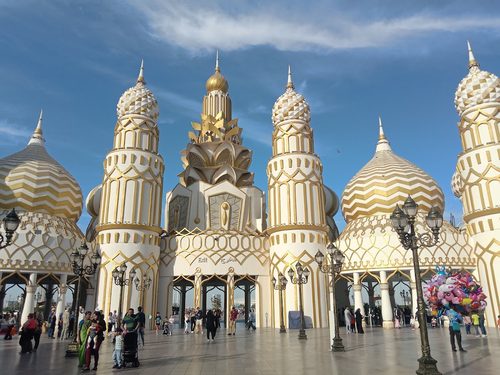
Multicultural festival park offering shopping, dining, and entertainment.
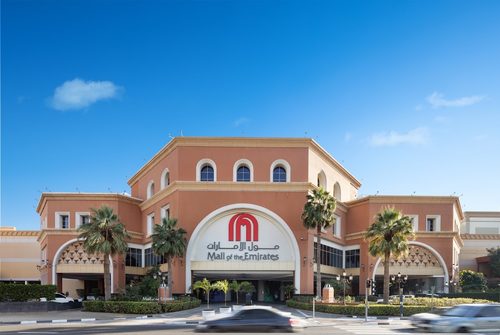
Home to Ski Dubai, a vast indoor ski resort.
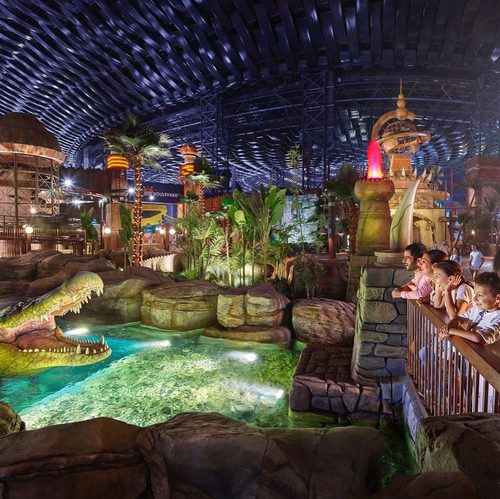
Indoor theme park with popular cartoon and movie zones.
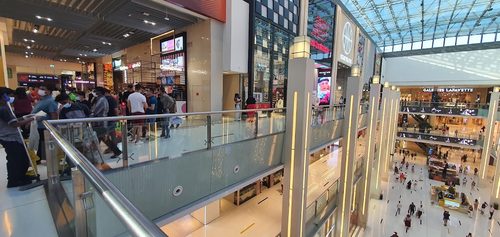
One of the world's largest shopping and entertainment destinations.
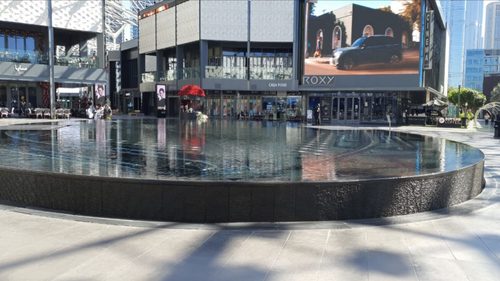
Outdoor retail, dining, and leisure destination.
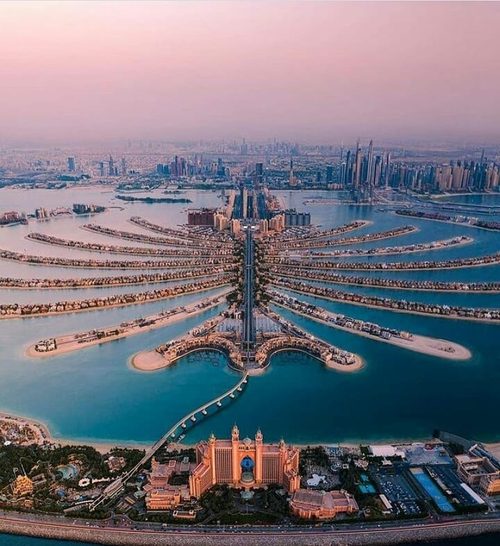
Iconic man-made island with luxury resorts and dining.
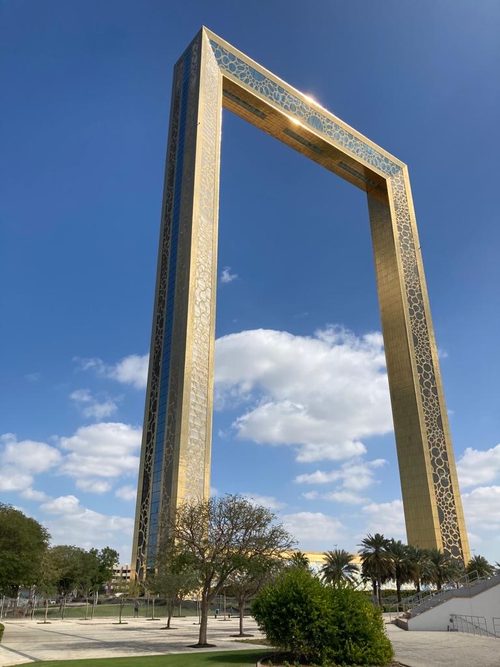
An iconic architectural landmark offering stunning views of old and new Dubai.
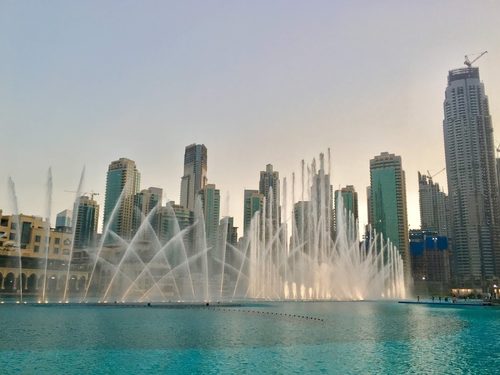
Spectacular choreographed fountain shows.
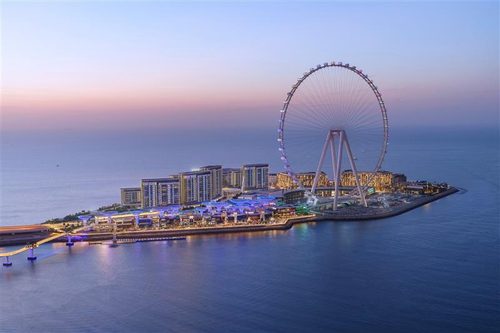
World's largest observation wheel with panoramic views.
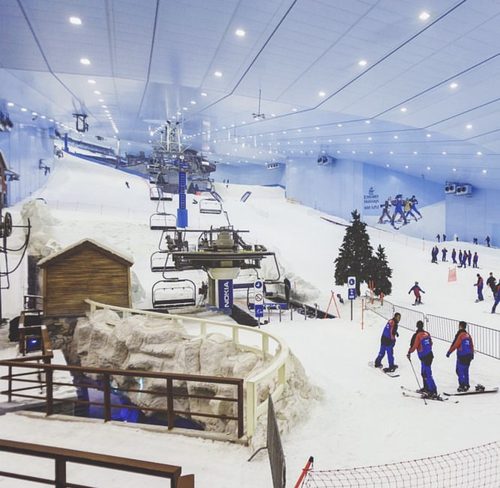
Indoor ski resort with real snow, skiing, and snowboarding.
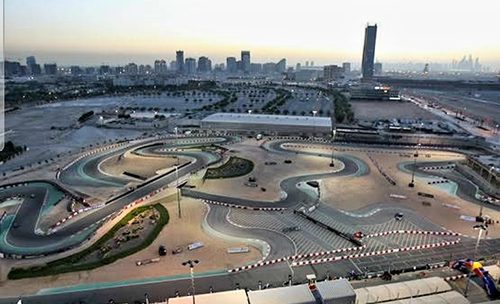
Iconic FIA certified racetrack hosting various motorsport events.
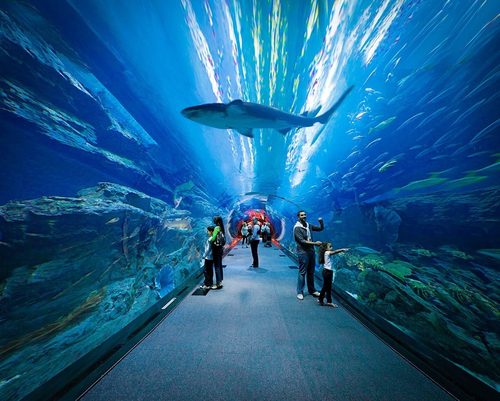
Home to thousands of aquatic animals.
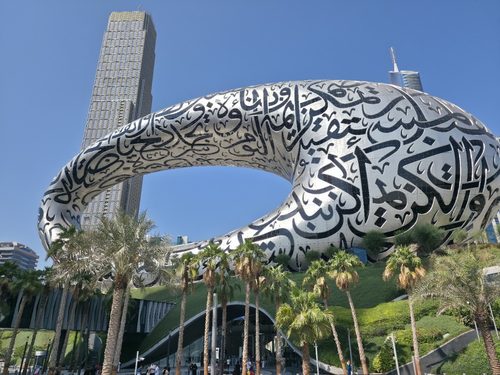
Visionary landmark showcasing futuristic technologies and ideas.
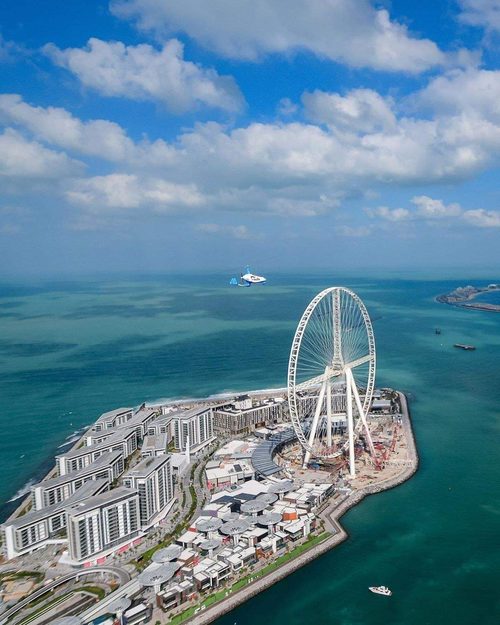
Home to Ain Dubai and diverse leisure options.
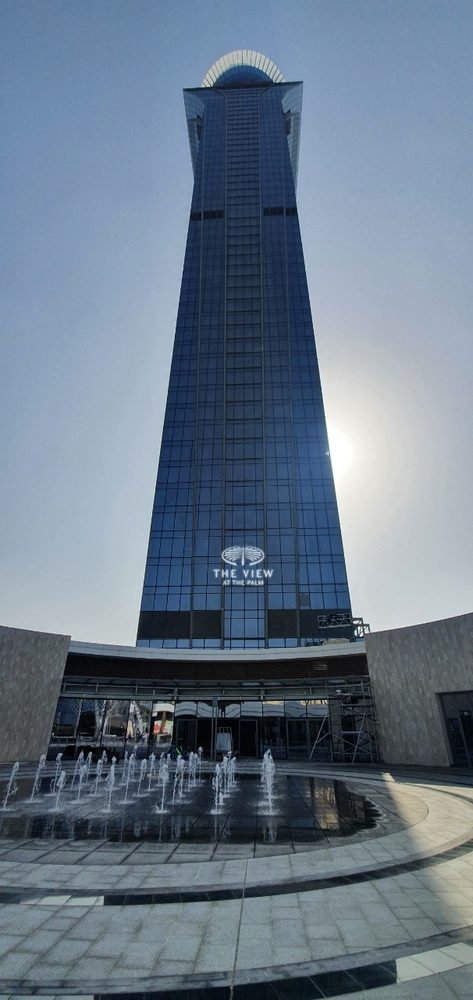
Panoramic views of Palm Jumeirah and Dubai skyline.
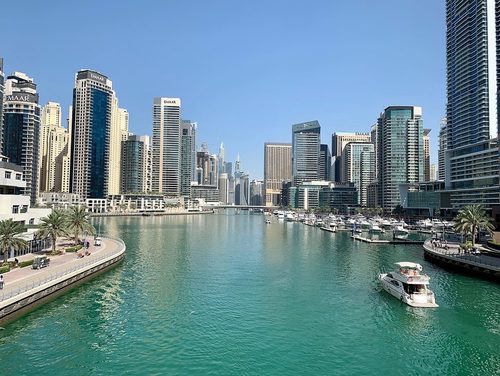
Scenic waterfront promenade with cafes and shops.
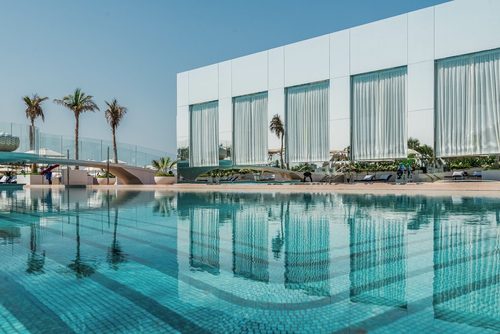
Iconic sail-shaped hotel on an artificial island.
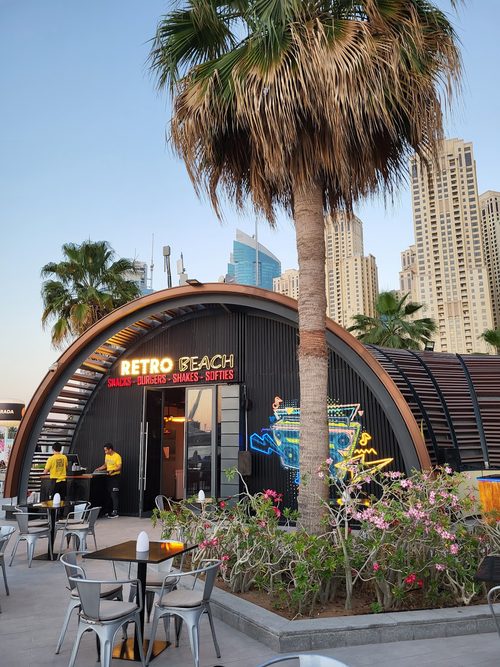
Lively beachfront promenade with shops and restaurants.
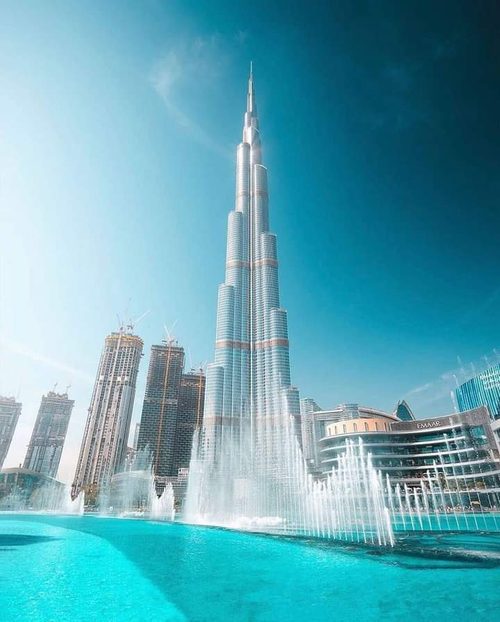
World's tallest building with breathtaking views.
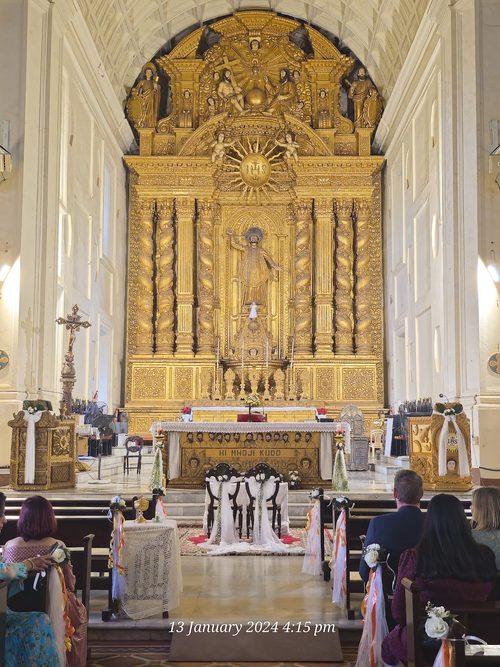
UNESCO World Heritage Site
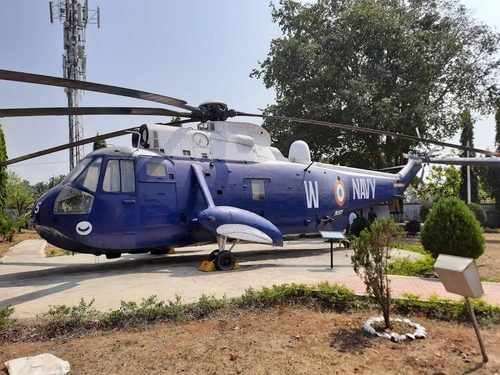
Showcasing India's naval aviation history
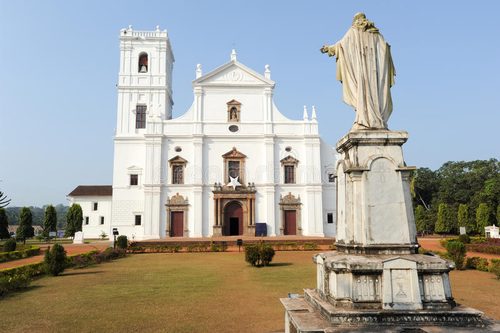
One of the largest churches in India
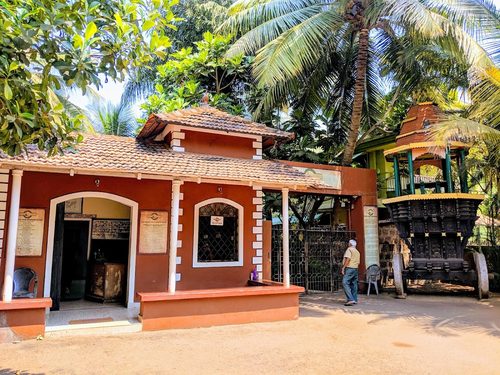
Ethnographic museum showcasing traditional Goan life.
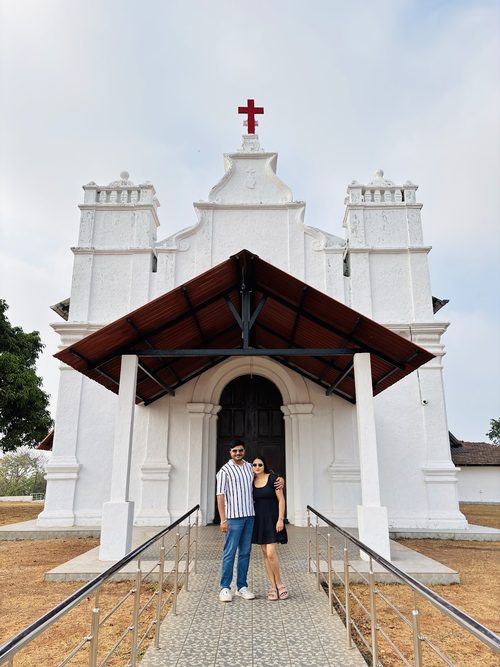
Historic church with panoramic views
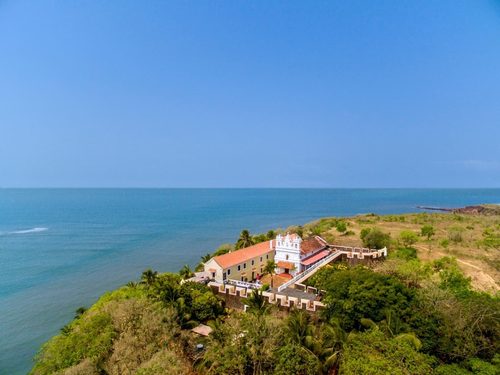
Historic fort offering panoramic views of the Arabian Sea.

Active volcano and one of Japan's 100 Famous Mountains.

Myōkō-Togakushi Renzan National Park in Myoko.

Akakura Onsen Ski Resort in Myoko.
Famous for snow monkeys bathing in hot springs.
Historic hot spring resort town.

Features one of Japan's longest ski runs.

Luxury resort with extensive freeride terrain.

Known for its ungroomed courses and scenic views.

Historic fort offering trekking routes
Ancient temple with panoramic views

Unique rock-cut steps, popular trekking destination

Part of the challenging AMK trek

One of the twelve Jyotirlingas, a major Hindu pilgrimage site.

World-renowned concert hall

Iconic urban oasis

Premier modern art collection

Grand historic hotel

Iconic jewelry store

High-end department store

Prominent skyscraper

Famous cultural and entertainment hub

Vibrant global landmark

Historic entertainment venue

Renowned Neo-Gothic cathedral

Iconic transportation hub

Famous for hills, caves, and waterfalls

Pune in Waghoshi.

Mumbai in Aamby Valley.

Two fortified peaks, popular for monsoon treks.

Cliff-top viewpoint resembling a tiger's leap, offering stunning valley views.

Ancient Buddhist rock-cut caves with impressive architecture.
India's largest adventure park with numerous activities.

Cliff resembling the nose of Duke Wellington, popular for trekking.
Major theme park with rides, shows, and attractions.

Well-preserved hill fort with rich history.

Hill fort offering scenic views and a popular trekking destination.

Conical peak offering intimate views of Pawna Lake.

Architectural marvel and a symbol of Islamic faith.

A universal museum showcasing art and human history.

The majestic Presidential Palace, offering insights into UAE governance.

Home to theme parks, Yas Marina Circuit, and Yas Mall.
Panoramic city views from the 74th floor of Etihad Towers.

The oldest stone building in Abu Dhabi, showcasing city history.

An ecological wonder offering boardwalks through mangrove forests.

Home to the world's fastest roller coaster and family attractions.

An indoor theme park with popular Warner Bros. characters.
Hilltop temple with panoramic Himalayan views
Narendra Nagar in Agrakhal.

Rishikesh in Thano.

Confluence of Alaknanda and Bhagirathi rivers, a sacred Hindu site.
Ancient meditation cave by the Ganges

Suspension bridge connecting ashrams

Iconic suspension bridge with views

Prominent spiritual ashram on the Ganges banks.

Sacred bathing ghat, Ganga Aarti

Historic site where The Beatles studied Transcendental Meditation.

Popular for white-water rafting and camping

UNESCO World Heritage site with colonial architecture.

Witness traditional stilt fishing at dawn or dusk.
Explore the life and works of a renowned Sri Lankan author.
Historic 13th-century temple with Kandyan-style paintings.
Unique spot for skating and lively evening events with DJs.
Spiritual and architectural marvel, a peaceful retreat.
Sholinganallur IT Corridor (OMR) in Akkarai.
Popular family entertainment destination with rides and shows.
Offers boating and watersports on a serene backwater lagoon.

Living heritage museum showcasing South Indian culture and crafts.

UNESCO World Heritage Site with ancient rock-cut temples.
Large entertainment complex with cinema and recreational facilities.

Residential and leisure destination with golf course.

Jebel Jais Mountain in Al Marjan Island.
Extensive collection of archaeological artifacts.

18th-century fortress with panoramic views.

Preserved pearling village with coral-stone houses.

Largest public park in Ras Al Khaimah.

Waterfront promenade with restaurants and cafes.

Expansive green space with jogging tracks and play areas.

Dubai Water Canal in Business Bay.

Beautifully designed mosque inspired by Ottoman architecture.

Convenient shopping with a variety of retail and dining options.

An immersive indoor tropical rainforest with diverse flora and fauna.

Contemporary art hub with galleries, workshops, and events.

Historic 16th-century church, a prominent landmark in Aldona.
Corjuem Fort Bridge in Aldona.

Historic fort offering panoramic river views.

Gateway to Mumbai via Ro-Ro ferry service.

Historic sea fort accessible during low tide, offering panoramic views.

Impregnable sea fort, a marvel of ancient Indian architecture.
Ancient step-tanks offering a peaceful retreat.
Hilltop temple with panoramic views.
Sacred site at the origin of the Hiranyakeshi River.
Historic ruins offering panoramic valley views.
Known for its mesmerizing valley views and reverse waterfall phenomenon.
Offers expansive panoramic views of the surrounding valley.

Pura Lempuyang Temple in Amed.

Tirta Gangga in Amed.
Iconic Balinese temple with stunning Mount Agung views.

Stunning royal water garden with intricate fountains and pools.

World-famous shipwreck dive site teeming with marine life.
Accessible shipwreck for snorkeling and shallow diving.

Electronic City in Tavarekere.
Jigani Industrial Area in Anekal.
Anekal Town Municipal Council in Anekal.

Wildlife sanctuary and zoo

Global humanitarian and educational NGO

Large amusement and water park

Prominent spiritual and cultural center
Popular mall offering retail, F&B, and entertainment.

Mapusa in Moira.
Family-friendly waterpark with various slides and pools.

Historic church founded in 1595, a significant local landmark.

Our Lady of Miracles Church in Sircaim.

Showcases Goa's rich history, art, and culture.
SIPCOT Industrial Park, Hosur in Athimugam.

Hosur in Thally.

Adhiyamaan College of Engineering in Athimugam.
Historical fort with intricate architecture.
Ancient hilltop temple dedicated to Lord Shiva with panoramic views.

Memorial dedicated to C. Rajagopalachari.
Beautiful temple dedicated to Krishna.
Hill station known for its pleasant climate and scenic views.
Famous temple dedicated to Goddess Parasakthi.

Iconic golden globe, a space for meditation and inner peace.

Former French colony with unique architecture and cultural sites.
Tito's Lane in Baga.

A beautiful Gothic-style church, offering a serene spiritual experience.
Historic fort rising 150 ft above hilly terrain.
Ancient temple dedicated to Lord Venkateswara.
Revered local temple.
Temple dedicated to Lord Shani.
Spiritual site on Bagepalli Hill.

Famous for its Veerabhadra Temple and monolithic Nandi.

Iconic sea temple perched on a cliff, famous for Kecak dance.

Home to a colossal statue and hosts cultural performances.
Championship golf course with ocean views.
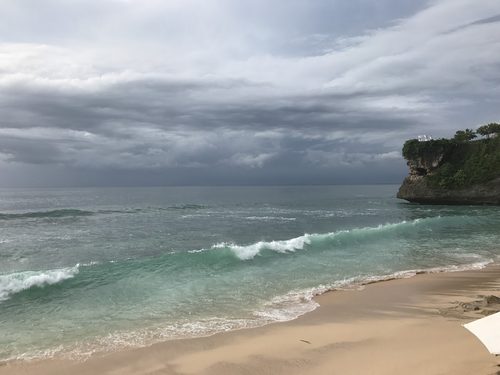
Small local temple near Balangan Beach, offering cultural insight.

Historic fort with impressive architecture and sound & light show.
Suncity in Bandlaguda Jagir.
Scenic lake-side park with tree-top adventures and boating.
A prominent local temple, also known as Aarra Maisamma Temple.
Popular retail hub for daily necessities and shopping.
Popular venue for events and gatherings.

Laguna Phuket in Bang Tao.
Boutique shops, restaurants, and cafes.

Award-winning 18-hole golf course.

Spectacular cultural theme park with elaborate shows and dining.

Lifestyle destination with water park, dining, and entertainment.

Charming streets with Sino-Portuguese architecture, cafes, and boutiques.

Iconic white marble Buddha statue offering stunning 360-degree island views.

Phuket's most important Buddhist temple, known for its beautiful architecture.

Colonial-era railway station on the UNESCO World Heritage Kalka-Shimla Railway.

Solan in Kumarhatti.

Dagshai in Kumarhatti.

Longest and straightest tunnel on Kalka-Shimla Railway, with a haunting legend.

Largest Shiva temple in North India, known for its unique architecture.

One of the oldest monasteries of the Bon religion, known for its vibrant architecture.
Ancient temple dedicated to Goddess Shoolini, the patron deity of Solan.
One of India's oldest breweries, established in 1855.
The burial site of Colonel Barog, adding to the local lore and history.
Hinjewadi IT Park in Urse.

Prestigious tri-service academy with a sprawling campus.

Historic hill fortress with panoramic views.

First capital of the Maratha Empire, known for trekking.

Historic seat of the Peshwas in Pune.

A significant landmark with historical importance.

Ancient rock-cut cave temple dedicated to Lord Shiva.