 iMahesh / Wikimedia Commons (CC BY-SA 4.0)
Reis Magos Fort
Historic fort with panoramic views of the Mandovi River.
Why people come to Reis Magos Fort
A compact Portuguese fort first built in 1551 on the Mandovi's north bank.

Reopened in 2012 as a heritage and cultural centre after careful restoration.
River, the closest of the places we cover nearby.
Ramparts look over the river to Panaji and across to Fort Aguada.

Galleries and displays inside the restored bastions.
Steep red-laterite walls and gateways in a small, walkable footprint.
History
Reis Magos Fort was first built by the Portuguese in 1551, making it one of the earliest surviving fortifications in Goa — older than Aguada across the river. It stood at a strategic pinch-point on the Mandovi, and together with Fort Aguada opposite it commanded the river approach to the Portuguese capital at Old Goa. The fort took its name from the adjacent Reis Magos church, dedicated to the Three Wise Men.
Significance
Reis Magos matters on two counts. As heritage, it is among the oldest surviving forts in Goa and, with Aguada facing it, one half of the twin fortification that once locked down the Mandovi — a clear, legible piece of the colony's defensive story. As a conservation story, its 2012 restoration is widely held up as a model of how a ruined Indian monument can be brought back to life and given a living use, rather than merely fenced off.
Architecture
The fort is a compact laterite structure built into the slope of a hill running down to the Mandovi, its tiered ramparts and bastions stepping up the hillside to command the river. Like Aguada it is built from the local red-brown laterite stone, in the low, thick-walled Portuguese military manner, and it retains defensive features including gateways, gun positions and a deep laterite-cut water cistern. The 2008–2012 restoration is a large part of what visitors now see: collapsed sections were rebuilt, the ramparts consolidated and the internal buildings adapted as clean, well-lit gallery and exhibition spaces without erasing the fort's military character.
Reis Magos is the thinking traveller's Goa fort — small, beautifully restored and quiet, with genuine exhibitions inside and one of the best river outlooks on the Mandovi.
Reis Magos Fort is the smaller, older sibling of Fort Aguada, standing on the north bank of the Mandovi at Verem, just below Nerul, and looking directly across the river to Aguada and Panaji. First built by the Portuguese in 1551, it is often cited as one of the oldest surviving forts in Goa. It takes its name from the neighbouring Reis Magos church — a reference to the Three Wise Men, or Magi — and for centuries it guarded the narrowest, most defensible point of the river along with Aguada opposite.
After Independence the fort fell into disuse and decay, serving at times as a prison and then standing abandoned. Its rescue came through a major restoration led by the Goa government with the UK-based Helen Hamlyn Trust, completed in 2012, which reopened it as a heritage and cultural centre. Inside, the restored ramparts and buildings now house exhibitions — including work associated with the celebrated Goan cartoonist Mario Miranda — alongside galleries on Goan history and the freedom struggle. Unlike free-to-enter Aguada, Reis Magos charges a modest ticket, and its tidy scale, river views and rotating exhibitions make it a rewarding, uncrowded stop.
For those looking at North Goa property, the fort sits within the Nerul/Verem riverside area, an established and scenic pocket where Avacasa lists 8 homes across 6 developers. Most Goa homes are listed price-on-request; across the wider North Goa cluster, quoted prices reach a median of about ₹3.6 crore.
Reis Magos is the thinking traveller's Goa fort — small, beautifully restored and quiet, with genuine exhibitions inside and one of the best river outlooks on the Mandovi. It lacks the sheer scale and free-entry ease of Aguada across the water, and the modest ticket and shorter hours (closed Mondays) take a little planning, but it rewards anyone who wants heritage with context rather than just ramparts. Pair it with Aguada opposite for a full North Goa fort day.
Go for
Goa's oldest surviving fort, restored cultural centre, views across the Mandovi and art & history exhibitions.
- Restoration quality
- 9
- Historical importance
- 8
- Exhibitions
- 8
- Views
- 8
- Crowds (quiet)
- 8
- Value
- 7
heritage


Explore the Socorro area guide
Market data, lifestyle and what to expect in the area around Reis Magos Fort.
Frequently asked questions about Reis Magos Fort
It was first built by the Portuguese in 1551, which makes it one of the oldest surviving forts in Goa — older than Fort Aguada across the river.
Homes near Reis Magos Fort
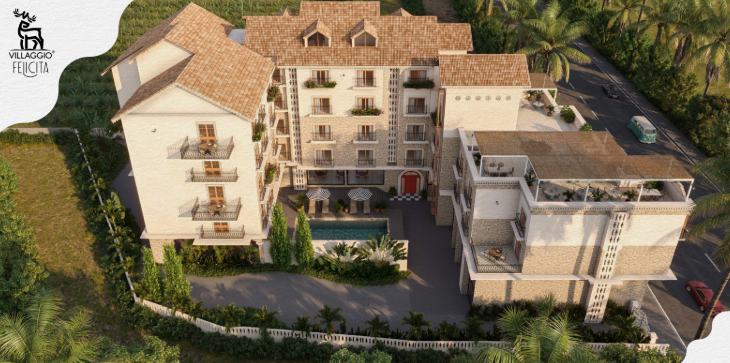
Villaggio Felicita
₹1.25 Cr
Nerul
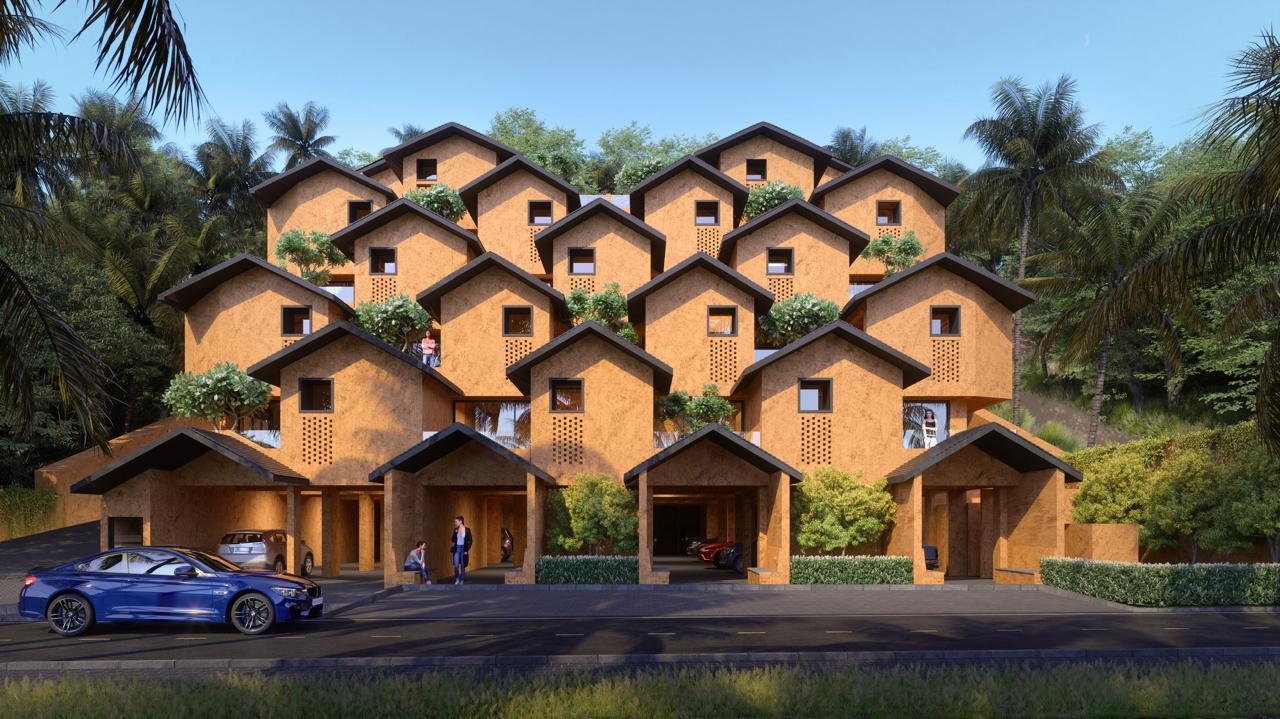
Kasu Zira
₹1.42 Cr
Nerul
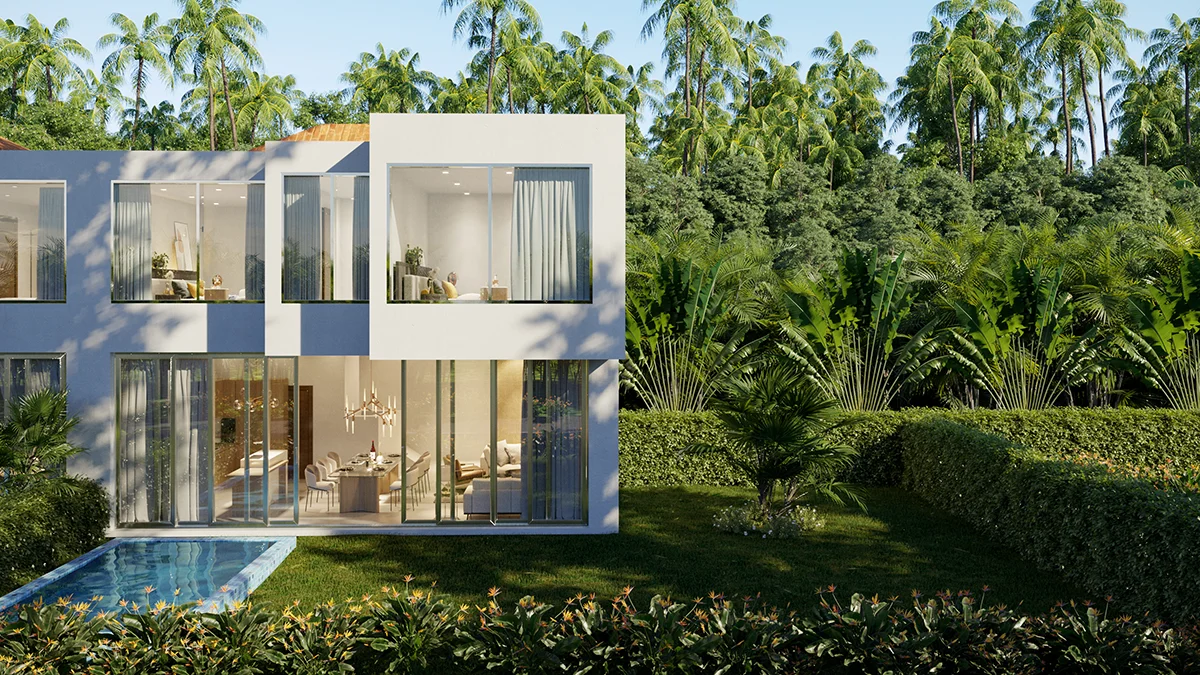
La Estella
Price on request
Nerul
La Agueda
Price on request
Nerul
 Image for representational purpose only
Casa Altinho
₹9.5 Cr
Nerul
Patios Branco Villas
₹8.5 Cr
Nerul
Distances are straight-line (haversine), approximate.