 Nikhilb239 / Wikimedia Commons (CC BY 3.0)
Aguada Fort
Large 17th-century Portuguese fort with a lighthouse.
Why people come to Aguada Fort

A well-preserved 1612 stronghold guarding the mouth of the Mandovi river.

The 1864 four-storey lighthouse is the oldest of its kind in Asia.
Beach, the closest of the places we cover nearby.

Wide views over Sinquerim and Candolim beaches to the open sea.

The hilltop fort is free to enter, roughly 9:30am to 6pm.

Built over a vast underground cistern that resupplied passing ships.
History
Fort Aguada was constructed by the Portuguese between 1609 and 1612, at a moment when their Goan capital needed hard defences against Dutch and Maratha ambitions. Positioned on the headland commanding the mouth of the Mandovi, it controlled the sea approach to Old Goa and became the linchpin of the colony's coastal defence — reputedly never taken by force during the Portuguese era. The fort's name records one of its most practical functions.
Significance
Fort Aguada is the most important surviving monument of Portuguese military engineering in Goa, and one of the best-preserved coastal forts on India's western seaboard. As the guardian of the Mandovi it protected the sea route to Old Goa for over 350 years, and its survival in good condition makes it a rare, legible example of a working early-modern sea-fort — bastions, ramparts, the freshwater cistern and the lighthouse all still readable on the ground. It is also a cornerstone of North Goa's identity and tourism.
Architecture
The fort is a classic example of Portuguese coastal military architecture, built from local laterite stone in a low, robust profile designed to withstand cannon fire. It divides into an upper fort on the crown of the hill — the part visitors explore — and a lower fort down at sea level. The upper works comprise thick ramparts and bastions laid out to sweep the river mouth and the sea approach with fire, and a large vaulted cistern that held the freshwater spring, reputedly capable of storing an enormous reserve for resupplying ships.
Fort Aguada is North Goa's essential heritage stop and, being free to enter, an easy one.
Fort Aguada is the great Portuguese sea-fort of North Goa, built between 1609 and 1612 on the headland where the Mandovi River empties into the Arabian Sea. Its job was to guard the river mouth — and therefore the approach to Old Goa, the colony's capital — against Dutch and Maratha attack, and it was for centuries the most important fortification on this coast. Its name comes from the Portuguese for 'water': a large freshwater spring inside the fort was used to resupply passing ships, making it both a stronghold and a watering station on the long sea route.
Today the hilltop fort is one of North Goa's marquee heritage sights, and it is free to walk into. The ramparts and bastions survive in good condition, and the views — down over Sinquerim and Candolim beaches on one side and across the estuary to Reis Magos and Panaji on the other — are the real reward. The centrepiece is the four-storey lighthouse, added in 1864 and often described as the oldest lighthouse of its kind in Asia. A separate lower fort at sea level later served as Goa's central jail. It is an easy, rewarding stop, especially combined with the beaches directly below.
For those weighing North Goa property, the Aguada headland sits within the Nerul area, an established and scenic riverside pocket where Avacasa lists 8 homes across 6 developers. Most Goa homes are listed price-on-request; across the wider North Goa cluster, quoted prices reach a median of about ₹3.6 crore.
Fort Aguada is North Goa's essential heritage stop and, being free to enter, an easy one. You come for the setting as much as the history — the well-preserved ramparts, the 1864 lighthouse and sweeping views over the Mandovi and the beaches below. It is compact and can be seen in under an hour, best combined with Sinquerim beach right beneath it and Reis Magos across the estuary. Go earlier in the day to avoid the midday heat and the tour-bus crush.
Go for
Portuguese sea fort, asia's oldest lighthouse, sweeping coast views and free and open daily.
- Historical importance
- 9
- Preservation
- 8
- Views
- 9
- Value (free)
- 10
- Facilities
- 6
- Crowds
- 5


Explore the Mapusa area guide
Market data, lifestyle and what to expect in the area around Aguada Fort.
Frequently asked questions about Aguada Fort
No — entry to the main hilltop fort is free. There is a small separate charge (around ₹25) to climb the lighthouse, which keeps its own shorter hours.
Homes near Aguada Fort
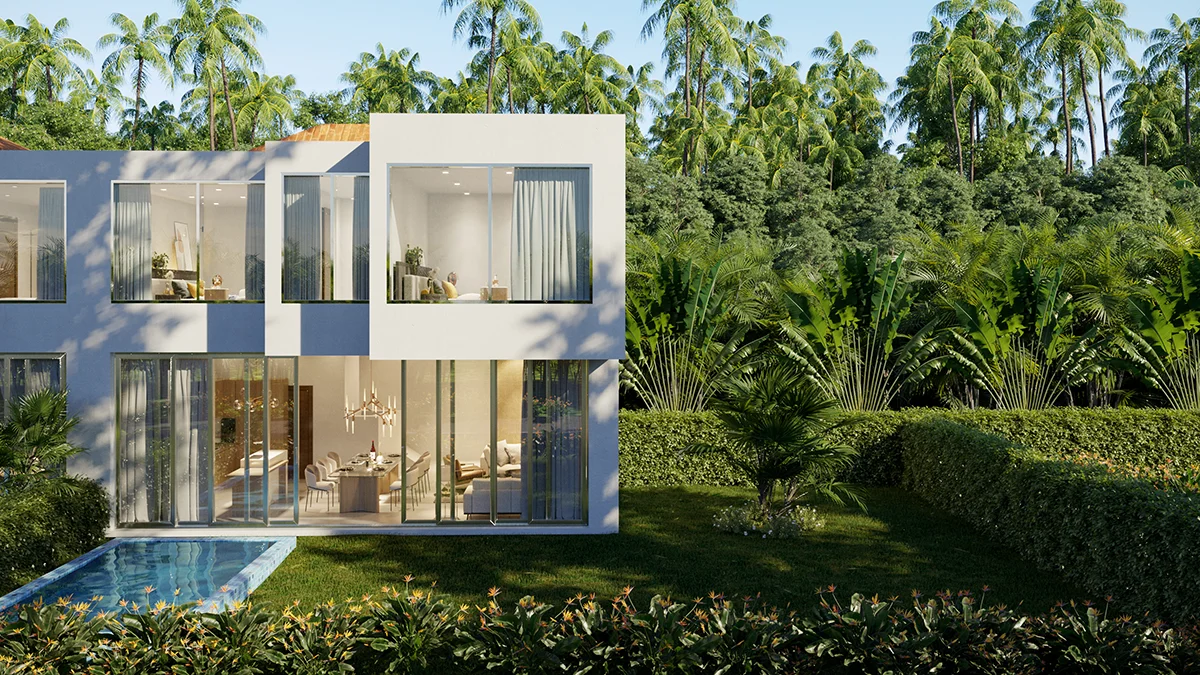
La Estella
Price on request
Nerul
La Agueda
Price on request
Nerul
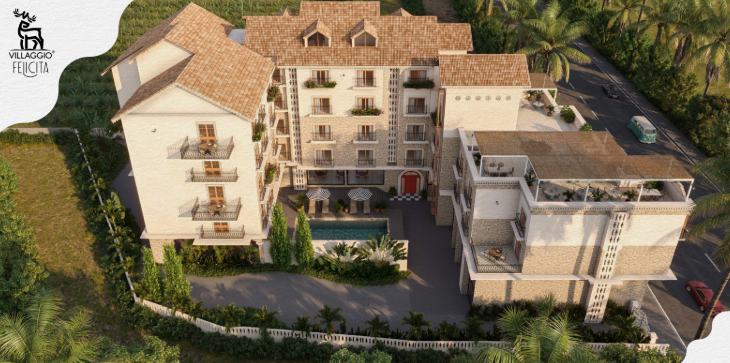
Villaggio Felicita
₹1.25 Cr
Nerul
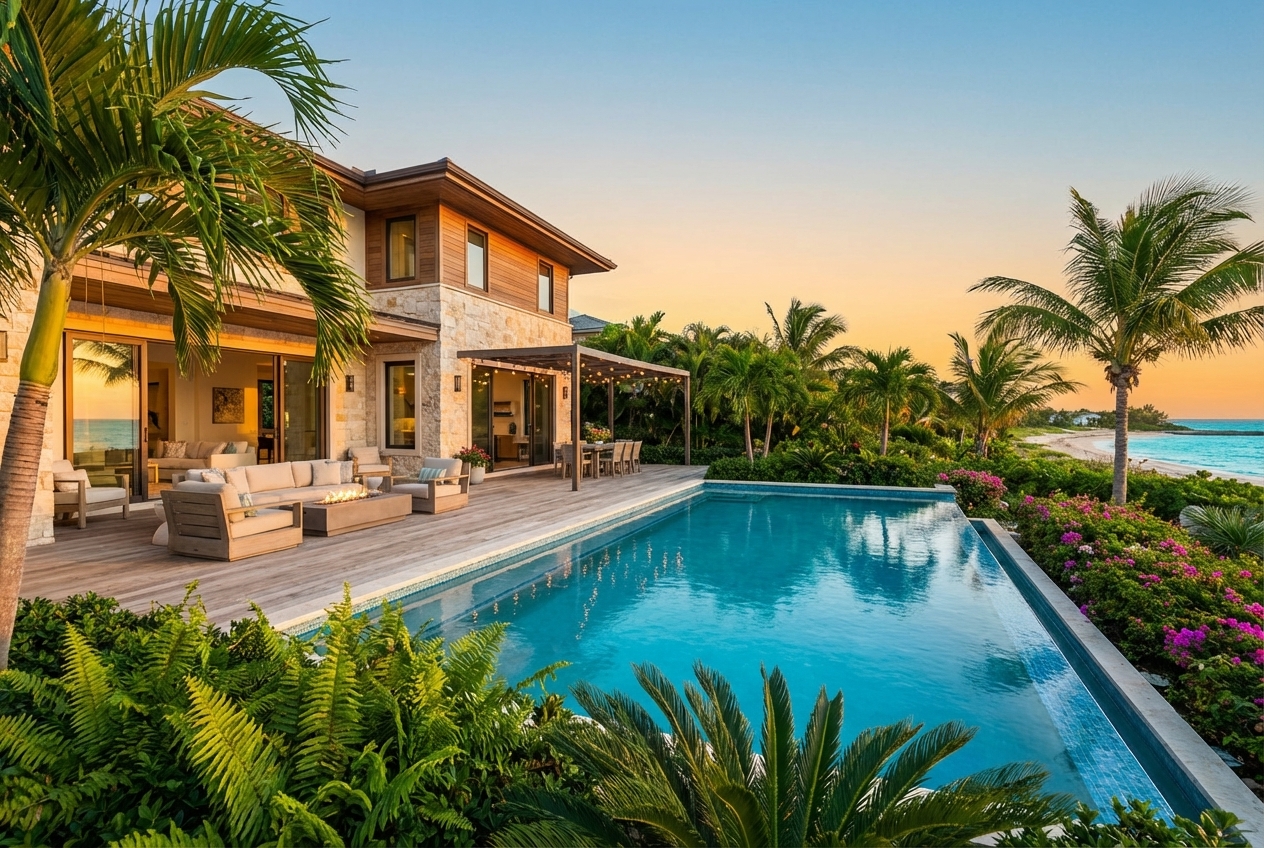 Image for representational purpose only
Casa Altinho
₹9.5 Cr
Nerul
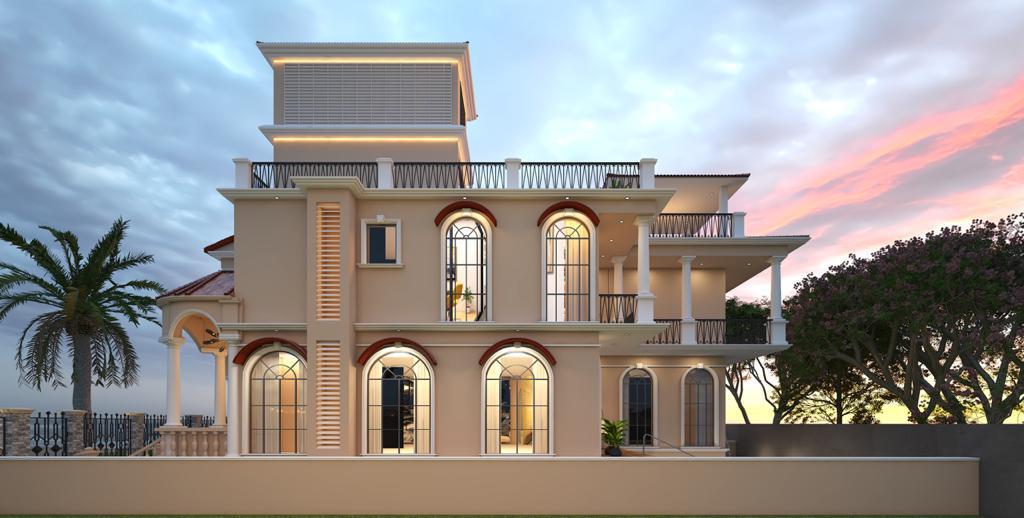
Patios Branco Villas
₹8.5 Cr
Nerul
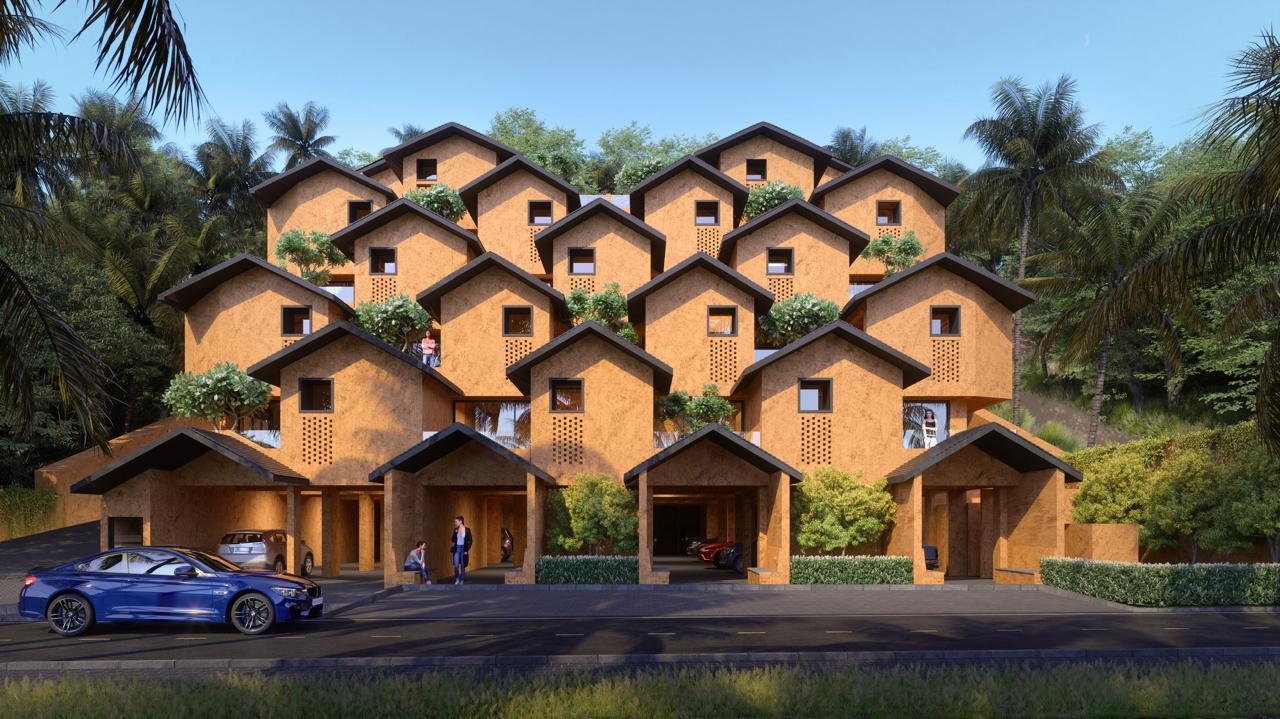
Kasu Zira
₹1.42 Cr
Nerul
Distances are straight-line (haversine), approximate.