 Nikhilb239 / Wikimedia Commons (CC BY 3.0)
Chapora Fort
Historic fort offering panoramic views of the coastline.
Why people come to Chapora Fort

Sweeping views over Vagator, the Chapora river mouth and the Arabian Sea.
The ramparts made instantly recognisable by the 2001 Hindi film.
Beach, the closest of the places we cover nearby.
Weathered Portuguese walls and bastions on a bare hilltop.

A breezy, popular spot to watch the sun go down over the sea.

An easy walk up from Chapora village or the Vagator side.
History
Chapora's strategic value comes from its position: a hill commanding the mouth of the Chapora river, the natural boundary at the northern edge of the Portuguese 'Old Conquests'. A fort was first built here under the Adil Shahi (Bijapur) rulers, when the place was known as Shahapura — the name 'Chapora' is generally traced to that older name. The Portuguese took control of the position and rebuilt the fort in the early 18th century — most sources give 1717 — turning it into a border stronghold to guard the river crossing and defend their territory against the Marathas to the north.
Significance
Chapora Fort's significance today is as much cultural and scenic as historical. Its fame rests heavily on Bollywood: the 2001 film 'Dil Chahta Hai' used the hilltop and its ramparts in some of its best-known scenes, and the fort has been a magnet for visitors and photographers ever since, often called simply the 'Dil Chahta Hai fort'. For many Indian travellers it is a pop-culture pilgrimage as much as a heritage site.
Architecture
Architecturally, Chapora is a relatively simple hilltop defensive fort rather than an ornate one, and it is now substantially ruined. The walls are built largely of the local red laterite stone, following the contour of the hill to enclose the summit, with bastions at intervals that once mounted the fort's guns. The reddish stone and the exposed, grassy hilltop give the ruin its characteristic weathered, sun-bleached look.
Chapora is a view, not a museum.
Chapora Fort stands on a bare laterite hill above the mouth of the Chapora river, at the northern end of the Vagator–Anjuna stretch. It is one of North Goa's most recognisable landmarks, though as much for a film as for its military past: the fort's ramparts and hilltop views featured memorably in the 2001 Hindi film 'Dil Chahta Hai', and it is now widely known simply as the 'Dil Chahta Hai fort'. What survives today is a ruin — long, weathered red-laterite walls, a few bastions and the ghost of an entrance — rather than a restored monument with rooms and displays.
The site has a layered history. A fort here was originally raised under Muslim (Adil Shahi) rule, when the settlement was known as Shahapura; the Portuguese later took the position and rebuilt it in the early 1700s as a frontier defence guarding the river approach against the Marathas and other rivals. It changed hands more than once before the Portuguese finally left Goa in 1961. Little of the interior remains, so the fort is experienced mostly as a walk along the walls and a place to take in the view.
And the view is the reason to climb up: from the ramparts you look out over Vagator beach and its cliffs on one side, the Chapora river and Morjim on the other, and a wide sweep of the Arabian Sea — which makes it one of the coast's favourite sunset spots. For anyone weighing North Goa as a second-home base, Chapora sits at the heart of the established Anjuna–Vagator–Assagao belt, where Avacasa lists 22 homes across 3 developers in Assagao alone. Most Goa homes are sold price-on-request, and across the wider North Goa cluster listed prices run to a median of about ₹3.6 crore.
Chapora is a view, not a museum. Come for the panorama over Vagator, the Chapora river and the sea — and for the 'Dil Chahta Hai' association — rather than for restored ramparts or exhibits, because it is a bare, weathered ruin with little interior left. It's free, open and an easy climb, and it's one of North Goa's best sunset spots, so time your visit for late afternoon. Wear proper shoes, mind the unfenced edges, and don't expect facilities.
Go for
Panoramic coast views, 'Dil Chahta Hai' fame, red-laterite ruins and sunset point.
- Views
- 9
- Sunset
- 9
- Historical fabric
- 5
- Accessibility
- 7
- Facilities
- 3
- Photo appeal
- 9


Explore the Verla Canca 2 area guide
Market data, lifestyle and what to expect in the area around Chapora Fort.
Frequently asked questions about Chapora Fort
No — entry is free. There may be a small charge for parking at the base of the hill.
Homes near Chapora Fort
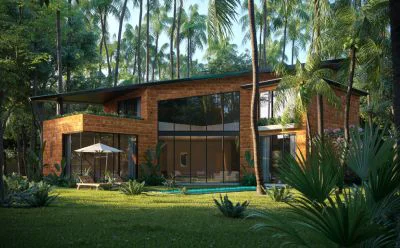
La Cascada
Price on request
Vagator
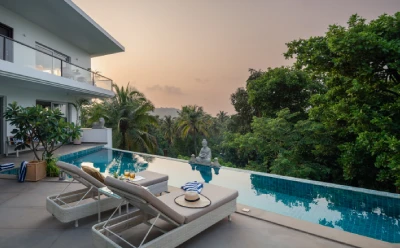
Villa Manera
Price on request
Vagator
 Image for representational purpose only
Villa Da Zita
Price on request
Vagator
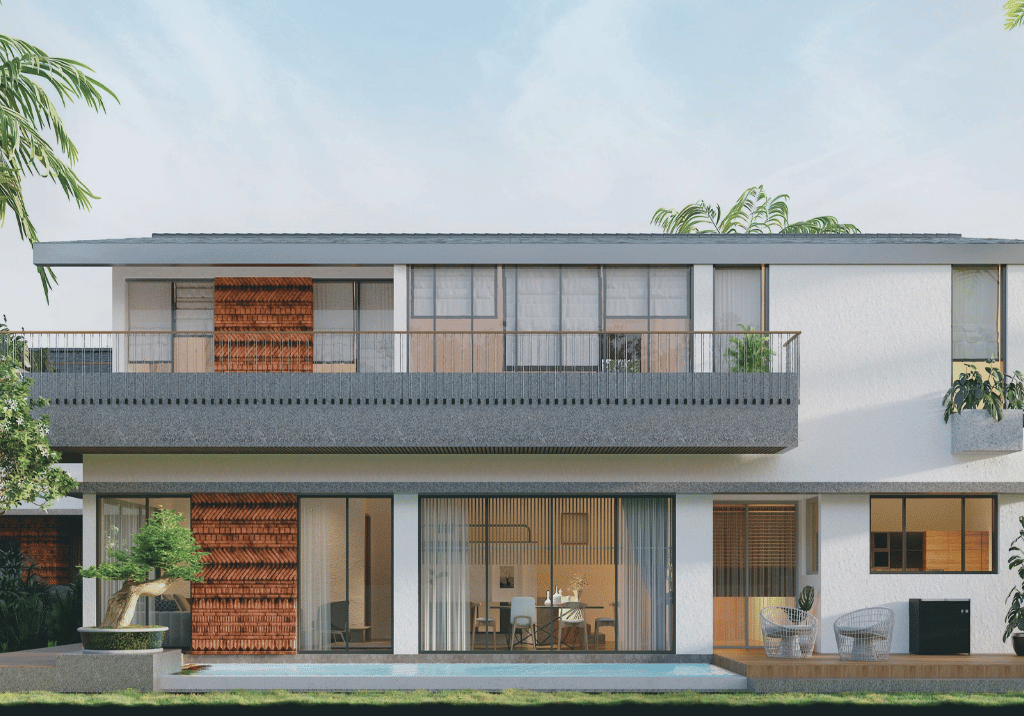
Terreno
₹17 Cr
Vagator
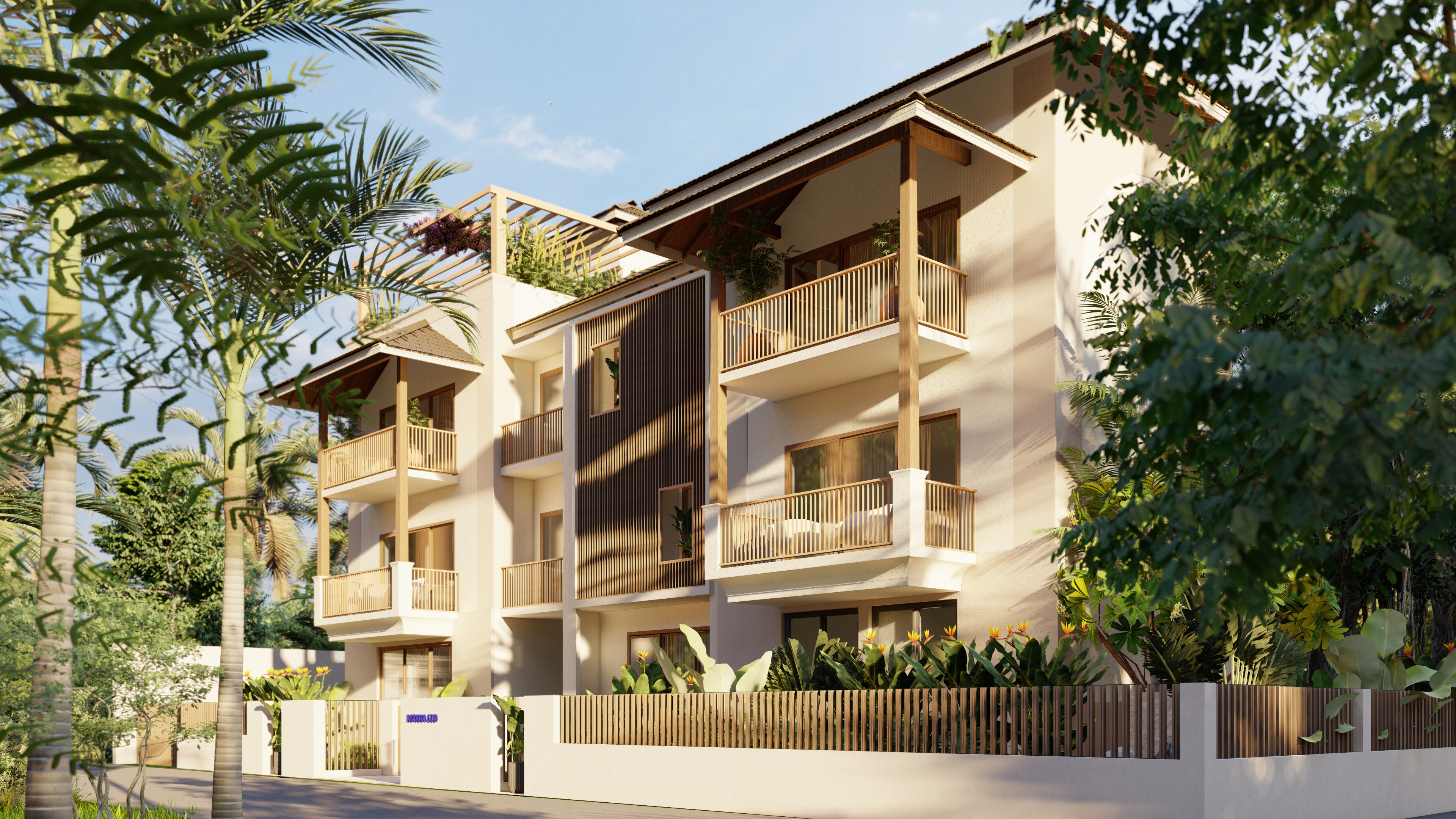
Miri
Price on request
Parra
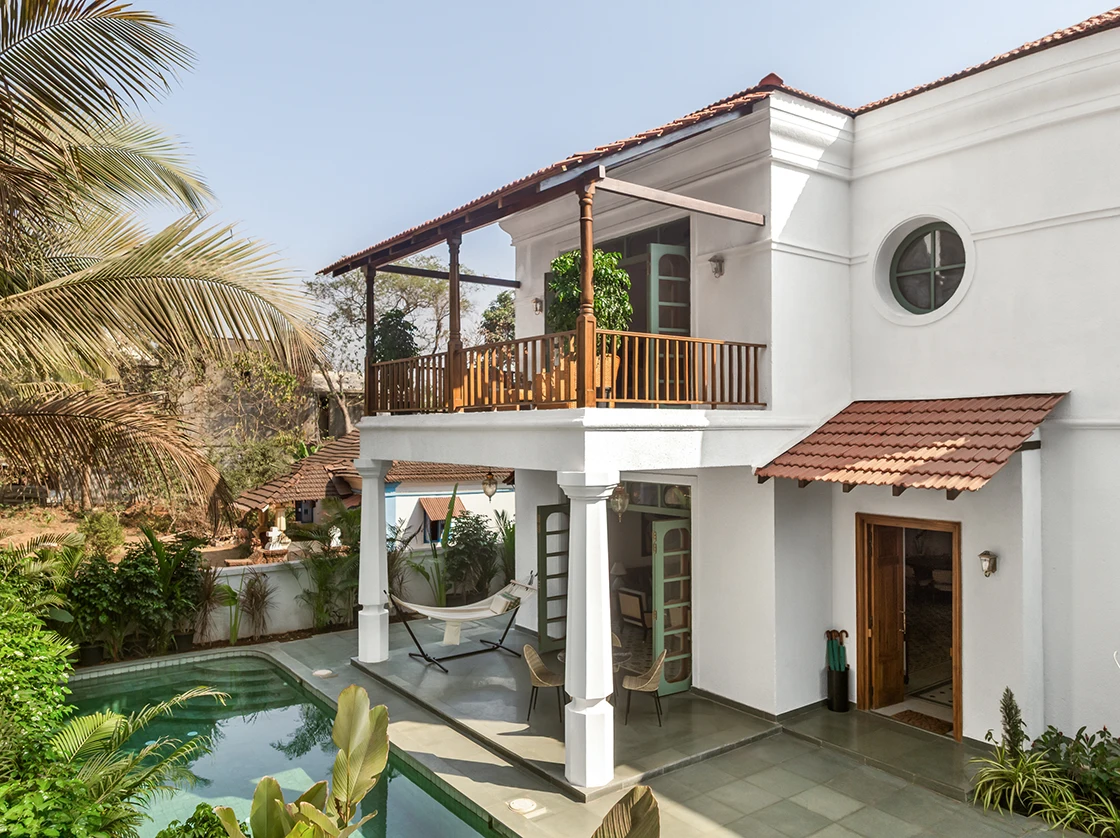
Villa Fado
Price on request
Assagao
Distances are straight-line (haversine), approximate.