 Vyacheslav Argenberg / Wikimedia Commons (CC BY 4.0)
Anjuna Beach
Famous for its flea market and vibrant nightlife.
Why people come to Anjuna Beach

Dark laterite formations, tide pools and low cliffs found on almost no other Goa beach.

The Wednesday market — born of 1970s hippie trade, now one of Asia's most famous.
Flea Market, the closest of the places we cover nearby.
Institutions like Curlies and Shiva Valley carry Anjuna's trance heritage.

The cliff ledges are among North Goa's best-loved sundowner spots.

Parasailing, jet-ski and banana-boat operators work the main stretch in season.
The Scene
The cliffs are the heart of Anjuna. The rocky southern end, near the old Albuquerque-era well and the cliff clubs, is where the beach earns its reputation — dark laterite ledges, tide pools and a view that has drawn travellers since the 1960s. Northwards the sand opens out and the shacks line up, renting loungers and serving seafood, cold beer and all-day breakfasts to a crowd that mixes backpackers, day-trippers and long-stayers.
Getting Around
Anjuna sits on North Goa's coast roughly 20 km from Panaji (about 45 minutes by road) and just south of Vagator, with Assagao and the market town of Mapusa a short drive inland. Most visitors arrive by taxi or by rented scooter, which is the easiest way to hop between Anjuna, Vagator and the Assagao restaurants. There are a few access points down to the sand, with informal parking near the main entrance and the flea-market ground — expect it to be tighter and busier on Wednesdays.
Local Tips
Come on a Wednesday if you can — the flea market is the reason many people visit Anjuna in the first place — and arrive well before sunset to claim a cliff-edge spot for the view. Carry cash for the market, where haggling is expected. Wear sandals you can scramble on rock in, and don't expect calm swimming: the shoreline is rocky and the sea can be rough.
Anjuna is about atmosphere, not swimming.
Anjuna is where Goa's counterculture began, and more than half a century later it still trades on that identity. Where most North Goa beaches are broad sweeps of pale sand, Anjuna is defined by its striking black laterite rock — dark volcanic formations, tide pools and low cliffs that fold down to the water and give the beach its unmistakable, slightly wild character. It was here, from the 1960s and '70s, that travelling hippies settled, held gatherings, and — when money ran short — began selling their belongings on the sand, seeding what would become one of Asia's most famous flea markets. In the 1980s the same coast became the cradle of Goa's electronic trance scene, and the cliffside clubs that made Anjuna a byword for nightlife still run today.
The result is a beach with two personalities. By day it's a laid-back sprawl of shacks, loungers and swimmers picking their way over rock, with operators offering parasailing and jet-skis. By night the cliffs above the shore come alive with music, sundowners and crowds. It is emphatically not the place for a quiet family swim — the sea here is often rough and the shoreline rocky — but for atmosphere, people-watching, shopping and sunsets, few Goa beaches compete.
For anyone weighing North Goa as a second-home base, Anjuna sits at the heart of the coast's most established stretch — minutes from Vagator and leafy Assagao, where Avacasa lists 22 homes across 3 developers. Most Goa homes are sold price-on-request; across the wider North Goa cluster, listed prices run to a median of about ₹3.6 crore.
When to go
Best time: November to February
Anjuna is about atmosphere, not swimming. Come for the cliffs, the Wednesday flea market, the shacks and one of Goa's great sunset-and-nightlife stretches. Families wanting calm, safe water will be happier at Mandrem or Morjim up the coast; Anjuna rewards those who want character over comfort.
Go for
Black-rock cliffs, anjuna Flea Market, cliffside nightlife and sunsets from the rocks.
- Atmosphere
- 9
- Nightlife
- 9
- Scenery
- 8
- Food & shacks
- 8
- Swimming
- 4
- Family-friendly
- 5
Nearby beaches


Explore the Verla Canca 2 area guide
Market data, lifestyle and what to expect in the area around Anjuna Beach.
Frequently asked questions about Anjuna Beach
Not especially. The shoreline is rocky and the sea is often rough, so it's better for atmosphere, sunsets and people-watching than a calm swim. For safe swimming, nearby Mandrem or Morjim are better.
Homes near Anjuna Beach
La Dora
₹1.2 Cr
Vagator
La Zorita
Price on request
Vagator
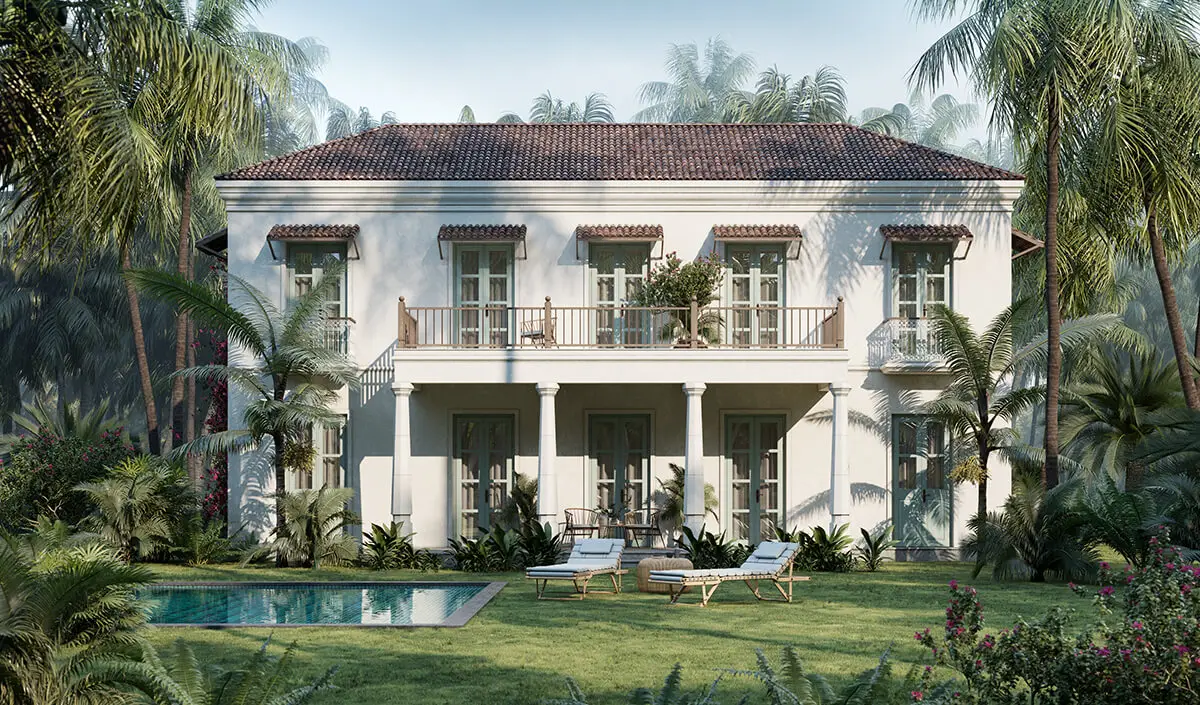
La Soleada
Price on request
Assagao
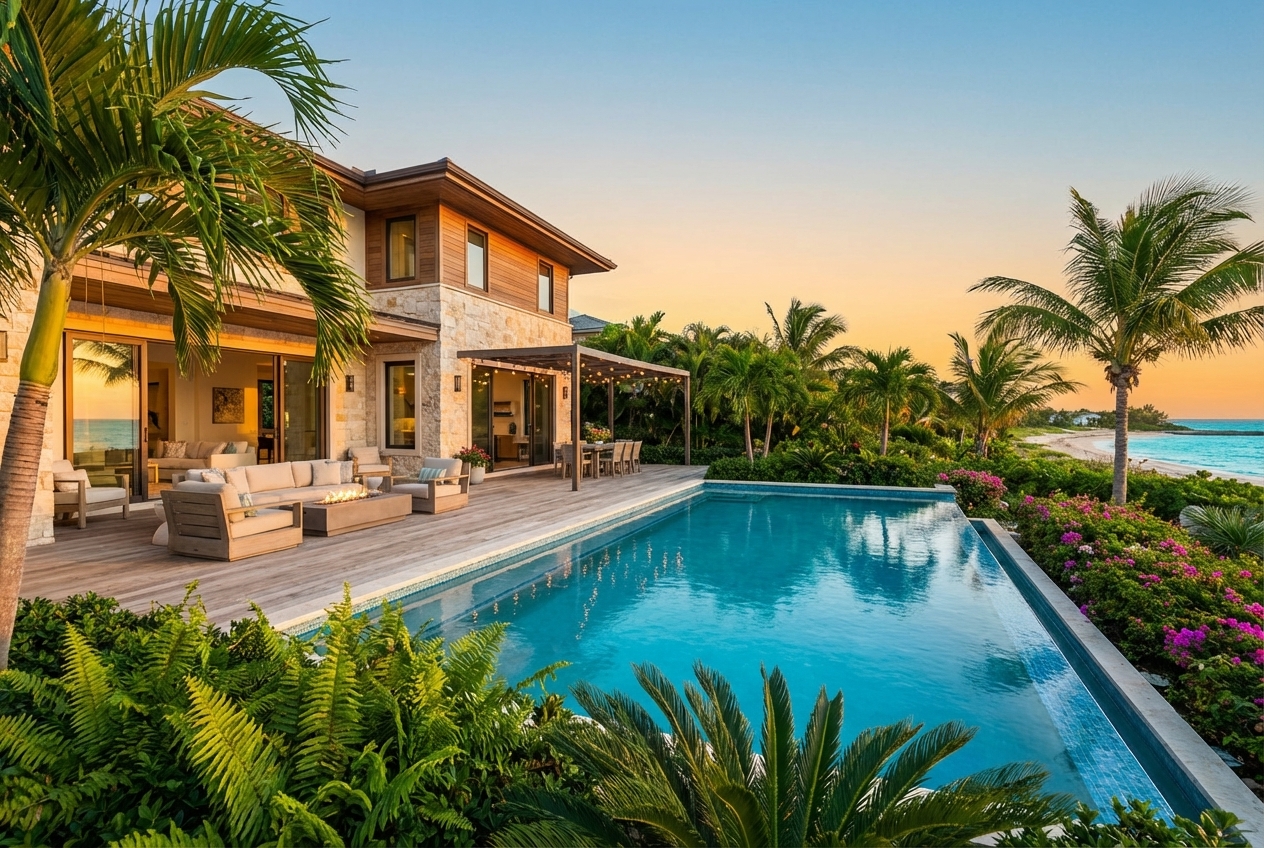 Image for representational purpose only
Villa Alora
Price on request
Assagao
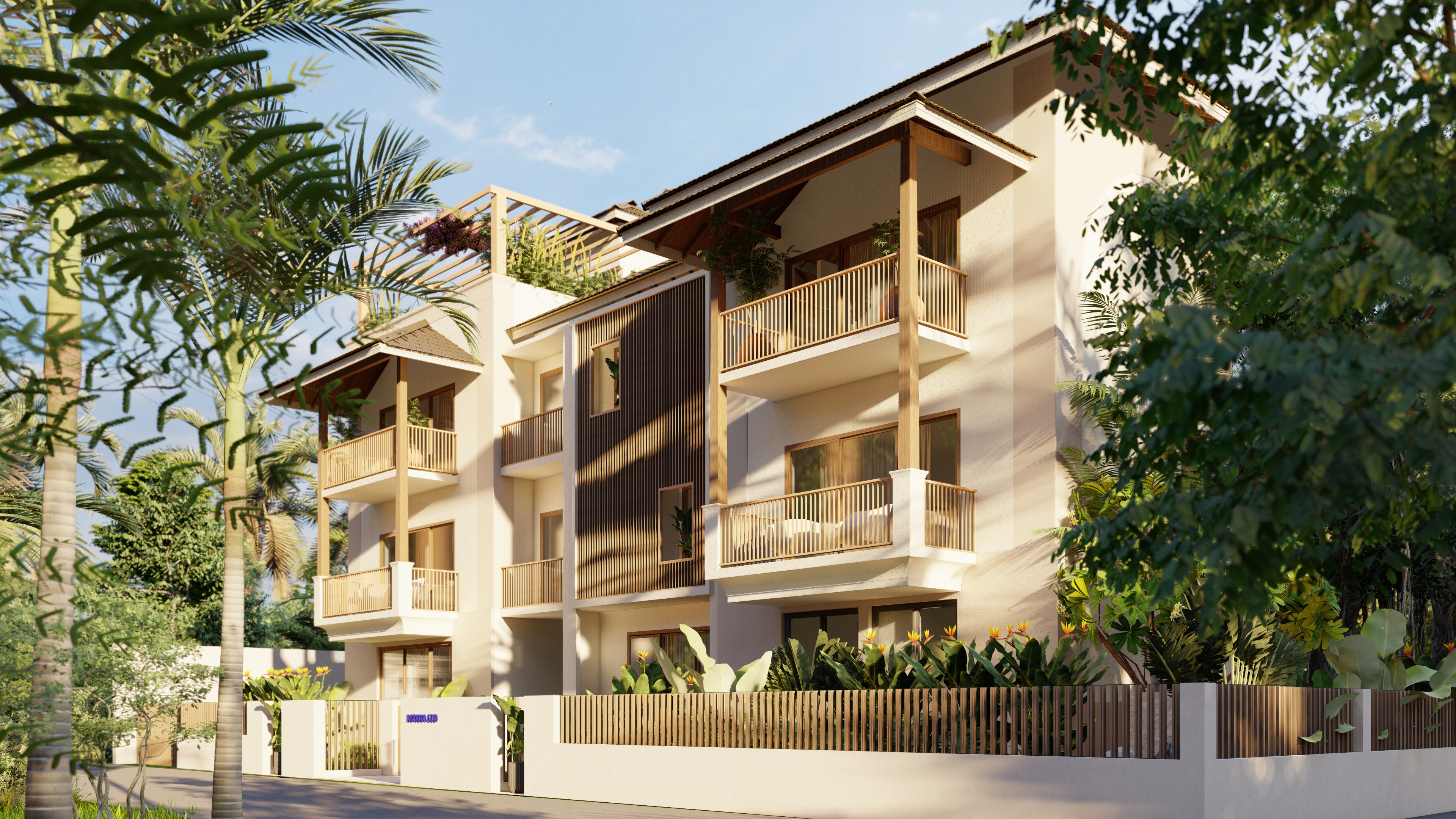
Miri
Price on request
Parra
El Volar
Price on request
Nerul
Distances are straight-line (haversine), approximate.