 Vyacheslav Argenberg / Wikimedia Commons (CC BY 4.0)
Anjuna Flea Market
Vibrant market with diverse goods
Why people come to Anjuna Flea Market

Grew out of 1960s-70s traveller trade and is the oldest of Goa's flea markets.

Runs every Wednesday through the tourist season, roughly late October to April.
Beach, the closest of the places we cover nearby.
Almost nothing has a fixed price; polite bargaining is expected and part of the fun.
Strong selection of pashminas, carpets, silver and Himalayan curios alongside Goan crafts.

Cotton and 'hippie' clothing, beaded and silver jewellery, leather goods and trinkets.
The Scene
On a Wednesday in season the market takes over the ground behind Anjuna Beach — a dense, colourful sprawl of stalls under tarpaulins and trees, with music, food and the constant back-and-forth of bargaining. The upper area tends to hold clothing, jewellery and souvenirs; lower fields nearer the beach are where you find carpets, pashminas, hammocks, cushions and larger textiles. Tibetan, Nepali and Kashmiri sellers are a fixture, alongside Rajasthani and Gujarati traders and a scattering of long-stay travellers selling their own crafts.
Getting Around
The market is held at Anjuna, in North Goa, roughly 20 km from Panaji and close to Vagator and Assagao. Most visitors arrive by rented scooter or by taxi; local buses run from Mapusa (the nearest town) and Panaji to Anjuna, taking around an hour. On market Wednesdays the approach roads and parking get busy, so arriving earlier in the day makes both parking and walking easier.
Local Tips
Come on a Wednesday and in season — the market runs roughly from late October to early April and is closed through the monsoon (about May to September). Arrive mid-morning to beat both the worst heat and the thickest crowds, and set aside a couple of hours to wander. Haggle on everything, but do it politely: start well below the asking price, be prepared to walk away, and keep it friendly — a smile gets a better price than a scowl.
A Goa institution and worth doing once, especially if you like markets and bargaining.
The Anjuna Flea Market is the market that gave Goa its shopping reputation. It began in the 1960s and '70s as an informal affair — travelling hippies settled around Anjuna would gather on Wednesdays to sell or swap their belongings, from clothes to cassettes to the odd guitar, to fund the next leg of the trip. Half a century on it has grown into a large, organised bazaar that spreads across the fields and slope behind Anjuna Beach, but it has kept the Wednesday-only rhythm and much of the free-wheeling character.
Expect rows of stalls selling cotton and 'hippie' clothing, silver and beaded jewellery, leather sandals and bags, wall hangings, cushion covers, incense, trinkets and souvenirs, with a strong showing of Tibetan, Nepali and Kashmiri traders selling pashminas, carpets and curios. Very little carries a fixed price — haggling is expected, and doing it politely and with humour gets you further than hard bargaining. The market draws a real mix: day-trippers off the beach, long-stay travellers, and vendors who follow the season around India. It is as much a place to wander, eat and people-watch as to shop, and prices reflect that it is now firmly on the tourist trail.
Anjuna sits in the heart of North Goa's most established coastal belt, minutes from leafy Assagao where Avacasa lists 22 homes across 3 developers. Most Goa homes are sold price-on-request; across the wider North Goa cluster, listed prices run to a median of about Rs 3.6 crore.
When to go
Best time: November to February, on a Wednesday
A Goa institution and worth doing once, especially if you like markets and bargaining. It is touristy, hot and crowded at its peak, and prices are no longer the bargain they were in the hippie days — but the scale, variety and history make it the definitive North Goa flea market. Go with cash, patience and a sense of humour; skip it if you dislike crowds and hard selling, and consider the Arpora Saturday Night Market as a mellower alternative.
Go for
The original hippie market, wednesdays only, in season, haggle for everything and tibetan & Kashmiri traders.
- Variety of goods
- 9
- Atmosphere & history
- 9
- Value for money
- 6
- Ease (crowds/heat)
- 5
- Family-friendly
- 6

The market around Anjuna Flea Market
- 6
- homes listed on Avacasa
- 2
- developers active
- ₹3.6 Cr
- North Goa median (cluster)
Vagator is defined by its dramatic clifftop beaches and the ruins of Chapora Fort looking out over the river mouth. It keeps a bohemian, scenic character — sunset points, cliff cafes and a lively season — while being smaller and more compact than its neighbours. Avacasa lists 6 homes across 2 developers here. Most Goa homes are marketed price-on-request; across the wider North Goa cluster, listed prices run to a median of about ₹3.6 crore.
Explore the Vagator area guide
Market data, lifestyle and what to expect in the area around Anjuna Flea Market.
Frequently asked questions about Anjuna Flea Market
It is held every Wednesday, and only during the tourist season — roughly late October to early April. It is closed through the monsoon months (about May to September).
Homes near Anjuna Flea Market
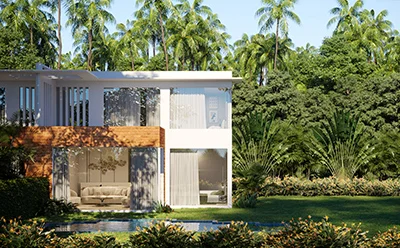
La Dora
₹1.2 Cr
Vagator
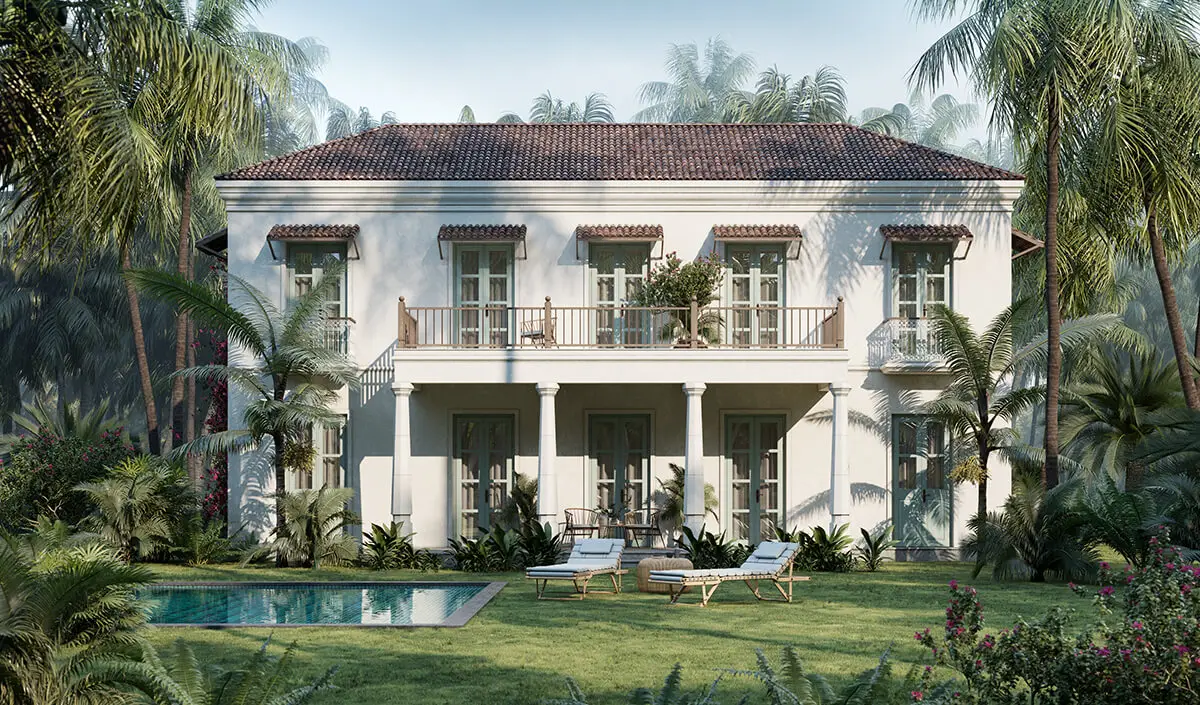
La Soleada
Price on request
Assagao
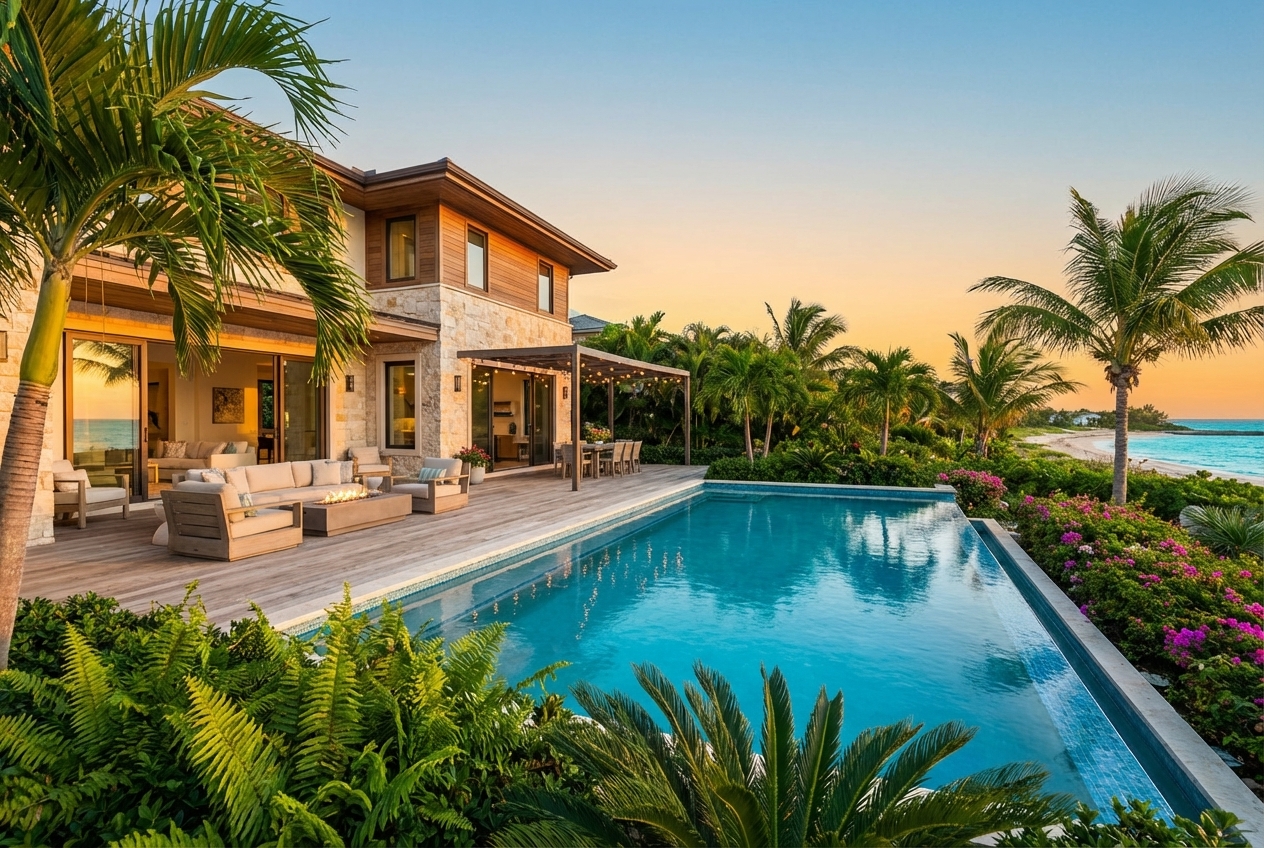 Image for representational purpose only
Villa Alora
Price on request
Assagao
La Zorita
Price on request
Vagator
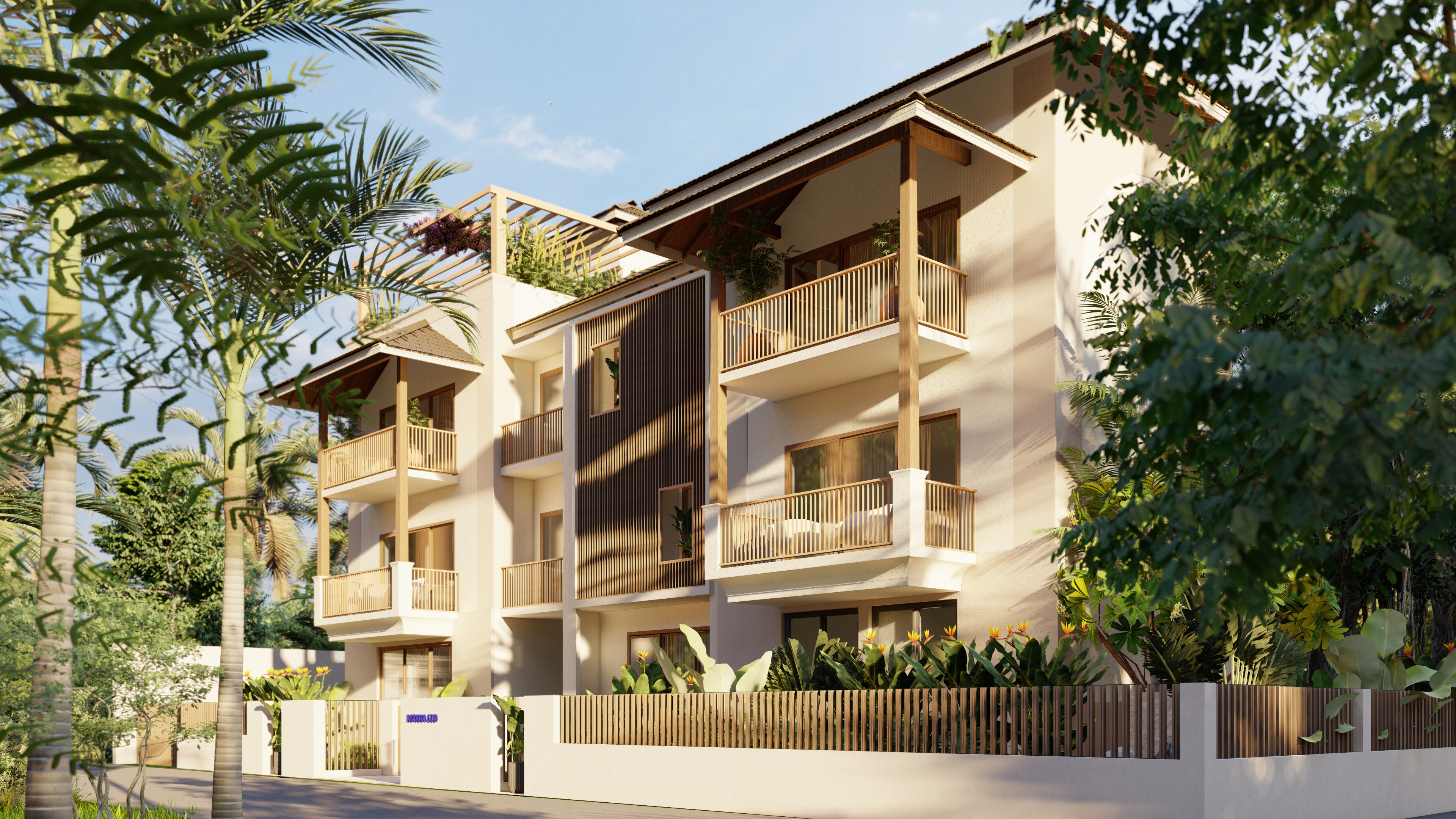
Miri
Price on request
Parra
El Volar
Price on request
Nerul
Distances are straight-line (haversine), approximate.