 Naizal Dias / Wikimedia Commons (CC BY-SA 3.0)
St. Anne's Church
Historic 17th-century church, a local landmark.
Why people come to St. Anne's Church
One of Goa's finest surviving examples of the fused European-and-Indian Baroque church style.

Tall white twin towers rise symmetrically over an ornate, deeply modelled front.
Viewpoint, the closest of the places we cover nearby.

Begun in 1577 and finished in 1695, it's among the oldest churches in Goa.

The Touxeamchem Fest, where couples offer cucumbers praying for a child, is a Goan tradition unique to Santana.

Built after reported apparitions of an elderly woman who named herself Anna, and healings attributed to her.
History
The origins of St. Anne's are wrapped in local legend. Village tradition holds that in the late 16th century an elderly woman appeared repeatedly near the hill at Talaulim, telling those who met her that the site was her home and that her name was Anna; healings were attributed to her, and a hermitage and then a church were raised in her honour and dedicated to St.
Significance
St. Anne's is best known today for the Touxeamchem Fest — the "Feast of Cucumbers" — held around the feast of St. Anne on 26 July (and celebrated on the following Sunday).
Architecture
St. Anne's is one of Goa's landmark examples of Indo-Portuguese Baroque — a style in which imported European Baroque form was executed by local craftsmen, producing something distinct from anything in Portugal. The church is tall and white, dominated by twin multi-storey towers that rise symmetrically on either side of an ornate, richly modelled facade; the scale and verticality are what strike most visitors first.
St.
St. Anne's Church stands at Talaulim, a quiet village on the eastern edge of Goa's old heartland near Goa Velha, and is known to locals simply as "Santana" (the Konkani-Portuguese name for St. Anne). It is one of the most important surviving examples of Indo-Portuguese Baroque architecture in Goa: a tall, imposing white church with twin towers, its facade a distinctive fusion of European Baroque form and local craftsmanship. Construction of the present church began in 1577 and was completed in 1695, making it one of the oldest churches in the region and, for admirers of Goan sacred architecture, one of the finest.
The church is bound up with the legend that gave it its name. Local tradition tells of apparitions of an elderly woman near the site who identified herself as Anna, and of healings attributed to her, and the church was dedicated to St. Anne — the mother of the Virgin Mary — in response. That devotion survives most vividly in the annual Touxeamchem Fest, the "Feast of Cucumbers", when childless couples and those seeking blessings come to offer cucumbers (and other produce) and pray for a child or a spouse. It remains one of Goa's most distinctive religious traditions.
Recognised as a monument in the Portuguese era and later listed on the 2000 World Monuments Watch — which helped fund its restoration — St. Anne's is a working parish church and a heritage site rather than a tourist attraction, so visits should respect worship. For anyone drawn to the deeper Catholic and colonial heritage that shapes village life across the region, it's a rewarding detour from the coast, near inland localities such as Parra, where Avacasa lists 11 homes across 4 developers; most Goa homes are sold price-on-request.
St. Anne's at Talaulim is a genuine heritage marquee — an Indo-Portuguese Baroque church of real architectural importance and one of Goa's most distinctive living traditions in the Feast of Cucumbers. It's off the tourist trail and away from the coast, so it rewards travellers with an interest in Goan history, sacred architecture and folk devotion rather than casual sightseers. Time a visit around the July feast to see it at its most alive, or come quietly on any day to appreciate the building.
Go for
Indo-Portuguese Baroque landmark, twin-towered facade, completed in 1695 and feast of Cucumbers.
- Architecture
- 9
- Heritage value
- 9
- Cultural significance
- 8
- Atmosphere
- 8
- Ease of access
- 5
- Crowds
- 3
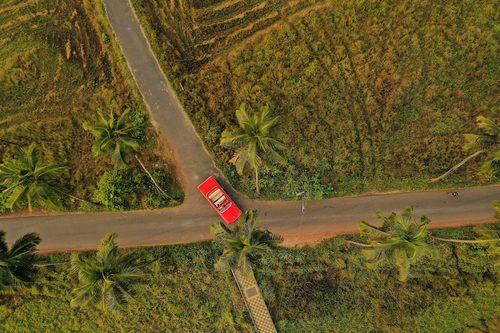
The market around St. Anne's Church
- 11
- homes listed on Avacasa
- 4
- developers active
- ₹3.6 Cr
- North Goa median (cluster)
Parra is a quiet inland village near Mapusa, best known for its iconic coconut-palm-lined road made famous by the film Dear Zindagi, and for the paddy fields and orchards that still surround it. It sits within easy reach of the busy Baga–Calangute belt while keeping a slower, residential feel that appeals to second-home buyers. Avacasa lists 11 homes across 4 developers here. Most Goa homes are marketed price-on-request; across the wider North Goa cluster, listed prices run to a median of about ₹3.6 crore.
Explore the Parra area guide
Market data, lifestyle and what to expect in the area around St. Anne's Church.
Frequently asked questions about St. Anne's Church
This is the Church of St. Anne (locally 'Santana') at Talaulim, a village near Goa Velha in the Tiswadi area of central Goa — not to be confused with other St. Anne churches elsewhere in Goa (such as Thivim). It's the famous 17th-century Indo-Portuguese Baroque monument.
Homes near St. Anne's Church
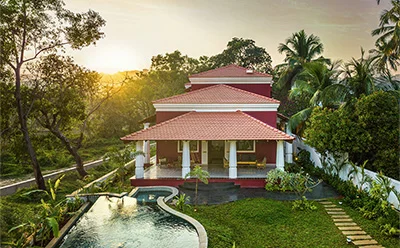
Villa Da Fiore
Price on request
Parra
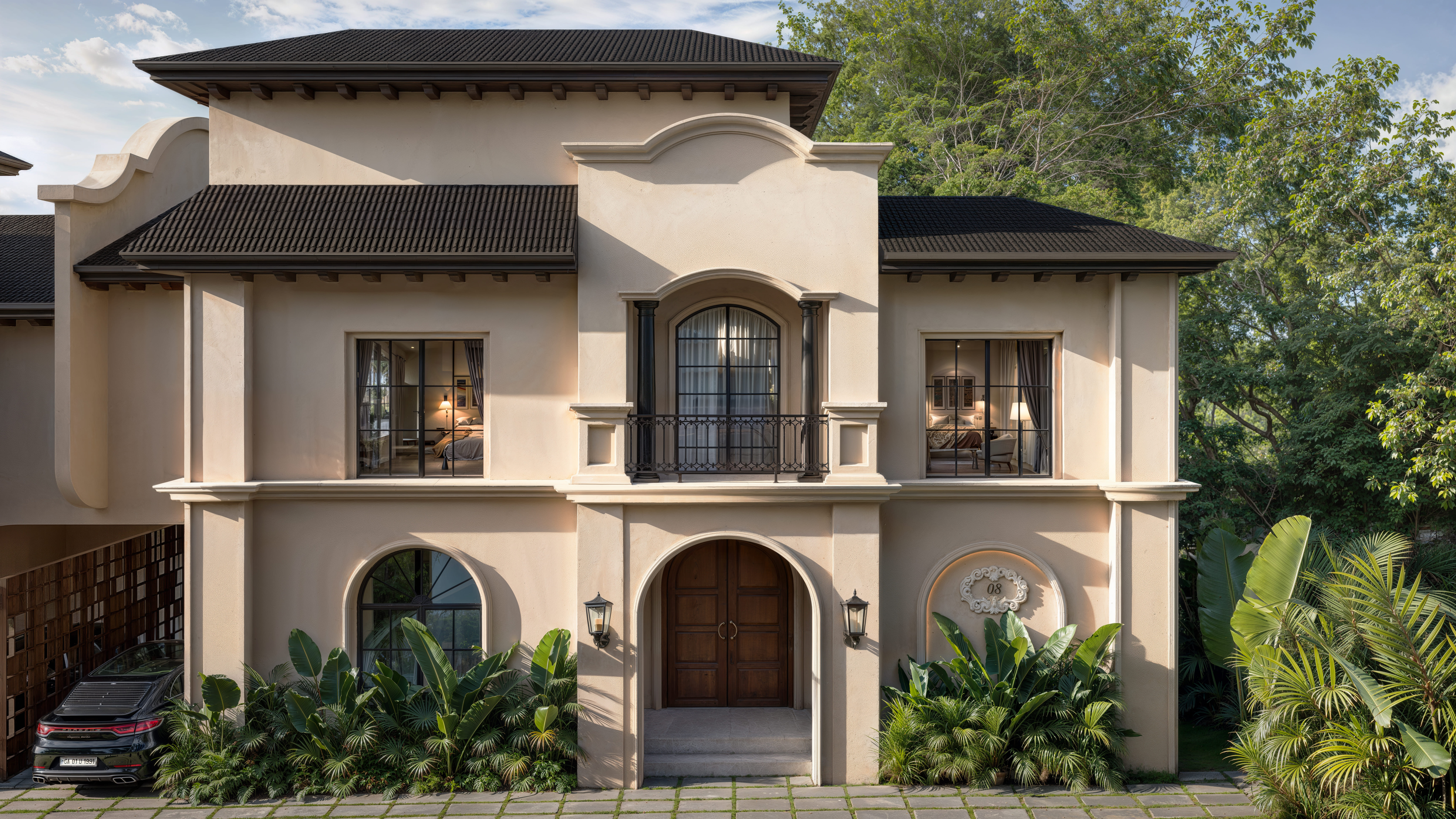
Azul Alma
Price on request
Parra
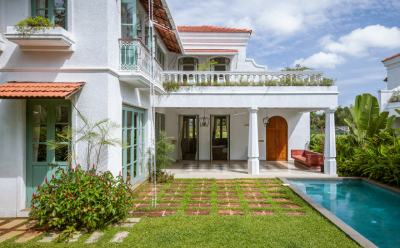
La Rozalia
Price on request
Parra
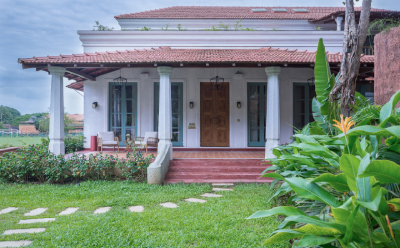
Villa Zoia
Price on request
Parra
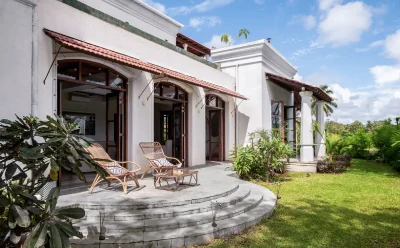
Villa Da Felisia
Price on request
Parra
 Image for representational purpose only
La Covelo
Price on request
Parra
Distances are straight-line (haversine), approximate.