 Gautam Patel / Google
Parra Coconut Tree Road (Dear Zindagi Road)
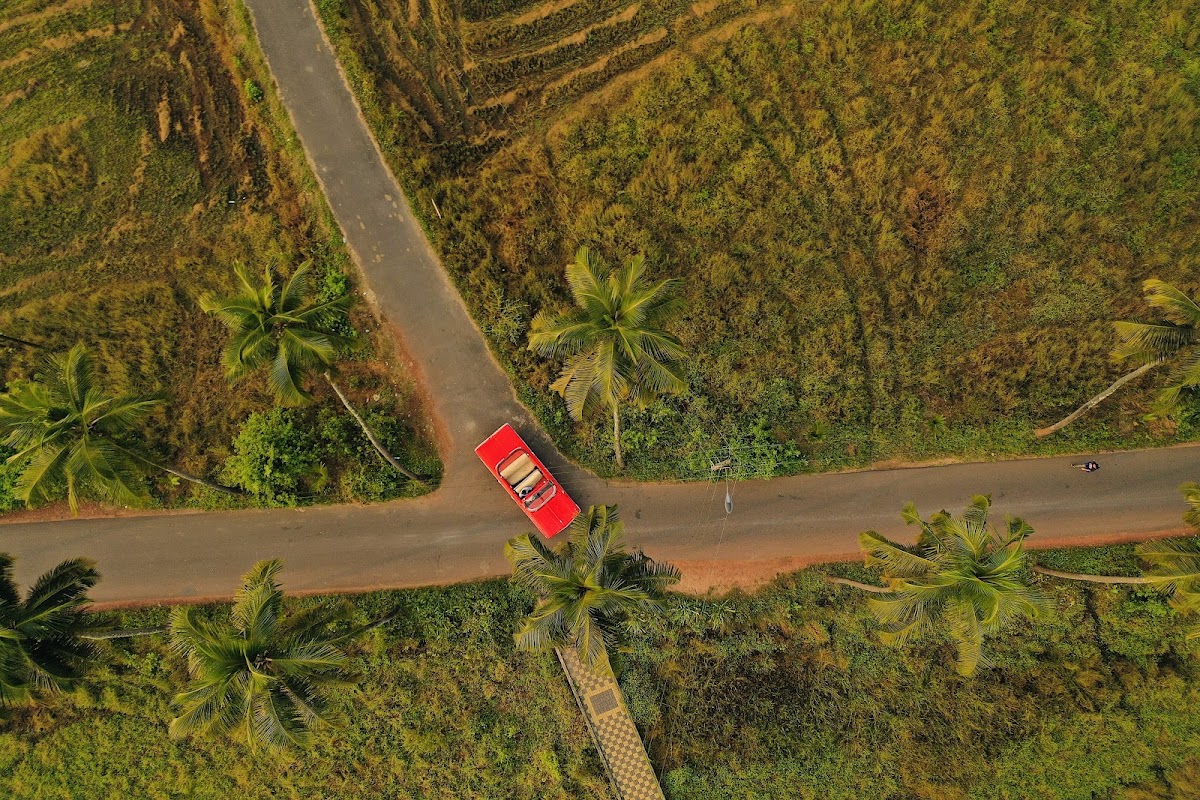
The palm-lined lane in Parra made famous by 'Dear Zindagi' — a photo-and-drive spot, not a monument.
Why people come to Parra Coconut Tree Road (Dear Zindagi Road)

A straight village lane flanked by tall, arching coconut trees that meet overhead.
Made famous by a cycling scene in the 2016 Bollywood film shot here.
Market, the closest of the places we cover nearby.

Long shadows and a strong vanishing-point avenue make it a favourite for photos and reels.

Early morning and late afternoon give the road its most flattering light.

A public village road with no entry fee, gate or timings.
The Scene
The 'scene' is simple and genuinely pretty: a straight, narrow village road hemmed on both sides by tall coconut palms, their trunks rising like columns and their fronds meeting overhead. The appeal is the repetition and the light — an avenue of near-identical trees that draws the eye to a vanishing point, with dappled sun-and-shadow across the tarmac at the start and end of the day. It photographs far better than it 'sights', which is the honest truth of the place.
Getting Around
The road is in Parra village, close to Mapusa (about 5 km) and within easy reach of Anjuna, Vagator and Baga — roughly 15 km from Panaji. The easiest way to experience it is on a rented scooter, which lets you ride the avenue itself at a gentle pace; a car works too, though the lane is narrow and you will share it with local traffic. There is no car park, ticket booth or formal entrance — you simply reach the stretch of road and pull over sensibly.
Local Tips
Go at first light or golden hour — early morning is best for both flattering light and empty road, and you will avoid the midday heat and traffic. If a photo is the whole point of the trip, that timing is what makes or breaks it. Keep expectations right-sized: this is a lovely short stop, not a half-day outing, so pair it with nearby Parra, Mapusa Market or the Anjuna–Vagator beaches.
About Parra Coconut Tree Road (Dear Zindagi Road)
Parra's 'Coconut Tree Road' is exactly what its name promises: a length of ordinary village lane in Parra, near Mapusa, running dead straight between dense rows of tall coconut palms that lean and arch over the tarmac. It is not a monument, a viewpoint in the classic sense, or a ticketed attraction — it is a working road through palm groves that happens to be very photogenic, especially in the soft light of early morning or late afternoon when the trunks throw long shadows across the road.
Its fame is almost entirely down to the movies. A scene from the 2016 Bollywood film Dear Zindagi, in which the leads cycle down a coconut-lined road, was shot here, and the clip turned a quiet Parra lane into a bucket-list photo stop — locals and signboards now openly call it the 'Dear Zindagi road'. That is worth being honest about: people come for a picture and a slow scooter ride down the avenue, not for a lengthy visit. There are no facilities, no entry gate and little to 'do' beyond enjoy the drive, take photographs and move on.
The road sits in Parra village, a short hop from Mapusa, Assagao and Anjuna, in one of North Goa's leafier inland pockets. For anyone drawn to that green, low-rise village character rather than the beach strip, Parra is a plausible base: Avacasa lists 11 homes across 4 developers here. Most Goa homes are sold price-on-request, and across the wider North Goa cluster listed prices run to a median of about ₹3.6 crore.

The market around Parra Coconut Tree Road (Dear Zindagi Road)
- 11
- homes listed on Avacasa
- 4
- developers active
- ₹3.6 Cr
- North Goa median (cluster)
Parra is a quiet inland village near Mapusa, best known for its iconic coconut-palm-lined road made famous by the film Dear Zindagi, and for the paddy fields and orchards that still surround it. It sits within easy reach of the busy Baga–Calangute belt while keeping a slower, residential feel that appeals to second-home buyers. Avacasa lists 11 homes across 4 developers here. Most Goa homes are marketed price-on-request; across the wider North Goa cluster, listed prices run to a median of about ₹3.6 crore.
Explore the Parra area guide
Market data, lifestyle and what to expect in the area around Parra Coconut Tree Road (Dear Zindagi Road).
Frequently asked questions about Parra Coconut Tree Road (Dear Zindagi Road)
A scene from the 2016 Bollywood film Dear Zindagi, with the leads cycling down a coconut-lined road, was filmed here, which turned this quiet Parra lane into a popular photo stop. Locals now call it the 'Dear Zindagi road'.
Homes near Parra Coconut Tree Road (Dear Zindagi Road)
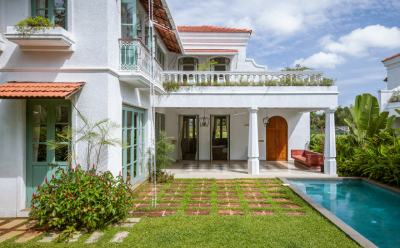
La Rozalia
Price on request
Parra
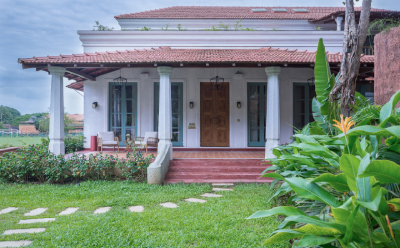
Villa Zoia
Price on request
Parra
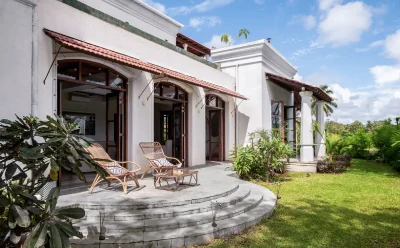
Villa Da Felisia
Price on request
Parra
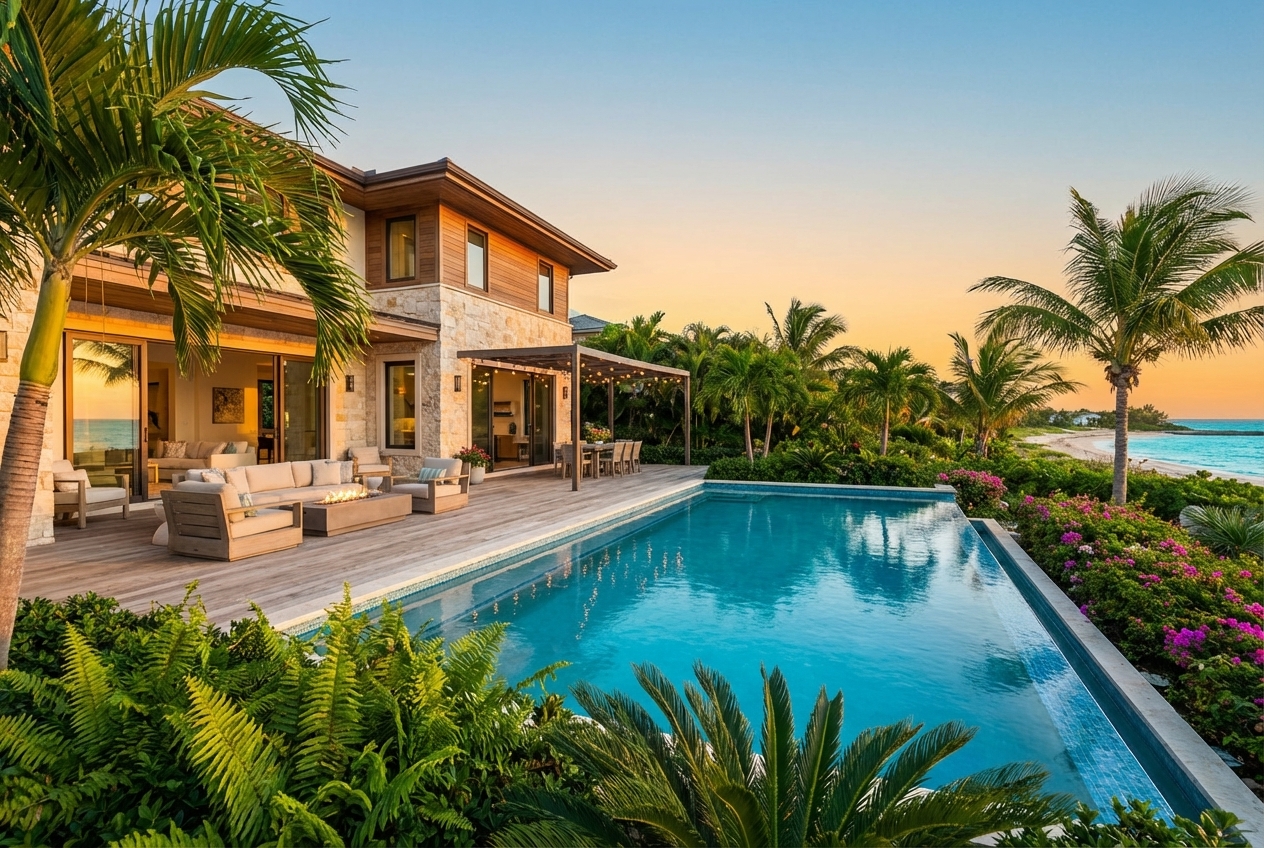 Image for representational purpose only
La Covelo
Price on request
Parra
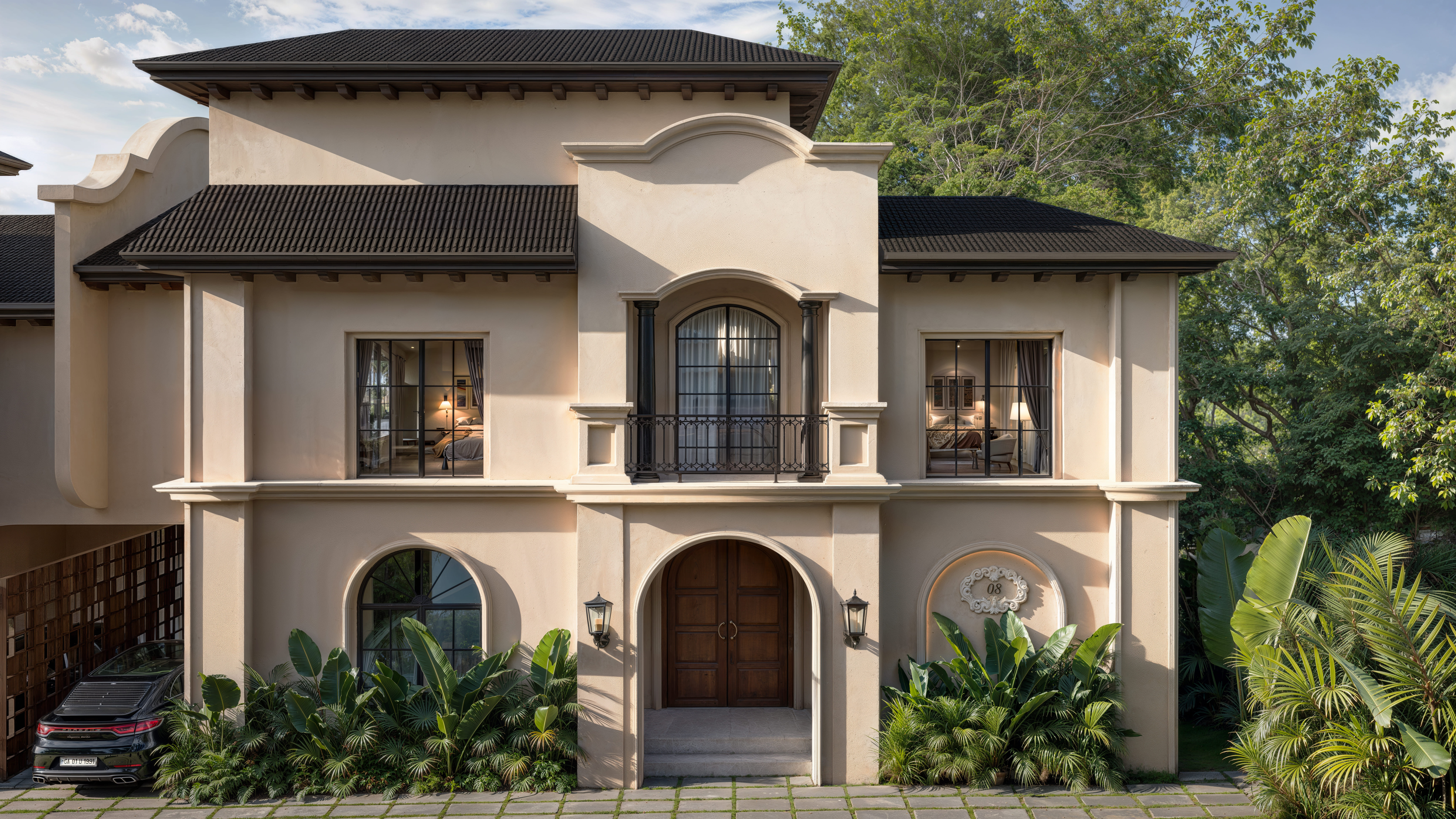
Azul Alma
Price on request
Parra
Azul Alma
Price on request
Parra
Distances are straight-line (haversine), approximate.