 Fredericknoronha / Wikimedia Commons (CC BY-SA 4.0)
Mapusa Market
Bustling local market for fresh produce and Goan specialties.
Why people come to Mapusa Market
The weekly market day, when village vendors pour in and the place is at its liveliest.

Loops of spiced, vinegar-cured pork sausage sold from dedicated stalls.
Viewpoint, the closest of the places we cover nearby.

Chilli, tamarind, kokum, fresh fruit and vegetables piled by the sackful.
Homemade Goan pickles, preserves, bebinca and dodol from small vendors.

Everyday Goa in action — residents shopping, not a tourist re-creation.
The Scene
The market is a covered, multi-block affair with narrow lanes packed with stalls, and the character changes as you move through it. One area is given over to fruit and vegetables piled in bright heaps; another to the pungent business of fresh and dried fish; a spice section scents the air with chilli, tamarind and kokum. Because vendors group by trade, you will find a run of stalls hung with looped Goan chouriço, another selling homemade pickles, feni and Goan sweets like bebinca and dodol, and corners of straw hats, cane baskets, brassware and cheap clothing.
Getting Around
Mapusa sits inland in Bardez taluka, roughly 12–13 km north of Panaji and within a short drive of Parra, Assagao, Anjuna, Vagator and Siolim, which makes the market easy to fold into a North Goa day. It is close to the Mapusa bus stand, a hub for local and interstate buses, so it is one of the more transport-connected spots in the north. Most visitors arrive by taxi or rented scooter.
Local Tips
Go on a Friday morning if you want the full bazaar, but go early — by late morning it is hot and shoulder-to-shoulder. Carry cash in small notes; most stalls do not take cards. Bring your own bag, and be ready to haggle politely on unpackaged goods (produce, textiles, souvenirs), though staples are often fixed-price.
About Mapusa Market
Mapusa Market is where North Goa actually does its shopping. Set in the middle of Mapusa, the administrative headquarters of Bardez taluka, it is a working municipal market rather than a tourist attraction dressed up as one — a covered warren of blocks and stalls selling fruit and vegetables, fresh and dried fish, spices, provisions, flowers, cheap clothing and household goods. The present market building dates from 1960 and is often described as the first planned market in Goa, but the town's trading tradition is far older: a weekly gathering of farmers, fishermen and traders that reaches back into the Portuguese colonial period, when it was known as the Bazaar Grande.
The market is open through the week, but Friday is the day it becomes an event. On the Friday bazaar, vendors from surrounding villages set up additional stalls and the crowds thicken, and it is the best day to find Goan specialities — homemade chouriço (spiced, vinegar-cured pork sausages sold in loops), local produce, Goan sweets, pickles, spices, and seasonal fruit. Stalls tend to cluster by trade, so there are corners for sausages, for spices, for straw hats and baskets, and so on. It is hot, crowded and unglamorous, and that is precisely the appeal for anyone who wants to see everyday Goa rather than a beach-shack version of it.
For anyone weighing a home in the nearby villages, Mapusa is the practical anchor of North Goa life — its market, banks and shops are where residents of Parra, Assagao, Anjuna and Siolim run their errands. Avacasa lists 11 homes across 4 developers in Parra, a few minutes away; most Goa homes are sold price-on-request, and across the wider North Goa cluster listed prices run to a median of about ₹3.6 crore.
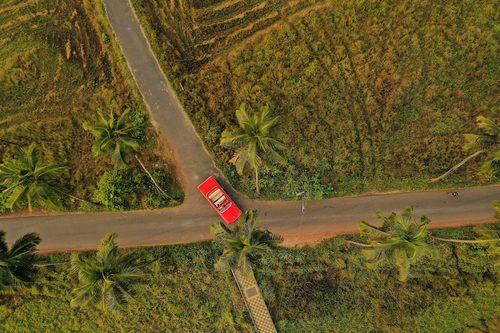
Explore the Verla Canca 2 area guide
Market data, lifestyle and what to expect in the area around Mapusa Market.
Frequently asked questions about Mapusa Market
The market is open through the week, but the famous weekly bazaar is on Friday, when vendors from surrounding villages set up extra stalls and the crowds peak. Come in the morning, roughly 8–11am, for the best of it.
Homes near Mapusa Market
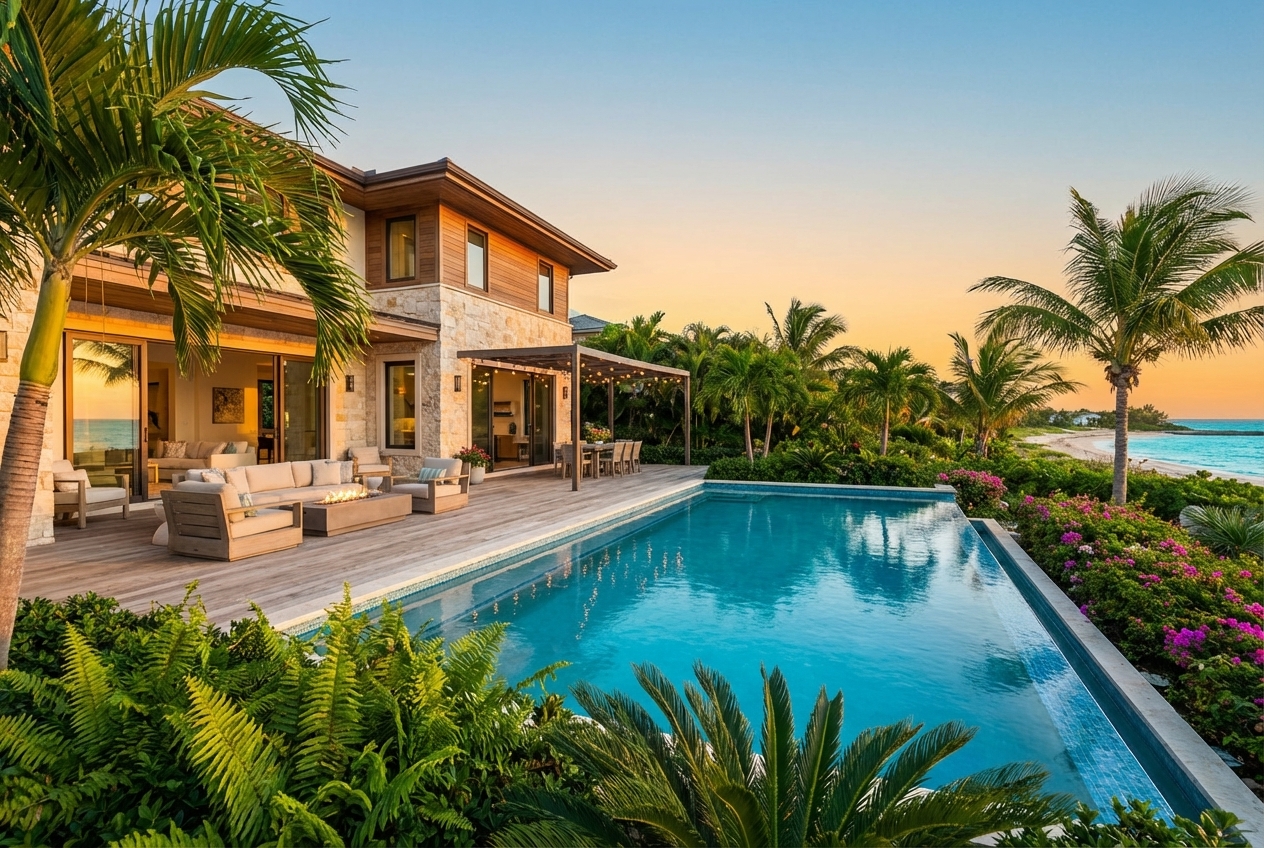 Image for representational purpose only
Villa Cardo
Price on request
Assagao
Image for representational purpose onlyLa Estada
Price on request
Assagao
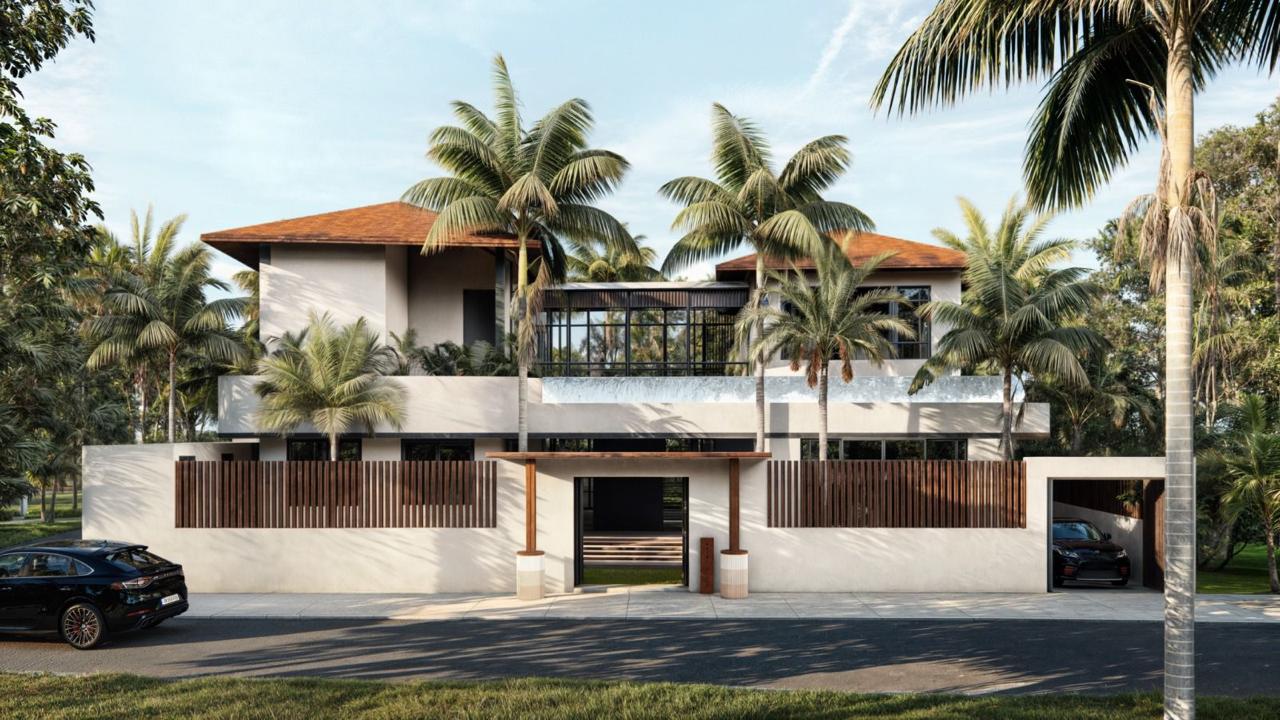
Azul Vida
Price on request
Parra
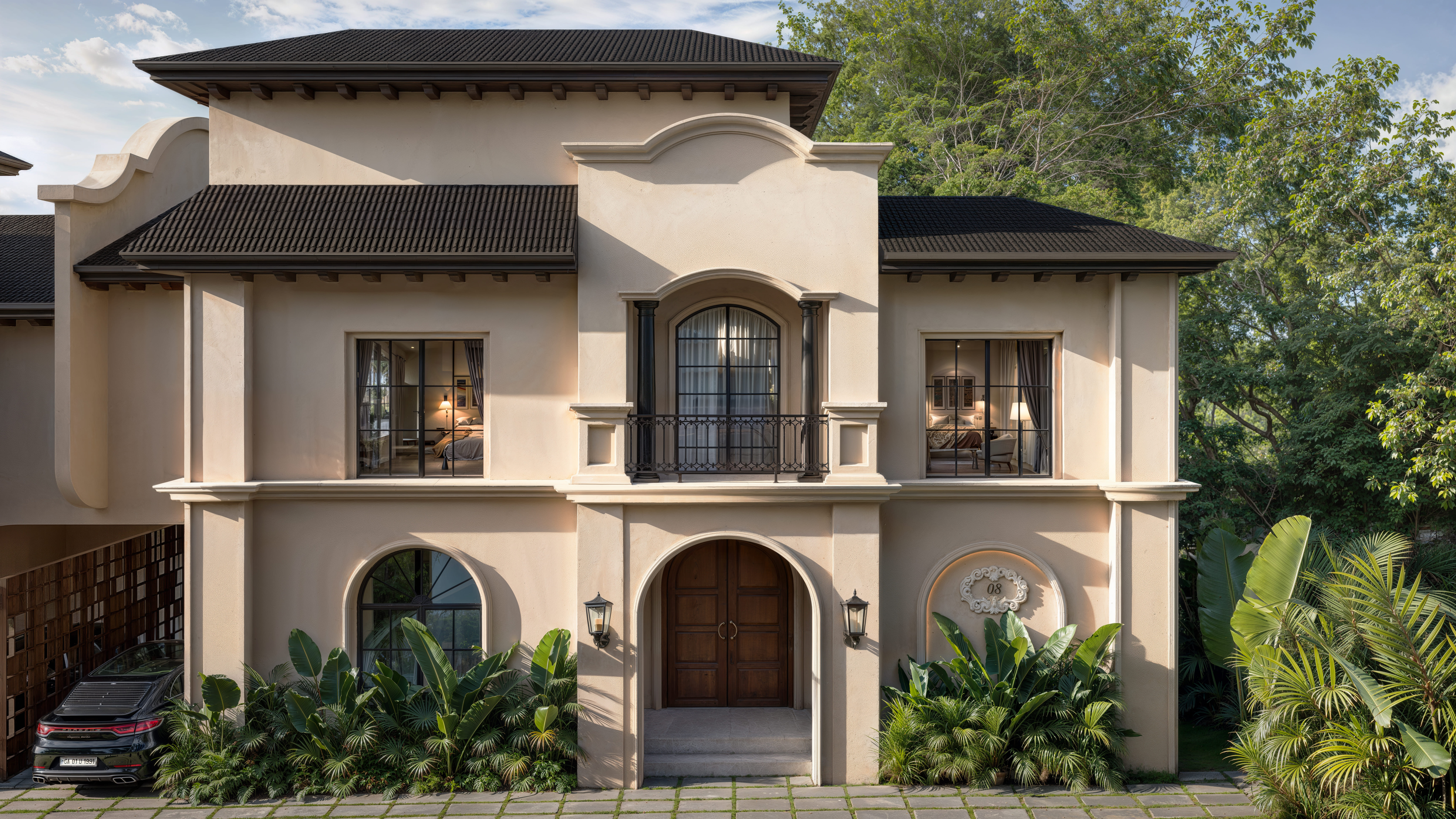
Azul Alma
Price on request
Parra
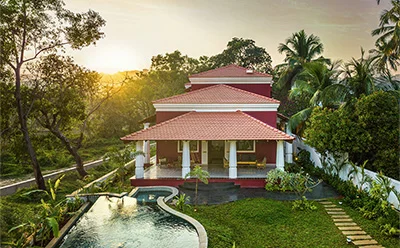
Villa Da Fiore
Price on request
Parra
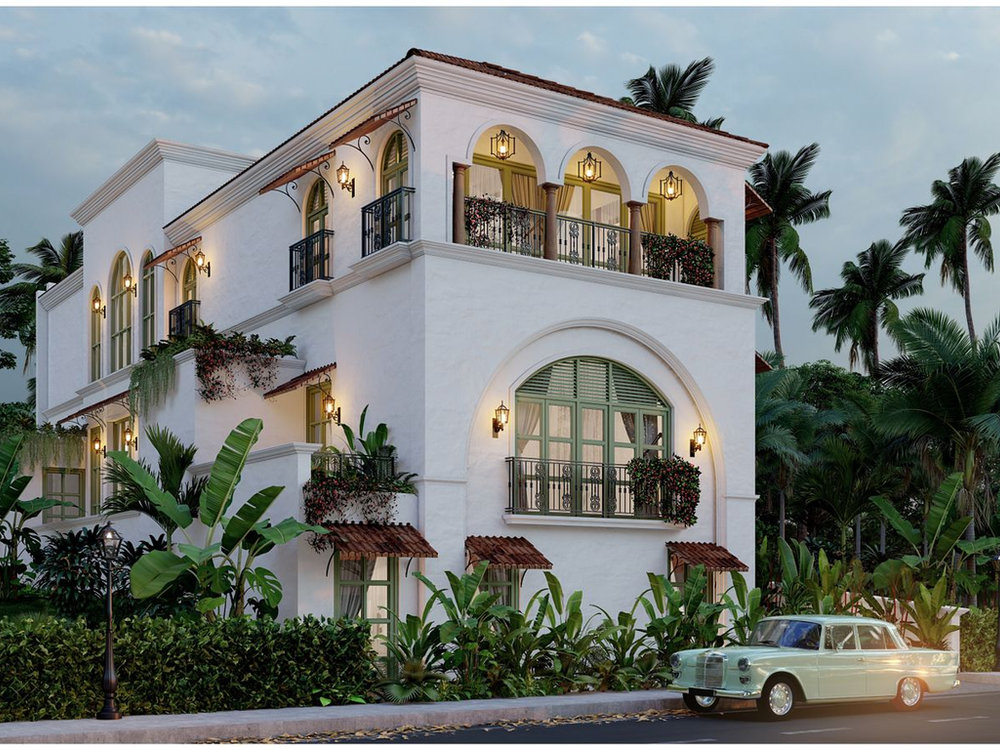
Villa Encanto
₹14.5 Cr
Assagao
Distances are straight-line (haversine), approximate.