Is Karjat a Good Investment in 2026? An Honest Take.
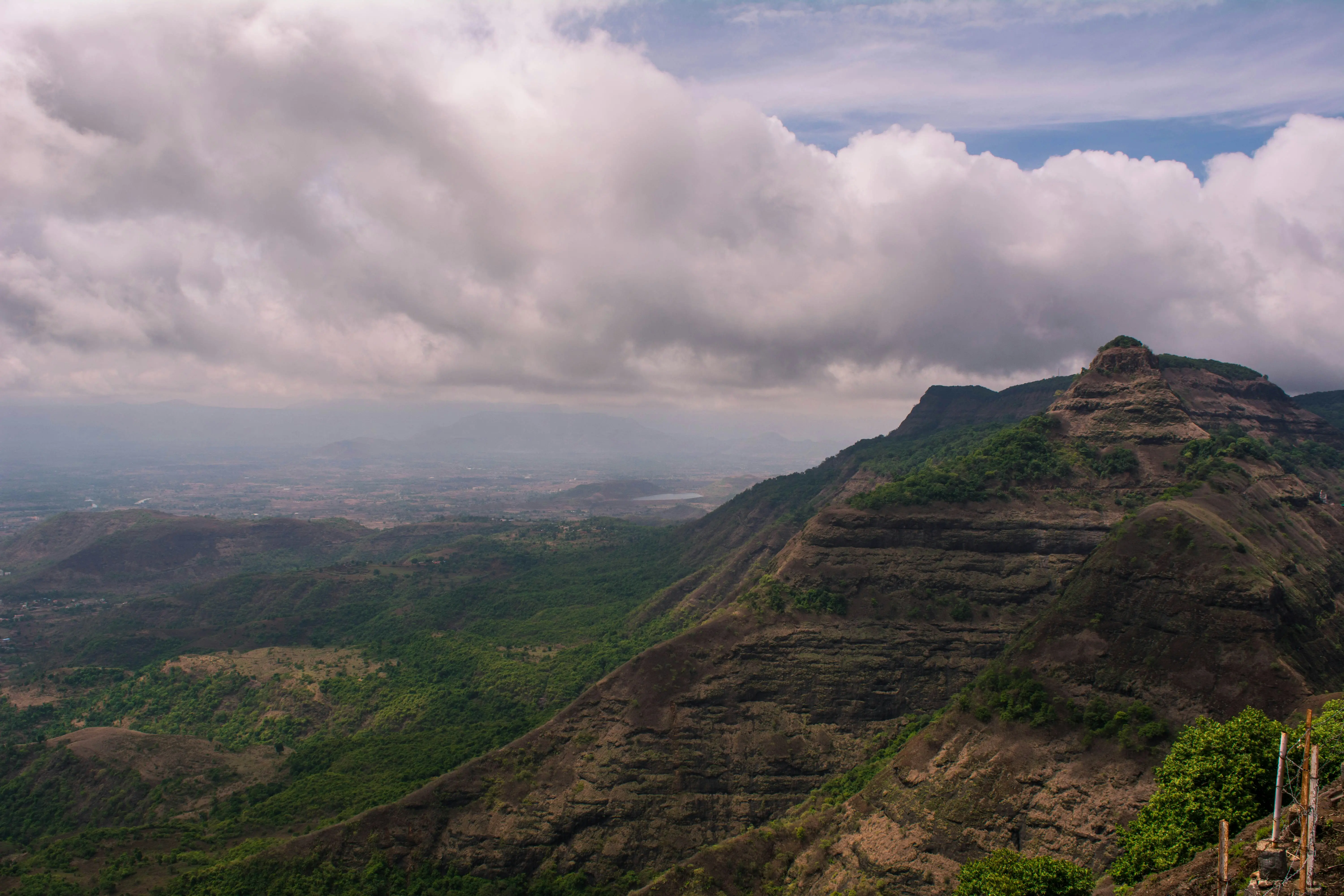
Karjat in 2026 is no longer the quiet monsoon picnic stop it was a decade ago. It has become one of the most actively discussed land markets in the Mumbai Metropolitan Region, and plenty of buyers are asking whether Karjat is a good investment or just the latest patch of hype.
The honest answer depends far less on the headlines and far more on what you buy, how carefully you verify it, and how long you can afford to hold.
The short answer
For the right buyer, yes, with some conditions worth taking seriously.
Karjat offers real value for money, genuine infrastructure tailwinds, and a usable hill climate within roughly two hours of Mumbai. That combination is rare in the Mumbai Metropolitan Region (MMR) at this price point. But land behaves very differently from an apartment. If you want to understand how the two compare as long-term assets, land vs apartments: the better long-term investment? covers that question directly. It rewards patience and punishes carelessness. The gap between a clean, title-clear non-agricultural (NA) plot in an approved layout and a cheap agricultural parcel you may not legally be allowed to build on is huge, and it is the single thing most first-time buyers get wrong. Before you shortlist a single plot, read our overview of the Karjat market and location to get a grounded sense of what the destination is actually like on the ground.
Put simply: if you want a liquid, hands-off asset you can exit in a week, Karjat land is not it. If you want a weekend-home base or a multi-year land hold, and you will do the diligence properly, the case is among the stronger ones in the region right now. Browse current Karjat listings on Avacasa to see what is actually available and at what price points.
What is actually drawing buyers here
The interest is not manufactured. A few structural things are happening at the same time.
Location. Karjat sits in Raigad district, roughly 60 to 65 km from Mumbai and around 44 km from Navi Mumbai by road. It lies on the Mumbai-Pune railway line, broadly midway between the two cities. That keeps it inside a realistic weekend-use radius rather than a once-a-year-holiday radius.
The second-home shift. Since 2020, demand from Mumbai and Navi Mumbai buyers has moved from holidaying in Karjat to owning in it. People are building weekend homes, securing land to build later, or holding for appreciation. Space, greenery, and land at a fraction of city prices are things the metros simply cannot offer. There is a deeper pull at work here too, the one the second-home mindset explores in detail.
The infrastructure build-out, told honestly
- Panvel-Karjat suburban rail corridor (29.6 km, built under the Mumbai Urban Transport Project Phase III at about Rs 2,782 crore). As of early June 2026, the Mumbai Railway Vikas Corporation (MRVC) reported the line at roughly 98% physical completion and in its final stage. It is not yet carrying passengers, and the opening date has already slipped more than once, from December 2025 into later 2026. Once it opens, it gives Karjat commuters an alternative to the congested Kalyan route and a direct link toward the Harbour Line.
- Navi Mumbai International Airport (NMIA), around 40 km away, began commercial operations in December 2025. It is a meaningful long-term demand driver for the wider Navi Mumbai and Raigad corridor.
- Planning oversight. On 19 May 2026, the Mumbai Metropolitan Region Development Authority (MMRDA) was appointed Special Planning Authority for a cluster of revenue villages in the Karjat belt. That points to the area moving from unplanned sprawl toward institutional master-planning.
- Supporting works. These include the Atal Setu sea link improving Mumbai access, the sanctioned JNPA to Chowk access-controlled highway, and a large regional water project meant to close a real water-supply gap.
The infrastructure story is real. But "announced", "sanctioned" and "operational" are three very different things, and only the last one is in the price yet.
For a closer look at the catalyst that matters most, read the Panvel-Karjat rail line and what it means for buyers. For how Karjat compares with its neighbours, see Karjat vs Alibaug vs Lonavala vs Igatpuri.
What the numbers actually say
This is where buyers need the most honesty, because the price data is all over the place.
Listings put organised, gated NA plots in the broad range of Rs 5,500 to Rs 7,500 per square foot (psf) in mid-2026, going by comparisons published by regional advisory firms. At the same time, raw or agricultural parcels in outer belts can list at a few hundred rupees per square foot. Parts of the Tata Road belt sit around Rs 300 to Rs 400 psf, and some Kashele agricultural land around Rs 650 to Rs 900 psf. One aggregator pegs the average residential rate near Rs 5,257 psf, but the overall span is so wide that the average tells you almost nothing on its own. Plot listings commonly run anywhere from about Rs 16.5 lakh to Rs 1.5 crore depending on size, approvals and location.
What that spread really tells you is straightforward. The biggest price driver in Karjat is not the view. It is legal status. Whether a plot is NA (legally buildable) and sits inside an approved layout can separate two parcels 500 metres apart by a factor of five to ten. Understanding that distinction before you fall in love with a price is the whole game. We cover it in NA plot vs agricultural land: which should you actually buy, and we track current pricing in Karjat land price trends.
Treat the appreciation figures with care. Developers and brokers cite compound annual growth rates (CAGR) of 12 to 20% and more in premium pockets, along with strong three-year gains. Those numbers come from interested parties, there is no official Karjat land index to check them against, and a strong three-year run means some of the infrastructure upside is already in today's prices. A sober expectation is meaningful appreciation over a five-year-plus hold, not a quick double.
On rental, the hill climate is usable for roughly ten to eleven months a year, and the monsoon is a genuine rental draw. Green hills, rivers and waterfalls pull weekend traffic that coastal markets cannot match in the rains. The monsoon experience in Karjat gives a real sense of what the season actually looks like on the ground. Well-managed holiday homes are reported to achieve healthy occupancy, but again, those figures come from sources with something to sell. Model it conservatively for yourself. We walk through realistic numbers in what a Karjat farmhouse actually earns on rent.
The risks the brochures leave out
A fair view has to include the parts nobody prints on a hoarding.
- Illiquidity. Land sells slowly. Your exit can take months or quarters, not days. If there is any chance you will need the money back quickly, this is the wrong asset.
- Legal-status traps. Maharashtra restricts non-agriculturists from buying agricultural land, and buying the wrong category, or an unapproved layout, is the most common and most expensive mistake in this market. Start with how to read a 7/12 extract and the red flags that should make you walk away.
- Title and record complexity. Verifying a clean title chain, checking for encumbrances, and confirming the access road is legal matter more here than the plot itself. Title search: verifying clear ownership covers the process in full.
- Infrastructure timeline risk. The rail line's opening date has moved repeatedly. Never base your return on a date that has not happened yet.
- Monsoon, water and maintenance. Rainfall is heavy, access and damp are real issues, and annual upkeep on a larger hillside villa can run into several lakh rupees a year. If you are already thinking about building, designing for heavy monsoon: roofs, drainage and damp is worth reading early. The fact that a major water project is being built tells you the water gap is structural, not solved.
- Oversupply of plotted schemes. Plenty of layouts are being marketed. Not all are approved or well-serviced.
Who Karjat suits, and who should skip it
Karjat fits you if you are
- A Mumbai or Navi Mumbai buyer who wants a weekend-home base within about two hours and will actually use it.
- A multi-year land holder, comfortable with illiquidity, who will do the diligence and hold for five years or more.
- A Non-Resident Indian (NRI) who wants a managed, gated foothold in India, provided you buy NA land and structure the purchase correctly. Our NRI guide to buying NA plots in India covers the rules.
Karjat is probably not for you if you are
- Someone who may need liquidity, or who wants to flip in a year or two.
- A buyer who will not verify title and NA status, or cannot visit the site at least once. When you do visit, use the site visit checklist to make the most of the trip.
- An investor banking on returns from infrastructure that has not been delivered.
The verdict
The better question is not whether Karjat is a good investment in the abstract. It is whether this plot, at this price, with this paperwork, is right for your horizon.
Karjat the market has the tailwinds: proximity, a real infrastructure pipeline, institutional planning oversight, and value for money that still compares well across the MMR. Karjat the transaction lives or dies on diligence. If you treat it as a land purchase, verify, visit, and hold, it is among the more compelling cases in the region today. If you need it to behave like a stock, look elsewhere.
A simple way to decide:
- What is your honest holding horizon? Under three years argues against it.
- Will you ever need the capital back in a hurry? If yes, reconsider.
- Is the plot genuinely NA and in an approved layout? If you cannot confirm it, do not proceed.
- Can you hold comfortably through monsoons and infrastructure delays?
- Is this a use-and-hold weekend home, a pure land play, or a rental asset? Each has a different right answer.
When you are ready to move from "should I" to "how", start with the step-by-step guide to buying your first NA plot. For a broad Q&A on NA plots, the NA plots FAQ also covers the questions buyers ask most. Get oriented with the Karjat micro-market map, and budget with the ten-year total cost of ownership comparison. Before you sign anything, run through 10 questions to ask before signing a land deal. When you are ready to look at specific properties, Avacasa's Karjat listings are a curated starting point.
Sources
- Panvel-Karjat rail corridor 98% complete (Free Press Journal, June 2026)
- Panvel-Karjat railway corridor nears completion (Newsband)
- Karjat vs Alibaug real estate investment (ORA Group)
- How much does an NA plot cost in Karjat (ORA Group)
- Karjat plot investment guide 2026 (Sugee Group)
---
Excerpt: Karjat has real infrastructure tailwinds, genuine value for money, and a weekend-use radius that few MMR markets can match at this price point. But whether it is a good investment depends entirely on what you buy, how carefully you verify it, and how long you can hold.
Ready to find your next holiday home?
Browse our curated collection of vacation homes and managed farmland across India and beyond.