Escaping the City: The Second-Home Mindset
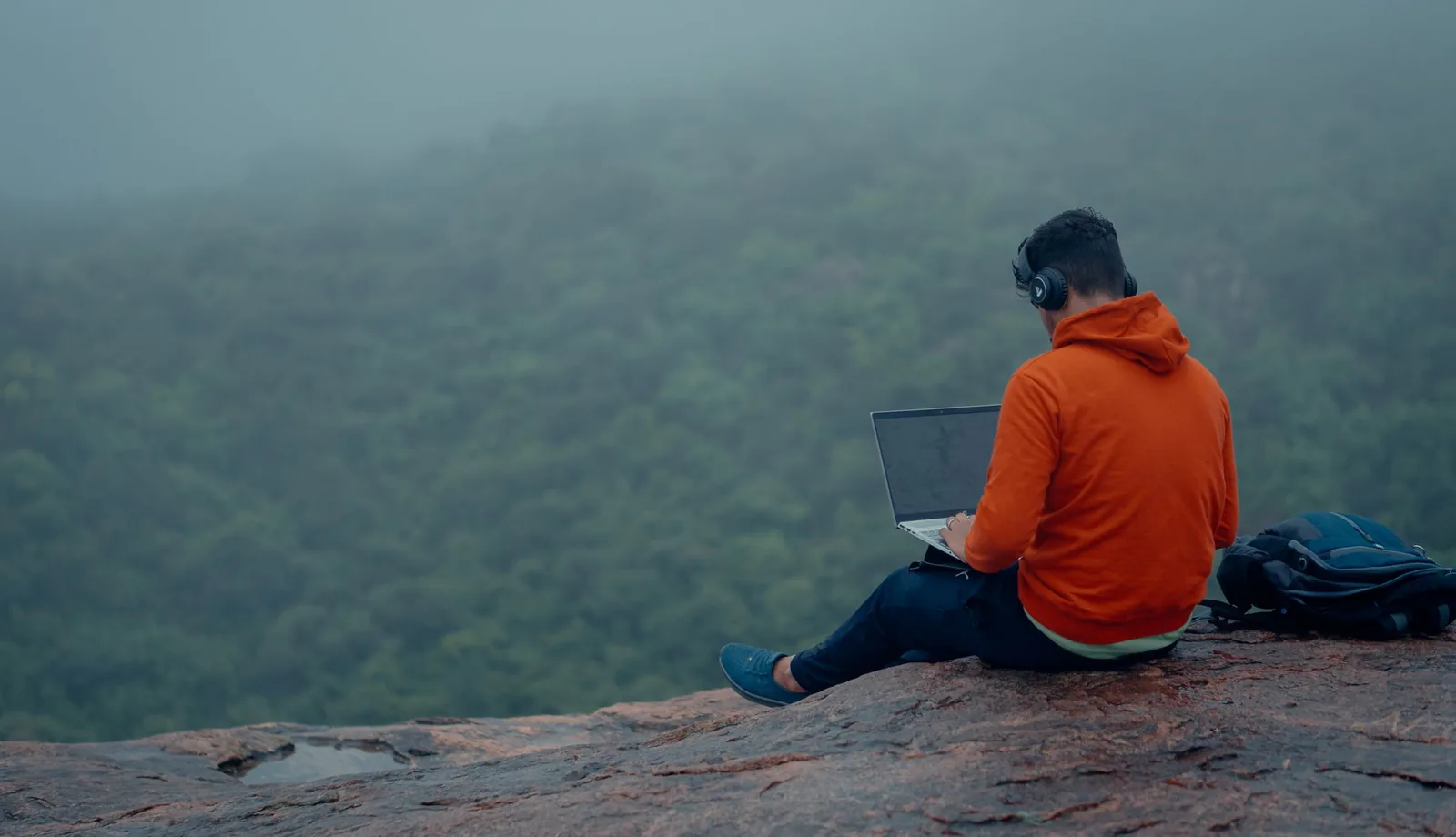
A second home used to mean a place visited twice a year, closed up the rest of the time, more obligation than asset. That version still exists, but it is no longer the only one, and the shift matters for how a buyer should actually think about the purchase. Remote work turned the second home into something closer to a second base, a place that gets used for weeks at a stretch rather than a long weekend, and that changes what actually makes a property worth buying.
The market has grown because the reason for buying has changed
India's second-home market has crossed 3.2 billion dollars and is still accelerating, and the growth is not simply more of the same buyer doing the same thing at greater volume. Remote workers, startup founders, and NRIs now sit alongside the traditional domestic HNI buyer who wanted a weekend retreat, and each of these groups is asking a genuinely different question of the same purchase. A founder treating a hill-town property as an occasional escape wants something different from a remote worker who intends to spend six weeks a year actually working from it, and both want something different again from an NRI buying primarily to maintain a physical connection to India.
Why "escape" undersells what is actually being bought
The instinct to frame a second home purely as an escape from the city misses that a genuinely useful second-home purchase is also a financial asset, appreciating land or a built structure with rental income potential, sitting alongside its lifestyle value rather than instead of it. Treating the two as separate questions, "do I want to escape here" and "does this make financial sense," and answering only the first, is how buyers end up disappointed by a property that is emotionally right but structurally wrong: badly connected, poorly built, or sitting in a location with no realistic path to appreciation or rental demand if the buyer's own use of it ever tapers off.
What remote work actually changed about the calculation
A second home used purely for occasional weekends tolerates a longer, harder journey than one meant to double as a working base for weeks at a time. A property three hours from the nearest usable internet and a reasonable coffee is a fine weekend retreat and a genuinely difficult place to hold a video call from for six consecutive weeks. Buyers now factoring remote work into the second-home decision need to weigh connectivity and daily practicality with the same seriousness previously reserved for the view and the plot size, since the property's actual use case has expanded well beyond the occasional visit the traditional second home was built around.
Being honest about how often the property will actually get used
The gap between the second home a buyer imagines and the one they end up with usually comes down to an honest miscalculation about frequency of use, not a bad property. A property bought on the assumption of monthly visits that in practice happen twice a year is not failing, it is being used exactly as most second homes actually get used, and the mistake is in the original assumption rather than in the property itself. This matters directly for the financial side of the decision: a property genuinely expected to sit empty most of the year needs a credible rental plan to justify its holding costs, while a property realistically expected to see heavy personal use does not need to work as hard as a standalone investment, since its return is partly the use itself rather than purely the numbers on a spreadsheet. Buyers who skip this honest accounting tend to end up disappointed either by a property that never gets visited as often as planned, or by one bought purely for use that quietly underperforms as an asset because nobody ran the numbers on it seriously.
The destinations shifting to meet this changed demand
Goa has built a genuine micro-economy around monthly and seasonal rentals aimed specifically at this remote-working buyer, and destinations further inland, Alibaug, Lonavala, Rishikesh, Coorg and various Himachal hill towns among them, are seeing developers respond with amenities, coworking spaces, better connectivity, aimed at exactly this shift rather than the purely weekend-visitor market these areas served a decade ago. A buyer evaluating any of these destinations should ask directly whether the specific development or area has actually adapted to this changed use case, or whether it is still built and marketed around the older, purely occasional-visit assumption.
What Avacasa recommends
Decide honestly which version of the second-home buyer a specific purchase is actually serving, occasional weekend retreat, extended working base, or primarily a financial asset with lifestyle value as a secondary benefit, before comparing specific properties, since the right answer changes what actually matters in a listing. Land vs Apartments: The Better Long-Term Asset? is worth reading for the financial side of this decision specifically, and How to Negotiate Land Price Like a Pro is relevant once a specific property and use case are both settled.
Before you commit
Financing a Plot: Land Loans, LTV & Construction Loans and How to Verify a Developer's Track Record cover two practical questions that follow once the underlying mindset question above is answered, and RERA Explained: What Project Registration Actually Protects is relevant for anyone considering a newer, amenity-led development built around this changed demand. Capital Gains Tax on Selling Land in India: The Complete Guide and Due Diligence When Buying Property in Another Country round out the picture for an NRI buyer weighing this purchase from abroad, and NA Plot vs Agricultural Land: Which Should You Actually Buy? is relevant for anyone whose second-home mindset points toward land rather than a built property.
Whatever the destination, Goa, Karjat and Rishikesh each illustrate a different version of this shift, from Goa's established remote-work rental economy to Rishikesh's own emerging response to the same changed demand.
Sources
- India's second-home market crossing $3.2 billion, driven by remote work, wellness demand and the staycation trend
- Goa's rental economy built around monthly and seasonal remote-work stays, and the shift toward hill towns adapting to the same demand
Ready to find your next holiday home?
Browse our curated collection of vacation homes and managed farmland across India and beyond.