Where to Buy in Coorg: A Micro-Market Map
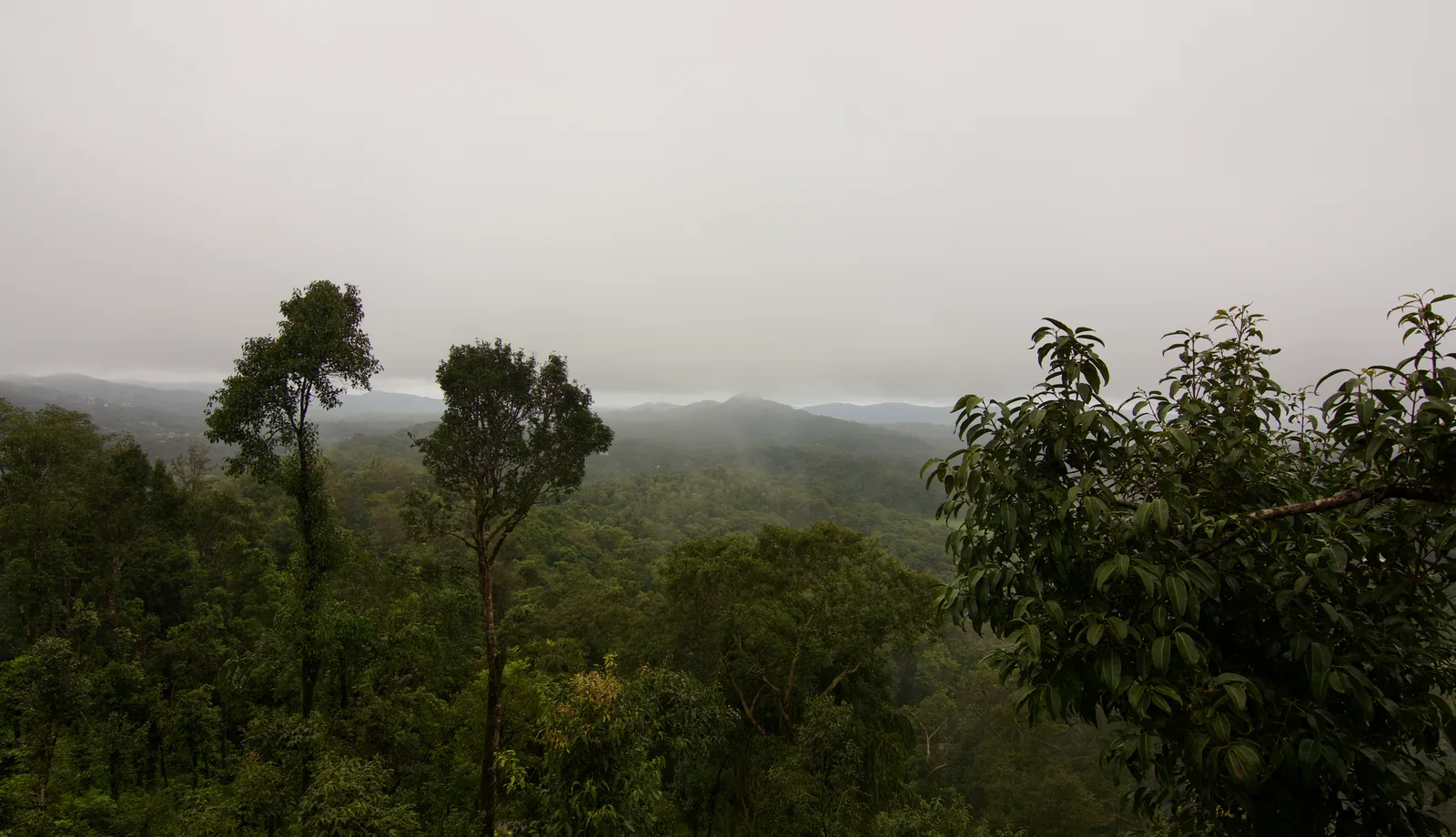
Coorg's real estate stock is dominated by one product most buyers do not think of as a real estate product at all: the working coffee estate, agricultural land under Karnataka law regardless of how a listing photographs the plantation canopy. That single fact splits Coorg's buyer pool in a way most destination guides skip entirely, and it matters more than which town a specific plot happens to sit near.
The rule that decides who can actually buy an estate
Karnataka repealed Sections 79A and 79B of its Land Reforms Act in July 2020, removing the income and agriculturist-status restrictions that had, since 1974, limited who could purchase agricultural land in the state. Since that repeal, any Indian citizen, agriculturist or not, can legally buy agricultural land in Karnataka, coffee estates included. This sounds like it opens Coorg to every domestic buyer, and for resident Indian citizens, it genuinely does. It does not open it to NRIs. Under the Foreign Exchange Management Act, an NRI, OCI or PIO cannot purchase agricultural land, plantation property or a farmhouse in India, a federal restriction that Karnataka's own 2020 liberalisation does not touch and cannot override. A coffee estate in Coorg is, by definition, plantation property, and an NRI buyer who has read that Karnataka now allows non-agriculturists to buy agricultural land is reading only half the rule that actually applies to them.
Madikeri: the established centre, priced accordingly
Madikeri, Coorg's district headquarters and its most recognised name, anchors the destination's most established estates and commands pricing at the upper end of the range, with well-maintained coffee estates in its surrounding pockets running in the region of 30 to 35 lakh rupees per acre. This is the pocket a buyer chooses for name recognition, established infrastructure and the shortest path to a workable estate rather than a ground-up project, and it prices in exactly that convenience.
Kushalnagar: the fastest-growing town, and the connectivity story behind it
Kushalnagar has emerged as one of Coorg's fastest-growing towns, its position directly on the Kushalnagar-Kannur road corridor giving it a connectivity advantage the more established hill pockets around Madikeri do not share to the same degree. This is the pocket for a buyer prioritising ease of access and a town actively investing in its own infrastructure over the deeper, more remote character of Coorg's interior estates, and its growth trajectory reflects genuine road investment rather than pure speculation on the Coorg name alone.
Virajpet and the district's working plantation belt
Virajpet and the surrounding belt carry a larger share of Coorg's actual working coffee plantations, larger estates running to double-digit acreage rather than the smaller weekend-home-scale parcels more common closer to Madikeri. A buyer drawn to Coorg specifically for the working-estate experience, rather than a holiday property that happens to sit near coffee, is more likely to find that product in this belt than in the more tourism-oriented pockets closer to the district centre.
What Karnataka's land holding ceiling means for a larger purchase
Karnataka raised its agricultural land holding ceiling from 10 units to 20 units per individual as part of the same 2020 reform, translating to a maximum holding of roughly 108 acres rather than the previous 54. A buyer with ambitions beyond a single modest estate should know this ceiling exists and confirm current holdings against it before assuming an unlimited acreage is available to accumulate, since the limit, while generous, is not unlimited.
Buying a coffee estate means buying an ongoing operation, not just land
An estate is not a passive plot with a nice backdrop, it is a working agricultural business that continues generating cost and requiring management whether the new owner lives on site or not. A genuine due diligence pass checks plant age and spacing, the shade tree mix, any history of pest infestation, the estate's actual pruning cycle, and recent yield records against what the seller claims the estate produces, ideally walked through in person with an experienced estate manager rather than taken from a sales brochure. Absentee owners specifically need a resident manager, and Coorg has an active market for exactly this role, typically including family accommodation as part of the package, since an estate left without on-site management through a full growing season is an estate losing value regardless of how good its underlying plant stock is. Ongoing operational costs, labour, pruning and replanting, road and fencing upkeep, irrigation and drying-yard maintenance, are recurring rather than one-time, and a buyer pricing an estate purely on its acreage and purchase cost without budgeting for these ongoing operational costs is pricing only half the actual investment.
What Avacasa recommends
Confirm citizenship and residency status against the FEMA agricultural-land restriction before treating any Coorg coffee estate as available, since this single check determines whether an entire category of Coorg's real estate stock is even on the table for a specific buyer. Where a domestic purchase is confirmed as eligible, choose Madikeri for an established, ready estate, Kushalnagar for connectivity and growth momentum, or the Virajpet belt for a genuine working-plantation scale, based on which of those three actually matches the buyer's own priorities. NA Plot vs Agricultural Land: Which Should You Actually Buy? covers the classification question this recommendation depends on in more general terms.
Before you commit
How to Verify a Developer's Track Record and How to Negotiate Land Price Like a Pro cover two questions that follow once a specific estate and pocket are chosen, and Financing a Plot: Land Loans, LTV & Construction Loans is relevant given that agricultural land, coffee estates included, carries its own financing constraints separate from a residential plot. Capital Gains Tax on Selling Land in India: The Complete Guide covers the eventual exit question, and Due Diligence When Buying Property in Another Country has a domestic equivalent worth applying to any of these three pockets. Escaping the City: The Second-Home Mindset is worth reading before assuming a working coffee estate fits the same use case as a purely recreational second home, and Designing for Heavy Monsoon: Roofs, Drainage & Damp is directly relevant given Coorg's own heavy rainfall.
Whatever the pocket, Coorg, Sakleshpur and Chikmagalur each carry Karnataka's own agricultural land framework, and the FEMA restriction on NRI plantation purchases applies identically across all three.
Sources
- Karnataka's 2020 repeal of Sections 79A and 79B, removing agriculturist-status restrictions on agricultural land purchase
- FEMA's restriction on NRIs, OCIs and PIOs purchasing agricultural land, plantation property or a farmhouse in India
- Coorg coffee estate pricing, roughly 30 to 35 lakh rupees per acre in established pockets, and Kushalnagar's connectivity-driven growth
Ready to find your next holiday home?
Browse our curated collection of vacation homes and managed farmland across India and beyond.