Neighbourhood Guide: Tungarli and Upper Lonavala
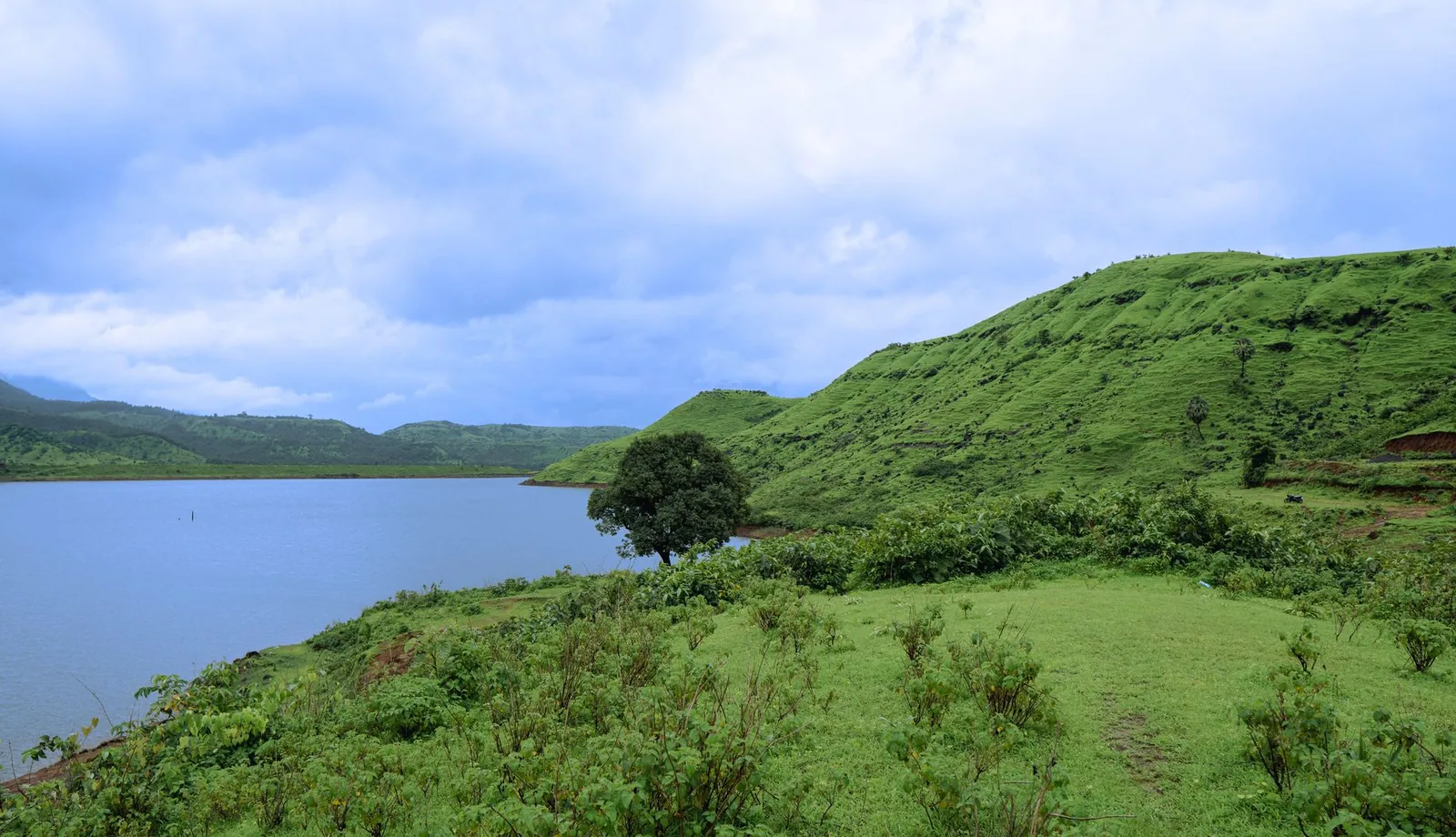
Tungarli gets marketed almost entirely on its lake views, and the lake itself deserves more context than that framing usually gives it. Tungarli Lake is not a natural feature that happened to end up near a cluster of villas, it is a British-built reservoir from 1930, originally constructed to supply water to Lonavala, Khandala and Rajmachi, and understanding that history changes how a buyer should actually think about the area's water access and infrastructure.
What the lake actually is, beyond the view
Tungarli Lake covers roughly 1.3 square kilometres, holds close to 3.9 million cubic metres of water, and reaches depths of around 40 metres at its deepest point. It was built specifically as a water supply reservoir for the surrounding towns, a working piece of regional infrastructure that later became, almost incidentally, one of the more scenic backdrops in the wider Lonavala area. This history matters for a buyer specifically because it means the lake's water level and access are tied to its function as a supply reservoir, not purely to rainfall and scenery, a distinction worth understanding rather than assuming the lake behaves like a purely recreational water body.
Upper Lonavala's actual character, separate from the town centre
Upper Lonavala and the Tungarli belt sit at a meaningfully higher elevation and a quieter remove from Lonavala's own town centre and its tourist-heavy main road, with villa and bungalow development concentrated around the lake's edge and the Gold Valley pocket specifically. This is the area's real appeal for a second-home buyer: proximity to Lonavala's infrastructure and the Mumbai-Pune Expressway without the town centre's own crowding and tourist traffic, a genuinely different profile from a property closer to Lonavala's main market and railway station.
The Rajmachi trek connection few buyers factor in
Tungarli Dam is also the starting point for the Rajmachi Fort trek, a roughly 12 kilometre route to Udhewadi village beneath the fort itself, a 17th century Maratha fortification built under Shivaji to guard the historic trade route between the Deccan plateau and the Konkan coast. For an owner in this specific pocket, this means a steady stream of trekkers and outdoor enthusiasts passing through the immediate area on weekends, a genuinely different visitor pattern from a purely residential or purely tourist-resort belt elsewhere in Lonavala, and one that can support a homestay or rental strategy oriented toward that specific audience rather than the general Lonavala tourist crowd.
What this pocket actually costs and what it buys
Villa pricing in the Tungarli belt starts from roughly 1.5 crore rupees at the hilltop end, with private pools, multiple bedrooms and panoramic valley views common features at the upper end of that range, reflecting the area's positioning as a premium villa destination within Lonavala rather than a budget or mid-market pocket. A buyer comparing this against a similarly priced property closer to Lonavala's town centre is comparing genuinely different products: quieter, higher elevation and lake-adjacent here, versus closer to the railway station and the town's own restaurants and shops there.
The expressway advantage this pocket actually has
Tungarli's position gives it meaningfully faster access to the Mumbai-Pune Expressway than pockets closer to Lonavala's own congested town centre and its older, slower approach roads, an advantage that matters directly for a weekend owner whose actual travel time from Mumbai or Pune determines how often a property genuinely gets used. This expressway proximity is a real, measurable advantage specific to this belt rather than a general Lonavala characteristic, and it is worth confirming for any specific plot rather than assumed from the wider destination's own expressway access.
How Tungarli compares against Lonavala's other emerging pockets
Tungarli's premium positioning, driven by the lake, the trekking access and the expressway proximity together, puts it at a different price point than emerging pockets elsewhere around Lonavala that lack one or more of these specific advantages. A buyer purely optimising for value rather than the specific combination Tungarli offers may find a comparable budget stretches further in a pocket without lake frontage or direct Rajmachi trail access, while a buyer specifically drawn to this combination is paying for a genuinely distinctive set of features rather than a generic Lonavala premium.
What Avacasa recommends
Understand Tungarli Lake's origin as a working reservoir, not a purely scenic feature, before assuming water access here behaves identically to a natural lake elsewhere. Weigh the genuine quiet and elevation advantage of Upper Lonavala against its greater distance from the town centre's own amenities, and consider whether a homestay strategy oriented toward the Rajmachi trekking audience specifically suits the property before assuming a generic Lonavala rental approach applies equally well here.
Before you commit
The Maharashtra Land Revenue Code: A Buyer's Guide is essential groundwork for any Lonavala purchase given the state's land record system, and NA Plot vs Agricultural Land: Which Should You Actually Buy? is relevant where a specific Tungarli plot carries agricultural classification. How to Verify a Developer's Track Record, How to Negotiate Land Price Like a Pro and Neighbourhood Guide: Kushalnagar and the Cauvery Belt round out the practical steps, and 10 Questions to Ask Before Signing Anything covers the wider checklist before any purchase closes. Designing a Weekend Farmhouse on Your Plot is relevant given how many Tungarli properties function as weekend villas rather than daily residences, and Is Coorg a Good Investment in 2026? An Honest Take is worth reading for a structurally similar honest-take framework applied to a different weekend-home market.
Whatever the pocket, Igatpuri, Karjat and Coorg each carry their own version of a lake-adjacent or trek-adjacent premium belt, and Tungarli's specific combination of reservoir history and Rajmachi trail access is genuinely its own rather than a template shared across every hill destination near Mumbai and Pune.
Sources
- Tungarli Lake's origin as a 1930 British-built reservoir, its capacity and depth
- The Rajmachi Fort trek starting from Tungarli Dam and its 17th century Maratha history
Ready to find your next holiday home?
Browse our curated collection of vacation homes and managed farmland across India and beyond.