Neighbourhood Guide: Kushalnagar and the Cauvery Belt
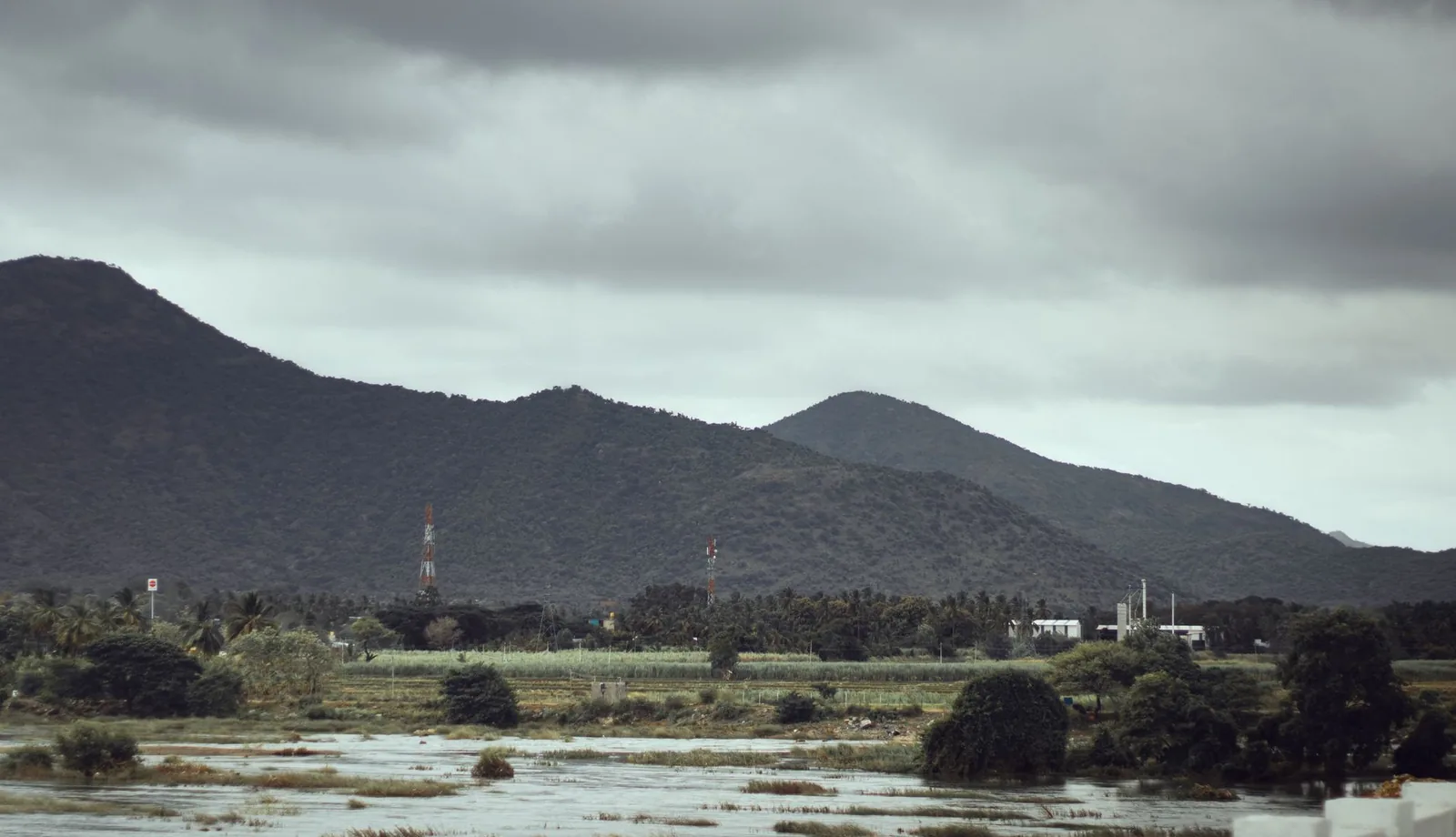
Kushalnagar's real estate pitch tends to lead with connectivity, its position on the Kushalnagar-Kannur road corridor and its status as one of Coorg's fastest-growing towns. What actually makes owning here distinctive is a few kilometres in a different direction: Bylakuppe, the second-largest Tibetan settlement outside Tibet, sitting almost next door to a coffee-belt town most guides describe purely in terms of road access.
The Cauvery is the town's actual geography, not a scenic backdrop
Kushalnagar sits directly on the bank of the Cauvery river, with Dubare Forest and its wildlife sanctuary on the opposite bank, close enough that the elephant camp there is a routine outing rather than a day trip requiring real planning. This riverside position shapes the town more than its road connectivity does day to day: a property here sits within a genuinely different landscape from the drier, more purely plantation-focused character of Madikeri's own surrounding estates, river frontage and the forest across it forming the actual backdrop rather than coffee canopy alone.
Bylakuppe: the neighbour most buyers do not expect
Four kilometres from Kushalnagar sits Bylakuppe, home to over 10,000 Tibetan refugees across settlements established from 1961 onward, and the second-largest Tibetan settlement anywhere outside Tibet itself. The area houses South India's largest Buddhist monastery, alongside monasteries representing the Sakya, Kagyu, Nyingma and Gelug traditions, prayer flags and stupas woven into a landscape most visitors to Coorg never associate with the destination at all. For an owner in Kushalnagar, this is not a tourist attraction glimpsed occasionally, it is a genuinely distinctive cultural neighbour that shapes the area's actual character, a dimension of owning here that a purely coffee-estate-focused pitch for Madikeri or Virajpet simply does not have an equivalent to.
What actually living here involves, day to day
Kushalnagar's own infrastructure runs ahead of what its size might suggest: reliable public transport connections, adequate parking, and a water supply that residents describe as consistently reliable rather than seasonally strained, a genuine point of difference from smaller, more remote pockets elsewhere in Coorg where water access can be a real seasonal concern. This practical infrastructure, combined with the road corridor's own connectivity advantage, is what actually underlies Kushalnagar's reputation as one of Coorg's fastest-growing towns, rather than growth driven purely by speculative interest in the Coorg name.
Who this pocket actually suits
A buyer prioritising day-to-day practicality, reliable water and transport, straightforward road access, over the more remote, deeper-estate character of Coorg's interior is well served by Kushalnagar specifically. A buyer drawn to the cultural texture of the Bylakuppe settlement, or who values proximity to the Cauvery and Dubare's forest landscape as a genuine amenity rather than an occasional excursion, has a real, additional reason to choose this pocket over an otherwise comparable property closer to Madikeri. Neither of these buyer profiles is better than the other; they are simply looking for different things from the same broader Coorg market, and Kushalnagar answers a specific combination of them that the district's other main pockets do not replicate.
The tourist traffic Bylakuppe brings, and what it means for an owner
Bylakuppe's Golden Temple and its monasteries are a standing attraction independent of Coorg's own weather-driven tourist calendar, which gives Kushalnagar a form of visitor draw that is genuinely different in character from the more purely nature-and-estate tourism driving demand in Madikeri or the Virajpet belt. For an owner considering any form of rental income from the property, this means a visitor base drawn specifically by cultural and spiritual interest alongside the usual Coorg nature tourism, a broader and somewhat more consistent draw than a pocket relying purely on coffee-country scenery and cooler weather. It also means an owner who simply wants quiet seclusion should factor in that Kushalnagar's proximity to an actively visited religious site is a genuinely different neighbourhood character from a more isolated estate deeper in the district, worth experiencing directly on a site visit rather than assumed from the town's population figures alone.
What Avacasa recommends
Weigh Kushalnagar's genuine infrastructure reliability, water supply specifically, against the more remote character some buyers actually prefer elsewhere in Coorg, rather than assuming faster growth automatically means a better fit. For a buyer with any interest in the area's cultural dimension, a visit to Bylakuppe itself, not just the coffee estates, is worth building into a site visit before assuming Kushalnagar's appeal begins and ends with its road access. Where to Buy in Coorg: A Micro-Market Map covers how this pocket compares against Madikeri and the Virajpet plantation belt directly.
Before you commit
NA Plot vs Agricultural Land: Which Should You Actually Buy? is relevant given Coorg's real estate stock runs heavily agricultural, and Can Foreigners Own Property Abroad? Freehold, Leasehold and Use Rights is worth reading for the FEMA restriction on plantation-property purchases by NRIs, OCIs and PIOs that applies here exactly as it does across the rest of Coorg. How to Verify a Developer's Track Record and How to Negotiate Land Price Like a Pro round out the practical steps that follow once Kushalnagar specifically is chosen over another Coorg pocket. Designing for Heavy Monsoon: Roofs, Drainage & Damp is directly relevant given Coorg's own heavy rainfall, and 10 Questions to Ask Before Signing Anything and Due Diligence When Buying Property in Another Country cover the wider checklist worth applying before any Kushalnagar purchase closes.
Whatever the pocket, Coorg, Chikmagalur and Sakleshpur each carry their own distinct character within Karnataka's coffee-growing hill belt, Kushalnagar's own Cauvery-and-Bylakuppe combination being genuinely specific to it rather than shared across the wider region.
Sources
- Kushalnagar's riverside position on the Cauvery, adjacent to Dubare Forest and Wildlife Sanctuary
- Bylakuppe's Tibetan settlement, established from 1961, housing over 10,000 refugees and South India's largest Buddhist monastery
Ready to find your next holiday home?
Browse our curated collection of vacation homes and managed farmland across India and beyond.