Is Coorg a Good Investment in 2026? An Honest Take
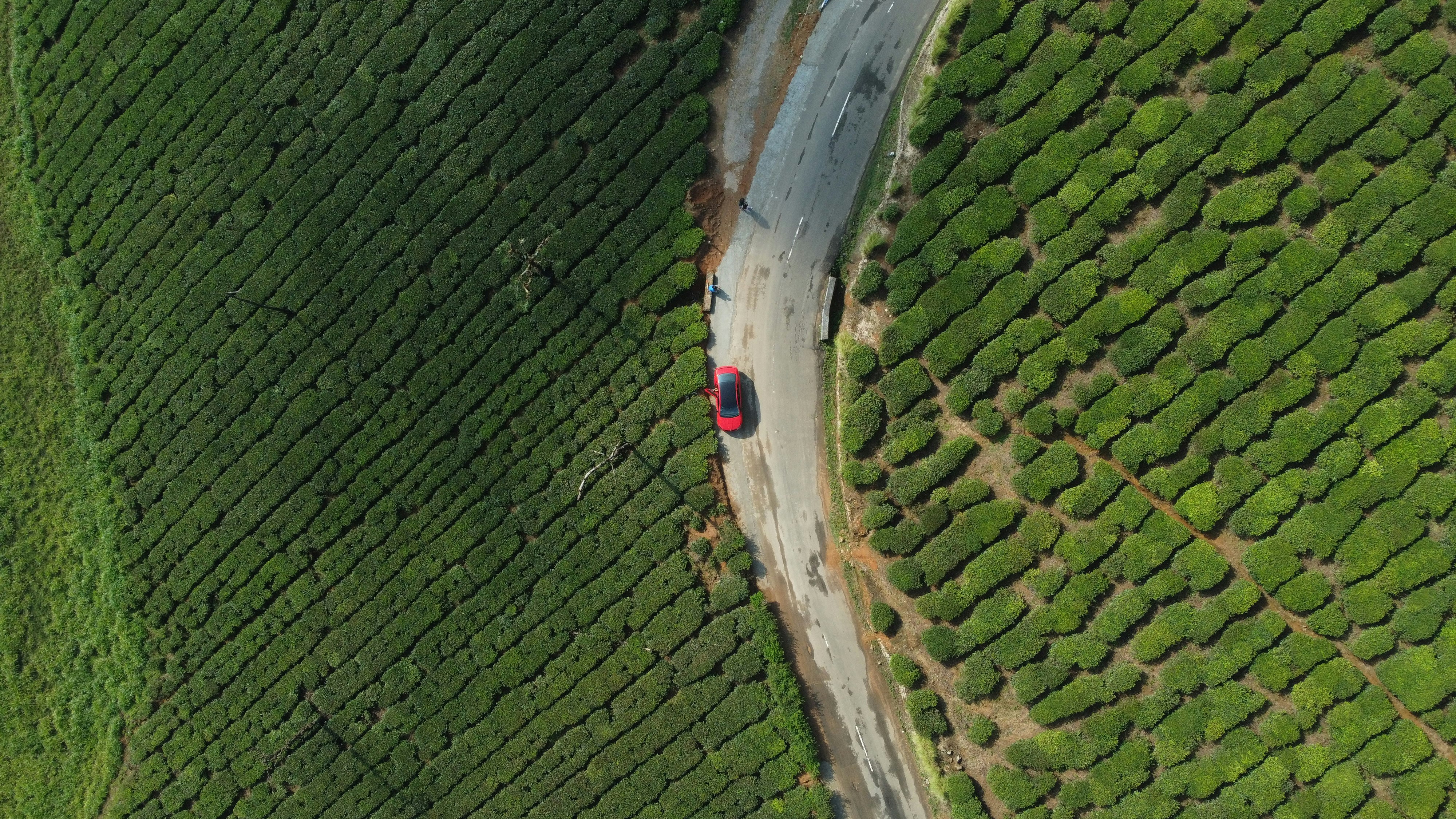
Coorg gets pitched as a coffee-country investment story almost by default, scenic estates, a reliable tourist draw, land that keeps appreciating. The honest version of that story includes a legal change most of the pitch decks skip entirely: for most of the last several decades, a large share of the buyers now looking at Coorg simply could not have bought agricultural land here at all.
The 2020 change that actually opened this market
Until 2020, Karnataka's Land Reforms Act barred anyone classified as a non-agriculturist, and specifically anyone earning more than 25 lakh rupees a year from non-agricultural sources, from purchasing agricultural land in the state, which covers the overwhelming majority of Coorg's coffee estate and plantation land. The 2020 amendment repealed the sections imposing this restriction, removing both the income ceiling and the requirement that a buyer already be an agriculturist. This is not a minor technical footnote, it is the specific legal change that made the current wave of urban, non-farming buyers looking at Coorg coffee estates possible at all, and any investment case for the region that does not mention it is missing the actual reason today's buyer pool exists in its current form.
What coffee estate land actually costs
Coffee plantation land in Coorg trades over a genuinely wide range depending on location and condition, estates near Madikeri commanding roughly 30 to 35 lakh rupees per acre, with plantation land elsewhere in the district available from around 24 lakh rupees per acre and smaller parcels in the Virajpet belt priced accordingly by size and estate quality. This range matters for a buyer comparing Coorg against other Karnataka hill destinations, since coffee estate land is priced on a fundamentally different basis than a residential plot, factoring in the mature plantation itself as a productive asset rather than simply land value.
The homestay and rental income layer
A meaningful share of Coorg's current property market combines agricultural use with homestay or small hospitality operations, reflecting genuine, sustained tourist demand for a Coorg stay rather than treating the plantation as a purely passive land holding. This dual-use model is one of the more distinctive features of investing in Coorg specifically compared with a purely residential second-home market elsewhere: an owner can hold productive coffee land and generate rental income from the same property, provided the specific parcel and any structures on it are correctly permitted for hospitality use, which is worth verifying rather than assumed from what a neighbouring estate is doing.
What an honest risk picture looks like
Plantation land carries real agricultural risk that a residential plot does not, coffee price cycles, labour availability for estate maintenance, and crop yield variability all affect the actual economics of an estate beyond simple land appreciation. Access and infrastructure also vary considerably by micro-market within Coorg itself. Where to Buy in Coorg: A Micro-Market Map and Neighbourhood Guide: Kushalnagar and the Cauvery Belt cover how meaningfully this varies between Madikeri, Kushalnagar and the Virajpet belt, and a buyer treating "Coorg" as a single uniform market is missing real differences in road access, water reliability and appreciation pattern between its main pockets.
Who this actually suits, honestly
A buyer specifically interested in owning productive agricultural land, with the option of hospitality income and genuine appreciation tied to Coorg's tourism draw, is well served by the current market, particularly now that the 2020 amendment has removed the legal barrier that previously excluded most urban buyers. A buyer looking purely for a low-maintenance residential second home with none of the agricultural management overhead is likely better served by a different Karnataka hill destination, or by a Coorg property that is explicitly residential rather than a working coffee estate, since the two are genuinely different ownership experiences carrying different obligations.
What the tourism draw is actually built on
Coorg's rental and homestay demand is not a generic hill-station phenomenon, it is tied specifically to the district's identity as Karnataka's coffee country, a combination of scenic plantation landscape, a genuinely different pace from the state's cities, and a tourism infrastructure that has grown up around exactly that identity over several decades rather than emerging recently. This matters for an investment case because it means Coorg's tourism draw is less exposed to a single attraction or a short-lived trend than a destination whose appeal rests on one specific feature, but it also means an estate too far from the areas tourists actually associate with the coffee-country identity captures less of that demand than the district-wide reputation might suggest.
What due diligence looks like on a working estate specifically
Buying a working coffee estate carries verification steps a residential plot does not: confirming the plantation's actual yield history rather than the seller's stated potential, checking whether estate labour arrangements transfer with the sale or need to be renegotiated, and verifying any homestay structures on the property were built with the correct permissions for change of use from purely agricultural. A buyer who verifies only the land title and skips these estate-specific checks is applying a residential due-diligence checklist to a fundamentally different kind of asset.
What Avacasa recommends
Confirm the specific parcel's classification, agricultural versus residential, and its permitted use for any planned homestay operation, before assuming Coorg's investment case applies uniformly across the district. Weigh the genuine agricultural risk, coffee price cycles and labour availability specifically, against the appreciation and hospitality income the pitch typically leads with. How to Verify a Developer's Track Record is relevant where a developer-led project rather than an individual estate is under consideration.
Before you commit
NA Plot vs Agricultural Land: Which Should You Actually Buy? is directly relevant given how much of Coorg's stock is agricultural, and Buying Land in Karnataka: The Complete Legal Guide covers the state framework this 2020 amendment operates inside. 10 Questions to Ask Before Signing Anything and How to Negotiate Land Price Like a Pro round out the practical steps, and Due Diligence When Buying Property in Another Country is relevant for an NRI buyer specifically. Hill Station or Coast? A Framework, Not an Answer is worth reading for how Coorg's specific trade-offs compare against a coastal alternative.
Whatever the pocket within Coorg itself, Chikmagalur and Sakleshpur each run under the same 2020 Karnataka Land Reforms framework described above, and the coffee-estate economics discussed here apply with only minor variation across all three districts.
Sources
- The 2020 Karnataka Land Reforms Amendment removing the non-agriculturist purchase restriction on agricultural land
- Coorg coffee estate and plantation land pricing by location and estate condition
Ready to find your next holiday home?
Browse our curated collection of vacation homes and managed farmland across India and beyond.