Is Kasauli a Good Investment in 2026? An Honest Take
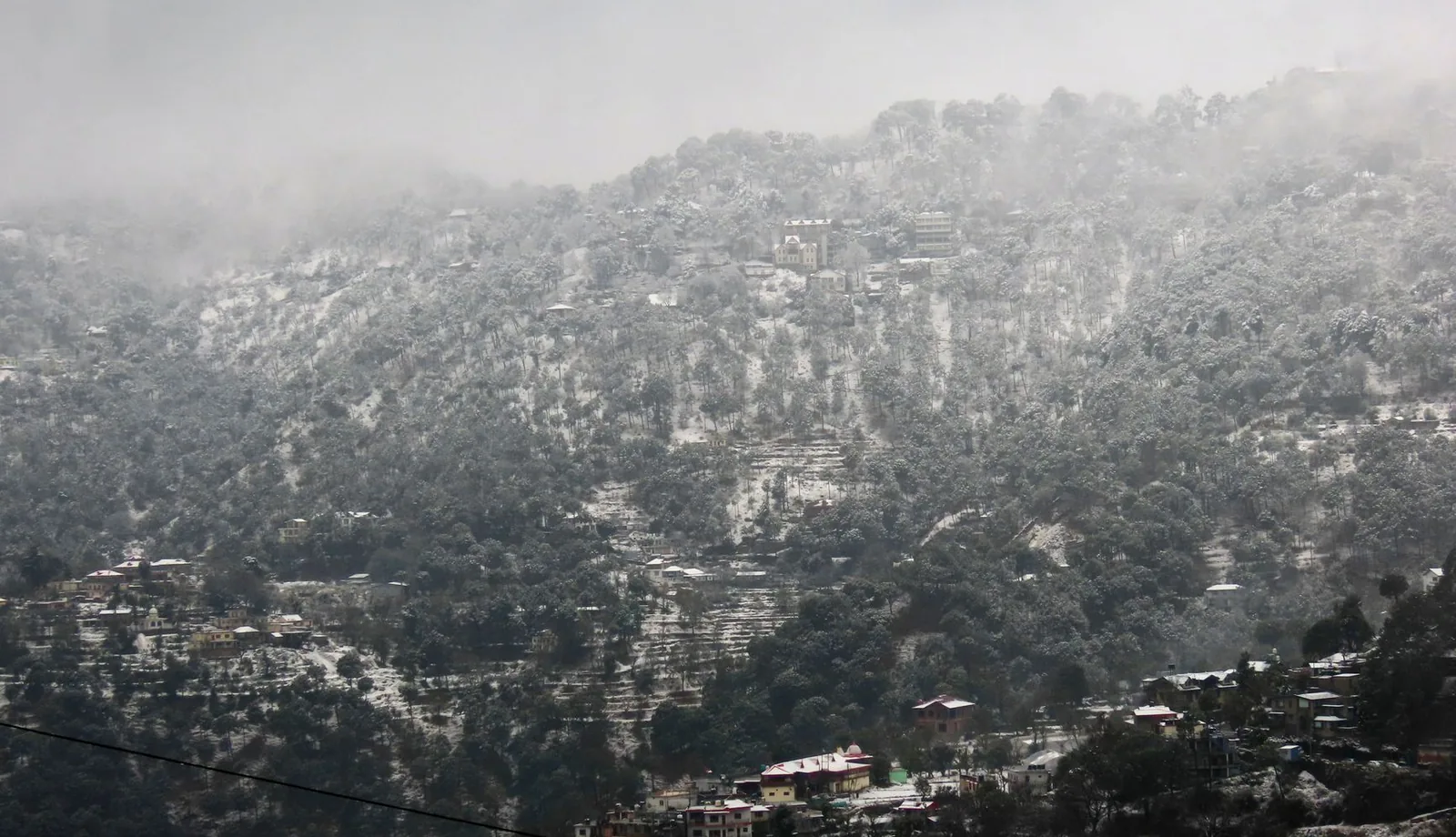
Kasauli sells itself on colonial-era charm, cedar forests and clean air within striking distance of Chandigarh, and that pitch is genuine. What most of that marketing leaves out is that Kasauli sits inside one of the more legally restricted small towns in Himachal Pradesh, an ecologically protected planning area where a court order, not just the state's general land law, actively limits what a non-local buyer can build and, in some cases, buy at all. The honest verdict depends entirely on which side of that restriction a specific purchase falls.
The general Himachal rule, and why Kasauli is not just the general rule
Section 118 of the Himachal Pradesh Tenancy and Land Reforms Act, 1972, requires anyone who is not a registered agriculturist, Himachali or otherwise, to get state government permission before acquiring agricultural land, a rule aimed at protecting the roughly 89% of the state's farming community who are small and marginal landholders from being priced out by outside capital. This is not an absolute ban and permission can be granted, but it is a real procedural hurdle that adds time and uncertainty to any land purchase falling under it.
Kasauli adds a second, more specific layer on top. The National Green Tribunal has, since 2017, imposed a blanket ban on fresh Section 118 permissions for outsiders buying land within the Kasauli Planning Area specifically, an ecologically fragile zone the Tribunal placed under active protection, alongside a construction ban restricting new building to two storeys plus an attic and prohibiting the regularisation of unauthorised structures. As of the most recent reporting, this restriction remains in force, monitored by a tribunal-appointed committee. A buyer treating Kasauli as subject only to the general statewide Section 118 process is missing that this specific town carries an additional, court-imposed layer most other Himachal destinations do not.
The route that actually works for most buyers
Built-up property, a completed house or flat, sitting within a municipal area, a Nagar Panchayat, Municipal Council, Municipal Corporation or Cantonment Board's territorial limits, is exempt from the Section 118 permission process entirely, and HIMUDA-allotted units carry the same exemption. This is the realistic route for the buyer this piece is actually written for: someone looking at a finished cottage or a completed unit within Kasauli's built-up municipal core is looking at a genuinely different, and considerably less encumbered, transaction than someone hoping to buy raw land or an under-construction plot in the surrounding planning area.
Who should not buy here
A buyer specifically looking for undeveloped land, a plot to build a custom house on, or a fixer-upper requiring anything beyond routine maintenance, is looking at exactly the category the NGT's construction ban and Section 118 blanket restriction both bear down hardest on. Someone drawn to Kasauli for a from-scratch building project, rather than a move-in-ready or lightly-renovated existing structure, should treat that ambition as significantly harder to execute here than the same ambition would be in a less legally constrained hill destination, and should confirm the specific parcel's status directly with a local advocate before assuming it is achievable at all.
Who this actually suits
A buyer looking for a completed cottage or flat within Kasauli's municipal core, prioritising an existing structure over new construction, and drawn by genuine proximity to Chandigarh rather than a from-scratch project, is looking at the town's realistic value proposition. Kasauli's connectivity is a real structural advantage rather than marketing gloss: the Chandigarh-Kalka-Kasauli road corridor has genuinely improved, and the drive from Chandigarh's airport runs to roughly ninety minutes, a meaningfully shorter approach than several other Himachal hill destinations manage from their nearest major airport.
The infrastructure honesty the marketing skips
The same NGT order that restricts construction also flagged Kasauli's water supply and municipal solid waste management as inadequate for the town's existing footprint, let alone additional development, and directed local authorities to address both. A small hill town carrying decades of unplanned growth against genuinely constrained water infrastructure is not a problem a single new gated development, however well-built, solves on its own, and a buyer should expect the same seasonal water pressure and waste-management friction that affects any older property in the town, gated community amenities notwithstanding. This is the kind of honest trade-off a brochure for a new villa project has no reason to volunteer, and it is worth asking directly, rather than assuming a premium development is somehow insulated from a town-wide infrastructure constraint.
What the price data actually says, and why it is worth reading cautiously
Listed residential prices in Kasauli range broadly from roughly 50 lakh rupees for apartments to upward of 2 crore rupees for individual houses and villas, and the market's own recent shift has moved noticeably from budget cottages toward gated luxury villa developments with private amenities aimed squarely at weekend-home buyers from Delhi, Chandigarh and Punjab. Reported year-on-year price movement in broker channel data is inconsistent enough across sources, some describing a recent softening, others describing steady appreciation driven by constrained supply, that neither figure is reliable enough to repeat as a settled fact here. What is more durably true is the structural picture underneath both claims: supply is genuinely limited by the legal and ecological restrictions described above, which is exactly the kind of constraint that supports price resilience over time regardless of which specific year-on-year number happens to be circulating.
What Avacasa recommends
Confirm whether a specific property is built-up and sits inside Kasauli's municipal limits, the route that sidesteps Section 118 and the NGT's land-purchase restriction entirely, before assuming any purchase here follows the general Himachal process. If a from-scratch building project is the actual goal, treat Kasauli as a materially harder market to execute that in than most alternatives, and verify the specific ban's current status with a local advocate rather than relying on any single source's account of when it was last renewed or reviewed. Buying Property in Himachal Pradesh: What the Law Allows covers the state-wide Section 118 framework this piece narrows down to Kasauli's own additional layer, and The Maharashtra Land Revenue Code: A Buyer's Guide is a useful point of comparison for how differently one other state handles the same underlying question of outsider land access.
Before you commit
Financing a Plot: Land Loans, LTV & Construction Loans is relevant mainly for the buyer this piece advises against, someone planning new construction rather than buying built-up property, and RERA Explained: What Project Registration Actually Protects is worth reading for anyone considering a newer gated villa development rather than an existing cottage. Due Diligence When Buying Property in Another Country has a domestic equivalent in the same verification discipline worth applying here, and Rental Management and Yields in Foreign Holiday Markets covers yield-calculation habits worth applying to a Kasauli property let out between visits, even though that piece is framed around overseas markets. Capital Gains Tax on Selling Land in India: The Complete Guide is relevant for an owner eventually exiting a Kasauli purchase, and Can Foreigners Own Property Abroad? Freehold, Leasehold and Use Rights is worth reading for an NRI buyer weighing Kasauli against a purchase outside India entirely.
Whatever the destination, Kasauli, Shimla and Dharamshala each carry Himachal Pradesh's Section 118 framework, and Kasauli's own NGT-driven layer on top is specific to its own ecologically protected status rather than a rule shared across the state's other hill towns.
Sources
- Section 118 of the HP Tenancy and Land Reforms Act, 1972, and its municipal-area and HIMUDA exemptions
- The NGT's 2017 blanket ban on fresh Section 118 permissions for outsiders in the Kasauli Planning Area, and the associated construction restrictions
- The NGT's building height restriction and confirmation the Kasauli Planning Area restrictions remain in force
Ready to find your next holiday home?
Browse our curated collection of vacation homes and managed farmland across India and beyond.