A Long Weekend in Alibaug: Forts, Ferries and the Coastal Road
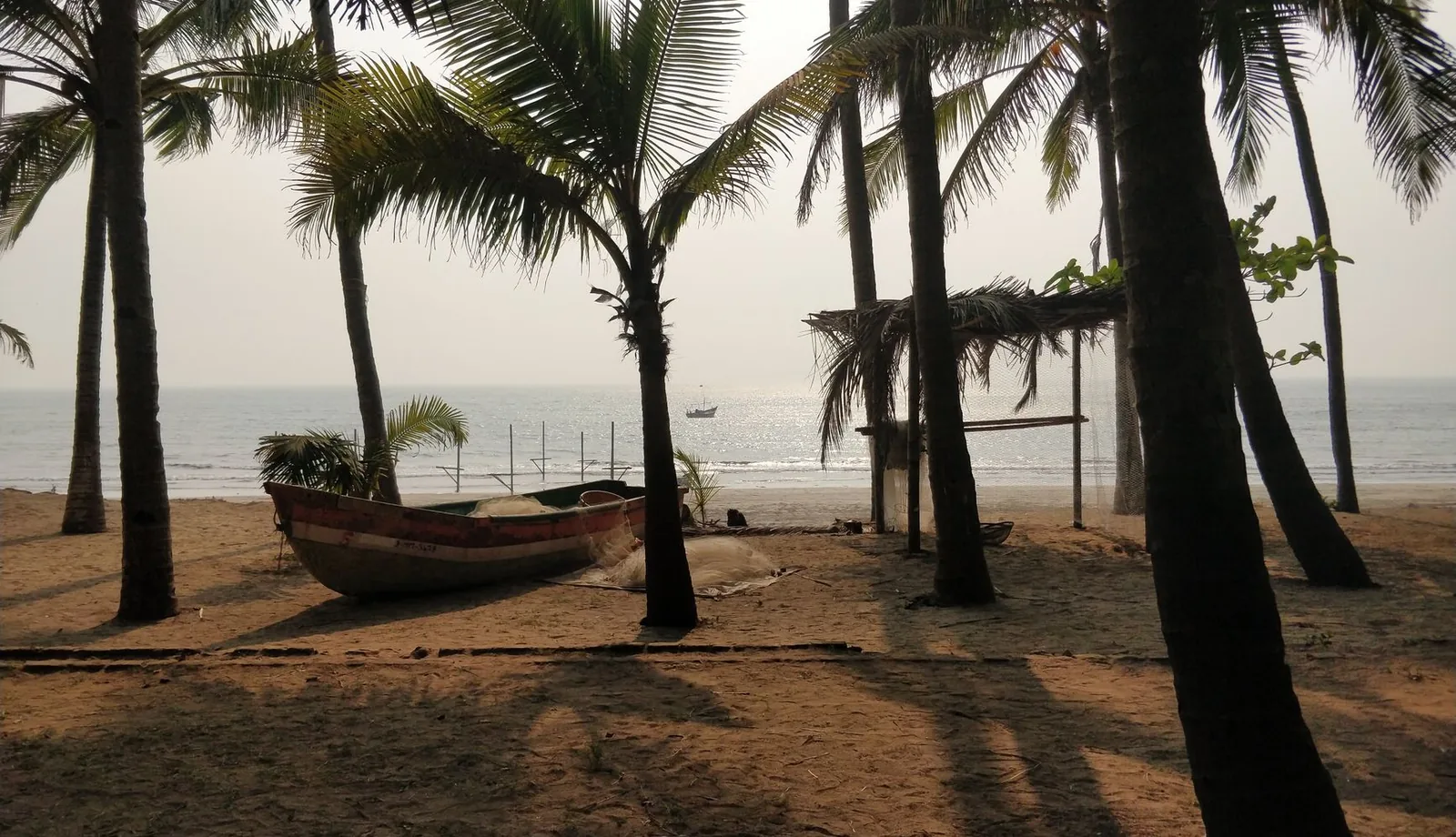
Most lists of places to visit in Alibaug start on land and treat the sea as nothing more than scenery. The better version of this weekend starts on the water, because the crossing itself sets the pace for everything after it, and because the single most interesting fort here can only be reached when the tide agrees to let you.
The crossing is part of the weekend, not a delay before it
The RoRo ferry from Ferry Wharf at Bhaucha Dhakka to Mandwa jetty carries cars as well as passengers, and it turns what used to be a three and a half hour drive around Mumbai's harbour into roughly an hour on the water. Fares and sailing times shift with the season, so check the current schedule before you plan a tight arrival, but the shape of the trip does not change: you leave the city by boat, watch Mumbai's skyline recede rather than sit in traffic looking at the back of a truck, and arrive at Mandwa already somewhere else mentally, about 14 kilometres short of Alibaug itself. The Atal Setu trans-harbour link has since given the coastal road route its own one-hour claim by car, and which crossing you take is worth choosing on its own merits rather than defaulting to whichever one you used last time. The ferry rewards a morning departure specifically: the crossing sits low enough on the water that the city recedes at eye level rather than as a view from an elevated highway, and that first half hour on the water does more to signal that the weekend has actually started than anything waiting on the other side.
Kolaba Fort, and why the tide decides your itinerary
Kolaba Fort sits just offshore from Alibaug beach, and the tide, not the ticket office, decides how you get there. At low tide you walk out across the sea bed on a causeway that appears as the water recedes; at high tide the same distance requires a boat. Shivaji Maharaj began its construction in 1652, reportedly among the last forts commissioned in his lifetime, and it was completed under Sambhaji Raje before passing to command by Kanhoji Angre, the Maratha admiral who built much of the naval power that operated from this stretch of coast. The fort's offshore position was itself the point: a base that watched the sea lanes and forced any approaching fleet, Portuguese or Siddi, to be seen long before it arrived. None of that history changes the practical fact that arriving at the wrong point in the tide cycle means either waiting it out or hiring a boat you had not planned for, so checking the tide table is the actual first step of this itinerary, not a footnote to it.
The coastal road south: three beaches that are not interchangeable
Nagaon, roughly seven kilometres along the Alibaug-Revdanda road, is the wide, flat, casuarina-lined beach that photographs well and fills up accordingly; it is the version of Alibaug most people already have in mind. Kihim, further along toward Revas, trades width for character: dense coconut cover behind a stretch of golden sand that turns rocky further out, and a clear sightline to Khanderi and Underi, two more sea forts sitting just offshore, visible without a boat this time. Awas, between Kihim and Mandwa, is the quiet one, one of the largest beaches in the taluka and, precisely because it sits off the main circuit, one of the least crowded. Treating these three as interchangeable stops on the same list misses what actually distinguishes them: Nagaon for the postcard, Kihim for the view out to two more forts, Awas for the version of this coastline with nobody else on it.
What this weekend does not include
This is not the resort-brochure version of Alibaug, the one built around a single property's pool and a curated list of nearby attractions. It skips the larger water-sports operations and the more heavily developed stretches in favour of a route built around the tide, the crossing and three beaches that each do something different. A weekend built this way asks a little more planning of the visitor, checking a tide table and a ferry schedule rather than just a check-in time, and that is precisely the trade that makes it worth doing this way rather than the obvious one.
For the wider destination beyond one weekend's itinerary, Is Alibaug a Good Investment in 2026? An Honest Take and Where to Buy in Alibaug: A Micro-Market Map cover the case for spending more than a weekend here, The Atal Setu Trans-Harbour Link: What a One-Hour Drive Did to Alibaug covers how the crossing itself has changed the destination's relationship with Mumbai, and Alibaug Property Price Trends and What Is Driving Them covers what that shift has actually done to prices. Karjat vs Alibaug vs Lonavala vs Mulshi: Where to Invest is worth reading if this weekend leaves you weighing Alibaug against the other coastal and hill options within reach of Mumbai and Pune, and Is Karjat a Good Investment in 2026? An Honest Take and Karjat Plotted Projects Compared cover that comparison's hill-station side directly. Karjat Land Price Trends & What's Driving Them is the equivalent price-trends read for that market, alongside Alibaug's own above.
Whatever the season, the character of this coastline holds up; the Alibaug, Karjat and Mulshi markets nearby show how differently Maharashtra's most accessible weekend destinations from Mumbai and Pune have each developed.
Sources
- Kolaba Fort: history, tidal access and construction under Chhatrapati Shivaji Maharaj and Kanhoji Angre
- Nagaon Beach and Kihim Beach: location, character and sightlines to Khanderi and Underi forts
- Awas Beach: location and character relative to Kihim and Mandwa
Ready to find your next holiday home?
Browse our curated collection of vacation homes and managed farmland across India and beyond.