 Deepak Patil / Wikimedia Commons (CC BY-SA 3.0)
Coco Beach
Picturesque beach at the mouth of the Nerul River.
Why people come to Coco Beach

North Goa's best-known launch point for short dolphin-watching boat cruises.

Set at the Nerul river mouth, the water is mild and low-waved rather than surf.
River, the closest of the places we cover nearby.

Boats also run scenic trips out onto the Mandovi estuary from the jetty.
A small curve of sand backed by the tall coconut palms that give it its name.

Looks across the estuary to the Fort Aguada and Reis Magos headlands.
The Scene
Coco Beach is compact and low-key. A short curve of sand under coconut palms, a handful of small shacks and boat operators, and the constant coming and going of dolphin-trip and river-cruise boats from the jetty — that is essentially the scene. The water here is estuarine and calm, with low, mild waves rather than the surf you get on the open beaches, which makes it photogenic and peaceful but not a place people swim.
Getting Around
Coco Beach is in Nerul, on the estuary side of the Aguada headland, roughly 10 km from Panaji and a short hop from Candolim and Sinquerim over the headland. Most visitors come by scooter or taxi; the lanes down to the beach and jetty are narrow, and parking is informal. It is close enough to Candolim that many people combine a Coco Beach dolphin trip with time on the bigger beach nearby.
Local Tips
Go early. Dolphin sightings are far more reliable soon after sunrise, when the water is calm and the animals more active, and the light across the estuary is at its best. Agree the price and the trip length before you board — trips are short (often only 15–20 minutes of actual dolphin-watching) and prices are negotiable, so be clear on what you are paying for.
Coco Beach is a boat jetty first and a beach second.
Coco Beach is a small, quiet stretch of sand in Nerul, set where the Nerul River empties into the Mandovi estuary and the Arabian Sea. Lined with tall coconut palms — which give it its name — it is a very different proposition from Goa's big open beaches: a sheltered, estuary-side cove with mild, low waves rather than surf, and a working jetty from which boats set out. It is best understood not as a beach to spend the day sunbathing on, but as a departure point.
That is because Coco Beach is North Goa's most established spot for dolphin-spotting boat trips. Small operators run short cruises out into the estuary and along the coast to look for the resident humpback dolphins, typically for a few hundred rupees per person, with the best sightings early in the morning and through the October-to-February window. Boats also run scenic river and estuary cruises from here. The beach itself is modest and can look scruffy in places, and the estuary currents mean it is not a recommended swimming beach — visitors come for the boats, the calm water and the views across to the Aguada headland and Reis Magos.
For those looking at North Goa property, Coco Beach sits within Nerul, a quieter riverside pocket between the Aguada beaches and Panaji, where Avacasa lists 8 homes across 6 developers. Most Goa homes are listed price-on-request; across the wider North Goa cluster, quoted prices reach a median of about ₹3.6 crore.
When to go
Best time: October to February, early morning for dolphins
Coco Beach is a boat jetty first and a beach second. Come here to take an early-morning dolphin-spotting cruise on calm estuary water, enjoy the palm-fringed cove and the views to the Aguada headland — but not to swim or to sunbathe on great sand. Manage expectations: the trips are short and sightings are not guaranteed. As a beach it is minor; as a dolphin-trip launch point it is the established choice in North Goa.
Go for
Dolphin-spotting trips, calm estuary water, river & estuary cruises and palm-fringed cove.
- Dolphin trips
- 7
- Calm water
- 7
- Scenery
- 6
- Swimming
- 2
- Beach quality
- 4
- Seclusion
- 6


Explore the Saipem area guide
Market data, lifestyle and what to expect in the area around Coco Beach.
Frequently asked questions about Coco Beach
Not really. It sits at the Nerul river mouth where estuary currents make swimming unsuitable, and it is used mainly as a launch point for boat trips rather than a bathing beach. The water is calm and low-waved, but it is best enjoyed from a boat or the sand.
Homes near Coco Beach
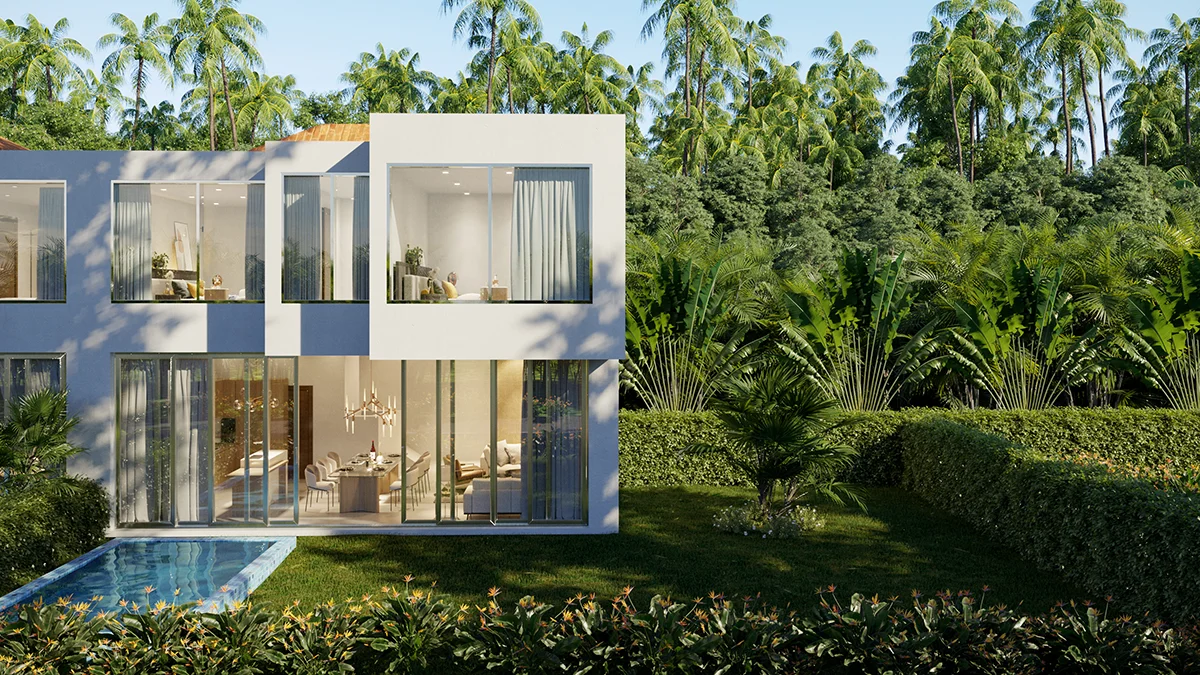
La Estella
Price on request
Nerul

La Agueda
Price on request
Nerul
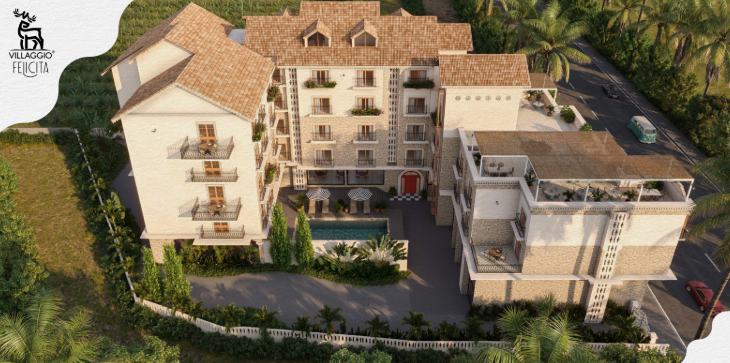
Villaggio Felicita
₹1.25 Cr
Nerul
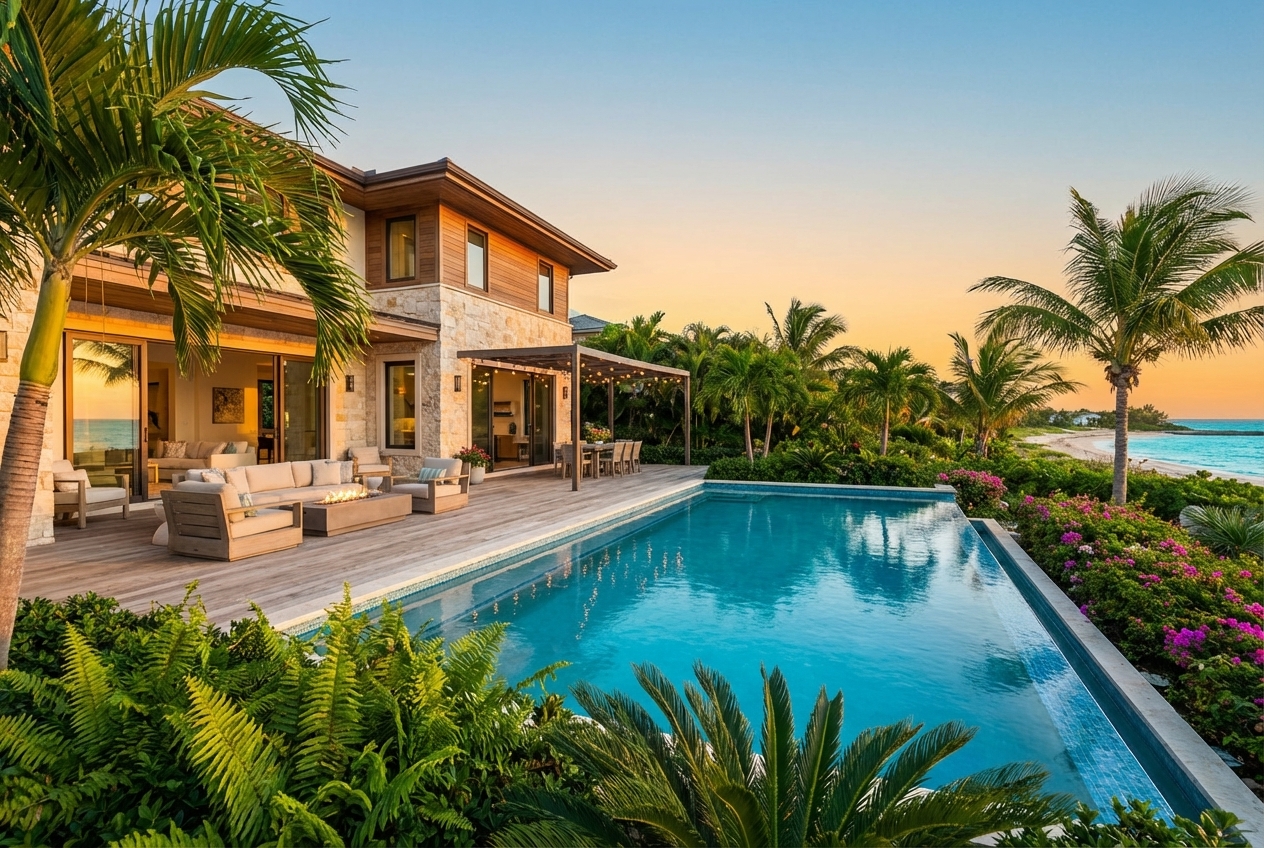 Image for representational purpose only
Casa Altinho
₹9.5 Cr
Nerul

Kasu Zira
₹1.42 Cr
Nerul
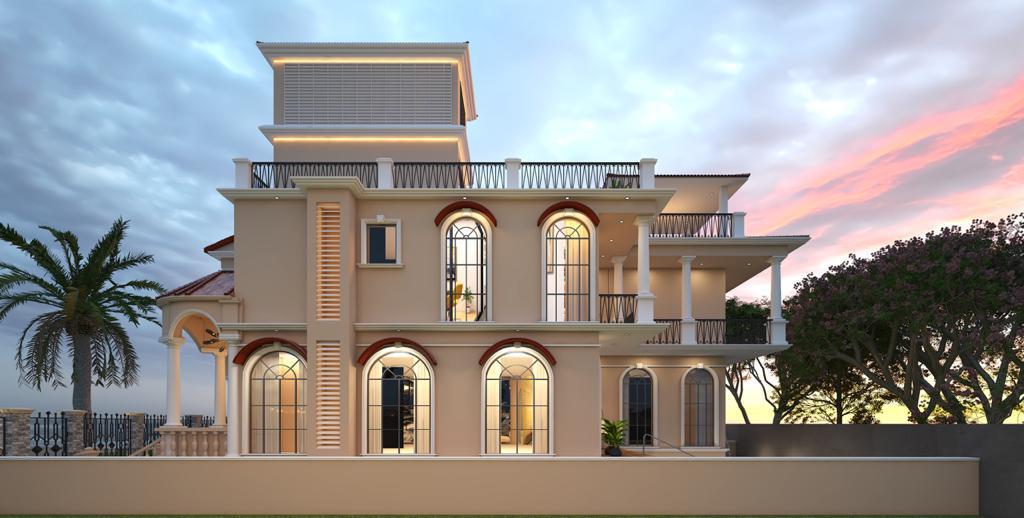
Patios Branco Villas
₹8.5 Cr
Nerul
Distances are straight-line (haversine), approximate.