Where to Buy in Mulshi: A Micro-Market Map
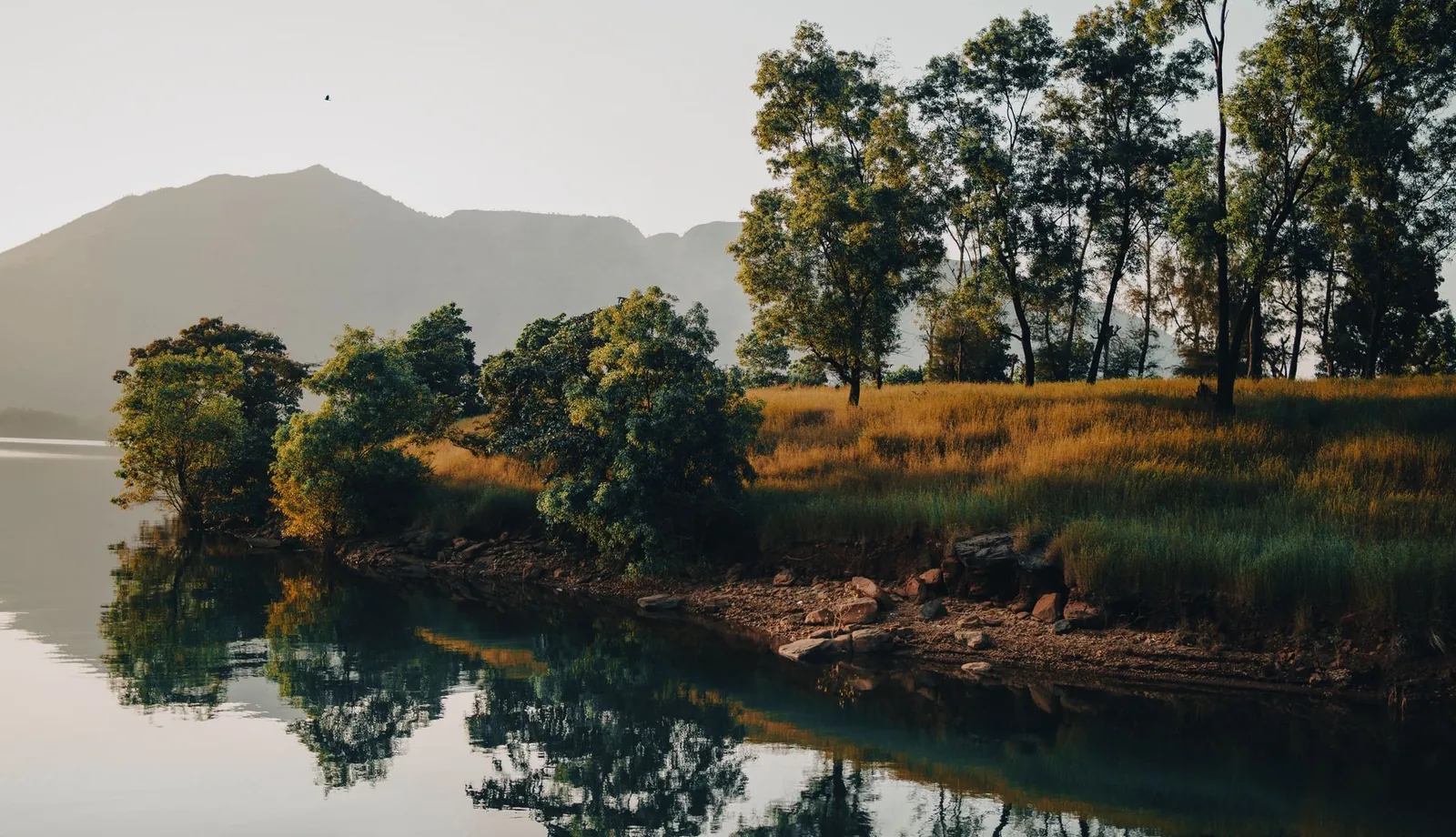
Mulshi gets sold as a single destination when it is really two genuinely different pockets wearing the same name: the lakefront belt closest to Mulshi Dam itself, and the Tamhini Ghat corridor a short drive further out, where the appeal shifts from water views to waterfalls and valley scenery. A buyer treating "Mulshi" as one uniform market is likely to end up comparing prices across two pockets that are not actually selling the same thing.
The lakefront belt and what it actually offers
Land closest to Mulshi Dam and the lake itself trades at a premium tied directly to water frontage or a confirmed lake view, and plots here are typically marketed and sold in units of 11 guntha or larger, with pricing commonly running from roughly 40 to 60 lakh rupees for a plot in this range, moving higher for a larger parcel or an unobstructed water view. The Pune Ring Road and the Mulshi Valley covers how the wider infrastructure changes underway are affecting this specific belt's accessibility and, by extension, its pricing.
The Tamhini Ghat corridor and its different character
Properties along the Tamhini main road, roughly 55 kilometres from Baner on Pune's western edge, offer direct highway access and proximity to the waterfalls and valley views the ghat is known for, a genuinely different draw from the lake itself, and a genuinely different buyer profile: one oriented toward monsoon scenery, trekking and the ghat's own seasonal drama rather than the calmer, more consistent lakefront appeal. Farmhouse plots along this corridor with confirmed water or valley views have been offered from around 72 lakh rupees for larger parcels, though highway-touch land without the same view premium can be found at considerably lower per-square-foot rates.
What developed plots actually include, and why that matters for pricing
A meaningful share of Mulshi's current plot inventory comes through gated developments offering cement roads, electricity and water connections, boundary walls with plot levelling already completed, street lighting, and shared amenities like a clubhouse or a temple. A buyer comparing a developed-community plot against a standalone agricultural parcel at a lower headline price is not comparing like for like, since the infrastructure and levelling costs embedded in the developed plot's price would otherwise need to be built out separately and at the buyer's own expense and timeline.
Why the lake and the ghat corridor suit genuinely different buyers
A buyer whose priority is a calmer, more predictable water view and closer proximity to the dam itself is better served by the lakefront belt specifically, while a buyer drawn to Mulshi for its monsoon character, waterfalls and the more dramatic, seasonal scenery of the ghat itself is better served by the Tamhini corridor, even though both pockets fall under the same broad Mulshi destination name. Neither is objectively the better choice, and a buyer who picks a pocket based purely on the Mulshi name without confirming which specific character actually matches their own priorities risks ending up in the wrong half of a destination that is really two markets in one.
What actually needs verifying regardless of pocket
Water access reliability, the specific plot's classification, agricultural land is common throughout the wider Mulshi area, and confirmation that a developed plot's promised infrastructure, roads, electricity, water connection, has actually been completed rather than simply promised in the marketing material, all need independent verification before any purchase closes, and none of them are reliably visible from a listing photo or brochure alone.
The monsoon dimension that separates the two pockets further
The Tamhini corridor's own tourist appeal is heavily monsoon-driven, waterfalls and valley greenery peaking specifically during the rainy season, which draws considerable weekend traffic to the ghat road during those months and correspondingly quieter conditions the rest of the year. The lakefront belt's own appeal is comparatively more consistent across seasons, the water body itself remaining a stable feature whether or not the surrounding hills are at their monsoon greenest. A buyer weighing rental income specifically should model this seasonal difference honestly: a Tamhini-corridor property leaning on monsoon tourist traffic needs a realistic off-season occupancy assumption, while a lakefront property's income pattern is likely to be somewhat steadier across the year, though neither pocket is immune to Maharashtra's broader hill-destination seasonality.
Road access as the practical differentiator within each pocket
Within either the lakefront belt or the Tamhini corridor, a plot's specific distance from the main access road, rather than the pocket's overall reputation, is what actually determines day-to-day usability, since a scenic but poorly connected interior plot can be considerably less practical to visit regularly than a less scenic but well-connected one closer to the highway. This is worth confirming on an actual site visit rather than from a map alone, since road quality and seasonal accessibility, particularly during monsoon, are not always accurately represented in listing materials.
What Avacasa recommends
Decide first whether the lakefront's calmer water-view appeal or the Tamhini corridor's monsoon and waterfall character actually matches the buyer's own priorities, since Mulshi's two halves suit genuinely different visitors. Confirm a developed plot's promised infrastructure has actually been completed on the ground, and verify the specific parcel's land classification before assuming a headline price reflects a directly comparable product to a plot in the other pocket.
Before you commit
The Maharashtra Land Revenue Code: A Buyer's Guide is essential groundwork given how much of Mulshi's stock is agricultural, and NA Plot vs Agricultural Land: Which Should You Actually Buy? is directly relevant for the same reason. Emerging Pockets to Watch Around Mulshi covers areas beyond these two established pockets worth watching, and How to Verify a Developer's Track Record is particularly important for any gated-community plot purchase. How to Negotiate Land Price Like a Pro and 10 Questions to Ask Before Signing Anything round out the practical checklist, and Neighbourhood Guide: Tungarli and Upper Lonavala is worth reading for a structurally similar lake-versus-ghat comparison in a neighbouring destination.
Whatever the pocket, Lonavala, Igatpuri and Karjat each carry their own internal split between a calmer, water-adjacent belt and a more dramatic, ghat-adjacent corridor, and Mulshi's specific lake-versus-Tamhini divide described above is genuinely its own rather than a template shared uniformly across every Sahyadri destination.
Sources
- Mulshi lakefront plot pricing, typical plot sizes and water-view premiums
- Tamhini Ghat corridor property listings, highway access and distance from Pune
Ready to find your next holiday home?
Browse our curated collection of vacation homes and managed farmland across India and beyond.