Emerging Pockets to Watch Around Mulshi
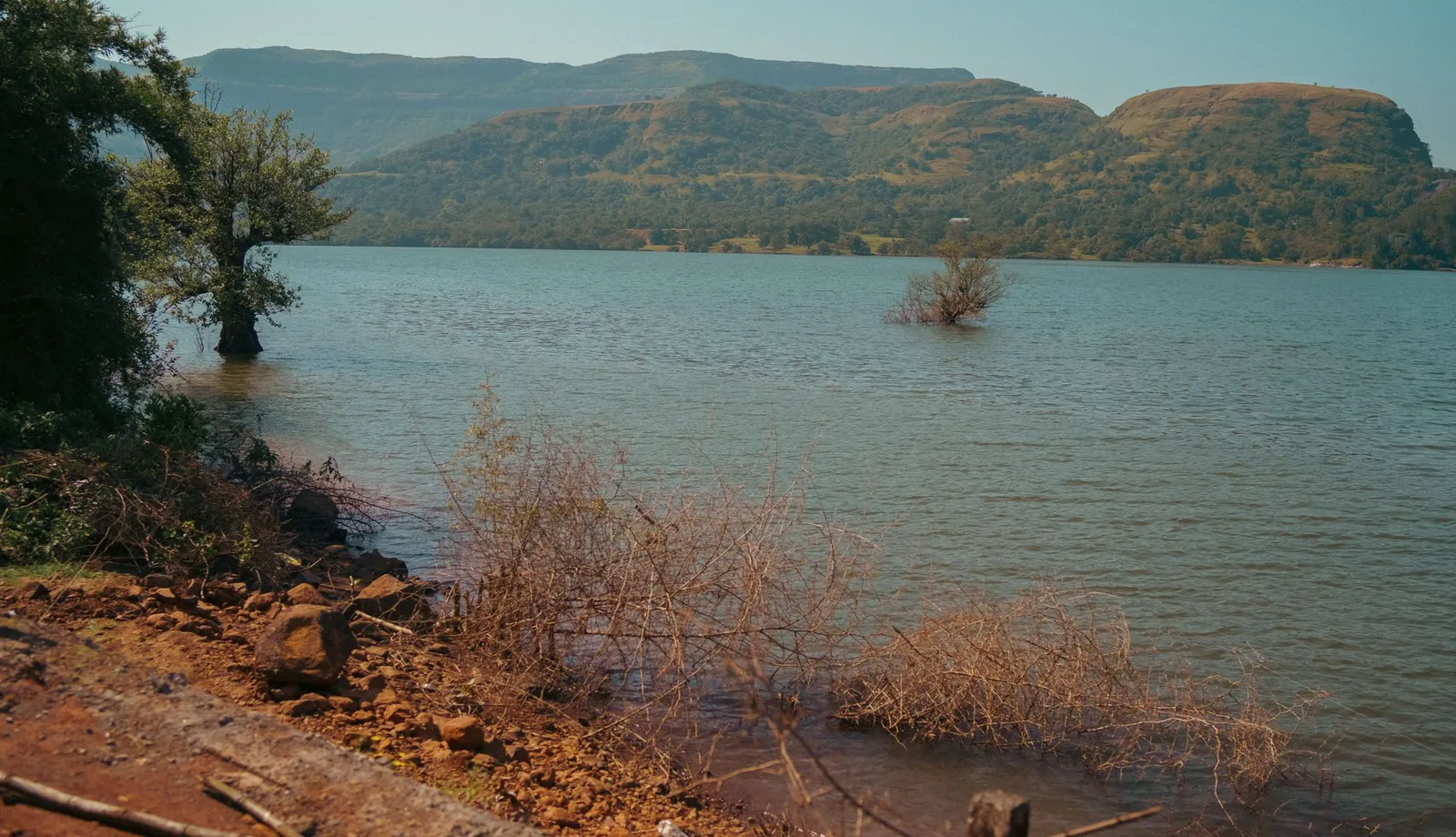
Every established second-home market near Pune was, at some point, an emerging one, and the buyers who did well out of Mulshi's own rise bought before the lake views and the weekend-villa reputation were fully priced in. The honest version of "where next" is not a confident answer, it is naming the specific pockets actually changing right now and being upfront about what buying early in any of them actually risks.
What is actually driving the change: a road, not a rumour
The Pune Ring Road's western section, running through Mulshi and Haveli talukas from the Mumbai-Pune Expressway near Urse to the Pune-Bengaluru highway near Khed Shivapur, is under active construction across multiple contract packages, with different segments at different stages of completion and the government targeting the western stretch for completion or opening sometime in 2026 or into 2027. This is not a proposed corridor still on paper; sections of the alignment are visible and under active construction, and it is this road, more than any single development announcement, that is reshaping which pockets around Mulshi are worth watching now. A plot's distance from a planned ring road interchange is a more durable signal than a plot's distance from the lake itself, since the interchange determines how quickly a pocket actually becomes commutable rather than merely scenic.
Pirangut: the pocket furthest along the curve
Pirangut sits closest to Hinjewadi's IT corridor and has already absorbed a meaningful share of the demand spilling over from Mulshi's own established weekend-home reputation, driven by IT professionals working in Hinjewadi wanting a nearby second home rather than a distant one. Pirangut is consequently the least "emerging" of the pockets covered here in the strict sense, since its trajectory is already reasonably well priced in, but it remains the reference point the newer pockets further out are typically compared against.
Ponde and the areas around Kasarsai Dam: closer to the original Mulshi character
Ponde and the belt around Kasarsai Dam and the Tamhini Ghat approach retain more of the scenic, lake-adjacent character that originally drew buyers to Mulshi itself, with RERA-approved farmhouse-plot developments in the Paud-Mulshi belt marketing clear-title ownership and gated-community infrastructure aimed specifically at the weekend-home buyer rather than a primary residence. This pocket is earlier on the curve than Pirangut, with correspondingly less established infrastructure and a real dependence on the ring road actually reaching completion on the timeline currently being discussed rather than slipping, as large infrastructure projects in this region have slipped before.
Supa: the pocket furthest out, and the one carrying the most uncertainty
Supa is mentioned alongside Pirangut and Ponde as part of the same growth corridor, but sits furthest from both the existing IT corridor and the most advanced ring-road segments, which is exactly why it carries the lowest entry price of the three and the widest range of possible outcomes. A pocket this early is a genuine bet on the ring road's western stretch actually completing on schedule and on demand continuing to spill outward from Pirangut rather than concentrating there, not a bet with a single obvious resolution.
Why the price gradient itself is the honest signal
Listed land prices across this corridor vary by a wide enough margin, sometimes by a factor of ten or more between two plots described in similar terms, that quoting a single figure for any of these pockets would be misleading rather than useful. What is worth stating instead, in a hypothetical rather than as a claim about any specific listing, is the shape of the gradient: if a plot in established Pirangut is priced at a notional 100 on some comparable per-guntha basis, an equivalent plot in Ponde might reasonably sit somewhere in the 60 to 75 range, and an equivalent plot in Supa lower still, perhaps 40 to 55. That gap is not noise, it is the market pricing in exactly the uncertainty described above: less confirmed infrastructure, a shorter track record of completed sales, and a longer wait before the ring road's benefit actually arrives at that specific pocket. A buyer paying close to Pirangut's price for a plot in Supa is not getting an early-mover discount at all; they are paying full freight for a bet that has not yet paid off, and the gradient only makes sense as a discount if the price actually reflects the pocket's place on that curve.
What buying early in any of these pockets actually risks
Land priced ahead of confirmed infrastructure is priced on a projection, not a fact, and the projection can be wrong in either direction: the ring road could complete on schedule and demand could follow it as expected, or completion could slip by years, as large road projects in this region have done before, leaving an early buyer holding land priced for connectivity that has not yet arrived. NA, non-agricultural, classification and clear title are not automatic in these newer pockets the way they increasingly are in established Mulshi, and a plot marketed as RERA-approved or clear-title still needs that status verified directly against the relevant land records rather than accepted from the marketing material alone. The honest asymmetry is this: an established pocket like Pirangut offers a smaller potential upside with a much smaller range of bad outcomes, while Supa offers a larger potential upside attached to a genuinely wider range of outcomes, including ones where the ring road's timeline slips and the pocket simply stays quiet for several more years than expected.
What Avacasa recommends
Treat proximity to a confirmed ring-road interchange, not proximity to the lake or to Mulshi's existing reputation, as the primary signal when comparing these pockets against each other, and verify NA classification and title status directly for any specific plot rather than relying on a developer's own RERA claim. The Maharashtra Land Revenue Code: A Buyer's Guide covers the classification and title verification process this recommendation depends on, NA Plot vs Agricultural Land: Which Should You Actually Buy? covers the specific distinction that matters most in these newer, less-established pockets, and How to Read a 7/12 Extract Before You Buy covers the actual document a buyer needs to check rather than accept a developer's classification claim at face value. Running that verification before committing to an early-stage pocket is worth the delay it adds to the purchase timeline. The Pune Ring Road and the Mulshi Valley goes further into the infrastructure story this piece treats as the primary driver of all three pockets above.
Before you commit
Is Mulshi a Good Investment in 2026? An Honest Take and Where to Buy in Mulshi: A Micro-Market Map cover the established destination in more depth than a piece about its emerging edges can, and Mulshi Property Price Trends and What Is Driving Them is worth reading alongside this for the pricing pattern the pockets above are measured against. Karjat vs Alibaug vs Lonavala vs Mulshi: Where to Invest is relevant for a buyer weighing Mulshi's own emerging pockets against a genuinely different Maharashtra second-home market rather than within Mulshi itself. Due Diligence When Buying Property in Another Country has a domestic equivalent in the verification habits worth applying to any of these newer pockets regardless of how the plot is marketed.
Whatever the pocket, Mulshi, Karjat and Goa sit inside the same broad second-home landscape, each shaped by a different infrastructure story of its own.
Sources
- Pune Ring Road's western section, running through Mulshi and Haveli talukas, under active construction with a 2026-2027 completion target
- Pirangut, Ponde and Supa named as the growth corridor beyond Mulshi's established core, driven by Hinjewadi IT demand
- RERA-approved farmhouse plots in the Paud-Mulshi belt near Tamhini Ghat and Kasarsai Dam
Ready to find your next holiday home?
Browse our curated collection of vacation homes and managed farmland across India and beyond.