Where to Buy in Igatpuri: A Micro-Market Map
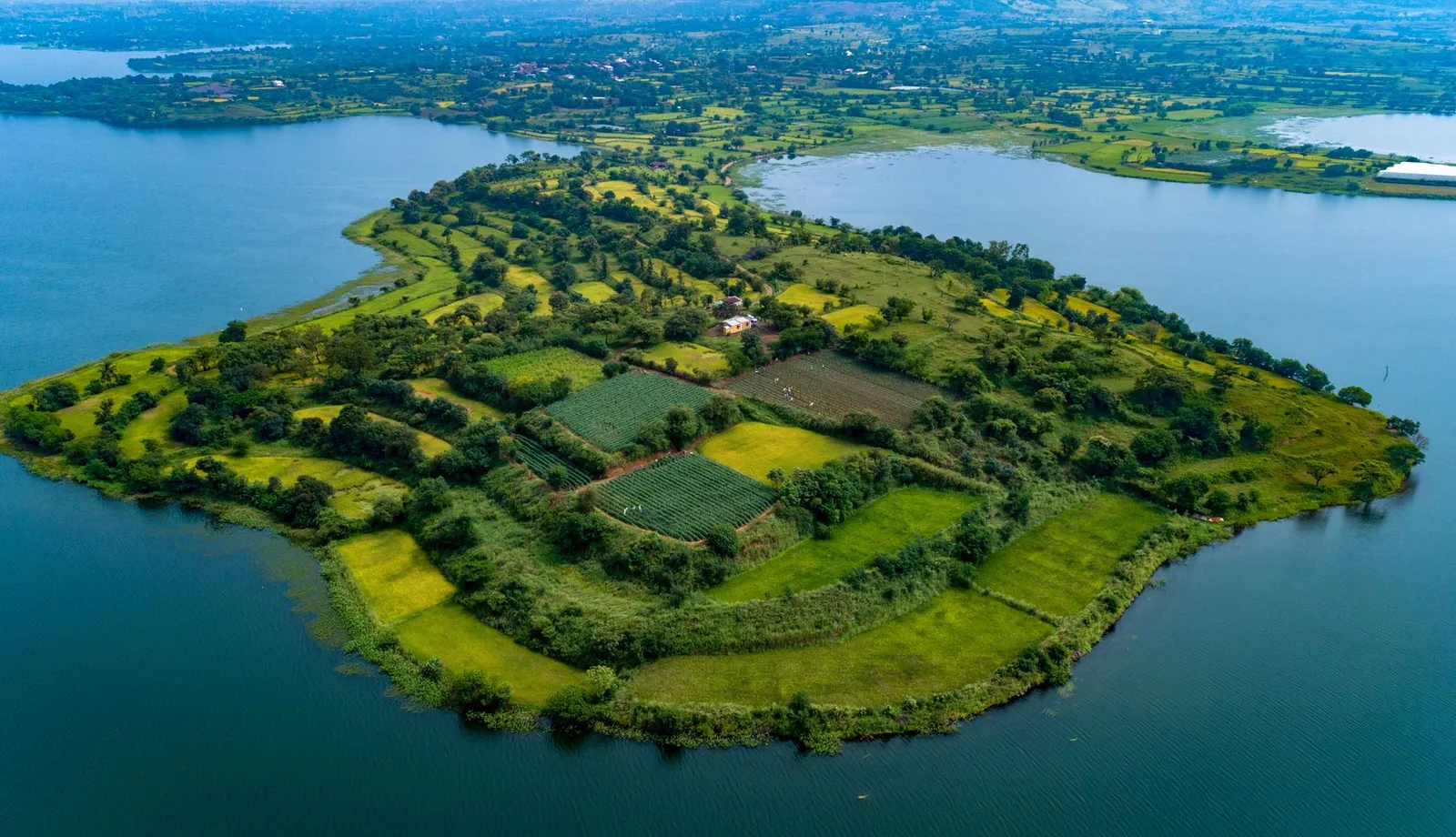
Igatpuri gets grouped into the same sentence as Karjat and Lonavala often enough that it starts to sound interchangeable with them. It is not, and neither is the town itself one single market. A weekend-home buyer looking at Igatpuri is really choosing between at least three genuinely different pockets, each with its own price point, its own character and its own reason a specific buyer should or should not be looking there.
The town itself: infrastructure first, scenery second
Igatpuri town and its immediate surrounds, closest to the railway station and the Mumbai-Nashik highway corridor, sit at the accessible end of the market, generally the cheapest entry point among the pockets covered here and the easiest to actually reach on a Friday evening without a long final stretch of unpaved road. What this pocket trades away is the scenic drama the wider Igatpuri region is actually known for: this is the practical, well-connected option rather than the postcard one, and a buyer prioritising ease of access over the most dramatic hill or lake view is looking at the right pocket here.
Bhandardara-facing plots: the scenic premium
Land and villa developments oriented toward Bhandardara and its lake and hill views command a real premium over the town-centre pockets, and buyers here are explicitly paying for the view and the sense of remove from the highway rather than for convenience. Several established and newer developments market themselves specifically on this Bhandardara-facing position, gated layouts with clubhouse and recreational amenities aimed squarely at the second-home weekend buyer rather than a full-time resident. This is the pocket that most resembles what people picture when they hear "Igatpuri villa," and it prices accordingly.
Kasara and the corridor toward Kasara Ghat: the momentum pocket
Kasara, and the belt running toward Kasara Ghat, has shown the strongest recent price momentum of the pockets covered here, reported growth in the range of 10 to 15% a year for property in the area, driven by a combination of scenic appeal and genuine infrastructure investment reaching this specific stretch rather than Igatpuri as a whole. Larger organised developments have moved into this corridor specifically, plotted layouts running to dozens of acres with hundreds of individual villa plots, which is itself a signal that developers are betting on this pocket's continued momentum rather than treating it as an overflow area for Igatpuri's main market.
Why the connectivity story is genuinely different from Karjat or Mulshi
Igatpuri sits roughly 130 kilometres from Mumbai, reachable in under two hours by car on a clear run or a little over two hours by train, with Nashik itself only 45 minutes further by rail, a genuinely different geography from a Karjat or a Mulshi weekend trip built around Mumbai or Pune alone. This dual pull, toward Mumbai on one side and Nashik on the other, is part of what distinguishes Igatpuri's buyer profile: a second-home owner here is not exclusively a Mumbai weekender the way a Karjat buyer typically is, and the town's own rail link, with Kasara station roughly 20 kilometres away marking the start of the ghat approach, gives it a train-commute option the more road-dependent pockets elsewhere in this corridor do not have to the same degree.
The monsoon is the season that actually defines this market
Igatpuri's reputation, and a meaningful share of its buyer appeal, is built specifically on its monsoon character, heavy rainfall and dense cloud cover running roughly July through November, and this is deliberately the peak season for visiting rather than the season to avoid, the opposite pattern from many coastal second-home markets. The Upper Vaitarna Dam, roughly 30 kilometres from Igatpuri, and the waterfalls scattered around Ghoti and the wider approach are at their most dramatic in exactly this window, June through September, and a buyer evaluating a plot's location by a dry-season site visit alone is evaluating it at its least representative moment. Confirming how a specific pocket actually handles the monsoon, road access, drainage, and whether the approach road itself stays passable, matters as much as the view does, since the season that makes Igatpuri distinctive is also the season that tests its infrastructure hardest.
What the price spread across these pockets actually looks like
Entry-level plots in the town-centre pocket have been listed from roughly 5,100 to 5,400 rupees per square foot, positioning Igatpuri broadly as a mid-segment option relative to other weekend-home corridors within reach of Mumbai. Individual listings across the wider area vary substantially above that entry point, small furnished villas and larger plotted parcels alike, which is normal for a market this early in its own development rather than a sign that any single figure describes it accurately. Comparing a specific plot's price against its actual pocket, town-centre, Bhandardara-facing or the Kasara corridor, is more useful than comparing it against an Igatpuri-wide average that blends three different products into one number.
Which buyer actually fits which pocket
A buyer prioritising ease of a regular weekend commute and the lowest entry price is best served by the town-centre pocket. A buyer whose main motivation is the view and the sense of a proper hill retreat, willing to pay a premium and accept a longer final approach, fits the Bhandardara-facing developments. A buyer comfortable with a newer, less-proven pocket in exchange for the strongest recent price momentum and the largest organised developments actively building there now is looking at Kasara. None of these is the objectively correct choice; they serve different priorities, and the mistake is picking a pocket based on Igatpuri's name recognition rather than on which of these three profiles actually matches the buyer.
What Avacasa recommends
Identify which of the three pockets actually matches the priority driving the purchase, commute convenience, view, or growth momentum, before comparing specific listings, since a price that looks expensive in the town-centre pocket may be entirely reasonable in the Bhandardara-facing one and vice versa. Verify NA classification and title status for any plot in the newer Kasara corridor specifically, since a pocket this early in its development has a shorter track record of completed, verified transactions than the more established town-centre area. The Maharashtra Land Revenue Code: A Buyer's Guide and How to Read a 7/12 Extract Before You Buy cover the verification process this recommendation depends on.
Before you commit
NA Plot vs Agricultural Land: Which Should You Actually Buy? is relevant for any of the three pockets above, since classification questions do not resolve themselves simply because a plot sits in a more established part of Igatpuri. Karjat vs Alibaug vs Lonavala vs Mulshi: Where to Invest is worth reading for a buyer weighing Igatpuri against Maharashtra's other Mumbai-and-Pune-adjacent weekend-home corridors rather than treating Igatpuri as the only comparison point, and Where to Buy in Karjat: A Micro-Market Map works through the identical pocket-by-pocket exercise for the corridor most often compared against Igatpuri directly. Emerging Pockets to Watch Around Mulshi works through the identical early-versus-established pocket question for a different corridor entirely, worth reading side by side with this one. Due Diligence When Buying Property in Another Country has a domestic equivalent in the same verification discipline worth applying here, and Is Igatpuri a Good Investment in 2026? An Honest Take covers the destination-wide case this pocket-level map sits inside.
Whatever the pocket, Karjat, Mulshi and Goa sit inside the same broad second-home landscape as Igatpuri, each shaped by a different combination of infrastructure and scenery.
Sources
- Igatpuri entry-level plot pricing, roughly 5,100 to 5,400 rupees per square foot
- Kasara's reported 10 to 15% annual price growth and organised plotted developments in the corridor
- Bhandardara-facing developments and their gated, amenity-led positioning
- Igatpuri's distance and travel time from Mumbai and Nashik, and its monsoon season running July through November
- Upper Vaitarna Dam, roughly 30 kilometres from Igatpuri, at its most dramatic June through September
Ready to find your next holiday home?
Browse our curated collection of vacation homes and managed farmland across India and beyond.