Emerging Pockets to Watch Around Bali
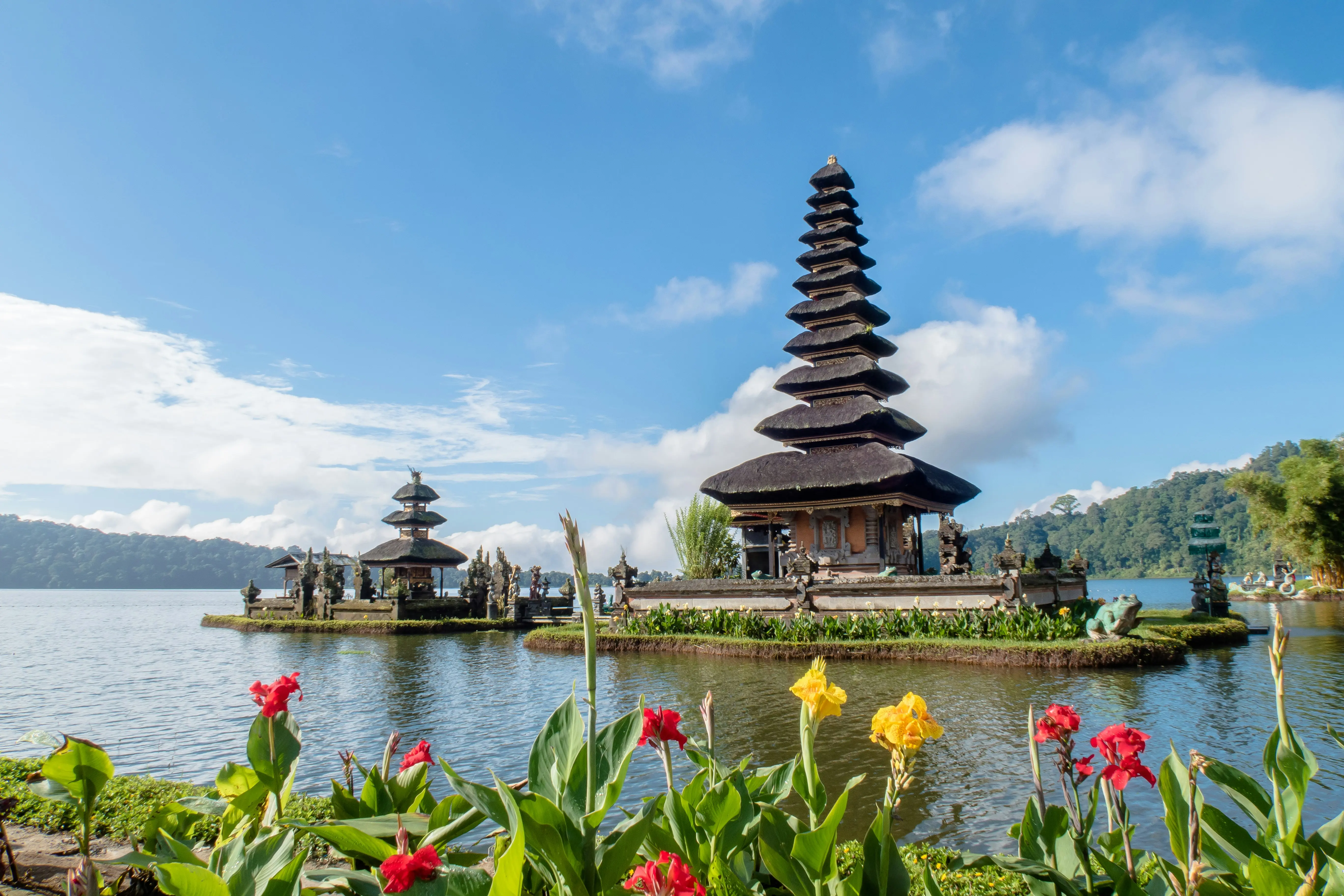
Canggu, Ubud and Seminyak were, at some point, the emerging pockets someone else's honest list would have named. The buyers who did well out of that rise bought before those areas were fully priced in. The honest version of "where next" is naming the specific pockets actually moving now, at three genuinely different stages of that same curve, and being upfront about what buying early in any of them actually risks.
What is actually driving the change: an airport, not a rumour
President Prabowo Subianto approved construction of the North Bali International Airport in July 2025, formally written into Indonesia's national development plan through Presidential Regulation Number 12 of 2025, backed by a Chinese construction partner's multi-billion-dollar investment. The airport is planned on reclaimed coastal land in Kubutambahan, Buleleng Regency, with two runways and a stated capacity in the tens of millions of passengers a year, construction targeted to begin in 2025 with the first runway expected around the end of 2027. This is not a proposed corridor still under discussion; it has cleared presidential approval and a signed investment framework, and it is this single project, more than any development announcement, that is reshaping which pockets north and west of the established south are actually worth watching now.
Uluwatu and the Bukit: the pocket furthest along the curve
Uluwatu and the wider Bukit peninsula have already absorbed a meaningful share of the demand spilling over from Canggu and Seminyak's own saturation, driven by limited remaining premium land close to the peninsula's clifftop coastline. Land here reportedly runs on the order of 40% cheaper than equivalent Canggu positions, a gap that reflects Uluwatu's genuinely different character, coastal and clifftop rather than rice-field and river valley, more than it reflects lower underlying demand. Uluwatu is consequently the least "emerging" of the pockets covered here in the strict sense, its trajectory already reasonably well understood by buyers who have been watching the south of the island for several years.
Tabanan and Kedungu: the middle of the curve
Tabanan and the neighbouring Kedungu coastline sit earlier on the same trajectory, with lower land prices, emerging tourism infrastructure and a growing cluster of eco-resort-style developments rather than the dense villa density further south. This pocket carries real upside tied to continuing overflow from the south, but it is also more exposed than Uluwatu to any slowdown in that spillover, since its own draw is proximity to the established south rather than a standalone attraction in its own right.
North Bali: the pocket furthest out, and the one carrying the most uncertainty
Lovina, Tejakula and Singaraja, the belt loosely referred to as North Bali, sit furthest from both the existing south-of-the-island tourism economy and, for now, from completed infrastructure, and land here runs 50 to 70% cheaper than equivalent positions in the south specifically because of that distance. The airport approved for Buleleng Regency sits directly in this belt, which is exactly why North Bali carries both the lowest entry price of the three pockets covered here and the widest range of possible outcomes. A pocket this early is a genuine bet on the airport actually completing on its stated timeline and on demand genuinely following it north, not a bet with a single obvious resolution.
Why the price gradient itself is the honest signal
Listed land prices across this corridor vary widely enough between two plots described in similar terms that quoting a single figure for any of these pockets would mislead rather than inform. What is worth stating instead, in a hypothetical rather than as a claim about any specific listing, is the shape of the gradient: if a plot in established Uluwatu is priced at a notional 100 on some comparable per-are basis, an equivalent plot in Tabanan or Kedungu might reasonably sit somewhere in the 40 to 60 range, and an equivalent plot in North Bali lower still, perhaps 15 to 30. That gap is the market pricing in exactly the uncertainty described above: less confirmed infrastructure, a shorter track record of completed sales, and a longer wait before the airport's benefit actually reaches that specific pocket. A buyer paying close to Uluwatu's price for a plot in North Bali is not getting an early-mover discount at all; they are paying full freight for a bet that has not yet paid off.
The reclamation and environmental question specific to the airport site
The North Bali airport's own footprint is planned largely on reclaimed coastal land, a construction method that carries its own permitting and environmental review process distinct from the airport's political and financial approval. A presidential regulation and a signed investment agreement clear the project's national-level hurdles; they do not by themselves clear every environmental and coastal-zoning permit the reclamation itself still requires, and Indonesian infrastructure projects of this scale have previously faced delays specifically at this stage rather than at the funding or approval stage. Land priced on the assumption that the airport's approval alone guarantees its construction timeline is priced on an incomplete picture of what is actually still outstanding.
What buying early in any of these pockets actually risks
Land priced ahead of confirmed infrastructure is priced on a projection, and the projection can be wrong in either direction: a $3 billion, presidentially-approved airport project is about as credible a catalyst as Indonesian infrastructure gets, but "approved" and "under construction" are not the same as "operational," and large infrastructure projects in this region have slipped their stated timelines before. Ownership structure compounds this risk rather than sitting apart from it: a foreign buyer in any of these pockets is working through the same Hak Pakai or PT PMA-held HGB structures that apply anywhere else in Indonesia, and a title or land-use classification issue is harder to unwind in a newer, less-established pocket with a shorter track record of completed, verified transactions. Hak Milik, Hak Pakai and HGB: The Three Titles That Matter and Leasehold in Indonesia: How Long, How Renewable, How Safe cover the ownership mechanics this recommendation depends on, regardless of which pocket a specific plot sits in.
What Avacasa recommends
Treat proximity to the airport's actual construction progress, not proximity to the coast alone, as the primary signal when comparing these pockets against each other, and verify land title and use classification directly for any specific plot rather than relying on a developer's marketing claim, particularly in North Bali where the transaction history is thinnest. Due Diligence When Buying Property in Another Country covers the verification habits this recommendation depends on.
Before you commit
Is Bali a Good Investment in 2026? An Honest Take and Where to Buy in Bali: A Micro-Market Map cover the established destination in more depth than a piece about its emerging edges can, and Where to Eat in Bali: A Considered List covers the south of the island most buyers already have in mind before considering these newer pockets. Rental Management and Yields in Foreign Holiday Markets is relevant for anyone weighing a rental-focused purchase in an area with less established occupancy data than Canggu or Ubud, and Owning Property in Indonesia as a Foreigner: The Complete Guide covers the national ownership framework every one of these pockets sits inside.
Whatever the pocket, Bali, Canggu and Ubud sit at the established end of the same island-wide curve these newer pockets are following at their own pace and their own risk.
Sources
- North Bali International Airport approved via Presidential Regulation No. 12 of 2025, Kubutambahan location, two runways, construction targeted from 2025
- Uluwatu land pricing roughly 40% below Canggu, and North Bali pricing 50 to 70% below the south of the island
- Tabanan and Kedungu as an early-stage growth corridor with emerging eco-resort development
Ready to find your next holiday home?
Browse our curated collection of vacation homes and managed farmland across India and beyond.