Where to Eat in Bali: A Considered List
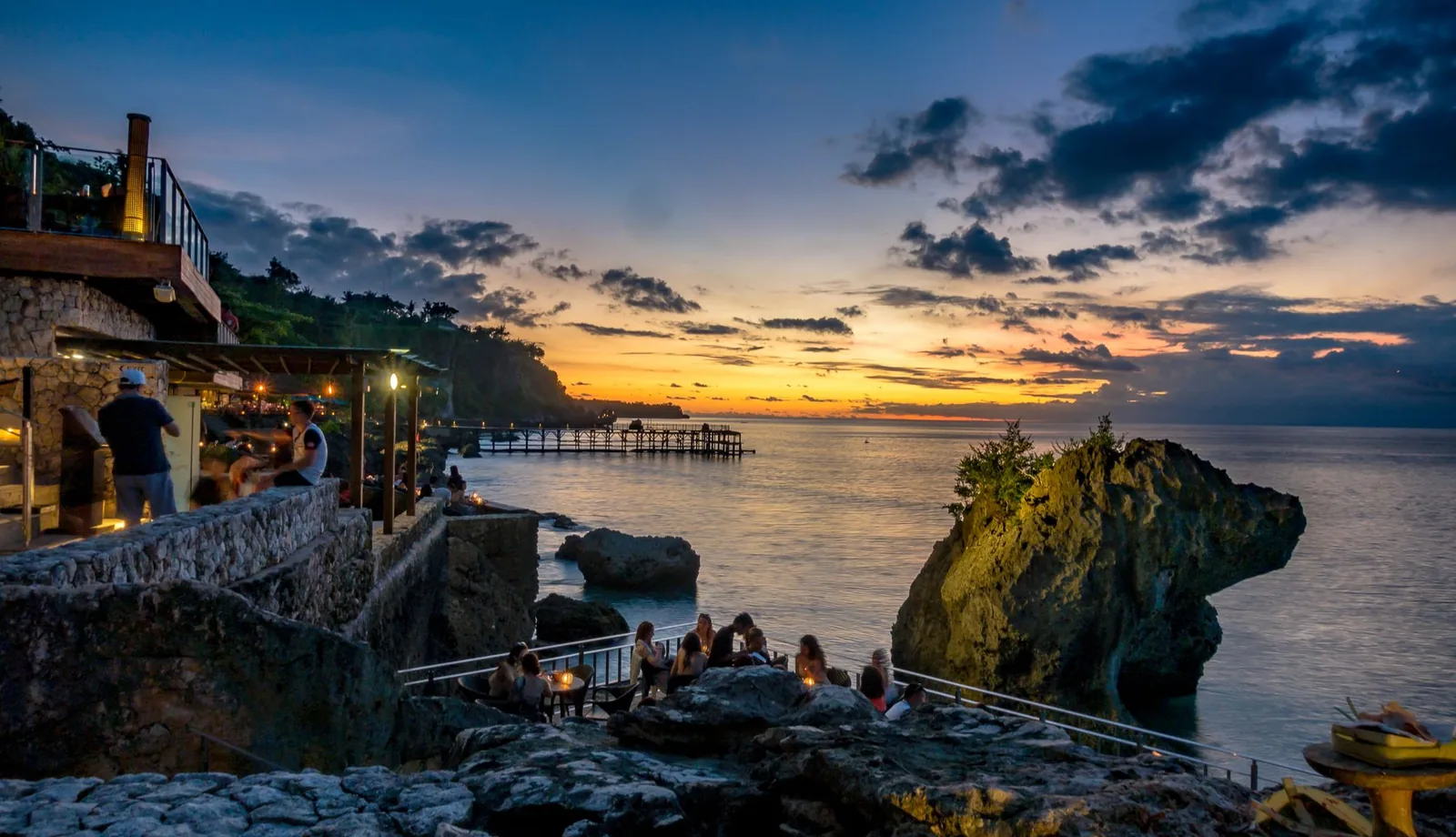
A list of Bali's best restaurants usually means the same dozen names in a different order: a beach club, a rooftop, a wellness cafe with a bowl the colour of a sunset. None of that is wrong exactly, and some of it earns its reputation. But the more interesting story in Bali right now is not the beach club circuit, it is the gap between two things happening at once: a genuine fine-dining scene that now rivals anywhere in Southeast Asia, and a parallel revival of Indonesian home cooking served in rooms with no view at all. A considered eating itinerary picks from both, deliberately, rather than defaulting to whichever list an algorithm surfaces first.
Canggu: the warung renaissance, not just the smoothie bowls
Canggu's food reputation is mostly built on cafes chasing the same wellness aesthetic, but the more interesting thing happening in the area right now is a run of restaurants taking Indonesian cooking seriously rather than treating it as a side note to the brunch menu. Ulekan, in Berawa, does this directly: elevated Indonesian classics, beef rendang and gado gado among them, in a room that photographs well without the food itself being an afterthought to the room. It is a useful corrective to the assumption that Canggu's food scene is entirely smoothie bowls and all-day breakfast.
The area's other genuine strength is the small, deliberately unglamorous room. Masonry runs on locally sourced ingredients and a backyard setting away from Canggu's busier streets, small portions rather than a tasting-menu spectacle, and Kynd operates the same way: a relaxed cafe with real food quality and none of the queue that its more photographed neighbours attract. Shelter, for something with more weight to it, runs charcoal-grilled dishes with a Middle Eastern accent, slow-cooked lamb shoulder and a wood-roasted duck leg among the standouts, a genuinely different register from the rest of Canggu's menu.
Ubud: where Bali's fine dining actually lives
Ubud, not Seminyak or Canggu, is where Bali's serious fine-dining scene has actually concentrated, and it is worth treating as a destination for a specific meal rather than a stop on the way to a rice terrace. Mozaic, under chef Blake Thornley, runs seasonal and botanical tasting menus built on locally sourced, sustainable ingredients, and has held its reputation as one of Ubud's most acclaimed tables for long enough that it is not a passing trend. Kubu, at the Mandapa resort, works from the same sustainability-led philosophy under chef Eka and is widely regarded as among the strongest fine-dining rooms on the island. COMO Uma Ubud takes a different angle entirely, wellness philosophy applied to fresh daily pasta and Italian cooking with Balinese elements folded in, proof that Ubud's fine-dining identity is not one single style repeated at different price points.
Set against all of that is Warung Mendez, a small family-run place on Jalan Penestanan, a street that has largely avoided the tourist circuit running through the rest of Ubud. A meal there costs a fraction of a tasting menu and says something different about the same town: Ubud's food identity runs from a rice-terrace-view fine-dining room to a family warung on a quiet street, and neither one is the more authentic version of the other.
Seminyak: sunset earns its reputation here, at a price
Seminyak's restaurants lean harder into the view than Canggu's or Ubud's do, and the honest assessment is that this is mostly earned rather than purely marketing. La Lucciola, an open-air bamboo room directly on the beachfront, is the classic version of this: Italian food, timed for a table around early evening so the sunset lines up with dinner rather than dessert. Chez Gado Gado runs the same beachfront position with an Indonesian and Mediterranean menu, and Sanje mixes Indonesian and Western dishes in the same sunset-facing format.
The area's beach clubs are their own category and worth naming honestly rather than skipping: Potato Head Beach Club houses Ijen, described as Indonesia's first zero-waste restaurant, and KU DE TA remains the name most associated with Seminyak's sunset scene specifically because it was doing this before most of its imitators existed. Along Jalan Petitenget, Seminyak's main restaurant artery, Merah Putih and The Long Table sit at the higher end of the same circuit, and Boy'N'Cow, a steakhouse built around beef dry-aged on site for a minimum of 30 days, is worth naming for readers who want one specific reason to detour there rather than a general recommendation to wander the street.
Jimbaran: the one tradition worth doing exactly as advertised
Jimbaran's beachfront seafood barbecue is the rare case where the well-worn tourist recommendation and the genuinely worthwhile experience are the same thing. What grew out of local fishermen bringing the day's catch straight to shore and families cooking and selling it on the spot has become a strip of beachfront warungs, tables set directly in the sand, that still runs on the same basic idea: pick the fish or shellfish from the display while there is still daylight to see it properly, and have it grilled to order. Menega Cafe and Hatiku Seafood are the two names that come up most consistently for exactly this, fresh, smoky, unpretentious platters rather than a refined plating exercise, and arriving before sunset, around 4:30 to 5:30pm, is worth doing deliberately rather than as an afterthought, since a front-row table and a clear look at the day's catch both depend on getting there before the crowd does. For something closer to a hybrid of this tradition and an actual fine-dining room, Sundara, at the Four Seasons resort on the same bay, runs a version of Jimbaran's seafood-barbecue instinct inside a considerably more polished beach-club setting.
The honest trade-offs, area by area
None of this is free of friction, and pretending otherwise would defeat the point of calling it a considered list rather than a brochure. Ubud's best tables, Mozaic and Kubu among them, need a reservation made well ahead rather than a walk-in, and the tasting-menu format means budgeting an entire evening rather than a quick meal. Canggu's more interesting small rooms, Masonry and Kynd included, reward a visitor willing to wander slightly off the main strip, and the traffic between Canggu and anywhere else on the island has genuinely worsened as the area has grown, so a Canggu dinner followed by an Ubud reservation the same night is a worse idea than it sounds on a map. Seminyak's beachfront sunset tables carry Seminyak's prices to match the view, and a walk-up at peak sunset hour without a booking is a real risk at the more established names. Jimbaran's warung tradition is the most forgiving of the four in terms of planning, but the entire experience depends on arriving before the light goes, which is the one piece of advice in this list worth actually following to the letter.
How to actually use this rather than try to do all of it
Four areas, four genuinely different food identities: Canggu's is the ongoing argument between wellness-cafe aesthetics and a real Indonesian-cooking revival, Ubud's is the coexistence of world-class tasting menus and a family warung a few streets away from them, Seminyak's is a sunset-dining reputation that is largely deserved but comes at Seminyak prices, and Jimbaran's is a single tradition worth doing exactly as everyone says. A visitor with one week is better served picking one standout meal from each area, rather than trying to work through a top-ten list that mostly repeats the same three or four names everyone else already has.
Before you plan the rest of the trip
Where to Buy in Bali: A Micro-Market Map and Is Bali a Good Investment in 2026? An Honest Take cover the destination beyond a single trip, for anyone whose interest in Bali's food scene is really an early interest in owning here. Neighbourhood Guide: Canggu, Neighbourhood Guide: Ubud and Neighbourhood Guide: Seminyak and Petitenget pair with this list for readers planning the rest of the itinerary around these same three areas, and Bali Through the Year: Wet Season, Dry Season and the Shoulder Months is worth reading before timing a trip purely around restaurant reservations, since Bali's shoulder seasons change both the crowds at these rooms and the produce on their menus. Owning Property in Indonesia as a Foreigner: The Complete Guide and Can Foreigners Own Property Abroad? Freehold, Leasehold and Use Rights cover the ownership question for anyone whose relationship with these three neighbourhoods is starting to look less like a holiday and more like a return visit.
Whatever the reason for being on the island, Bali, Canggu and Ubud each have their own character well beyond the restaurant list above, and Dubai is worth a look for travellers weighing Bali against a genuinely different kind of second-home market rather than another Southeast Asian island.
Sources
- Canggu's local and less-touristed restaurant scene, including Ulekan, Masonry, Kynd and Shelter
- Ubud's fine-dining scene, including Mozaic, Kubu at Mandapa and COMO Uma Ubud, and Warung Mendez on Jalan Penestanan
- Seminyak's beachfront and sunset dining scene, including La Lucciola, Chez Gado Gado, Potato Head Beach Club and Jalan Petitenget
- Boy'N'Cow's own dry-aging process, minimum 30 days
- Jimbaran's beachfront seafood barbecue tradition and its origins among local fishing families
Ready to find your next holiday home?
Browse our curated collection of vacation homes and managed farmland across India and beyond.