Key Details
Strategic Location
Gateway to Eastern Indonesia, offering significant growth potential.
Infrastructure Development
Major investments in port and rail enhance connectivity and economic prospects.
Undervalued Market
Property prices are attractive compared to other major Indonesian cities.
Diverse Opportunities
Strong potential across commercial, hospitality, and residential sectors.
Growing Middle Class
Increasing urban population fuels demand for various property types.
Attributes
Port City, Emerging Market, Eastern Indonesia, Coastal, Commercial Hub, Tourism
Located in Makassar
Connectivity
- Airport: Sultan Hasanuddin International Airport (UPG) 20 km
- Railway: Makassar Railway Station (estimated) 5 km
- Highway: Trans-Sulawesi Railway (under development) 0 km
Key Landmarks
- Beach: Losari Beach 3 km
- Fortress: Fort Rotterdam 3.1 km
- Theme Park: Trans Studio Makassar 5 km
A Look into Makassar:
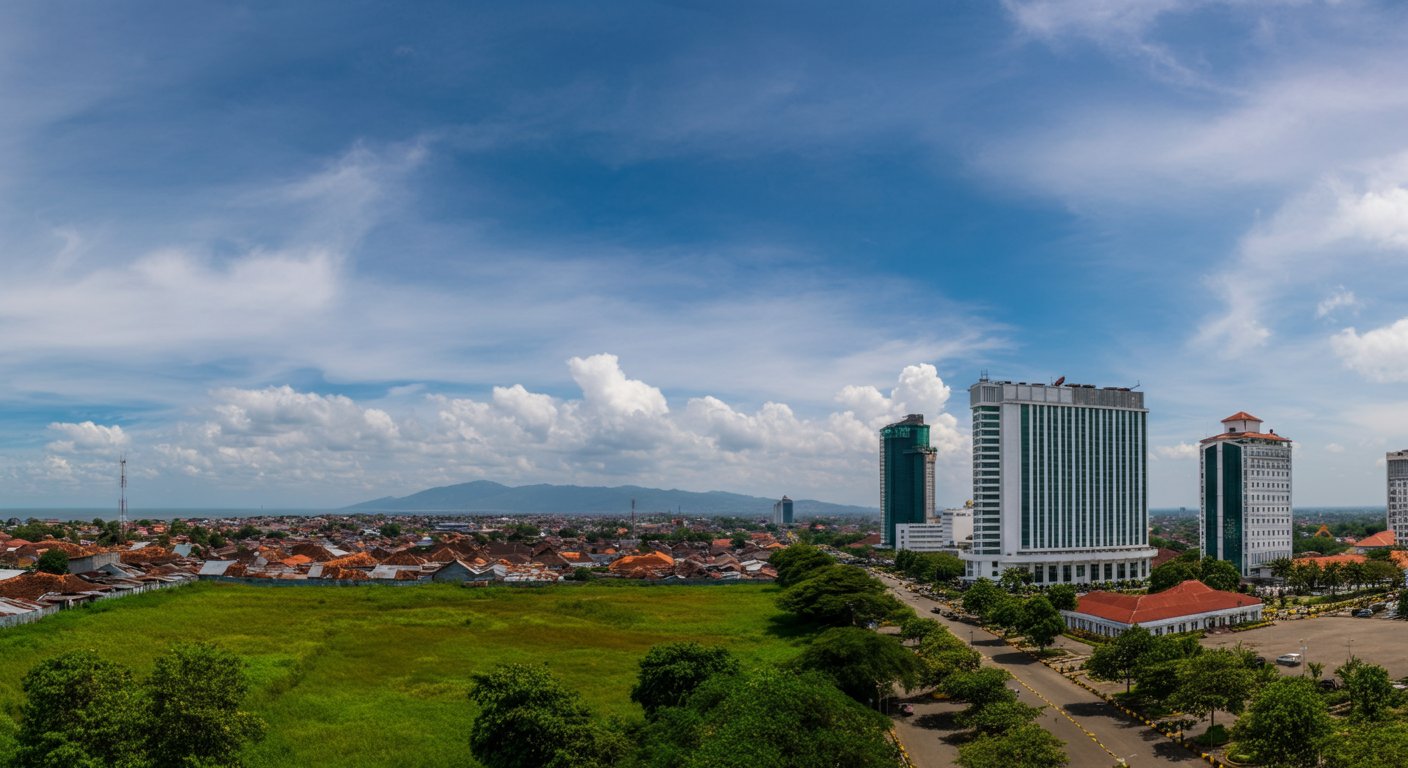
Makassar: Eastern Indonesia's vibrant economic heart, offering diverse real estate investment opportunities.
Makassar, the bustling capital of South Sulawesi, is a dynamic port city with a rich history rooted in the spice trade. Today, it stands as the primary economic gateway to Eastern Indonesia, characterized by a lively urban atmosphere and a rapidly expanding economy. The city's strategic location and ongoing infrastructure developments, such as the Makassar New Port and the Trans-Sulawesi railway, make it a compelling destination for real estate investors.
What to Expect:
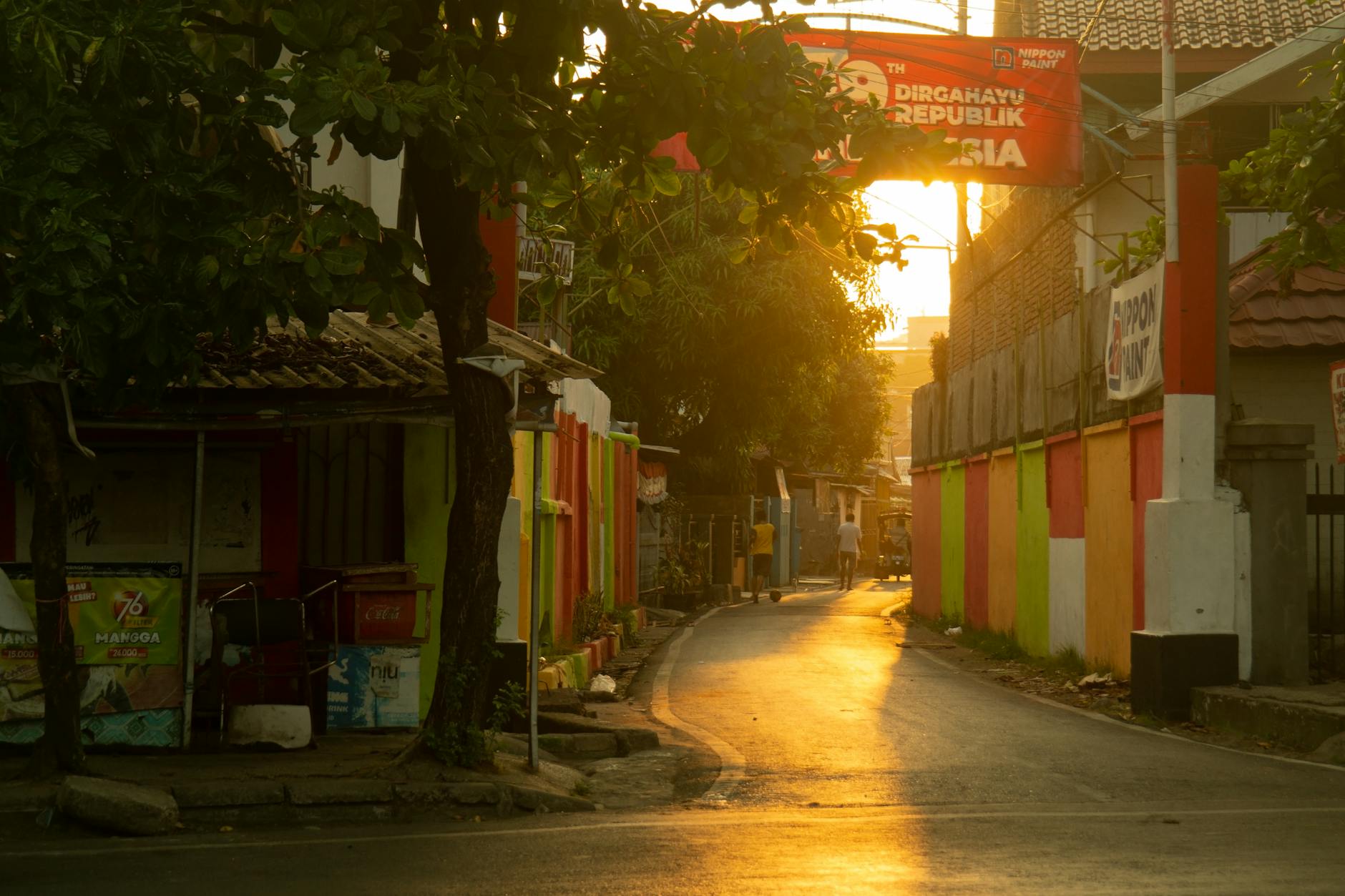
Experience a vibrant metropolis blending historical charm with modern economic dynamism.
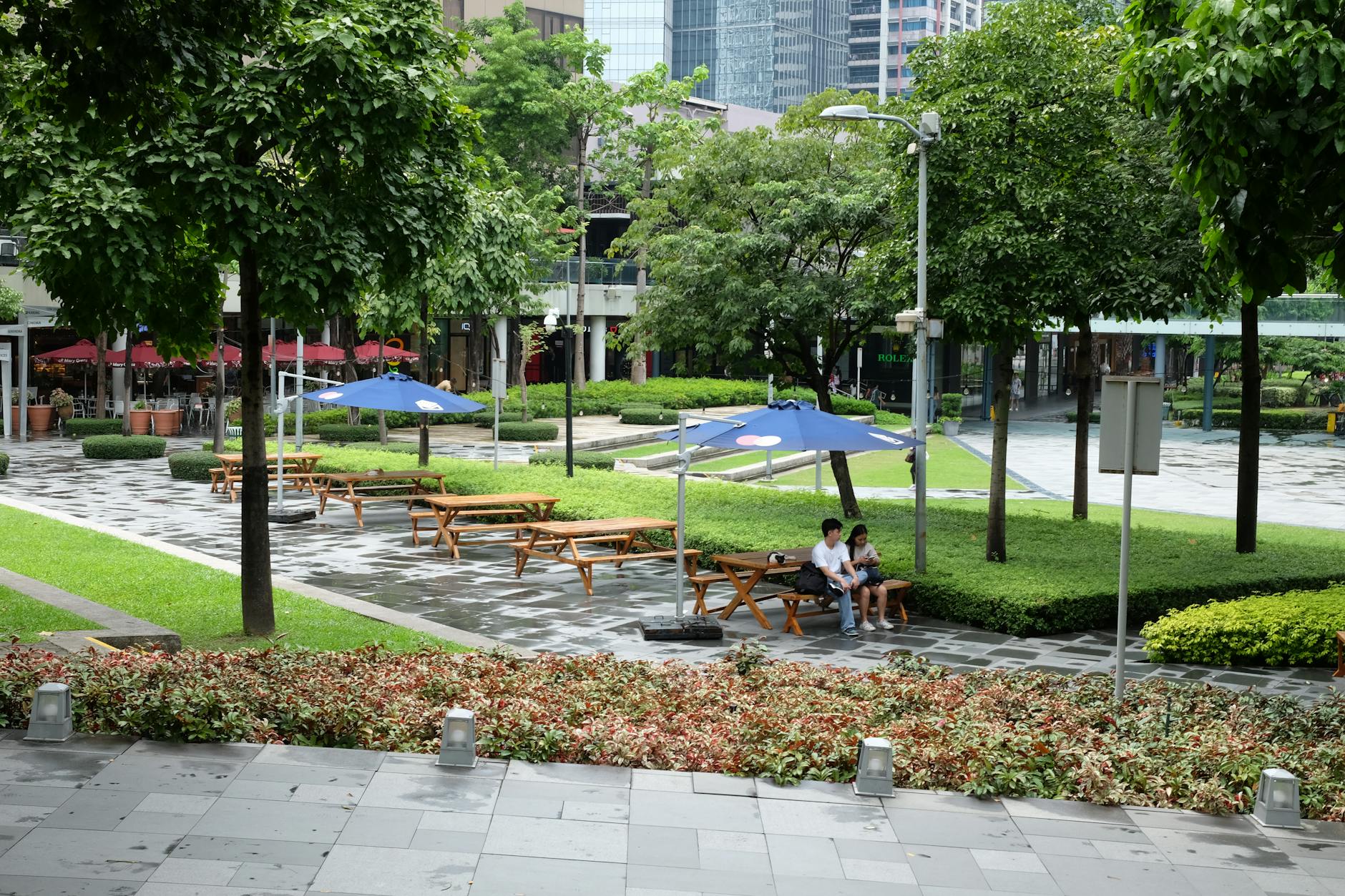
Daily life in Makassar is a lively blend of traditional culture and modern urban living. Expect bustling markets alongside contemporary shopping malls, and historic sites next to new developments. The city's coastal location means fresh seafood is a staple, and the evenings often bring residents to the waterfront for sunset views.
The Lifestyle:
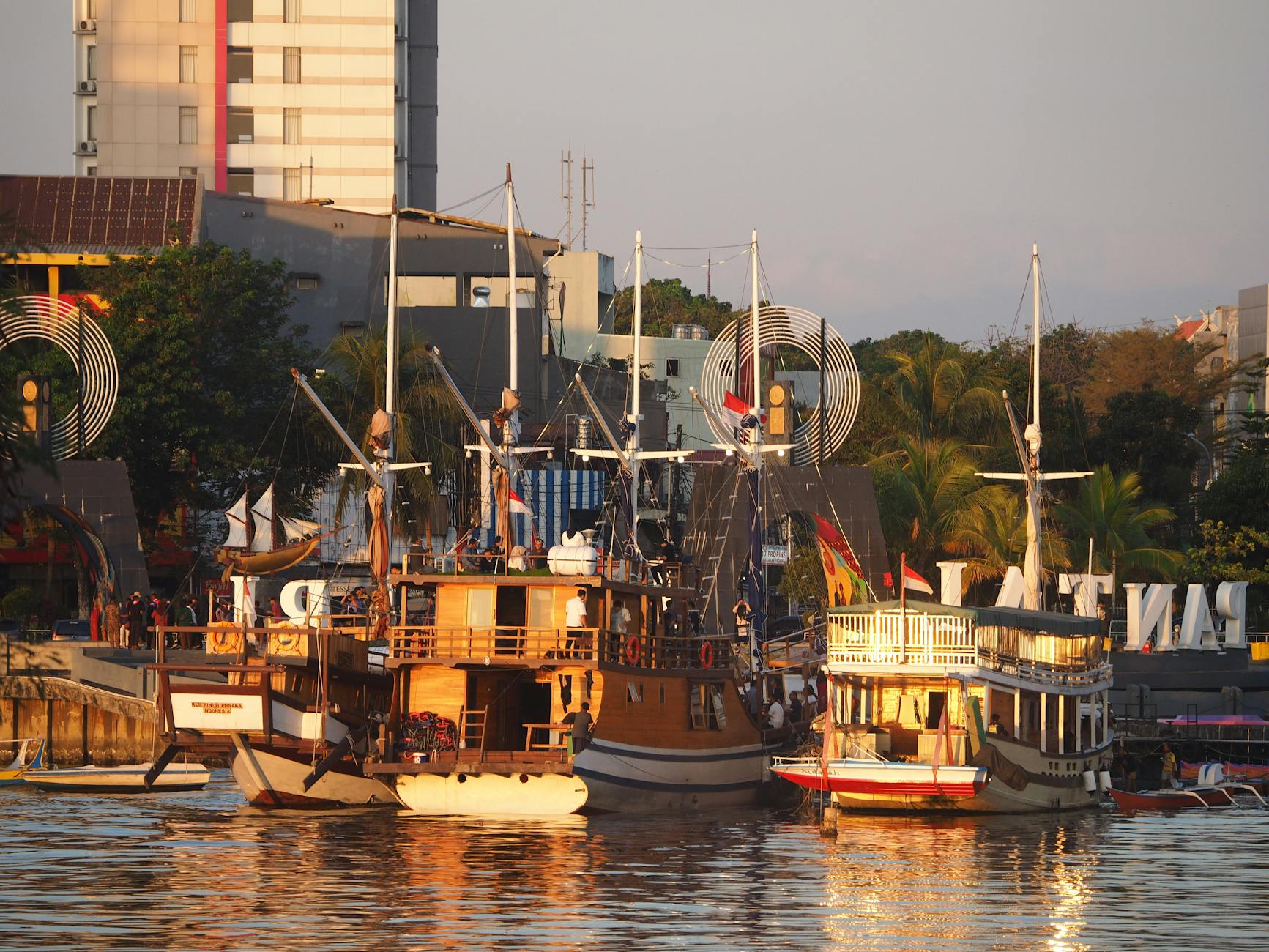
A dynamic urban lifestyle enriched by cultural heritage and a strong sense of community.
The lifestyle in Makassar is vibrant and community-oriented, with a strong emphasis on family and social gatherings. Residents enjoy a rich culinary scene, from street food to upscale restaurants, often centered around the city's fresh seafood. Weekends are typically spent exploring local attractions, enjoying the coastal breeze at Losari Beach, or visiting nearby natural wonders.
You'll Fall in Love:
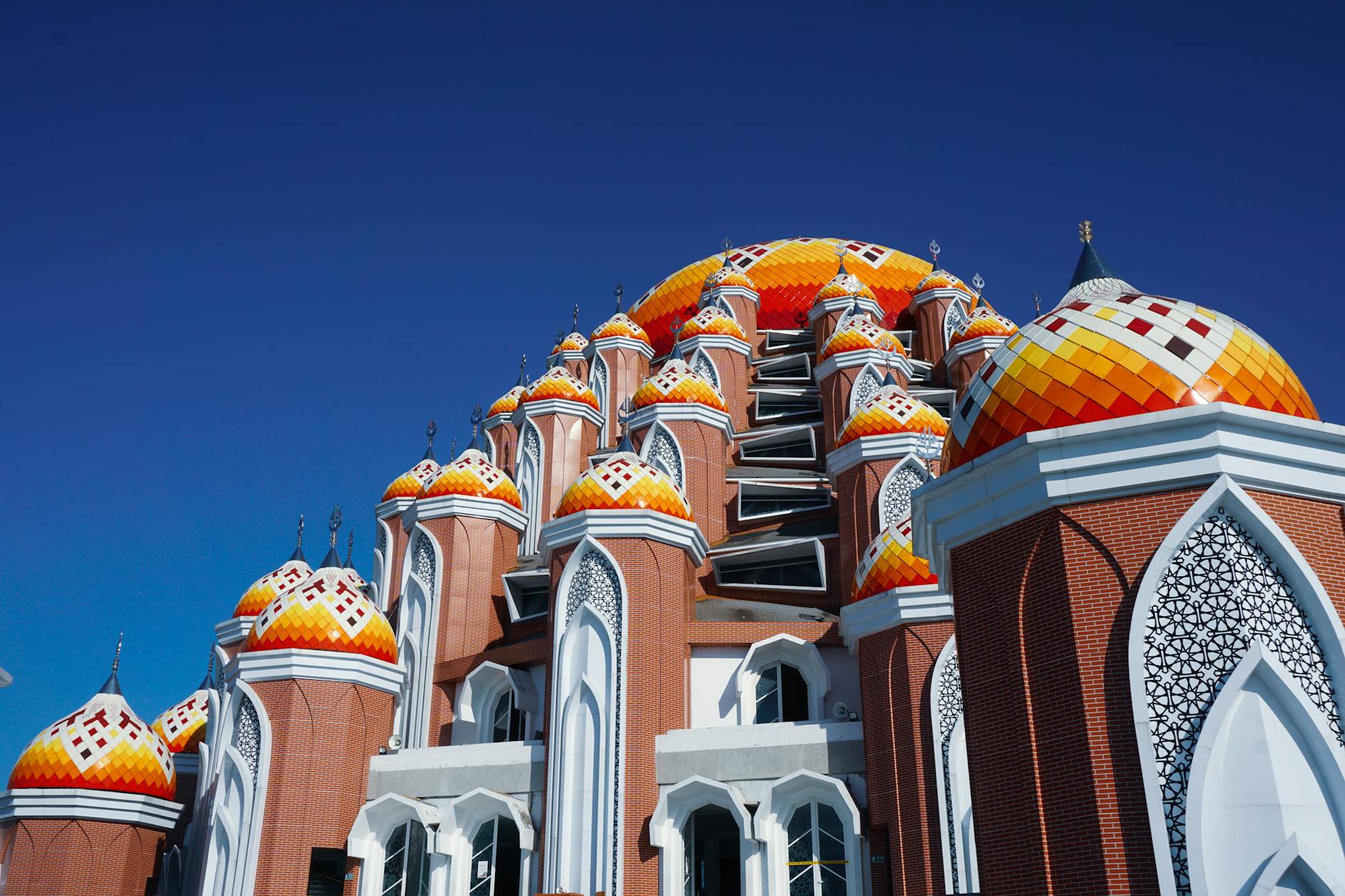
Discover Makassar's captivating blend of historical grandeur, culinary delights, and coastal charm.
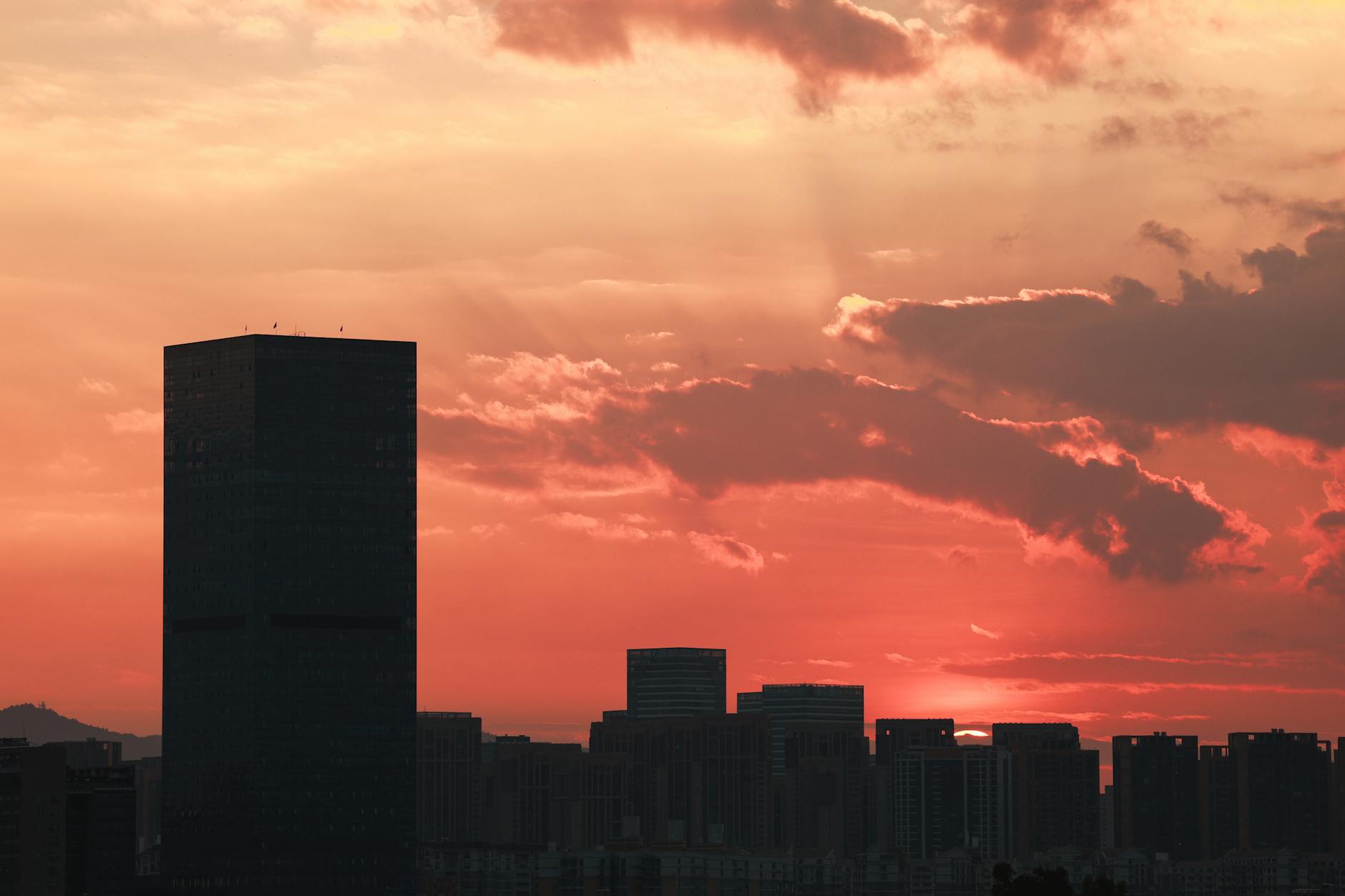
You'll be captivated by Makassar's unique character, where ancient forts stand as testaments to a rich past, and the aroma of local spices fills the air. The city's stunning sunsets over the Makassar Strait, particularly from Losari Beach, create a truly magical ambiance.
Nearby Attractions:
Explore Makassar's rich history, vibrant culture, and stunning natural beauty.
Makassar and its surroundings offer a diverse range of attractions, from historical landmarks that tell tales of ancient kingdoms and colonial eras to natural wonders perfect for adventure and relaxation. These accessible sites enhance the city's appeal for both residents and tourists, contributing to a dynamic lifestyle and strong investment potential in hospitality and residential sectors.
| Attraction | Type | Highlight | Distance |
|---|---|---|---|
| Fort Rotterdam | Fort | Well-preserved 17th-century Dutch fortress with a museum. | 3.1 km |
| Losari Beach | Beach/Promenade | Iconic waterfront promenade famous for stunning sunsets and local street food. | 3 km |
| Trans Studio Makassar | Theme Park | One of the largest indoor theme parks in Indonesia. | 5 km |
| Paotere Harbour | Harbor | Historic port showcasing traditional Phinisi boats and local fishing life. | 6 km (estimated) |
Schools & Education:
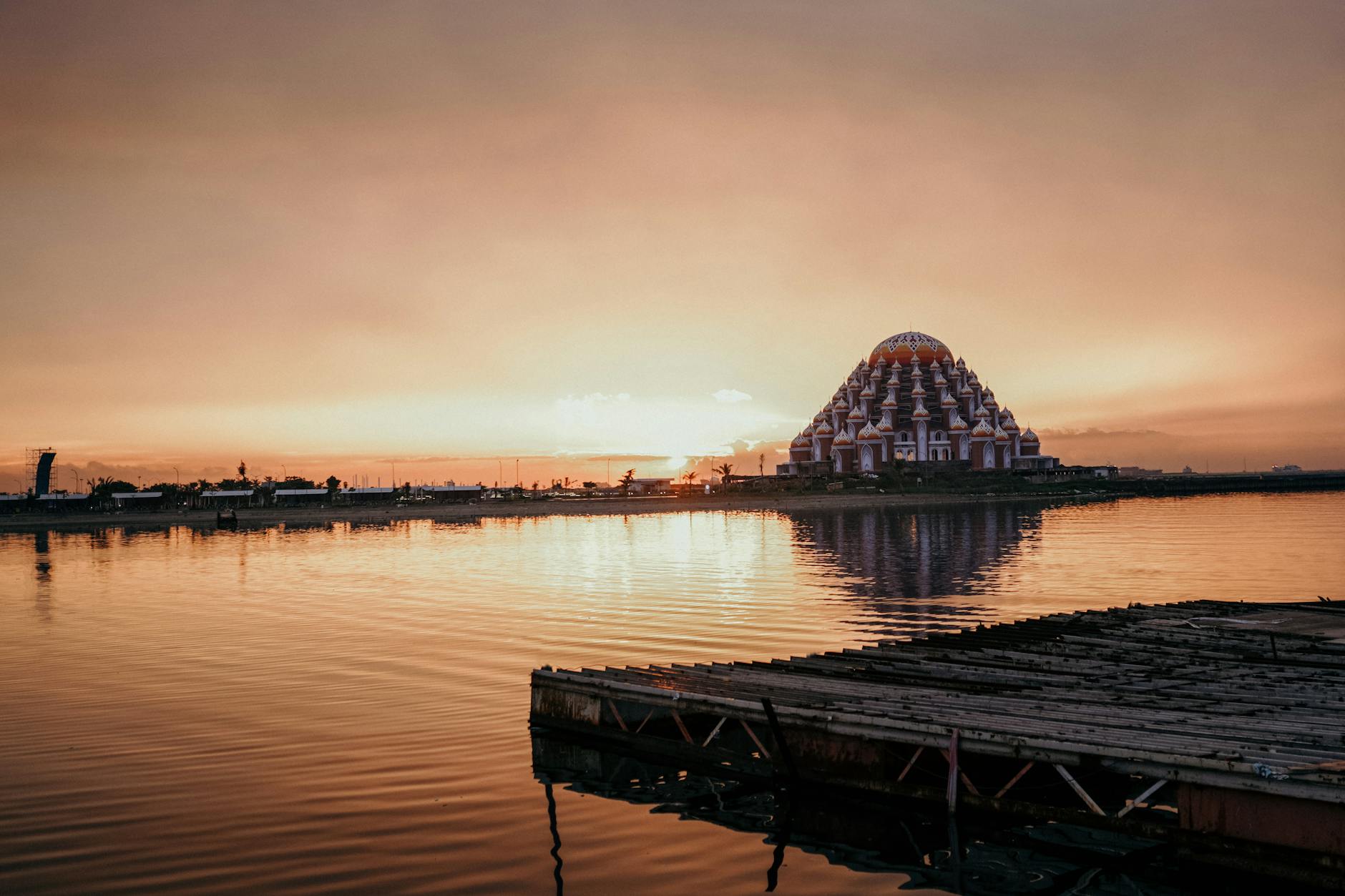
Makassar offers a range of educational institutions, from reputable universities to international schools.
The city provides diverse educational opportunities, catering to both local and expatriate families. Higher education is particularly strong, with several prominent universities contributing to the city's intellectual capital and attracting students from across Eastern Indonesia.
| School | Type | Grades | Distance |
|---|---|---|---|
| Hasanuddin University | University | Undergraduate/Postgraduate | 10 km (estimated) |
| State University of Makassar | University | Undergraduate/Postgraduate | 8 km (estimated) |
| Muhammadiyah University of Makassar | University | Undergraduate/Postgraduate | 7 km (estimated) |
| Muslim University of Indonesia | University | Undergraduate/Postgraduate | 6 km (estimated) |
Healthcare:
Access quality healthcare with a variety of modern hospitals and specialized clinics.
Makassar boasts a well-developed healthcare infrastructure, featuring a mix of private and government hospitals. These facilities offer comprehensive medical services, including specialized treatments and emergency care, ensuring residents have access to quality healthcare close to home.
| Hospital | Type | Specialty | Distance |
|---|---|---|---|
| Siloam Hospital Makassar | Private | Multi-speciality | 4.5 km (estimated) |
| Primaya Hospital Makassar | Private | Multi-speciality | 9 km (estimated) |
| Rumah Sakit Umum Daerah Daya Kota Makassar | Government | General | 15 km (estimated) |
| Stella Maris Hospital | Private | General | 2 km (estimated) |

Dining & Cafés:
Savor Makassar's renowned culinary scene, from traditional delights to international flavors.
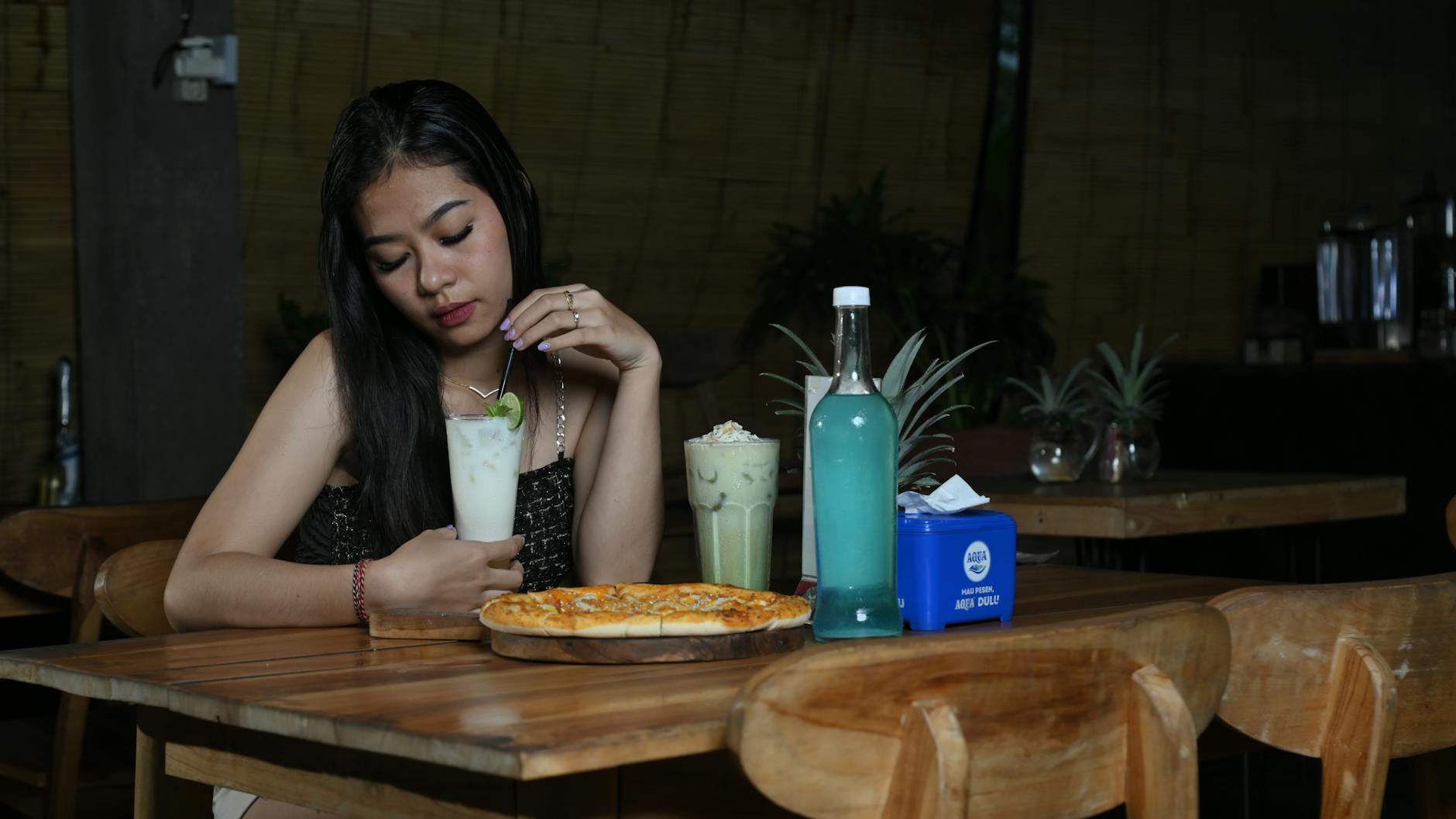
Makassar is a culinary paradise, famous for its rich and flavorful dishes, especially its fresh seafood. The dining scene offers a wide array of options, from vibrant street food stalls serving local specialties like Coto Makassar and Konro, to upscale restaurants offering international cuisines.
| Rating | Restaurant | Cuisine | Price | Distance |
|---|---|---|---|---|
| 4.4 | Pallubasa Serigala | Local Indonesian | Rp25,000+ | 3.5 km (estimated) |
| 4.5 | Coto Makassar Daeng Rannu | Local Indonesian | Rp20,000+ | 2.8 km (estimated) |
| 4.3 | Konro Karebosi | Local Indonesian | Rp40,000+ | 4 km (estimated) |
| 4.2 | Rumah Makan Seafood Apong | Seafood | Rp50,000+ | 5 km (estimated) |
Geography Profile:
Makassar: A coastal city on a flat plain, offering strategic maritime access.
Makassar is primarily situated on a coastal plain, characterized by relatively flat terrain. Its strategic location along the Makassar Strait provides significant maritime access and influences its climate and development. While no major mountains are within the immediate city limits, the surrounding South Sulawesi province features diverse topography, including hills and plateaus further inland. The city's proximity to the sea is a defining geographical feature.
| Parameter | Value |
|---|---|
| Elevation | 30 m above sea level |
| Terrain Type | Coastal plain |
| Water Bodies | Makassar Strait, Jeneberang River (estimated) |
Soil & Ecology:
Fertile coastal soils support diverse flora and a rich marine ecosystem.
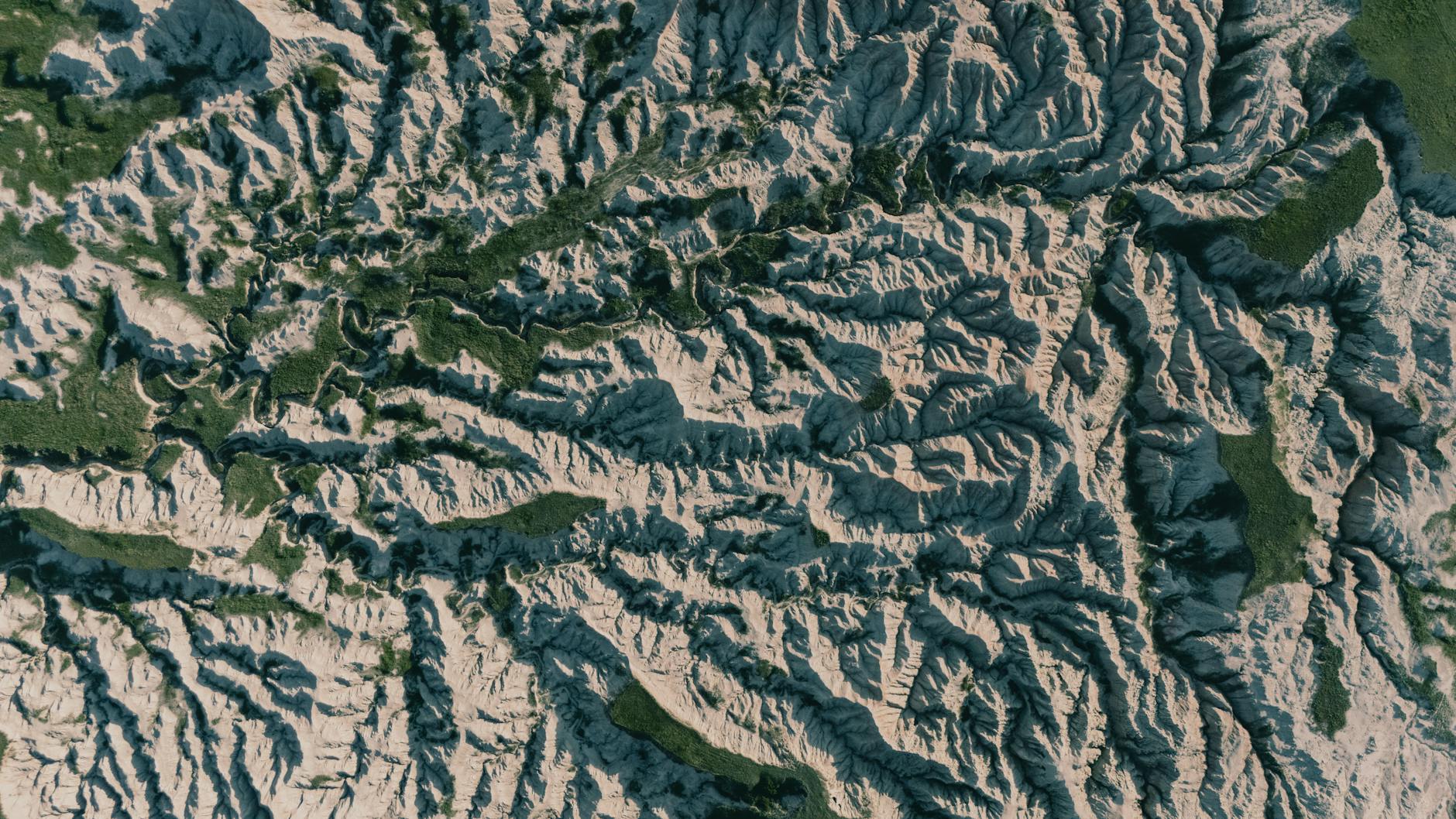
The soil in Makassar is predominantly alluvial and lateritic, typical of coastal plains, making it fertile for various agricultural activities in the surrounding areas. The city's ecology is heavily influenced by its maritime environment, boasting a rich biodiversity in its coastal and marine ecosystems. Mangrove forests and coral reefs are found along the coast and in nearby islands, supporting a variety of marine life.
Climate Snapshot:
Tropical monsoon climate with consistent warmth and distinct wet and dry seasons.
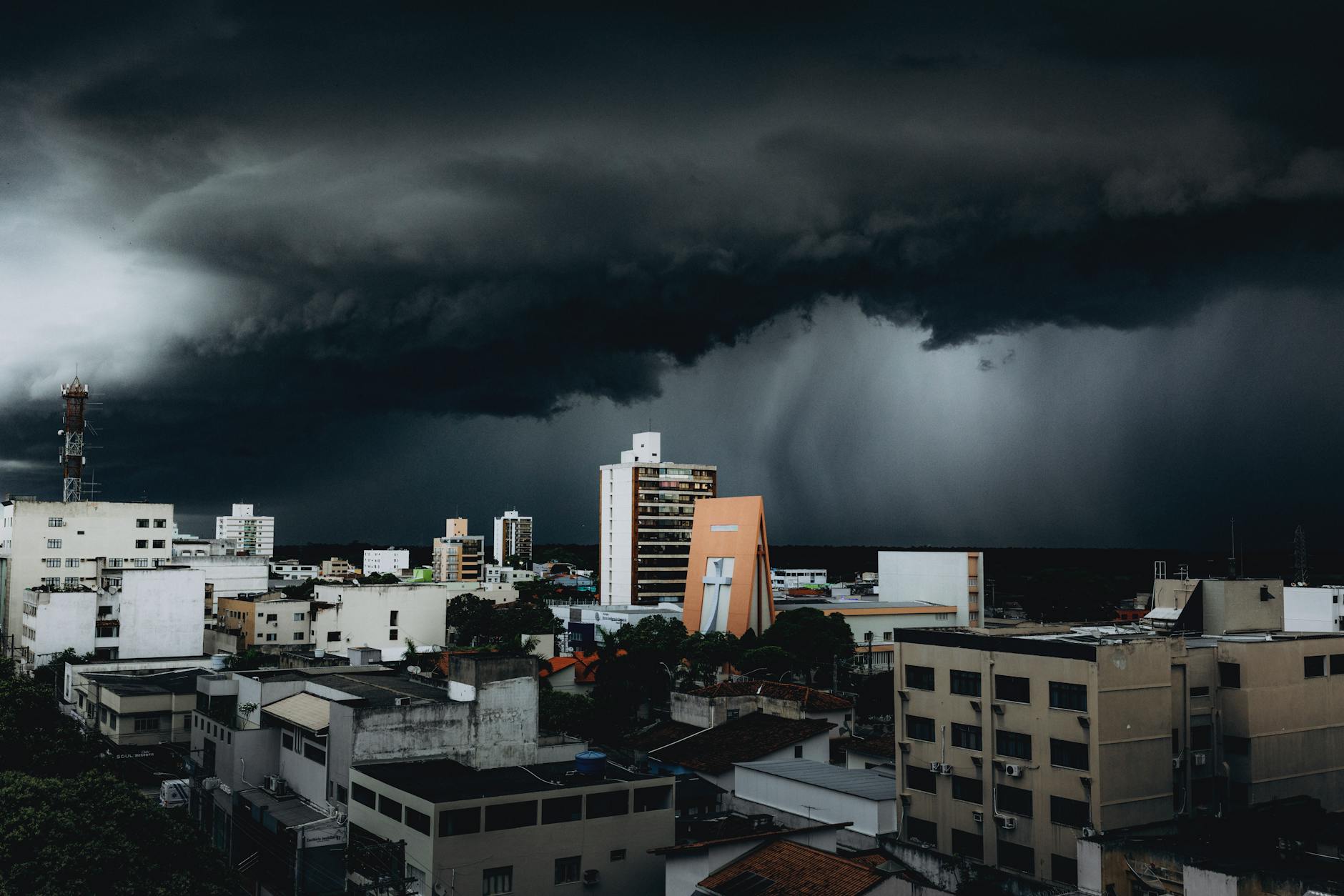
Makassar experiences a tropical monsoon climate, characterized by consistently warm temperatures throughout the year. There are two main seasons: a wet season with heavy rainfall and a drier season. The city's coastal location often brings refreshing sea breezes, moderating the heat. Humidity levels remain high, typical of equatorial regions.
| Parameter | Value |
|---|---|
| Air Quality | Good |
| Annual Rainfall mm | 3000 |
| Best Outdoor Season | May-October |
| Monsoon Months | November-April |
| Temperature Range | 24°C to 32°C |
Demand, Occupancy & ADR:
Strong tourism growth and increasing domestic travel drive real estate demand.
Indonesia's tourism sector is experiencing significant growth, with both domestic and foreign tourist numbers on the rise. This surge, coupled with a growing urban middle class in Makassar, creates robust demand for various real estate segments, particularly in hospitality and residential properties.
Data Quality Note: Many metrics below are indicative estimates rather than verified sources. Conduct independent due diligence before making investment decisions. All metrics are estimates and subject to market fluctuations. Consult local experts for precise data.
| Metric | Value | Period | Notes |
|---|---|---|---|
| Domestic Tourists (Indonesia) | 1.02 Billion trips | 2024 | Indonesia-wide domestic tourist trips. |
| Foreign Tourists (Indonesia) | 13.9 Million | 2024 | Indonesia-wide foreign tourist arrivals. |
| Registered Hotels (Indonesia) | 9,000+ | 2024 | Indonesia-wide estimate, includes star-classified and non-classified hotels. |
| Avg. Annual Occupancy (Indonesia) | 52.57% | 2024 | Indonesia-wide hotel occupancy rate for star-classified hotels. |
| Peak ADR (Makassar) | Rp500,000 | Dec-Feb | Estimated high-season Average Daily Rate for Makassar hotels. |
| Off-season ADR (Makassar) | Rp300,000 | Jun-Sep | Estimated low-season Average Daily Rate for Makassar hotels. |
| Shoulder ADR (Makassar) | Rp400,000 | Oct-Nov / Mar-May | Estimated transitional season Average Daily Rate for Makassar hotels. |
Yield, Appreciation & What Drives Variance:
Attractive rental yields and strong capital appreciation characterize Makassar's market.
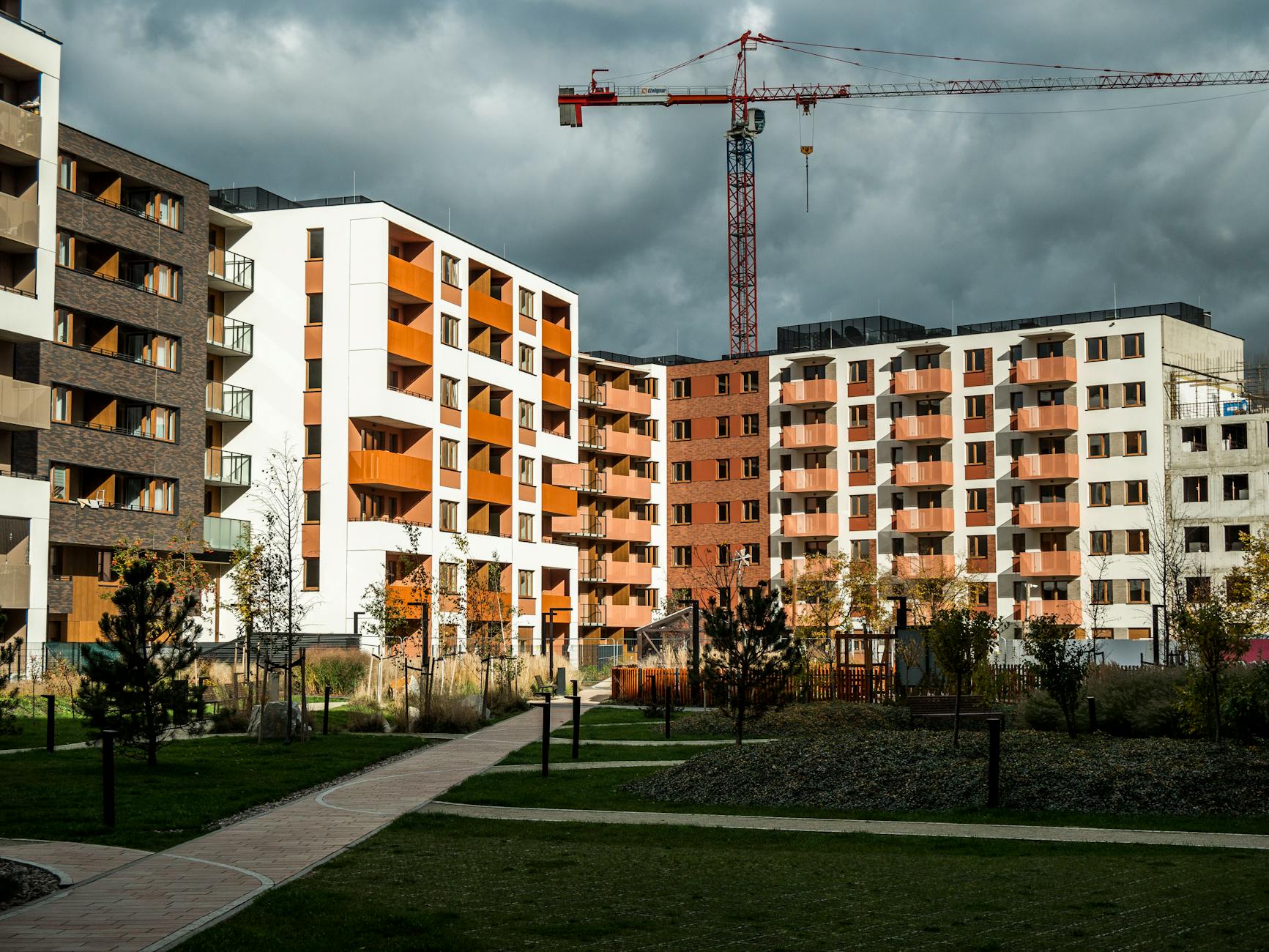
Makassar's real estate market presents promising yield opportunities, driven by increasing demand from both tourism and a growing local population. Managed rentals, particularly in the hospitality sector, show strong gross yields. The city also demonstrates robust capital growth, making it an appealing location for long-term real estate investment.
Data Quality Note: Many metrics below are indicative estimates rather than verified sources. Conduct independent due diligence before making investment decisions. Investment returns are not guaranteed and are subject to market risks. Seek professional financial advice.
| Metric | Value | Trend | Notes |
|---|---|---|---|
| Managed-Rental Gross Yield | 5-8% | Strong | Varies by property type and operator efficiency. |
| Capital Growth (YoY) | 10-15% | Strong | Reflects the city's rapid economic development. |
| 5-Year CAGR (Capital) | 12% | Strong | Consistent growth driven by infrastructure and urbanization. |
| Operator Quality Impact | High | — | Professional management significantly influences rental income. |
| Post-Monsoon Maintenance | Moderate | — | Regular upkeep is important due to tropical climate. |
| Booking Channel Spread | Moderate | — | Diversified booking strategies (OTAs, direct) are beneficial. |

Legal Ownership (Indonesia):
No Hak Milik freehold — Hak Pakai or leasehold available to foreigners
Indonesian land law reserves Hak Milik (freehold) for Indonesian citizens. Foreigners can hold Hak Pakai (right to use, up to 80 years residential), Hak Sewa (lease, 20-25 years), or Hak Guna Bangunan via a PT PMA company (80 years). Commonly applies in Bali and other provinces.
Always consult a licensed real estate attorney before purchase. Rules change; verify current law.
| Buyer Type | Permitted | Tenure | Conditions | Approval |
|---|---|---|---|---|
| Indonesian Citizen | Yes | Freehold (Hak Milik) | Unrestricted | BPN registration |
| Foreign National (residential) | Conditional | Hak Pakai | Right to use: 30 + 20 + 30 years up to 80 total | BPN registration |
| Foreign National (lease) | Yes | Leasehold (Hak Sewa) | 20-25 years renewable by agreement | Notary agreement |
| PT PMA Company | Yes | HGB (Right to Build) | Up to 80 years via foreign-owned company | BKPM + BPN |

Capital Gains Tax (Indonesia):
Understanding capital gains tax on real estate in Indonesia.
In Indonesia, capital gains from the sale of land and buildings are subject to a final tax. This tax is applied to the gross selling price, not just the profit margin, and is an important.
Always confirm with a qualified tax professional.
| Holding Period | Classification | Tax Rate | Indexation |
|---|---|---|---|
| Any | Sale of Land and Buildings (Resident Seller) | 2.5% of gross selling price (final tax) | No |
| Any | Sale of Land and Buildings (Non-Resident Seller) | 5% of gross proceeds (final tax) | No |

Stamp Duty & Registration (Indonesia):
Key taxes and duties involved in property transfer in Indonesia.
Property transactions in Indonesia involve several taxes and duties, including the Property Transfer Tax (BPHTB) paid by the buyer.
| Ticket Size | Stamp Duty | Registration | Franking |
|---|---|---|---|
| All | Varies (BPHTB) | 5% of transaction value (BPHTB for buyer) | — |

Digital Nomad Profile (Regional Estimate):
Indonesian city with developing remote-work infrastructure
An Indonesian city outside the Bali nomad bubble. Connectivity varies by region — Jakarta and Surabaya have modern fiber, smaller cities and islands lag. Lower costs but fewer coworking options and smaller international community.
Data aggregated from public sources; figures are indicative and may vary seasonally. Verify current conditions before planning long-term stays.
| Metric | Category | Value | Source | Notes |
|---|---|---|---|---|
| Fixed Broadband (download) | Connectivity | ~30 Mbps | estimated | IndiHome/MyRepublic in urban areas |
| Mobile (4G/5G) | Connectivity | ~25 Mbps | estimated | Telkomsel/Indosat |
| Monthly Cost (1 person) | Cost | ~Rp 8,000,000 / ~$530 | estimated | |
| Rent — 1BR (city center) | Cost | ~Rp 5,000,000 / ~$330 | estimated | |
| Mid-range meal for two | Cost | ~Rp 200,000 / ~$13 | estimated | |
| Coworking (monthly pass) | Cost | ~Rp 1,500,000 / ~$100 | estimated | |
| Coworking Spaces (within 5km) | Workspace | 1-5 | estimated | Major cities have options; islands limited |
| Air Quality (annual PM2.5) | Environment | ~30 µg/m³ | estimated | Varies; Jakarta poor, other cities moderate |
| Nomad Community | Community | Limited | estimated | Small compared to Bali |
| English Level (daily use) | Community | Medium | estimated | Better in tourism areas |
| Digital Nomad Visa | Visa & Legal | Remote Worker Visa (E33G) • 1 year, renewable once • Req: $60,000 annual income + $2,000 in bank | official | Foreign-source income tax-exempt for visa holders — https://molina.imigrasi.go.id/ |
| Timezone | Visa & Legal | GMT+7 / +8 / +9 (WIB/WITA/WIT) | official | |
| Primary Language | Visa & Legal | Indonesian (Bahasa) | official |
Local Insights & Discussions
Real experiences from visitors and residents in Makassar
Be respectful and constructive in your comments.