Bali Micro-Market Guide: Canggu, Ubud, Uluwatu and Seminyak — What Each Area Offers Second Home Buyers
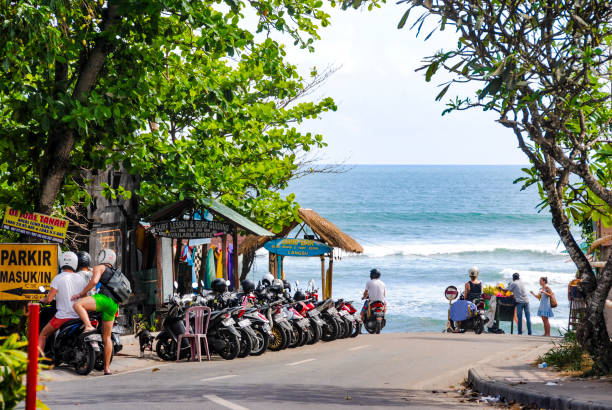
The most common mistake buyers make in Bali isn’t choosing the wrong property. It’s choosing the wrong area.
Bali markets itself as a single destination, but it functions like a collection of very different towns, each with its own visitor demographic, price-per-square-metre, rental pattern, and lifestyle character. A buyer who would be happy in Ubud might find Canggu overwhelming. A yield-focused investor who buys in Seminyak at current prices may find the numbers harder to make work than they expected.
This guide is an honest breakdown of the four areas where most serious buying activity happens, and which type of Indian buyer each one actually suits.
Canggu: The Established Creative Hub
Canggu is Bali’s most active development zone and its most heavily promoted market. It has a well-developed short-term rental ecosystem, strong infrastructure, and a consistent visitor base, largely digital nomads, younger travellers, and surf culture. For buyers who want their property to work as a rental asset in an established area, Canggu has the machinery to support that.
The caution here is supply. The one to three bedroom villa segment in central Canggu and Berawa has become noticeably crowded. More inventory has entered the market than demand has absorbed, which has pushed nightly rates down and made occupancy less reliable for undifferentiated product. Well-positioned, architecturally distinctive villas on quieter streets still perform well. Generic three-bedroom pool villas on busy lanes face real competition.
Entry prices in Canggu are the highest in Bali outside of beachfront Uluwatu. For a buyer who needs to run a tight yield model, the maths requires honest scrutiny rather than developer projections.
Best suited for: buyers who want lifestyle and income in a cosmopolitan setting, and who are buying a property with genuine design or location distinction, not an off-the-shelf product.
Seminyak: The Mature, Stable Performer
Seminyak is Bali’s most established market. It sits between Kuta and Canggu, has the highest average nightly rates on the island, and commands consistent occupancy, typically between 75 and 85 percent through the year, because it draws a broad demographic: families, affluent short-stay visitors, and longer-staying expats. There is genuine brand equity in the address.
The trade-off is that this stability comes at a price. Land in Seminyak’s prime corridors, Petitenget, Oberoi, Laksmana, is the most expensive in Bali, and capital appreciation has flattened as the market matures. Seminyak is not a market where buyers find value; it’s a market where buyers find reliability. The yields are real, but the upside on appreciation is limited.
For buyers who want their Bali purchase to behave like a mature, lower-risk asset, predictable cashflow, premium rental rates, limited downside, Seminyak fits that profile. It is not the right call for buyers looking for capital growth.
Best suited for: buyers prioritising income stability over appreciation, who are comfortable paying a premium for a proven address.
Uluwatu and the Bukit Peninsula: The Best Current Opportunity
Uluwatu is the most compelling arbitrage in Bali’s current market, and the data supports this clearly. Land prices across the Bukit Peninsula are approximately 30 to 40 percent lower than comparable Canggu pricing, yet cliff-edge and ocean-view properties in Uluwatu command nightly rental rates that match, and in premium positions, exceed, Canggu. The combination of lower entry cost and strong revenue potential creates a better yield equation than most of the island’s established markets.
The area draws a different visitor, surf-oriented, experience-seeking, prepared to pay for quality product in a dramatic setting. Bingin, Padang Padang, and the clifftop stretch toward Suluban have an internationally recognised identity. This is no longer an emerging area in terms of visitor demand; it is emerging in terms of residential development, which is where the opportunity sits.
The honest caveat is infrastructure. Parts of Uluwatu involve narrow roads, uneven connectivity, and ongoing development noise. Buyers who want the polish of Seminyak will not find it here yet. Buyers who are comfortable with an asset that is 70 percent of the way there, and priced accordingly, are looking at real upside.
Best suited for: yield-focused buyers with a 10-plus year horizon who want better entry prices, strong rental fundamentals, and genuine capital appreciation potential.
Ubud: The Lifestyle Play
Ubud is a categorically different market from Bali’s coastal districts, and comparing it to Canggu or Seminyak on yield metrics alone is the wrong frame. Located in the island’s highland interior, Ubud draws wellness tourists, artists, long-stay visitors, and a specific type of buyer who is genuinely drawn to Bali’s cultural and spiritual identity rather than its beach and nightlife.
Rental yields in Ubud are lower than the coastal areas, typically five to eight percent gross, but occupancy from the wellness and retreat demographic is consistent, and average stay lengths are longer, which means lower management friction. Properties here are usually larger, more architecturally considered, and designed around rice field or valley views rather than beach proximity.
For the buyer who visits Bali primarily for the culture, wellness, and pace, and who does not need the rental income to justify the purchase, Ubud can be a deeply satisfying investment. It is a poor fit for someone running a pure yield model.
Best suited for: lifestyle-led buyers who visit regularly, value cultural immersion, and do not need strong short-term rental returns to make the purchase work.
A Note on Emerging Areas
Pererenan, just north of Canggu, is drawing genuine interest from buyers looking for Canggu’s energy without its congestion. North Bali, particularly the Lovina corridor, is being watched by investors seeking very early-stage value, though infrastructure there is significantly behind the south. Both areas carry more execution risk than the four markets above. Worth monitoring, but not the right call for a first Bali purchase.
Ready to find your next holiday home?
Browse our curated collection of vacation homes and managed farmland across India and beyond.