 Vyacheslav Argenberg / Wikimedia Commons (CC BY 4.0)
Morjim Beach
Known as 'Little Russia' and a nesting site for Olive Ridley turtles.
Why people come to Morjim Beach

A protected, monitored nesting beach for the endangered Olive Ridley sea turtle.

A long-stay Russian community and Russian-signed cafes give the beach its nickname.
River, the closest of the places we cover nearby.
The southern end looks across the water to Chapora Fort on the headland.

Steady seasonal winds make Morjim one of Goa's better-known kite-surf spots.

Boats from the rivermouth run dolphin-spotting and river excursions in season.
The Scene
Morjim is long and open, and it changes character along its length. The southern end, where the beach meets the Chapora rivermouth, is the calmer, more scenic stretch, with views across to Chapora Fort and the boats that run dolphin trips and river crossings. This is also where the Olive Ridley turtle protection zone sits, fenced and signposted during nesting season.
Getting Around
Morjim is roughly 30 km from Panaji and about 18 km from Mapusa, reached from Siolim by crossing the Siolim–Chopdem bridge over the Chapora river. Ashvem and Mandrem lie just to the north, so the whole belt links easily on a scooter, which is the most practical way to get around. Taxis and app cabs (Goa Miles) serve it but cost more for short hops.
Local Tips
If you visit during turtle nesting season (broadly late in the year to about March), keep well clear of the fenced protection zone, avoid bright lights and flash photography on the sand at night, and never drive on the beach — nesting turtles and hatchlings are easily disturbed. Come November to February for the best weather and full cafe service. The southern rivermouth end is the quietest and most scenic; the northern Ashvem end has more food and the kite-surf scene.
Morjim is a beach with a conscience and a calm streak.
Morjim sits at the northern mouth of the Chapora river, looking straight across the water at Chapora Fort on the far headland. It is a long, relatively calm beach with two very different claims to fame. The first is ecological: Morjim is one of Goa's best-known nesting sites for the endangered Olive Ridley sea turtle, which comes ashore to lay eggs here, roughly from late in the year through to about March. The nesting zone is a protected area, marked with signboards and fenced enclosures, and monitored by the forest department with the help of local fishermen — a conservation effort that has grown from a handful of protected nests in the late 1990s.
The second is cultural. Over the last two decades Morjim earned the nickname 'Little Russia' for the number of Russian visitors who settle in for long stays each season; many cafes and shacks carry Russian-language menus and signage, and the crowd here skews long-stay and international. The beach is also a well-regarded kite-surfing spot, thanks to steady seasonal winds, and boat operators run dolphin-spotting trips from the rivermouth.
All of this asks for a lighter footprint than a party beach. During nesting season the protected stretch should be given a wide berth — no lights, no crowding the enclosures, no vehicles on the sand — and the beach as a whole is best treated as a place for wildlife, walks and gentle water rather than raucous nightlife.
For second-home buyers, Morjim anchors the quieter coast just across the Chapora from Siolim, where Avacasa lists 19 homes across 6 developers. Most Goa homes are listed price-on-request; across the wider North Goa cluster, prices reach a median of about ₹3.6 crore.
When to go
Best time: November to February
Morjim is a beach with a conscience and a calm streak. Come for the Olive Ridley turtle story, the rivermouth views toward Chapora Fort, easy long walks and — if the wind is up — some of Goa's better kite-surfing. It is quieter and more international than the southern party beaches, and it asks visitors to tread lightly, especially in nesting season. Not the place for a big night out, very much the place for wildlife and space.
Go for
Olive Ridley turtle nesting, 'Little Russia', chapora rivermouth views and kite-surfing.
- Wildlife & nature
- 9
- Calm & scenery
- 8
- Kite-surfing
- 8
- Food & cafes
- 7
- Swimming
- 6
- Nightlife
- 4
Nearby beaches


Explore the Verla Canca 2 area guide
Market data, lifestyle and what to expect in the area around Morjim Beach.
Frequently asked questions about Morjim Beach
Morjim is one of Goa's main nesting sites for the endangered Olive Ridley sea turtle. The turtles come ashore to lay eggs here, and the nesting zone is a protected, fenced and monitored area looked after by the forest department with local help. It is protected under India's Wildlife Protection Act.
Homes near Morjim Beach

Anasa by the Hills
₹6.5 Cr
Assagao
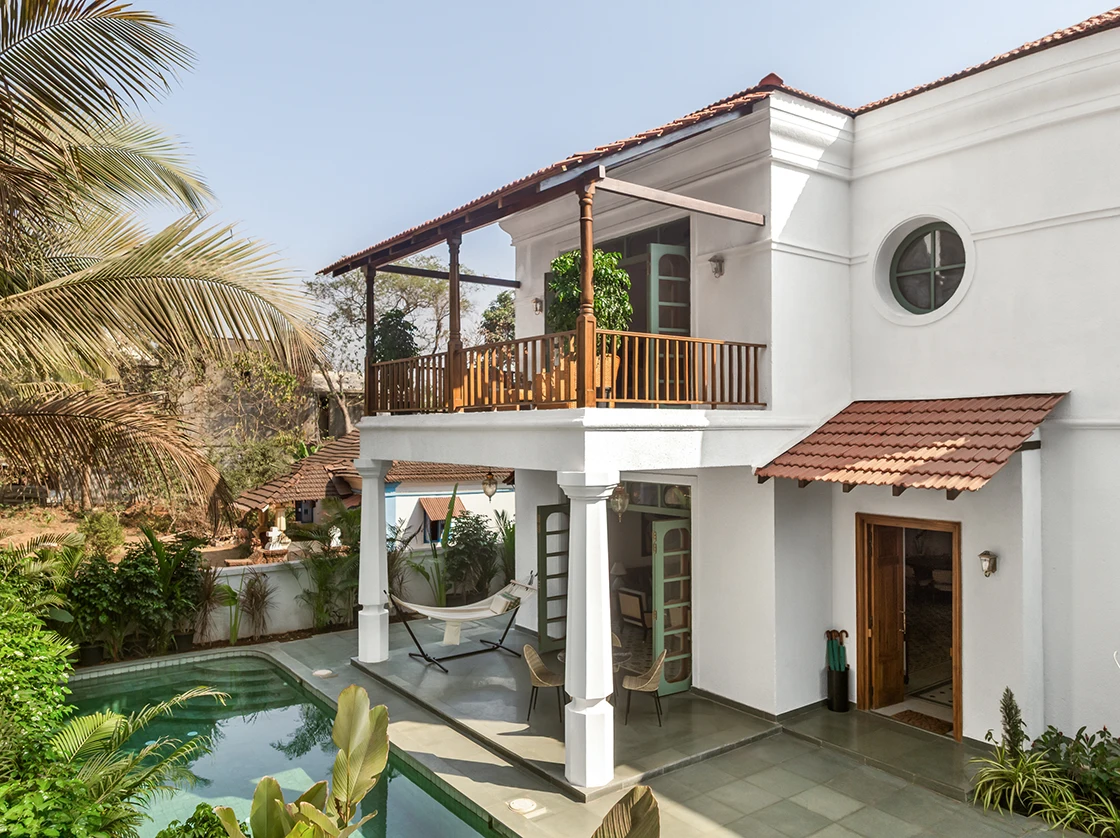
Villa Fado
Price on request
Assagao
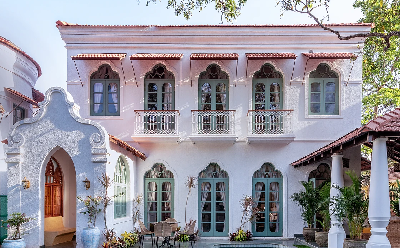
Villa Giulietta
Price on request
Assagao
 Image for representational purpose only
La Gemela
Price on request
Assagao
Image for representational purpose onlyLa Mosteiro
Price on request
Assagao

La Cascada
Price on request
Vagator
Distances are straight-line (haversine), approximate.