 Nikhilb239 / Wikimedia Commons (CC BY 3.0)
Baga Beach
One of Goa's most famous and bustling beaches.
Why people come to Baga Beach

Parasailing, jet-skis, banana-boat and bumper rides operate off the main stretch in season.

Speedboat dolphin-spotting trips head out from near the Baga creek mouth.
Beach, the closest of the places we cover nearby.
The famous strip of clubs and bars, about 1.5 km back from the sand, that made Baga's name.

A long line of shacks serving Goan seafood, grills, cold beer and all-day breakfasts.
A wide, firm, gently sloping beach that is more swim-friendly than the rocky beaches further up the coast.
The Scene
Baga is loud, commercial and unapologetic about it. The sand is wide and firm, packed in season with loungers, hawkers, tattoo and henna sellers, and water-sports touts working the crowd. The southern end blurs into Calangute and is the busiest; the quieter action is up towards the creek at the northern tip, where the Baga river meets the sea and a footbridge crosses to the calmer stretch beyond.
Getting Around
Baga is roughly 16 km from Panaji and about 40 km (40–60 minutes by taxi) from Goa's Dabolim airport, at the northern end of the continuous Calangute–Baga beachfront. Calangute beach is only about 2 km south, and you can walk between the two along the sand. The main access roads and the Tito's Lane area get very congested in peak season and on weekend nights, and parking near the beach and the nightlife strip is tight.
Local Tips
Swim only where the Drishti Marine lifeguards fly the red-and-yellow flags, and keep clear of the creek mouth at the northern end, where currents are stronger. Swimming is generally suspended during the monsoon (roughly June to September), when many shacks also close and the sea turns rough. Water-sports prices are negotiable and vary with season and demand, so compare a couple of operators and confirm what's included (life-jacket and instructor should be standard) before paying.
Baga is North Goa at its most commercial and energetic — a beach for activity, water sports, dolphin trips and a legendary nightlife strip, not for peace and quiet.
Baga sits at the northern end of the long Calangute–Baga strip, taking its name from the Baga creek (the Baga river) that meets the sea at its top end. For decades it has been shorthand for full-tilt North Goa tourism: a broad, firm stretch of sand crowded with shacks and sun-loungers, a busy line of water-sports operators working the water, and — set back from the beach — the bars and clubs that made the area a nightlife byword. It is not a place you visit to get away from people. It is a place you visit to be among them.
By day the beach is a working carnival of activity. Operators offer parasailing, jet-skis, banana-boat and bumper rides, and speedboat dolphin-spotting trips head out from near the creek mouth in season. Shacks line the sand serving Goan seafood, cold beer and all-day breakfasts, and the shallow, gently sloping water is more forgiving than the rocky beaches further north — though the creek end carries stronger currents and is best avoided. After dark the centre of gravity shifts inland to Tito's Lane, the short, famous strip of clubs and bars (Tito's, Mambo's and neighbours) about a kilometre and a half back from the sand, which keeps Baga awake long after the shacks quieten.
For anyone weighing a North Goa second home, Baga anchors the coast's most established and rental-friendly belt — a short hop from Calangute and inland villages like Parra, where Avacasa lists 11 homes across 4 developers. Most Goa homes are sold price-on-request; across the wider North Goa cluster, listed prices run to a median of about ₹3.6 crore.
When to go
Best time: November to February
Baga is North Goa at its most commercial and energetic — a beach for activity, water sports, dolphin trips and a legendary nightlife strip, not for peace and quiet. It's a solid pick for first-timers, groups and families who want everything on tap, and its wide, gently sloping sand is more swim-friendly than the rocky beaches up the coast. Travellers craving calm or empty sands should look further north to Morjim or Mandrem.
Go for
Water sports hub, dolphin cruises, tito's Lane nightlife and beach shacks.
- Nightlife
- 9
- Water sports
- 9
- Atmosphere
- 8
- Food & shacks
- 8
- Swimming
- 6
- Peace & quiet
- 3

Explore the Verla Canca area guide
Market data, lifestyle and what to expect in the area around Baga Beach.
Frequently asked questions about Baga Beach
It's reasonable — the sand is wide and gently sloping, and generally more swim-friendly than the rocky beaches further north. Swim only between the red-and-yellow lifeguard flags and stay clear of the creek mouth at the northern end, where currents are stronger. Swimming is usually suspended in the monsoon (about June to September).
Homes near Baga Beach
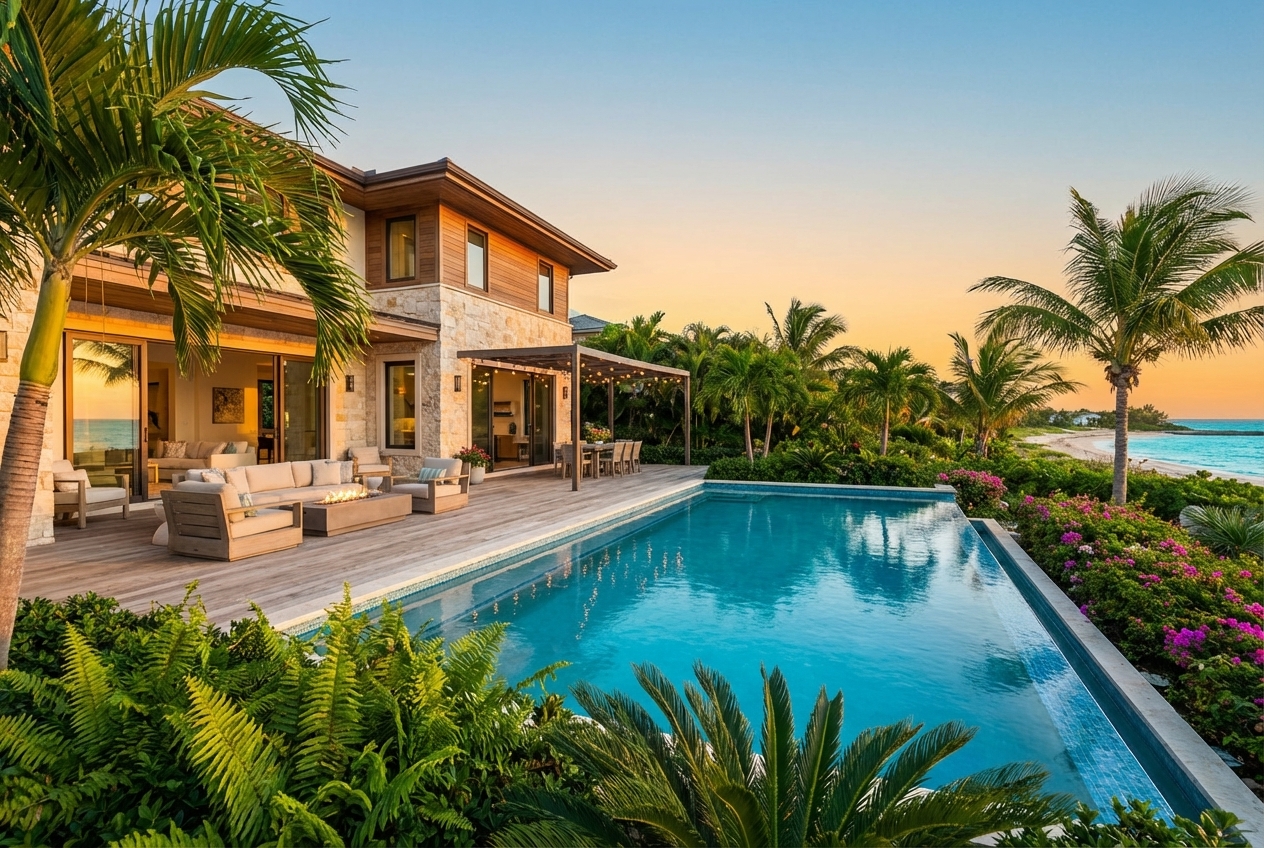 Image for representational purpose only
Villa Alora
Price on request
Assagao
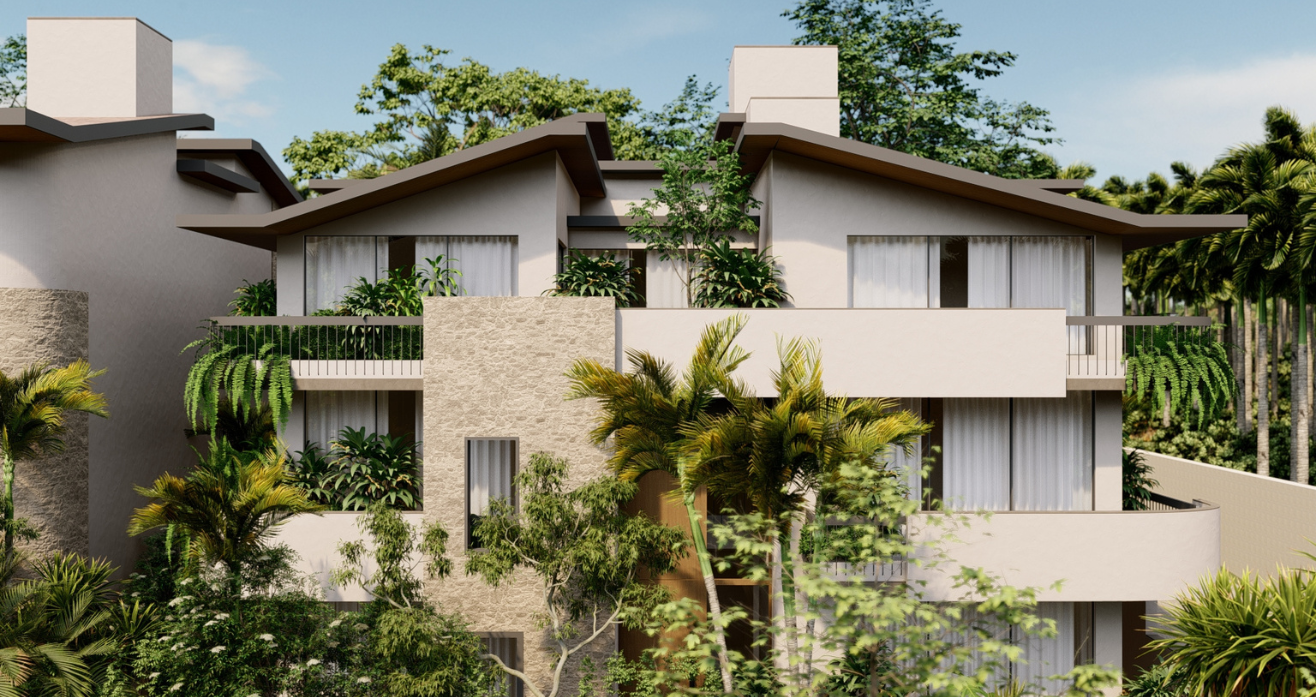
Amaia
Price on request
Parra
La Dora
₹1.2 Cr
Vagator
El Volar
Price on request
Nerul
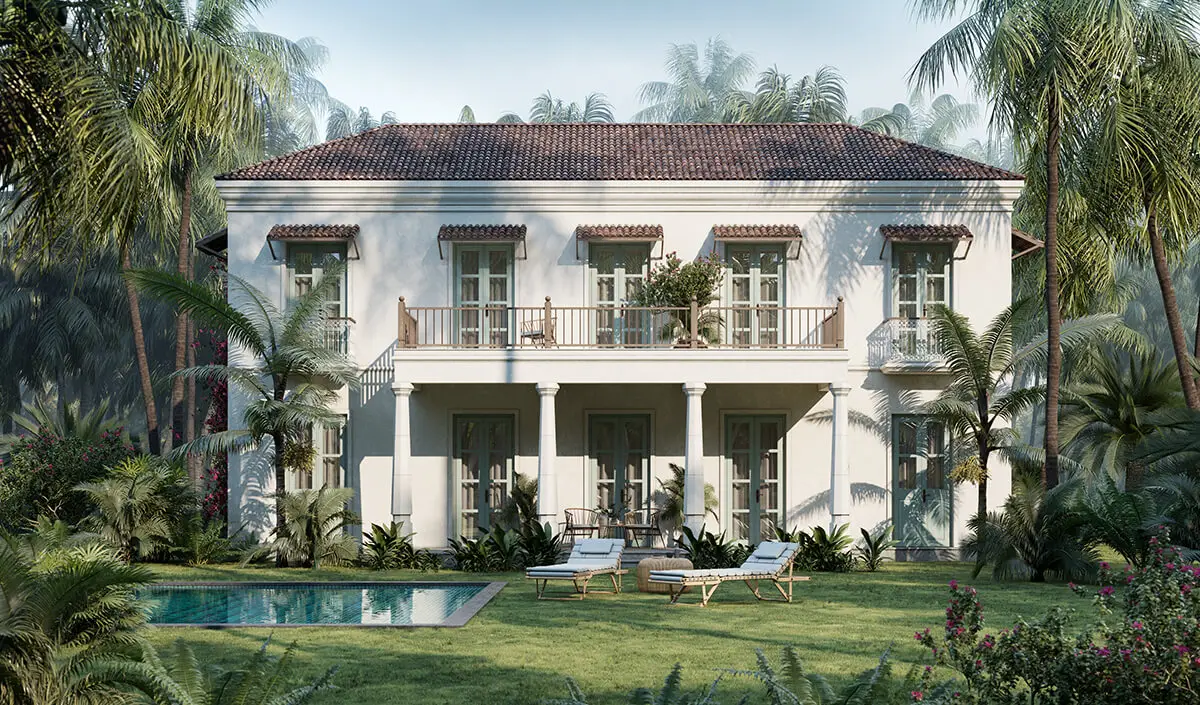
La Soleada
Price on request
Assagao
La Zorita
Price on request
Vagator
Distances are straight-line (haversine), approximate.