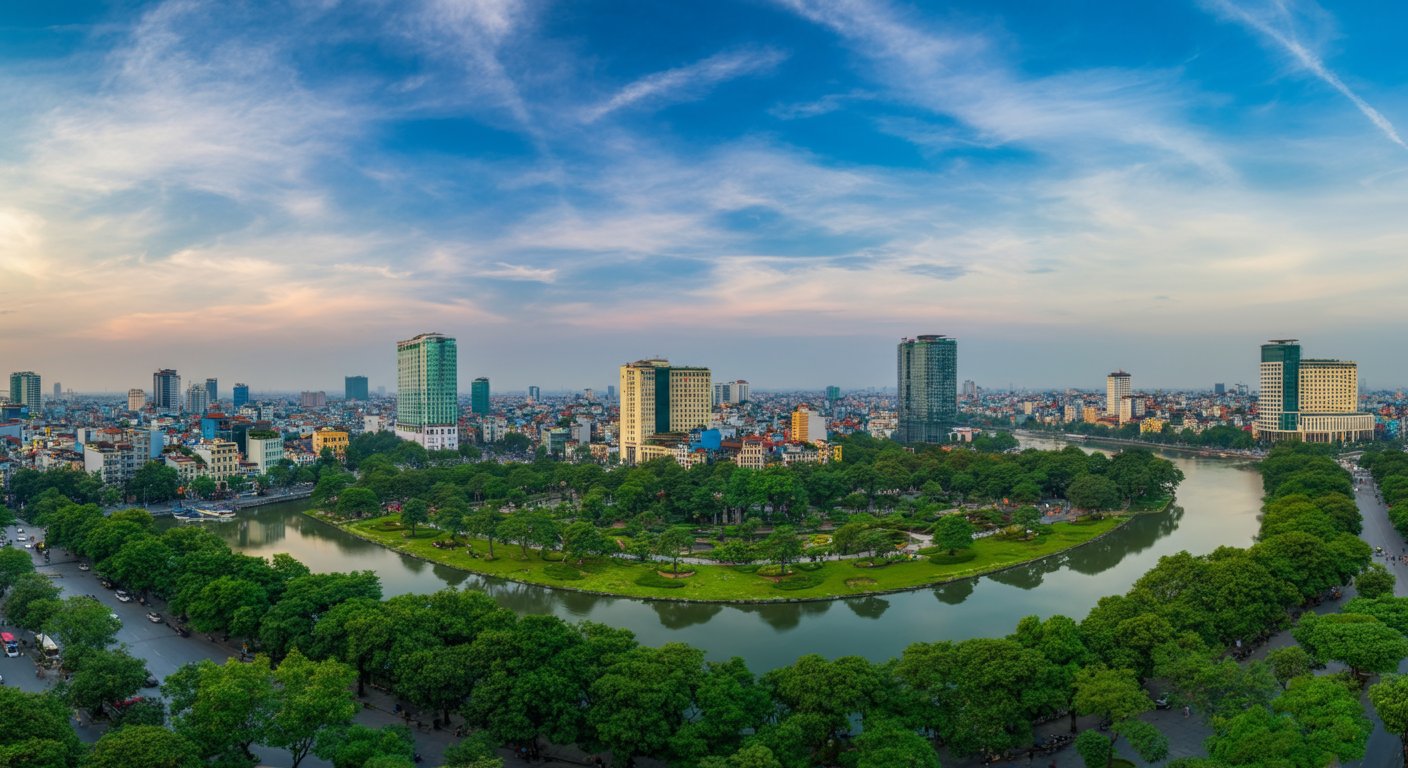
Key Details
Economic Growth
Strong GDP growth fuels rising incomes and property demand.
Urbanization
Rapid city expansion creates consistent housing needs.
Infrastructure Boom
Massive investment in transport boosts property values.
Young Demographics
A large working-age population drives housing demand.
FDI Magnet
Foreign capital creates jobs and real estate needs.
Key Investment Thesis
Demographic Dividend
Vietnam's young and growing population, with over 65% of working age, fuels consistent domestic demand for housing and rentals. Rapid urbanization, with 2-3% annual migration to cities, creates sustained need for new developments.
Infrastructure Catalyst
Massive infrastructure investments, including the over 2,000 km North-South Expressway and new airports like Long Thanh, are significantly increasing property values and accessibility. These projects connect major economic zones, reduce logistics costs, and open up new areas for development, creating tangible value appreciation for real estate assets.
FDI Engine
As a major manufacturing hub, Vietnam attracts over $36 billion annually in FDI. This influx creates jobs, leading to genuine housing demand from both local workers and expatriate professionals. Foreign investment directly translates into increased demand for residential and commercial properties, supporting rental income and capital growth.
Emerging Market Value
Despite rapid growth, property prices in Vietnam remain relatively low compared to regional benchmarks, offering significant room for appreciation. The market is transitioning from speculative phases to one driven by genuine housing needs and rental potential, providing a compelling entry point for disciplined investors seeking long-term value.
Rental Yield Potential
Rising rental demand from a growing urban population and expatriate workforce supports attractive rental yields, often ranging from 3% to over 5% in key areas. With increasing tourism and business travel, short-term and long-term rental opportunities provide a steady income stream, complementing capital appreciation.
You'll Fall in Love:
Experience the warmth of Vietnamese culture and the promise of a thriving future.
You'll fall in love with Vietnam's captivating blend of ancient traditions and rapid modernization. The warmth of its people, the richness of its cuisine, and the stunning natural beauty from Ha Long Bay to the Mekong Delta create an unparalleled living experience. As the country continues its impressive economic ascent, owning a piece of Vietnam means investing in a future filled with opportunity and vibrant lifestyle.
Geography Profile:
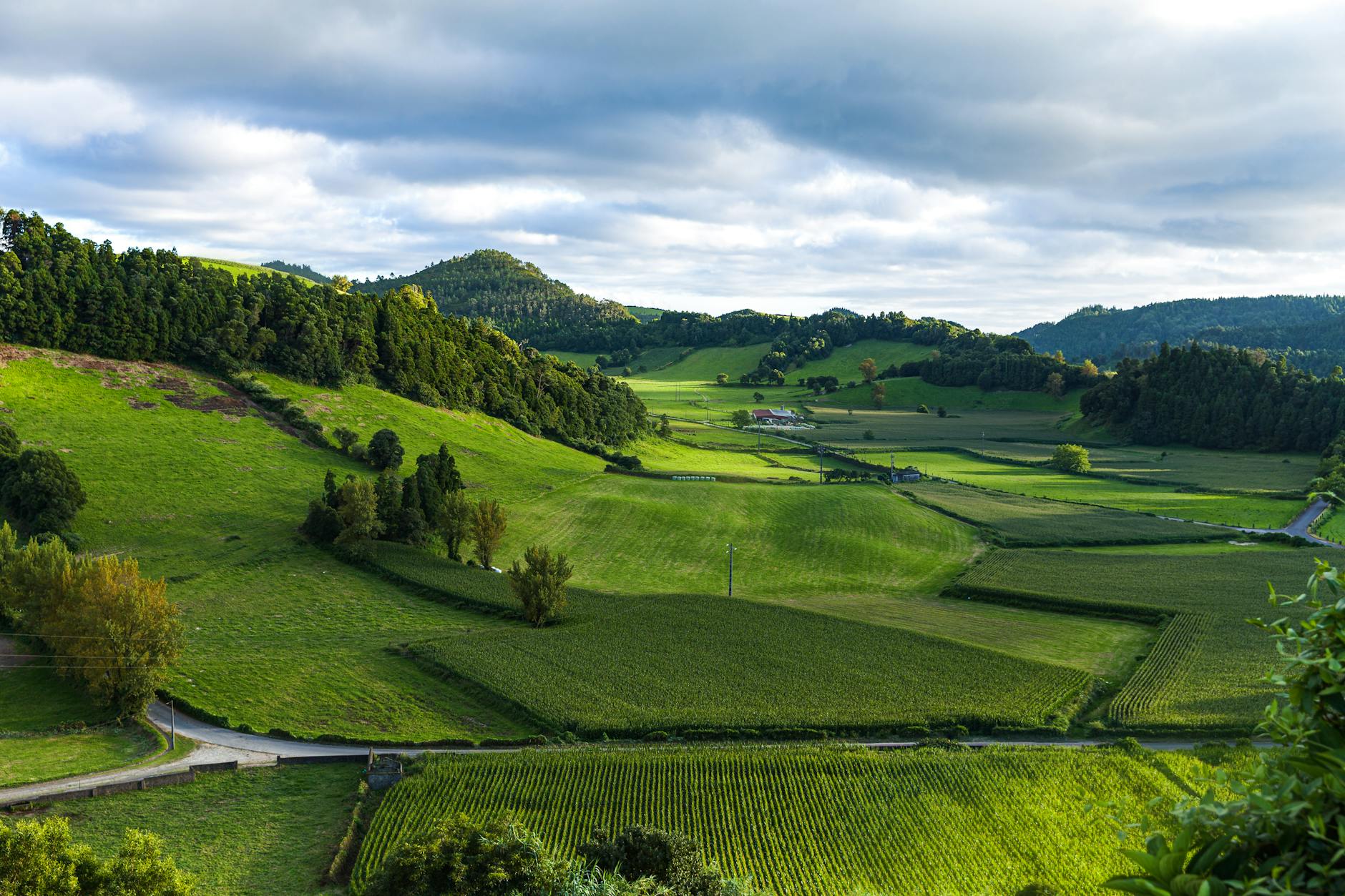
A diverse landscape from north to south, offering coastal beauty and urban vibrancy.
Vietnam boasts a long, S-shaped coastline stretching over 3,260 km, offering numerous beach destinations and resort opportunities. The country features a varied terrain, including the mountainous north with its terraced rice paddies, the fertile Red River Delta in the north, the central highlands, and the vast Mekong Delta in the south. Major economic hubs like Ho Chi Minh City, Hanoi, and Da Nang are centers of development and investment.
| Parameter | Value |
|---|---|
| Coastline Or Elevation | Over 3,260 km of coastline |
| Notable Regions | Mekong Delta, Red River Delta, Central Highlands, Northern Mountains |
| Terrain Type | Mountainous, delta, coastal, highlands |
Climate Snapshot:
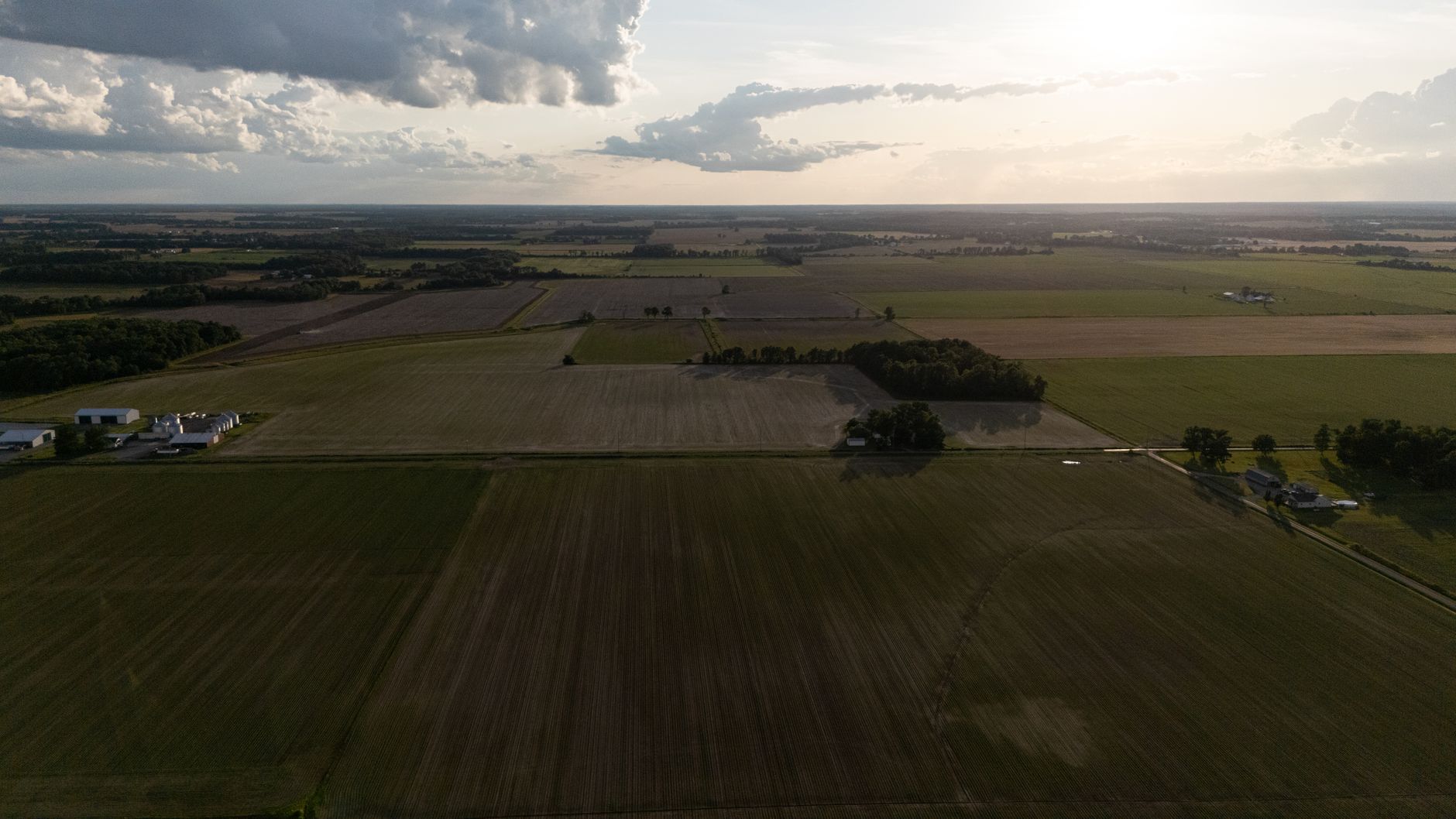
Tropical and diverse, with distinct seasons offering year-round appeal.
Vietnam's climate is predominantly tropical, with significant regional variations. The north experiences four distinct seasons, including a cooler winter, while the south has a tropical monsoon climate with a distinct wet and dry season. Central Vietnam can be affected by typhoons from August to November. For second-home buyers, the dry seasons in the south (December to April) and pleasant spring/autumn in the north are often preferred.
| Parameter | Value |
|---|---|
| Best Season | Dry seasons (Dec-Apr in South, generally pleasant Spring/Autumn in North) |
| Climate Type | Tropical monsoon, subtropical in the north |
| Temperature Range | 20°C to 35°C (average) |

Demand, Occupancy & ADR:
Driven by a young, growing population and significant foreign investment.
Vietnam's property market is fueled by a young demographic, rapid urbanization, and substantial foreign direct investment (FDI). Over 100 million inhabitants, with a median age around 32, are migrating to cities at 2-3% annually, creating consistent demand for housing and rentals. FDI, exceeding $36 billion annually, supports job creation and thus real housing needs, not just speculation. Key industrial hubs like Binh Duong and Hai Phong are experiencing high demand for worker and management rentals.
These metrics are estimates; verify with local market research.
| Metric | Value | Period | Notes |
|---|---|---|---|
| Annual Transactions | 580,400+ | 2025 | Significant recovery from previous years. |
| FDI Inflows | $36 billion+ | 2023-2024 | Primarily manufacturing and processing sectors. |
| Urban Migration | 2-3% annually | Ongoing | Driving demand in major cities. |
Yield, Appreciation & What Drives Variance:
Attractive rental returns and potential for capital appreciation.
Vietnam's rental market is experiencing rising rents, offering attractive cash flow for investors. While gross rental yields can vary, they are generally in the 3% to 5% band, with potential for higher returns in specific locations and property types. The ongoing infrastructure development and economic growth also point towards positive long-term capital appreciation prospects for well-chosen properties.
Yields vary by location and management; treat as indicative.
| Metric | Value | Trend | Notes |
|---|---|---|---|
| Average Gross Rental Yield | 3.16 to 5.83 percent | — | Varies by city and district. |
| Hanoi Rental Yields | 3 to 4.39 percent | — | Average for the city is 3.54%. |
Legal Ownership (Vietnam):
50-year renewable lease — 30% per building quota for foreigners
Under Housing Law 2023 and Land Law 2024, foreigners can own apartments and houses on 50-year renewable leasehold. Foreign ownership capped at 30% of units per building for condos, and 250 houses per 10,000-population area for landed property. No land ownership. Restricted zones exist.
Always consult a licensed real estate attorney before purchase. Rules change; verify current law.
| Buyer Type | Permitted | Tenure | Conditions | Approval |
|---|---|---|---|---|
| Vietnamese Citizen | Yes | Land Use Rights (perpetual) | Unrestricted | Land registry |
| Foreign National (apartment) | Conditional | 50-year leasehold | Within 30% per building cap; renewable once up to 50 more years | Provincial People's Committee |
| Foreign National (landed home) | Conditional | 50-year leasehold | Up to 250 houses per 10,000-population area | Provincial People's Committee |
| Foreign National (land) | No | None | Cannot own land; state retains underlying land | Not applicable |
Capital Gains Tax (Vietnam):
Understanding capital gains tax on real estate transfers in Vietnam.
For individuals, income from real estate transfers is subject to a 2% tax on the total transfer price. For organizations, profits are subject to 20% corporate income tax on taxable income.
Always confirm with a qualified tax professional.
| Holding Period | Classification | Tax Rate | Indexation |
|---|---|---|---|
| N/A | Individual | 2% on transfer price | No |
| N/A | Organization | 20% on taxable income/profit | No |

Frequently Asked Questions
Yes, Vietnam's property market in 2026 presents a compelling investment case driven by strong economic growth, rapid urbanization, and significant FDI inflows. The market is maturing, with a focus shifting towards genuine housing demand and rental potential. Infrastructure development and a young demographic further support long-term value and rental income opportunities.
Local Insights & Discussions
Real experiences from visitors and residents in Vietnam
Be respectful and constructive in your comments.