Key Details
Economic Strength
A robust, technologically advanced economy provides a stable foundation for real estate investment.
Urbanization & Demand
High demand driven by urbanization and a growing population in key metropolitan areas.
Infrastructure Growth
Continuous investment in modern infrastructure enhances connectivity and property value.
Cultural Appeal
A unique blend of tradition and modernity attracts both residents and tourists.
Foreigner Friendly
Relatively open policies for foreign property ownership, with clear regulations.
Key Investment Thesis
Scarcity & Quality Premium
Limited land supply in prime urban areas, especially Seoul, drives a 'flight to quality,' creating a premium for well-located, high-spec properties. This scarcity, coupled with strong demand from both domestic and international buyers, supports sustained capital appreciation, particularly in the capital region where prices rose by 9.56% year-on-year in April.
Infrastructure Catalyst
Ongoing government investment in transportation networks and smart city initiatives acts as a significant catalyst for property value growth. Projects like the expansion of the Seoul Metropolitan Area's infrastructure enhance connectivity and accessibility, making previously less desirable areas more attractive for both residents and investors.
Demographic Drivers
The persistent rise in single-person households and a growing expatriate population create sustained demand for diverse housing solutions, from micro-studios to modern apartments. This demographic shift, with single-person households projected to reach 9.24 million by 2050, ensures a robust rental market.
Rental Market Evolution
The transition from traditional lump-sum deposit (Jeonse) to monthly rent (Wolse) systems is gradually improving rental yields. While national net yields average around 2.3% to 4.3%, specific urban areas and smaller, liquid properties offer better rent-to-price ratios, making them attractive for income-focused investors.
Economic Stability & Growth
South Korea's strong, technology-driven economy, projected GDP growth of 2.1% in 2026, and a stable political environment provide a secure backdrop for real estate investment. Its position as a global leader in innovation and manufacturing attracts continuous foreign investment, underpinning long-term property value.
You'll Fall in Love:
Experience a unique fusion of ancient traditions and futuristic innovation.
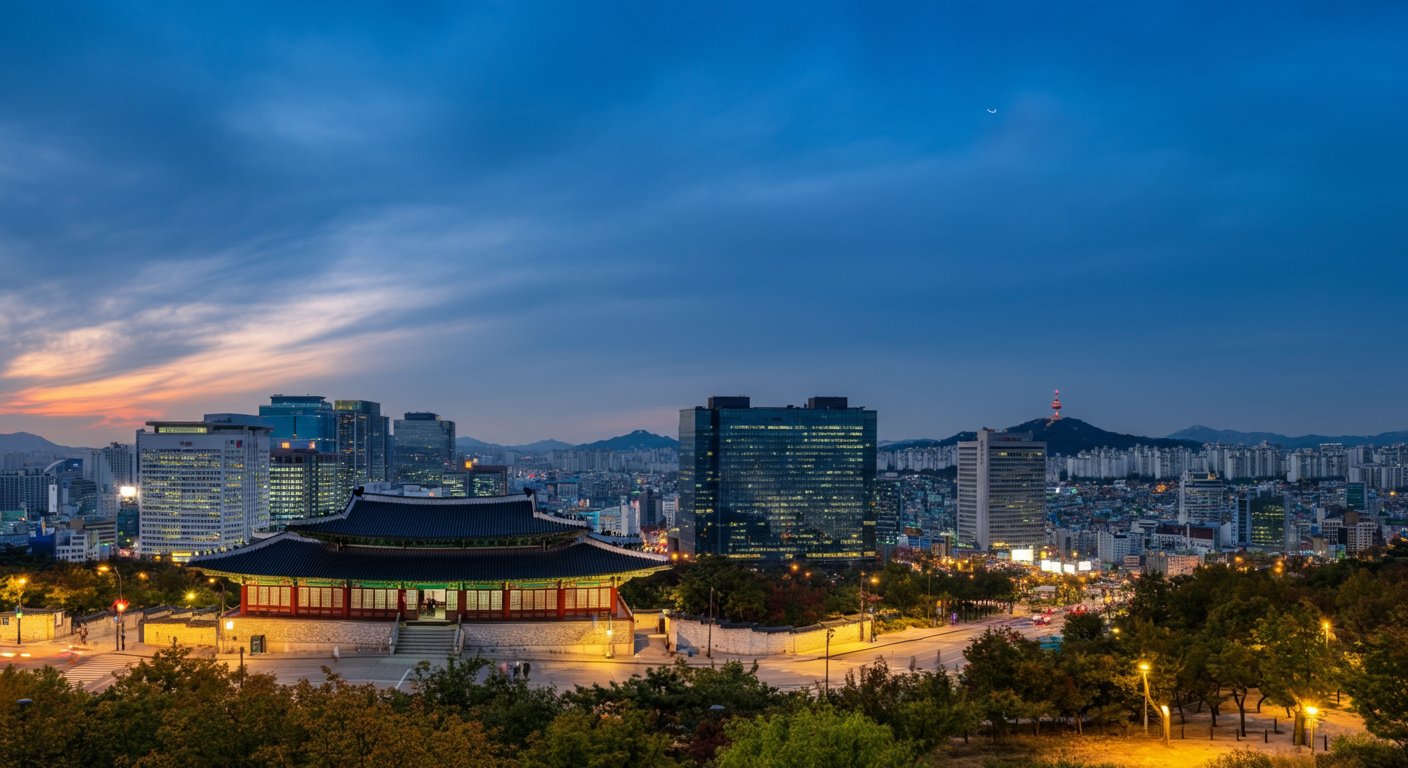
You'll fall in love with South Korea's captivating blend of rich history and hyper-modernity. Imagine exploring ancient palaces in the morning and experiencing world-class technology in the afternoon. The vibrant culture, delicious cuisine, efficient public transport, and the warmth of its people create an unparalleled living experience, making it an ideal place to call home or a cherished vacation retreat.
Geography Profile:
A land of mountains, coastlines, and vibrant urban centers.
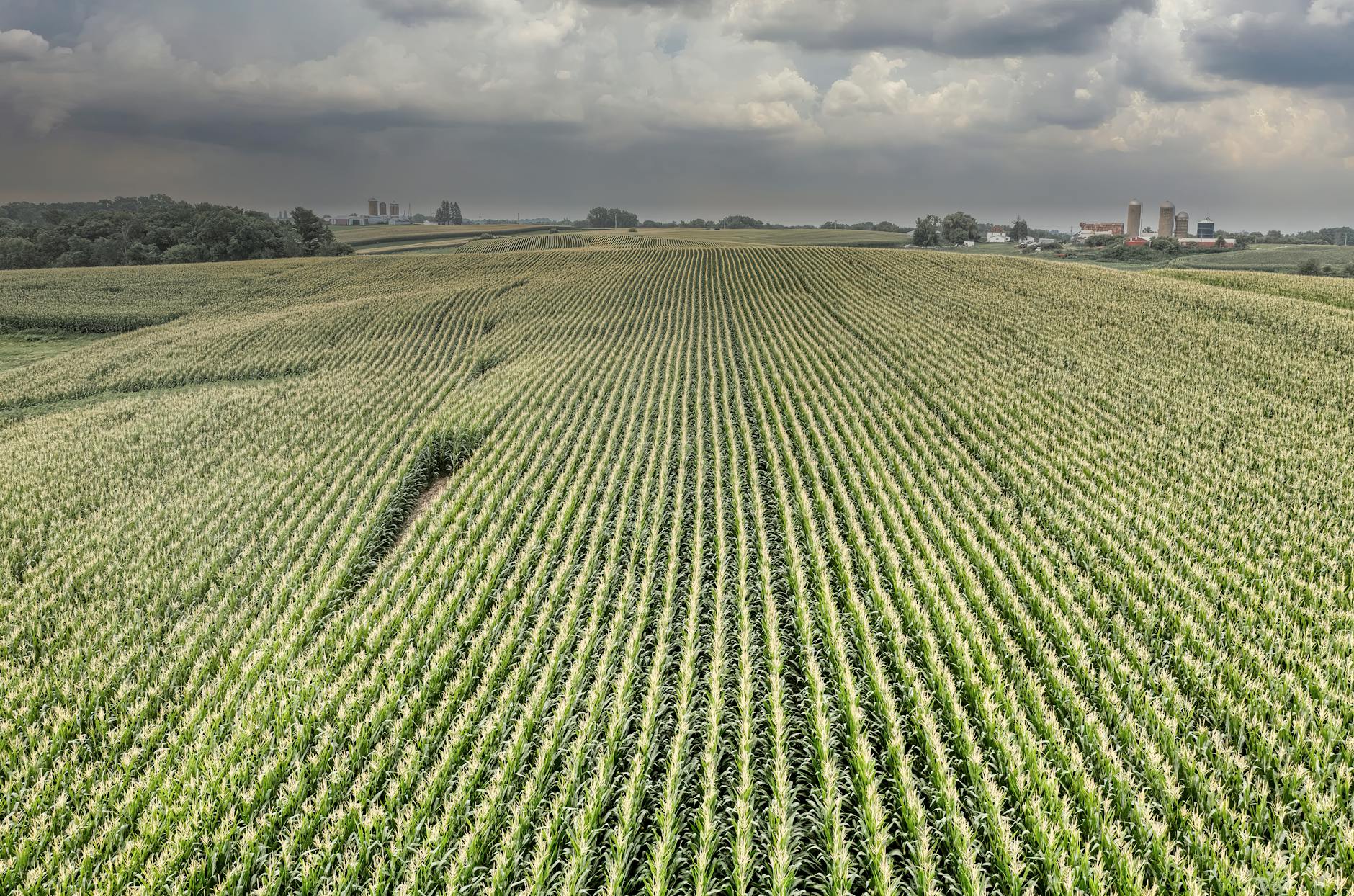
South Korea is a peninsula characterized by mountainous terrain, covering about 70% of its landmass, with rolling hills and narrow coastal plains, particularly in the west and south. The country boasts an extensive coastline along the Yellow Sea, East China Sea, and the Sea of Japan, dotted with numerous islands. Major regions include the densely populated capital area (Seoul, Incheon, Gyeonggi Province) and diverse cities like Busan, known for its port, and Jeju Island, a volcanic paradise.
| Parameter | Value |
|---|---|
| Coastline Or Elevation | 2,413 km coastline; highest point Hallasan at 1,950m |
| Notable Regions | Seoul Capital Area, Busan, Jeju Island, Gyeonggi Province |
| Terrain Type | Mostly mountainous with coastal plains and hills |
Climate Snapshot:
Four distinct seasons offering varied experiences throughout the year.
South Korea experiences a temperate climate with four distinct seasons. Winters are cold and dry, while summers are hot and humid with significant rainfall due to the monsoon season. Spring and autumn are mild and pleasant, making them ideal for outdoor activities and property viewings. Regional variations exist, with coastal areas generally milder than the interior.
| Parameter | Value |
|---|---|
| Best Season | Spring (April-June) and Autumn (September-November) |
| Climate Type | Temperate, four distinct seasons (continental monsoon) |
| Temperature Range | Winter: -2°C to 6°C (Jan avg); Summer: 23°C to 30°C (July-Aug avg) |

Demand, Occupancy & ADR:
Driven by urbanization, a strong economy, and a growing population.
South Korea's real estate market benefits from consistent demand fueled by rapid urbanization, with a significant portion of the population concentrated in major cities. A strong economy, government initiatives for housing, and increasing foreign interest, particularly from expatriates, further bolster both buyer and rental demand. The trend towards smart and energy-efficient homes also shapes market preferences.
These metrics are estimates; verify with local market research.
| Metric | Value | Period | Notes |
|---|---|---|---|
| Urban Population | 81% | projected | of total population |
| Foreign Direct Investment | $3 billion | recent | in real estate sector |
| Housing Transactions | +22.4% | Jan-Mar 2026 | year-on-year increase |
Yield, Appreciation & What Drives Variance:
Steady rental income with potential for long-term capital appreciation.
While historically a low-yield market, South Korea is seeing gradual increases in rental yields due to the shift towards monthly rent systems. Investors can expect yields ranging from approximately 2.3% to 4.3% nationally, with potential for higher returns in specific urban areas. The market also offers strong prospects for long-term capital appreciation, supported by economic stability and ongoing development.
Yields vary by location and management; treat as indicative.
| Metric | Value | Trend | Notes |
|---|---|---|---|
| National Net Rental Yield | 2.3 to 4.3 percent | — | indicative range |
| Seoul Apartment Yield | 3 to 4 percent | — | in prime districts |
Legal Ownership (South Korea):
Freehold open to foreigners — permit zones in Seoul metro since Aug 2025
South Korea allows foreigners full freehold ownership of land and buildings. Since August 2025, Seoul, most of Gyeonggi, and parts of Incheon require a government permit and 2-year residency commitment. Outside these zones (Busan, Daegu, Jeju), a 60-day post-purchase reporting system applies.
Always consult a licensed real estate attorney before purchase. Rules change; verify current law.
| Buyer Type | Permitted | Tenure | Conditions | Approval |
|---|---|---|---|---|
| Korean Citizen / Resident | Yes | Freehold | Unrestricted | None |
| Foreign National (Seoul metro zones) | Conditional | Freehold | Permit required; move in within 4 months; 2-year residency | Government permit (pre-contract) |
| Foreign National (other cities) | Yes | Freehold | 60-day post-purchase reporting (Busan, Daegu, Jeju, etc.) | Post-purchase reporting |

Capital Gains Tax (South Korea):
Understanding South Korea's capital gains tax on real estate investments.
In South Korea, capital gains from real estate are taxed separately from ordinary income. Rates depend on factors like holding period and property type, with higher rates for multiple property owners and non-registered land.
Always confirm with a qualified tax professional.
| Holding Period | Classification | Tax Rate | Indexation |
|---|---|---|---|
| Less than 1 year | Residential property | Up to 75% (for multiple property owners in speculative areas) | No |
| 1-2 years | Residential property | Higher rates apply (specific rates vary) | No |
| 2+ years | Residential property | Standard rates (specific rates vary) | Yes (special deduction for long-term retention) |
| N/A | Non-business purpose real estate | 10% additional capital gains tax (40% for non-registered land/houses) | N/A |

Frequently Asked Questions
Yes, South Korea presents a compelling property investment landscape in 2026, characterized by a stable economy, ongoing infrastructure development, and consistent demand driven by urbanization and demographic shifts. While Seoul's market offers high growth potential, secondary cities provide balanced opportunities. The market is becoming more sophisticated, with a focus on quality and sustainability, making it attractive for long-term investors.
Local Insights & Discussions
Real experiences from visitors and residents in South Korea
Be respectful and constructive in your comments.