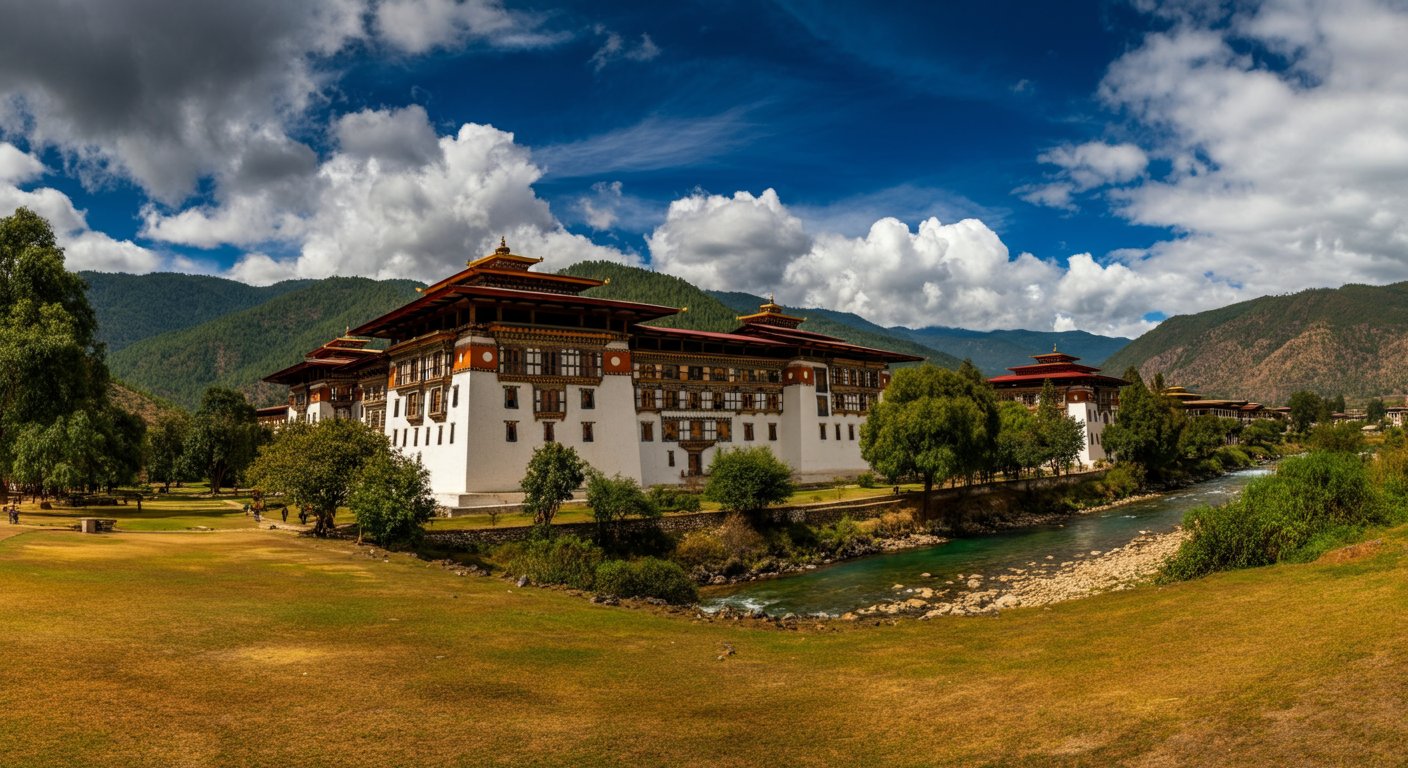
Key Details
Strategic Tourism Hub
Core of Bhutan's 'High Value, Low Volume' tourism, ensuring sustainable growth.
Stable Investment Climate
Benefits from Bhutan's consistent political and economic stability.
Limited Property Supply
Controlled development preserves cultural integrity and boosts asset value.
Luxury Travel Demand
Growing interest in high-end, experiential travel drives hospitality sector.
Cultural Heritage Value
Historic significance and natural beauty attract discerning investors.
Attributes
Cultural Heritage, Ecotourism, Himalayan Kingdom, Wellness Retreat, Adventure Travel, Spiritual Destination
Located in Punakha
Connectivity
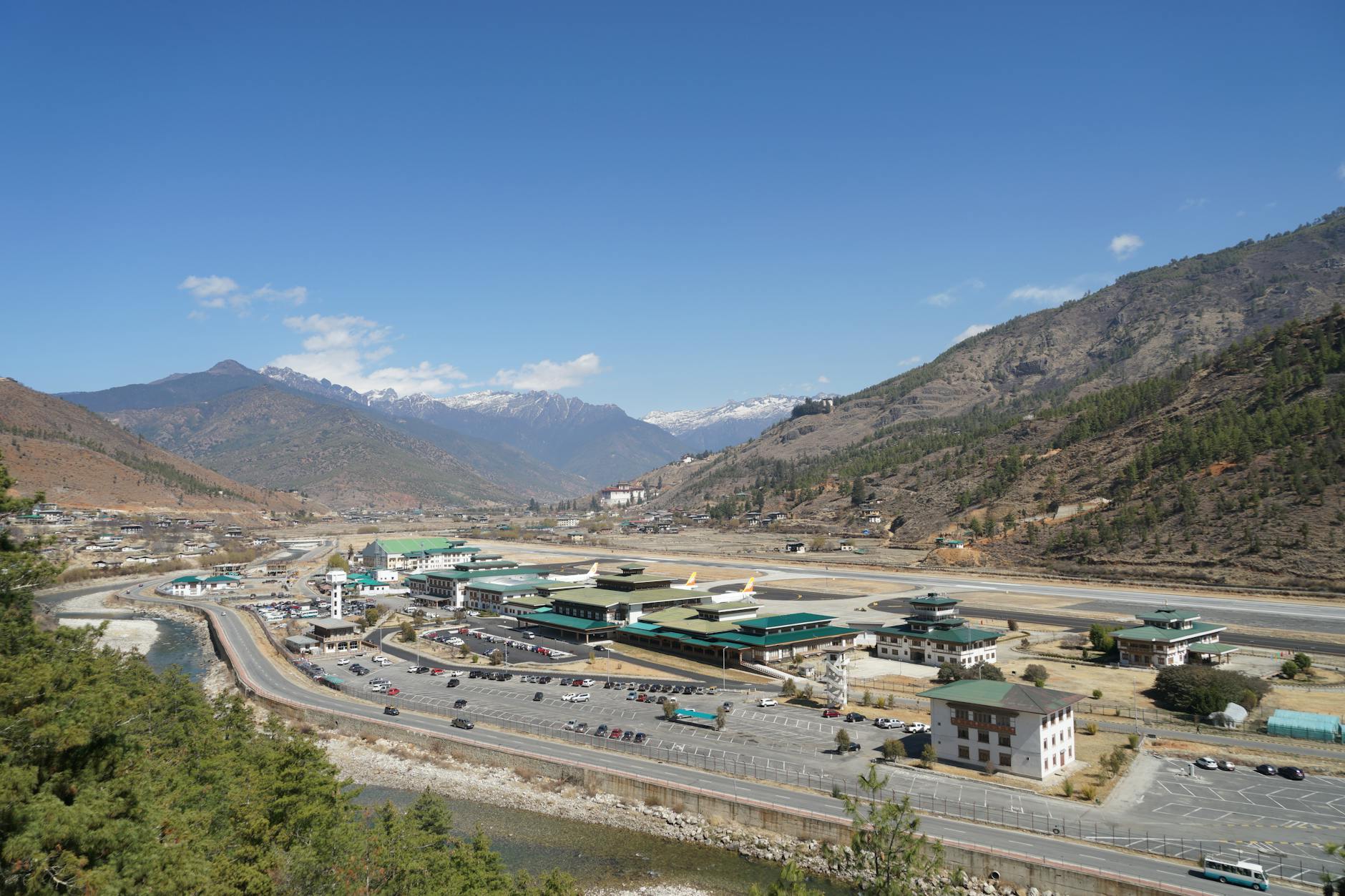
- Airport: Paro International Airport (PBH) 124 km
- Railway: Hasimara Railway Station (India) 259 km
- Highway: Lateral Road (Bhutan's main highway) 0 km
Key Landmarks
- Fortress: Punakha Dzong 5 min
- Temple: Chimi Lhakhang 20 min
- Bridge: Punakha Suspension Bridge 10 min
A Look into Punakha:
Punakha offers a serene investment landscape amidst breathtaking natural beauty and rich cultural heritage.
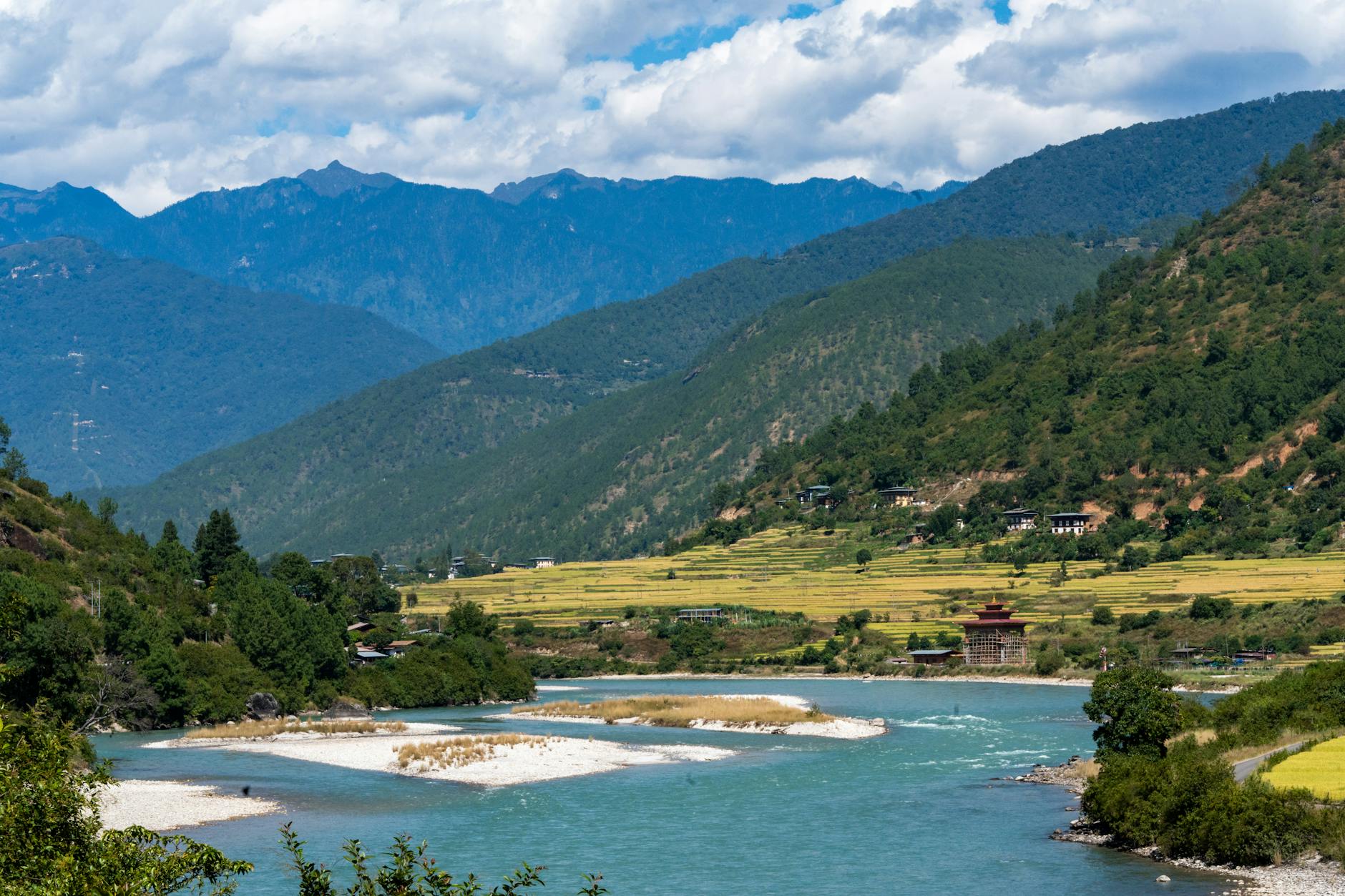
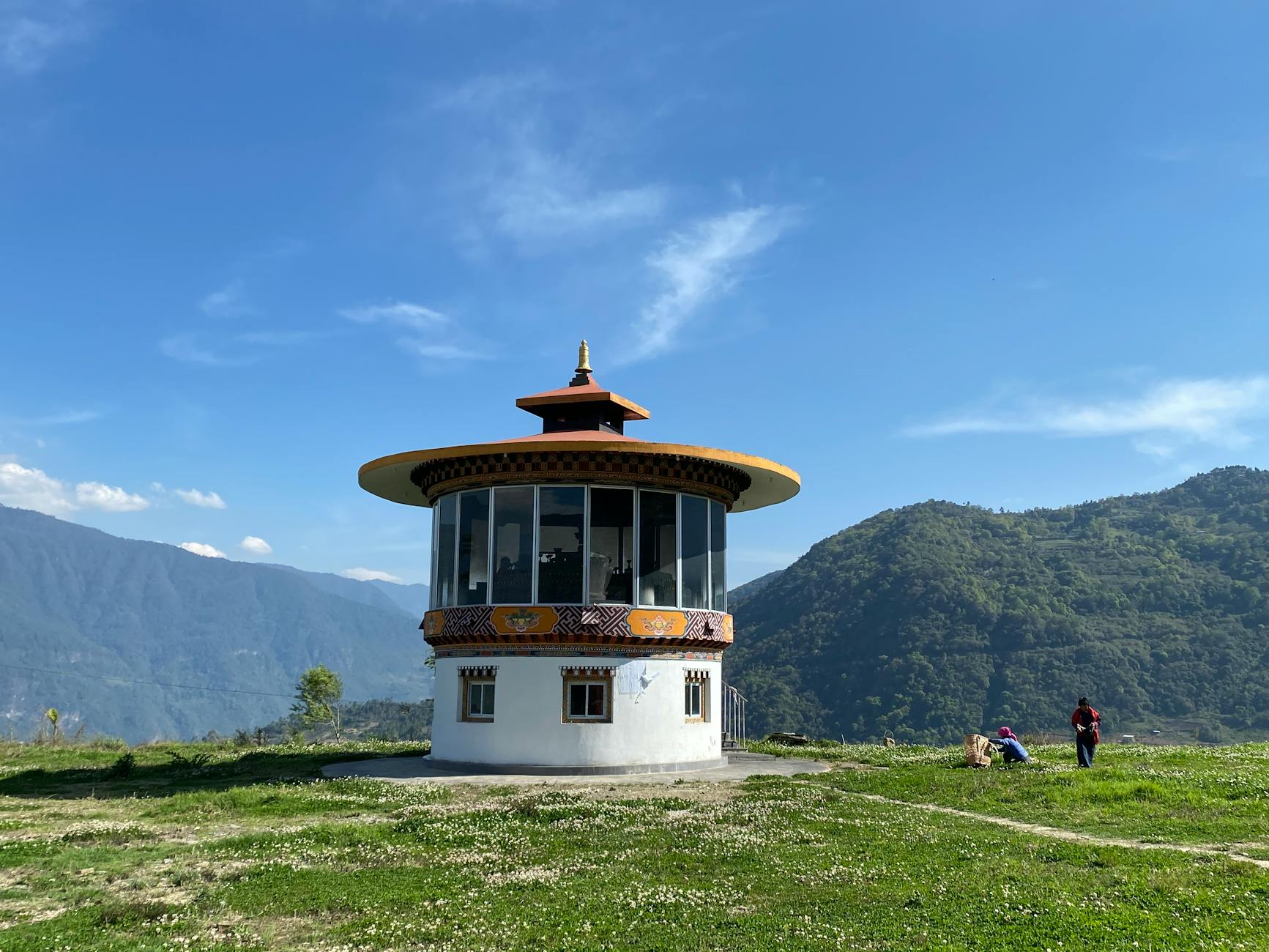
Punakha, the former capital of Bhutan, is a captivating valley nestled at an elevation of approximately 1,200 meters above sea level, where the Pho Chhu and Mo Chhu rivers converge. This picturesque region is renowned for its fertile lands, ideal for rice cultivation, and its subtropical climate, making it a lush destination year-round. The area exudes a tranquil, spiritual ambiance, defined by its iconic 17th-century Punakha Dzong and numerous ancient monasteries.
What to Expect:
Experience a tranquil pace of life amidst stunning landscapes and profound cultural traditions.
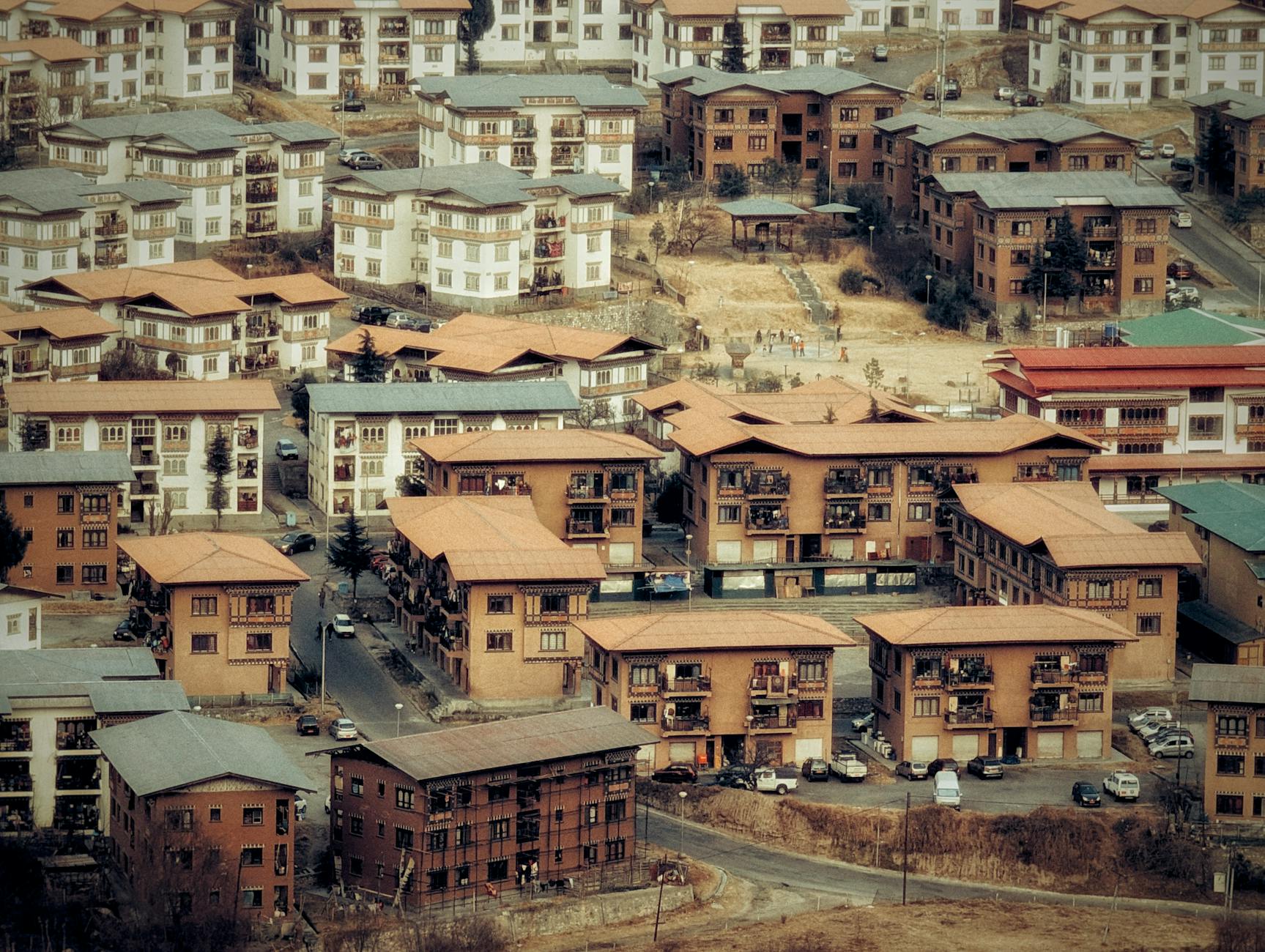
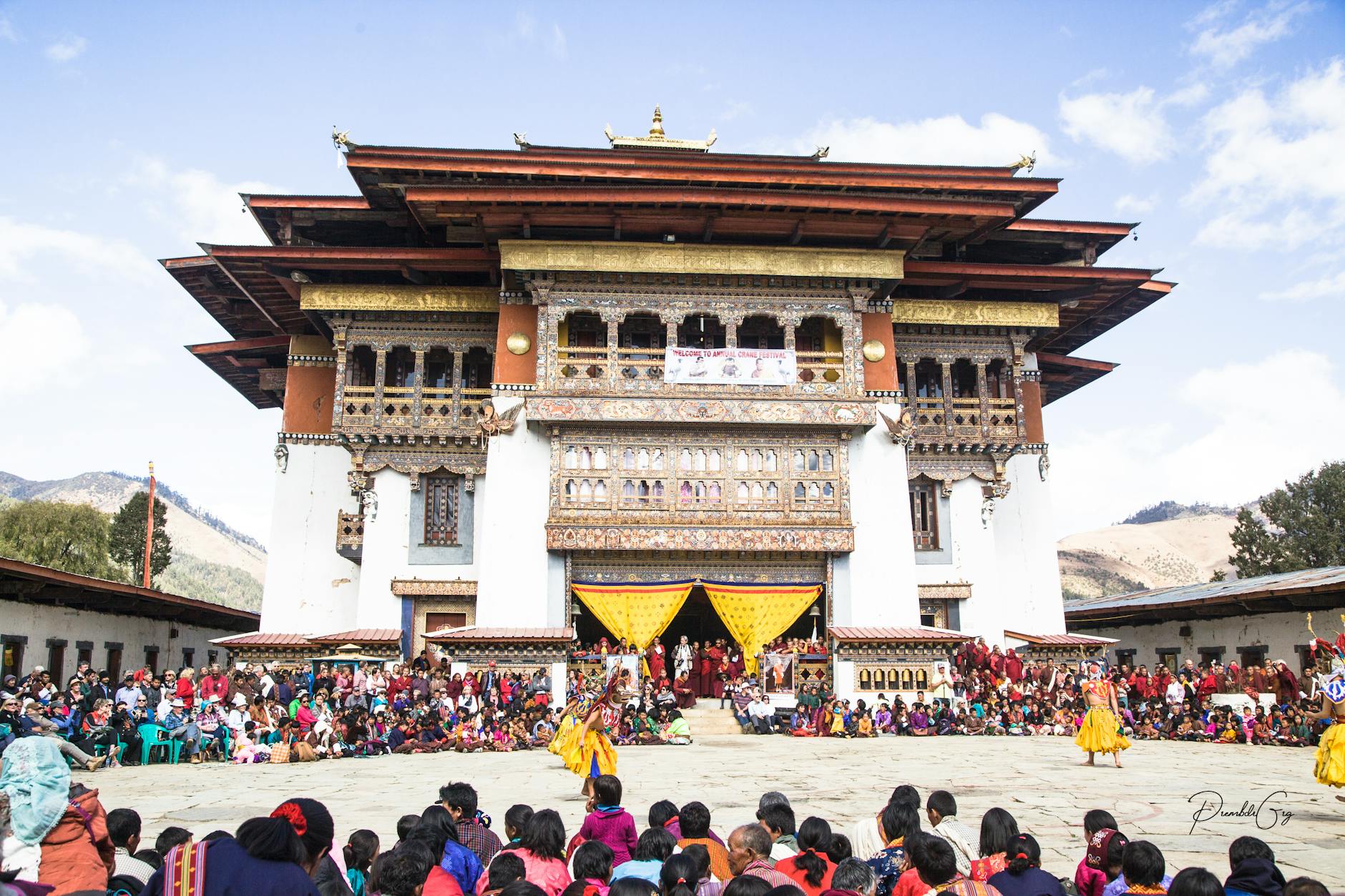
Daily life in Punakha unfolds with a gentle rhythm, deeply intertwined with nature and Buddhist traditions. Expect serene mornings, often accompanied by the sounds of monastic chants and flowing rivers. The community is welcoming, and local markets offer fresh produce and handicrafts. While tourism is a significant aspect, it integrates seamlessly, providing opportunities for cultural immersion without disrupting the peaceful local lifestyle.
The Lifestyle:
Embrace a lifestyle of spiritual tranquility, outdoor exploration, and deep cultural connection.
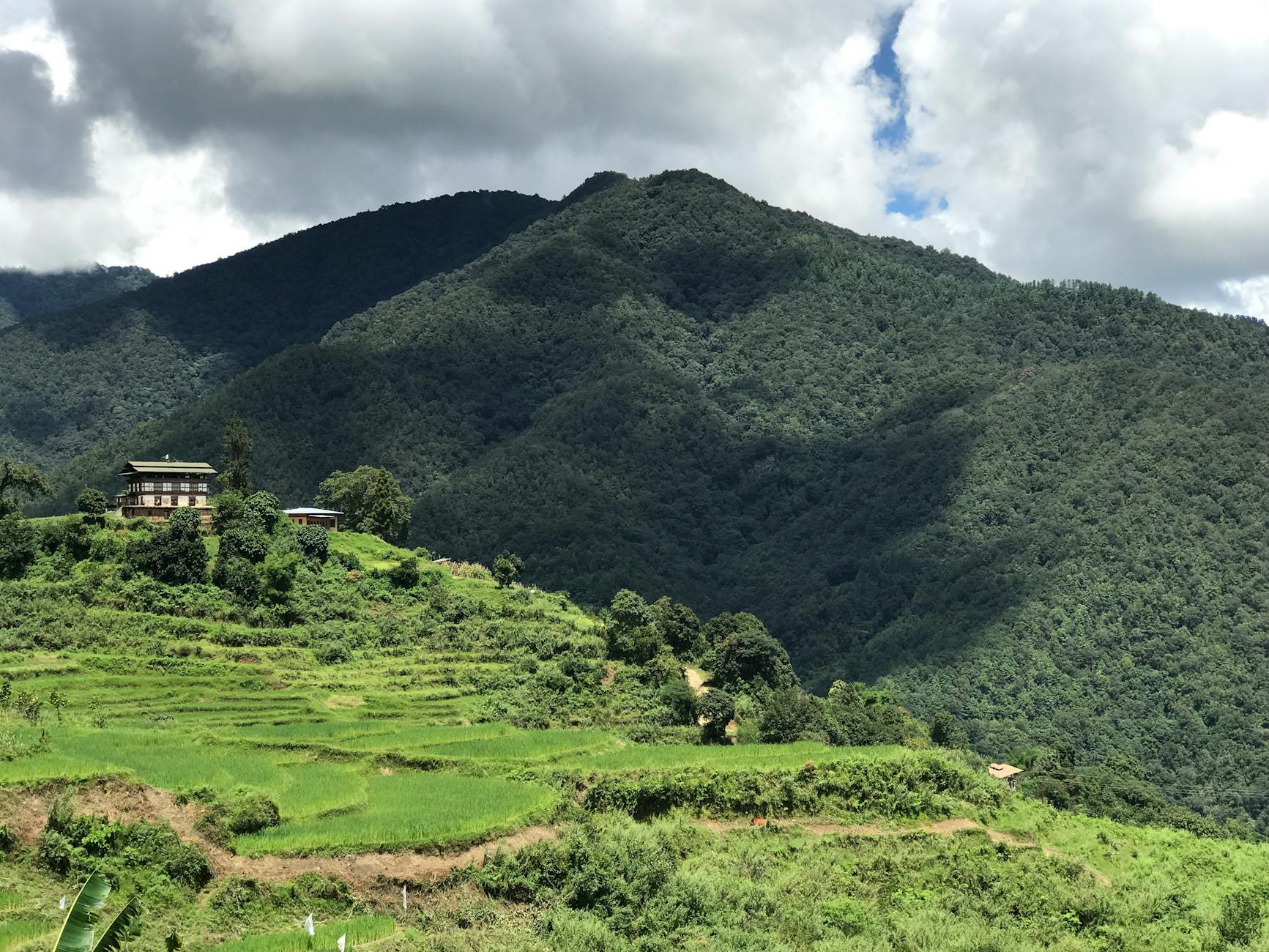
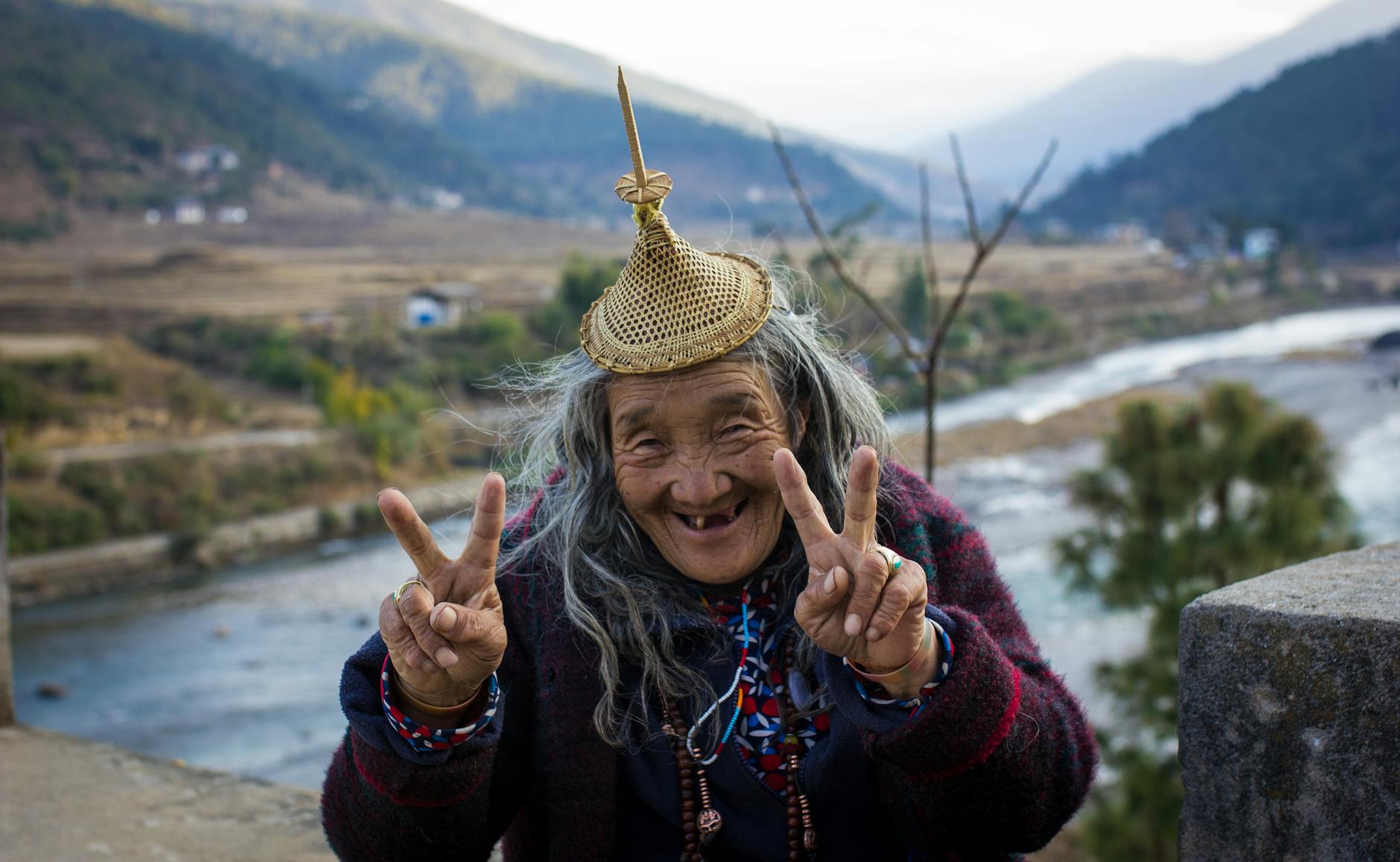
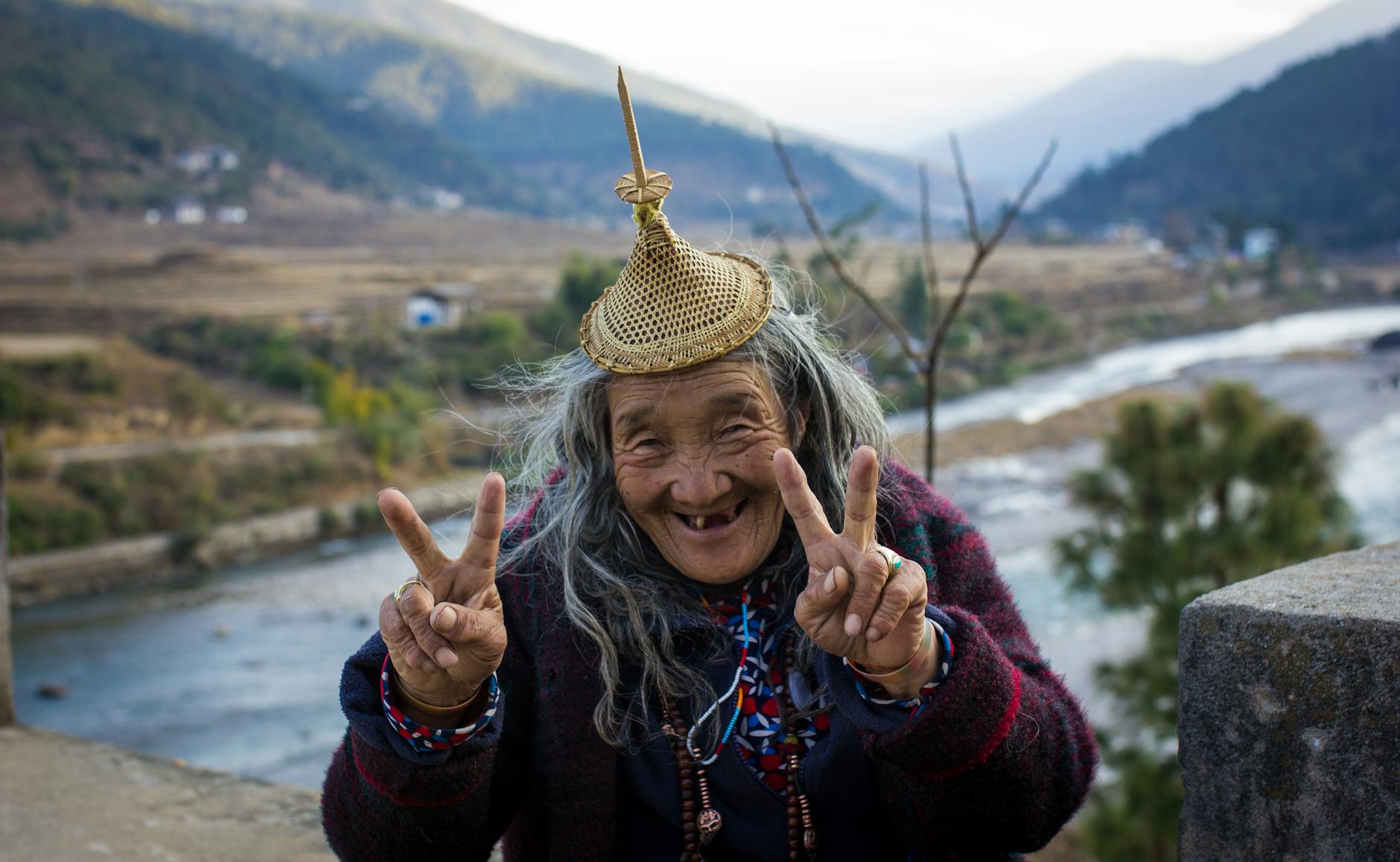
The lifestyle in Punakha is characterized by a harmonious blend of spiritual devotion, agricultural practices, and a burgeoning eco-tourism scene. Residents often engage in farming, particularly rice cultivation, along the fertile river valleys. Community life is strong, with festivals and religious ceremonies playing a central role.
You'll Fall in Love:
Discover Punakha's enchanting blend of majestic dzongs, verdant valleys, and spiritual serenity.
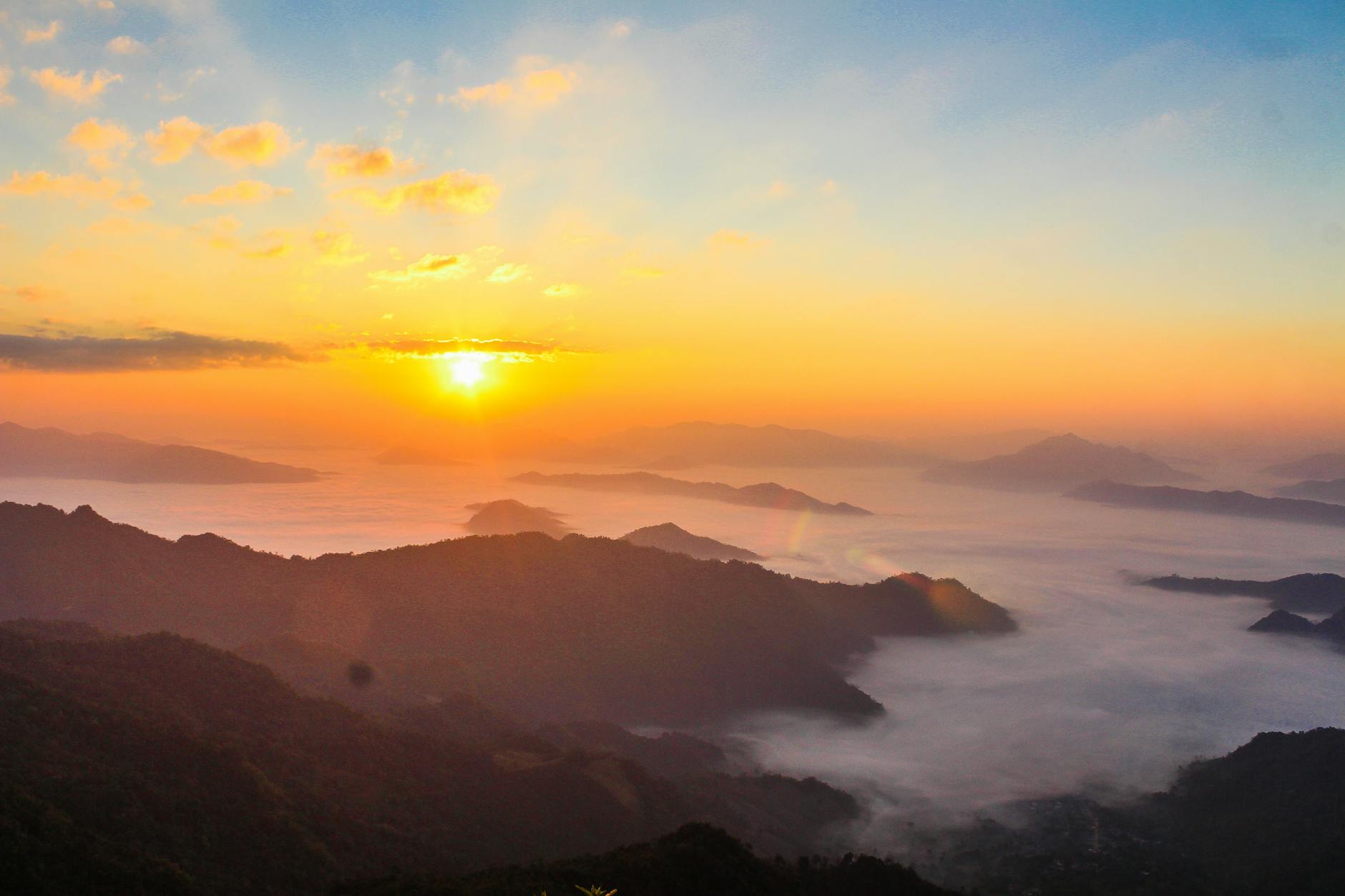
You will be captivated by Punakha's unparalleled beauty, from the majestic Punakha Dzong standing proudly at the river confluence to the vibrant green of its terraced rice fields. The serene atmosphere, infused with the scent of pine and the sounds of nature, offers a profound sense of peace.
Nearby Attractions:
Explore Punakha's rich tapestry of historical, spiritual, and natural wonders.
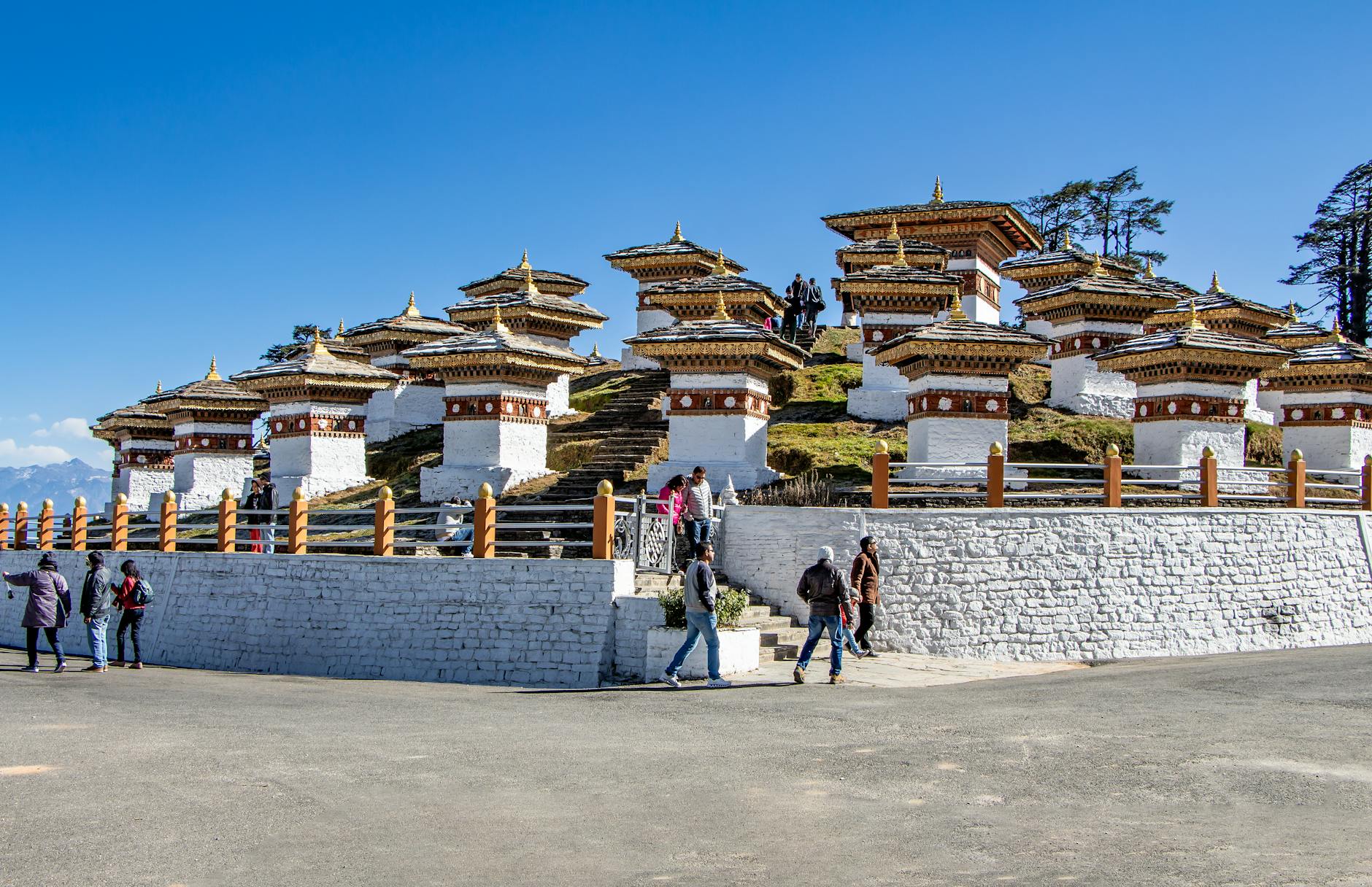
Punakha is surrounded by a wealth of attractions that enhance its appeal for both residents and tourists. These sites offer deep cultural insights, breathtaking natural beauty, and opportunities for adventure, significantly contributing to the area's lifestyle and investment potential, particularly in the hospitality sector.
| Attraction | Type | Highlight | Distance |
|---|---|---|---|
| Punakha Dzong | Fortress | Majestic 17th-century fortress at river confluence. | 4.5 km |
| Chimi Lhakhang | Temple | Fertility temple, popular pilgrimage site. | 10.2 km |
| Punakha Suspension Bridge | Bridge | One of Bhutan's longest suspension bridges. | 5.0 km |
| Sangchhen Dorji Lhuendrup Nunnery | Nunnery | Hilltop nunnery with panoramic valley views. | 2.8 km |
Schools & Education:
Quality education options are available, supporting local families and expatriates.
Punakha offers several educational institutions, primarily focusing on primary and secondary education. These schools uphold Bhutan's commitment to holistic learning, integrating traditional values with modern curricula, serving the local community effectively.
| School | Type | Grades | Distance |
|---|---|---|---|
| Punakha Central School | Public | K to 12 | 3.1 km |
| Khuru Primary School | Public | K to 6 | 7.8 km |
| Kabjisa Primary School | Public | K to 6 | 12.5 km |
Healthcare:
Access to essential medical services ensures community well-being and peace of mind.
Healthcare facilities in Punakha provide essential medical services to residents and visitors. These institutions are vital for maintaining public health and offer general medical care, ensuring a secure living environment for all.
| Hospital | Type | Specialty | Distance |
|---|---|---|---|
| Punakha Hospital | Government | General | 4.0 km |
| Rinchengang Basic Health Unit | Government | General | 8.5 km |

Dining & Cafés:
Savor authentic Bhutanese flavors and international cuisine in Punakha's charming eateries.
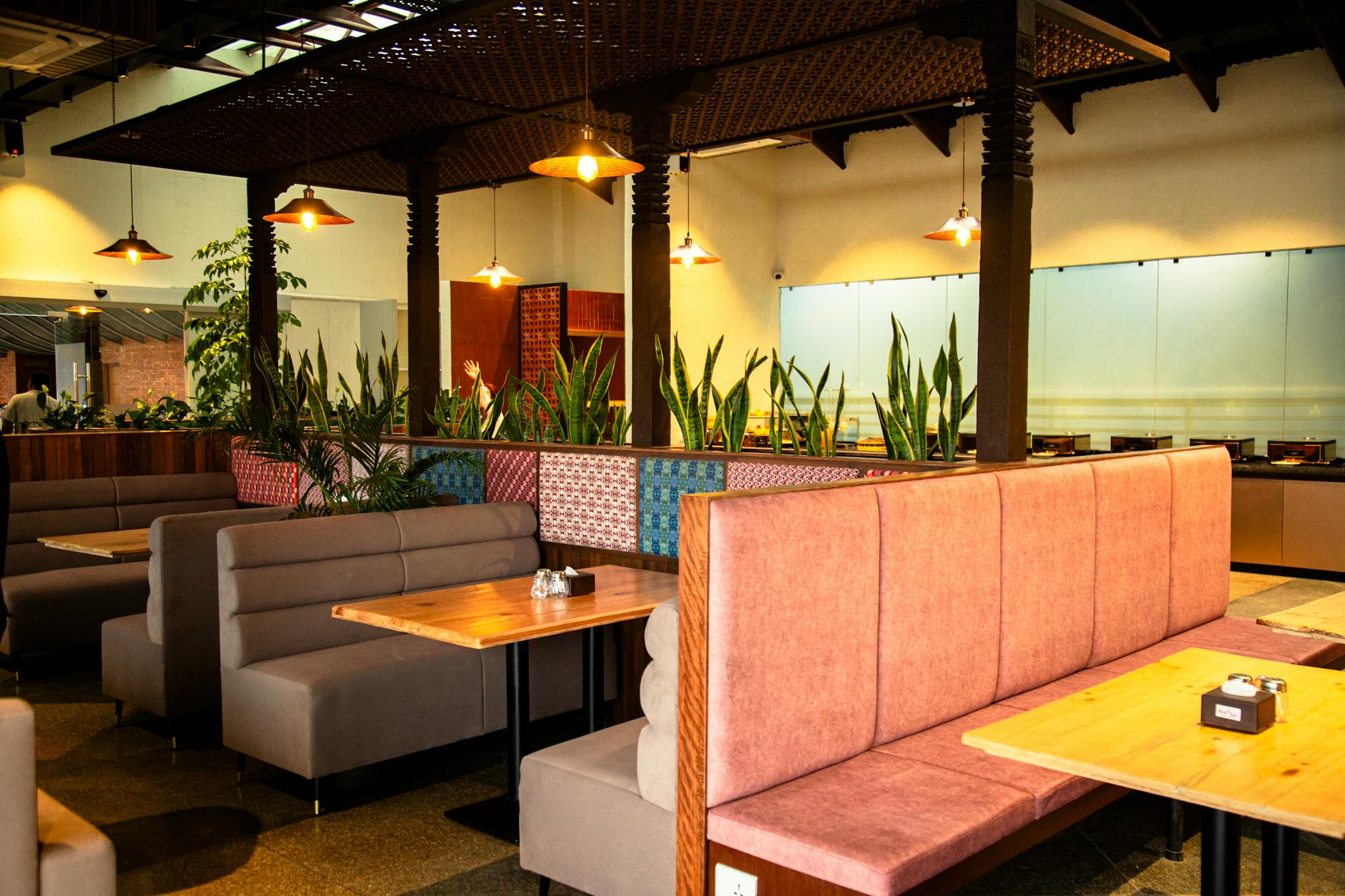
Punakha's dining scene offers a delightful exploration of Bhutanese culinary traditions, with a focus on fresh, local ingredients. From spicy national dishes to more international fare, the restaurants cater to diverse palates, enhancing the lifestyle appeal and providing attractive options for tourists and residents alike, contributing to the area's vibrant social fabric.
| Rating | Restaurant | Cuisine | Price | Distance |
|---|---|---|---|---|
| 4 | Dochula Resort Restaurant | Bhutanese, Indian, Continental | Nu.800+ | 45.0 km |
| 4.2 | Chimi Lhakhang Cafeteria | Bhutanese, Snacks | Nu.300+ | 10.2 km |
| 4.1 | Punakha Residency Restaurant | Bhutanese, Asian | Nu.600+ | 3.5 km |
| 4.3 | Zhingkham Resort Restaurant | Bhutanese, Multi-cuisine | Nu.700+ | 6.0 km |
Geography Profile:
Punakha's valley floor, fed by two major rivers, offers fertile land and stunning vistas.
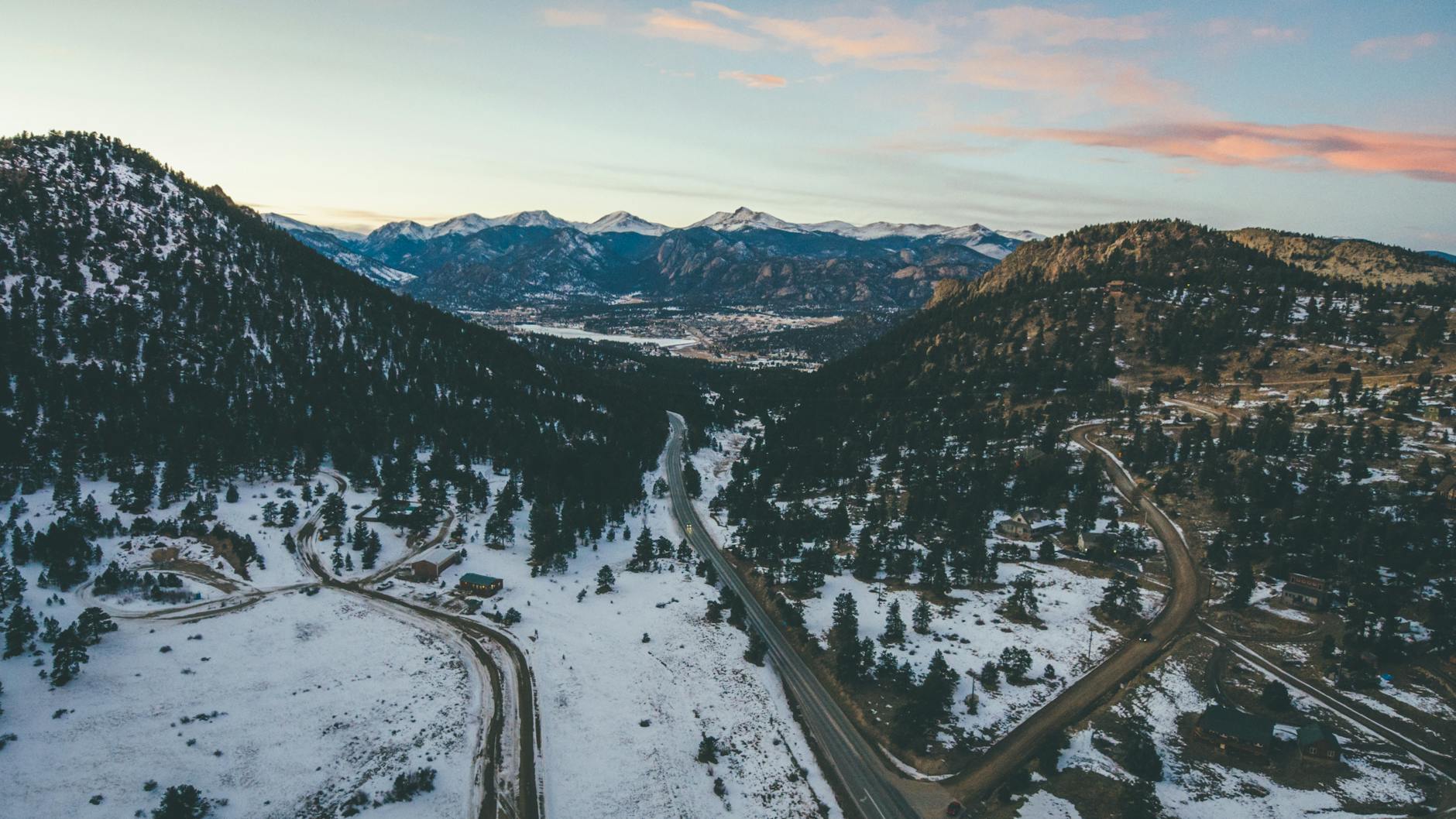
Punakha is situated in a valley at an elevation of approximately 1,200 to 1,300 meters above sea level, characterized by its relatively flat, fertile terrain. The landscape is dominated by the confluence of the Pho Chhu and Mo Chhu rivers, which carve through the valley, creating rich alluvial plains ideal for agriculture.
| Parameter | Value |
|---|---|
| Elevation | 1,200-1,300 m above sea level |
| Terrain Type | Valley, fertile plains, hilly |
| Water Bodies | Pho Chhu River, Mo Chhu River |
Soil & Ecology:
Rich alluvial soils support vibrant agriculture and diverse subtropical ecosystems.
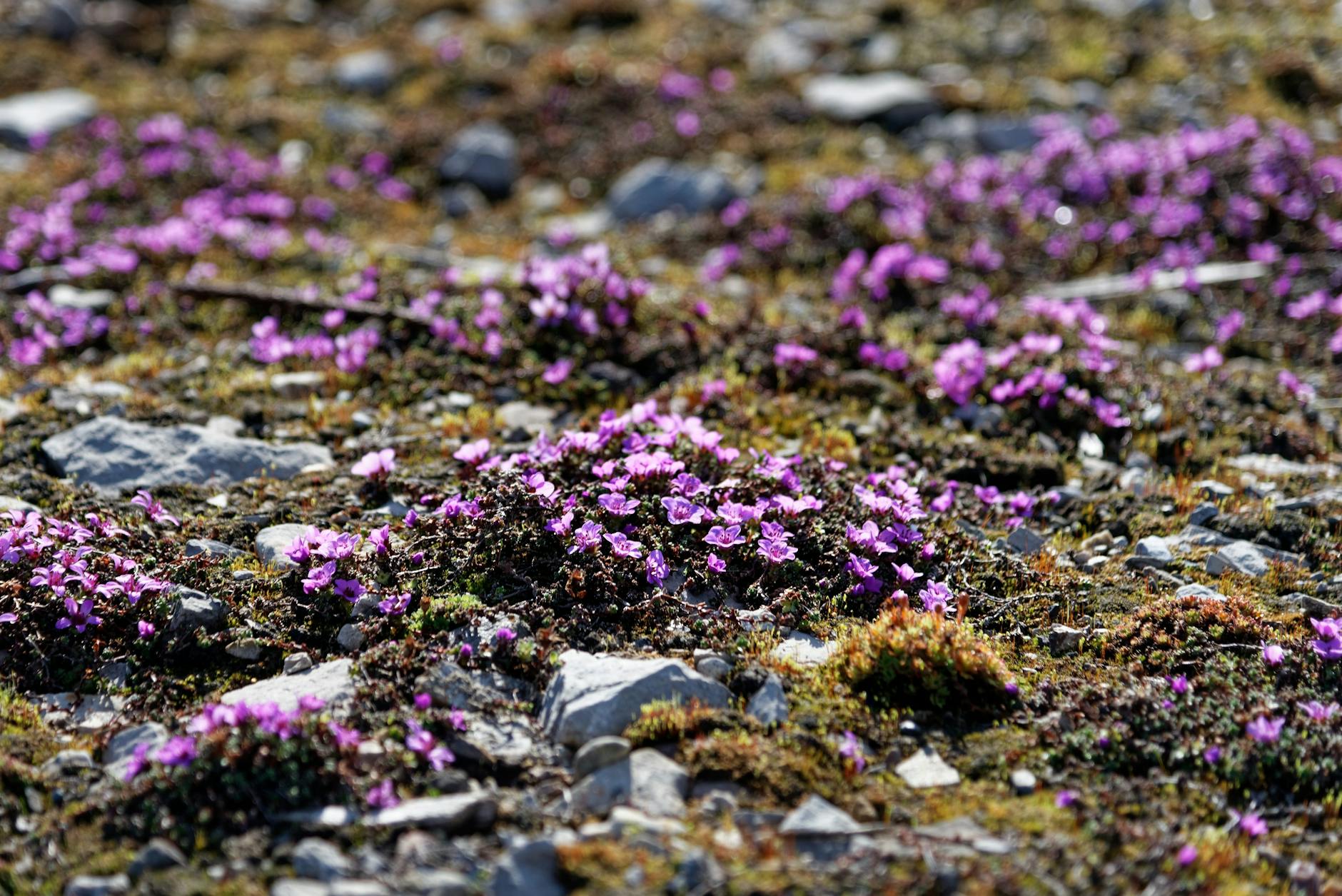
Punakha's ecology is defined by its fertile alluvial soils, particularly along the river valleys, which are highly conducive to rice and chili cultivation. The region boasts a subtropical climate, fostering lush vegetation and a rich biodiversity. Surrounding forests are home to various flora, including rhododendrons in higher elevations, and support a range of wildlife.
Climate Snapshot:
Enjoy Punakha's pleasant subtropical climate with warm winters and lush monsoons.
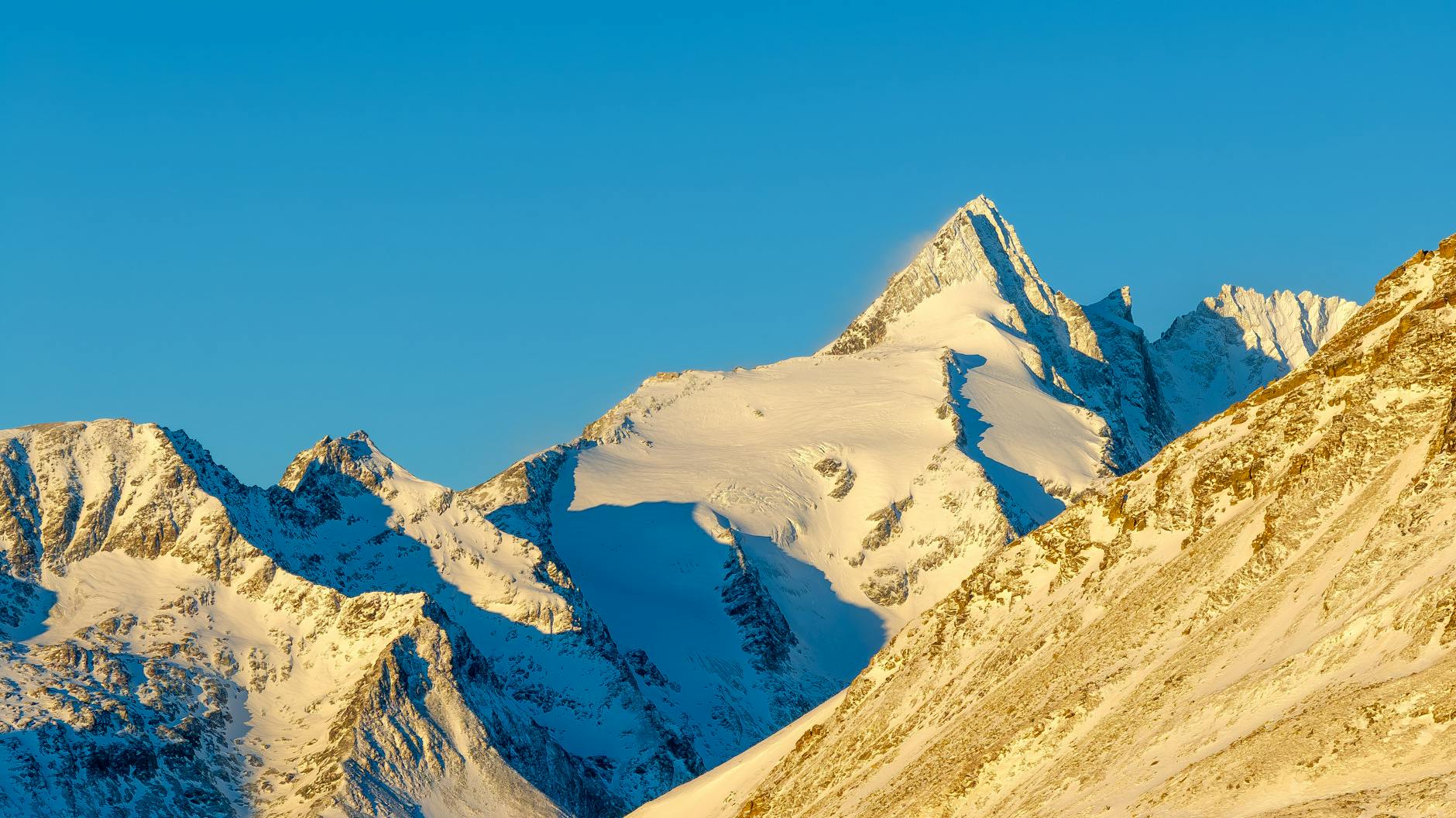
Punakha experiences a subtropical monsoon climate, offering generally pleasant weather year-round, distinct from the colder, higher-altitude regions of Bhutan. Winters are mild and dry, while summers are warm and humid, marked by the monsoon season from June to September. Spring (March-May) and Autumn (September-November) are considered the best times to visit, with comfortable temperatures and clear skies, ideal for outdoor activities and sightseeing.
| Parameter | Value |
|---|---|
| Air Quality | Good |
| Annual Rainfall mm | 1000 |
| Best Outdoor Season | March-May, September-November |
| Monsoon Months | June-August |
| Temperature Range | 10°C to 26°C |
Demand, Occupancy & ADR:
Robust tourism growth and strategic policies drive strong real estate demand.
Bhutan's 'High Value, Low Volume' tourism policy ensures sustainable growth, attracting discerning travelers to Punakha. This strategy, coupled with increasing tourist arrivals, creates a consistent demand for quality accommodation and hospitality services, making it an attractive market for real estate investment.
Data Quality Note: Many metrics below are indicative estimates rather than verified sources. Conduct independent due diligence before making investment decisions. All metrics are estimates based on available data and market trends.
| Metric | Value | Period | Notes |
|---|---|---|---|
| Domestic Tourists | 94,280 | 2024 | Indian tourists, a significant portion of regional visitors to Bhutan. |
| Foreign Tourists | 50,785 | 2024 | International tourists to Bhutan, excluding Indian nationals. |
| Total Tourists | 145,065 | 2024 | Total tourist arrivals in Bhutan. |
| Registered Hotels | Estimated 100+ | 2024 | Punakha-specific estimate, based on tourism growth. |
| Avg. Annual Occupancy | 65% | Annual | Punakha-area estimate, varies by property type. |
| Peak ADR | Nu.18,000 | Dec-Feb | High-season average daily rate for premium properties. |
| Off-season ADR | Nu.6,000 | Jun-Sep | Low-season average daily rate, monsoon period. |
Yield, Appreciation & What Drives Variance:
Attractive yields driven by tourism and controlled market supply.
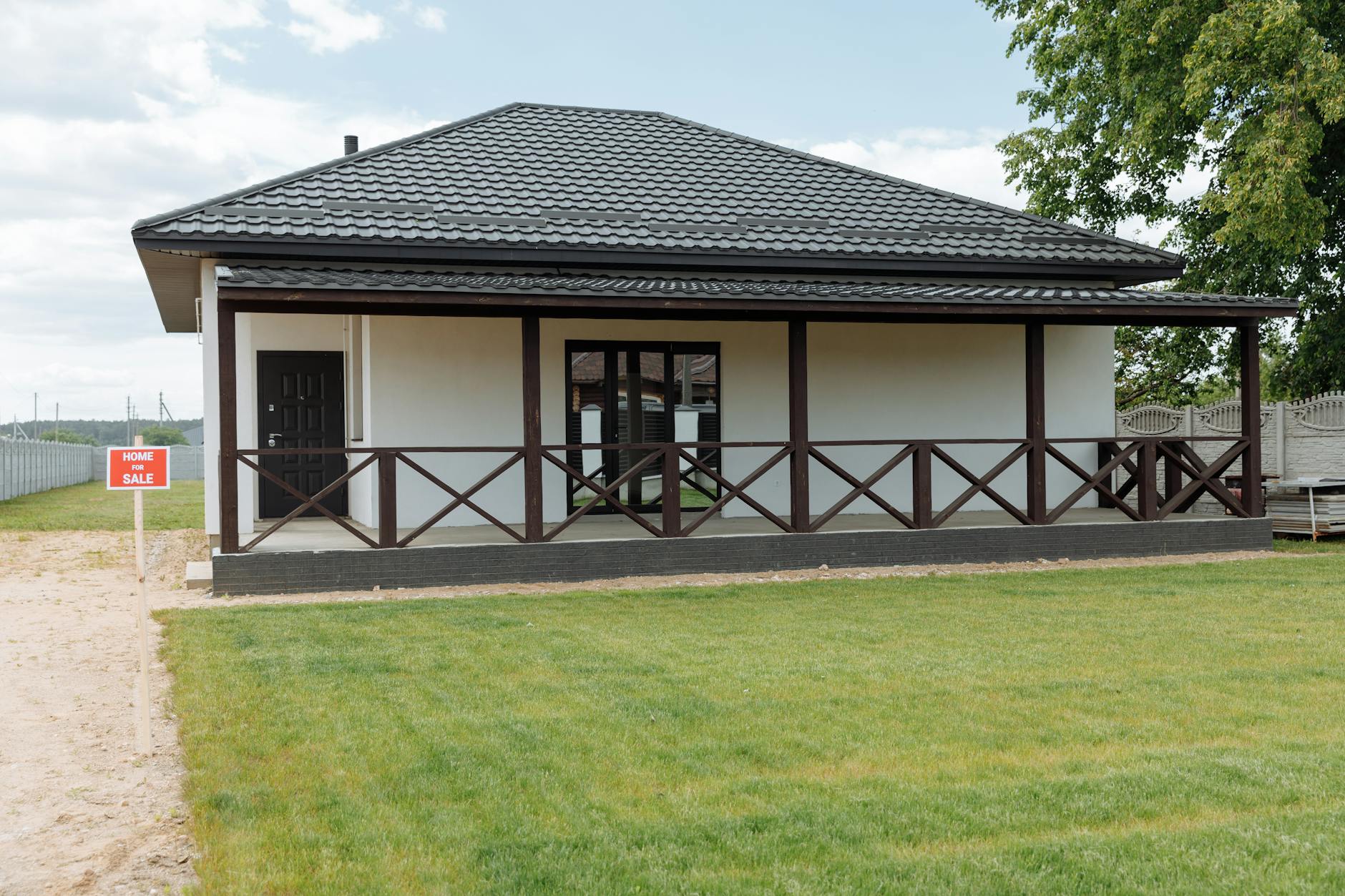
Punakha's real estate market offers promising yields, primarily fueled by the robust tourism sector and the government's controlled development policies. High demand for quality accommodation, coupled with limited supply, contributes to strong rental income and capital appreciation, making it an appealing investment destination.
Data Quality Note: Many metrics below are indicative estimates rather than verified sources. Conduct independent due diligence before making investment decisions. Yield figures are estimates and can fluctuate based on market conditions and property management.
| Metric | Value | Trend | Notes |
|---|---|---|---|
| Managed-Rental Gross Yield | 5-8% | — | Varies significantly by operator efficiency and property type. |
| Capital Growth (YoY) | 10-15% | Strong | Driven by increasing tourism and limited new supply. |
| 5-Year CAGR (Capital) | 12% | Strong | Reflects sustained appreciation in a growing market. |
| Operator Quality Impact | High | — | Professional management significantly influences returns. |
| Post-Monsoon Maintenance | Critical | — | Essential for preserving property value and guest satisfaction. |
| Booking Channel Spread | Moderate | — | Mix of online travel agencies (OTAs) and direct bookings. |

Legal Ownership (Bhutan):
Reserved for Bhutanese citizens — foreigners cannot own property
Bhutan has some of Asia's strictest property rules. Only Bhutanese citizens can own land. Foreign nationals, including long-term residents, cannot purchase. Narrow exceptions: spouses of citizens (with government approval) and licensed foreign companies may lease for up to 50 years.
Always consult a licensed real estate attorney before purchase. Rules change; verify current law.
| Buyer Type | Permitted | Tenure | Conditions | Approval |
|---|---|---|---|---|
| Bhutanese Citizen | Yes | Freehold | Unrestricted | National Land Commission |
| Foreign National | No | None | Not permitted | Not applicable |
| Foreign Spouse of Citizen | Conditional | Freehold | Subject to government approval | Government approval (case-by-case) |
| Licensed Foreign Company | Conditional | Leasehold | Up to 50 years lease for licensed operations | Government / Ministry of Economic Affairs |

Capital Gains Tax (Bhutan):
Bhutan does not impose a specific capital gains tax on real estate sales.
Bhutan currently does not levy a specific capital gains tax on the sale of assets, including real estate.
Always confirm with a qualified tax professional.
| Holding Period | Classification | Tax Rate | Indexation |
|---|---|---|---|
| N/A | Real Estate | 0% | N/A |

Stamp Duty & Registration (Bhutan):
Property transfers incur a 3% stamp duty on the transaction value.
In Bhutan, the transfer of real estate is subject to a stamp duty of 3% of the transaction value.
| Ticket Size | Stamp Duty | Registration | Franking |
|---|---|---|---|
| All values | 3% | Included in stamp duty | — |
Digital Nomad Profile:
Bhutan — restricted kingdom with high-value low-volume tourism policy
Bhutan operates a Sustainable Development Fee (~$100/day minimum for tourists) and foreigners cannot own property. Infrastructure outside Thimphu is limited. Suits short cultural visits rather than long-term nomad life.
Data aggregated from public sources; figures are indicative and may vary seasonally. Verify current conditions before planning long-term stays.
| Metric | Category | Value | Source | Notes |
|---|---|---|---|---|
| Fixed Broadband (download) | Connectivity | ~32 Mbps | estimated | Small-town Bhutan estimate. |
| Mobile (4G/5G) | Connectivity | ~22 Mbps | estimated | Small-town Bhutan estimate. |
| Monthly Cost (1 person) | Cost | ~Nu.34,000 / ~$395 | estimated | Cheaper housing than Thimphu with smaller service base. |
| Rent — 1BR (city center) | Cost | ~Nu.7,500 / ~$87 | estimated | Proxy from Bhutan urban rent levels. |
| Mid-range meal for two | Cost | ~Nu.1,300 / ~$15 | estimated | Proxy from Bhutan dining levels. |
| Coworking (monthly pass) | Cost | ~Nu.5,000 / ~$58 | estimated | Unclear dedicated coworking inventory; hotel lounges more likely. |
| Coworking Spaces (within 5km) | Workspace | 0-1 | estimated | Very limited dedicated supply. |
| Air Quality (annual PM2.5) | Environment | ~7 µg/m³ | estimated | Generally clean valley environment. |
| Nomad Community | Community | Low | estimated | Scenic but not a meaningful nomad cluster. |
| English Level (daily use) | Community | High | estimated | English common in Bhutan's education/official system. |
| Digital Nomad Visa | Visa & Legal | No nomad visa (Sustainable Development Fee applies) | official | Tourist visa with mandatory SDF (~$100/day) | Foreigners cannot work or own property |
| Timezone | Visa & Legal | GMT+6 (BTT) | official | |
| Primary Language | Visa & Legal | Dzongkha | official |
Local Insights & Discussions
Real experiences from visitors and residents in Punakha
Be respectful and constructive in your comments.