Maharashtra: Area Guide, Getting There & Homes
Fetching weather details…
Maharashtra is India's most economically diverse state and home to its most varied second-home landscape. The Mumbai-Pune corridor anchors a network of weekend destinations: Lonavala, Khandala, Karjat, Igatpuri, Mahabaleshwar, and Panchgani in the Western Ghats; Alibag and the Konkan coast for beachfront homes; Nashik for vineyard estates and wellness retreats.
Homes for sale in Maharashtra →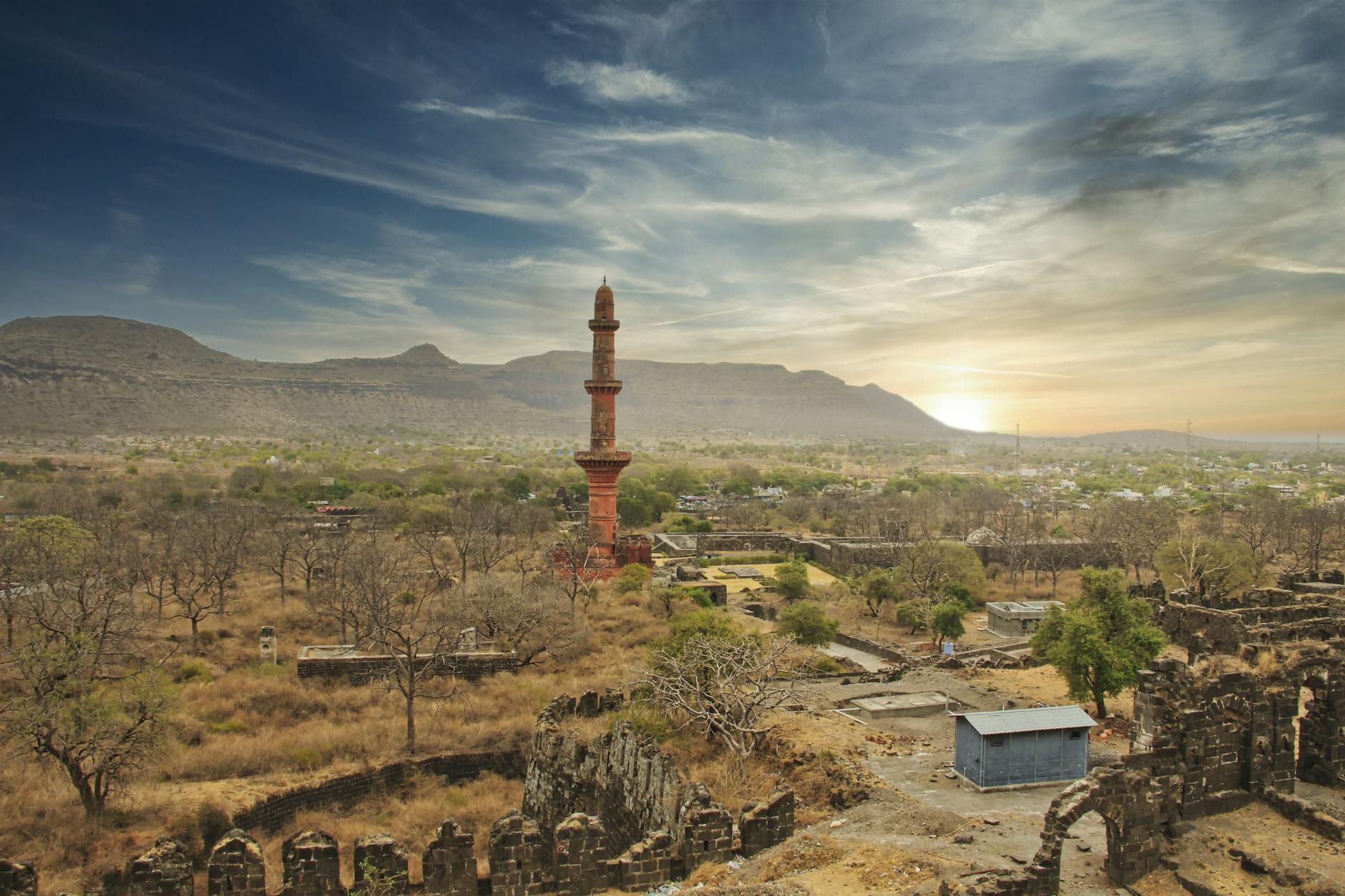
Key Details
Diverse Geography
Strongest Rental Demand
India's largest urban catchment (Mumbai, Pune, Nashik) drives the country's highest weekend-home rental yields.
Mature Infrastructure
Mumbai-Pune Expressway, Konkan Railway, Mumbai Trans Harbour Link — every destination is well-connected.
Attributes
Hills, Coastal, Diverse, Pleasant, Investment
Located in Maharashtra
Connectivity
- Airport: Mumbai (BOM) — Chhatrapati Shivaji Maharaj International Mumbai
- Airport: Pune (PNQ) — Lohegaon Airport Pune
- Highway: Mumbai-Pune Expressway
- Railway: Konkan Railway Coastal connectivity
Key Landmarks
- Iconic: Gateway of India, Mumbai —
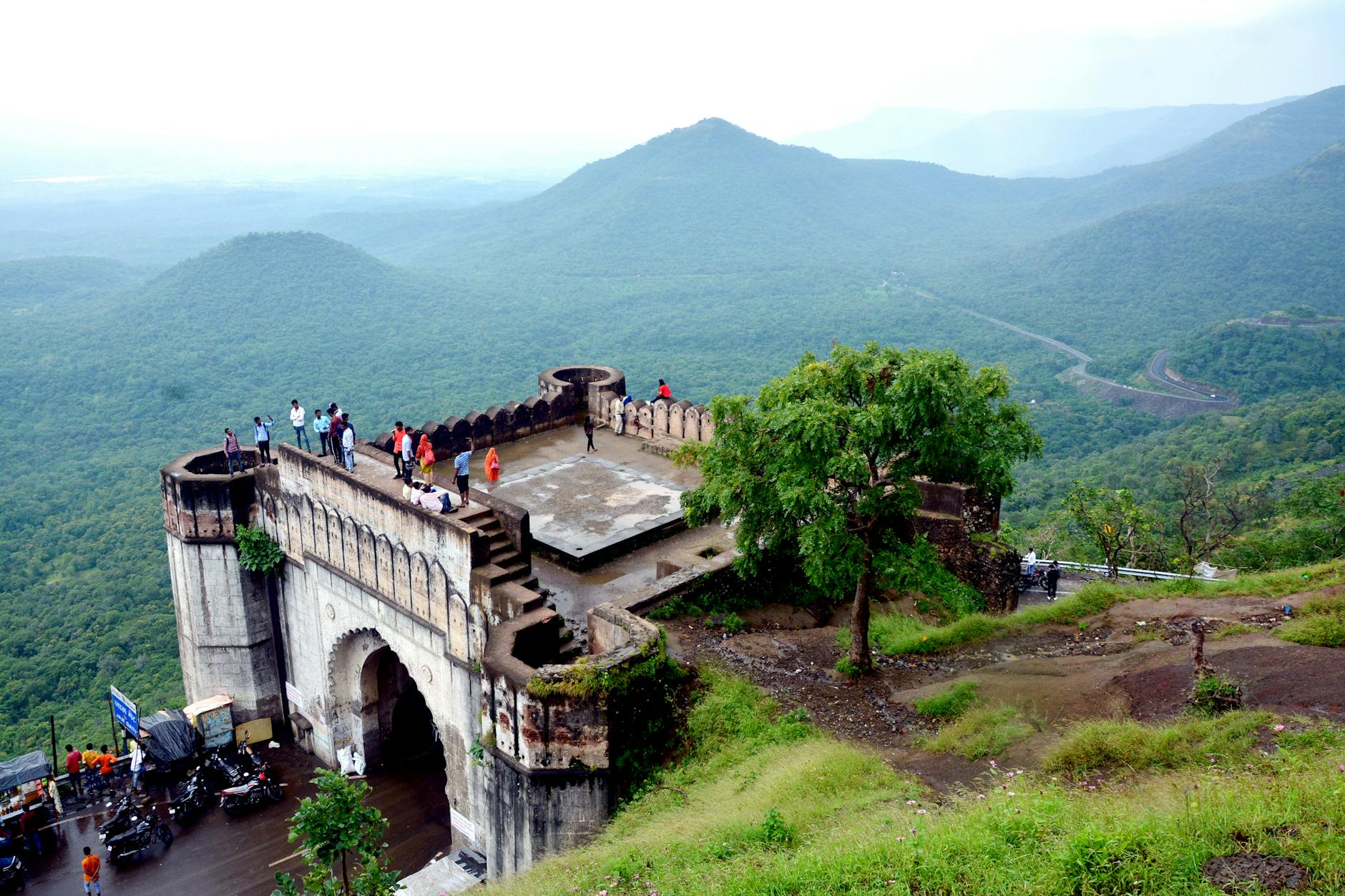
- Hill: Lonavala Lookout Points
- Beach: Alibag Beachfront
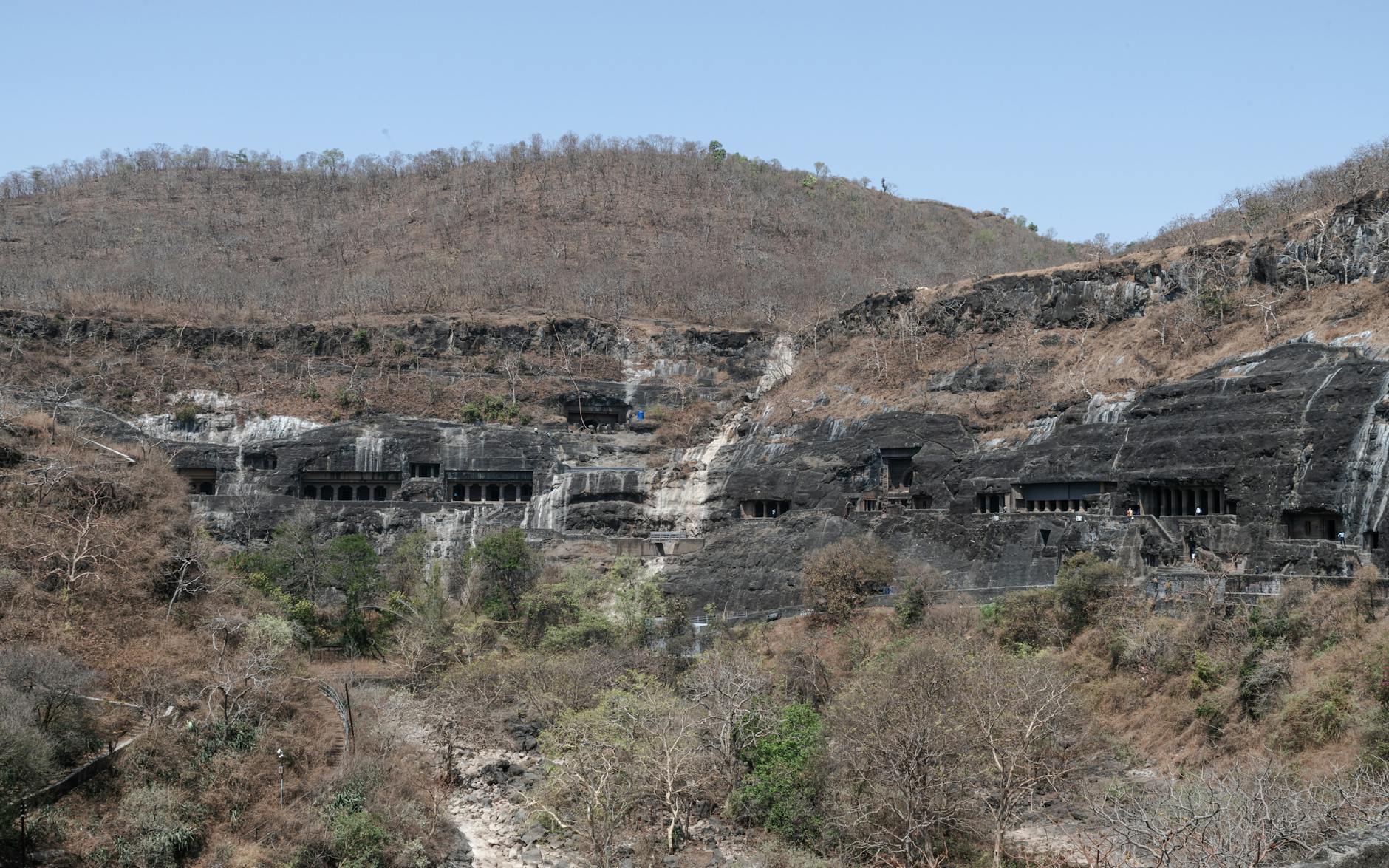
- Heritage: Ajanta & Ellora Caves Aurangabad
- Hill: Mahabaleshwar Plateau
Key Investment Thesis
Limited Land, High Demand
Scarcity of developable land, especially in prime Western Ghats locations like Lonavala, is a significant driver. With Mumbai and Pune's population growth, demand for weekend getaways outstrips new supply. This fundamental imbalance supports value retention and appreciation. Expect prices to reflect this constrained availability.
Infrastructure Catalysts Unlocking Value
The upcoming Navi Mumbai International Airport (NMIA) is a game changer. It will significantly reduce travel time for those heading to coastal Maharashtra and the Konkan region, unlocking new investment potential and accessibility for a broader buyer base seeking beachfront properties.
A Look into Maharashtra:
From Konkan beaches to the Western Ghats, Maharashtra's second-home map is unmatched in variety.
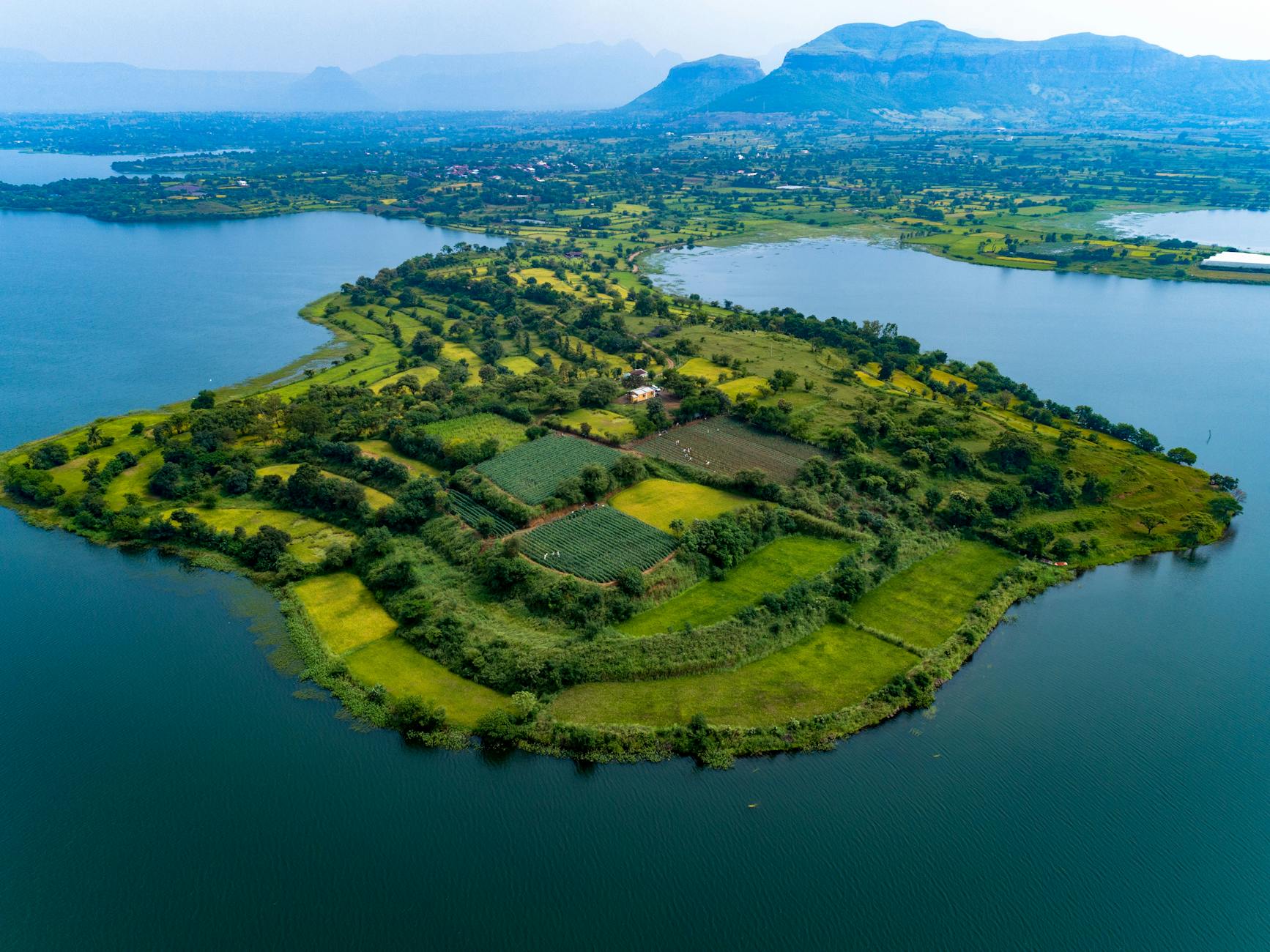
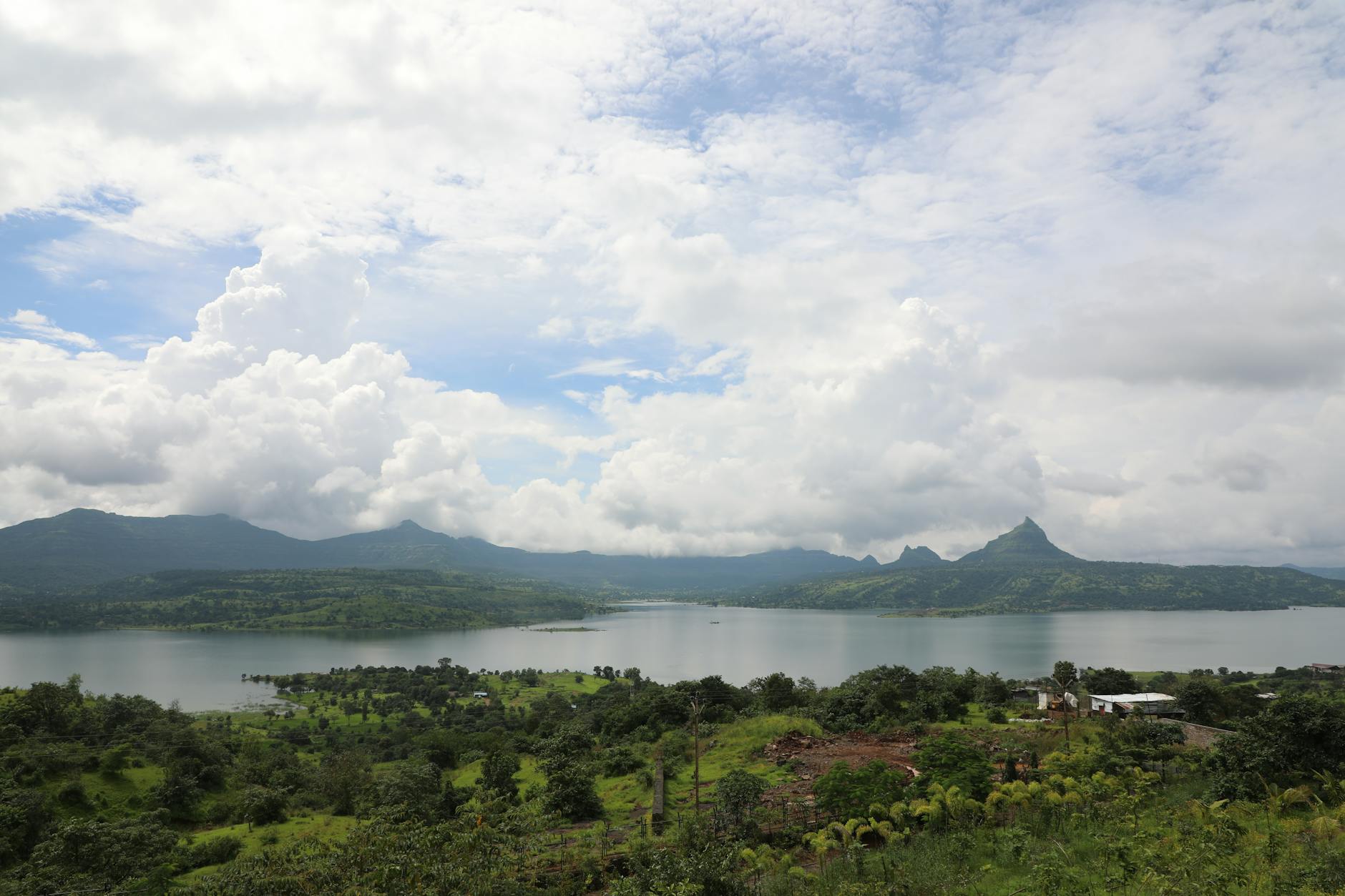
Maharashtra hosts India's most varied second-home corridor. The Western Ghats deliver Lonavala, Khandala, Karjat, Igatpuri, Mahabaleshwar, and Panchgani as classic hill weekend escapes. The Konkan coastline offers Alibag, Murud, Ganpatipule, and Tarkarli for beachfront living. Nashik anchors India's wine country, with vineyard estates and wellness retreats.
What to Expect:
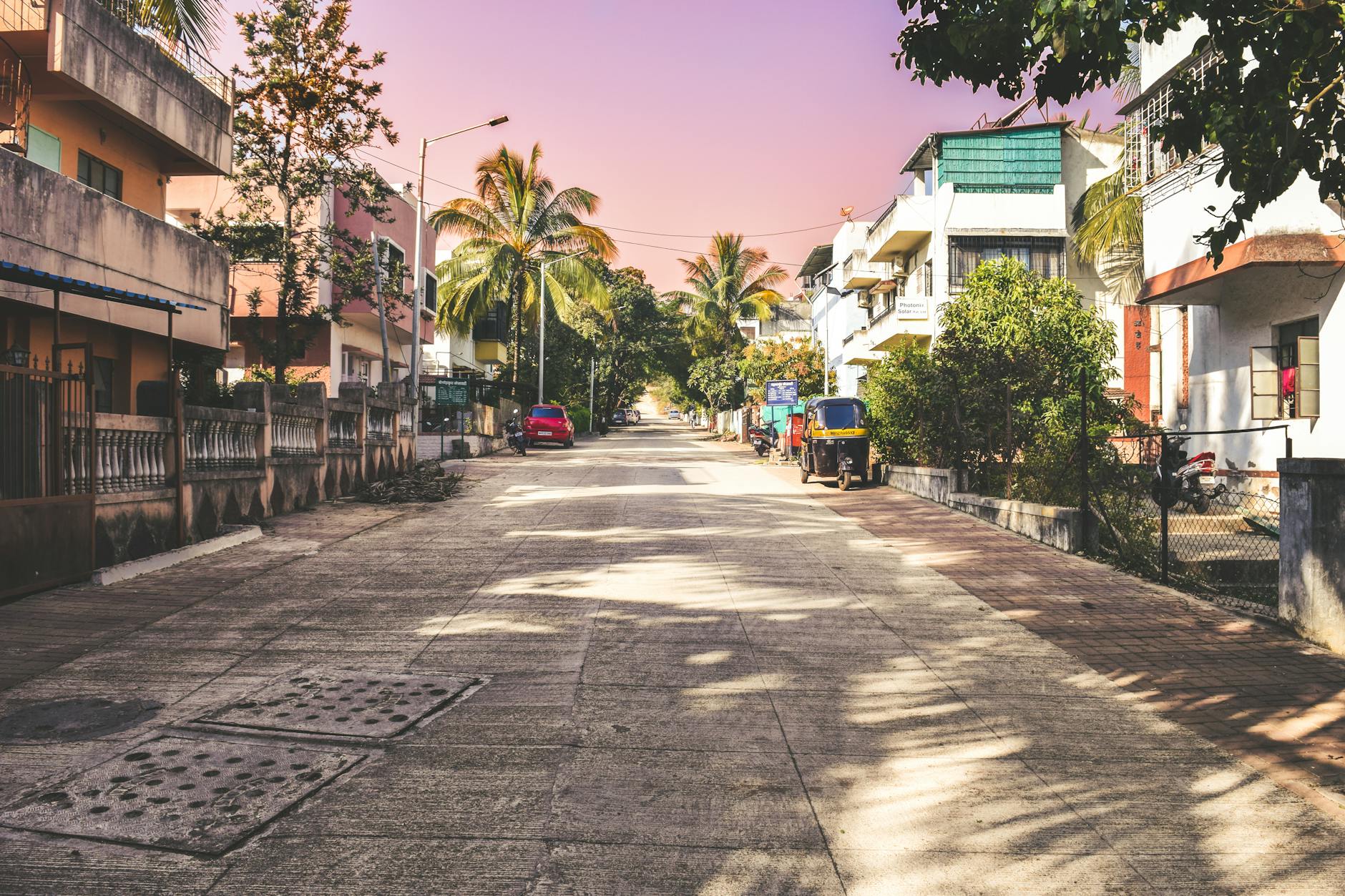
A weekend-home culture built around easy escapes from India's largest urban centres.
Mumbai's high-net-worth community drives a mature weekend-home market. Expect well-maintained highways, established hospitality, and a buyer base that treats second homes as serious investments rather than impulse purchases.
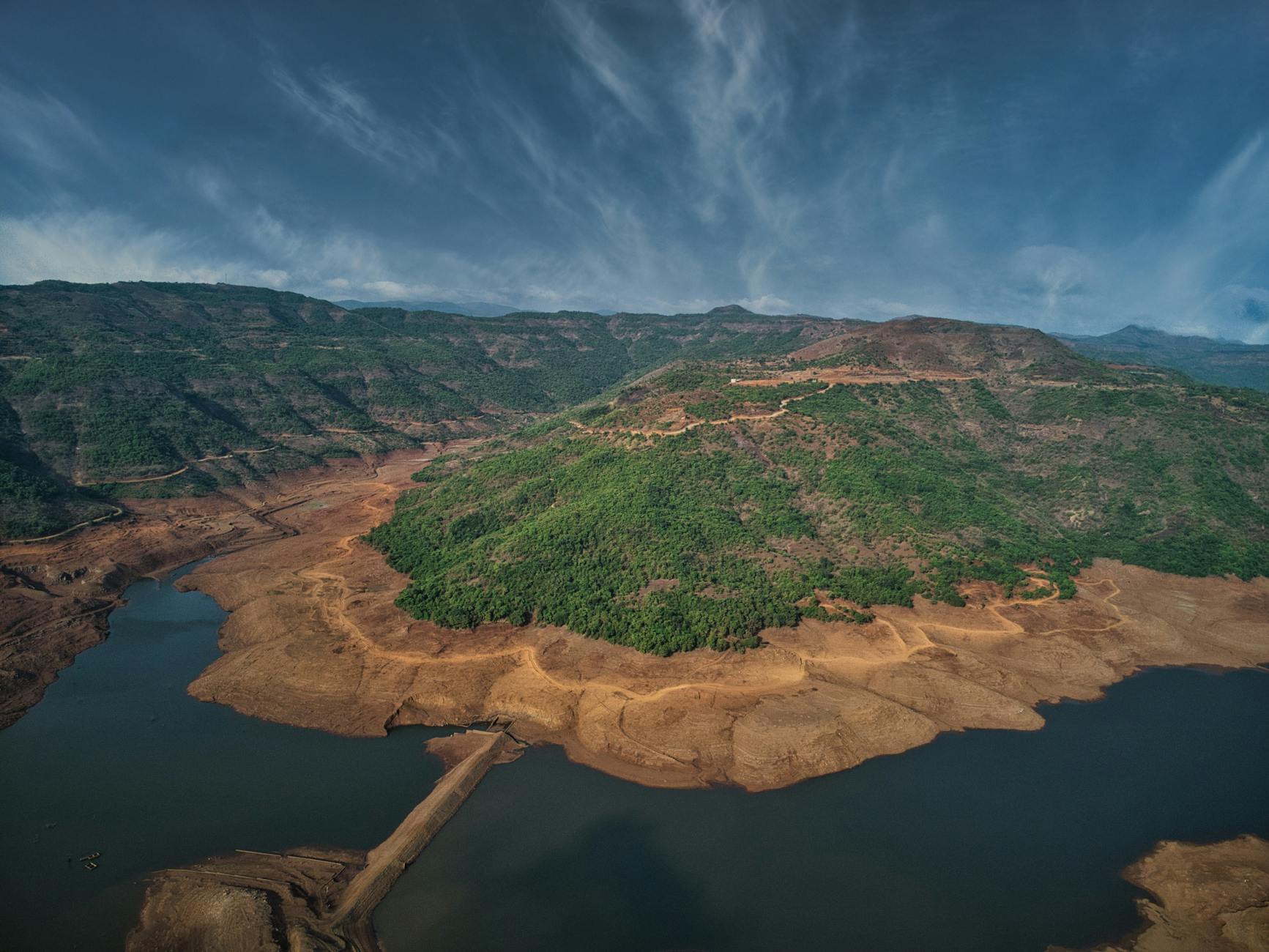
The Lifestyle:
Diverse weekends — beach, wine country, hill station, or wildlife — all within reach.
The Maharashtra second-home lifestyle is defined by choice. A Friday evening drive can lead to Konkan sunsets, monsoon hills in Lonavala, vineyard tastings in Nashik, or trekking in Karjat. Strong rental demand year-round (especially monsoon and winter) provides offset against ownership costs.
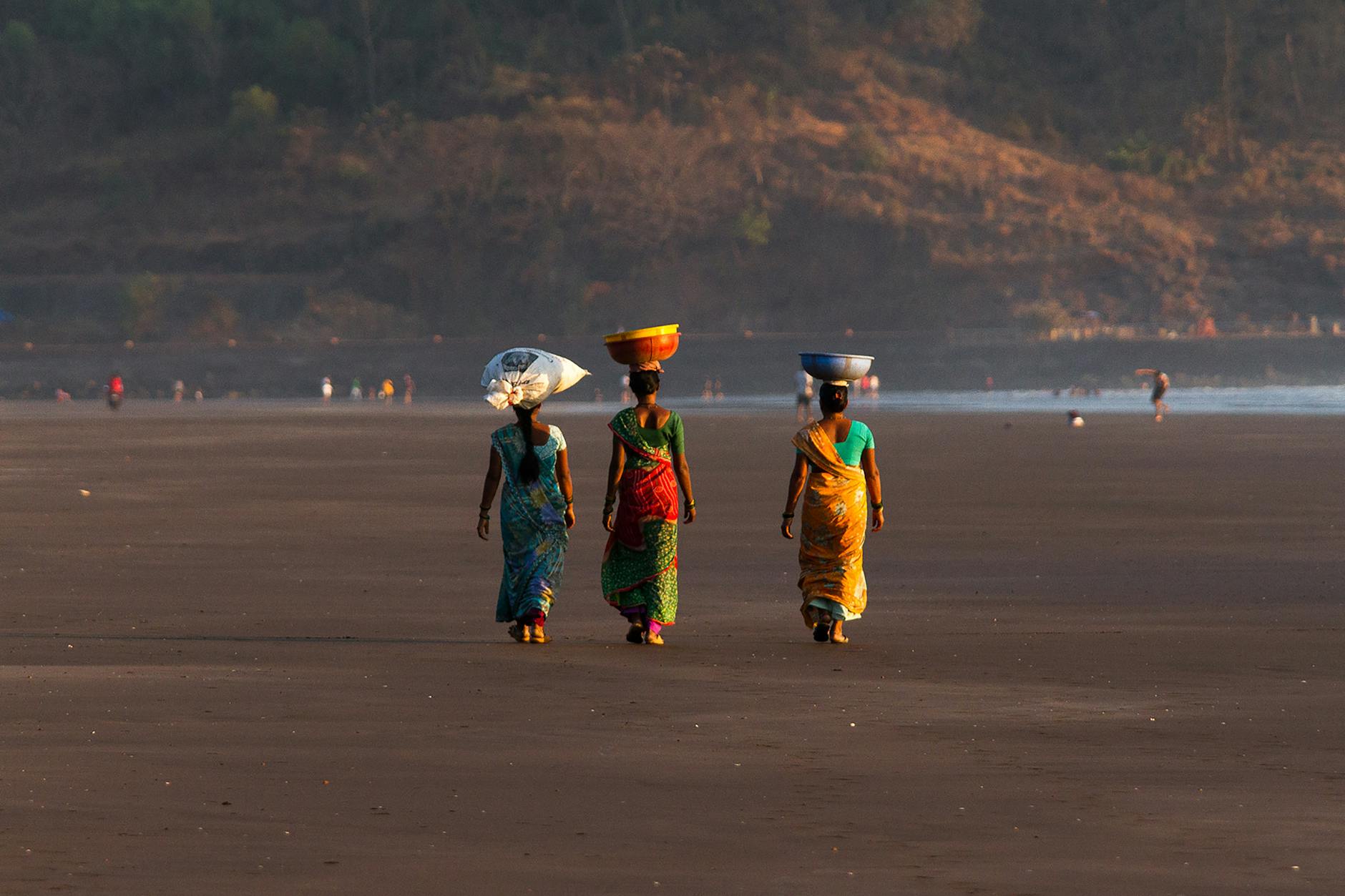
You'll Fall in Love:
The most rewarding second-home market in India — anchored by mature buyer demand and infrastructure.
What makes Maharashtra special is the alignment of supply, demand, and connectivity. The Mumbai-Pune economic engine drives weekend traffic year-round. Property appreciation in established corridors (Lonavala, Alibag, Karjat) has consistently outperformed urban housing. For buyers seeking lifestyle plus investment, Maharashtra is India's gold standard.
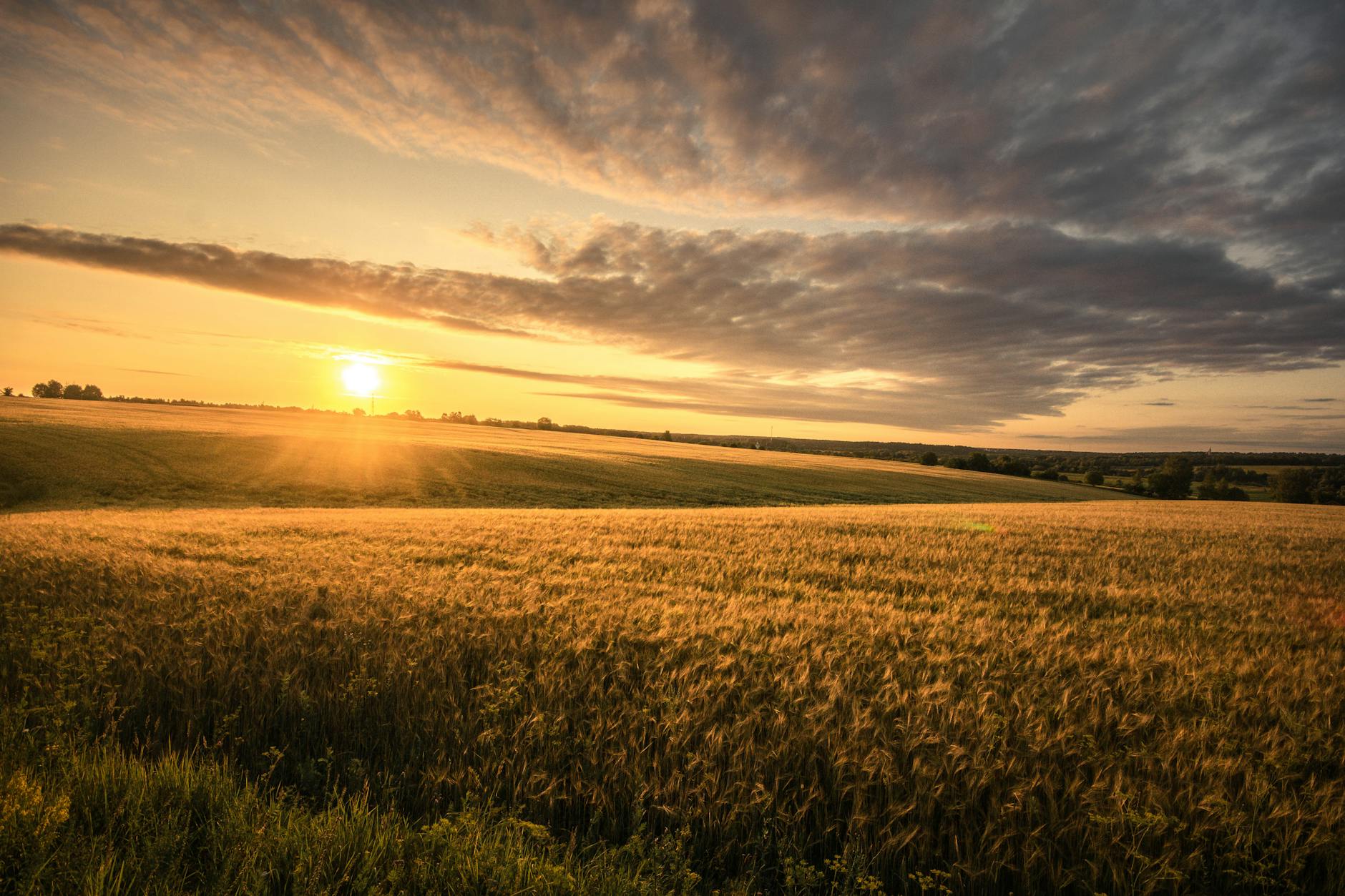
Nearby Attractions:
From colonial architecture to UNESCO caves to coastal forts
Maharashtra's tourist circuit covers heritage, nature, and beachfront in a single state.
| Attraction | Type | Highlight | Distance |
|---|---|---|---|
| Ajanta & Ellora Caves | UNESCO Heritage | Buddhist & Hindu rock-cut caves | Aurangabad |
| Gateway of India, Mumbai | Landmark | Iconic colonial monument | Mumbai |
| Mahabaleshwar Plateau | Hill Station | Strawberry farms, viewpoints | - |
| Bhimashankar Forest | Wildlife | Jyotirlinga + biodiversity reserve | - |
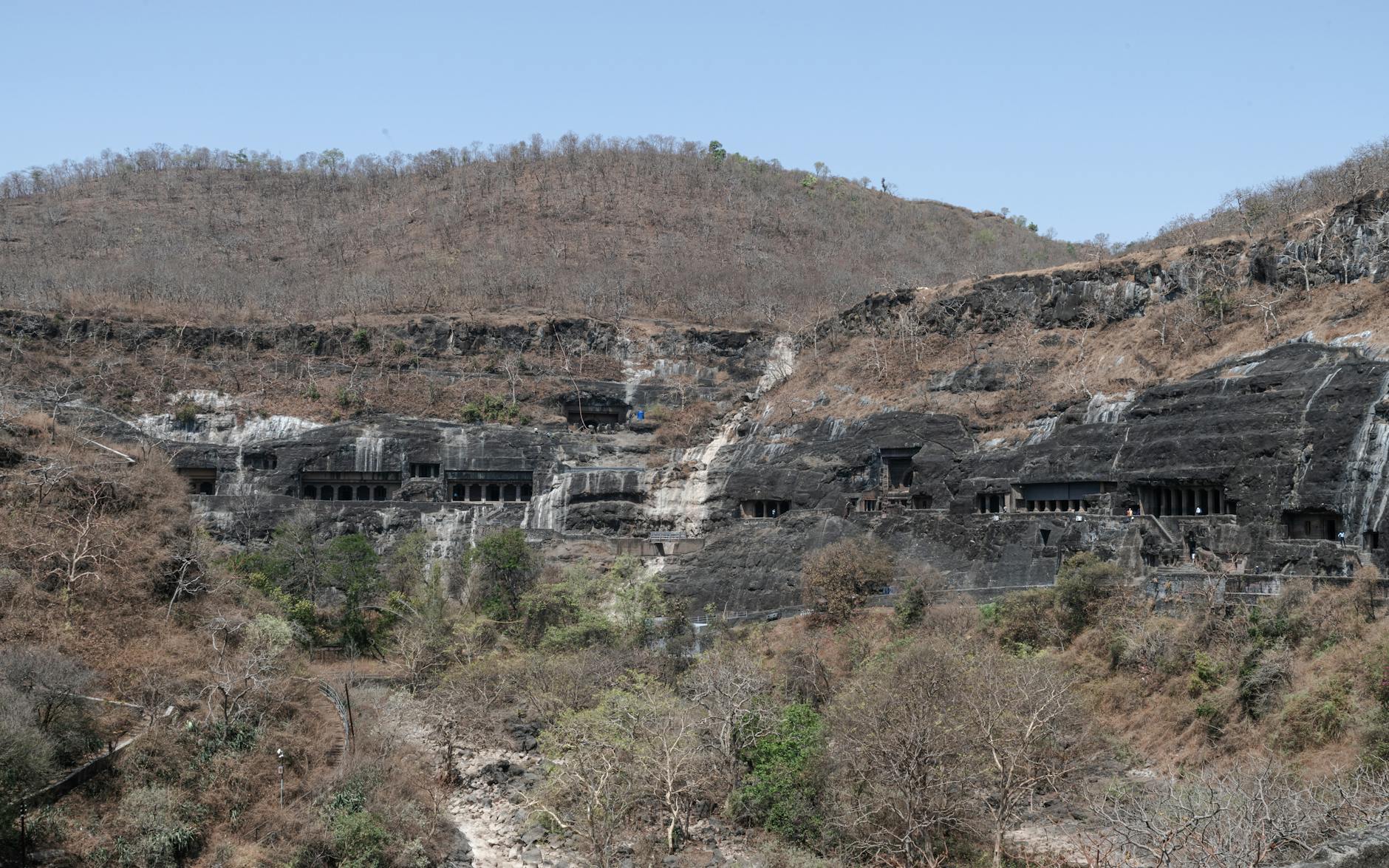
Schools & Education:
Top international and CBSE/ICSE schools
Maharashtra hosts India's deepest school ecosystem across Mumbai, Pune, and tier-II cities.
| School | Type | Distance |
|---|---|---|
| Cathedral & John Connon, Mumbai | ICSE/IGCSE | Mumbai |
| Dhirubhai Ambani International | IB | Mumbai |
| The Doon School (network) | Boarding | Lonavala-Pune corridor |
| Symbiosis International School | IB/CBSE | Pune |
Healthcare:
India's most concentrated healthcare ecosystem, with global-grade tertiary care.
| Hospital | Type | Specialty | Distance |
|---|---|---|---|
| Tata Memorial Hospital | Specialty | Oncology — globally renowned | Mumbai |
| Hinduja Hospital | Multi-Specialty | Comprehensive | Mumbai |
| Ruby Hall Clinic | Multi-Specialty | Pune flagship | Pune |
| Kokilaben Ambani Hospital | Multi-Specialty | Tertiary care | Mumbai |
Dining & Cafés:
From Bombay institutions to Pune neo-classical to coastal Konkan
Maharashtra's food map spans street-food classics, fine dining, and seafood.
| Rating | Restaurant | Cuisine | Price | Distance |
|---|---|---|---|---|
| ★★★★★ | Trishna | Coastal Indian | Fine Dining | Mumbai |
| ★★★★ | Bombay Canteen | Modern Indian | Fine Dining | Mumbai |
| ★★★★ | Malaka Spice | Pan-Asian | Premium | Pune |
| ★★★★ | Gajalee | Konkan Seafood | Mid-range | Mumbai |
Geography Profile:
From Konkan coast to Western Ghats to Deccan plateau — one state, three landscapes.
Maharashtra spans India's most varied geography: the Konkan coastal plain along the Arabian Sea, the Western Ghats running north-south as the Sahyadri range, and the Deccan plateau extending eastward.
| Parameter | Value |
|---|---|
| 0 | Coastline |
| 1 | Highest Peak |
| 2 | Major Rivers – Godavari, Krishna, Bhima |
Soil & Ecology:
Black cotton soil on the Deccan, laterite along the coast, evergreen Western Ghats.
Maharashtra's soil divides regionally: black cotton (regur) soils dominate the Deccan plateau and are ideal for cotton, sugarcane, and grapes. The Konkan coast features laterite soils suitable for coconut, mango, and cashew. The Western Ghats host evergreen and semi-evergreen forests recognized as a UNESCO biodiversity hotspot.
| Parameter | Value |
|---|---|
| 0 | Predominant Soils – Black cotton, laterite |
| 1 | Forest Cover |
| 2 | Biodiversity – UNESCO Western Ghats |
Climate Snapshot:
Tropical with strong monsoon, varied by region.
Coastal Maharashtra has a tropical climate moderated by the Arabian Sea — humid summers, heavy June-September monsoon, mild winters. The Deccan plateau (Pune, Nashik) has a milder, drier climate with cool winters.
| Parameter | Value |
|---|---|
| 0 | Coastal Summer |
| 1 | Pune Winter |
| 2 | Ghats Rainfall |
Capital Gains Tax (India):
| Holding period | Classification | Tax |
|---|---|---|
| 24 months or less | Short-term | At your income tax slab rate |
| More than 24 months | Long-term | 12.5%, without indexation |
Effective 1 April 2026. Income-tax Act 2025 (Act 30 of 2025), sections 197(1)(b), 197(3) and 2(101)(a); in force 1 April 2026. Read the notification
- For resident individuals and Hindu Undivided Families selling land or a building acquired before 23 July 2024, any tax above what a 20%-with-indexation computation would produce is ignored, so the effect is the lower of the two. Other taxpayers, including NRIs, do not get this relief.
Stamp duty (Maharashtra):
In Maharashtra, stamp duty depends on where the property is, not what it costs. The registration fee depends on the value. Women buying in their own name pay less duty.
Conveyance, Schedule I Article 25(b).
| Area | Stamp duty |
|---|---|
| Municipal corporation or urban area | 5% |
| Municipal council, nagar panchayat, or MMRDA rural and influence area | 5% |
| Gram panchayat | 4% |
Current as at 22 July 2026. Maharashtra Stamp Act 1958, Schedule I Article 25(b), as amended by Mah. Act 59 of 2017 (Inspector General of Registration, article-wise compilation).
Registration fee (Maharashtra):
₹100 up to ₹10,000 of value, then ₹100 plus ₹10 for every ₹1,000 of the excess, capped at ₹30,000.
Current as at 22 July 2026. Table of Fees under the Registration Act 1908, No. RGN-1558-67731-N.
- A woman buying residential property in her own name pays 1 percentage point less than the rate above (Revenue and Forests Department order, 31 March 2021).
- Two further charges are commonly quoted for Maharashtra, a 1% local body tax and a 1% metro cess. We have not found either in the Act or in a notification, so we do not show them. Ask the Sub-Registrar whether they apply where you are buying.
Frequently Asked Questions
Yes, Maharashtra continues to be a strong contender for property investment, particularly for second homes. The state offers diverse options from coastal retreats to hill stations, all supported by robust infrastructure and a consistent demand from major urban centers like Mumbai and Pune. Its economic diversity also provides a stable backdrop for real estate.
Local Insights & Discussions
Ask a question or share a local tip about Maharashtra
Be respectful and constructive in your comments.
Buying or selling in Maharashtra?
Tell us once. Our team connects you with the right homes, or the right buyers.