Kumamoto City, Kyushu: Area Guide, Getting There & Homes
Fetching weather details…
Kumamoto City is a destination in Kyushu, Japan, known for heritage, cultural. Castle town.
Homes for sale in Kumamoto City →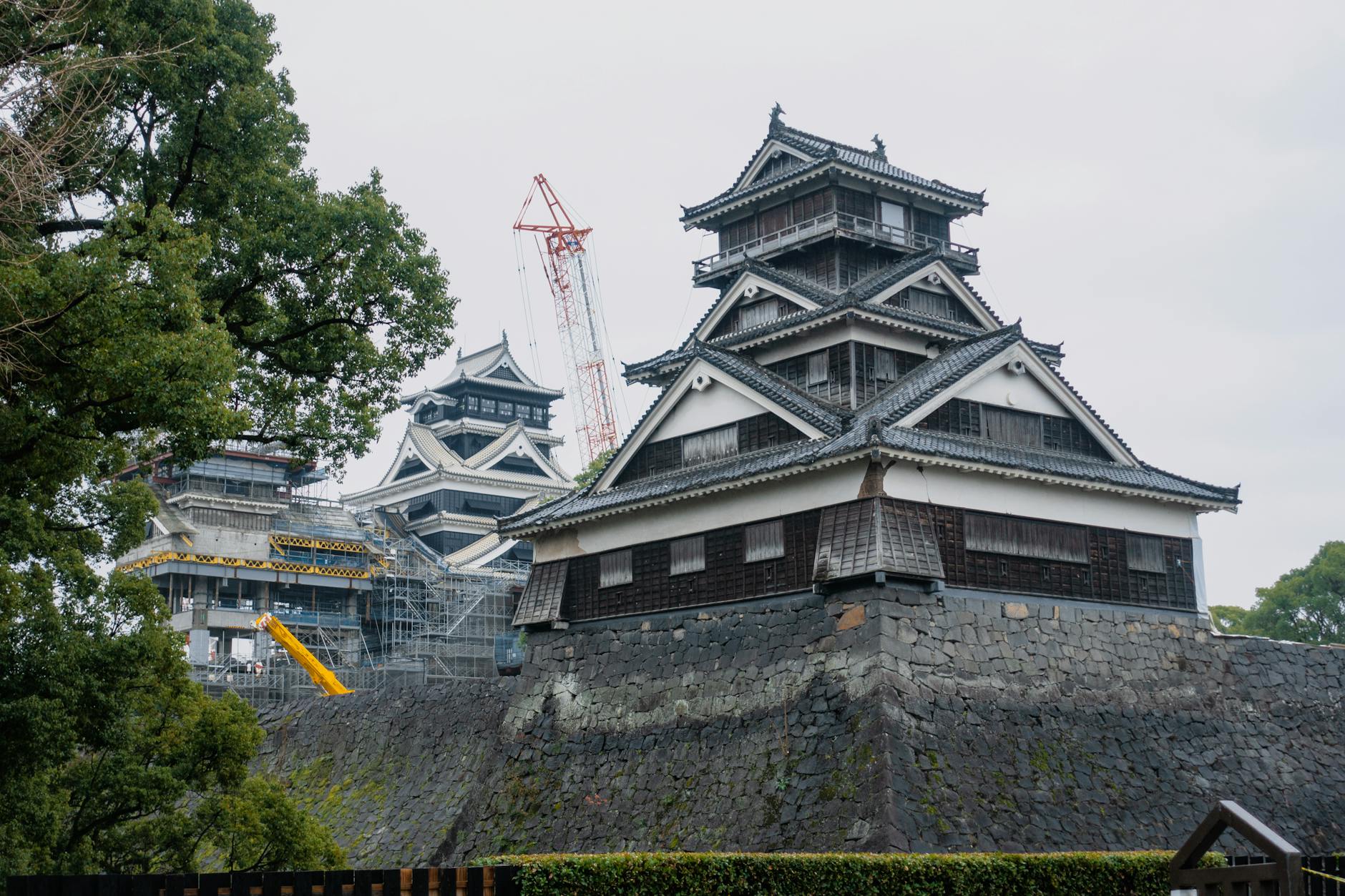
Key Details
Castle Town Heritage
Historic castle town with deep cultural roots and samurai legacy.
Natural Beauty
Abundant greenery, pristine groundwater, and proximity to Mount Aso.
Economic Hub
Growing manufacturing, semiconductor, and service sectors.
Transportation
Well-connected by Shinkansen, highways, and city trams.
Affordable Living
Lower property prices compared to major Japanese cities.
Attributes
Heritage, Cultural
Located in Kumamoto City
Connectivity
- Airport: Kumamoto Airport (KMJ)
- Railway: Kumamoto Station
- Highway: Kyushu Expressway Near
Key Landmarks
- Castle: Kumamoto Castle
- Garden: Suizenji Jojuen Garden
- Museum: Kumamoto Prefectural Museum of Art
A Look into Kumamoto City:
Kumamoto: A Kyushu Gem Blending History, Nature, and Modern Growth
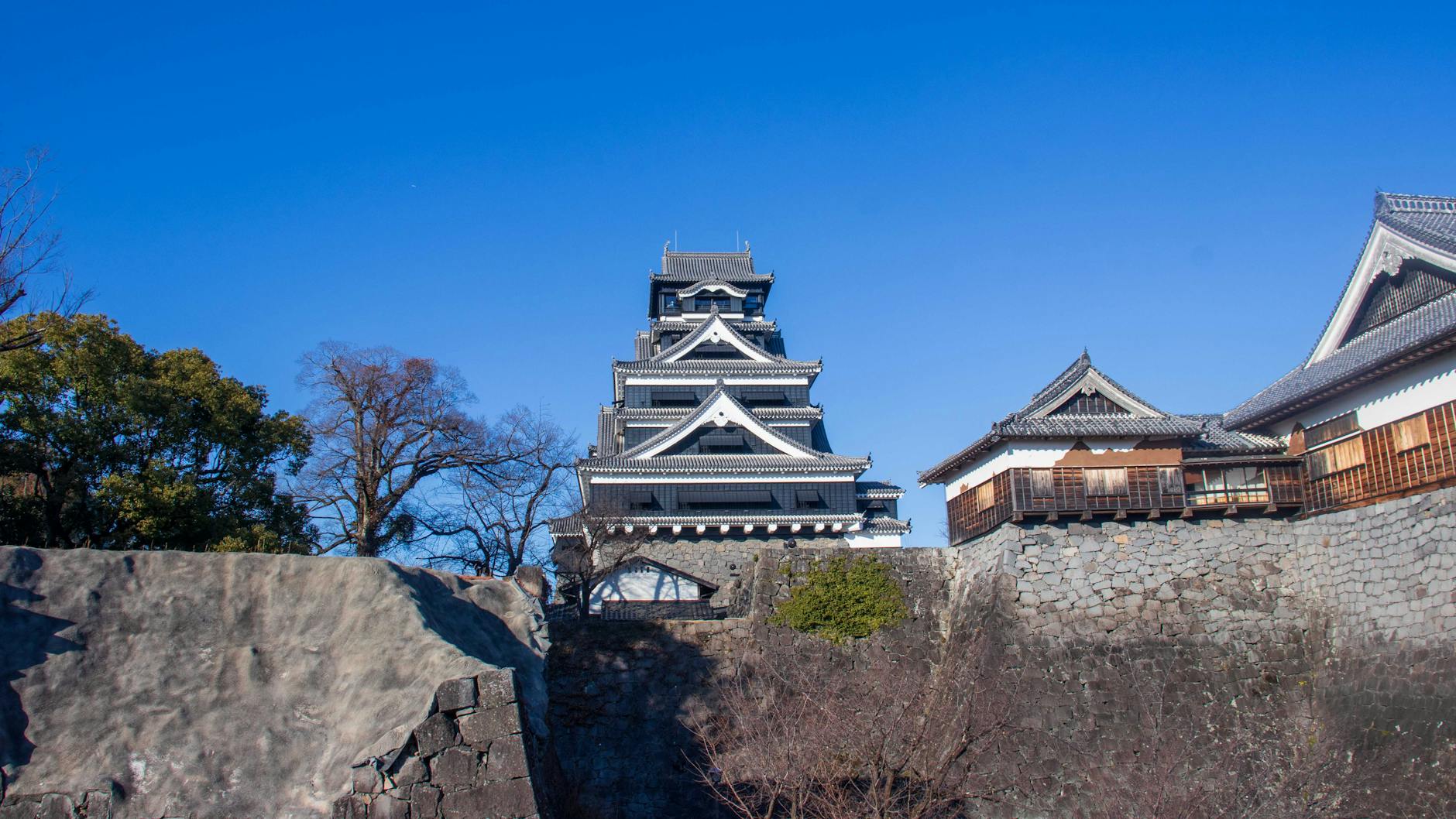
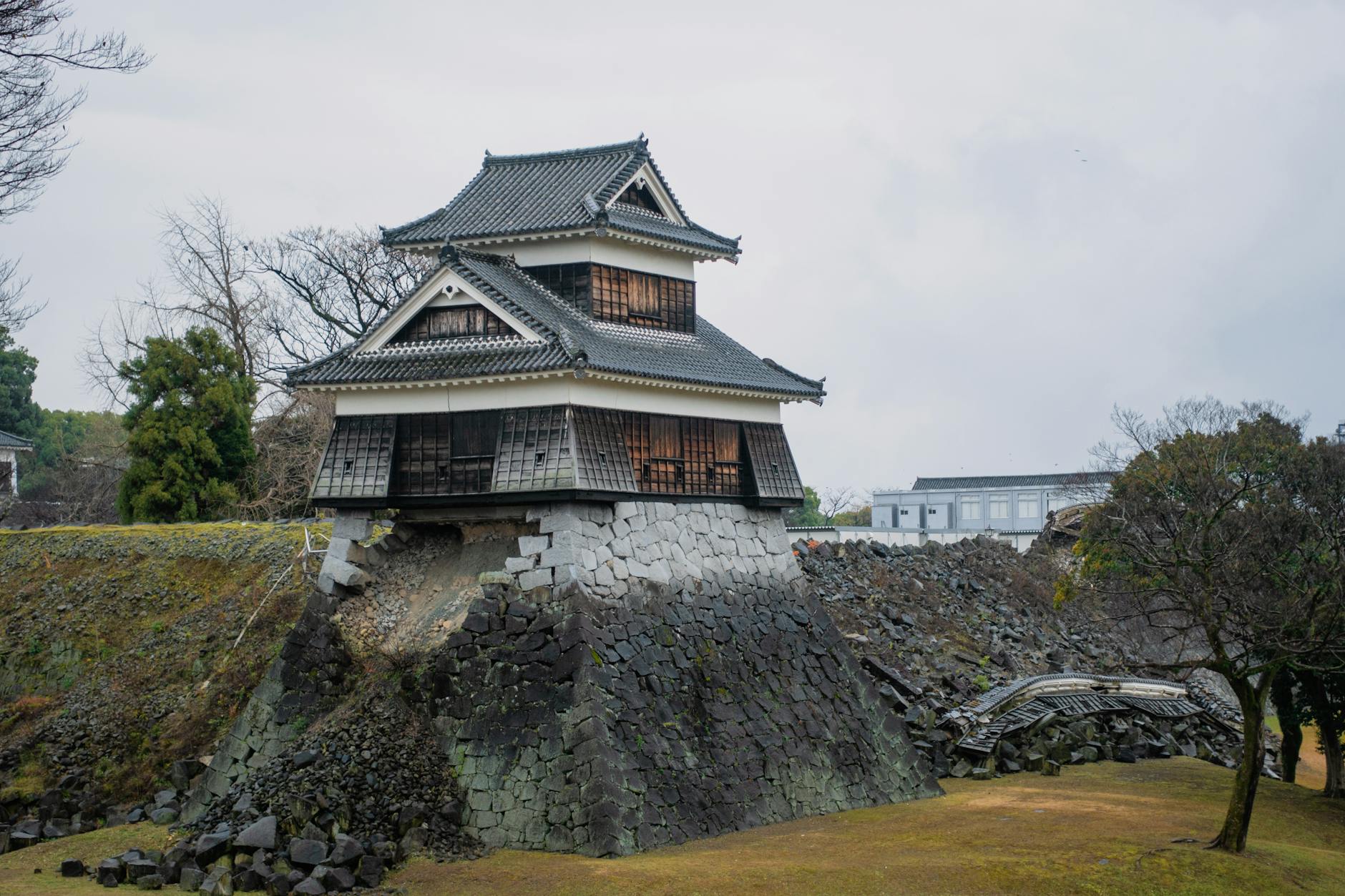
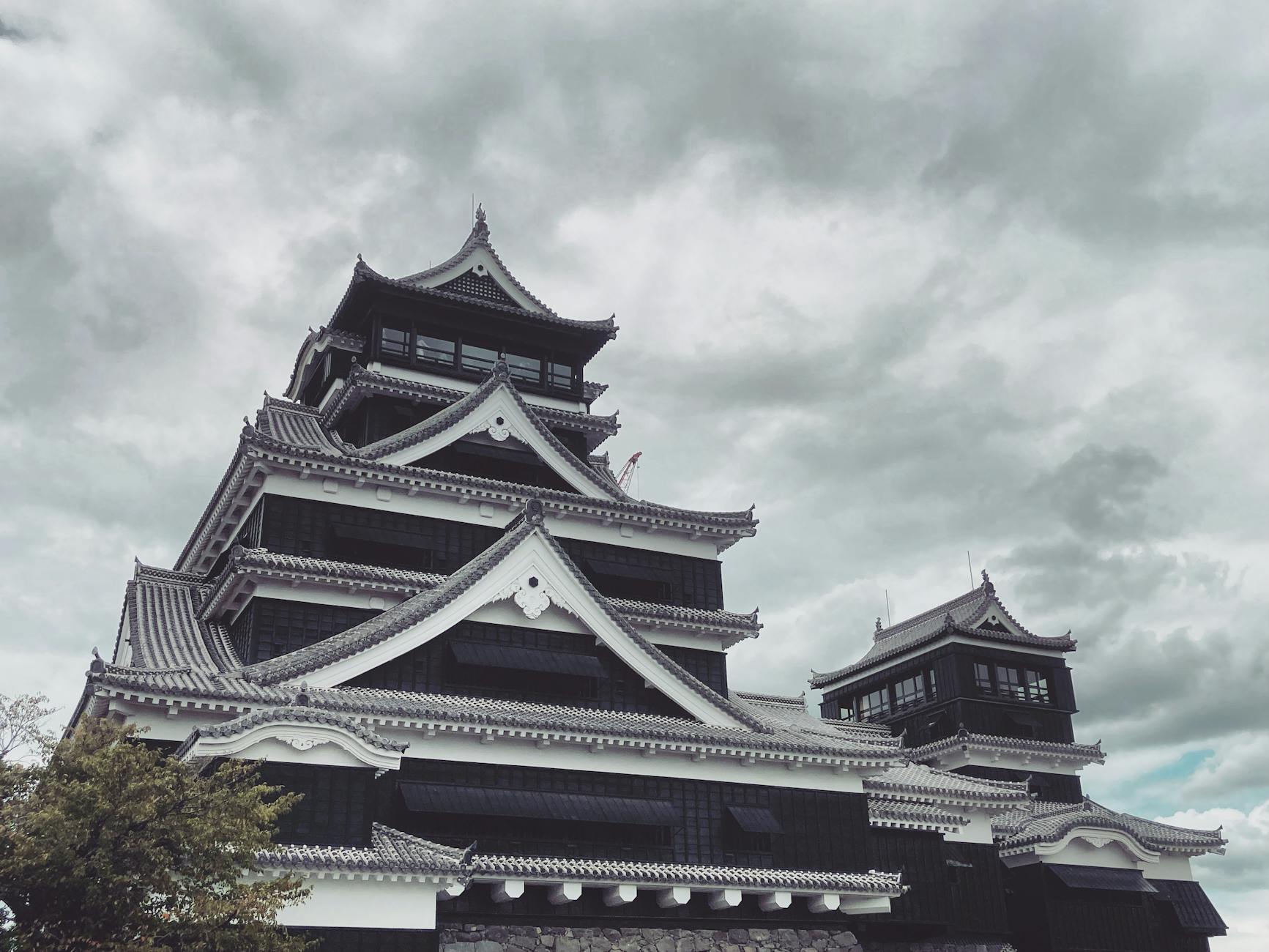
Kumamoto City, nestled in the heart of Kyushu, offers a compelling blend of rich history and burgeoning modernity. As a former castle town, its streets whisper tales of samurai legacy, most notably embodied by the magnificent Kumamoto Castle, a symbol of resilience and architectural prowess. Beyond its historical core, the city is blessed with abundant natural beauty, from its renowned pristine groundwater to the lush greenery that permeates its urban landscape.
What to Expect:
Embrace a Balanced Lifestyle in Kumamoto City
Life in Kumamoto City unfolds at a comfortable pace, offering a harmonious blend of urban convenience and natural tranquility. You'll find a city that values its heritage, with landmarks like Kumamoto Castle and Suizenji Jojuen Garden easily accessible. Daily life is supported by a robust public transportation system, including trams that efficiently navigate the city. The local economy is diverse, with strengths in manufacturing, semiconductors, and food industries, providing a stable employment base.
The Lifestyle:
A Welcoming Community Rooted in Culture and Nature
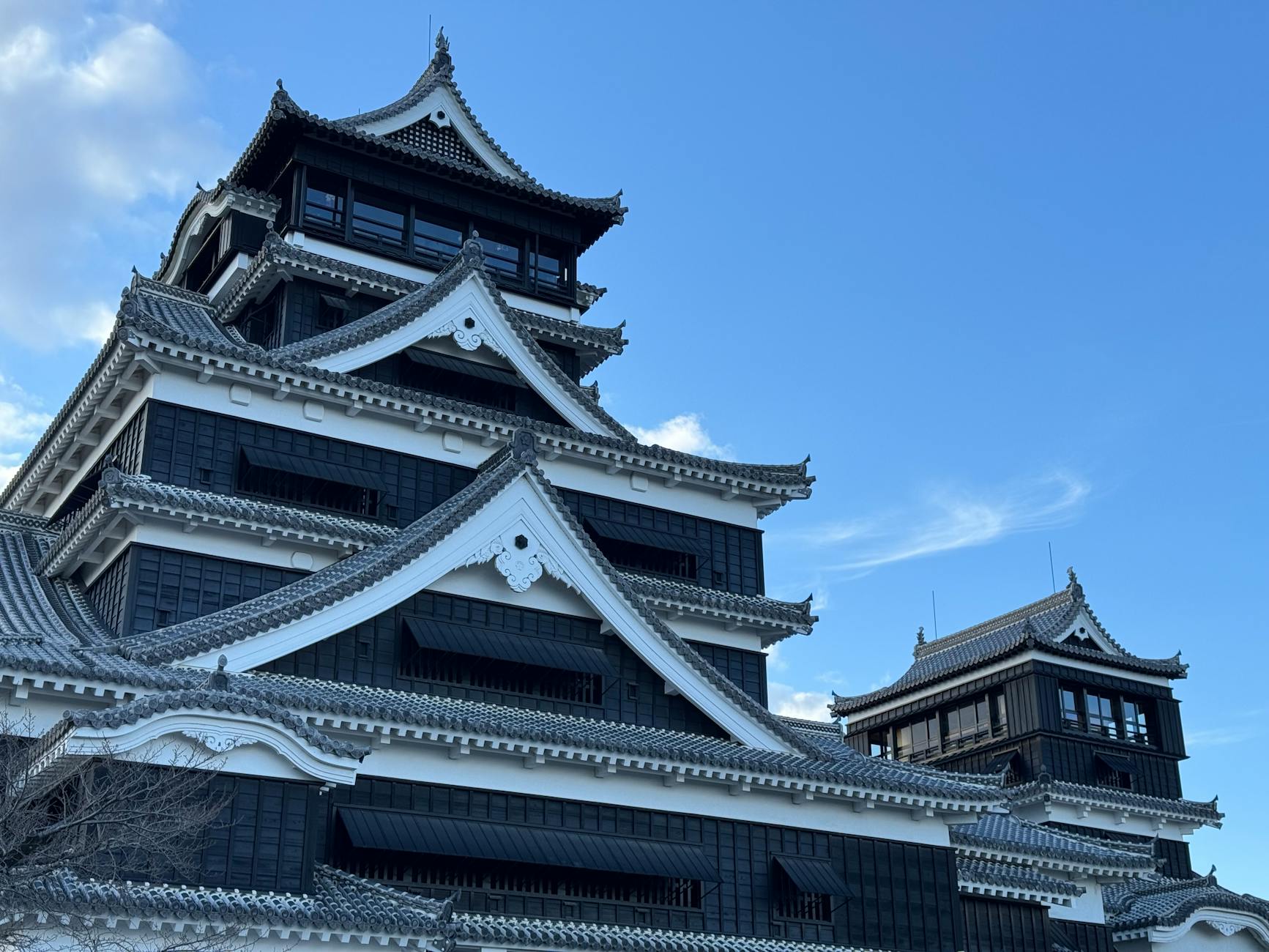
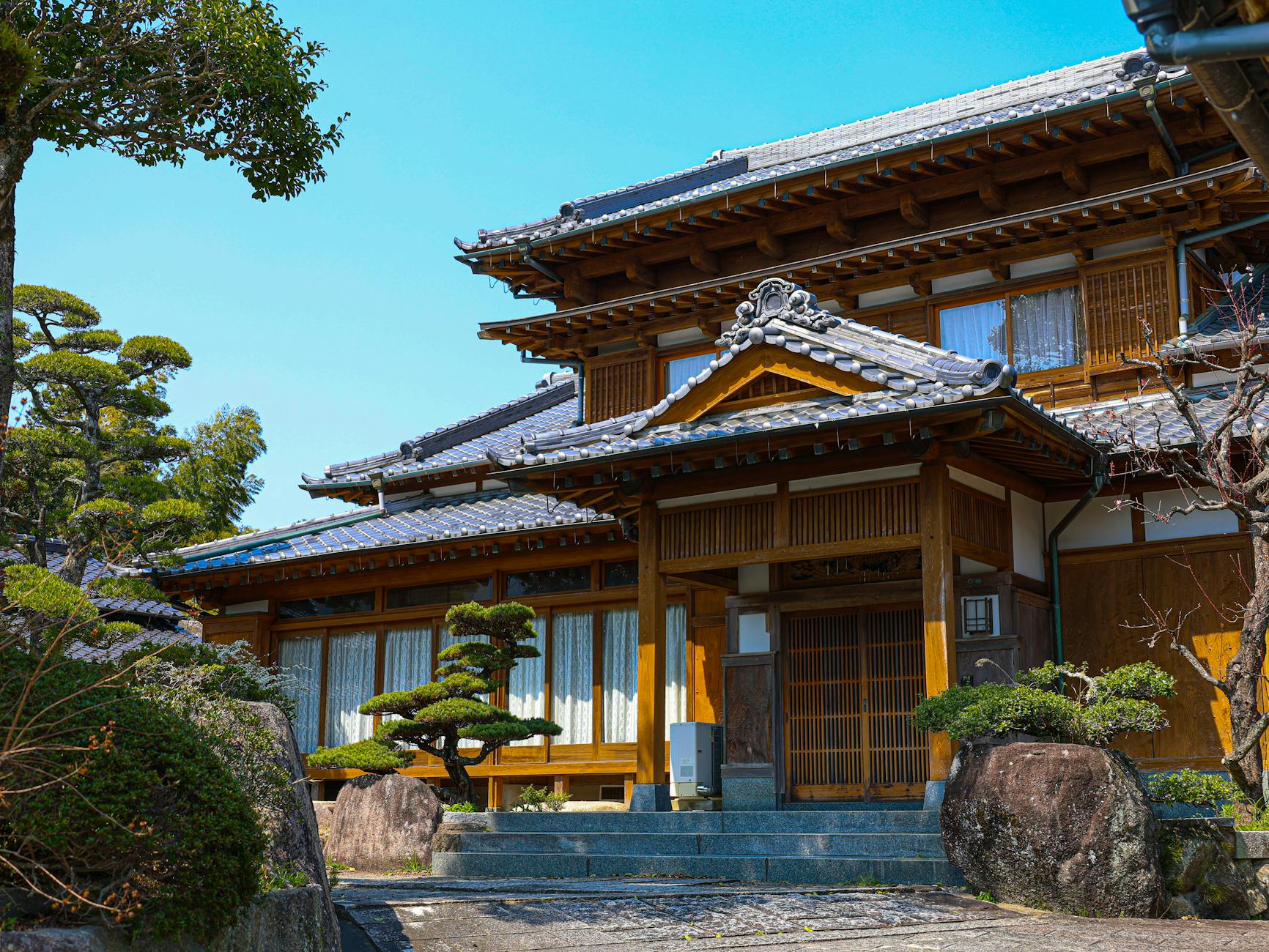
Kumamoto offers a lifestyle that balances tradition with contemporary living. The city's cultural heart beats strongly, evident in its festivals, museums, and the enduring presence of Kumamoto Castle. Nature enthusiasts will appreciate the proximity to Mount Aso and the city's numerous parks and green spaces, including the serene Suizenji Jojuen Garden. Community life is vibrant, with local markets and events fostering a sense of belonging. The city's reputation for excellent groundwater contributes to a high quality of life, influencing local cuisine and daily routines.
You'll Fall in Love:
Discover Kumamoto's Enduring Charm and Potential
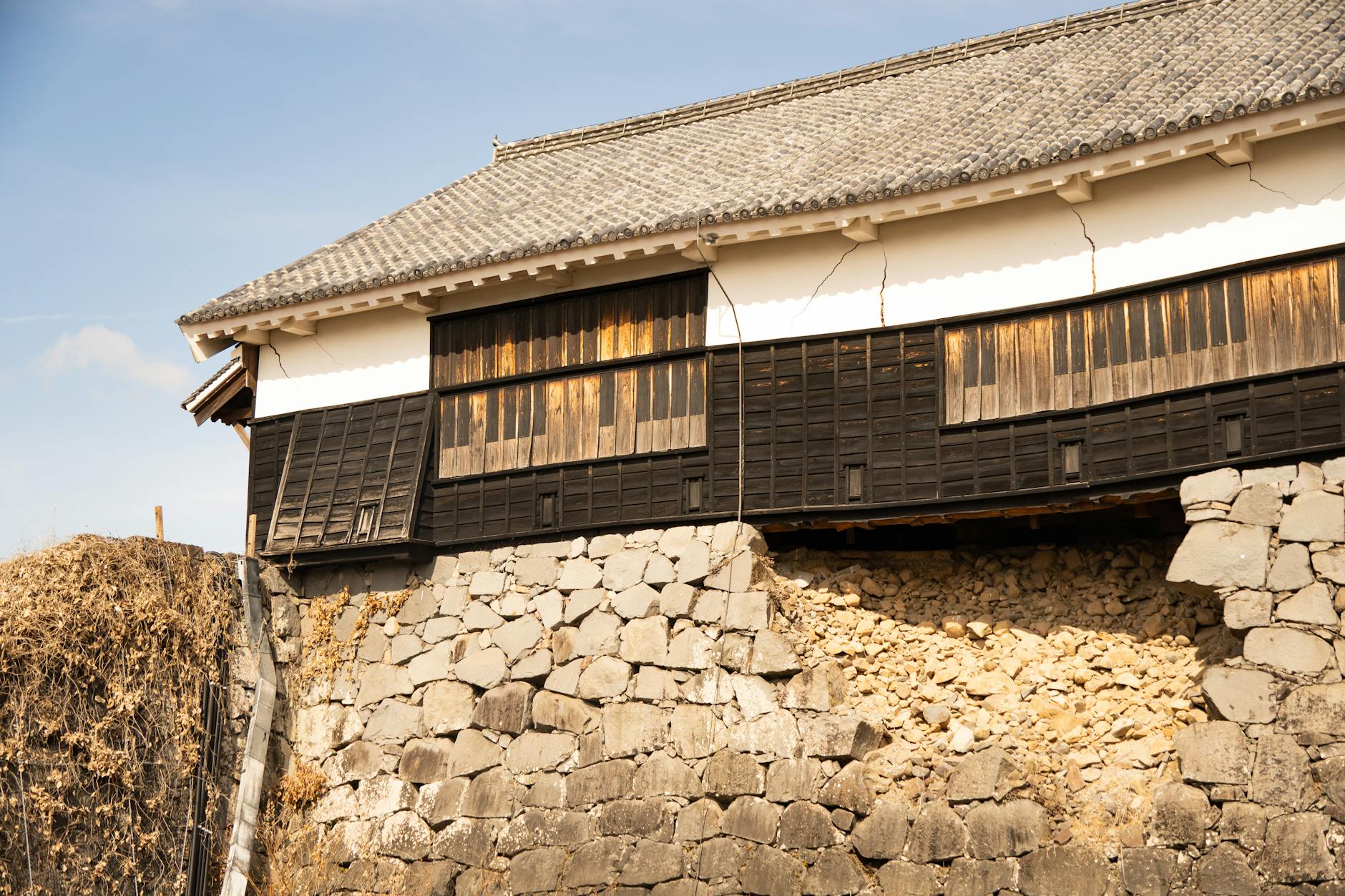
What most visitors miss about Kumamoto City is its deep sense of place, a unique character forged by centuries of history and a profound connection to nature. The resilience shown after the 2016 earthquake, particularly in the restoration of Kumamoto Castle, speaks volumes about the city's spirit. You'll find a genuine warmth in its people and a quiet pride in its cultural heritage.
Nearby Attractions:
Explore Kumamoto's Rich Cultural and Natural Tapestry
Kumamoto City serves as an excellent base for exploring the diverse attractions of Kyushu. From historical landmarks to natural wonders, the region offers a wealth of experiences. The proximity to Mount Aso, one of Japan's most active volcanoes, provides unparalleled opportunities for outdoor adventure. Cultural sites like Kurokawa Onsen offer a glimpse into traditional Japanese relaxation.
| Attraction | Type | Highlight | Why It Matters |
|---|---|---|---|
| Mount Aso | Volcano/National Park | Vast volcanic caldera and active crater | Major tourist draw, driving accommodation demand and offering unique natural experiences. |
| Kurokawa Onsen | Hot Spring Resort | Idyllic hot spring town with traditional ryokans | Popular destination for relaxation and cultural tourism, attracting visitors seeking authentic experiences. |
| Takachiho Gorge | Gorge/Natural Landmark | Stunning gorge with waterfalls and boat rides | A significant natural attraction that draws tourists for its scenic beauty and recreational activities. |
| Amakusa Islands | Islands/Coastal Area | Christian history and scenic coastal landscapes | Offers a unique historical and natural appeal, attracting a niche tourism market. |
Schools & Education:
Educational Landscape in Kumamoto
Kumamoto offers a range of educational institutions catering to diverse needs. While the prefecture has a significant number of elementary schools, reflecting its regional character, the city provides options for international and Japanese-language education. The presence of institutions like Kumamoto International School and Seiseiko High School indicates a commitment to providing quality education for both local and expatriate families, which is a positive factor for long-term residential appeal.
| School | Type | Grades | Why It Matters | Distance |
|---|---|---|---|---|
| Kumamoto International School (KIS) | International | Preschool to High School | - | Higashi Ward |
| Seiseiko High School | Public | High School | A well-regarded public high school, indicating a strong local education system that appeals to families seeking quality schooling. | City Center |
| Three Lions International Preschool | Preschool | - | Provides international early childhood education, making Kumamoto more attractive to families with young children relocating to the area. | Higashi Ward |
| Toho International Language School | Language School | Adults | Supports international students and professionals, contributing to the city's diverse and international community. | City Center |
Healthcare:
Accessible Healthcare Facilities in Kumamoto
Kumamoto City is equipped with comprehensive healthcare services, including major hospitals that cater to the needs of its residents and the surrounding region. The presence of national-level hospitals ensures access to advanced medical care, contributing significantly to the city's livability and attractiveness for long-term residents, including retirees and families. This robust healthcare infrastructure is a key factor in making Kumamoto a stable and desirable place to live.
| Hospital | Type | Specialty | Why It Matters | Distance |
|---|---|---|---|---|
| Kumamoto University Hospital | Government | Multi-speciality | A major teaching hospital providing advanced medical care, crucial for resident well-being and attracting medical professionals. | Chuo Ward |
| Kumamoto City Hospital | Government | General | Provides essential general medical services, ensuring accessible healthcare for the local population and enhancing community livability. | Chuo Ward |
| Kumamoto National Hospital | Government | General | Offers comprehensive healthcare services, reinforcing the city's capacity to support its population's health needs. | Chuo Ward |
| Saiseikai Kumamoto Hospital | Private | Multi-speciality | A key private medical facility, adding to the healthcare options and contributing to the overall quality of life for residents. | Chuo Ward |
Dining & Cafés:
Savor Kumamoto's Culinary Delights
Kumamoto's dining scene is a vibrant reflection of its rich culinary heritage, featuring local specialties like horse meat sashimi (basashi) and tonkotsu ramen. The city boasts a range of eateries, from traditional izakayas to sophisticated restaurants, offering diverse flavors and dining experiences. This culinary richness not only enhances the lifestyle appeal for residents but also serves as a significant draw for tourists, contributing to the vibrancy and economic activity of the city's hospitality sector.
| Restaurant | Cuisine | Why It Matters |
|---|---|---|
| Katsuretsu Tei Shinshigai | Tonkatsu | - |
| Kokutei | Ramen | Popular for its distinctive Kumamoto-style ramen, attracting consistent footfall and enhancing the local dining scene. |
| Suganoya | Basashi (Horse Sashimi) | Renowned for its high-quality basashi and farm-to-table concept, a key culinary attraction for tourists and locals. |
| Umazakura Shimotori | Basashi (Horse Sashimi) | Offers a popular take on Kumamoto's signature dish, contributing to the city's unique food identity and tourist appeal. |
Geography Profile:
Kumamoto: A Landscape of Contrasts
Kumamoto City is situated in the central part of Kyushu, Japan's third-largest island. Its geography is characterized by a dynamic interplay of mountains, rivers, and fertile plains. The city itself lies on a plain, nourished by the Shirakawa River, which has historically supported agriculture and urban development. To the east, the imposing presence of Mount Aso, one of the world's largest active volcanoes, shapes the broader regional landscape, influencing everything from natural hot springs to the fertile volcanic soil. This diverse topography provides a rich backdrop for both urban life and natural exploration.
| Parameter | Value |
|---|---|
| Terrain Type | Flat plains with surrounding hills and mountains |
| Water Bodies | Shirakawa River |
Soil & Ecology:
Rich Volcanic Soil and Diverse Ecosystems
Kumamoto Prefecture, particularly the area around Mount Aso, is known for its rich volcanic soil, which is highly fertile and supports a diverse range of flora. This fertile ground is ideal for agriculture, contributing to the region's reputation for fresh produce. The surrounding national parks, such as Aso-Kuju National Park, are home to varied ecosystems, supporting a range of plant and animal life. The abundant groundwater, a celebrated feature of Kumamoto, also plays a crucial role in sustaining its natural environment and biodiversity, contributing to the region's overall ecological health and appeal.
Climate Snapshot:
Humid Subtropical Climate with Distinct Seasons
Kumamoto experiences a humid subtropical climate, offering warm, humid summers and cool, mild winters. Winters are generally mild, though temperatures can dip below freezing. Rainfall is significant throughout the year, with a distinct rainy season (tsuyu) typically occurring in June and July. Spring (March to May) and autumn (September to November) provide the most pleasant weather, characterized by moderate temperatures and lower humidity, making them ideal for outdoor activities and tourism.
| Parameter | Value |
|---|---|
| Air Quality | Good |
| Best Outdoor Season | March-May and September-November |
| Monsoon Months | June-July |
Legal Ownership (Japan):
One of the most open markets; full freehold for foreigners
Japan places no nationality or residency restriction on buying property; foreigners get the same freehold rights to land and buildings as citizens, with no visa needed to buy. Ownership confers no right to live in Japan. Under the Foreign Exchange and Foreign Trade Act (FEFTA), non residents must report acquisitions to the Bank of Japan, and from April 2026 all buyers declare nationality at registration. The government is reviewing tighter foreign ownership rules, but nothing currently blocks purchases. Agricultural land needs local committee approval.
Laws change. Always consult a licensed real estate attorney before purchasing.
| Buyer Type | Permitted | Tenure | Conditions | Approval |
|---|---|---|---|---|
| Resident citizen | Yes | Freehold | No restriction | None |
| Foreign national | Yes | Freehold | Same rights as citizens; no visa required to buy | None (FEFTA reporting for non residents) |
| Non resident buyer | Yes | Freehold | Must file Bank of Japan FEFTA report within 20 days from April 2026 | None |
Capital Gains Tax:
Japan taxes property gains separately from other income, with a sharp five year split. Sell within five years and you pay about 39.63 percent. Hold longer and it drops to roughly 20.315 percent. The five year line is judged as of 1 January of the sale year, so timing matters. Selling your main home lets you exclude up to 30 million yen of gain. Non residents face a 10.21 percent withholding at sale.
We are confirming the capital gains rates for this location against the official schedule, so they are not shown here yet. Check with the local registry office, or a local lawyer, for the figure that applies to a specific property.
Stamp Duty & Registration:
Japan charges no special tax on foreign buyers. The buyer pays real estate acquisition tax of 3 to 4 percent of assessed value, registration and license tax of around 1.5 to 2 percent for ownership transfer, and a modest documentary stamp duty scaling from a few thousand to 60,000 yen. With agent commission and judicial scrivener fees, total purchase costs are usually about 6 to 8 percent of the price.
We are confirming the stamp duty and registration rates for this location against the official schedule, so they are not shown here yet. Check with the local registry office, or a local lawyer, for the figure that applies to a specific property.
Frequently Asked Questions
Areas near Kumamoto Castle and Suizenji Jojuen Garden offer strong appeal for both tourists and residents due to their cultural significance and amenities.
Local Insights & Discussions
Ask a question or share a local tip about Kumamoto City
Be respectful and constructive in your comments.
Buying or selling in Kumamoto City?
Tell us once. Our team connects you with the right homes, or the right buyers.