Japan: Homes & Plots to Buy, Plus Area Guide
Fetching weather details…
Discover the allure of Japan, where ancient traditions meet futuristic innovation. Owning a property or second home here offers a unique blend of cultural richness, stunning natural beauty, and a stable investment environment.
Homes for sale in Japan →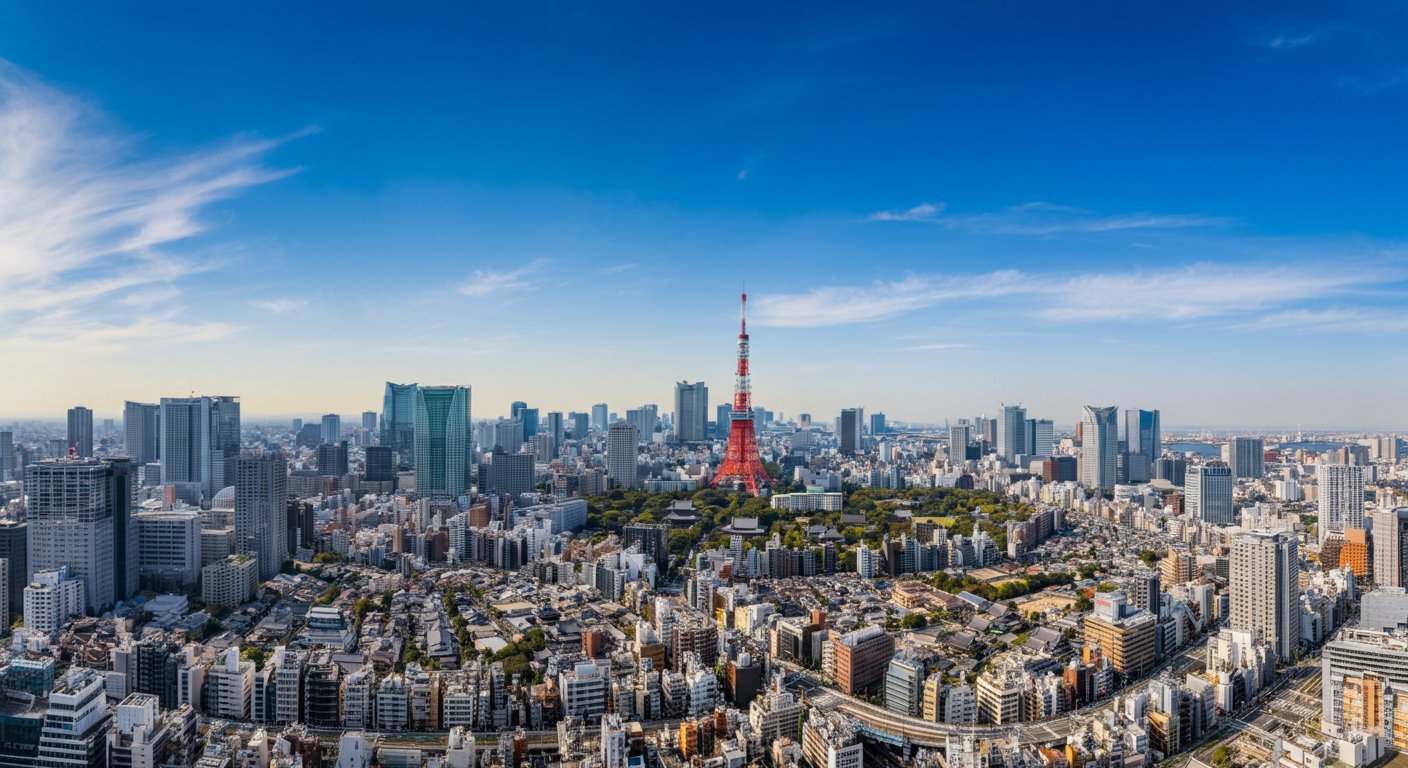
Key Details
Stable Market
Experience a predictable real estate market with strong property rights and economic stability.
Cultural Appeal
Invest in a nation rich with history, art, and unique lifestyle experiences.
Natural Beauty
Own a piece of diverse landscapes, from serene mountains to vibrant coastlines.
Infrastructure
Benefit from world-class transportation and modern amenities across the country.
Tourism Growth
Capitalize on Japan's enduring popularity as a global travel destination.
Key Investment Thesis
Brand Premium
The 'Made in Japan' brand extends to its real estate, offering a perception of quality, reliability, and unique cultural appeal. This global recognition attracts international buyers seeking not just an investment, but a lifestyle associated with Japanese excellence and aesthetics, commanding a premium.
Infrastructure Catalyst
Ongoing investments in high-speed rail (Shinkansen) expansion and new international airport terminals are connecting regions more efficiently. This infrastructure development enhances accessibility to previously remote areas, unlocking new investment potential and driving property value appreciation across the country.
Demographic Resilience
Despite an aging population, Japan's property market benefits from a strong, established domestic ownership culture and a continued demand for quality housing. Furthermore, the government's initiatives to attract foreign residents and investment provide a stable base for long-term capital growth.
You'll Fall in Love:
Embrace tranquility, culture, and unparalleled quality of life.
Owning a home in Japan means immersing yourself in a culture that values harmony, aesthetics, and meticulous craftsmanship. Picture yourself enjoying serene tea ceremonies, exploring ancient temples, or simply savoring the impeccable public services and safety. It’s an opportunity to connect with a profound sense of tradition while enjoying modern comforts and breathtaking natural beauty.
Geography Profile:
An archipelago of diverse landscapes, from volcanic mountains to scenic coastlines.
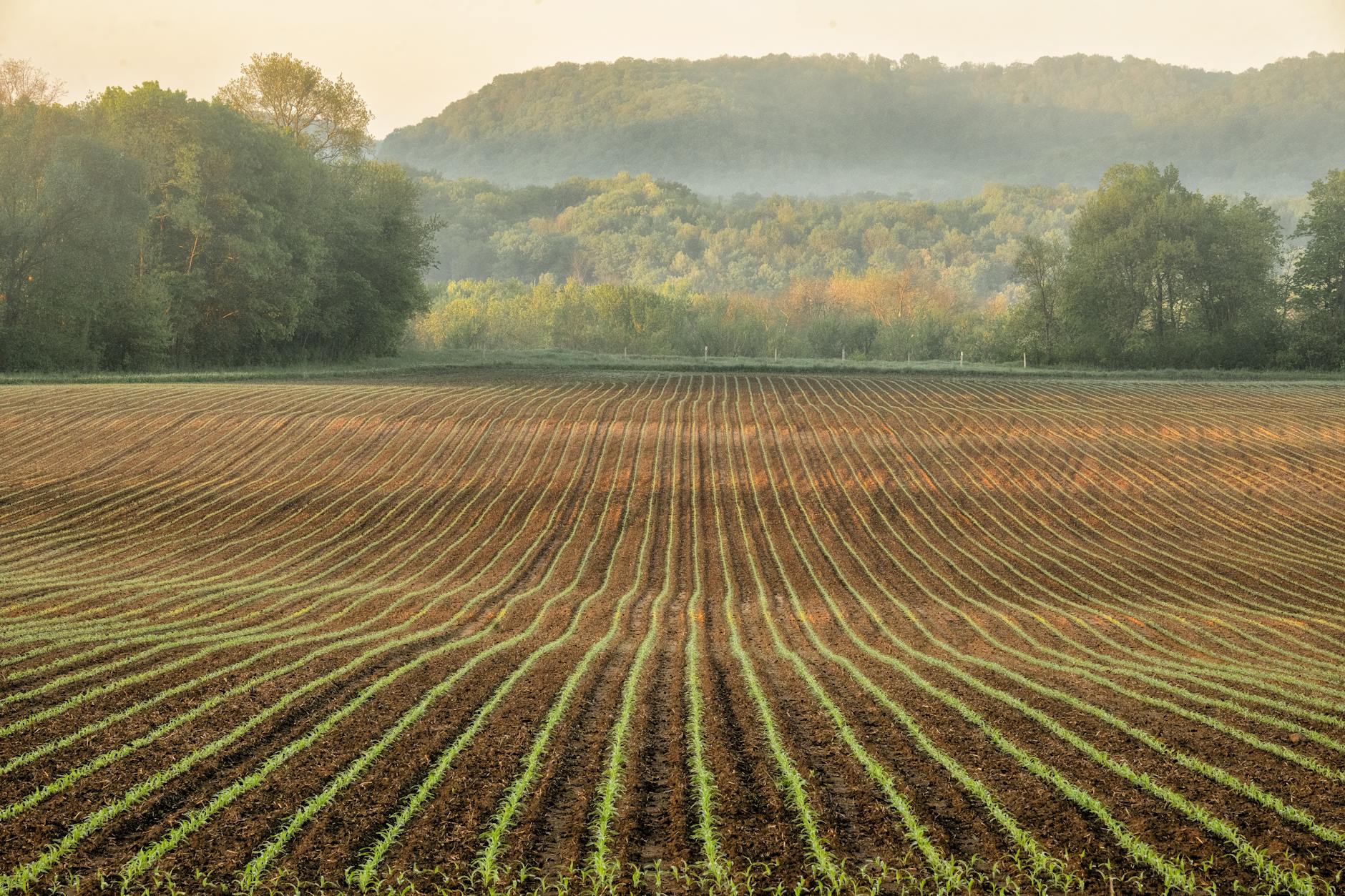
Japan is a nation of dramatic contrasts, characterized by its mountainous terrain, extensive coastlines, and numerous islands. The country spans from the subarctic north of Hokkaido to the subtropical south of Okinawa. Major regions include the Kanto Plain around Tokyo, the Kansai region with Osaka and Kyoto, and the mountainous spine of Honshu, offering varied environments for property ownership.
| Parameter | Value |
|---|---|
| Coastline Or Elevation | Approx. |
| Notable Regions | Honshu, Hokkaido, Kyushu, Shikoku, Okinawa |
Climate Snapshot:
Diverse climates across four distinct and beautiful seasons.
Japan experiences a range of climates, from the cold, snowy winters of Hokkaido to the humid subtropical conditions of Okinawa. Most of the country enjoys four distinct seasons, offering unique appeal year-round. Spring brings cherry blossoms, summer is warm and humid, autumn boasts vibrant foliage, and winter offers snow sports in mountainous regions, ideal for seasonal rentals.
| Parameter | Value |
|---|---|
| Best Season | Spring (March-May) and Autumn (September-November) |
| Climate Type | Temperate to Subtropical |
Legal Ownership (Japan):
Full freehold for foreigners — no residency required
Japan places no restrictions on foreign property ownership. Foreigners can acquire freehold land and buildings under the same terms as Japanese citizens. From April 2026, non-residents must report purchases to the Ministry of Finance within 20 days. Agricultural/forest land requires FEFTA permit.
Always consult a licensed real estate attorney before purchase. Rules change; verify current law.
| Buyer Type | Permitted | Tenure | Conditions | Approval |
|---|---|---|---|---|
| Japanese Citizen / Resident | Yes | Freehold | Unrestricted | None |
| Foreign National (residential / commercial) | Yes | Freehold | Same as citizen; reporting to MoF within 20 days (from Apr 2026) | MoF reporting post-purchase |
| Foreign National (agri / forest) | Conditional | Freehold | Agricultural or forest land restricted | FEFTA permit |
Capital Gains Tax:
Capital gains from real estate sales in Japan are taxed separately. The tax rate varies significantly based on whether the property was held for five years or less (short-term) or more than five years (long-term)..
We are confirming the capital gains rates for this location against the official schedule, so they are not shown here yet. Check with the local registry office, or a local lawyer, for the figure that applies to a specific property.
Frequently Asked Questions
Yes, Japan remains an attractive property investment destination in 2026 due to its stable economy, strong legal framework, and consistent demand from both domestic buyers and international tourists. The country's unique cultural appeal and ongoing infrastructure development continue to support property values and rental income potential.
Local Insights & Discussions
Ask a question or share a local tip about Japan
Be respectful and constructive in your comments.
Buying or selling in Japan?
Tell us once. Our team connects you with the right homes, or the right buyers.