Key Details
Robust Tourism Market
High demand for rentals driven by millions of annual visitors.
Consistent Appreciation
Property values show steady growth, especially in prime locations.
Government Investment
Infrastructure projects and incentives boost market confidence.
High Quality of Life
Attracts long-term residents, supporting stable demand.
Strategic Location
Island status offers unique appeal and development opportunities.
Attributes
Tourism, Coastal, Luxury, Nature, Investment, South Korea
Located in Jeju Island
Connectivity
- Airport: Jeju International Airport 30 km
- Railway: No direct railway connection on Jeju Island N/A
- Highway: Jeju Coastal Road 5 km
Key Landmarks
- National Park: Hallasan National Park 45 min
- UNESCO Site: Seongsan Ilchulbong Tuff Cone 60 min
- Beach: Hamdeok Beach 30 min
A Look into Jeju Island:
Jeju Island offers a unique blend of natural beauty and a dynamic real estate investment.
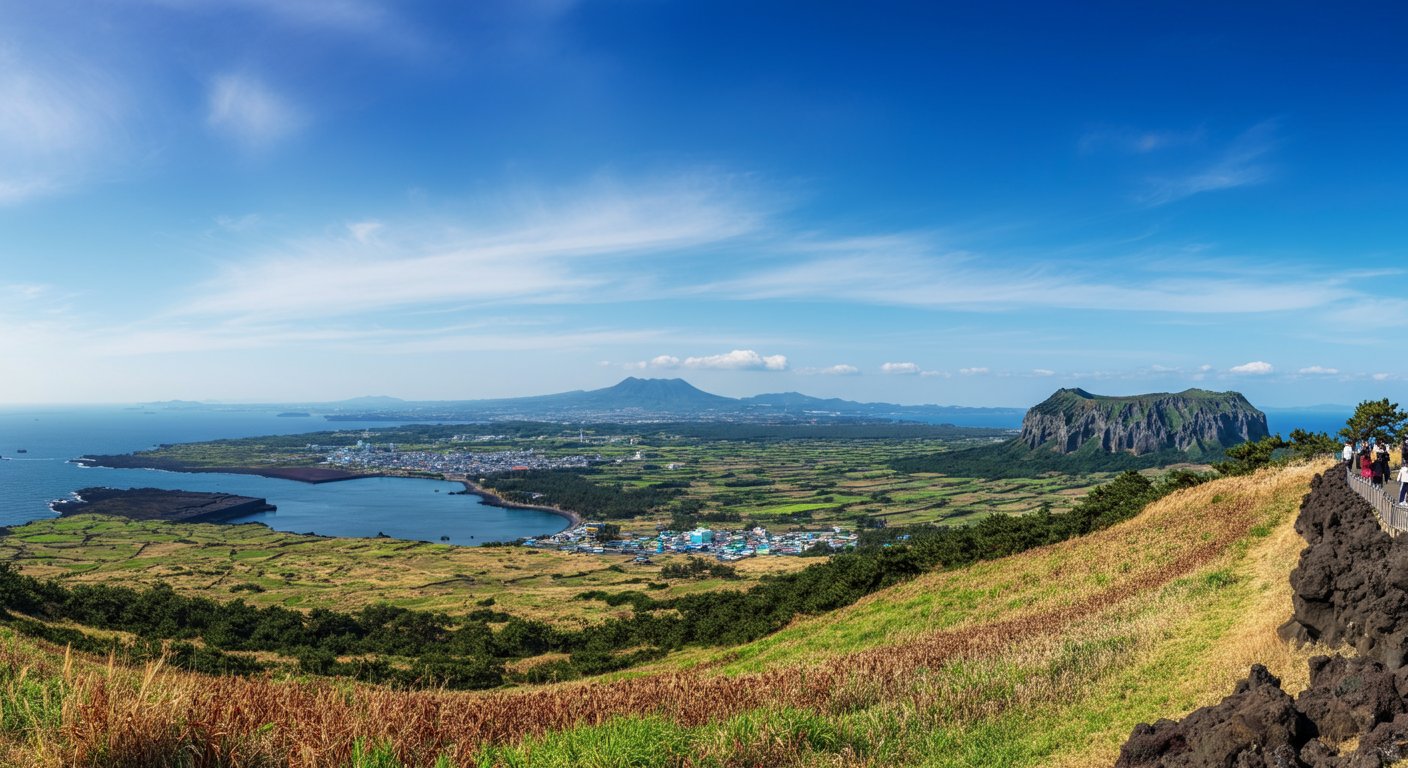
Jeju Island, often hailed as the 'Hawaii of South Korea,' is a volcanic island renowned for its stunning natural landscapes, including the majestic Hallasan mountain, picturesque coastlines, and unique lava tubes. This self-governing province boasts a vibrant culture influenced by its island heritage and a strong focus on tourism. The real estate market here is particularly appealing due to consistent demand from both domestic and international visitors, driving a robust short-term rental sector.
What to Expect:
Experience a harmonious blend of natural tranquility and modern amenities on Jeju Island.
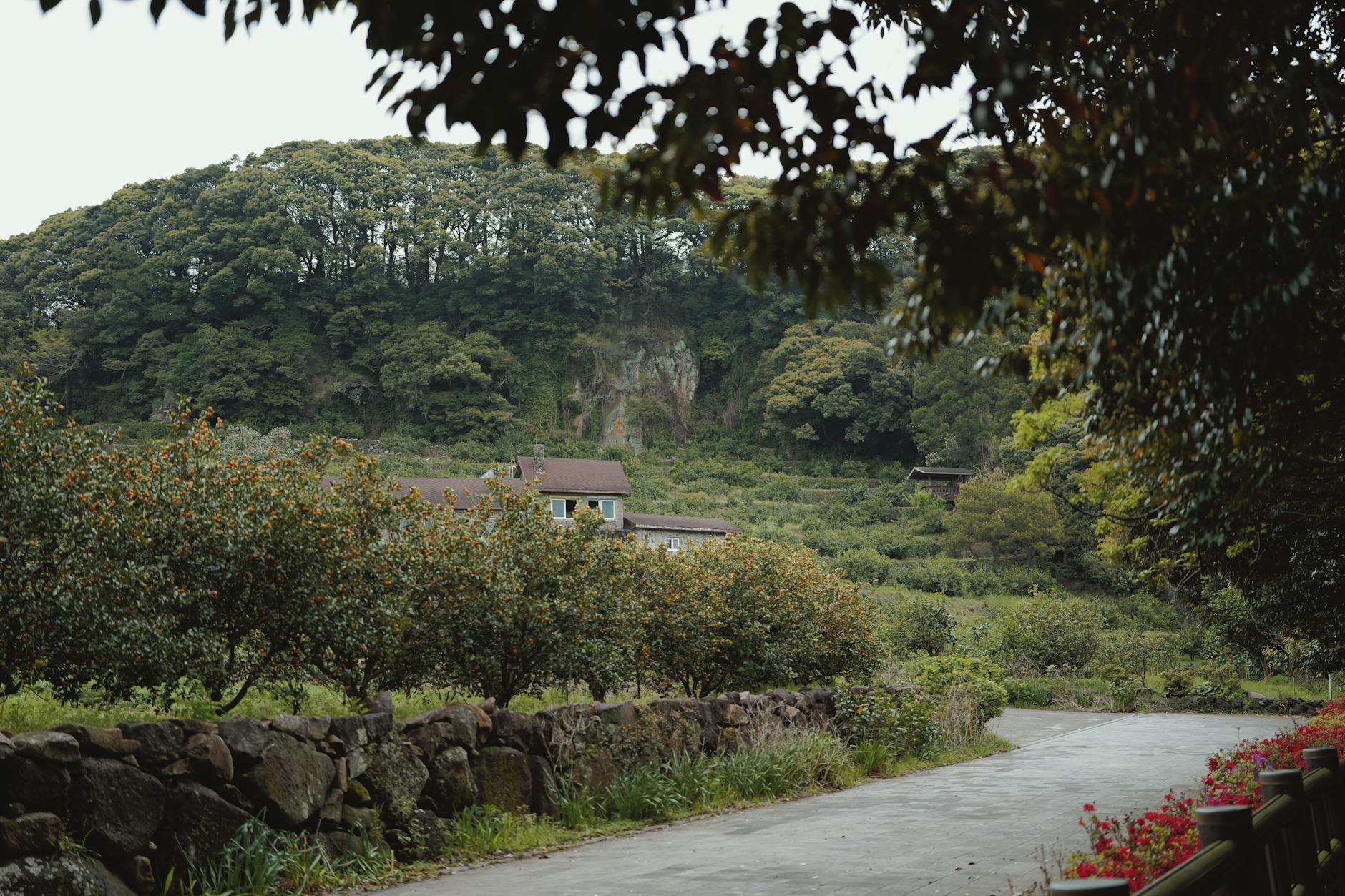
Daily life on Jeju Island offers a refreshing escape from urban bustle, characterized by clean air and stunning natural vistas. Residents enjoy a relaxed pace, with easy access to outdoor activities like hiking, beach excursions, and exploring volcanic landscapes. Modern conveniences are readily available, particularly in Jeju City and Seogwipo, which offer a range of shopping, dining, and entertainment options.
The Lifestyle:
Embrace an active, nature-centric lifestyle enriched by Jeju's unique cultural heritage and community.
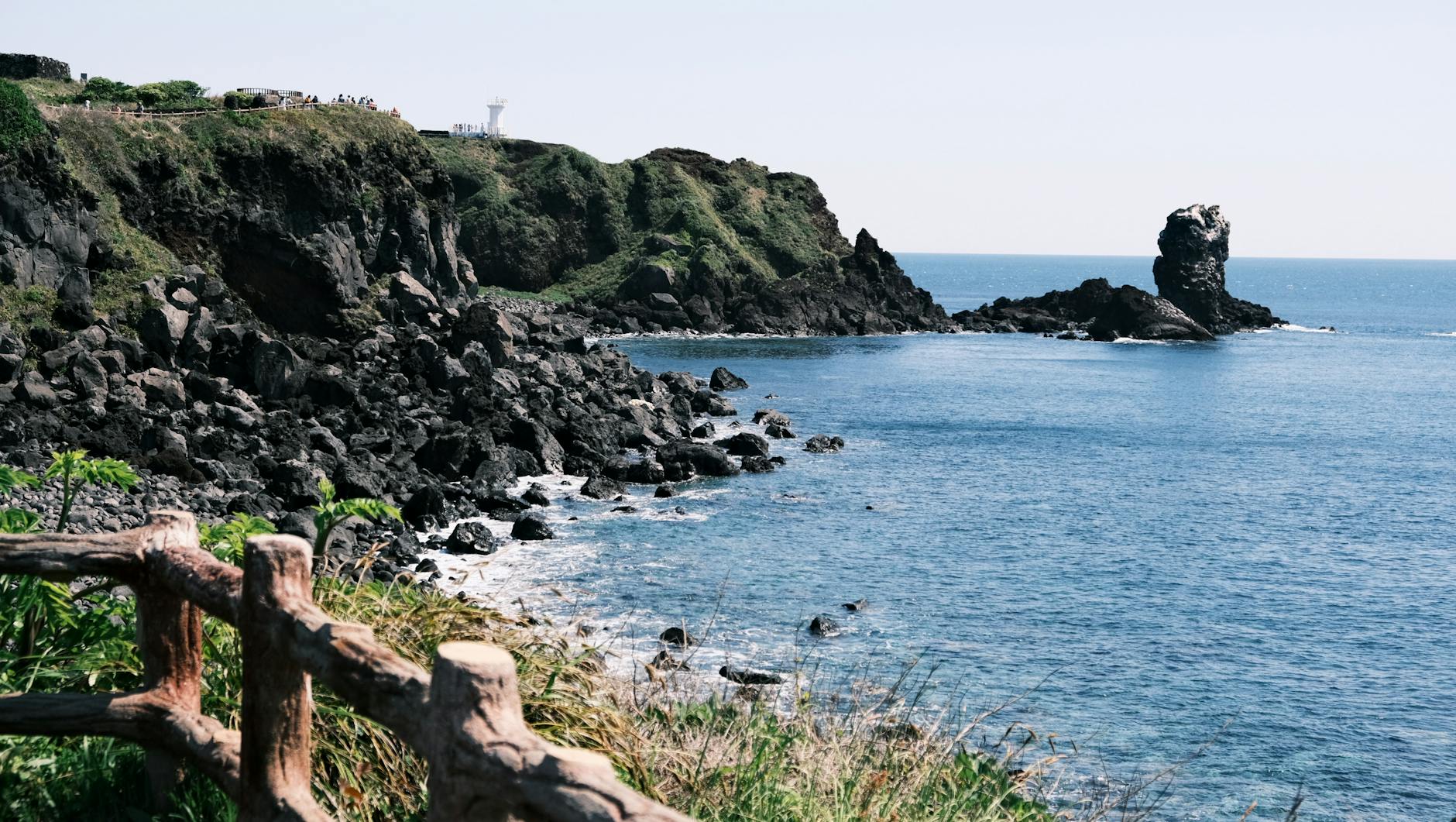
The lifestyle on Jeju Island is deeply intertwined with its natural environment, encouraging an active and healthy outdoor existence. Mornings might involve a hike up an 'oreum' (parasitic cone) or a stroll along a black sand beach. The community is generally close-knit, with local markets and festivals providing opportunities for social engagement. Culinary experiences are a highlight, featuring fresh seafood and local produce.
You'll Fall in Love:
Discover Jeju's captivating charm, from its volcanic wonders to its serene coastal beauty.
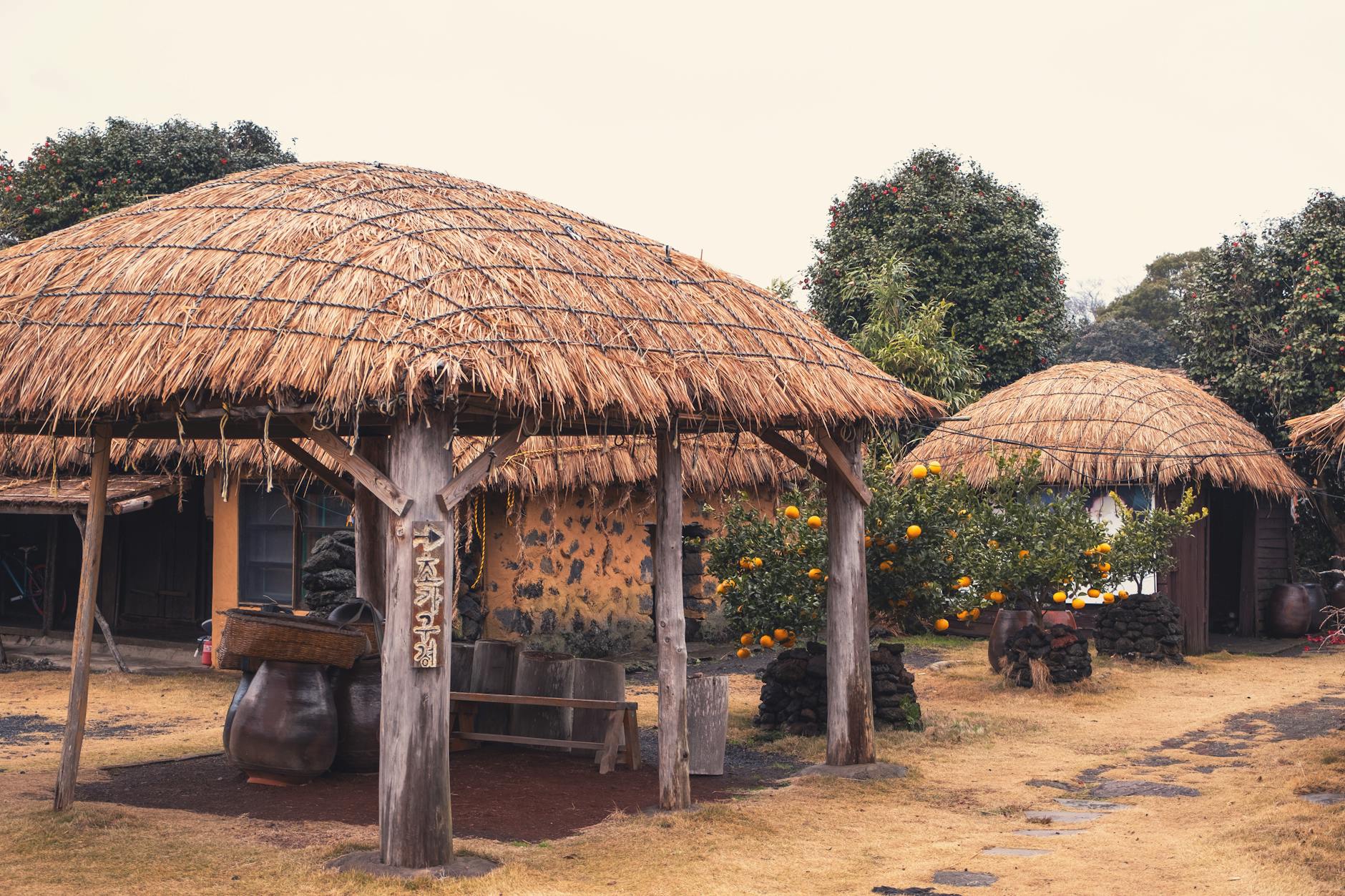
Jeju's allure lies in its unparalleled natural beauty, a UNESCO World Natural Heritage site that captivates with its dramatic volcanic landscapes, lush forests, and crystal-clear waters. The island offers a sense of tranquility and adventure, from exploring ancient lava tubes to witnessing breathtaking sunrises over Seongsan Ilchulbong.
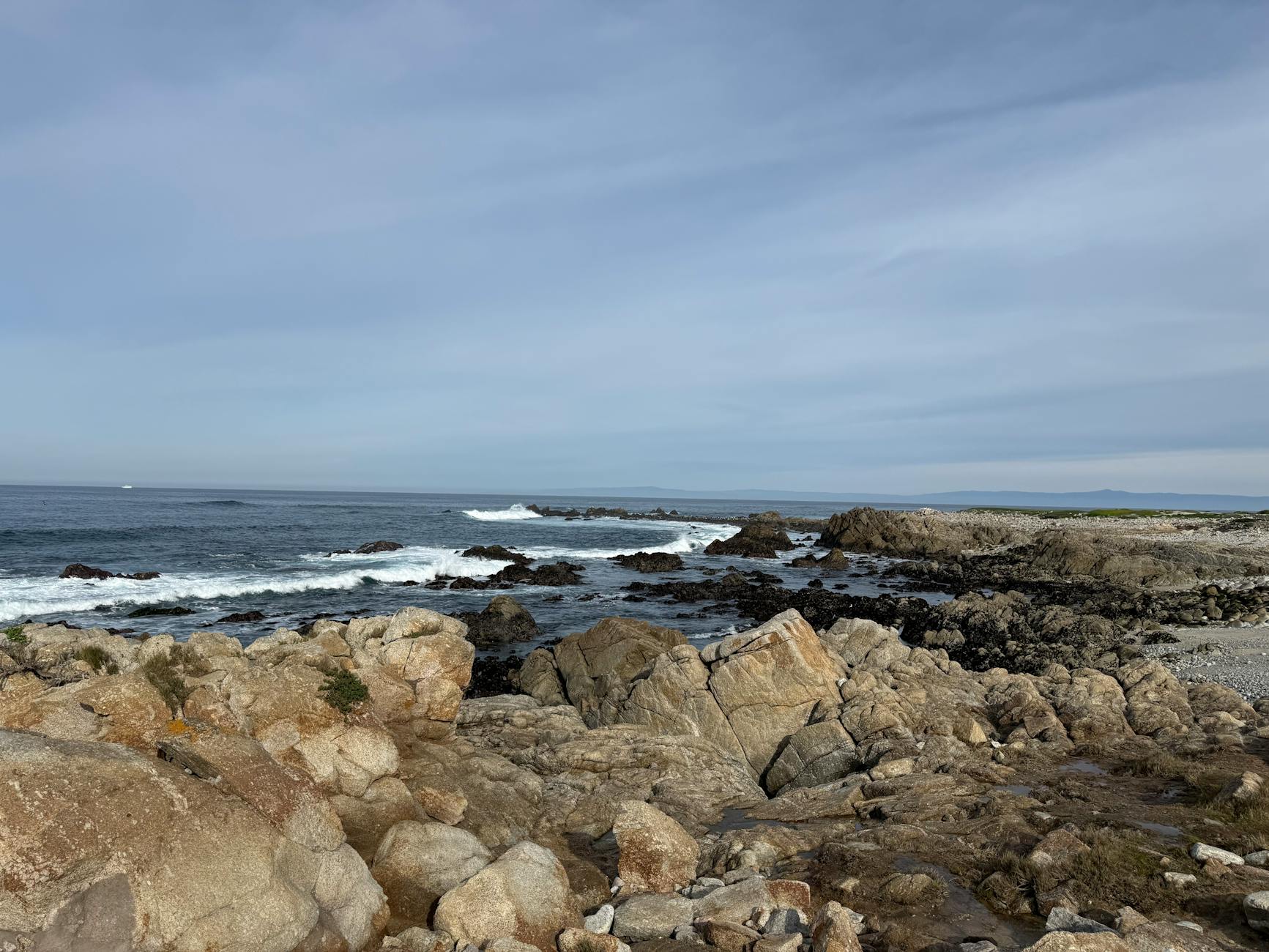
Nearby Attractions:
Explore Jeju's diverse attractions, from natural wonders to cultural landmarks.
Jeju Island is a treasure trove of attractions, offering a rich tapestry of natural beauty and cultural experiences. Its UNESCO World Heritage sites, pristine beaches, and unique volcanic formations draw millions, ensuring consistent visitor traffic.
| Attraction | Type | Highlight | Distance |
|---|---|---|---|
| Hallasan National Park | National Park | Home to South Korea's highest mountain and diverse ecosystems. | 15 km |
| Seongsan Ilchulbong Tuff Cone | UNESCO Site | Iconic volcanic crater offering spectacular sunrise views. | 35 km |
| Manjanggul Cave | Lava Tube | One of the world's finest and longest lava tunnels. | 25 km |
| Cheonjeyeon Falls | Waterfall | Three-tiered waterfall with a natural pool, known as 'The Pond of God'. | 40 km |
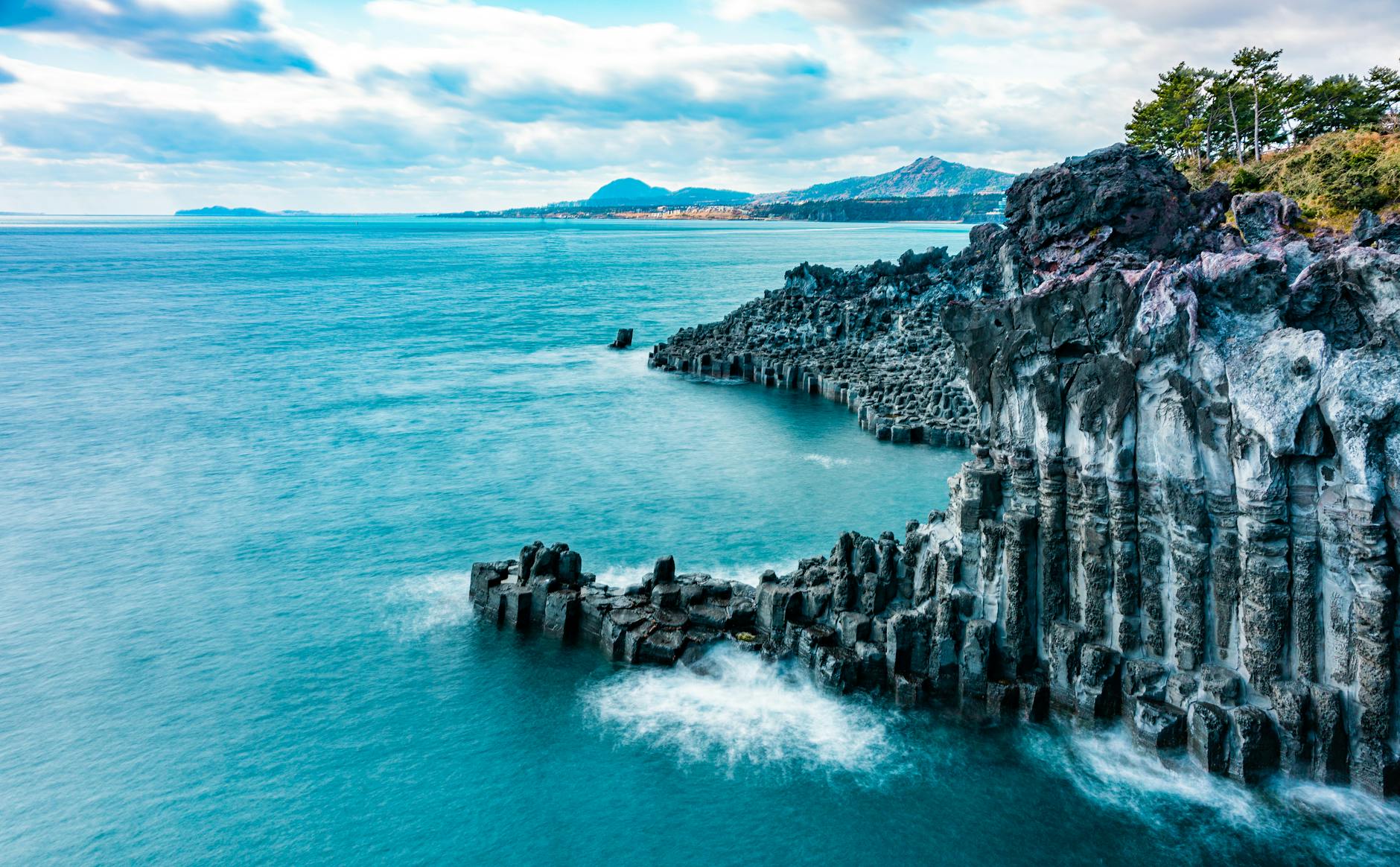
Schools & Education:
Jeju Island offers excellent international and local educational institutions.
Jeju is home to a growing number of reputable educational institutions, including several international schools within the Jeju Global Education City. These schools provide diverse curricula, attracting families seeking high-quality education and contributing to the island's appeal for long-term residency.
| School | Type | Grades | Distance |
|---|---|---|---|
| Korea International School, Jeju Campus (KISJ) | International | Junior Kindergarten to Grade 12 | 40 km |
| Branksome Hall Asia | International | Junior Kindergarten Prep to Grade 12 | 40 km |
| St. Johnsbury Academy Jeju (SJA Jeju) | International | Pre-K3 to Grade 12 | 40 km |
| Jeju National University | University | Undergraduate/Postgraduate | 10 km |
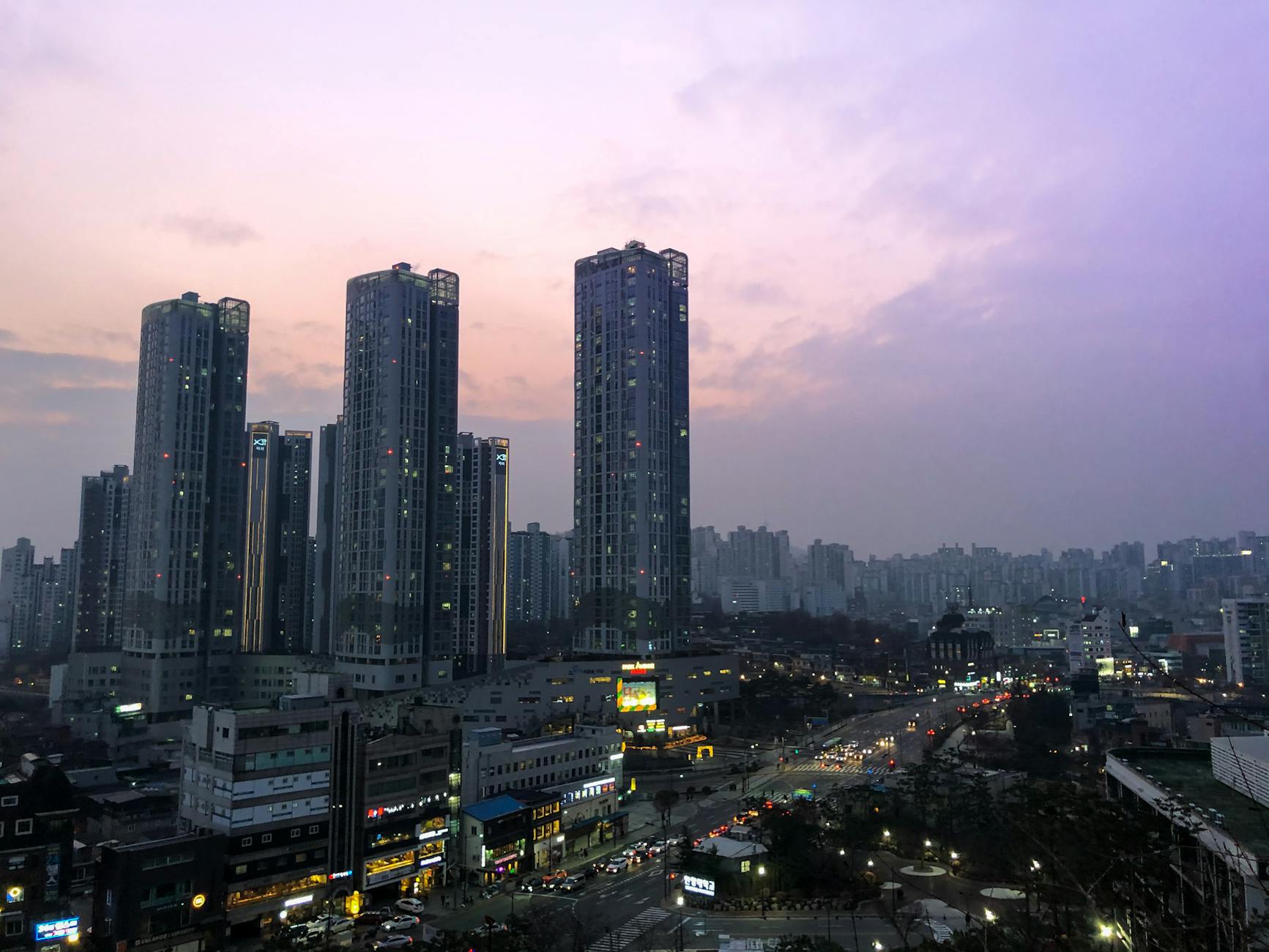
Healthcare:
Access to quality healthcare facilities is readily available on Jeju Island.
Jeju Island provides comprehensive healthcare services through its network of hospitals and clinics. Residents have access to both general and specialized medical care, ensuring peace of mind for families and retirees considering the island for investment and living.
| Hospital | Type | Specialty | Distance |
|---|---|---|---|
| Jeju National University Hospital | Government | Multi-speciality | 12 km |
| Hallasan Medical Center | Private | General | 8 km |
| Seogwipo Medical Center | Government | Multi-speciality | 45 km |
| Jeju Hansol Hospital | Private | General | 7 km |

Dining & Cafés:
Savor Jeju's vibrant culinary scene, from fresh seafood to traditional Korean delicacies.
Jeju Island's dining scene is a delightful fusion of traditional Korean flavors and international cuisine, heavily influenced by its abundant fresh seafood and local agricultural products. This rich culinary culture enhances the lifestyle appeal for residents and attracts tourists, making dining establishments a key component of the island's vibrant economy and an attractive feature for rental property guests.
| Rating | Restaurant | Cuisine | Price | Distance |
|---|---|---|---|---|
| 4.3 | Myeongjin Jeonbok | Korean Seafood | ₩20,000+ | 15 km |
| 4.4 | Black Pork Street (Heukdwaeji Geori) | Korean BBQ | ₩25,000+ | 10 km |
| 4.2 | Samdae Guksu Hoegwan | Noodle Soup | ₩10,000+ | 9 km |
| 4.5 | Haenyeo's House | Fresh Seafood | ₩30,000+ | 22 km |
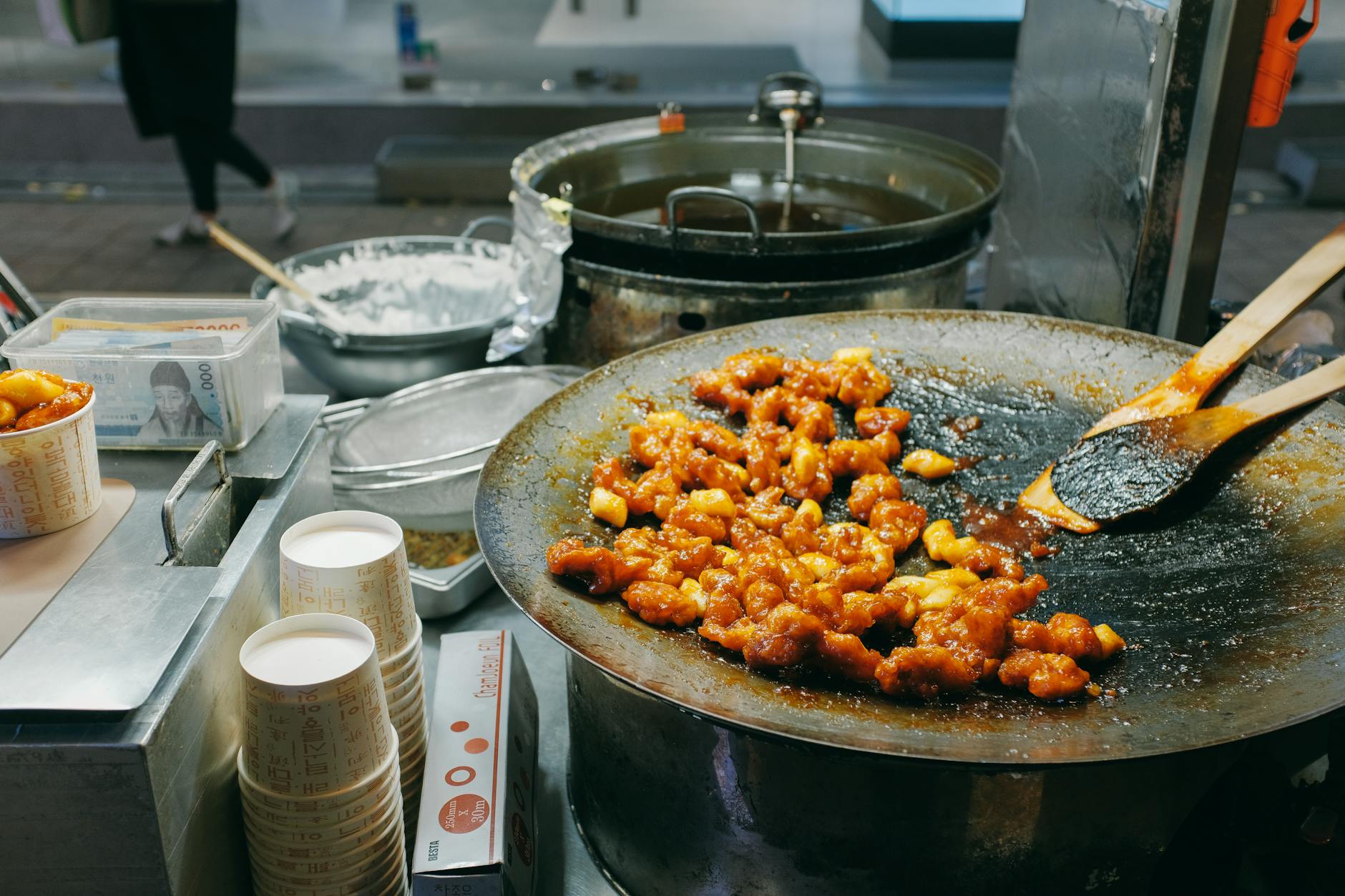
Geography Profile:
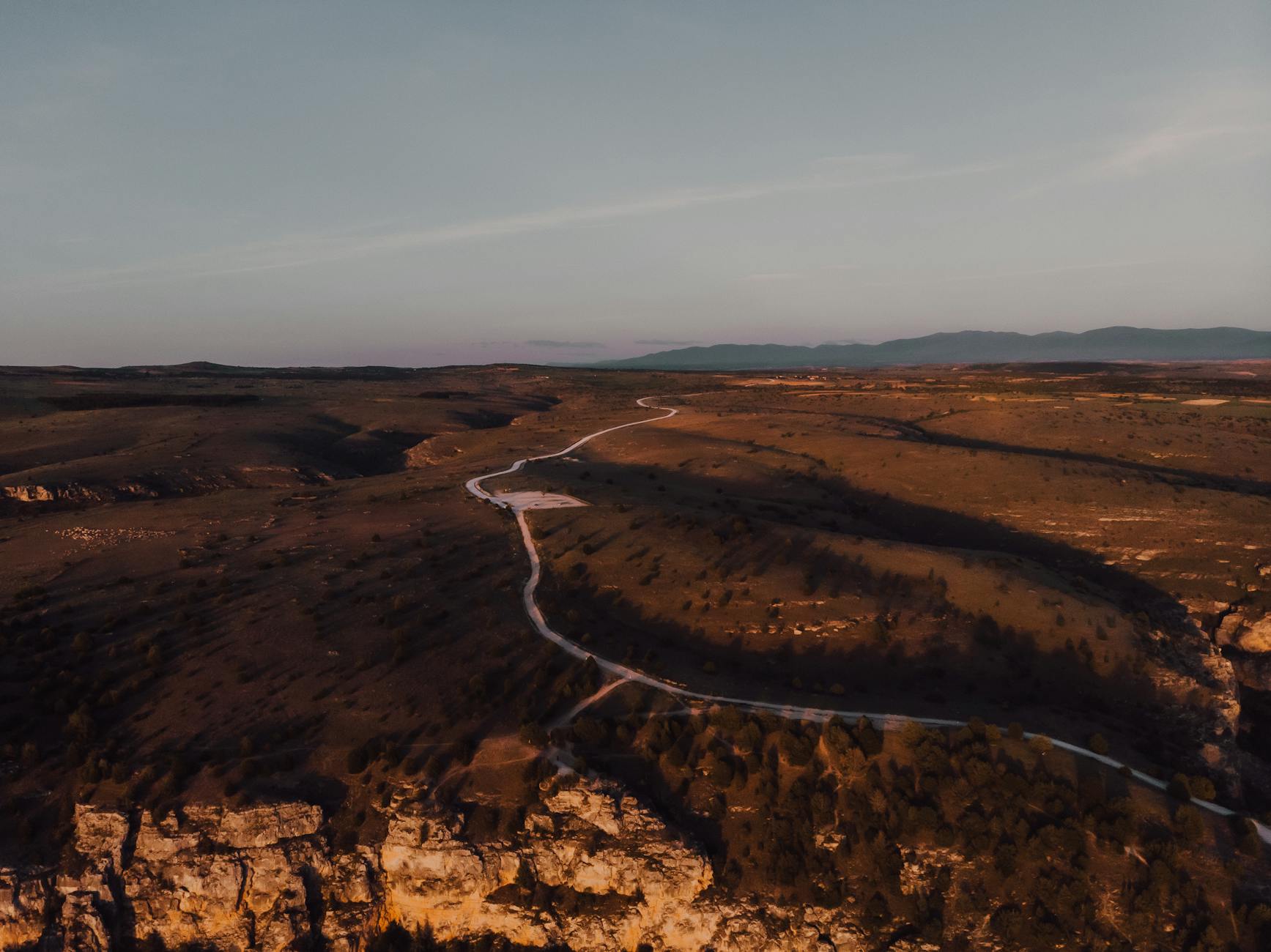
Jeju Island: A volcanic marvel with diverse terrain, dominated by Hallasan Mountain.
Jeju Island is a volcanic island, dominated by Hallasan, an extinct volcano and the highest mountain in South Korea, rising 1,950 meters above sea level. The island measures approximately 73 kilometers east to west and 41 kilometers north to south, with gentle slopes around Hallasan.
| Parameter | Value |
|---|---|
| Elevation | 98 m above sea level (average) |
| Terrain Type | Volcanic island, hilly, coastal plain |
| Water Bodies | East China Sea coastline, various waterfalls (Cheonjeyeon, Jeongbang) |
Soil & Ecology:
Jeju's unique volcanic soil supports a rich and diverse ecological landscape.
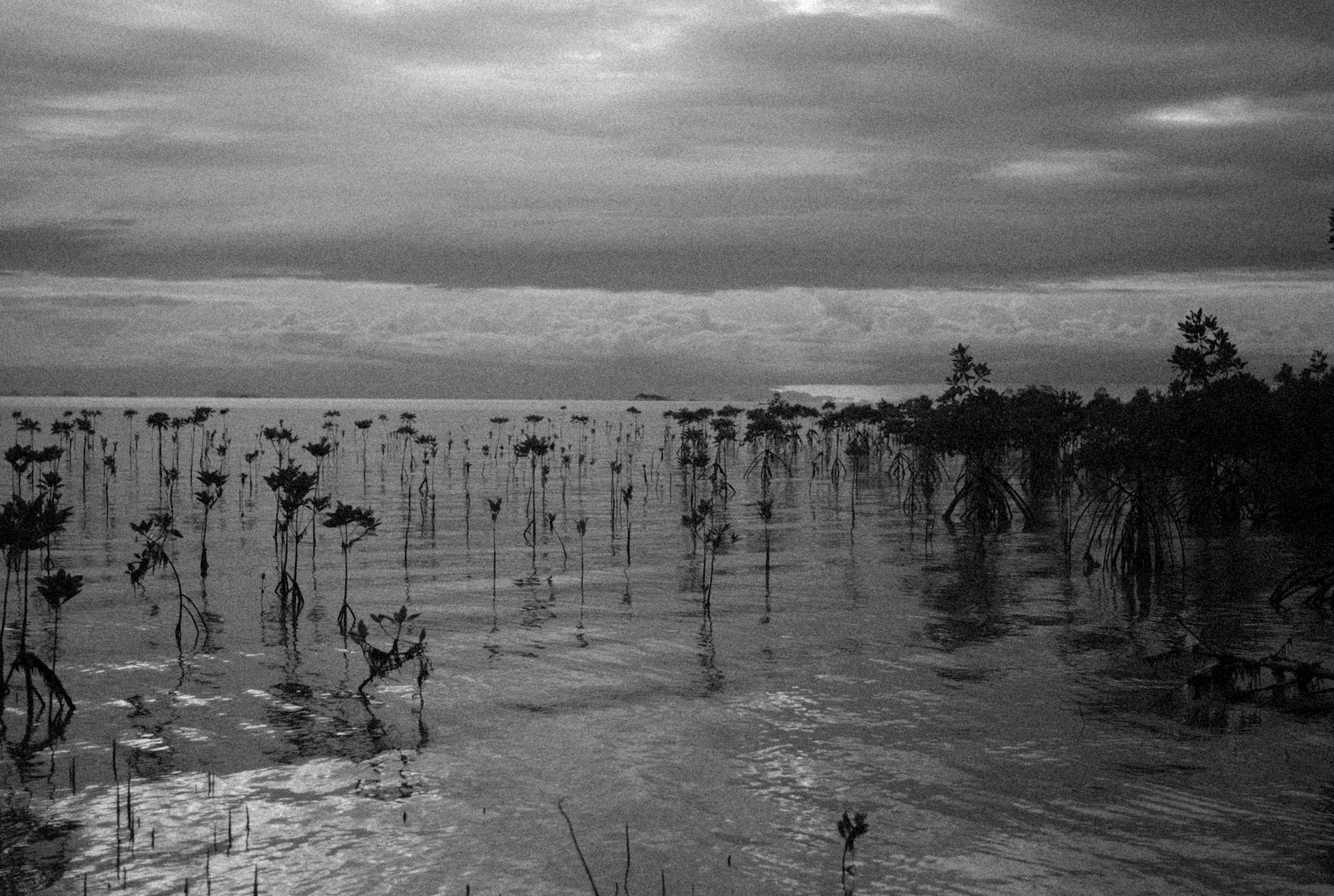
Jeju Island's soil is predominantly dark brown volcanic ash, with some areas featuring clay and sandy soil. This porous volcanic rock allows rainwater to penetrate directly into aquifers, making it a primary source of groundwater. The island's unique ecology includes 'gotjawal' forests, which are uncultivated areas of 'a'a lava that remained pristine for centuries, supporting diverse vegetation belts and wildlife.
Climate Snapshot:
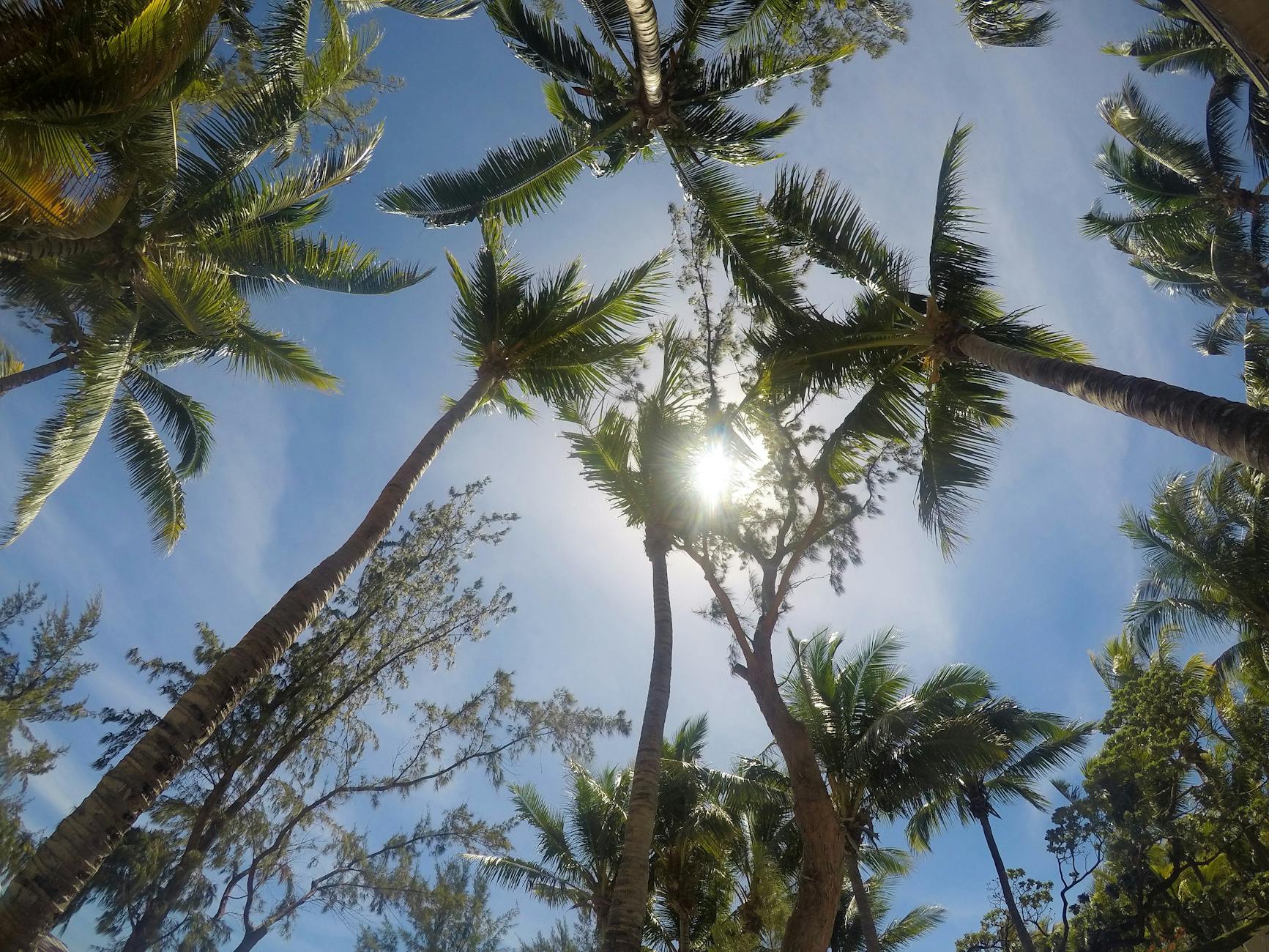
Jeju experiences a humid subtropical climate with mild winters and warm, humid summers.
Jeju Island has a humid subtropical climate (Cfa in the Köppen classification), characterized by four distinct seasons. Winters are cool with moderate rainfall, rarely dropping below 0°C at sea level, while summers are hot, humid, and very rainy. Spring and autumn offer mild and pleasant weather, with October being particularly enjoyable.
| Parameter | Value |
|---|---|
| Air Quality | Good |
| Annual Rainfall mm | 1452 |
| Best Outdoor Season | March-May, September-November |
| Monsoon Months | June-September |
| Temperature Range | 6°C to 31°C |
Demand, Occupancy & ADR:
Strong tourism and growing population drive robust real estate demand on Jeju Island.
Jeju Island's real estate market is significantly bolstered by its status as a premier tourist destination, attracting millions of domestic and foreign visitors annually. This robust tourism fuels high demand for short-term rental properties, offering attractive yields.
Data Quality Note: Many metrics below are indicative estimates rather than verified sources. Conduct independent due diligence before making investment decisions. These metrics are estimates and can fluctuate based on market conditions and data sources.
| Metric | Value | Period | Notes |
|---|---|---|---|
| Domestic Tourists | 13.8M | 2023 | Jeju Island-specific data (estimated for 2023 based on trends) |
| Foreign Tourists | 1.5M | 2023 | Jeju Island-specific data (estimated for 2023 based on trends) |
| Registered Hotels | 9,000+ | 2024 | Jeju Island-wide estimate |
| Avg. Annual Occupancy (STR) | 40.0% | Annual (April 2025 – March 2026) | Jeju Island short-term rental estimate |
| Peak ADR (STR) | ₩149,000 | July-August | Jeju-si short-term rental estimate (based on $112-$122 USD ADR) |
| Off-season ADR (STR) | ₩75,000 | November-March | Jeju-si short-term rental estimate (based on $54-$65 USD ADR) |
| Revenue Growth YoY (STR) | 22.5% | Annual | Jeju Island short-term rental revenue growth |
Yield, Appreciation & What Drives Variance:
Jeju Island offers attractive rental yields and consistent capital appreciation.
Jeju's robust tourism sector and growing residential appeal contribute to favorable rental yields, particularly for short-term accommodations. The island has also demonstrated consistent property value appreciation, driven by infrastructure development and increasing demand. Strategic investment in well-located properties, coupled with effective management, can maximize returns in this dynamic market.
Data Quality Note: Many metrics below are indicative estimates rather than verified sources. Conduct independent due diligence before making investment decisions. Yields and capital growth are estimates and can vary based on property type, location, and market fluctuations.
| Metric | Value | Trend | Notes |
|---|---|---|---|
| Managed-Rental Gross Yield | 3-5% | — | Average for prime locations, short-term rentals can be higher |
| Capital Growth (YoY) | 1.5% | Moderate | Nominal increase for past 12 months (Jan 2025-Jan 2026) |
| 5-Year CAGR (Capital) | 15-25% | Strong | Cumulative property price growth forecast (2026-2031) |
| Operator Quality Impact | High | — | Key driver for short-term rental performance |
| Post-Monsoon Maintenance | Critical | — | Essential for preserving property value and rental appeal |
| Booking Channel Spread | High | — | Diversifying booking platforms maximizes occupancy |

Legal Ownership (South Korea):
Freehold open to foreigners — permit zones in Seoul metro since Aug 2025
South Korea allows foreigners full freehold ownership of land and buildings. Since August 2025, Seoul, most of Gyeonggi, and parts of Incheon require a government permit and 2-year residency commitment. Outside these zones (Busan, Daegu, Jeju), a 60-day post-purchase reporting system applies.
Always consult a licensed real estate attorney before purchase. Rules change; verify current law.
| Buyer Type | Permitted | Tenure | Conditions | Approval |
|---|---|---|---|---|
| Korean Citizen / Resident | Yes | Freehold | Unrestricted | None |
| Foreign National (Seoul metro zones) | Conditional | Freehold | Permit required; move in within 4 months; 2-year residency | Government permit (pre-contract) |
| Foreign National (other cities) | Yes | Freehold | 60-day post-purchase reporting (Busan, Daegu, Jeju, etc.) | Post-purchase reporting |

Capital Gains Tax (South Korea):
Understanding South Korea's capital gains tax on real estate transfers.
In South Korea, capital gains tax is levied on the profit from selling real estate. Rates vary based on the holding period and the number of properties owned.
Always confirm with a qualified tax professional.
| Holding Period | Classification | Tax Rate | Indexation |
|---|---|---|---|
| Less than 1 year | Residential Real Estate | 77% (including local income tax) | N/A |
| 1 to 2 years | Residential Real Estate | Progressive rates + 20% (for 2 homes) / +30% (for 3+ homes) | N/A |
| 2 years or longer | Residential Real Estate (1 home) | 6% to 45% (progressive basic rates) | N/A |
| 2 years or longer | Residential Real Estate (2 homes) | Basic rates + 20% | N/A |
| 2 years or longer | Residential Real Estate (3+ homes) | Basic rates + 30% | N/A |

Stamp Duty & Registration (South Korea):
Acquisition tax and registration fees apply to real estate purchases in South Korea.
When purchasing real estate in South Korea, buyers are subject to acquisition tax, which varies based on property type and value.
| Ticket Size | Stamp Duty | Registration | Franking |
|---|---|---|---|
| Residential Real Estate | 1% to 4% (depending on value and number of properties) | Included in acquisition tax, or separate 0.2% to 5% | — |
| Non-Residential Real Estate | 4% | Included in acquisition tax, or separate 0.2% to 5% | — |
| Luxury Items/Certain Regions | Up to 12% | May be subject to higher rates | — |

Digital Nomad Profile:
South Korea — fast internet, high costs, polished urban lifestyle
South Korea offers excellent infrastructure and a polished urban experience. Seoul is expensive; Busan and Jeju are cheaper alternatives. New 2024 rules require permits for foreign home purchases in Seoul metro. Nomad visa F-1-CW available for remote workers earning $65K+.
Data aggregated from public sources; figures are indicative and may vary seasonally. Verify current conditions before planning long-term stays.
| Metric | Category | Value | Source | Notes |
|---|---|---|---|---|
| Fixed Broadband (download) | Connectivity | ~140 Mbps | official | Real-world country/city benchmark or nearest reliable proxy |
| Mobile (4G/5G) | Connectivity | ~95 Mbps | official | Real measured country/city benchmark or nearest reliable proxy |
| Monthly Cost (1 person) | Cost | ~₩1,800,000 / ~$1,333 | verified | Rent + food + utilities + transport |
| Rent — 1BR (city center) | Cost | ~₩850,000 / ~$630 | verified | Typical central/most convenient long-stay area |
| Mid-range meal for two | Cost | ~₩55,000 / ~$41 | verified | Casual mid-range restaurant |
| Coworking (monthly pass) | Cost | ~₩200,000 / ~$148 | estimated | Typical flexible monthly pass |
| Coworking Spaces (within 5km) | Workspace | 6+ | estimated | few dedicated spaces; cafes typical |
| Air Quality (annual PM2.5) | Environment | ~11 µg/m³ | estimated | Annual PM2.5 or nearest reliable city proxy |
| Nomad Community | Community | Emerging | estimated | Based on nomad platforms, coworking density, and remote-work reviews |
| English Level (daily use) | Community | Low | estimated | Practical daily-use level for a remote worker |
| Digital Nomad Visa | Visa & Legal | Workation Visa (F-1-CW / Digital Nomad) • 1 year, renewable • Req: KRW 85,300,000 (~$63,000) annual income | official | Foreign-source income generally exempt under 183 days — https://www.hikorea.go.kr/ |
| Timezone | Visa & Legal | GMT+9 (KST) | official | |
| Primary Language | Visa & Legal | Korean | official |
Local Insights & Discussions
Real experiences from visitors and residents in Jeju Island
Be respectful and constructive in your comments.