Indonesia: Area Guide, Getting There & Homes
Fetching weather details…
Discover the allure of Indonesia, an archipelago of unparalleled beauty and economic dynamism. Owning a property here offers a gateway to vibrant cultures, stunning landscapes, and a burgeoning real estate market, making it an ideal choice for your next investment or vacation home.
Homes for sale in Indonesia →
Key Details
Economic Growth
Consistent GDP growth fuels a stable and attractive real estate investment environment.
Urbanization & Demand
Rapid urbanization and a growing middle class drive consistent demand for diverse property types.
Infrastructure Boom
Extensive infrastructure development enhances connectivity and unlocks new property value.
Tourism Magnet
A world-renowned tourism sector creates strong demand for hospitality and rental properties.
Government Support
Pro-investment policies and incentives simplify foreign ownership and encourage market growth.
Key Investment Thesis
Scarcity & Brand Premium
Indonesia's unique island geography creates inherent scarcity, particularly in prime coastal and cultural locations. This, combined with its globally recognized brand as a desirable travel destination, allows for a significant brand premium on properties.
Infrastructure Catalyst
Massive government investment in infrastructure, including new toll roads, high-speed rail, and improved airports, is dramatically enhancing connectivity across the archipelago. This development not only makes previously remote areas more accessible but also stimulates economic activity and property value appreciation.
You'll Fall in Love:
Embrace a lifestyle of unparalleled natural beauty and vibrant cultural immersion.
Imagine waking up to the sound of waves, exploring ancient temples, or hiking through emerald rice paddies. Indonesia offers an enchanting blend of breathtaking natural beauty, rich cultural heritage, and a warm, welcoming atmosphere. It's a place where you can find tranquility on a secluded beach, adventure in lush jungles, and vibrant city life, all contributing to an enriching and fulfilling lifestyle.
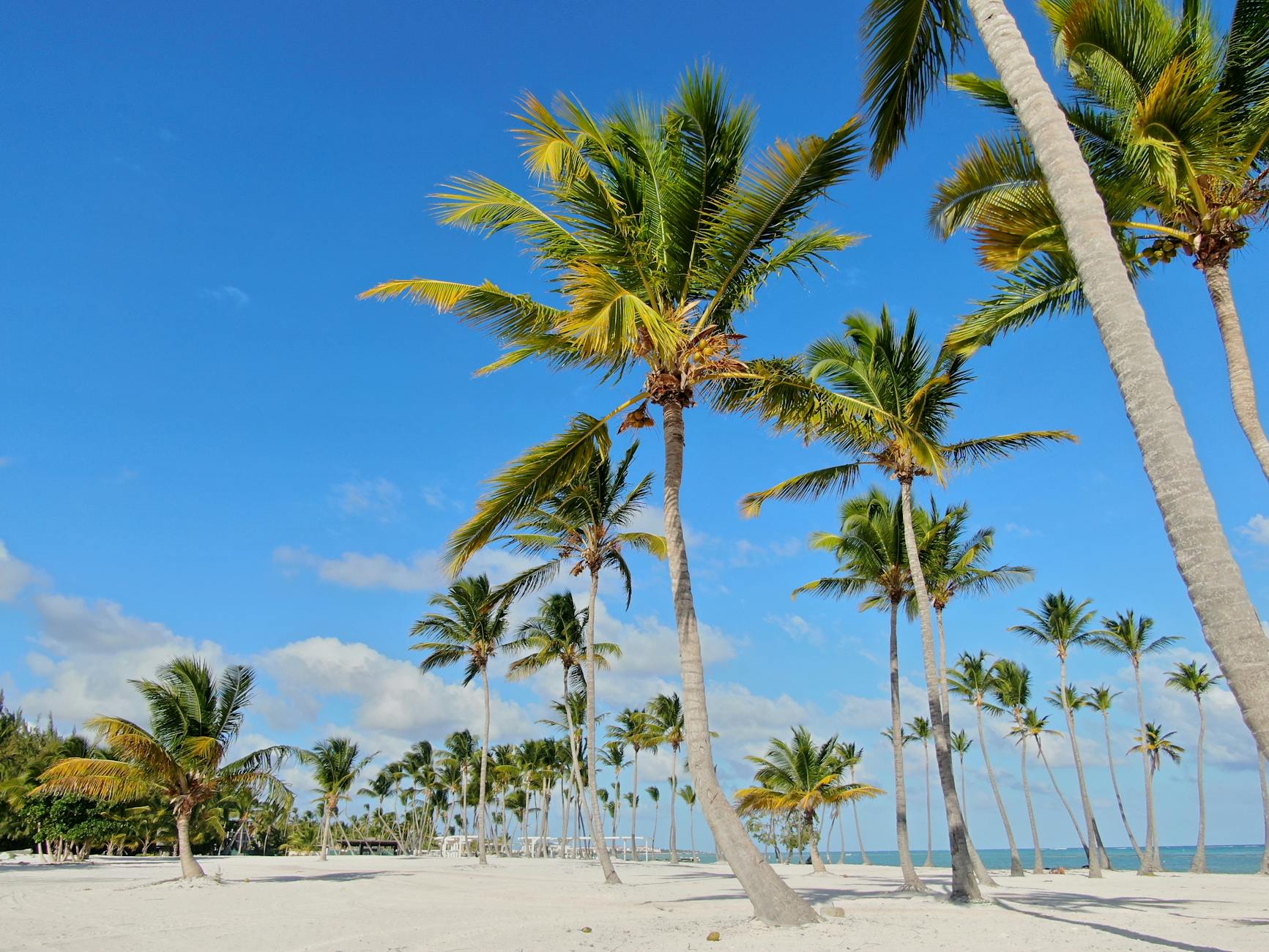
Geography Profile:
An archipelago of diverse landscapes, from volcanic mountains to pristine coastlines.
Indonesia, an expansive archipelago nation, boasts incredible geographical diversity. Major regions include the densely populated island of Java, the popular tourist destination of Bali, the resource-rich Sumatra, and the vast archipelagos of Kalimantan, Sulawesi, and Papua, each offering unique environments and investment opportunities.
| Parameter | Value |
|---|---|
| Notable Regions | Java, Bali, Sumatra, Kalimantan, Sulawesi, Papua |
| Terrain Type | Volcanic mountains, rainforests, tropical coastlines, coral reefs |
Climate Snapshot:
Tropical climate with distinct wet and dry seasons across diverse islands.
Indonesia experiences a tropical climate, generally hot and humid year-round, with distinct wet and dry seasons. Equatorial regions near the equator have minimal temperature variation. Western Indonesia typically has a wet season from October to April, while eastern regions experience their wet season from December to March. This consistent warmth makes it an attractive destination for second-home buyers year-round, though the dry season is often preferred for outdoor activities.
| Parameter | Value |
|---|---|
| Best Season | Dry season (May to September for most regions) |
| Climate Type | Tropical rainforest and tropical monsoon |
Legal Ownership (Indonesia):
No Hak Milik freehold — Hak Pakai or leasehold available to foreigners
Indonesian land law reserves Hak Milik (freehold) for Indonesian citizens. Foreigners can hold Hak Pakai (right to use, up to 80 years residential), Hak Sewa (lease, 20-25 years), or Hak Guna Bangunan via a PT PMA company (80 years). Commonly applies in Bali and other provinces.
Always consult a licensed real estate attorney before purchase. Rules change; verify current law.
| Buyer Type | Permitted | Tenure | Conditions | Approval |
|---|---|---|---|---|
| Indonesian Citizen | Yes | Freehold (Hak Milik) | Unrestricted | BPN registration |
| Foreign National (residential) | Conditional | Hak Pakai | Right to use: 30 + 20 + 30 years up to 80 total | BPN registration |
| Foreign National (lease) | Yes | Leasehold (Hak Sewa) | 20-25 years renewable by agreement | Notary agreement |
| PT PMA Company | Yes | HGB (Right to Build) | Up to 80 years via foreign-owned company | BKPM + BPN |
Capital Gains Tax:
In Indonesia, capital gains from the sale of land and buildings are subject to a final income tax.
We are confirming the capital gains rates for this location against the official schedule, so they are not shown here yet. Check with the local registry office, or a local lawyer, for the figure that applies to a specific property.
Frequently Asked Questions
Yes, Indonesia presents a compelling investment case in 2026. The country boasts strong economic growth, rapid urbanization, and significant infrastructure development, all of which are driving demand in the real estate sector. Furthermore, government initiatives aimed at attracting foreign investment and a thriving tourism industry contribute to attractive rental yields and potential capital appreciation, making it a strategic choice for property investors.
Local Insights & Discussions
Ask a question or share a local tip about Indonesia
Be respectful and constructive in your comments.
Buying or selling in Indonesia?
Tell us once. Our team connects you with the right homes, or the right buyers.