
Key Details
Untapped Potential
Emerging market with significant room for growth and value appreciation.
Natural Beauty
Diverse landscapes from pristine beaches to verdant mountains offer idyllic settings.
Cultural Richness
Experience vibrant traditions, music, and warm hospitality for a unique lifestyle.
Strategic Location
Positioned in West Africa, offering access to regional markets and growing tourism.
Affordable Entry
Relatively lower property prices compared to established markets present an attractive entry point.
Key Investment Thesis
Scarcity & Growth
Guinea's property market is characterized by limited high-quality stock, creating scarcity value. As the economy diversifies and urbanizes, demand for modern housing is projected to outpace supply significantly over the next decade.
Brand Premium
As Guinea develops its tourism infrastructure and international profile, properties in desirable locations will command a significant brand premium. Buyers seeking unique experiences and quality accommodations will pay more for well-managed, aesthetically pleasing homes.
Rental Yield Potential
While still developing, Guinea's rental market offers attractive yields, estimated between 4 to 7 percent annually in key urban centers. This is driven by a growing expatriate community and a rising local middle class seeking quality rental options.
Infrastructure Catalyst
Significant planned and ongoing infrastructure projects, including road networks and port expansions, are set to unlock new development areas and improve connectivity. These catalysts are expected to boost property values in previously less accessible regions, making them attractive for both residential and commercial investment.
Demographic Driver
Guinea's young and growing population, coupled with increasing urbanization, presents a strong long-term demographic driver for real estate demand. As more people move to cities seeking economic opportunities, the need for housing intensifies.
You'll Fall in Love:
Embrace the vibrant culture and natural splendor.
You'll fall in love with Guinea's infectious energy, from the rhythmic beats of its music to the warmth of its people. Imagine waking up to the sound of waves on a secluded beach or exploring the breathtaking vistas of the Fouta Djallon. Owning a home here means immersing yourself in a rich tapestry of culture and natural beauty, offering an unforgettable escape.
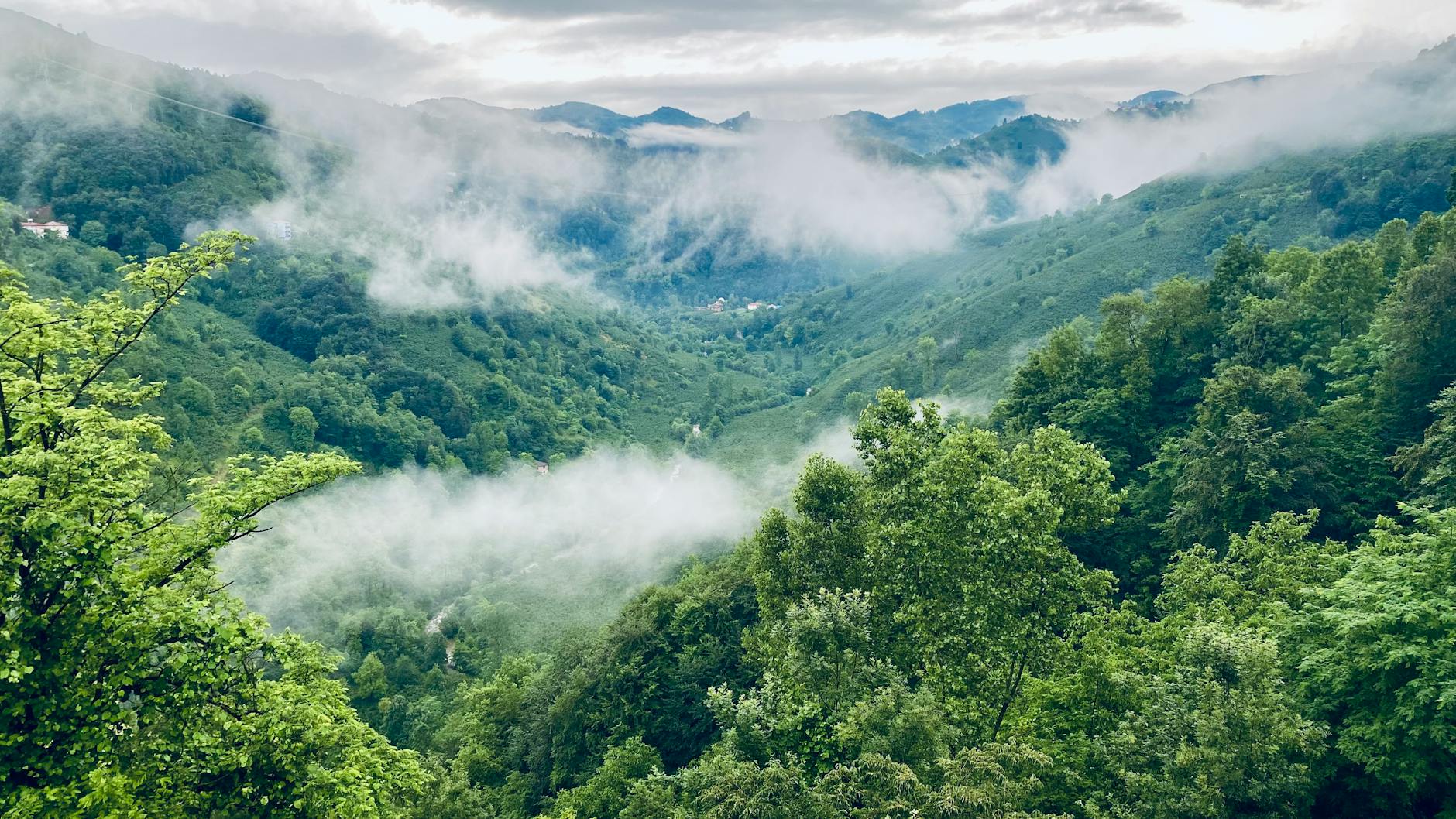
Geography Profile:
Diverse landscapes from Atlantic shores to inland plateaus.
Guinea boasts a varied geography, featuring a long Atlantic coastline with beautiful beaches, a fertile coastal plain, and a mountainous interior including the Fouta Djallon highlands. Major regions include Lower Guinea (coastal), Middle Guinea (highlands), and Upper Guinea (savanna). This diversity offers distinct lifestyle and investment opportunities across the country.
| Parameter | Value |
|---|---|
| Coastline Or Elevation | Approx. 300 km coastline, up to 1,538m elevation |
| Notable Regions | Fouta Djallon, Basse Guinée, Moyenne Guinée |
| Terrain Type | Coastal plains, mountains, savannas |
Climate Snapshot:
Tropical climate with distinct wet and dry seasons.
Guinea experiences a tropical climate, characterized by high temperatures and humidity year-round. The country has two main seasons: a distinct rainy season from May to October, and a dry season from November to April. Coastal areas are generally more humid, while inland regions can experience greater temperature variations. The dry season offers the most pleasant weather for visitors and residents.
| Parameter | Value |
|---|---|
| Best Season | Dry season (November to April) |
| Climate Type | Tropical monsoon |
| Temperature Range | 24°C to 30°C |
Demand, Occupancy & ADR:
Growing interest in coastal and urban properties drives demand.
Demand for real estate in Guinea is steadily increasing, fueled by a growing middle class, urbanization, and a nascent tourism sector. Interest is particularly strong in Conakry and along the coastal regions, where both residential and commercial properties are sought after. Rental demand is also rising as more expatriates and returning Guineans seek quality housing.
These metrics are estimates; verify with local market research.
| Metric | Value | Period | Notes |
|---|---|---|---|
| Urban Population Growth | 3.5% | 2025 | Annual growth rate. |
| Foreign Direct Investment | $1.2 Billion | 2023 | Indicative inflow. |
| Tourism Arrivals | 15% | 2024 | Projected annual increase. |
Yield, Appreciation & What Drives Variance:
Rental yields show promise, with capital appreciation potential.
Rental yields in Guinea are currently estimated to range between 4 to 7 percent, particularly in high-demand urban and coastal areas. While yields are moderate, the outlook for capital appreciation is positive, driven by infrastructure development and increasing economic activity. Properties in prime locations are expected to see steady growth over the next five years.
Yields vary by location and management; treat as indicative.
| Metric | Value | Trend | Notes |
|---|---|---|---|
| Average Rental Yield | 4 to 7 percent | — | Indicative range. |
| Projected Appreciation | 5 to 9 percent | — | Annualized estimate. |
Legal Ownership (Guinea):
Land law is complex; foreigners can own urban property with approval
Guinea's land tenure is governed by the Code Foncier et Domanial, which establishes that rural and forest land belongs to the state, while urban land can be privately titled. Foreign nationals can purchase titled urban property (titre foncier) with government approval, but the process is administratively complex and depends on the ministry of urban affairs. In rural areas, customary and community land rights dominate and foreign access is severely limited. Due diligence on title verification is critical, as overlapping claims and informal tenure are common.
Laws change. Always consult a licensed real estate attorney before purchasing.
| Buyer Type | Permitted | Tenure | Conditions | Approval |
|---|---|---|---|---|
| Resident citizen | Yes | Freehold (titre foncier, urban) or customary (rural) | Urban titled land freely purchasable; rural subject to customary rules | Land registry for urban |
| Foreign national | Conditional | Freehold (urban titled property) | Government approval required; limited to urban property; rural land not accessible | Ministry of Urban Affairs |
| Non resident | Conditional | Freehold (urban only) | Same framework as foreign nationals; title verification essential | Ministry of Urban Affairs |
Capital Gains Tax (Guinea):
Property gains taxed under income and corporate tax rules
Guinea does not have a distinct capital gains tax on residential property. Gains from property disposals are treated as ordinary income or business income under the General Tax Code. Individual sellers face income tax at progressive rates, while corporate sellers pay corporate income tax at 35 percent. Detailed published rules on residential property gains are scarce, and practical enforcement outside Conakry is limited.
Consult a qualified chartered accountant for advice specific to your tax profile.
| Holding Period | Classification | Tax Rate | Indexation |
|---|---|---|---|
| Any, individual seller | Treated as taxable income | Progressive income tax rates, up to approximately 40 percent | No |
| Any, corporate seller | Corporate income tax | 35 percent | No |
Frequently Asked Questions
Yes, Guinea presents a compelling investment case in 2026 due to its emerging market status and untapped potential. With a growing economy, increasing urbanization, and planned infrastructure developments, property values are poised for appreciation. The country offers a unique opportunity to enter a market with significant long-term growth prospects before it becomes fully established, appealing to both rental income and capital growth investors.
Local Insights & Discussions
Real experiences from visitors and residents in Guinea
Be respectful and constructive in your comments.