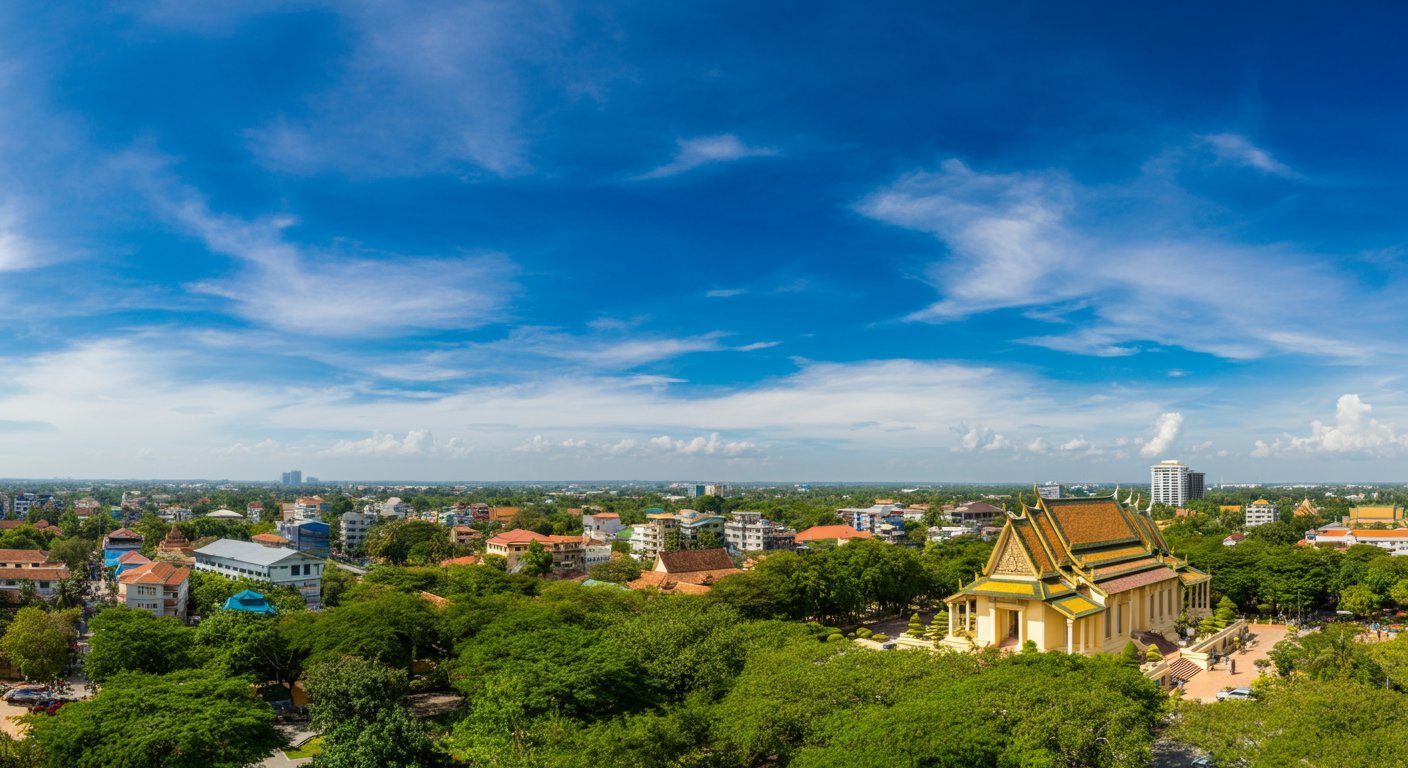
Key Details
Strong Rental Yields
Achieve attractive gross rental yields, often ranging from 6% to 8% nationally.
Economic Growth
Benefit from a rapidly developing economy with a young, growing population and increasing urbanization.
Affordable Entry
Invest with competitive entry prices compared to neighboring Southeast Asian markets.
Infrastructure Catalyst
Capitalize on major infrastructure projects enhancing connectivity and opening new development areas.
Tourism Rebound
Leverage a recovering tourism sector that drives demand for short- and long-term rentals.
Key Investment Thesis
Scarcity & Demand
Limited supply of quality housing, especially in prime urban areas like Phnom Penh, contrasts with rising demand from a growing middle class and expatriate community. This imbalance creates a strong foundation for property value appreciation, with a projected 6% annual GDP growth supporting sustained demand for residential units.
Brand Premium
Reputable developers and well-managed properties command a premium, attracting both local and foreign buyers seeking quality and reliability. Investing in established projects or those by known entities can lead to higher rental yields and better resale values, capitalizing on the increasing demand for trustworthy real estate options.
Rental Yields
Cambodia offers attractive gross rental yields, frequently ranging from 6% to 8%, significantly outperforming many regional markets. This robust income potential, coupled with a growing tourism sector, ensures consistent cash flow for investors, making it a prime destination for buy-to-let strategies.
Infrastructure Catalyst
Massive infrastructure investments, including new airports, expressways, and urban development projects, are unlocking new areas and enhancing connectivity. These catalysts are expected to drive significant property value growth in previously underdeveloped regions, offering early-mover advantages.
Demographic Driver
Cambodia's young population, with a median age of 25, represents a powerful demographic engine for future housing demand. As this generation urbanizes and enters the workforce, their need for modern, accessible housing will continue to fuel market growth for years to come.
You'll Fall in Love:
Experience vibrant culture, warm hospitality, and a rapidly evolving nation.
You'll fall in love with Cambodia's captivating blend of ancient traditions and forward-looking dynamism. Immerse yourself in the warmth of Khmer culture, explore breathtaking historical sites, and witness a nation on the rise. The friendly locals, delicious cuisine, and the sheer potential for growth create an unparalleled atmosphere for both living and investing.
Geography Profile:
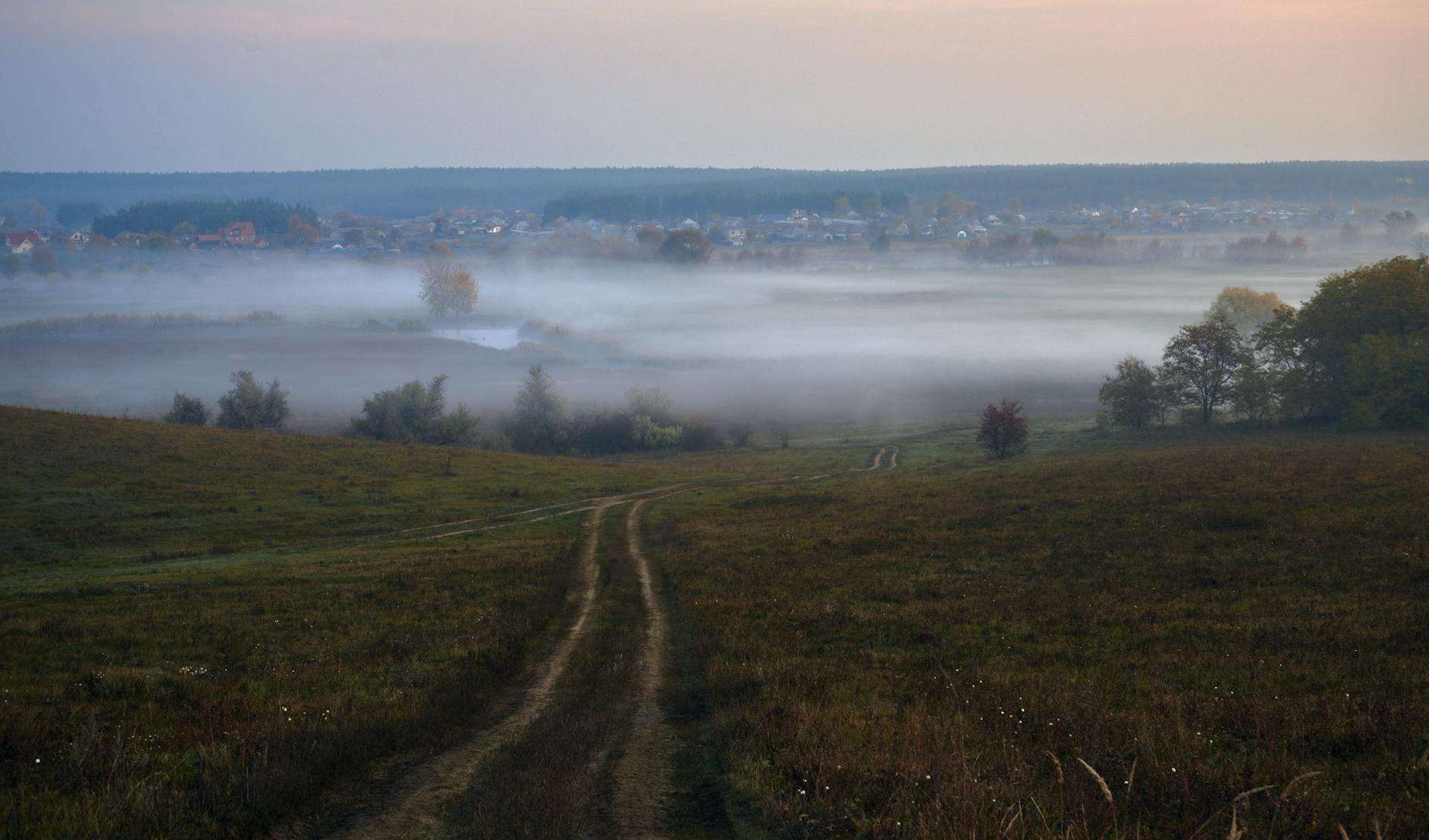
A diverse landscape of plains, mountains, and a tropical coastline.
Cambodia's geography is dominated by a vast central alluvial plain, home to the Tonlé Sap lake and Mekong River basin, surrounded by mountain ranges. To the southwest lies a 443 km coastline along the Gulf of Thailand, featuring mangrove marshes, peninsulas, and numerous islands. The country also includes highlands and plateaus in its northern and eastern regions, offering varied terrains from rolling hills to dense forests.
| Parameter | Value |
|---|---|
| Coastline Or Elevation | 443 km coastline; highest peak around 1,772 meters in Cardamom Mountains |
| Notable Regions | Tonlé Sap Basin, Mekong River Delta, Gulf of Thailand coast |
| Terrain Type | Central plains, mountains (Cardamom, Elephant, Dangrek ranges), coastal regions, highlands, plateaus |
Climate Snapshot:
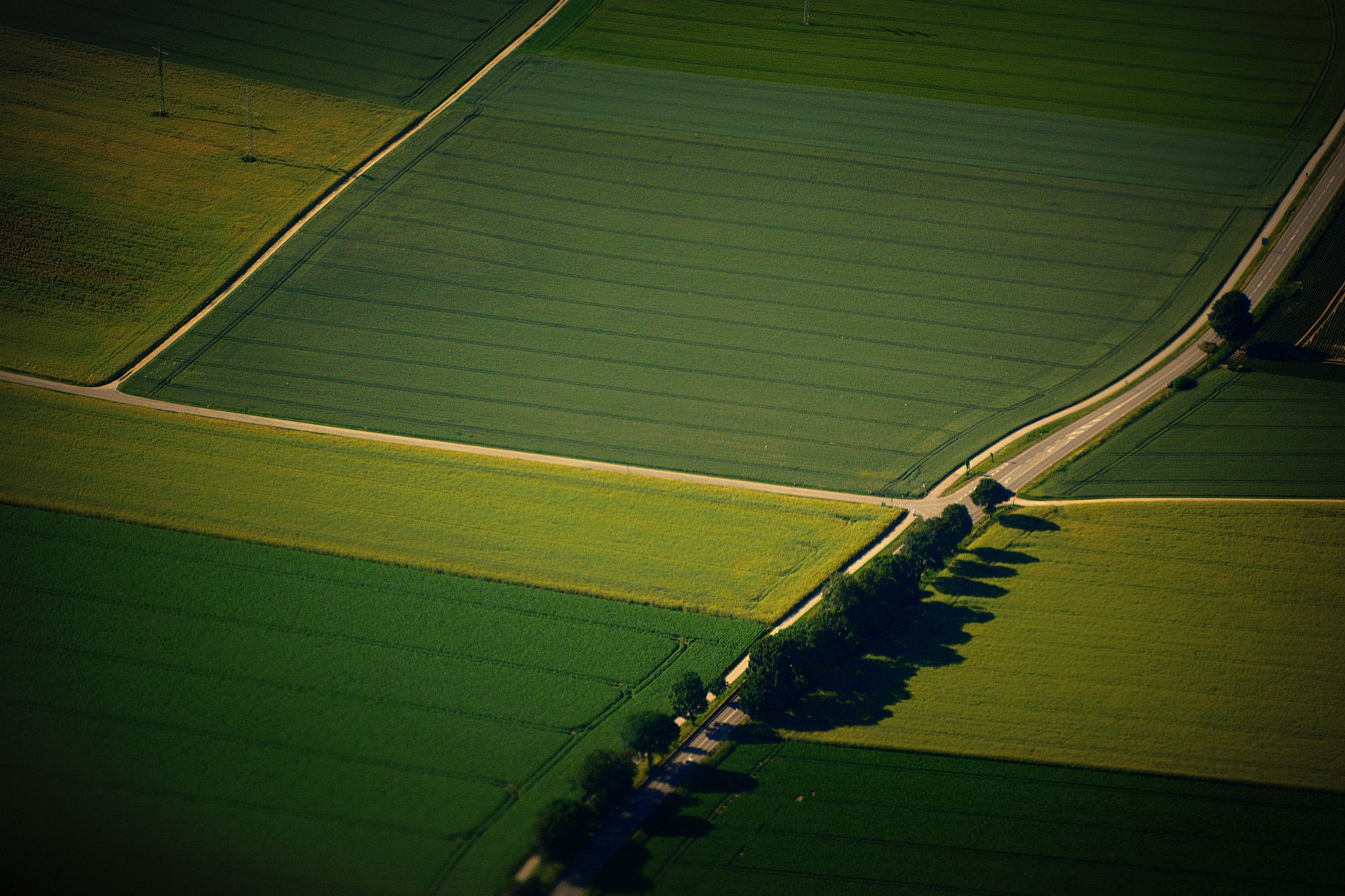
Tropical climate with distinct wet and dry seasons.
Cambodia experiences a tropical monsoon climate with high temperatures and humidity year-round. The year is divided into two main seasons: a dry season (November to April) and a rainy season (May to October). The dry season includes cooler (November-February) and hotter (March-April) periods, while the rainy season sees high humidity and frequent, heavy rainfall, particularly in August and September.
| Parameter | Value |
|---|---|
| Best Season | Dry season (November to April) |
| Climate Type | Tropical monsoon |
| Temperature Range | 21°C to 35°C (69.8°F to 95°F) |
Demand, Occupancy & ADR:
Driven by urbanization, a young demographic, and a growing expat community.
Cambodia's demand for property is fueled by a rapidly urbanizing population and a burgeoning expat community. With a median age of 25, the young demographic is increasingly educated and seeking modern housing. The growing tourism sector also significantly boosts demand for short- and long-term rentals, particularly in key cities and coastal areas. Multinational companies establishing operations further increase the need for quality housing.
These metrics are estimates; verify with local market research.
| Metric | Value | Period | Notes |
|---|---|---|---|
| Urbanization Rate | 22-24% | 2025 | Significantly lower than regional peers, indicating substantial future growth potential. |
| Foreign Investment Growth | 800% | Past decade | Indicative of increasing international confidence and market activity. |
| Tourist Arrivals | 6.7 million | 2024 | Shows strong recovery and potential for rental demand. |
Yield, Appreciation & What Drives Variance:
Attractive returns with potential for capital appreciation.
Cambodia offers compelling rental yields, with national averages for apartments often falling between 6% and 8%. While gross yields are robust, net yields typically range from 1.5% to 4% after expenses. The market also presents opportunities for capital appreciation, particularly in developing districts and areas benefiting from new infrastructure, with some properties seeing 20-30% higher resale values over five years.
Yields vary by location and management; treat as indicative.
| Metric | Value | Trend | Notes |
|---|---|---|---|
| Average Gross Rental Yield | 6 to 8 percent | — | National average for apartments and condos. |
| Net Rental Yield (Estimated) | 1.5 to 4 percent | — | After accounting for property management, maintenance, and taxes. |
Legal Ownership (Cambodia):
Strata-titled condo units 2nd floor up — 70% foreign cap per building
Cambodia's 2010 Foreign Ownership Law permits foreigners to own strata-titled condominium units above the ground floor. Maximum 70% of units in any building can be foreign-owned. Foreigners cannot own land directly. Long-term lease or nominee structures are alternatives for land exposure.
Always consult a licensed real estate attorney before purchase. Rules change; verify current law.
| Buyer Type | Permitted | Tenure | Conditions | Approval |
|---|---|---|---|---|
| Cambodian Citizen | Yes | Freehold | Unrestricted | Land registry |
| Foreign National (condo) | Conditional | Strata Title | 2nd floor or above; max 70% foreign per building | Strata title registration |
| Foreign National (land) | No | Leasehold | No land; 50-year renewable lease or nominee only | Not applicable for direct land |

Capital Gains Tax (Cambodia):
Understanding capital gains tax in Cambodia for real estate investments.
Cambodia imposes a capital gains tax on the sale of immovable property. The tax rate and specific regulations can vary, so it is crucial for investors to understand the current framework to accurately project their.
Always confirm with a qualified tax professional.
| Holding Period | Classification | Tax Rate | Indexation |
|---|---|---|---|
| N/A | Immovable Property | 20% | N/A |

Frequently Asked Questions
Yes, Cambodia presents a compelling investment case in 2026 due to its strong economic growth, young demographic, and developing infrastructure. The country offers competitive property prices and attractive rental yields, often between 6% and 8% nationally. While challenges exist, the ongoing urbanization and recovery in tourism provide a solid foundation for property investment.
Local Insights & Discussions
Real experiences from visitors and residents in Cambodia
Be respectful and constructive in your comments.