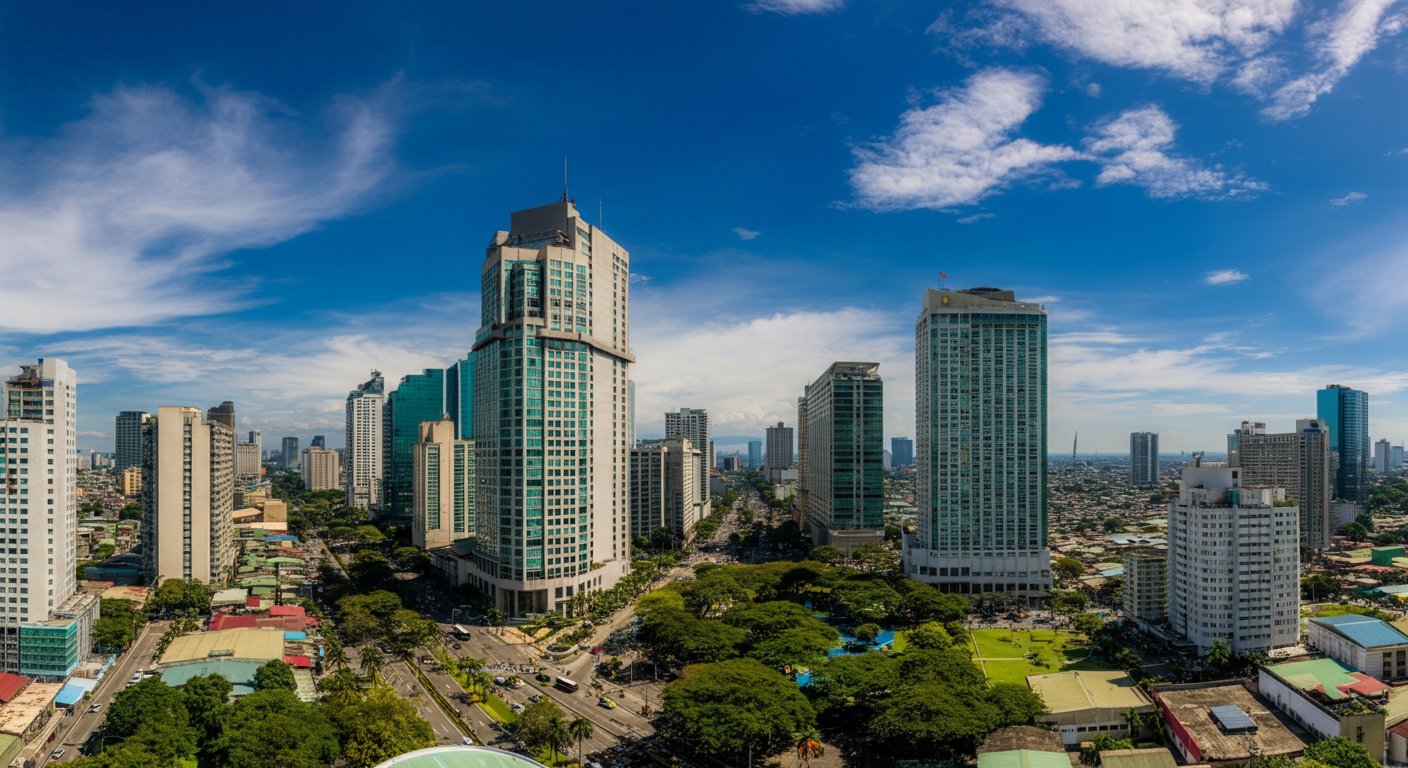
Key Details
Economic Growth
A robust economy driven by domestic consumption and foreign investment fuels property demand.
Infrastructure Development
Major projects enhance connectivity, boosting property values and opening new investment corridors.
Young Demographics
A large, youthful population creates sustained demand for housing and rental properties.
Tourism Appeal
A popular tourist destination offers significant potential for vacation rental income.
Affordable Entry
Compared to many Asian neighbors, property prices offer a more accessible entry point for investors.
Key Investment Thesis
Scarcity & Demand
With over 7,600 islands and a growing population, the Philippines presents a unique property market. Demand is consistently driven by a young demographic, robust OFW remittances, and a thriving BPO sector, ensuring a steady need for housing and commercial spaces.
Infrastructure Catalyst
Massive government investment in infrastructure, including railways, highways, and airports, is transforming connectivity across the archipelago. Projects like the Metro Manila Subway and North-South Commuter Railway are not only shortening travel times but also unlocking previously underdeveloped areas, significantly boosting property values in newly accessible corridors.
Rental Yield Potential
The Philippines offers attractive gross rental yields, typically ranging from 5% to 7%, with potential for higher returns in specific markets. Tourist hotspots and urban centers with high expatriate and BPO worker populations provide strong demand for both short-term vacation rentals and long-term leases, ensuring consistent income streams for investors.
Demographic Dividend
A young and rapidly urbanizing population of over 114 million people forms a strong foundation for sustained real estate demand. This demographic trend, coupled with increasing disposable incomes and a growing middle class, fuels continuous interest in homeownership and rental properties across various segments of the market.
Tourism-Driven Appreciation
The Philippines' status as a premier tourist destination, with its stunning beaches and natural attractions, creates significant opportunities for vacation rental income and capital appreciation. Areas like Boracay, Palawan, and Cebu are particularly attractive, benefiting from consistent visitor numbers and a growing demand for short-term accommodations.
You'll Fall in Love:
Embrace a vibrant culture and breathtaking natural beauty.
Beyond its investment potential, the Philippines captivates with its warm hospitality, rich cultural heritage, and unparalleled natural splendor. Imagine waking up to the sound of waves, exploring lush landscapes, and experiencing the genuine warmth of the Filipino people. It's a place where you can truly find your paradise and create lasting memories.

Geography Profile:
An archipelago of diverse natural beauty and distinct regions.
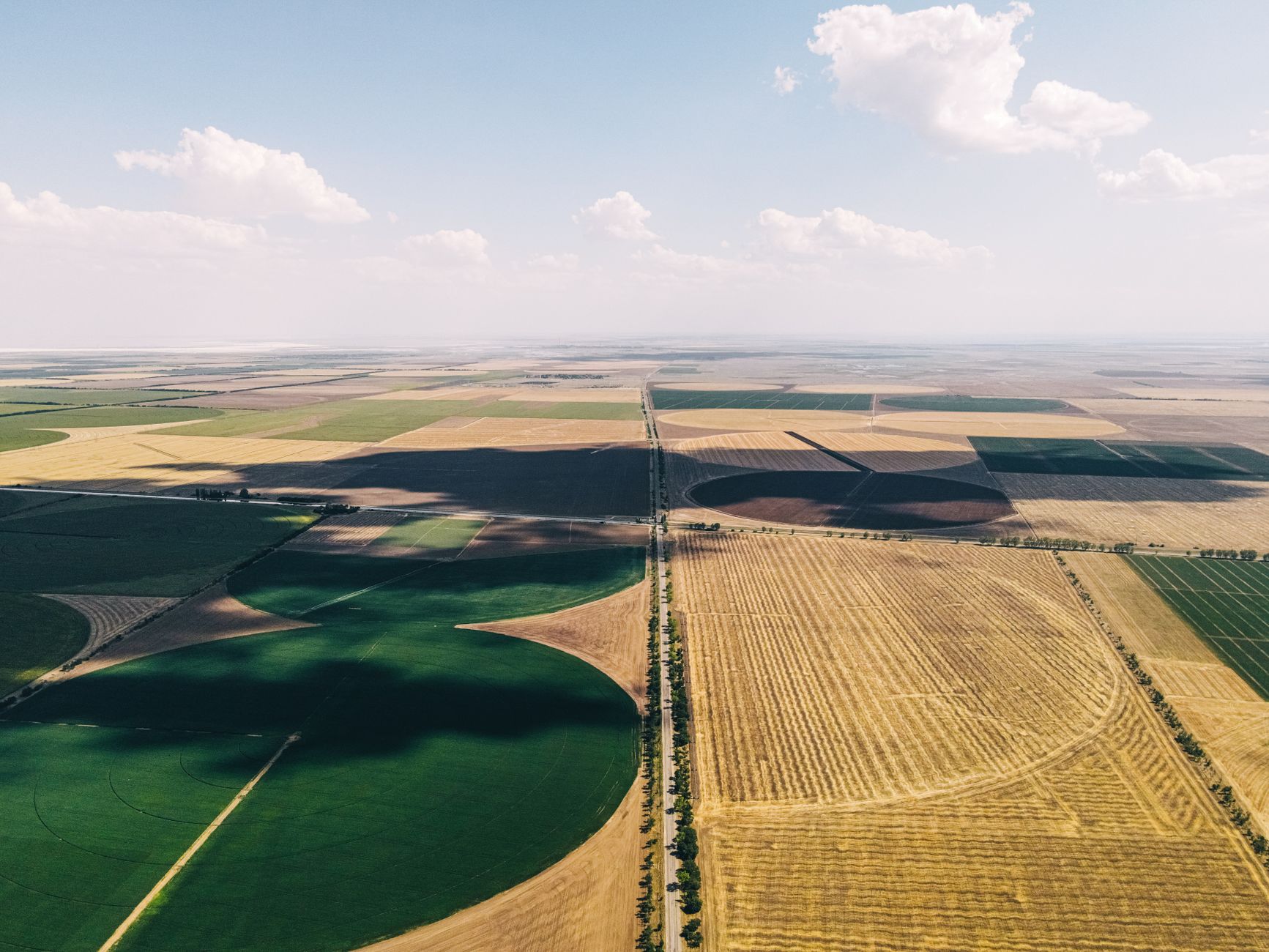
Comprising over 7,600 islands, the Philippines offers a stunning tapestry of landscapes, from volcanic mountains and lush rainforests to pristine beaches and vibrant coral reefs. The country is broadly divided into three main island groups: Luzon in the north, the Visayas in the center, and Mindanao in the south, each with unique characteristics and investment opportunities.
| Parameter | Value |
|---|---|
| Coastline Or Elevation | Extensive coastline, Mount Apo is the highest peak |
| Notable Regions | Luzon, Visayas, Mindanao |
| Terrain Type | Archipelagic, mountainous, coastal plains, volcanic |
Climate Snapshot:
Tropical maritime climate with distinct wet and dry seasons.
The Philippines experiences a tropical maritime climate, characterized by warm temperatures and high humidity year-round. Seasons are primarily defined by rainfall: a wet season from June to November and a dry season from December to May. Temperatures are generally consistent, though higher elevations offer cooler retreats. Typhoons are a notable weather phenomenon.
| Parameter | Value |
|---|---|
| Best Season | Dry season (December to May) |
| Climate Type | Tropical monsoon and tropical rainforest |
| Temperature Range | 25°C to 32°C (77°F to 90°F) annually |

Demand, Occupancy & ADR:
Sustained demand driven by a growing population and expanding economy.
The Philippines' real estate market benefits from a young, growing population and increasing urbanization, leading to consistent demand for residential properties. The expanding middle class and strong OFW remittances further fuel this demand, while the thriving BPO sector continues to drive the need for commercial and residential spaces in key urban centers.
These metrics are estimates; verify with local market research.
| Metric | Value | Period | Notes |
|---|---|---|---|
| Urban Population Growth | 48.7% | 2024 | Percentage of population residing in urban areas. |
| GDP Growth Projection | 5.4% to 5.6% | 2026 | Projected economic growth rate. |
| OFW Remittances | >$38 billion | Annually | Annual inflow supporting housing demand. |
Yield, Appreciation & What Drives Variance:
Attractive rental yields and potential for capital appreciation.
The Philippines offers competitive rental yields, with potential for strong capital appreciation driven by ongoing infrastructure development and economic growth. While yields vary by location, investors can expect attractive returns, particularly in high-demand urban centers and tourist hotspots, with opportunities for both long-term rentals and short-term vacation lets.
Yields vary by location and management; treat as indicative.
| Metric | Value | Trend | Notes |
|---|---|---|---|
| Average Gross Rental Yield | 5.11% | — | Nationwide average, before expenses. |
| Potential Short-Term Yields | 7% to 11% | — | In short-term rental hotspots like Cebu IT Park and Clark. |
Legal Ownership (Philippines):
Foreigners cannot own land — condo units up to 40% quota permitted
Article XII Section 7 of the 1987 Constitution reserves land ownership for Filipino citizens. Foreigners may own condominium units provided foreign ownership in the project does not exceed 40% (Condominium Act / RA 4726). Leases up to 50 years available under the Investors' Lease Act.
Always consult a licensed real estate attorney before purchase. Rules change; verify current law.
| Buyer Type | Permitted | Tenure | Conditions | Approval |
|---|---|---|---|---|
| Filipino Citizen | Yes | Freehold | Unrestricted | Registry of Deeds |
| Foreign National (condo) | Conditional | Freehold (unit) | Condo unit within 40% building foreign quota | Condominium Certificate of Title (CCT) |
| Foreign National (land) | No | Leasehold only | Cannot own land; lease up to 25+25 years | Investors' Lease Act registration |

Capital Gains Tax (Philippines):
Understanding capital gains tax on real property sales in the Philippines.
In the Philippines, capital gains tax (CGT) is imposed on the presumed gain from the sale of real property classified as a capital asset.
Always confirm with a qualified tax professional.
| Holding Period | Classification | Tax Rate | Indexation |
|---|---|---|---|
| Any | Capital Asset (Real Property) | 6% | Not applicable; based on gross selling price or fair market value, whichever is higher. |

Frequently Asked Questions
Yes, the Philippines presents a compelling property investment landscape in 2026. Driven by a growing economy projected at 5.4%-5.6% GDP growth, significant infrastructure development, and a young demographic, demand for real estate remains robust. While yields vary, opportunities for both rental income and capital appreciation are present, especially in strategic locations.
Local Insights & Discussions
Real experiences from visitors and residents in Philippines
Be respectful and constructive in your comments.