Mana Village, Uttarakhand: Homes & Plots to Buy, Plus Area Guide
Fetching weather details…
Mana Village is a destination in Uttarakhand, India, known for mountain, hill. Last Indian village, Vasudhara.
Homes for sale in Mana Village →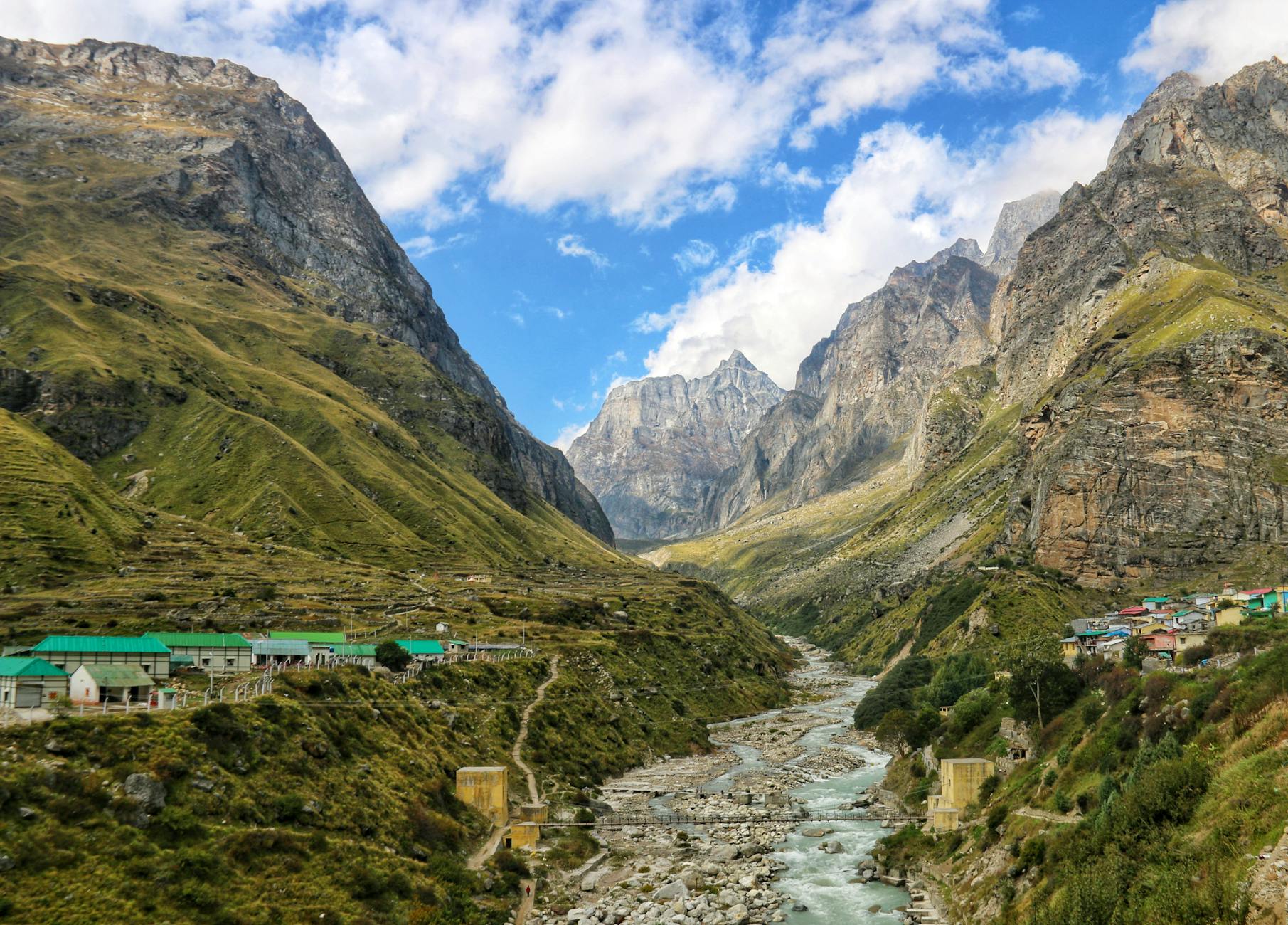
Key Details
Location
India's last village, near Indo-Tibetan border.
Altitude
Connectivity
Significance
Mythological sites, spiritual hub, trekking base.
Tourism
Designated 'Tourism Village' by Uttarakhand Govt.
Attributes
Mountain, Hill
Located in Mana Village
Connectivity
- Airport: Jolly Grant Airport, Dehradun
- Railway: Rishikesh Railway Station
- Highway: National Highway 7 (NH-7) Directly accessible
Key Landmarks
- Temple: Badrinath Temple
- Natural Wonder: Bheem Pul Within village
- Spiritual Site: Vyas Gufa Within village
Key Investment Thesis
Unique 'Last Village' Status
Mana's designation as India's first village before the Tibetan border creates inherent scarcity. This unique geographical and symbolic position attracts consistent tourist interest, underpinning demand for niche accommodations and experiences, driving value.
Spiritual & Mythological Draw
As a key stop for Char Dham pilgrims and a site steeped in Mahabharata lore, Mana offers enduring spiritual appeal. This consistent influx of devout visitors supports seasonal rental demand and preserves the village's cultural significance, a key investment driver.
Growing Adventure Tourism
Beyond pilgrimage, Mana is a base for treks to Vasudhara Falls and Satopanth Lake. This growing adventure tourism segment diversifies visitor profiles and extends the season, creating sustained demand for lodging and enhancing property appeal.
A Look into Mana Village:
Experience India's spiritual frontier in Mana, a village steeped in myth and mountain majesty.
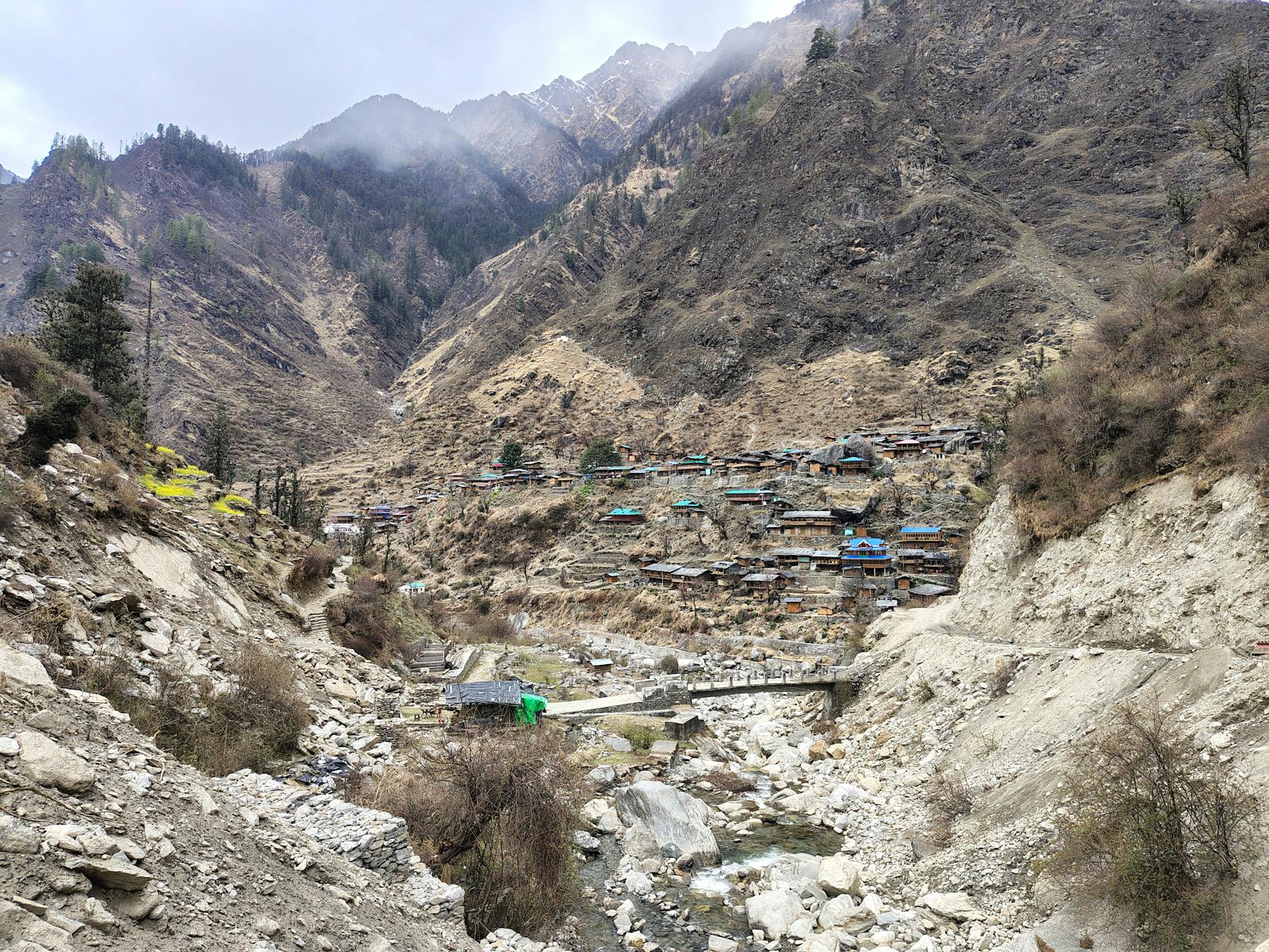
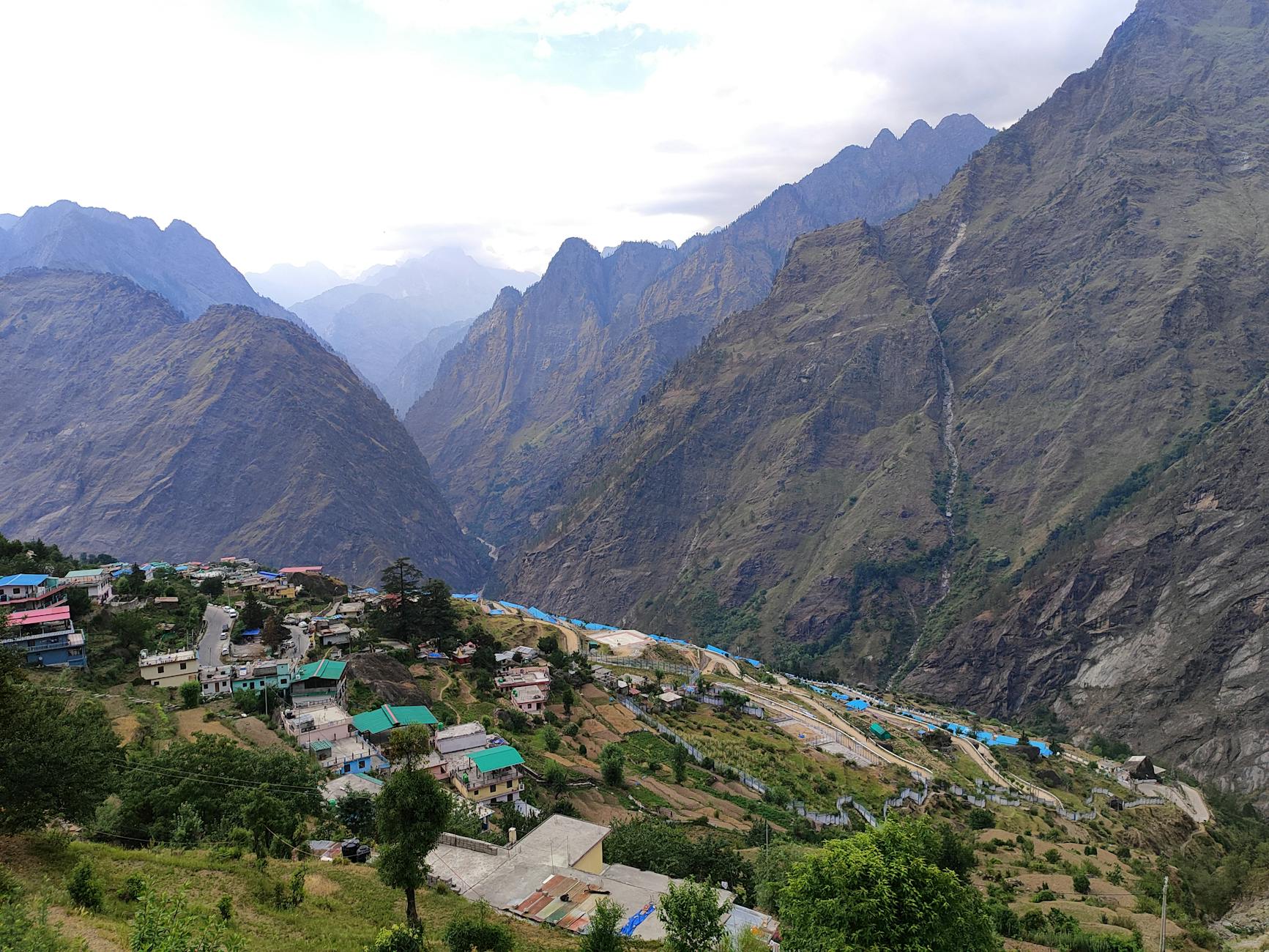
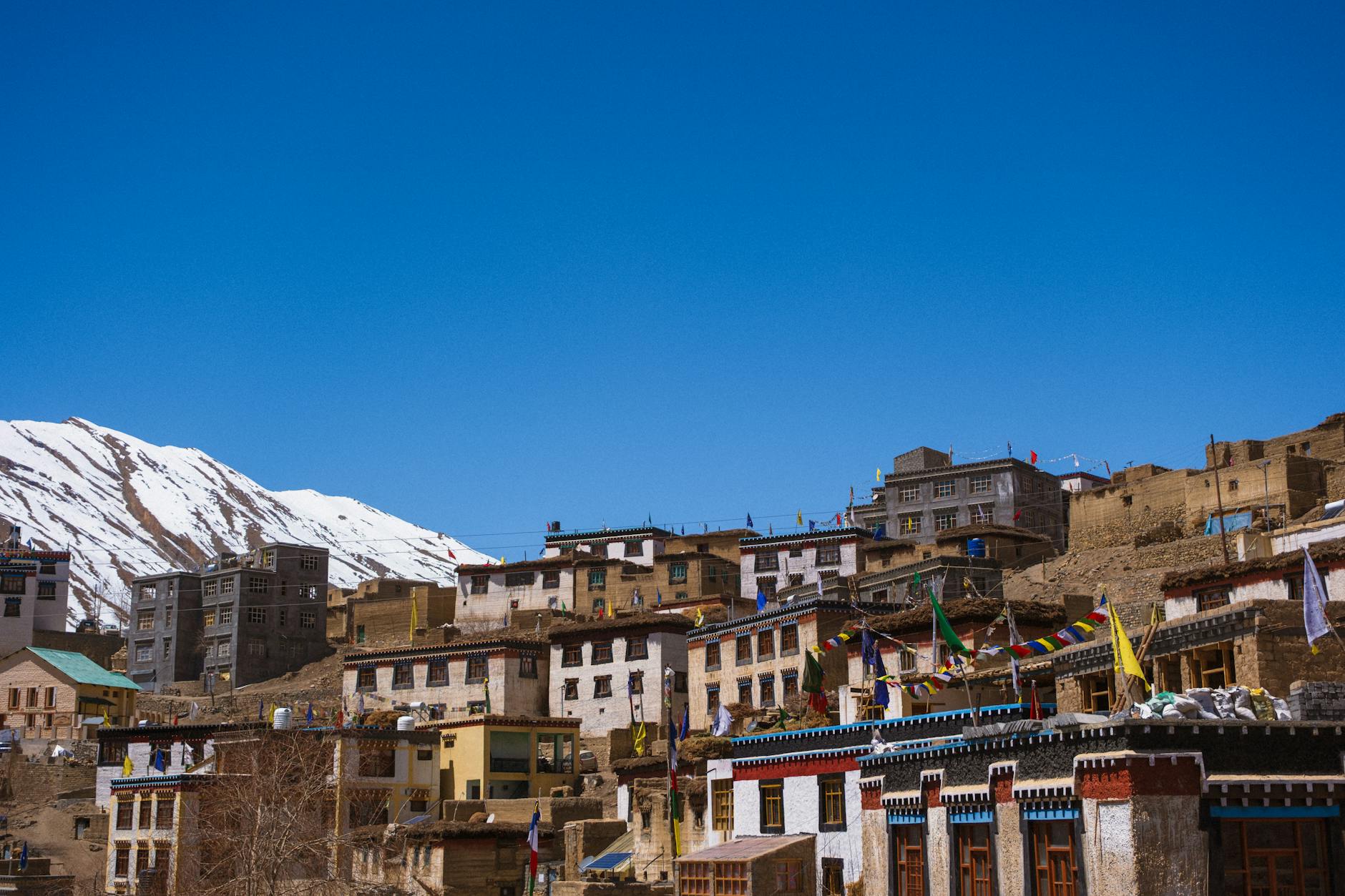
Mana Village, nestled in Uttarakhand's Chamoli district, is more than just a geographical endpoint; it's a living tapestry of ancient legends and raw Himalayan beauty. The village, with its traditional stone houses and warm Bhotiya community, offers a unique glimpse into a life harmoniously intertwined with nature and spirituality. It's a destination that resonates with pilgrims, trekkers, and anyone seeking solace amidst breathtaking mountain vistas. Its designation as a 'Tourism Village' by the Uttarakhand government highlights its growing appeal, yet it retains an authentic, uncommercialized charm that feels like stepping back in time.
What to Expect:
Life in Mana: a blend of ancient spirituality, rugged nature, and resilient community.
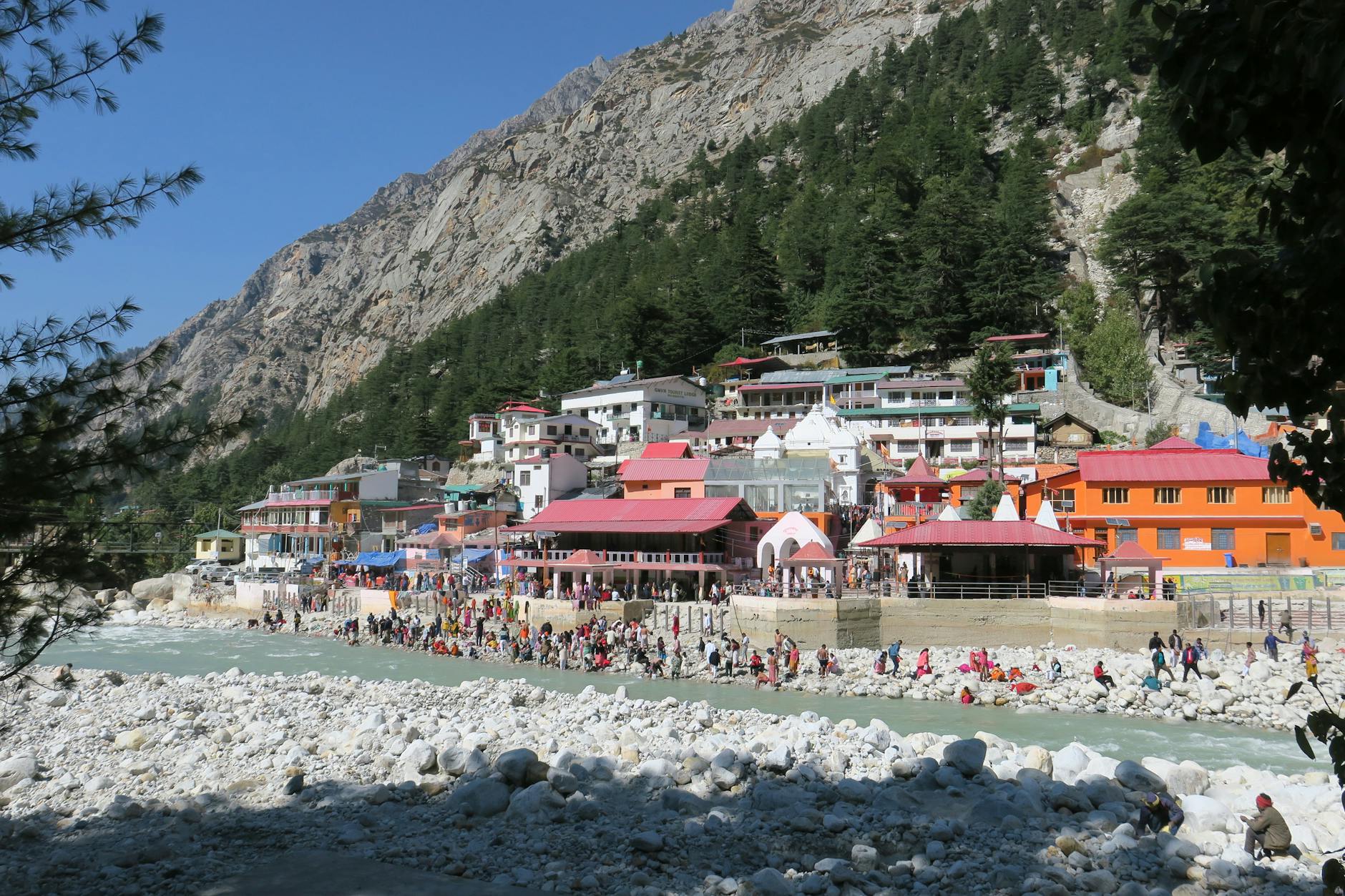
Daily life in Mana Village unfolds at a serene pace, dictated by the rhythms of nature and tradition. You'll find the Bhotiya community, known for their warm hospitality, engaged in local crafts and farming. The sound of the Saraswati River is a constant companion, a reminder of the village's spiritual significance. Expect clear, crisp mountain air and stunning panoramic views of the Himalayas. While amenities are basic, the experience is rich with cultural immersion and natural beauty. Visitors often find themselves drawn to the mythological sites, the local tea stalls, and the simple, yet profound, way of life.
The Lifestyle:
Embrace a tranquil existence amidst spiritual heritage and Himalayan grandeur.
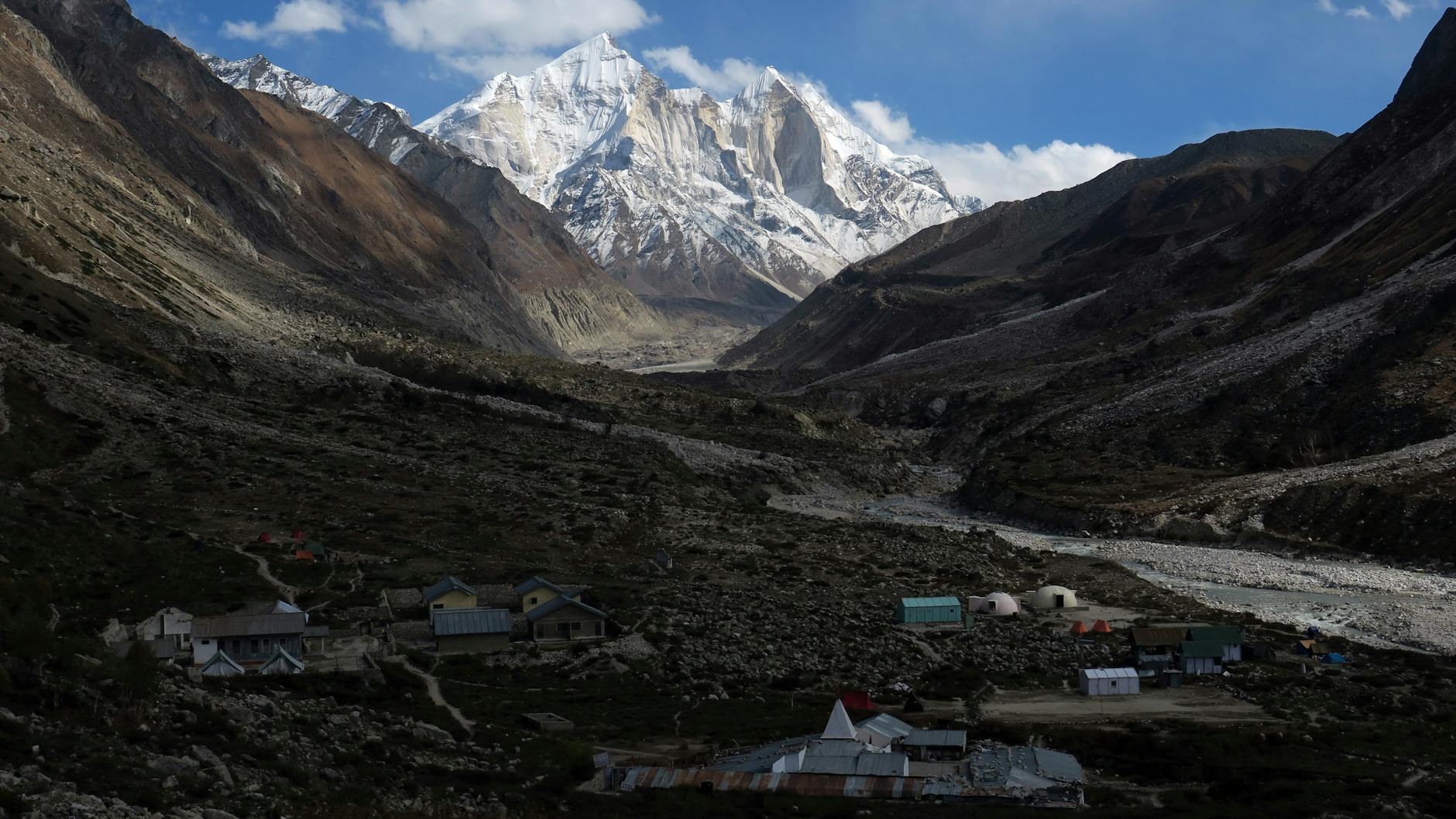
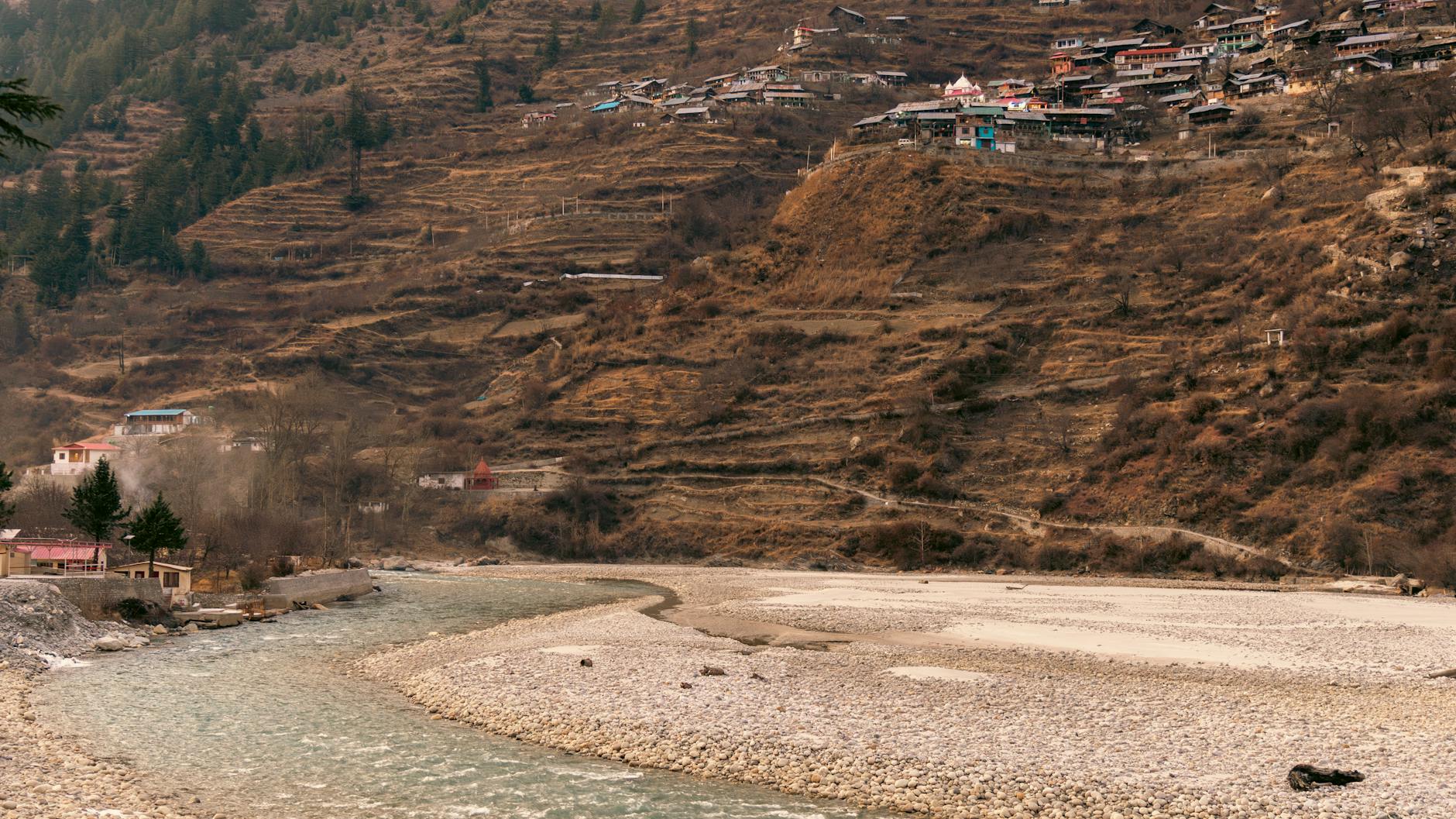
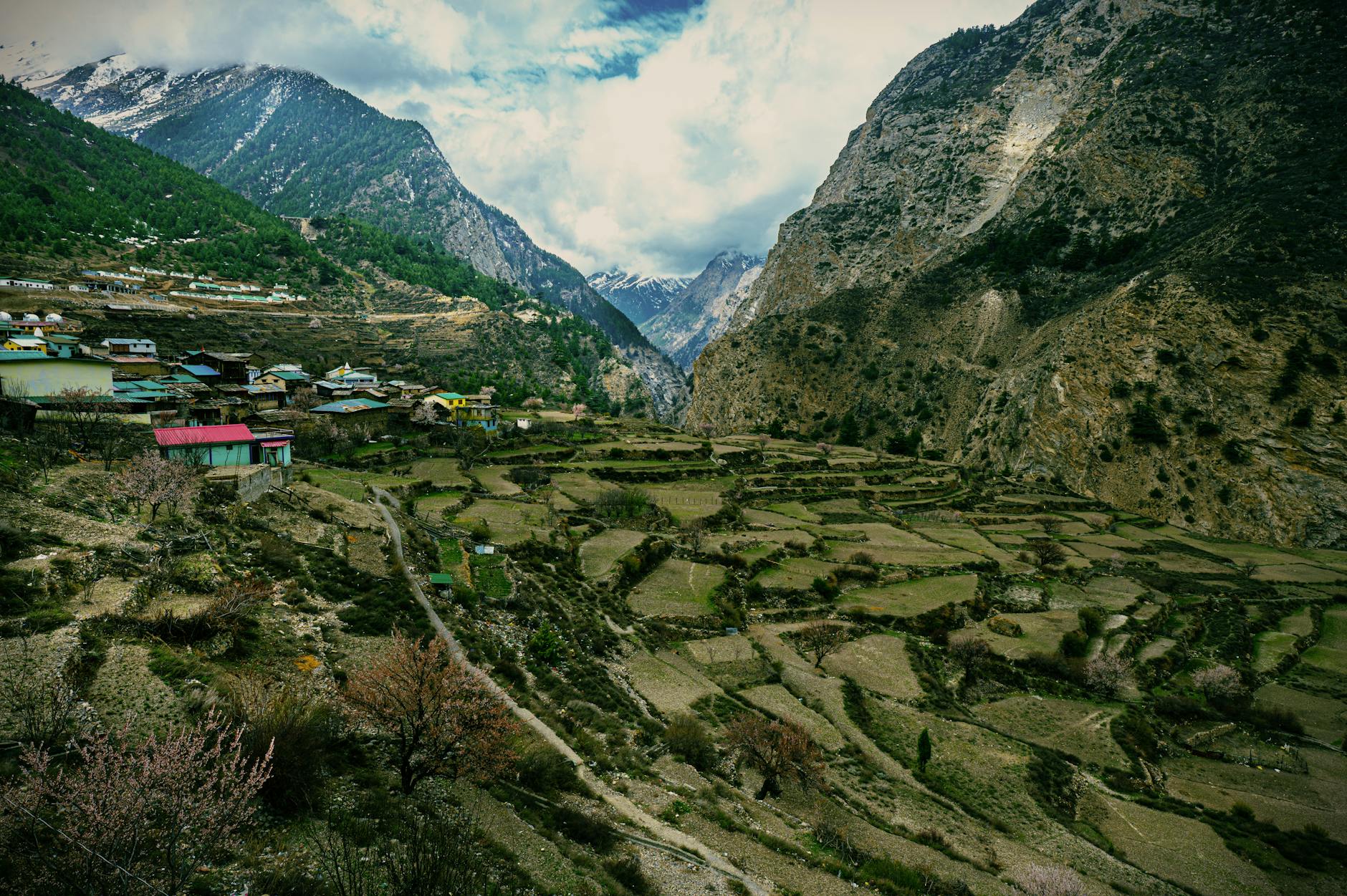
The lifestyle in Mana Village is deeply connected to its spiritual and natural surroundings. The Bhotiya people maintain a close-knit community, their lives revolving around age-old traditions, weaving, and agriculture. The presence of significant mythological sites like Vyas Gufa and Bheem Pul imbues the village with a palpable sense of history and devotion. For visitors, it offers a chance to disconnect from the urban rush and reconnect with nature and oneself. The daily rhythm is gentle, punctuated by the sounds of the river and the calls to prayer.
You'll Fall in Love:
Discover the soul of India at its spiritual and geographical frontier.
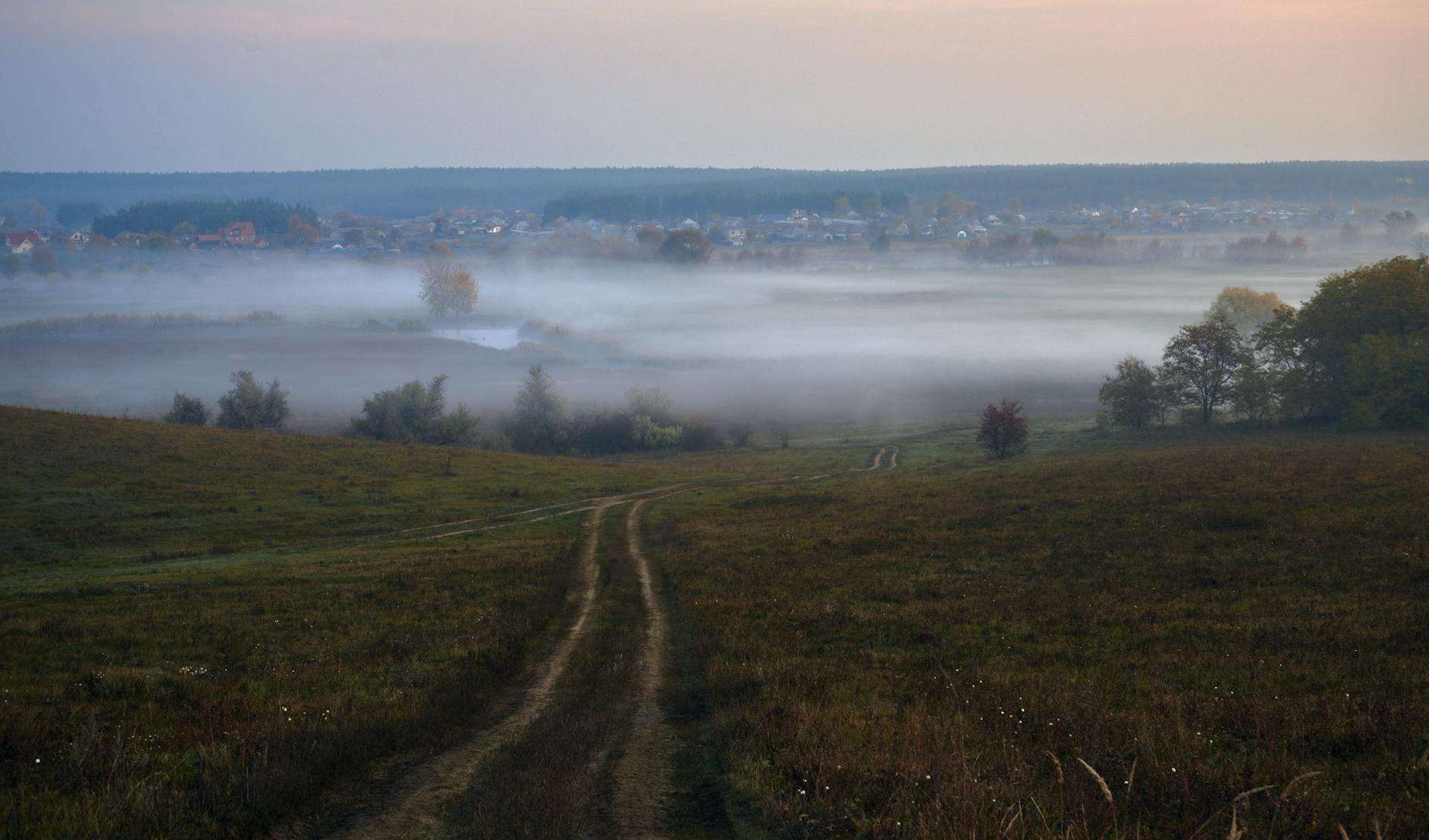
What most visitors miss about Mana Village is the profound sense of peace that settles over you as you stand at the edge of the country. It's the feeling of being at a place where mythology breathes, where the Saraswati River begins its journey, and where the Himalayas stand as silent sentinels. You'll be captivated by the resilience and warmth of the Bhotiya people, their traditional stone homes, and the vibrant local crafts. The raw, untamed beauty of the landscape, from the roaring river to the snow-capped peaks, is simply breathtaking.
Nearby Attractions:
Explore sacred sites and natural wonders near Mana Village.
Mana Village serves as a gateway to a region rich in both spiritual significance and natural splendor. Its proximity to Badrinath, a major pilgrimage site, draws many visitors. Beyond the village itself, a short journey reveals breathtaking waterfalls, ancient caves, and stunning mountain vistas. These attractions not only enhance the lifestyle appeal for residents and potential renters but also contribute to Mana's unique identity as a destination, drawing consistent footfall from pilgrims and nature enthusiasts alike, thus supporting local economies and property desirability.
| Attraction | Type | Highlight | Why It Matters | Distance |
|---|---|---|---|---|
| Vasudhara Falls | Waterfall | - | Offers a scenic trek and natural beauty, attracting tourists and nature lovers. | - |
| Satopanth Lake | Lake | High-altitude glacial lake with spiritual significance. | A major draw for trekkers and pilgrims, enhancing the area's adventure and spiritual tourism appeal. | Trek from Mana |
| Neelkanth Peak | Peak | Known as the 'Queen of Garhwal', offering panoramic views. | Adds to the dramatic landscape, a significant landmark for tourism and local identity. | Visible from Mana |
| Tapt Kund | Hot Spring | Natural hot sulphur spring with believed medicinal properties. | A popular spot for pilgrims seeking relaxation and therapeutic benefits, adding to the wellness tourism draw. | Near Badrinath |
Schools & Education:
Educational facilities serving the Mana Village area.
Education in Mana Village and its immediate vicinity is primarily catered to by local government institutions. While higher education facilities are located in larger towns like Joshimath, the primary and middle schools within or near Mana serve the foundational educational needs of the local population. The presence of these schools is crucial for attracting families to the area, thereby influencing demand for family-oriented housing and supporting the community's long-term sustainability.
| School | Type | Grades | Why It Matters | Distance |
|---|---|---|---|---|
| PS Mana Gingran | Public | - | Provides foundational education for local children, supporting family-oriented housing demand. | Within village |
| Primary School | Government | Primary | Essential for local community development and family retention, influencing rental demand for family housing. | Approx. |
| Government Primary School | Public | - | Serves the basic educational needs of the local population, crucial for community stability and family housing appeal. | Within village |
| Government Middle School | Public | - | Extends educational access for older children, supporting longer-term family residency and rental demand. | Within village |
Healthcare:
Medical facilities accessible to Mana Village residents.
Healthcare access for Mana Village is primarily through local health posts and facilities in nearby towns. While specialized medical care requires travel to larger centers, the presence of basic health services ensures a reasonable level of livability for residents. This is a key consideration for long-term stays, retiree appeal, and general community well-being, indirectly supporting property desirability.
| Hospital | Type | Specialty | Why It Matters | Distance |
|---|---|---|---|---|
| Community Health Center | Government | General | Provides essential primary healthcare services, contributing to the area's livability and attracting long-term residents. | Approx. |
| Primary Health Centre | Government | General | Ensures basic medical needs are met locally, enhancing the appeal for families and older residents. | Approx. |
| Badrinath Medical Centre | Private | General | Offers accessible medical attention for immediate needs, improving the quality of life for residents and visitors. | - |
| Government Hospital | Government | Multi-speciality | Provides a higher level of medical care, crucial for addressing serious health concerns and supporting community well-being. | Approx. |
Dining & Cafés:
Savor local flavors and simple comforts in Mana.
Dining in Mana Village is characterized by simplicity and local flavors, reflecting its remote location and cultural heritage. You'll find small eateries and tea stalls offering traditional Himachali fare and refreshments. While fine dining is not the focus, these establishments provide authentic culinary experiences that are integral to the visitor's journey and the local economy. Their presence adds vibrancy to the village and caters to the needs of pilgrims and trekkers, making them a draw for short-term stays and day visitors.
| Restaurant | Cuisine | Why It Matters | Distance |
|---|---|---|---|
| The Last Tea Shop of India | Local Snacks & Tea | A unique landmark that draws tourists, offering a taste of local life and refreshments. | Within village |
| Local Eatery near Bheem Pul | North Indian | Provides essential sustenance for trekkers and visitors, contributing to the local tourist experience. | Within village |
| Bhotiya Community Kitchen | Local Himachali | Offers an authentic taste of local cuisine and culture, a draw for immersive tourism. | Within village |
| Small Cafe near Vyas Gufa | Tea & Snacks | Caters to pilgrims and tourists visiting the Gufa, adding to the local amenities and visitor experience. | Within village |
Geography Profile:
High-altitude Himalayan terrain shaped by glaciers and rivers.
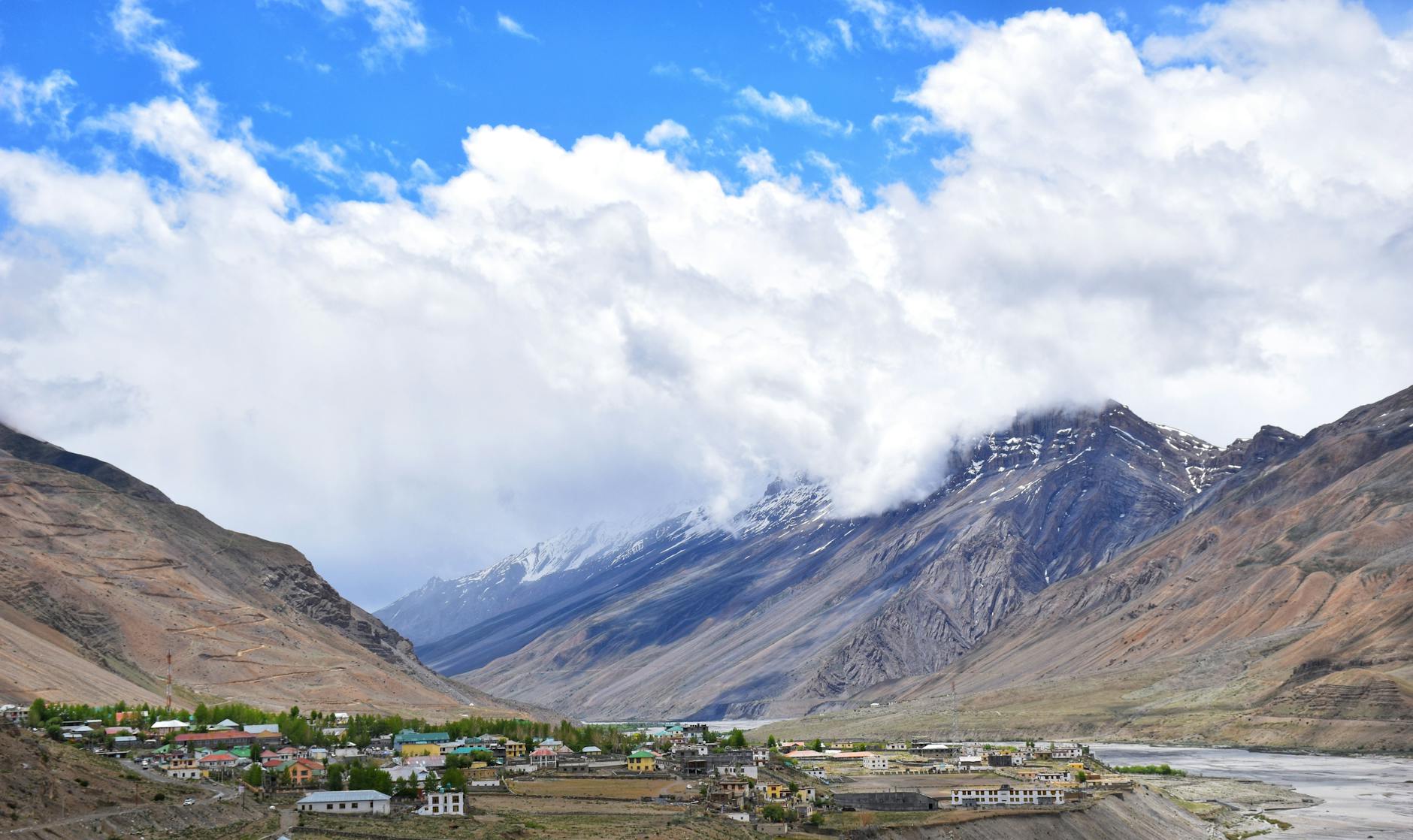
The terrain is rugged and mountainous, characteristic of the Garhwal Himalayas. It is cradled by towering snow-capped peaks, including the majestic Neelkanth, and is a landscape sculpted by glacial activity. The village lies on the banks of the Saraswati River, which originates from a nearby glacier and flows forcefully through the valley before merging with the Alaknanda River near Badrinath. This high-altitude environment presents a unique ecosystem and a challenging yet awe-inspiring setting.
| Parameter | Value |
|---|---|
| Terrain Type | Hilly/Mountainous |
| Water Bodies | Saraswati River, Alaknanda River (nearby) |
Soil & Ecology:
Alpine flora and hardy vegetation thrive in the high-altitude ecosystem.
The soil in Mana Village is predominantly alpine, characterized by rocky and thin layers, often mixed with glacial deposits. Vegetation is sparse but resilient, adapted to the harsh high-altitude conditions. You'll find hardy grasses, shrubs, and a variety of medicinal herbs that grow in the alpine meadows. The surrounding slopes are home to coniferous forests at lower elevations, transitioning to alpine scrub and bare rock at higher altitudes. Biodiversity includes specialized mountain flora and fauna, with the region supporting a unique ecosystem that is sensitive to environmental changes.
Climate Snapshot:
Experience distinct seasons with cold winters and pleasant summers.
Mana Village experiences a subarctic climate due to its high altitude. Winters are severe and long, with heavy snowfall from mid-October to April, making the region largely inaccessible. Summers, from May to June, offer pleasant weather with moderate temperatures, ideal for visiting. The monsoon season from July to September brings rainfall, with potential for landslides, though Mana receives comparatively less rain than lower regions. The best time to visit is during the summer and post-monsoon months for clear skies and accessible routes. Air quality is generally excellent due to its remote, pollution-free environment.
| Parameter | Value |
|---|---|
| Air Quality | Good |
| Annual Rainfall mm | |
| Best Outdoor Season | May-Jun, Sep-Oct |
| Monsoon Months | Jul-Sep |
Legal Ownership (India):
Foreigners face tight limits; NRIs and OCIs buy freely
Buying is governed by the Foreign Exchange Management Act (FEMA) and RBI Master Directions. Resident citizens buy freely. NRIs and OCIs can buy any number of residential or commercial properties without RBI approval, paying through banking channels, but cannot buy agricultural land, plantations, or farmhouses. A foreign national of non Indian origin resident outside India generally cannot buy in their own name, except in narrow RBI approved cases. Tenure is freehold for most apartments and houses.
Laws change. Always consult a licensed real estate attorney before purchasing.
| Buyer Type | Permitted | Tenure | Conditions | Approval |
|---|---|---|---|---|
| Resident citizen | Yes | Freehold | No restriction on residential or commercial property | None |
| NRI or OCI | Conditional | Freehold | Residential and commercial allowed; agricultural land, plantations, farmhouses prohibited | None for permitted property |
| Foreign national, non Indian origin, resident abroad | No | NA | Generally barred from buying in own name; only narrow approved cases | Reserve Bank of India |
Capital Gains Tax (India):
Holding period splits gains into short term and long term
When you sell residential property in India, gains are short term if you held it 24 months or less, and added to your income at slab rates. Hold beyond 24 months and it is long term, taxed at a flat 12.5 percent without indexation. Property bought before 23 July 2024 can instead use the old 20 percent with indexation, whichever costs less.
Consult a qualified chartered accountant for advice specific to your tax profile.
| Holding Period | Classification | Tax Rate | Indexation |
|---|---|---|---|
| Up to 24 months | Short term | Your income tax slab rate | No, not available on short term assets |
| More than 24 months | Long term | 12.5 percent flat | No for purchases on or after 23 July 2024 |
| More than 24 months, bought before 23 July 2024 | Long term | 20 percent or 12.5 percent, whichever is lower | Yes, 20 percent option uses CII indexation |
Stamp Duty & Registration (Uttarakhand):
Five percent general, with a concession for women buyers
In Uttarakhand you pay five percent stamp duty as a general buyer, while women get a reduced three and three quarter percent on value up to twenty five lakh. Registration is two percent, capped at twenty five thousand rupees, whichever is lower. With tourism lifting hill town prices, budget roughly five to seven percent of the property value.
| Ticket Size | Stamp Duty | Registration | Franking |
|---|---|---|---|
| All values, general buyer | Five percent | Two percent, capped at twenty five thousand rupees | - |
| Value up to twenty five lakh, woman buyer | Three and three quarter percent (women's concession) | Two percent, capped at twenty five thousand rupees | - |
Frequently Asked Questions
Mana is better suited for rental income, primarily through homestays catering to pilgrims and trekkers. Long-term capital appreciation is expected to be moderate, driven by the region's consistent tourism appeal and unique status, rather than rapid market expansion.
Local Insights & Discussions
Ask a question or share a local tip about Mana Village
Be respectful and constructive in your comments.
Buying or selling in Mana Village?
Tell us once — our team connects you with the right homes, or the right buyers.