Conakry: Area Guide, Getting There & Homes
Fetching weather details…
Conakry is a destination in Conakry, Guinea, known for urban. Capital, Iles de Los islands, National Museum, Boulbinet, Niger River source.
Homes for sale in Conakry →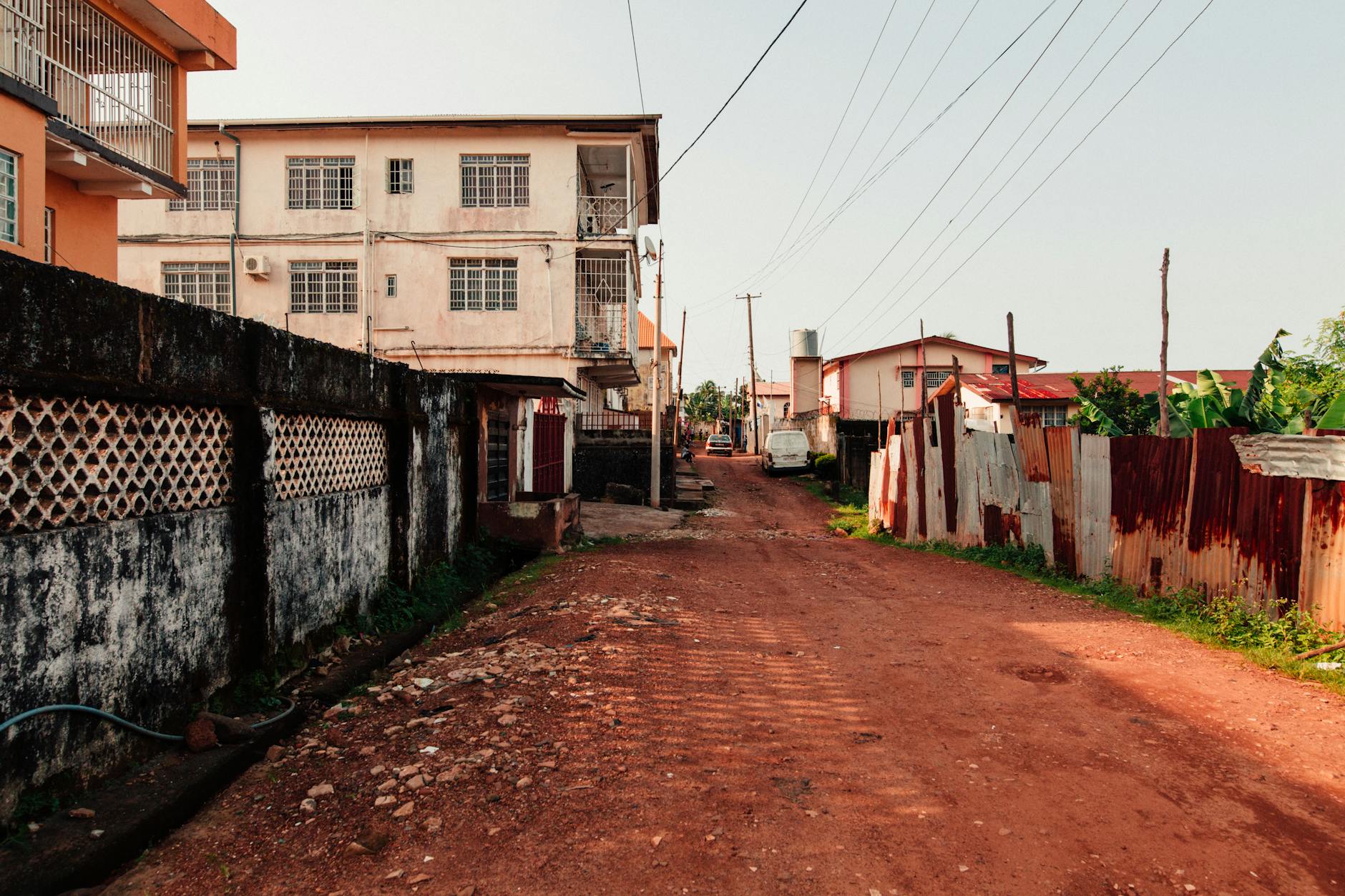
Key Details
Emerging Market Potential
Conakry offers high growth potential in an undersupplied real estate market.
Strong Rental Demand
High occupancy rates and corporate demand drive attractive rental yields.
Infrastructure Development
Ongoing projects enhance connectivity and unlock new investment zones.
Tourism Growth
Undiscovered natural beauty poised for increased visitor numbers.
Urbanization Catalyst
Rapid population growth fuels demand for both residential and commercial properties.
Attributes
Urban
Located in Conakry
Connectivity
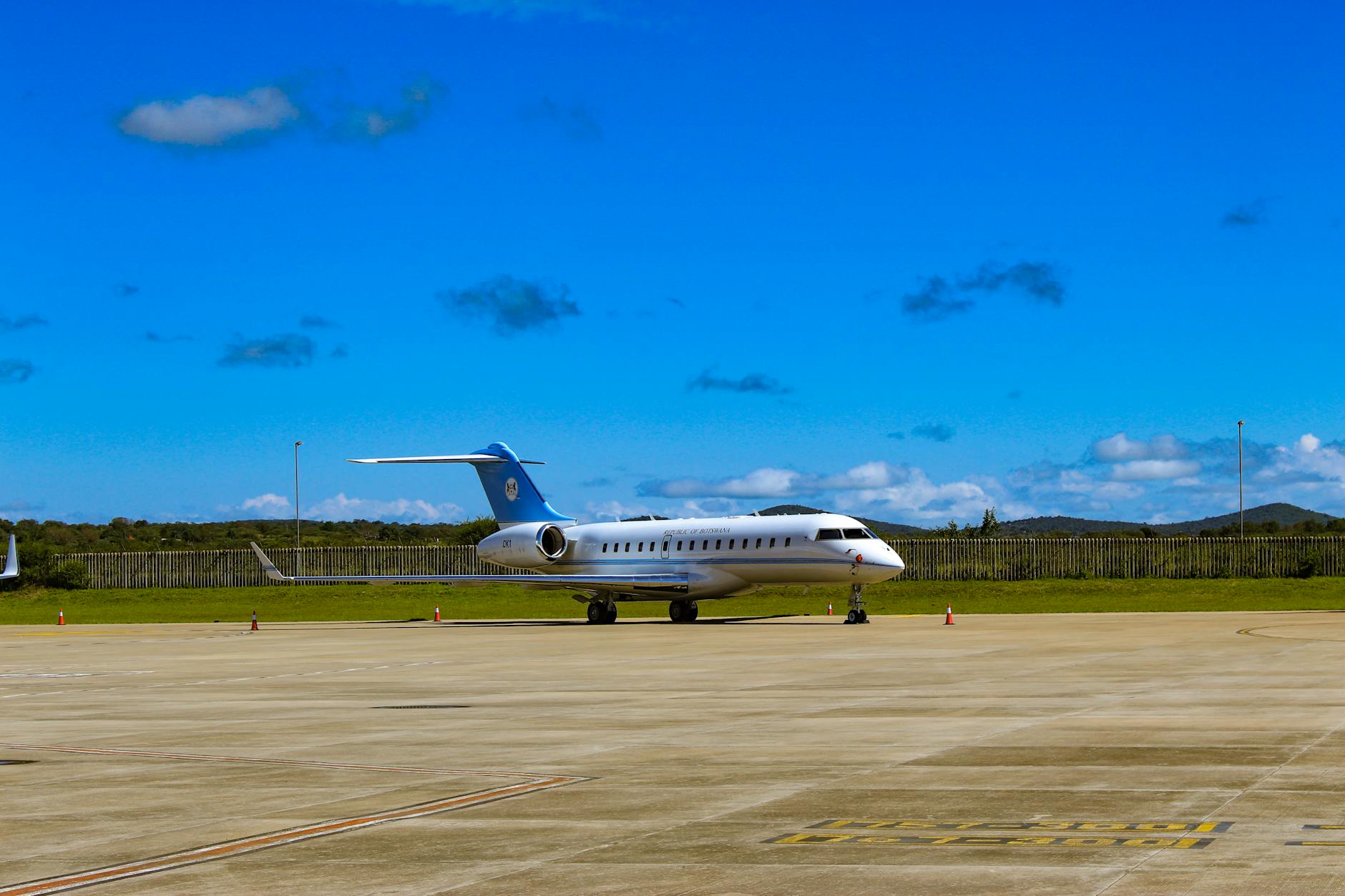
- Airport: Ahmed Sékou Touré International Airport (CKY)
- Railway: Conakry Railway Station
- Highway: N1 National Highway
Key Landmarks
- National Museum: National Museum of Guinea
- Market: Madina Market
- Island: Iles de Los (ferry from Boulbinet)
Key Investment Thesis
Rapid Urbanization and Housing Demand
Conakry's urban population is growing at an unprecedented rate, leading to a severe housing deficit and high rental costs. Government initiatives to develop 'Satellite Cities' and affordable housing projects aim to meet this demand, creating significant opportunities for residential property investors.
A Look into Conakry:
Conakry: A vibrant capital city with significant untapped real estate investment opportunities.
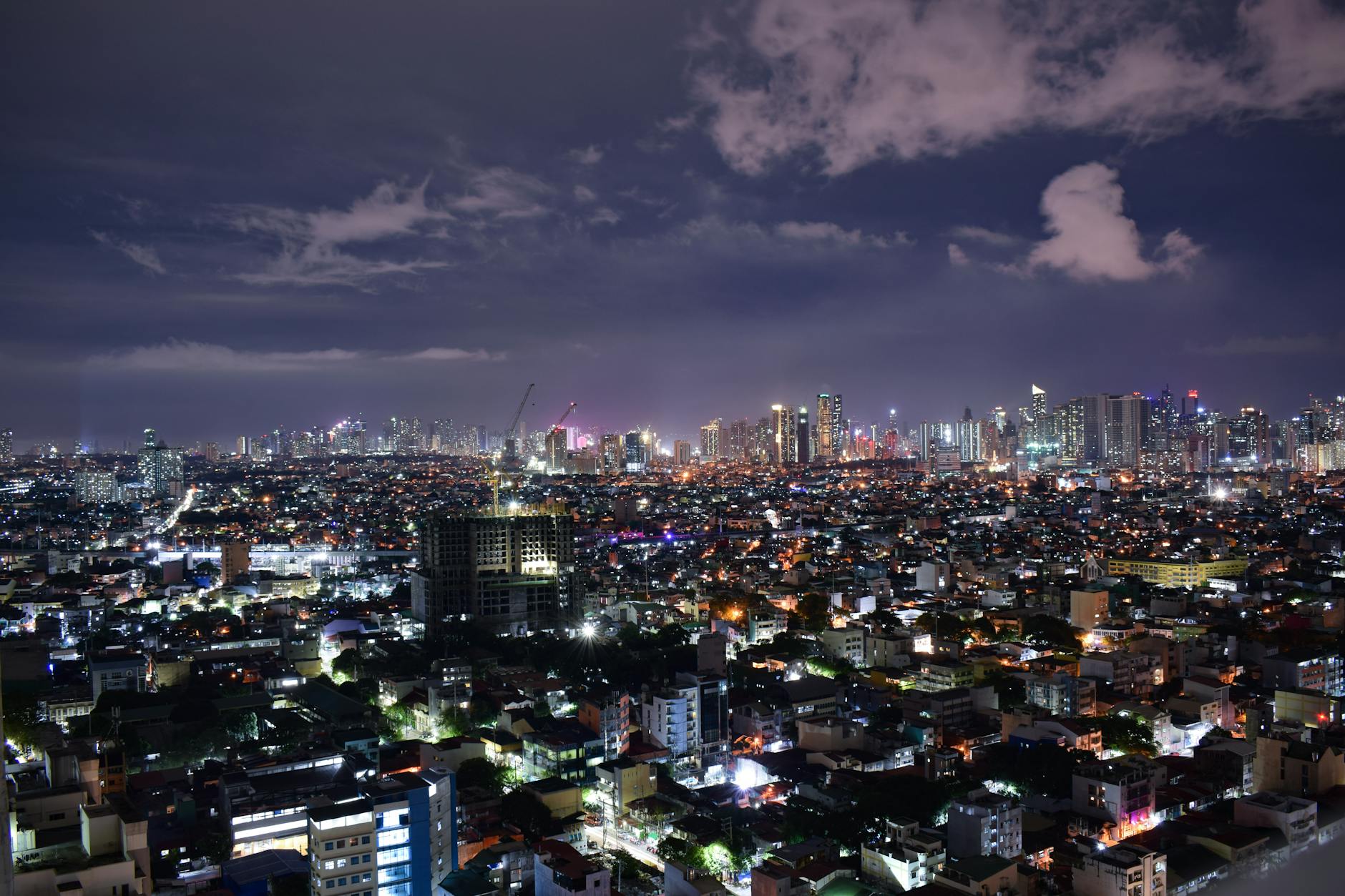
Conakry, the pulsating heart of Guinea, is a city that truly lives. Sprawling across the Kaloum Peninsula, it's a place where the Atlantic breeze meets the vibrant energy of West African urban life. You'll find a captivating blend of colonial architecture in areas like Kaloum, the administrative center, juxtaposed with the bustling, organic growth of neighborhoods such as Ratoma and Matam. The city's character is defined by its lively markets, the rhythmic sounds of daily commerce, and the genuine warmth of its people. What most visitors miss about Conakry is the sheer potential beneath its surface; it's an emerging market with a critical shortage of quality housing and commercial spaces, making it ripe for savvy property investors.
What to Expect:
Experience Conakry's dynamic daily rhythm, a blend of tradition and burgeoning modernity.
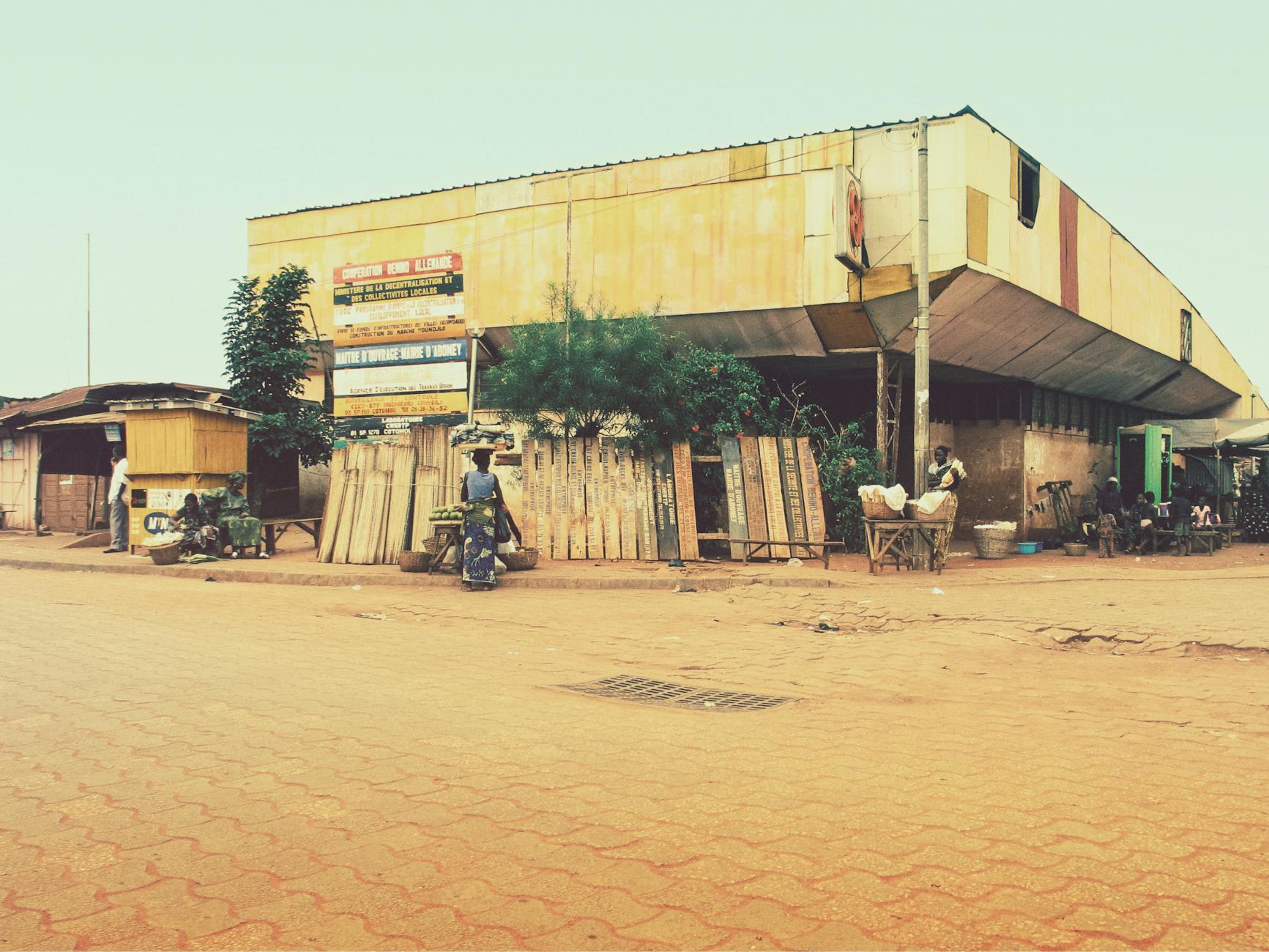
Daily life in Conakry is a vibrant tapestry of activity. You can expect to navigate bustling streets filled with shared taxis, known as 'magbana', and a constant hum of commerce. Mornings often begin with the aroma of freshly brewed coffee from local stalls, while evenings come alive with street food vendors and lively gatherings. While infrastructure is continually improving, patience is a virtue here. You'll find a strong sense of community, particularly in residential areas like Dixinn and Kipé, where families gather and local markets thrive.

The Lifestyle:
Conakry offers a unique, authentic West African lifestyle, rich in culture and community spirit.
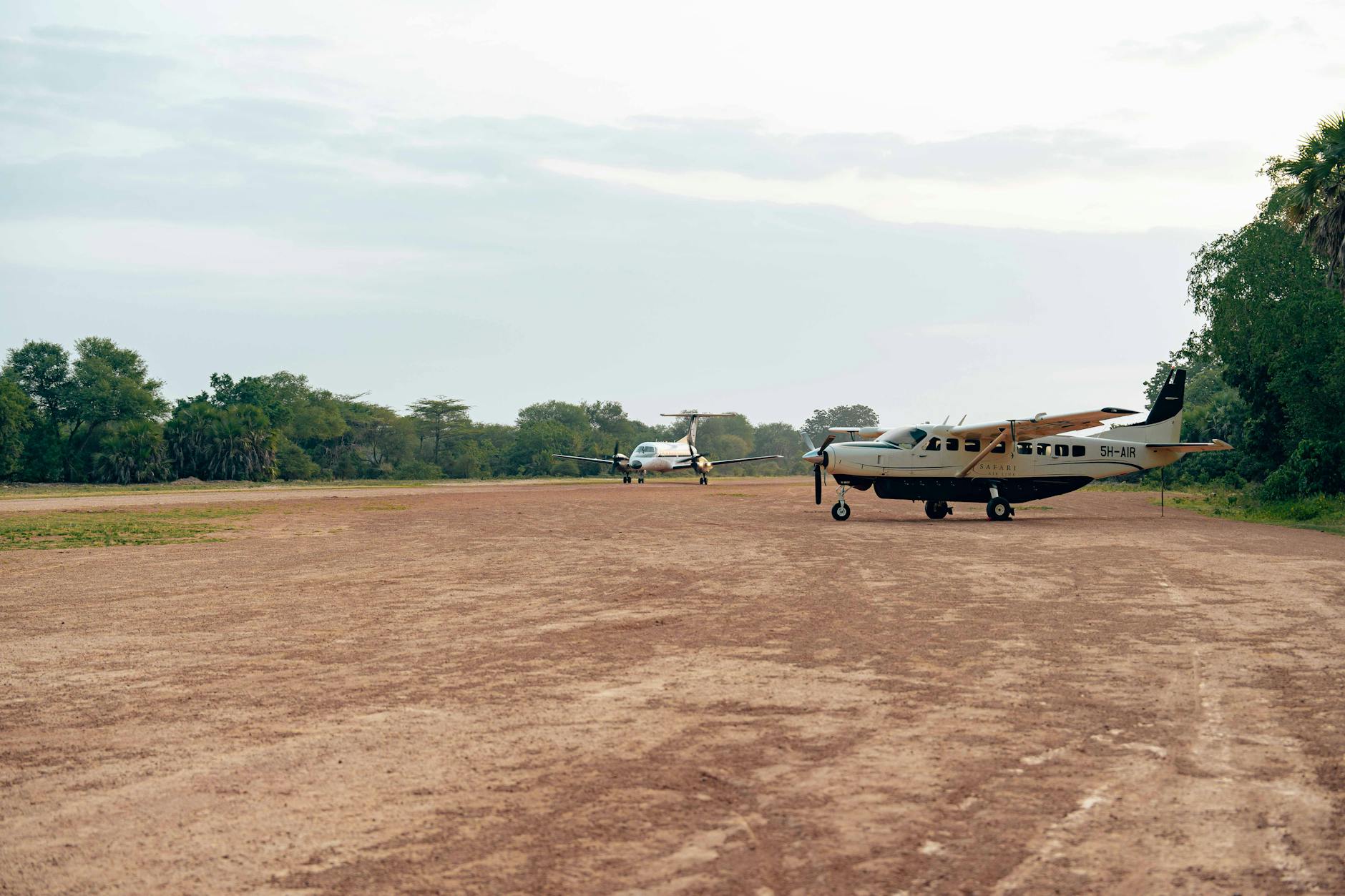
The lifestyle in Conakry is deeply rooted in community and tradition, yet it's also evolving with a growing urban population. You'll see families gathering in local parks, children playing football in open spaces, and neighbors sharing meals. Dining often involves flavorful Guinean staples like 'sauce arachide' and fresh grilled fish, readily available from local eateries and markets. Weekends might involve a trip to the serene Iles de Los for a beach escape or exploring the city's historical sites.

You'll Fall in Love:
Conakry's authentic charm, vibrant culture, and genuine warmth will truly captivate you.
You'll fall in love with Conakry's undeniable energy and its authentic spirit. It's a city that doesn't pretend to be anything it's not. The vibrant colors of the Madina Market, the rhythmic sounds of traditional music drifting from open doorways, and the genuine smiles of the people you encounter create an unforgettable atmosphere. I find the sunsets over the Atlantic from the Corniche particularly breathtaking, offering a moment of serene beauty amidst the urban bustle. There's a raw, unfiltered charm to Conakry, a sense of a city on the cusp of significant change, yet deeply connected to its heritage.
Nearby Attractions:
Explore Conakry's rich cultural and natural attractions, enhancing lifestyle and rental appeal.
Conakry and its surroundings offer a diverse range of attractions, from historical sites to natural escapes, all contributing to the city's appeal for residents and visitors alike. These landmarks are generally accessible by car or taxi, though traffic can be a factor. Their presence enhances the overall livability and cultural richness of the area, making properties in proximity more attractive for both long term residents and short term rentals. The blend of urban and natural highlights provides a unique draw for various demographics, from business travelers to leisure tourists seeking authentic experiences.
| Attraction | Type | Highlight | Why It Matters |
|---|---|---|---|
| Iles de Los | Islands/Beach | Serene island escape with beautiful beaches | Offers a significant leisure draw for tourists and locals, boosting short term rental demand. |
| National Museum of Guinea | Museum | Showcases Guinean art, culture, and history | Attracts cultural tourists and provides educational value, enhancing the area's appeal. |
| Conakry Grand Mosque | Religious Site | Impressive architectural landmark and spiritual center | A major landmark that draws visitors and contributes to the city's cultural identity. |
| Palais du Peuple | Landmark | National Assembly building, significant political landmark | Represents governmental presence, attracting business visitors and enhancing area prestige. |
Schools & Education:
Conakry's educational landscape supports diverse family needs, from local to international curricula.
Conakry offers a range of educational institutions, catering to both local and expatriate families. While public schools are available, many international residents opt for private or international schools that offer curricula aligned with global standards. The presence of quality educational options is a significant factor for families considering relocation, directly impacting the desirability and long term value of residential properties in surrounding neighborhoods. Access to good schools can drive demand for family sized rentals and resales.
| School | Type | Grades | Why It Matters |
|---|---|---|---|
| The American International School of Conakry (TAISOC) | International | - | Attracts expatriate families, creating demand for high quality rental properties. |
| Lycée français Albert Camus | International | - | A key draw for French speaking expatriate families, boosting demand in nearby areas. |
| The English Speaking Community School of Guinea | Bilingual | Primary and Secondary | Offers an English language option, appealing to a broader international demographic. |
| University of Conakry | University | Undergraduate/Postgraduate | Generates student and faculty rental demand, particularly for smaller units. |
Healthcare:
Conakry provides essential healthcare services, with both public and private options available.
Healthcare facilities in Conakry range from large public hospitals to smaller private clinics. While the public system faces challenges, private options often offer more modern equipment and specialized care, catering to expatriates and those seeking higher standards. The availability of reliable medical services is a crucial consideration for residents and long term visitors, directly influencing the livability and appeal of the city.
| Hospital | Type | Specialty | Why It Matters |
|---|---|---|---|
| Donka National Hospital | Government | Multi-speciality | Largest public hospital, providing essential services and emergency care for all residents. |
| Clinic Pasteur | Private | Multi-speciality | Offers higher quality private care, attracting expatriates and those seeking premium medical services. |
| Hôpital Sino-Guinéen | Government | Multi-speciality | Modern public hospital with advanced facilities, enhancing overall healthcare provision. |
| Ignace Deen Hospital | Government | Multi-speciality | Another major public hospital, crucial for comprehensive medical care in the city. |
Dining & Cafés:
Conakry's dining scene offers a delightful fusion of local and international culinary experiences.
Conakry's culinary landscape is a vibrant reflection of its diverse influences, blending traditional Guinean flavors with French, Lebanese, and other international cuisines. You'll find everything from casual street food stalls serving delicious local dishes to upscale restaurants offering refined dining experiences. This rich variety caters to all tastes and budgets, making the city an exciting destination for food lovers. A thriving dining scene enhances the overall appeal of a neighborhood, drawing in both residents and tourists, which can positively impact rental demand and property values, especially for properties near popular eateries.
| Restaurant | Cuisine | Price | Why It Matters |
|---|---|---|---|
| Le Damier Restaurant | French / Guinean | $$ | Conakry's most polished table, attracting affluent clientele and business visitors. |
| La Paillote | Seafood / French | $ | Offers a scenic Atlantic corniche setting, appealing to tourists and locals seeking waterfront dining. |
| Le Nimba | Guinean / International | $$ | Known for its sophisticated take on local cuisine, drawing a discerning crowd. |
| Café Indépendance | Café / Light Meals | $ | A historic meeting point for intellectuals, adding cultural vibrancy and local charm. |
Geography Profile:
Conakry's coastal geography, a narrow peninsula, shapes its unique urban development.
Conakry is uniquely situated on the Kaloum Peninsula, a narrow finger of land extending into the Atlantic Ocean. The city's development has been heavily influenced by this geography, leading to a linear expansion along the peninsula. The proximity to the ocean means a constant sea breeze, but also vulnerability to coastal erosion and flooding in lower lying areas.
| Parameter | Value |
|---|---|
| Terrain Type | Coastal plain |
| Water Bodies | Atlantic Ocean, Tombo Island, Kaloum Peninsula |
Soil & Ecology:
Conakry's lateritic soils support a diverse coastal ecology, including vital mangrove ecosystems.
The soil in Conakry is predominantly lateritic, characterized by its reddish color and high iron and aluminum content. This soil type, while challenging for certain agricultural practices, supports a resilient coastal ecology. The region is rich in biodiversity, particularly in its marine and mangrove ecosystems. Guinea boasts some of the largest mangrove forests in West Africa, which play a crucial role in coastal protection, fish breeding, and carbon sequestration. While urban development has impacted natural habitats, efforts are being made to preserve remaining green spaces and coastal areas.
Climate Snapshot:
Conakry experiences a tropical wet and dry climate, with distinct rainy and dry seasons.
Conakry's climate is tropical, characterized by high humidity and consistently warm to hot temperatures throughout the year. There are two distinct seasons: a long, intense rainy season from May to November, and a shorter, drier season from December to April. The wettest months are typically July and August, with significant rainfall that can sometimes lead to localized flooding. The dry season, influenced by the Harmattan wind, brings clearer skies and slightly cooler nights. The best time for outdoor activities and travel is generally during the dry season, when the weather is more predictable and comfortable.
| Parameter | Value |
|---|---|
| Air Quality | Good |
| Best Outdoor Season | Dec-Apr |
| Monsoon Months | May-Nov |
Legal Ownership (Guinea):
Land law is complex; foreigners can own urban property with approval
Guinea's land tenure is governed by the Code Foncier et Domanial, which establishes that rural and forest land belongs to the state, while urban land can be privately titled. Foreign nationals can purchase titled urban property (titre foncier) with government approval, but the process is administratively complex and depends on the ministry of urban affairs. In rural areas, customary and community land rights dominate and foreign access is severely limited. Due diligence on title verification is critical, as overlapping claims and informal tenure are common.
Laws change. Always consult a licensed real estate attorney before purchasing.
| Buyer Type | Permitted | Tenure | Conditions | Approval |
|---|---|---|---|---|
| Resident citizen | Yes | Freehold (titre foncier, urban) or customary (rural) | Urban titled land freely purchasable; rural subject to customary rules | Land registry for urban |
| Foreign national | Conditional | Freehold (urban titled property) | Government approval required; limited to urban property; rural land not accessible | Ministry of Urban Affairs |
| Non resident | Conditional | Freehold (urban only) | Same framework as foreign nationals; title verification essential | Ministry of Urban Affairs |
Capital Gains Tax:
Guinea does not have a distinct capital gains tax on residential property. Gains from property disposals are treated as ordinary income or business income under the General Tax Code. Individual sellers face income tax at progressive rates, while corporate sellers pay corporate income tax at 35 percent. Detailed published rules on residential property gains are scarce, and practical enforcement outside Conakry is limited.
We are confirming the capital gains rates for this location against the official schedule, so they are not shown here yet. Check with the local registry office, or a local lawyer, for the figure that applies to a specific property.
Stamp Duty & Registration:
Property transactions in Guinea involve registration duties under the Tax Code administered by the Direction Nationale des Impots. Transfer tax typically ranges from 5 to 10 percent of the property value, with additional notary and registration fees adding another 1 to 2 percent. Exact rates depend on the property type and local administration, and official English-language sources are very limited. Budget 5 to 12 percent all in as a conservative estimate.
We are confirming the stamp duty and registration rates for this location against the official schedule, so they are not shown here yet. Check with the local registry office, or a local lawyer, for the figure that applies to a specific property.
Frequently Asked Questions
Yes, Conakry presents a compelling investment case in 2026 due to its significant supply demand imbalance across residential, commercial, and hospitality sectors. The city is undergoing rapid urbanization and infrastructure development, which are strong indicators for future property value appreciation. However, like any emerging market, it requires careful due diligence and a long term perspective to navigate the local nuances and maximize returns.
Local Insights & Discussions
Ask a question or share a local tip about Conakry
Be respectful and constructive in your comments.
Buying or selling in Conakry?
Tell us once. Our team connects you with the right homes, or the right buyers.