Calabar, Cross River: Area Guide, Getting There & Homes
Fetching weather details…
Calabar is a destination in Cross River, Nigeria, known for heritage, cultural. Christmas festival, Cross River gorillas, Tinapa, drill monkeys.
Homes for sale in Calabar →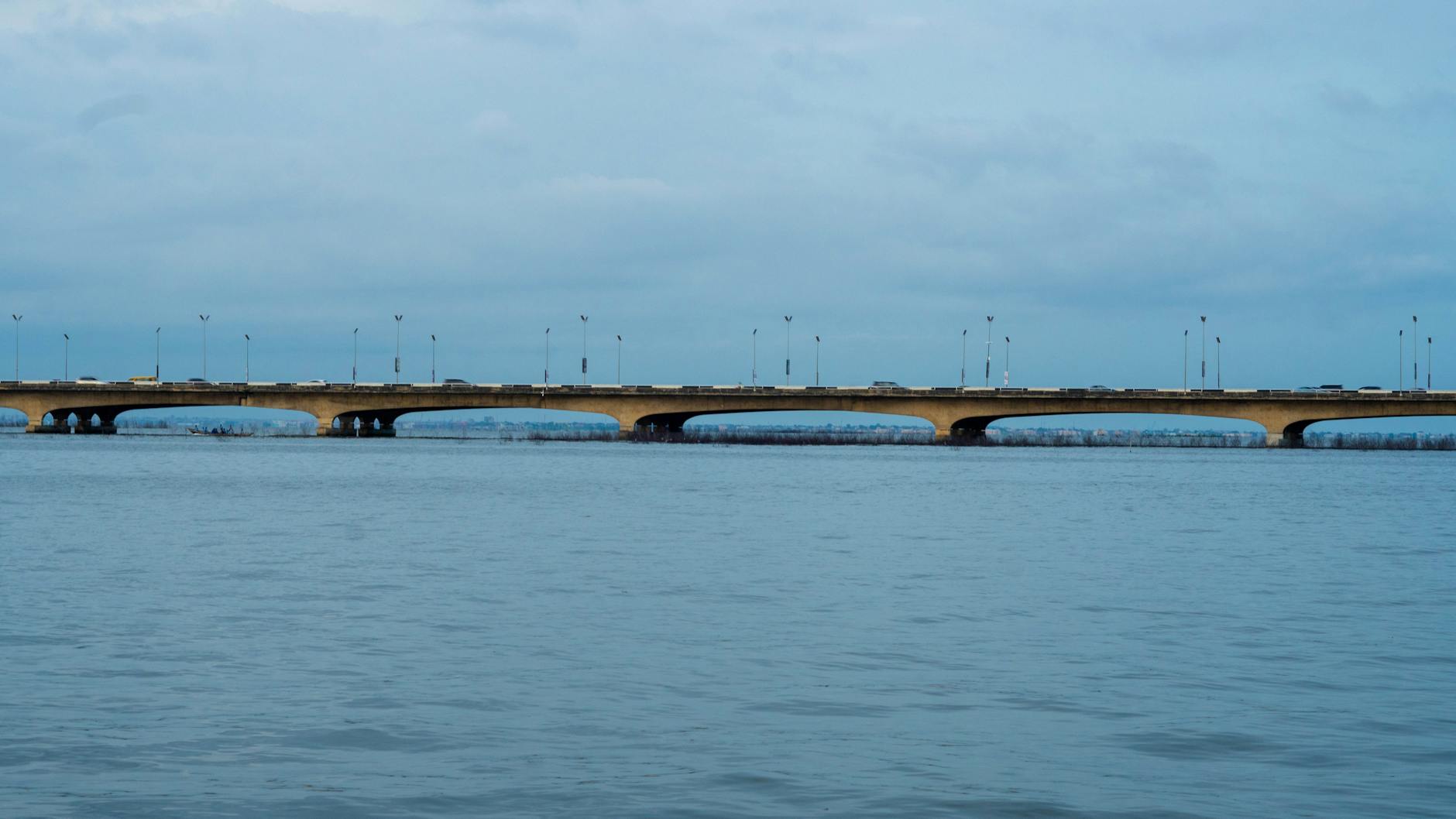
Key Details
Cultural Hub Investment
Invest in Calabar's growing cultural tourism, driven by festivals and heritage sites.
Hospitality Sector Growth
Strong hotel occupancy and rising ADRs indicate robust hospitality returns.
Strategic Location
Coastal city with airport connectivity offers accessibility and future development potential.
Educational Demand
Presence of universities and schools supports stable long-term rental demand.
Emerging Market Potential
Benefit from early entry into a market with significant untapped tourism growth.
Attributes
Heritage, Cultural
Located in Calabar
Connectivity
- Airport: Margaret Ekpo International Airport (CBQ)
- Railway: No direct railway access N/A
- Highway: Calabar Itu Highway
Key Landmarks
- Resort: Tinapa Business and Leisure Resort
- Stadium: U.J. Esuene Stadium
- Museum: National Museum Calabar
A Look into Calabar:
Calabar offers a unique blend of history, culture, and natural beauty, ripe for strategic property investment.
Calabar, the capital of Cross River State, is a city steeped in history and vibrant culture, often referred to as 'The People's Paradise'. Its character is defined by a rich colonial past, evident in the architecture of areas like Duke Town and Henshaw Town, alongside a lively contemporary scene. The city sits gracefully on a peninsula, bordered by the Calabar River and the Great Kwa River, giving it a distinct coastal charm. What most visitors miss about Calabar is its underlying resilience and the warmth of its people, the Efik, who are proud custodians of their heritage.
What to Expect:
Expect a vibrant daily life in Calabar, blending historical charm with modern amenities and a strong community spirit.
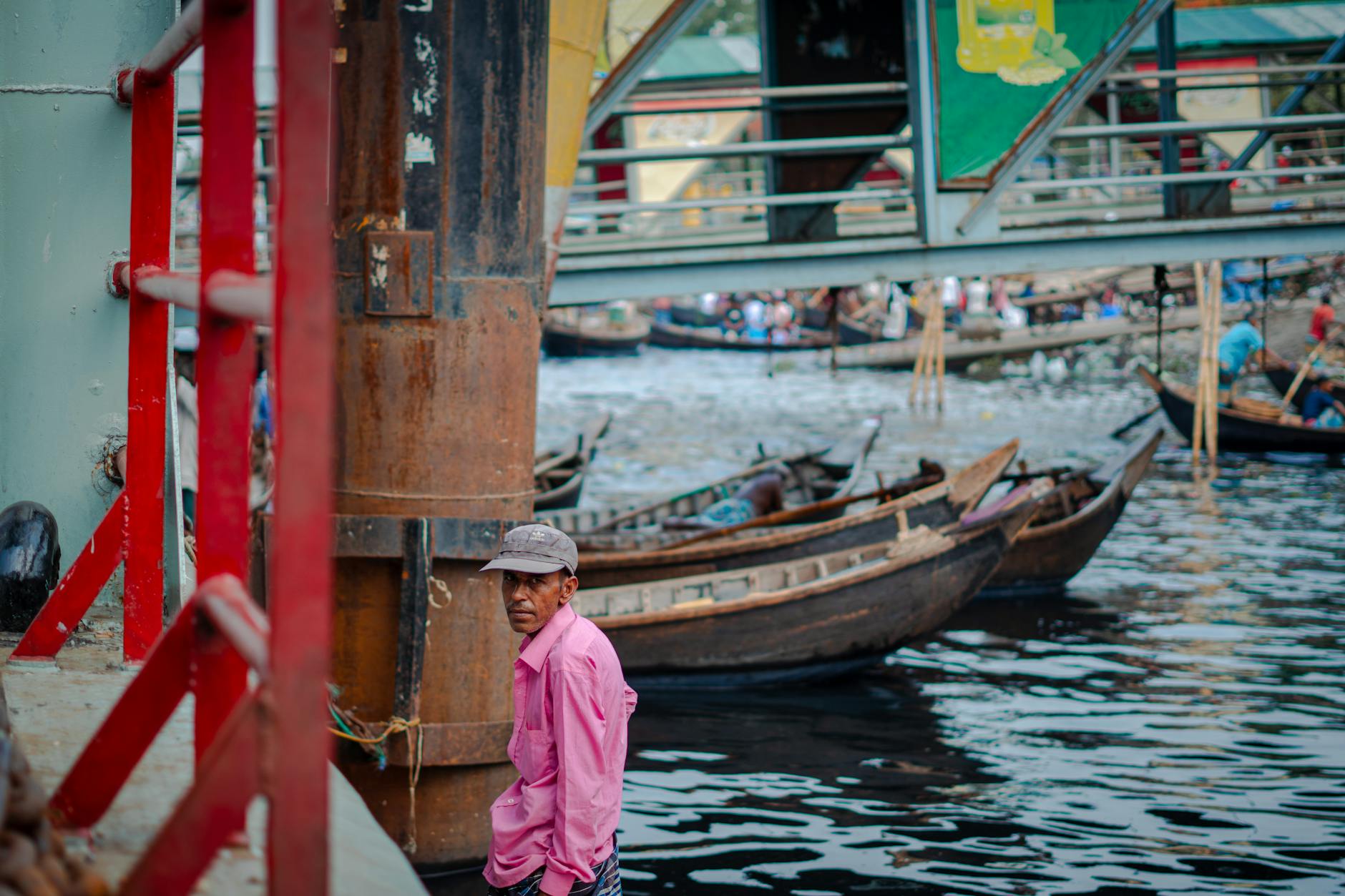
Daily life in Calabar is a fascinating blend of tradition and progress. You'll wake to the sounds of a bustling city, with markets like Watt Market coming alive early. Commutes are generally manageable, though traffic can build up on major arteries during peak hours. The city maintains a relatively peaceful atmosphere, a welcome contrast to some other Nigerian urban centers. Evenings often involve enjoying local cuisine at a riverside restaurant or attending cultural events. There's a strong sense of community, and you'll find people are generally welcoming and friendly.
The Lifestyle:
Calabar offers a relaxed, culturally rich lifestyle, deeply connected to its heritage and vibrant community events.
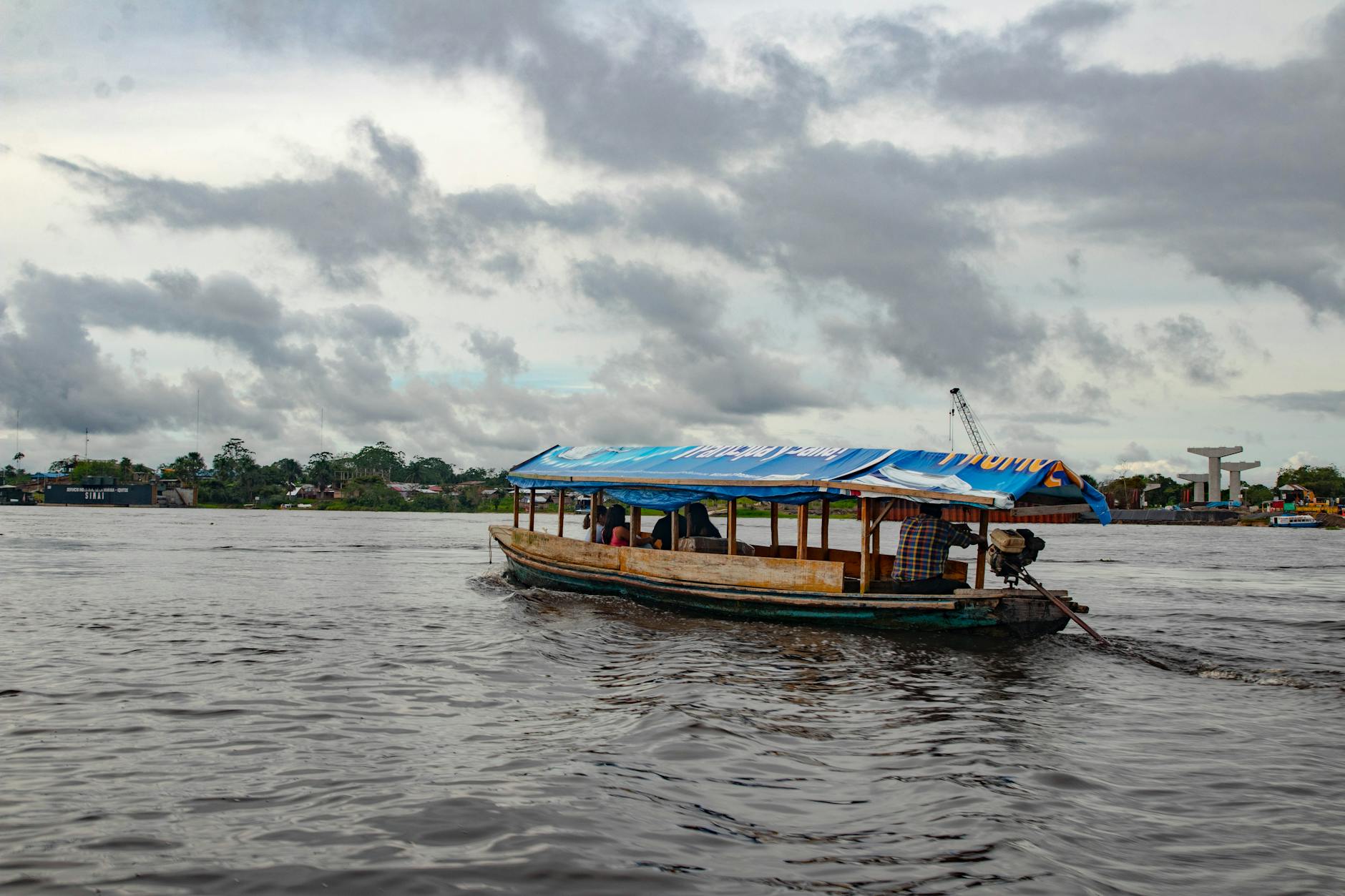
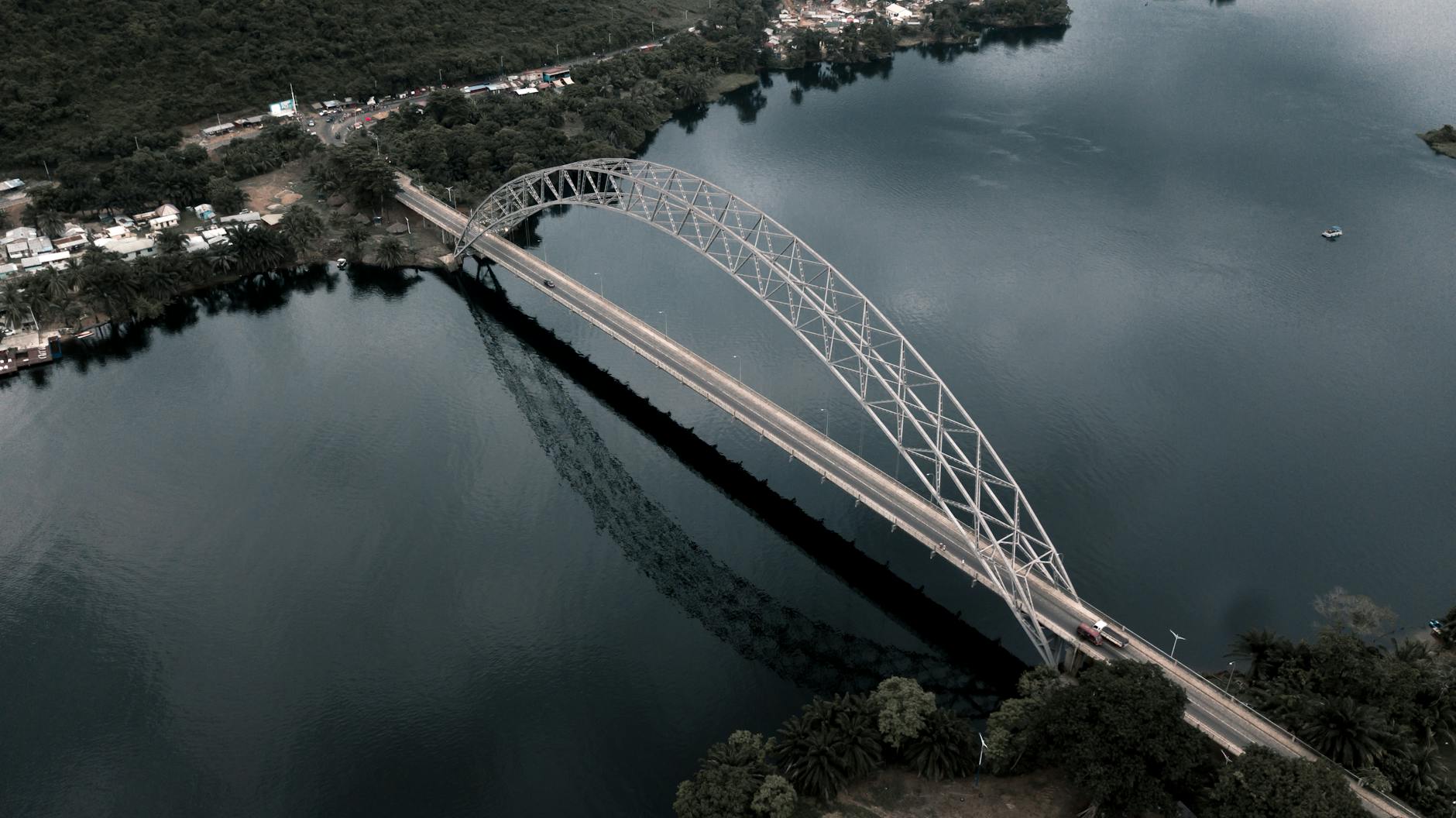
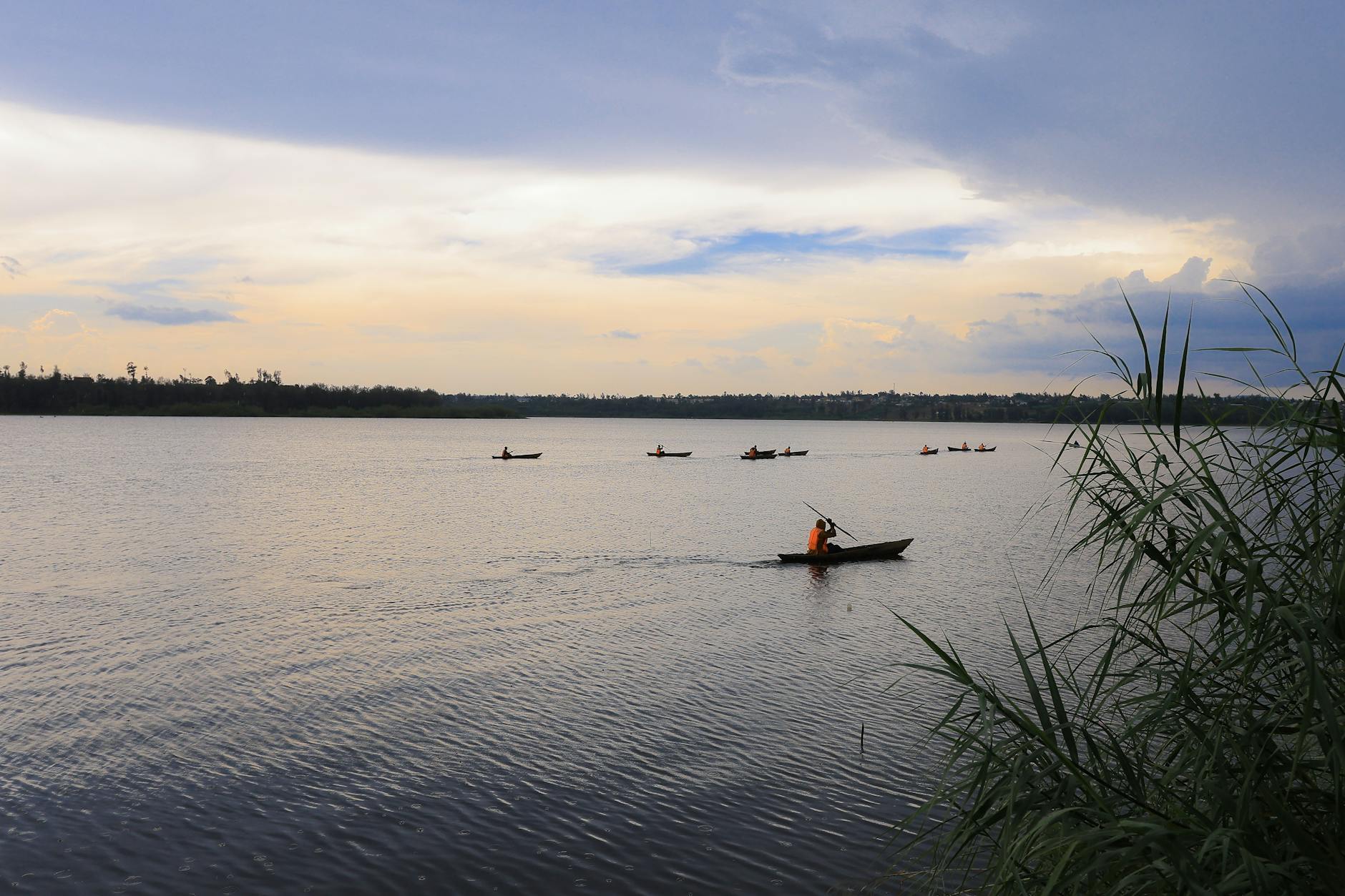
The lifestyle in Calabar is distinctly laid-back, a refreshing change from the frenetic pace of larger Nigerian cities. The community here is tight-knit, with a strong emphasis on family and cultural traditions. You'll find that social life often revolves around local gatherings, church events, and the numerous festivals that punctuate the year. The city's coastal location means access to fresh seafood and opportunities for riverside relaxation. Weekends might involve a trip to Marina Resort, exploring historical sites, or simply enjoying the serene views of the Calabar River.

You'll Fall in Love:
You'll be captivated by Calabar's unique blend of historical depth, natural beauty, and vibrant cultural energy.
Calabar possesses an undeniable charm that quickly wins people over. Its unique character stems from the harmonious blend of its colonial past, reflected in the elegant architecture of places like Duke Town, and the vibrant, living culture of the Efik people. The lush, green landscapes and the serene expanse of the Calabar River offer a picturesque backdrop to daily life. What truly sets Calabar apart is its festive spirit, particularly during the annual Carnival, which is an explosion of creativity, music, and dance.

Nearby Attractions:
Calabar's diverse attractions, from historical sites to natural wonders, enhance its appeal for tourists and residents.
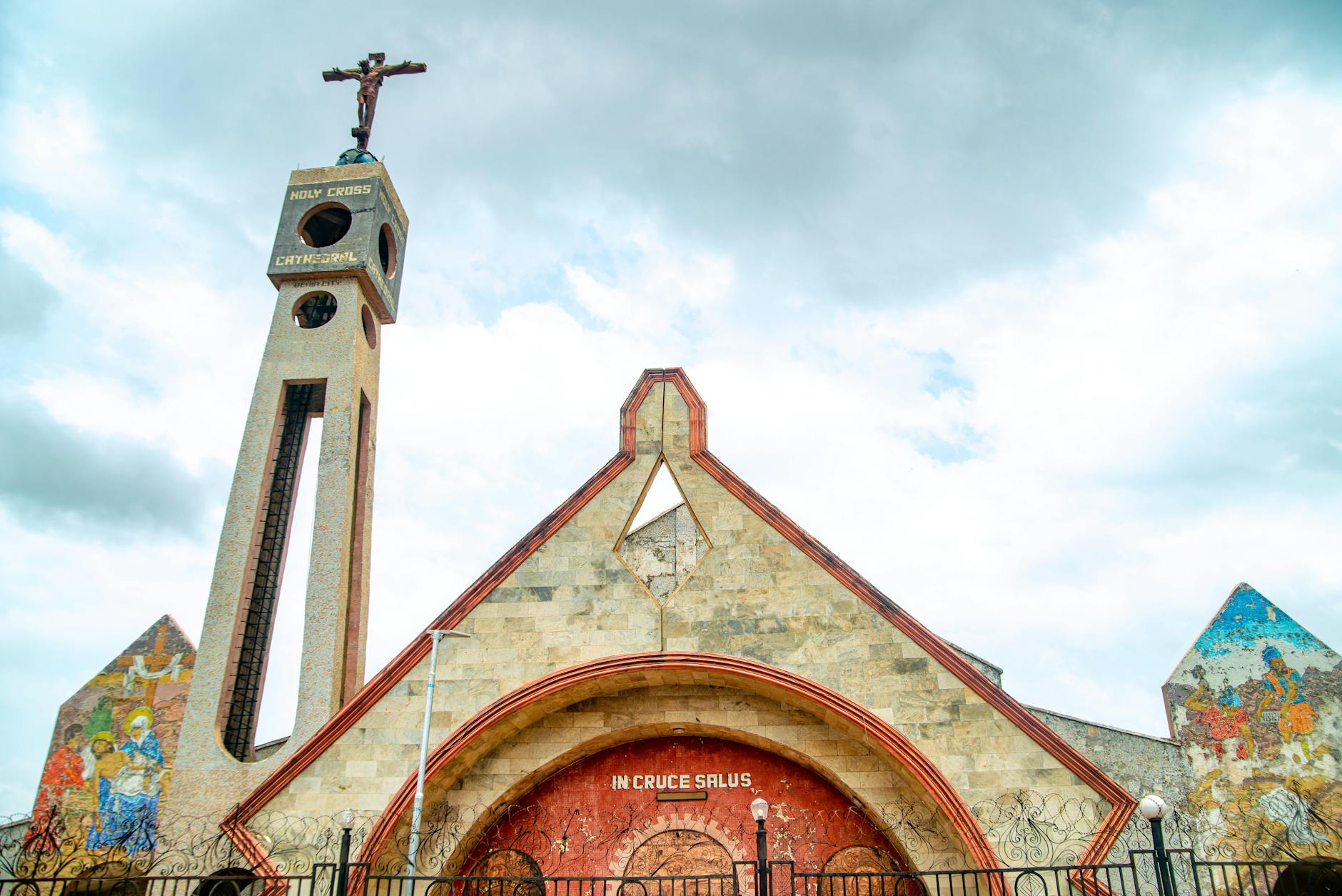
Calabar is surrounded by a wealth of attractions that significantly contribute to its allure as a prime destination for both tourists and long-term residents. These sites offer a rich tapestry of history, culture, and natural beauty, ensuring a steady flow of visitors and enhancing the overall livability of the area. From preserved colonial architecture to expansive national parks, the variety of experiences available creates a strong draw, supporting the hospitality sector and increasing property values in well-connected locations. The accessibility of these attractions makes Calabar a desirable place to live and invest.
| Attraction | Type | Highlight | Why It Matters |
|---|---|---|---|
| Tinapa Business and Leisure Resort | Resort | Integrated business and leisure hub | Drives significant business and leisure tourism, boosting demand for short-term rentals and hospitality properties. |
| Cross River National Park | National Park | One of West Africa's most preserved rainforests | Attracts eco-tourists and researchers, creating niche demand for lodges and guesthouses. |
| Marina Resort | Resort | Historical site with slave history museum and recreation | A major tourist magnet, increasing footfall and supporting commercial ventures and rental properties nearby. |
| Kwa Falls | Waterfall | Spectacular waterfall in a narrow gorge | Offers a unique natural attraction, drawing visitors seeking adventure and scenic beauty, enhancing regional tourism. |
Schools & Education:
Calabar offers a range of educational institutions, from primary to tertiary, supporting family-oriented living.
The educational landscape in Calabar is robust, featuring a variety of schools and a prominent university. This strong educational infrastructure is a key driver for family-tenant demand and enhances the long-term resale appeal of properties in the area. The presence of reputable institutions ensures access to quality education for residents, making Calabar an attractive location for families. Investors should consider proximity to these schools when evaluating residential properties, as they often command higher rental yields and appreciation.
| School | Type | Grades | Why It Matters |
|---|---|---|---|
| University of Calabar | University | Undergraduate/Postgraduate | Drives student and faculty rental demand, providing a stable tenant pool for investors. |
| Federal Government Girls College | Public | Secondary | A well-regarded public boarding school, attracting families and boosting demand for nearby residential properties. |
| Surefoot International School | International | - | Catters to expatriate and high-income families, increasing demand for premium rental properties. |
| Lourdes Academy | Private | - | A reputable private school that attracts families seeking quality education, enhancing residential appeal. |
Healthcare:
Calabar's healthcare facilities provide essential services, ensuring livability and attracting long-stay residents.
Calabar is equipped with several healthcare facilities, ranging from general hospitals to specialized centers, ensuring residents have access to necessary medical services. This accessibility to quality healthcare is a crucial factor for livability, attracting both families and retirees, and supporting long-stay demand for rental properties. Investors should note that areas with good healthcare infrastructure tend to be more stable and desirable for a broader demographic.
| Hospital | Type | Specialty | Why It Matters |
|---|---|---|---|
| University of Calabar Teaching Hospital (UCTH) | Government | Multi-speciality | A major tertiary healthcare provider, enhancing the city's livability and attracting medical professionals and students. |
| Federal Neuro-Psychiatric Hospital | Government | Psychiatric | Provides specialized mental healthcare, serving a critical community need and supporting diverse resident demographics. |
| Calabar Women and Children's Hospital | Government | Maternity/Pediatric | Focuses on maternal and child health, a key amenity for families and a draw for long-term residents. |
| Arubah Specialist Hospital and Diagnostics | Private | Multi-speciality | Offers private, specialized medical services, catering to higher-income residents and medical tourists, boosting property appeal. |
Dining & Cafés:
Calabar's dining scene offers a rich culinary experience, from local delicacies to international flavors, enhancing its appeal.
Calabar's dining scene is a delightful exploration of flavors, reflecting its rich cultural heritage and growing cosmopolitan appeal. You'll find everything from authentic Efik and Nigerian delicacies to a selection of continental and Asian cuisines. The city's culinary culture is vibrant, with numerous restaurants, local eateries, and riverside spots offering diverse experiences. This thriving dining scene is a significant draw for tourists and residents alike, contributing to the city's overall vibrancy and making it an attractive location for property investment, particularly for those targeting the hospitality or short-term rental market.
| Restaurant | Cuisine | Price | Why It Matters |
|---|---|---|---|
| Native Delicacies Restaurant | Nigerian | $ | A popular spot for local cuisine, attracting tourists and residents, contributing to neighborhood vibrancy and rental appeal. |
| Transcorp Calabar | Continental | $$ | Offers a high-end dining experience, catering to business travelers and affluent residents, boosting luxury rental demand. |
| Happy Food | Chinese | $ | Provides international cuisine, diversifying the dining options and appealing to a broader range of tenants and visitors. |
| E3 Restaurant | Nigerian | $ | A well-regarded local restaurant, enhancing the appeal of nearby residential properties for those seeking convenience. |
Geography Profile:
Calabar's coastal plain terrain, influenced by major rivers, defines its unique landscape and development patterns.
The terrain is generally flat to undulating, though you'll find some interspersed hilly features, particularly as you move further from the immediate waterfront. The city occupies a peninsula, cradled by the Calabar River to the west and the Great Kwa River to the east. This proximity to major water bodies means certain low-lying areas can be prone to flooding, a factor to consider in property development.
| Parameter | Value |
|---|---|
| Terrain Type | Coastal plain/Undulating |
| Water Bodies | Calabar River, Great Kwa River, Atlantic Ocean |
Soil & Ecology:
Calabar's tropical rainforest ecology, with its rich soils, supports diverse flora and unique biodiversity.
Calabar's soil ecology is characteristic of a tropical rainforest region, featuring fertile lateritic soils that support a rich array of flora. The natural vegetation is dense, with remnants of pristine rainforest still found in areas like the Cross River National Park. This lush environment contributes to a high level of biodiversity, including various species of plants, birds, and primates like the drill monkeys, which are unique to this region. The abundant rainfall and warm climate create ideal conditions for this vibrant ecosystem.
Climate Snapshot:
Calabar experiences a tropical monsoon climate, characterized by consistent warmth and distinct wet and dry seasons.
Calabar's climate is tropical monsoon, meaning you can expect high temperatures and significant humidity throughout the year. There are two distinct seasons: a relatively short dry season from December to February, and a long rainy season from March to November. The dry season offers minimal rainfall and peak temperatures, making it the most popular time for visitors. The wet season, particularly from July to October, sees frequent and intense tropical downpours, though the weather remains warm and humid.
| Parameter | Value |
|---|---|
| Air Quality | Good |
| Best Outdoor Season | Dec-Feb |
| Monsoon Months | Mar-Nov |
Legal Ownership (Nigeria):
All land is state owned; buyers hold leasehold titles
Nigeria's Land Use Act of 1978 vests all land in each state's Governor. You do not buy freehold land in Nigeria; you obtain a statutory Right of Occupancy (C of O) or customary occupancy, which is a 99-year leasehold interest. The Governor's Consent is required to transfer this title, which is why consent fees apply to every transaction. Foreign nationals and non-residents can hold leasehold titles but may need to satisfy the Nigerian Investment Promotion Commission (NIPC) registration requirements for investment purposes. Due diligence on title is critical given Nigeria's complex land tenure history.
Laws change. Always consult a licensed real estate attorney before purchasing.
| Buyer Type | Permitted | Tenure | Conditions | Approval |
|---|---|---|---|---|
| Resident citizen | Yes | Leasehold (Right of Occupancy, typically 99 years) | Governor's Consent required for transfer | State Governor |
| Foreign national | Conditional | Leasehold | Can hold right of occupancy; NIPC registration may be required for investment property | State Governor plus NIPC for investments |
| Non resident | Conditional | Leasehold | Title possible but due diligence is complex; use a reputable local lawyer | State Governor |
Capital Gains Tax:
Nigeria taxes capital gains on the disposal of residential property at a flat 10 percent of the net chargeable gain under the Capital Gains Tax Act. The taxable gain is the sale proceeds minus the original cost and any allowable improvement costs. There is no holding-period exemption and no indexation relief. Gains from the sale of your primary residence are not automatically exempt under federal law, though enforcement can be inconsistent.
We are confirming the capital gains rates for this location against the official schedule, so they are not shown here yet. Check with the local registry office, or a local lawyer, for the figure that applies to a specific property.
Stamp Duty & Registration:
Property transactions in Nigeria involve multiple charges. Stamp duty is 1.5 percent of the purchase price under the Stamp Duties Act. Beyond that, state Governors' Consent fees (mandatory for title transfers in most states) add 3 to 8 percent depending on the state, with Lagos at around 3 percent. Legal fees, survey fees, and registration at the land registry add another 1 to 2 percent. All in, budget 5 to 10 percent of price.
We are confirming the stamp duty and registration rates for this location against the official schedule, so they are not shown here yet. Check with the local registry office, or a local lawyer, for the figure that applies to a specific property.
Frequently Asked Questions
Yes, Calabar presents a compelling investment opportunity in 2026. The city's growing tourism sector, driven by its rich cultural heritage and popular festivals, ensures consistent demand for accommodation. Additionally, ongoing infrastructure development and a stable local economy contribute to both strong rental yields and potential for capital appreciation, making it an attractive market for strategic property investors.
Local Insights & Discussions
Ask a question or share a local tip about Calabar
Be respectful and constructive in your comments.
Buying or selling in Calabar?
Tell us once. Our team connects you with the right homes, or the right buyers.