Amsterdam De Pijp, North Holland: Area Guide, Getting There & Homes
Fetching weather details…
Amsterdam De Pijp is a destination in North Holland, Netherlands, known for urban. Albert Cuyp market, Heineken, multicultural dining.
Homes for sale in Amsterdam De Pijp →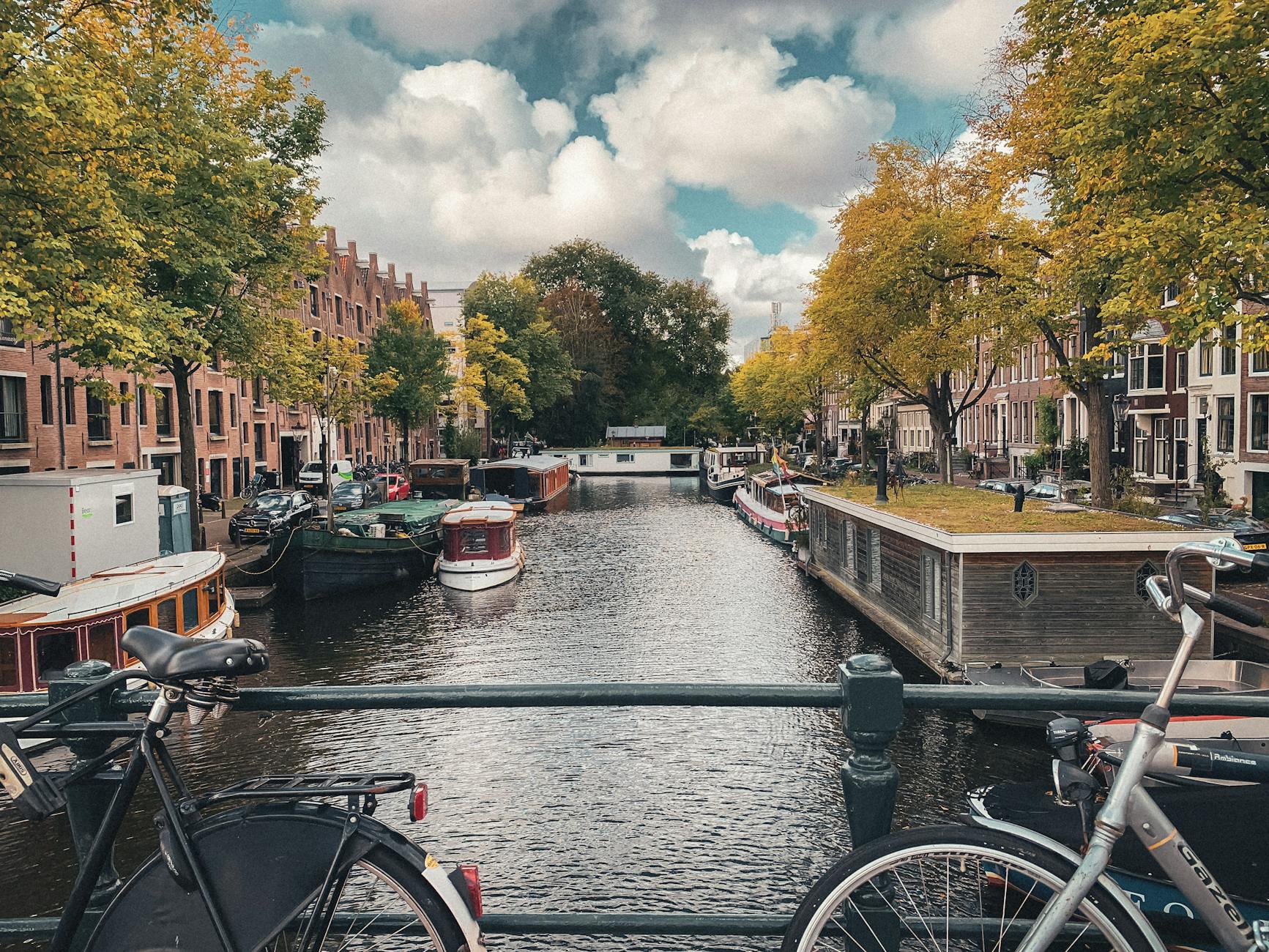
Key Details
Vibrant Urban Hub
Lively, multicultural district with a strong local atmosphere and international appeal.
Cultural Richness
Home to Albert Cuyp Market and close to world-class museums.
Excellent Connectivity
Well-served by public transport, including the North/South metro line.
Diverse Dining
A global culinary scene with countless restaurants and cafes.
High Demand Area
Popular with expats, students, and young professionals, driving rental interest.
Attributes
Urban
Located in Amsterdam De Pijp
Connectivity
- Airport: Amsterdam Schiphol Airport (AMS)
- Railway: Amsterdam Centraal Station
- Highway: A10 Ring Road
Key Landmarks
- Market: Albert Cuyp Market
- Museum: Heineken Experience
- Park: Sarphatipark
Key Investment Thesis
Scarcity Drives Value
De Pijp's established urban nature means new supply is extremely limited. This inherent scarcity, combined with sustained demand from a diverse demographic, creates a strong foundation for capital appreciation and rental income stability.
Cultural Epicenter Premium
As a hub for culture, dining, and nightlife, De Pijp commands a premium. Its proximity to world-class museums and the vibrant Albert Cuyp Market attracts a steady stream of tourists and a desirable tenant pool, justifying higher rental rates.
Consistent Rental Demand
The area's popularity with expats, students, and young professionals ensures consistently high occupancy rates. This robust demand translates into reliable rental income, making properties in De Pijp a sound choice for cash flow investors.
Metro Connectivity Catalyst
The North/South metro line significantly improved accessibility within Amsterdam. De Pijp's own metro station enhances its appeal, connecting residents swiftly to other key areas and boosting its attractiveness for both living and investment.
Demographic Magnet
De Pijp's appeal to a young, educated, and international demographic fuels sustained demand. This demographic is less price-sensitive and prioritizes lifestyle, ensuring continued interest in the area's rental and purchase markets.
A Look into Amsterdam De Pijp:
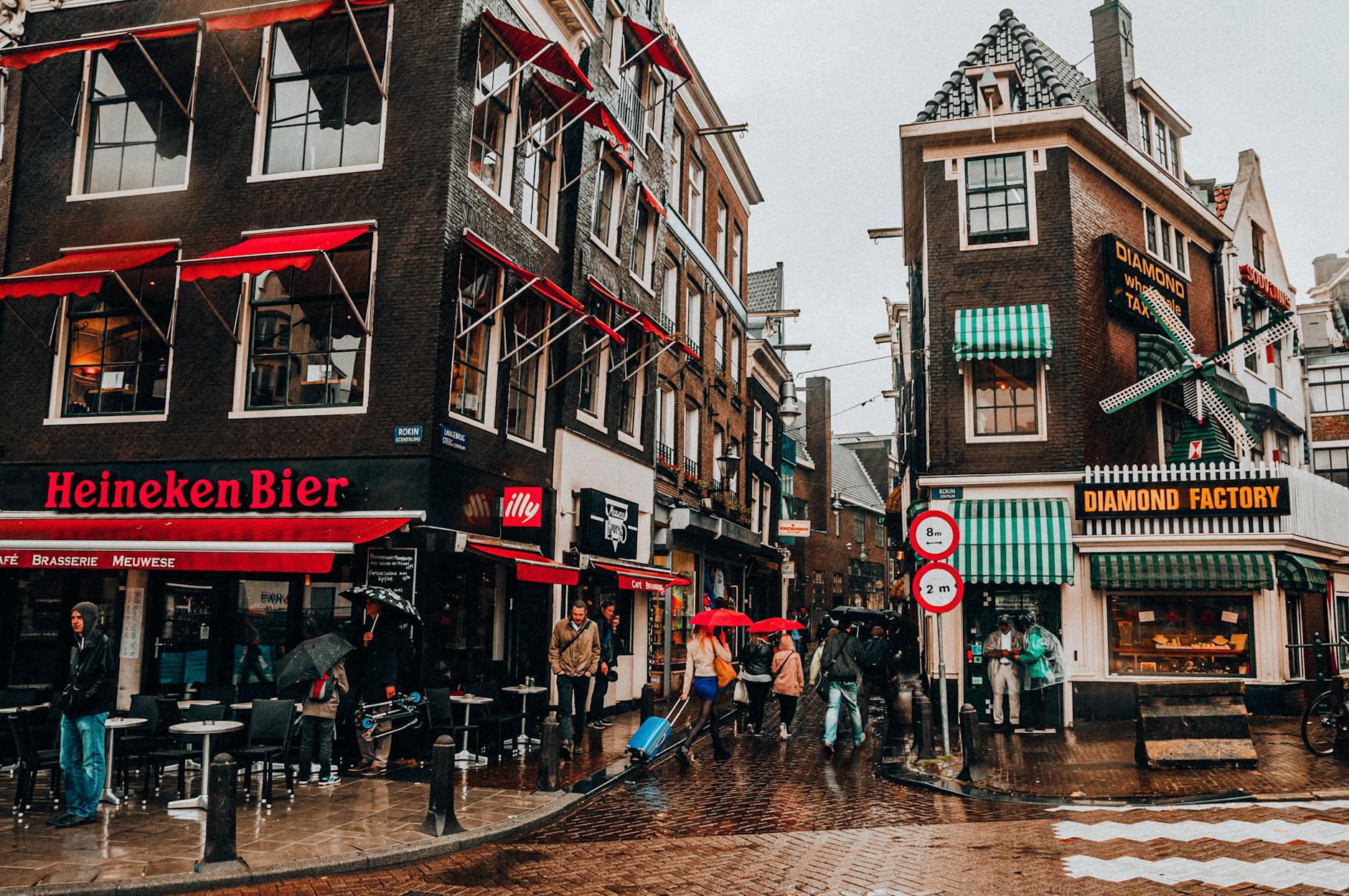
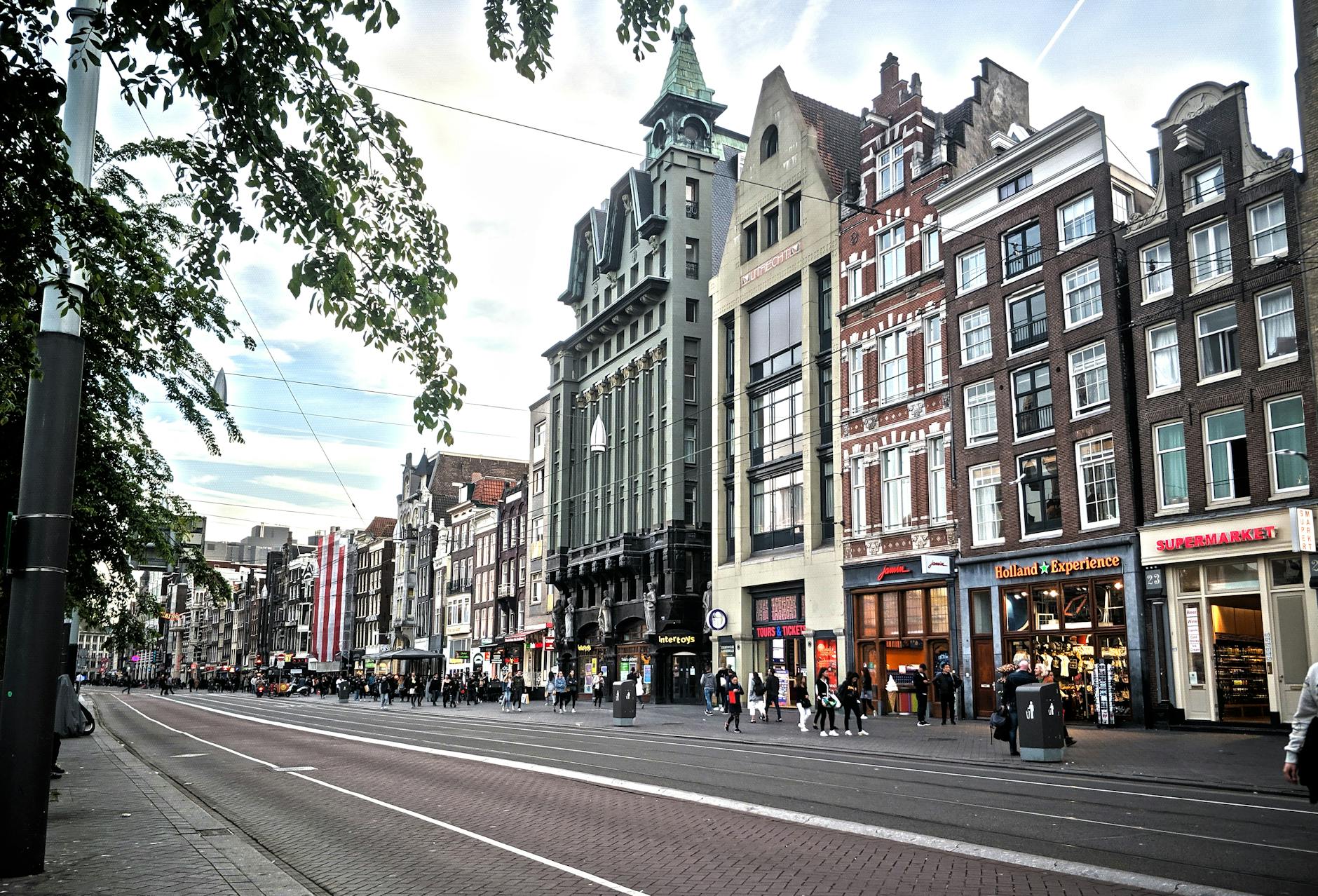
Amsterdam's beating heart, where urban energy meets a bohemian spirit.
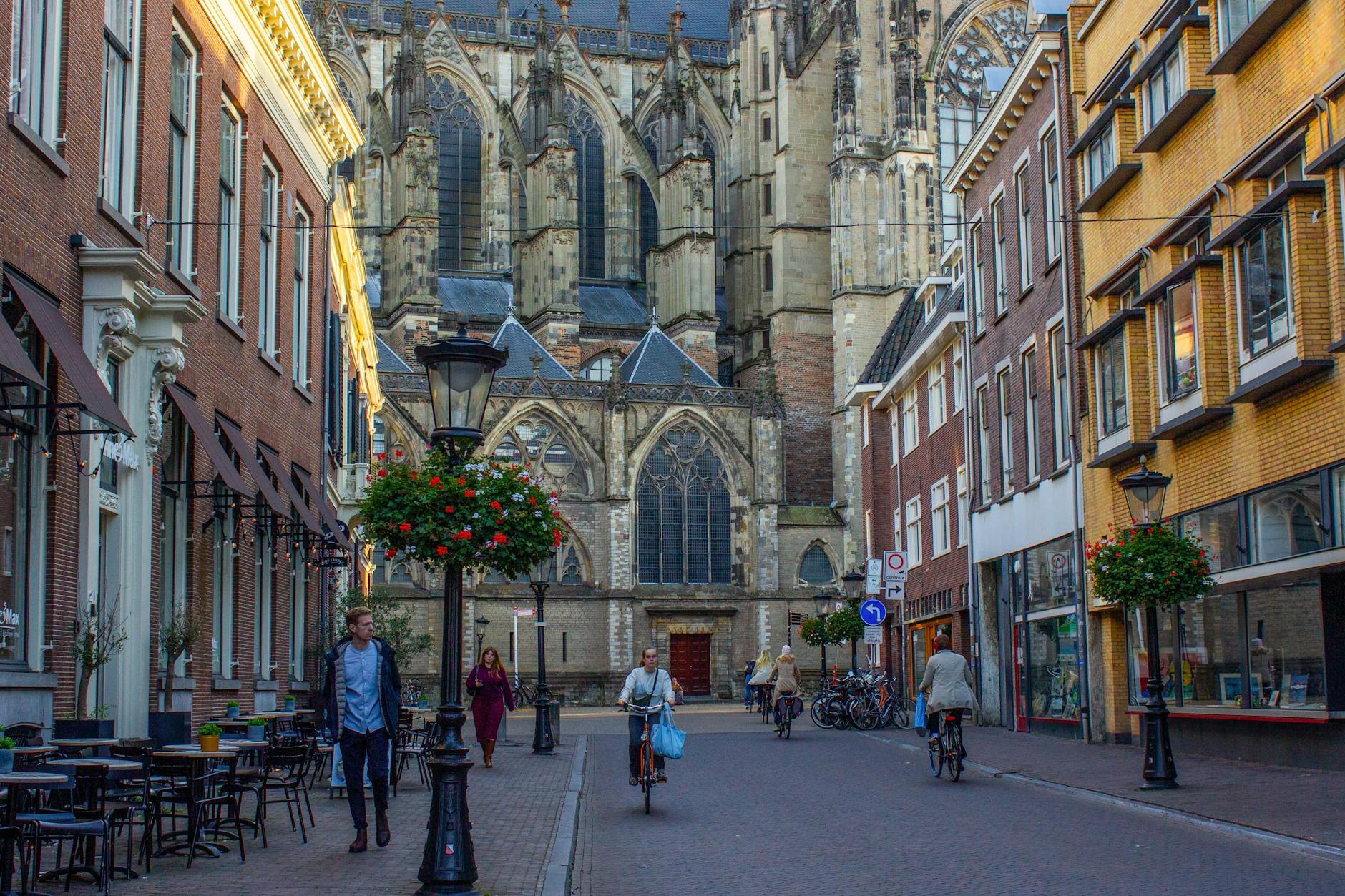
Situated south of the city center, it's a place where the aroma of fresh stroopwafels from the Albert Cuyp Market mingles with the diverse scents of global cuisines. Its streets, named after Dutch masters, are lined with characteristic architecture, housing a dynamic mix of students, artists, expats, and long-time residents. This constant flow of people creates an energetic, multicultural atmosphere that's both intimate and cosmopolitan.
What to Expect:
Expect a lively, diverse, and constantly engaging urban environment.
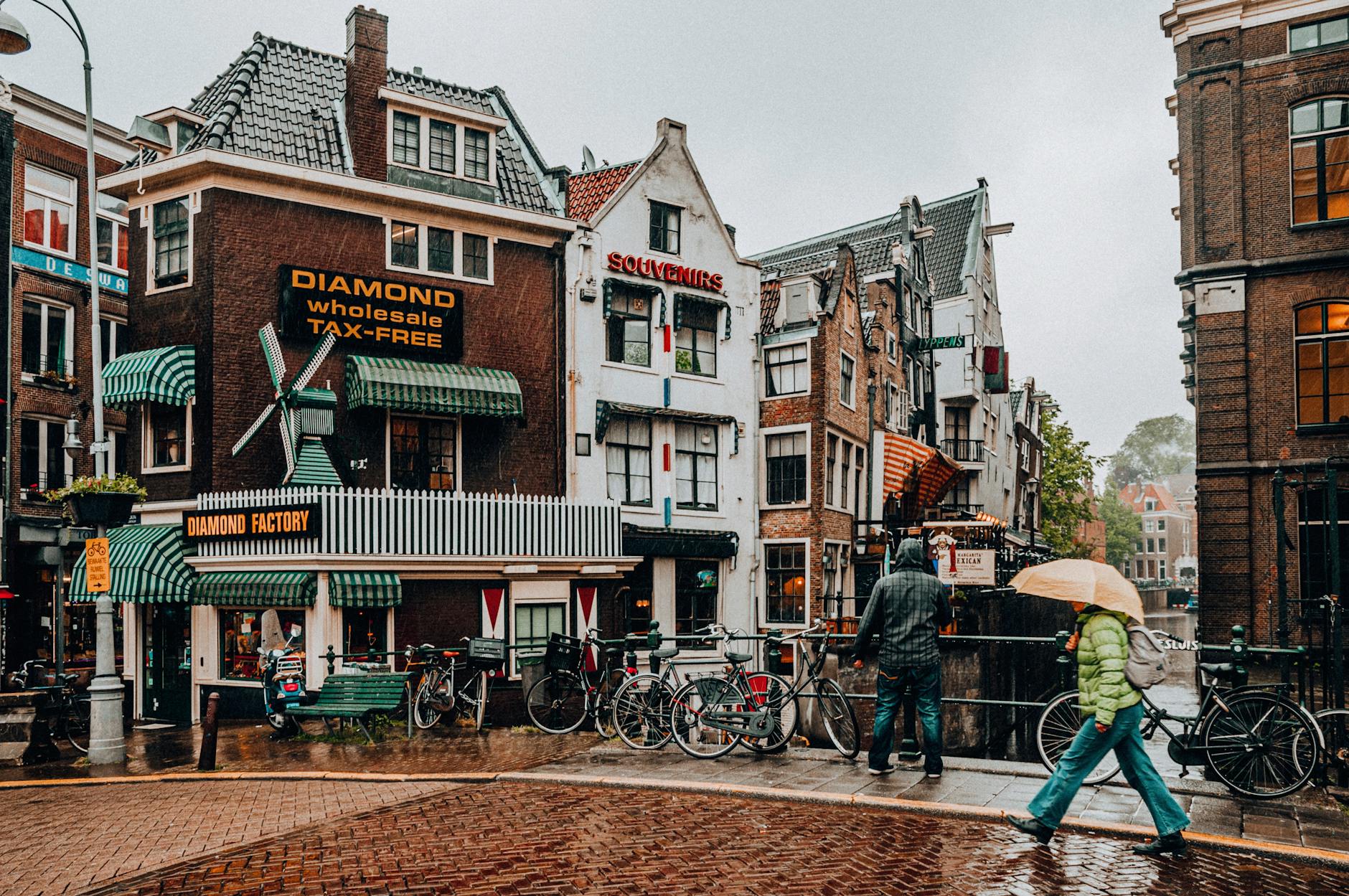
Daily life in De Pijp is anything but dull. You'll wake to the sounds of a city that never truly sleeps, with the bustling Albert Cuyp Market setting a lively tone six days a week. Expect to navigate streets filled with people from all walks of life, from students rushing to class to professionals heading to work, and tourists exploring the vibrant scene. The culinary landscape is a constant adventure, with new eateries and cafes opening regularly. Evenings are best spent exploring the numerous bars and restaurants, soaking in the neighborhood's energetic nightlife.
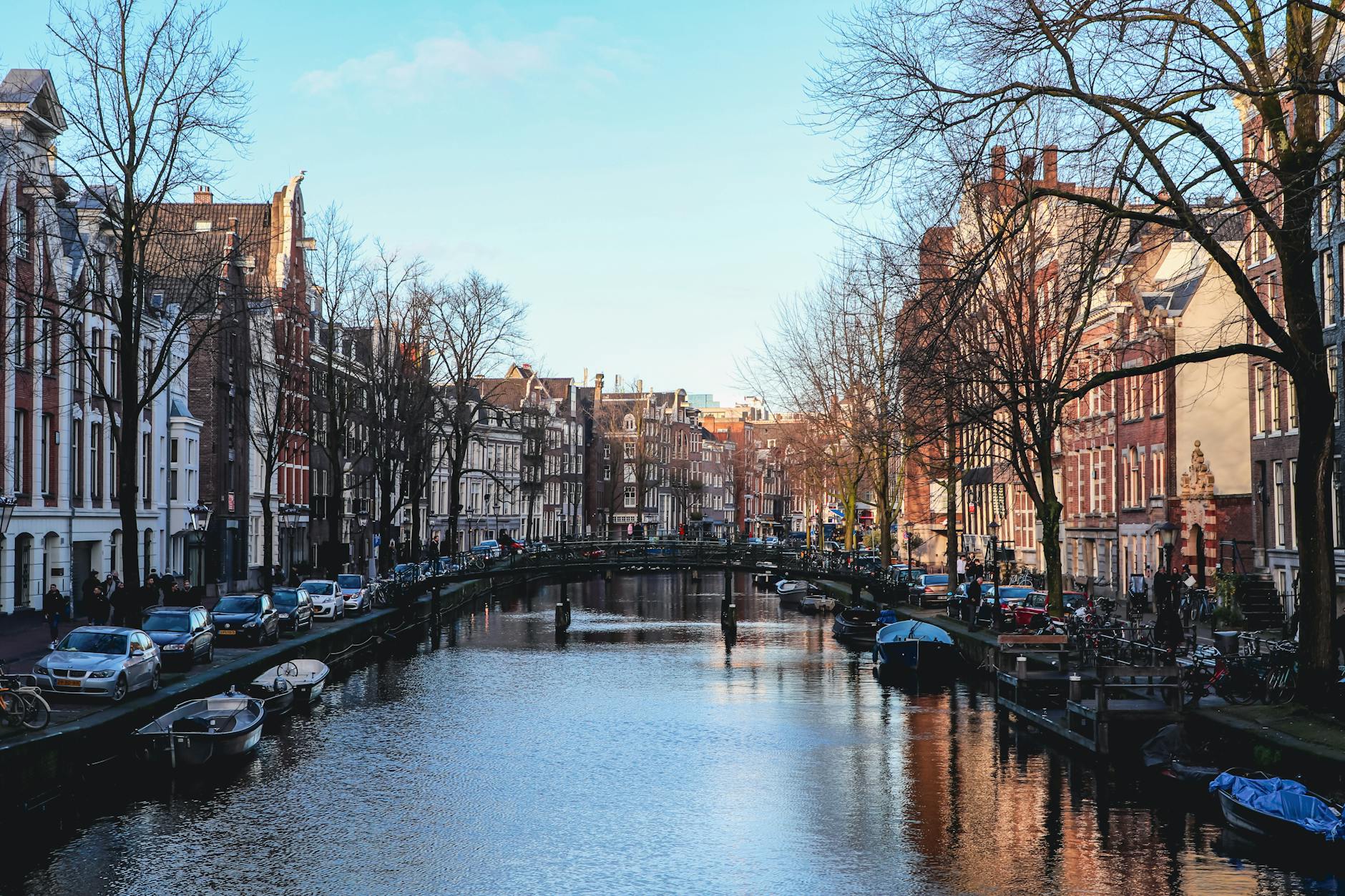
The Lifestyle:
A cosmopolitan lifestyle with a strong sense of local community.
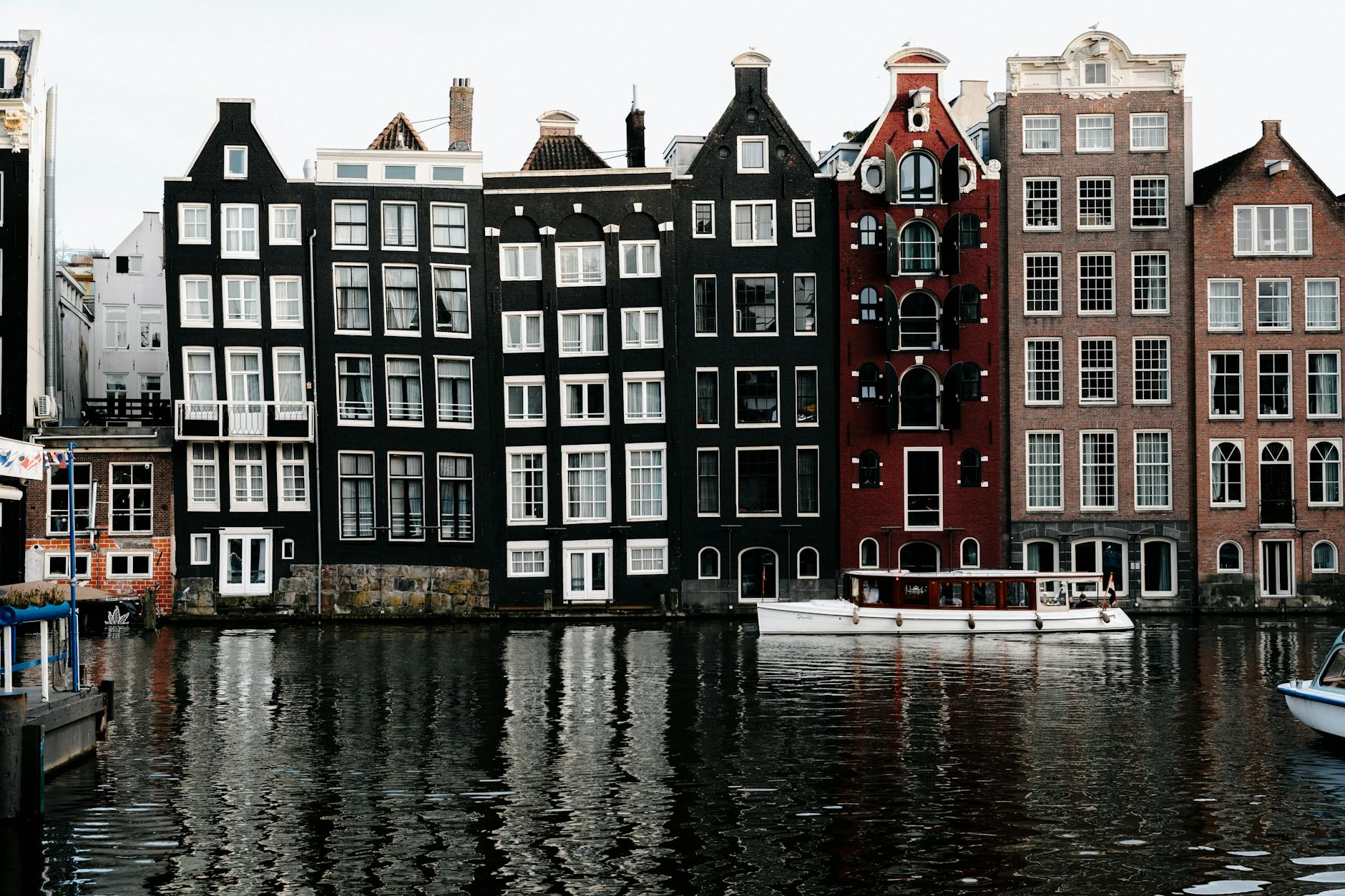
The lifestyle in De Pijp is undeniably dynamic and international. It's a place where global influences are celebrated, evident in the vast array of restaurants and shops. Yet, it retains a strong neighborhood feel, with residents frequenting local cafes, markets, and parks. You'll find a community that values creativity, diversity, and a good social life. It's common to see people cycling, meeting for coffee, or enjoying the outdoor terraces. The area attracts a young, educated, and often international demographic, contributing to its progressive and open-minded character.
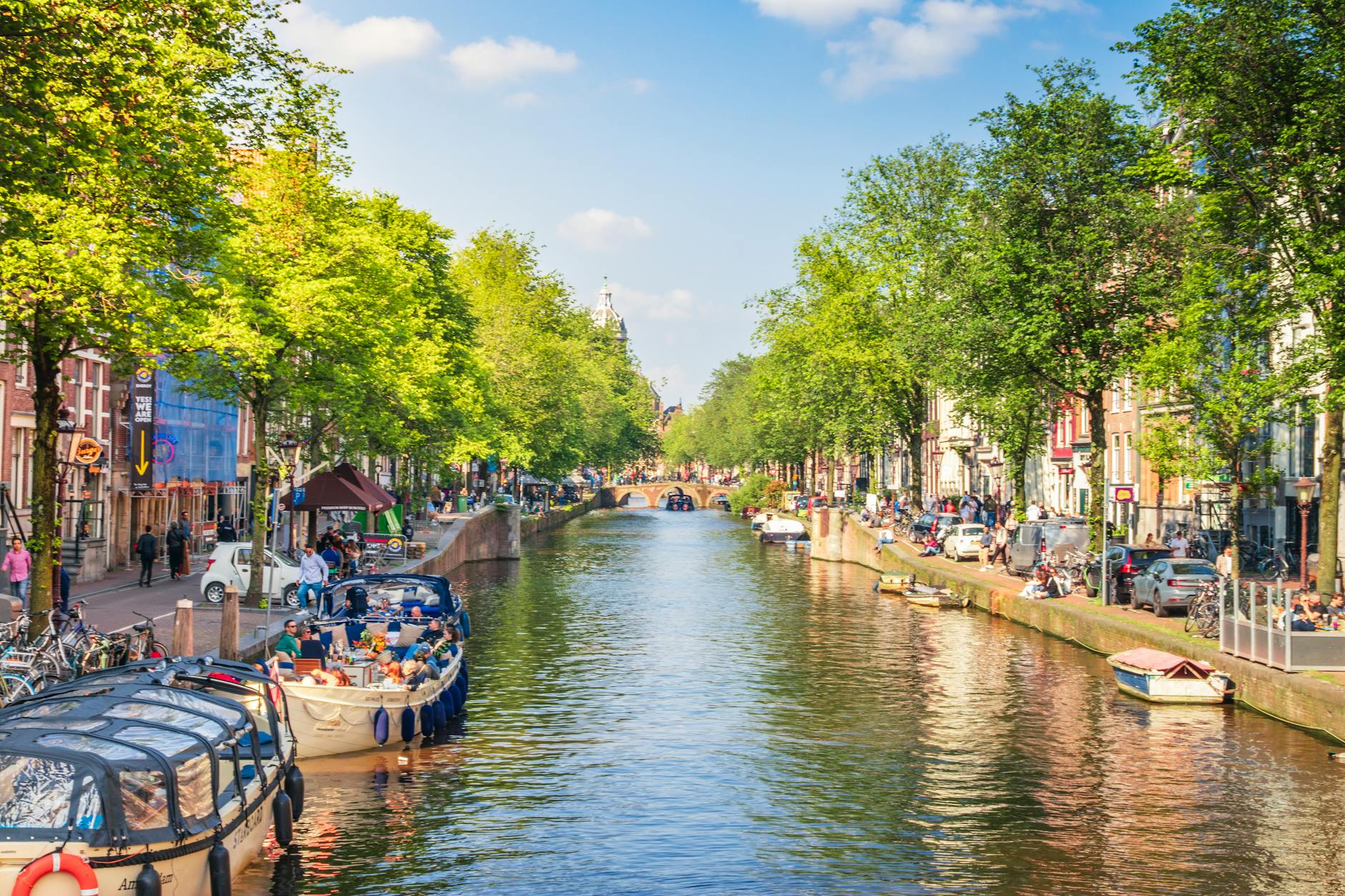
You'll Fall in Love:
The irresistible energy and authentic Amsterdam character.
What truly captivates about De Pijp is its raw, authentic energy. It's a neighborhood that feels lived-in, a place where history and modernity coexist seamlessly. The sheer variety of people, cultures, and experiences packed into its streets creates an endlessly fascinating environment. You'll love the spontaneous discoveries, from stumbling upon a hidden courtyard to finding your new favorite international restaurant. The constant buzz, the vibrant street life, and the proximity to iconic cultural institutions like the Rijksmuseum and Van Gogh Museum create an unparalleled urban living experience that's both stimulating and deeply engaging.
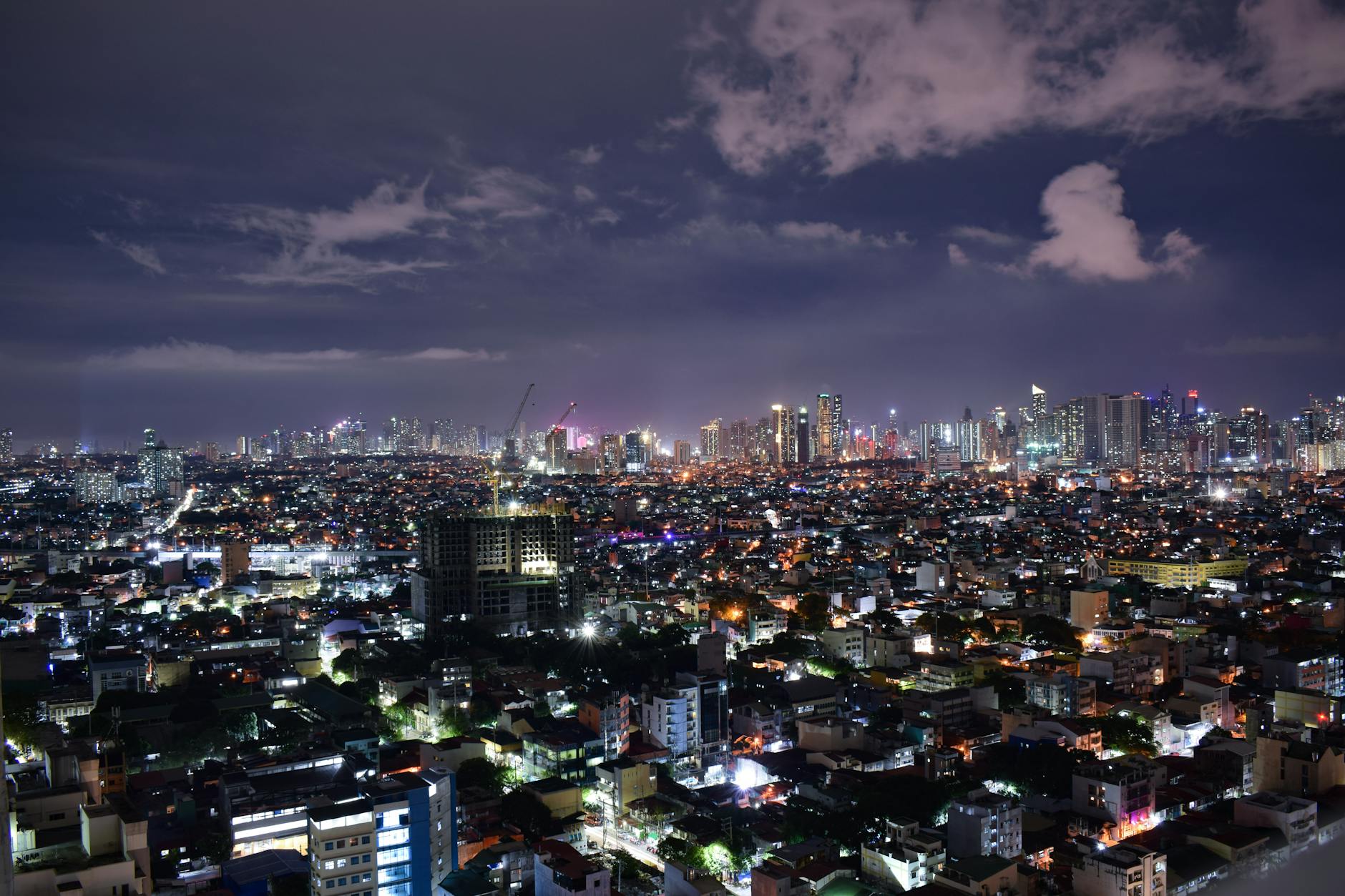
Nearby Attractions:
Iconic landmarks and cultural hotspots within easy reach.
De Pijp's prime location places you at the heart of Amsterdam's cultural and social scene. World-renowned museums, historic sites, and vibrant markets are all within a short distance, enhancing both lifestyle and investment appeal. The proximity to these attractions draws significant footfall and tourism, contributing to the area's desirability and rental demand. This accessibility to key city landmarks makes De Pijp a strategic location for property investment, promising consistent interest from tenants and visitors alike.
| Attraction | Type | Highlight | Why It Matters |
|---|---|---|---|
| Albert Cuyp Market | Market | - | Drives significant local and tourist footfall, enhancing neighborhood vibrancy and rental appeal. |
| Heineken Experience | Attraction | Interactive tour of the original Heineken brewery. | A major tourist draw, increasing local economic activity and demand for short-term rentals. |
| Rijksmuseum | Museum | Netherlands' national museum of art and history. | - |
| Van Gogh Museum | Museum | Houses the largest collection of Van Gogh's works. | A world-famous museum that draws international visitors, increasing demand for nearby accommodations. |
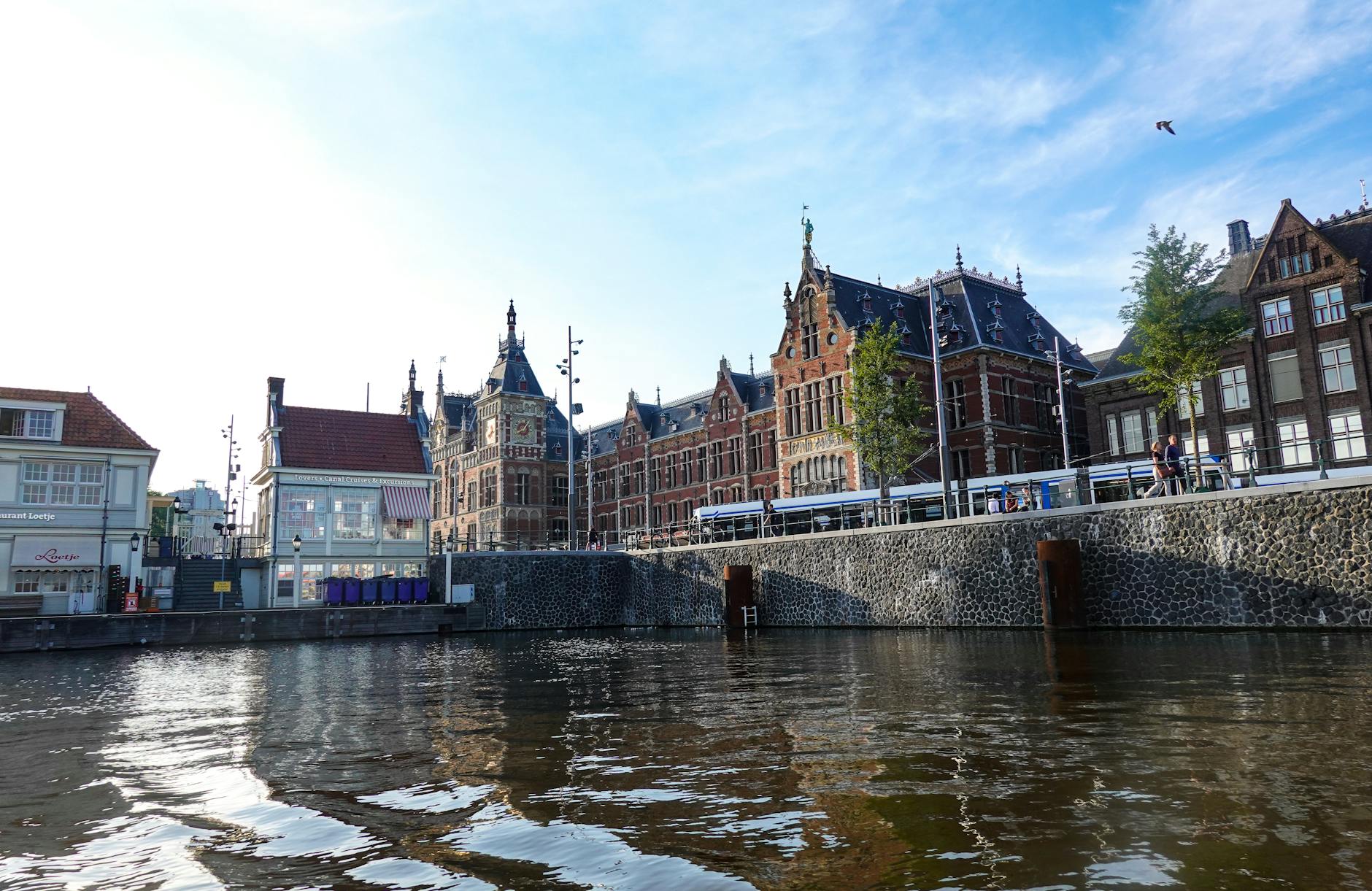
Schools & Education:
Educational institutions serving the De Pijp community.
De Pijp is well-served by a range of educational facilities, catering to diverse needs. The presence of reputable schools, from primary to secondary levels, is a key factor for families seeking to rent or buy in the area. This demand from families with children contributes to stable property values and consistent rental interest, making the educational landscape an important consideration for property investors.
| School | Type | Grades | Why It Matters |
|---|---|---|---|
| Montessori Lyceum Amsterdam | Public | Secondary | Attracts families seeking a specific educational philosophy, increasing demand for family-sized rentals. |
| Hervormde Kweekschool | Public | Secondary | A well-regarded secondary school that appeals to local families, supporting consistent rental demand. |
| Huygens College | Public | Secondary | Its reputation can influence family-oriented rental demand in the surrounding neighborhoods. |
| ROC van Amsterdam | Vocational | Post-secondary | Draws a student population, contributing to demand for rental properties, particularly studios and smaller apartments. |
Healthcare:
Accessible medical facilities for residents of De Pijp.
Residents of De Pijp have access to essential healthcare services, with several hospitals and medical centers located within convenient reach. The availability of quality healthcare is a significant factor for livability, particularly for families and older residents, ensuring consistent demand for housing in the area. This accessibility contributes to the overall desirability of De Pijp as a residential location.
| Hospital | Type | Specialty | Why It Matters |
|---|---|---|---|
| OLVG Ziekenhuis | Government | Multi-speciality | A major hospital that enhances the area's livability and attracts residents who prioritize healthcare access. |
| Huisartsenpraktijk De Pijp | General Practice | General | Provides essential local healthcare, making the neighborhood more attractive for long-term residents. |
| Huisartsenpraktijk Ferdinand Bol | General Practice | General | Local clinics contribute to the neighborhood's convenience and appeal for residents. |
| St. Lucas Andreas Ziekenhuis | Government | Multi-speciality | A larger hospital facility that serves a wider area, reinforcing the region's healthcare infrastructure. |
Dining & Cafés:
A global culinary journey right at your doorstep.
De Pijp is a true culinary melting pot, offering an extraordinary range of dining experiences that reflect its multicultural character. From traditional Dutch pubs to exotic international flavors, the neighborhood's food scene is a major draw for both residents and visitors. This vibrant gastronomic landscape significantly enhances the area's lifestyle appeal and contributes to its popularity, making it a consistently attractive location for rental properties.
| Restaurant | Cuisine | Price | Why It Matters |
|---|---|---|---|
| Omelegg - City Centre | Breakfast & Brunch | €€ | Popular spot for breakfast, attracting consistent morning footfall and local patronage. |
| Cannibale Royale | Steakhouse | €€€ | A popular dining destination that draws locals and tourists, contributing to neighborhood vibrancy. |
| Foodhallen | International Street Food | €€ | A major food hub attracting large crowds, enhancing the area's reputation as a culinary destination. |
| Little Collins | Australian | €€ | Trendy eatery that appeals to a young, international crowd, boosting neighborhood appeal. |
Geography Profile:
Urban landscape with a flat terrain.
De Pijp is situated within the urban fabric of Amsterdam, characterized by a predominantly flat terrain. As part of the Randstad conurbation, it lies on reclaimed land, typical of the Netherlands. The area is bordered by canals and the Amstel River, which are integral to the city's historical and functional landscape. Its urban development is a testament to Dutch engineering, with infrastructure designed to manage water and support a dense population.
| Parameter | Value |
|---|---|
| Terrain Type | Flat urban plain |
| Water Bodies | Amstel River, Boerenwetering canal, Singelgracht canal |
Soil & Ecology:
Urban soil composition and limited natural ecology.
The soil in De Pijp is largely anthropogenic, consisting of fill material and urban subsoil layers typical of reclaimed land in the Netherlands. Natural soil profiles are minimal due to extensive construction and infrastructure. Consequently, the area's ecological landscape is primarily defined by urban greenery, such as parks and street trees, rather than native flora and fauna. Biodiversity is limited to urban-adapted species found in parks and along waterways, with no significant natural habitats present within the immediate neighborhood.
Climate Snapshot:
Temperate maritime climate with mild seasons.
De Pijp experiences a temperate maritime climate, influenced by the North Sea. Summers are generally mild and pleasant, while winters are cool but rarely harsh, with occasional frost. Rainfall is distributed fairly evenly throughout the year, though autumn and winter tend to be wetter. Snowfall is infrequent and usually does not last long. The best time to visit for outdoor activities is during the spring and summer months when temperatures are warmer and days are longer, offering a pleasant environment for exploring the city.
| Parameter | Value |
|---|---|
| Air Quality | Moderate |
| Best Outdoor Season | May-Sep |
| Monsoon Months | N/A |
Legal Ownership (Netherlands):
Open market for foreigners; no nationality restrictions apply
There are no restrictions on foreign nationals buying residential property in the Netherlands. EU citizens, non-EU residents, and non-residents may all purchase freehold property without government approval. The transaction is governed by Dutch civil law (Burgerlijk Wetboek), handled by a civil law notary (notaris) who is a mandatory part of every transaction. Non-residents should be aware of Dutch mortgage rules, which can limit borrowing to around 75 to 80 percent loan-to-value without Dutch income. Apartment ownership typically comes via a homeowner association (VVE).
Laws change. Always consult a licensed real estate attorney before purchasing.
| Buyer Type | Permitted | Tenure | Conditions | Approval |
|---|---|---|---|---|
| Resident citizen | Yes | Freehold | No restrictions | None |
| Foreign national (EU or non-EU) | Yes | Freehold | No nationality-based restrictions; mortgage access depends on Dutch income | None |
| Non resident | Yes | Freehold | May face stricter mortgage terms; cash purchase straightforward | None |
Capital Gains Tax:
The Netherlands does not levy a separate capital gains tax on the sale of your own home. Instead, residential property sits in Box 3 of the income tax system, where a notional return on your net wealth is taxed at roughly 36 percent annually, not at the point of sale. If you sell an investment property, the profit is not taxed as a capital gain but the underlying asset feeds your Box 3 calculation while you hold it.
We are confirming the capital gains rates for this location against the official schedule, so they are not shown here yet. Check with the local registry office, or a local lawyer, for the figure that applies to a specific property.
Stamp Duty & Registration:
The Netherlands charges transfer tax (overdrachtsbelasting) on property purchases. First-time buyers under 35 buying a home for under 510,000 euros (2024 threshold) pay 0 percent. Other owner-occupiers pay 2 percent. Buy-to-let investors and legal entities pay 10.4 percent. Notary and registration fees add roughly 1,000 to 2,500 euros on top.
We are confirming the stamp duty and registration rates for this location against the official schedule, so they are not shown here yet. Check with the local registry office, or a local lawyer, for the figure that applies to a specific property.
Frequently Asked Questions
Yes, De Pijp remains a strong investment location in 2026 due to its vibrant atmosphere, consistent rental demand from expats and students, and limited new supply. Its cultural attractions and excellent connectivity further bolster its appeal for both capital growth and rental income.
Local Insights & Discussions
Ask a question or share a local tip about Amsterdam De Pijp
Be respectful and constructive in your comments.
Buying or selling in Amsterdam De Pijp?
Tell us once. Our team connects you with the right homes, or the right buyers.