Accra, Greater Accra: Area Guide, Getting There & Homes
Fetching weather details…
Accra is a destination in Greater Accra, Ghana, known for urban. Jamestown, Osu, National Museum, Labadi Beach, Year of Return diaspora.
Homes for sale in Accra →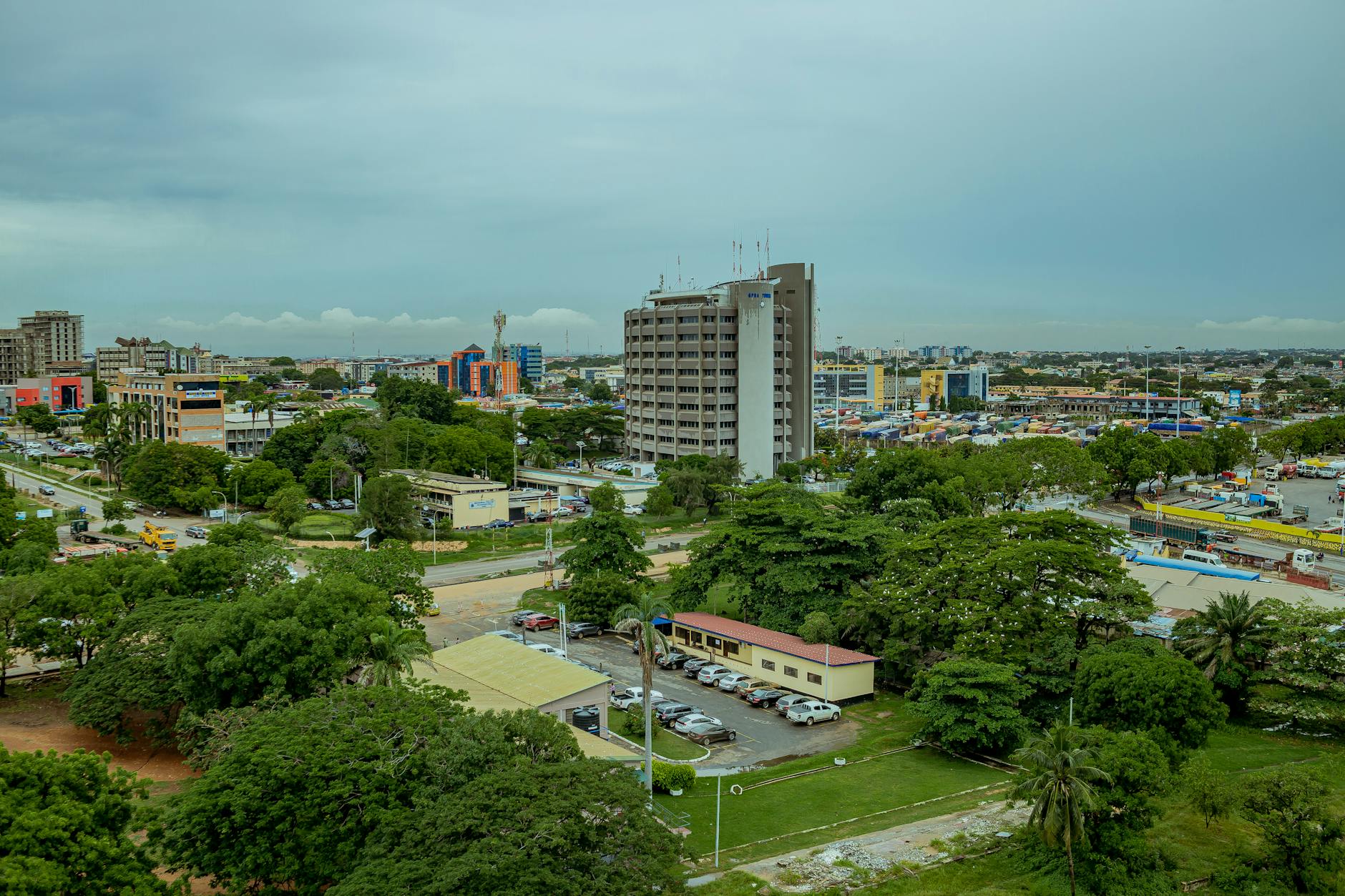
Key Details
Prime Location Advantage
Accra's central position drives consistent demand and property value appreciation.
Strong Rental Yields
Attractive rental income potential, especially in well-located two bedroom apartments.
Growing Tourism Sector
Increasing international arrivals boost short term rental market opportunities.
Urban Development
Ongoing infrastructure projects enhance connectivity and property appeal.
Diverse Tenant Pool
Expatriates, professionals, and local families ensure steady occupancy rates.
Attributes
Urban
Located in Accra
Connectivity
- Airport: Kotoka International Airport (ACC) 10 km
- Railway: Accra Central Station 4.5 km
- Highway: George Walker Bush Highway (N1) 3 km
Key Landmarks
- Historical Site: Kwame Nkrumah Mausoleum and Memorial Park 15 min
- Shopping Mall: Accra Mall 20 min
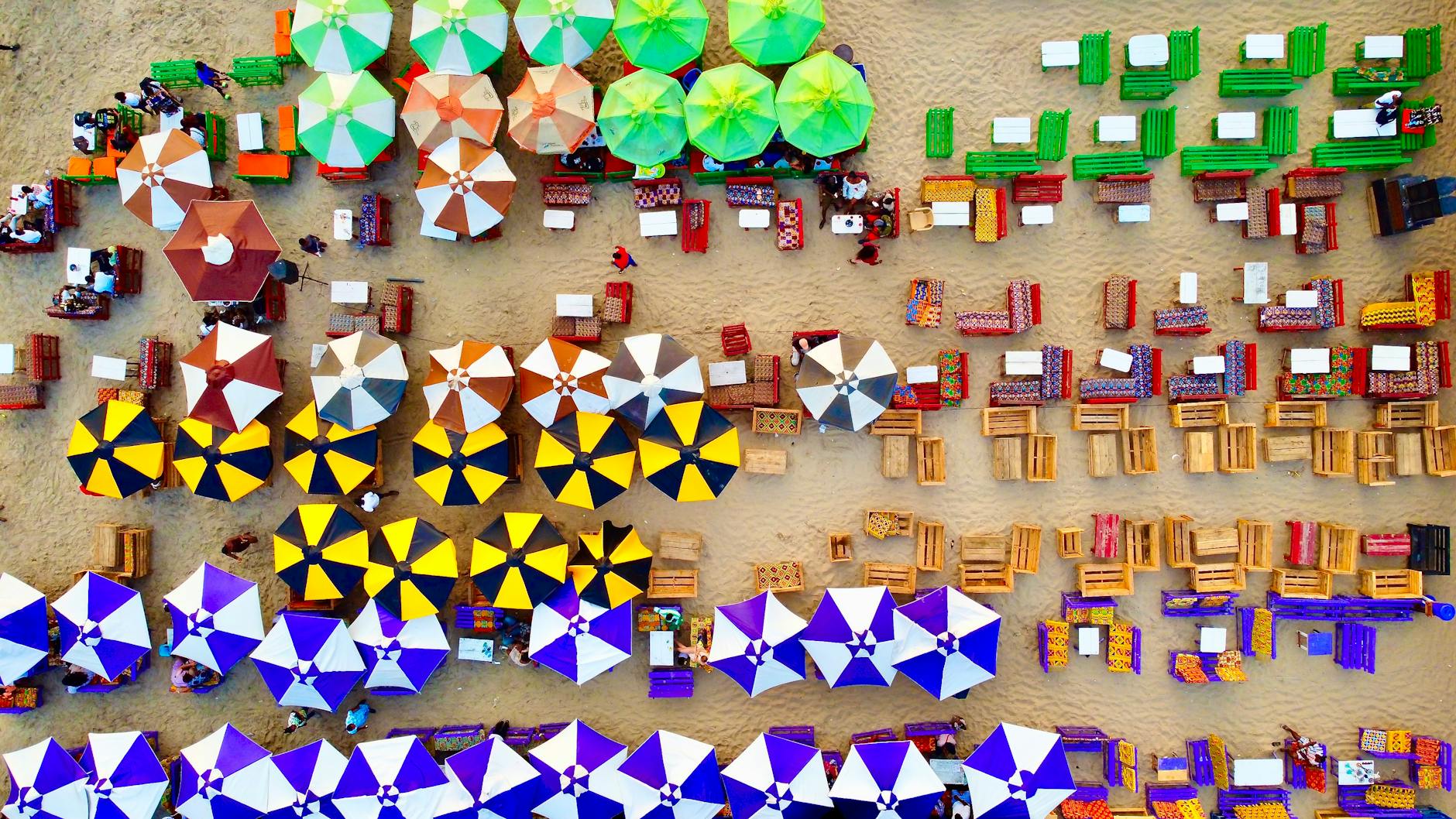
- Beach: Labadi Beach 25 min
Key Investment Thesis
Urbanization Drives Demand
Accra's rapid urbanization, with a growing population and expanding middle class, creates sustained demand for housing. This demographic shift, coupled with limited new supply in prime areas, ensures consistent property value appreciation, particularly for well located apartments and townhouses, offering a strong investment outlook.
Tourism Boosts Short Term Rentals
Ghana's burgeoning tourism sector, evidenced by over 1.2 million international arrivals in 2024, directly translates into high demand for short term vacation rentals in Accra.
Strong Rental Yields in Key Areas
Certain Accra neighborhoods, such as Osu, East Legon, and Tse Addo, consistently deliver strong net rental yields, with two bedroom properties in these areas showing estimated yields of 4.3 to 4.7 percent.
Infrastructure Enhances Accessibility
Ongoing infrastructure developments, including road networks and airport expansions, significantly improve connectivity within Accra and to the wider region. The continuous upgrades around Kotoka International Airport, for instance, enhance accessibility and desirability of surrounding areas, unlocking new investment corridors and driving property value growth.
Diaspora Investment Catalyst
The 'Year of Return' initiative and ongoing efforts to engage the African diaspora have spurred significant interest in property ownership in Accra. This consistent inflow of diaspora investment, often seeking second homes or retirement properties, creates a unique and resilient demand segment, contributing to long term capital appreciation and market.
A Look into Accra:
Accra offers a dynamic blend of history, culture, and modern urban living, attracting diverse investors.
Accra is Ghana's vibrant capital, a city that pulses with energy and a rich tapestry of history. From the colonial architecture of Jamestown to the bustling markets of Makola, you'll find a captivating mix of old and new. The city's coastal location provides a refreshing breeze, while its diverse neighborhoods offer distinct personalities. Osu, for example, is known for its lively nightlife and dining scene along Oxford Street, while areas like Cantonments and East Legon are favored by expatriates and professionals for their serene environments and modern amenities. The real estate here benefits from consistent demand, driven by both a growing local middle class and a steady influx of international residents and tourists.

What to Expect:
Expect a vibrant daily life in Accra, blending traditional charm with modern conveniences and a strong sense of.
Daily life in Accra is a lively experience, a constant hum of activity. You'll wake to the sounds of the city, perhaps a distant call to prayer or the gentle rhythm of street vendors setting up. Traffic can be a challenge, especially during peak hours, but public transport options like trotros and ride hailing services are readily available. Weekdays are busy, with markets bustling and businesses thriving. Evenings often involve socializing at local eateries, enjoying live music, or simply relaxing with family and friends.

The Lifestyle:
Accra's lifestyle is a dynamic mix of cultural richness, social vibrancy, and a welcoming community spirit.
The lifestyle in Accra is incredibly diverse, reflecting the city's cosmopolitan nature. You'll find a strong sense of community, whether it's in a local church, a neighborhood association, or among colleagues. Social gatherings are frequent, often centered around food, music, and family. For those who enjoy dining out, there's an impressive array of local and international cuisines to explore. Fitness enthusiasts have access to gyms and outdoor spaces, while art and culture lovers can enjoy galleries, theaters, and live performances.

You'll Fall in Love:
You'll be captivated by Accra's infectious energy, genuine warmth, and the vibrant tapestry of its culture.
Accra has a way of getting under your skin, and you'll quickly find yourself falling for its unique charm. It's the genuine warmth of the people, always ready with a smile and a helping hand, that truly sets it apart. The city's vibrant arts scene, from the colorful kente cloth to the pulsating rhythms of highlife music, is a constant source of joy and inspiration. You'll discover hidden gems in unexpected corners, from a quiet cafe serving the best waakye to a lively street market overflowing with handcrafted treasures.
Nearby Attractions:
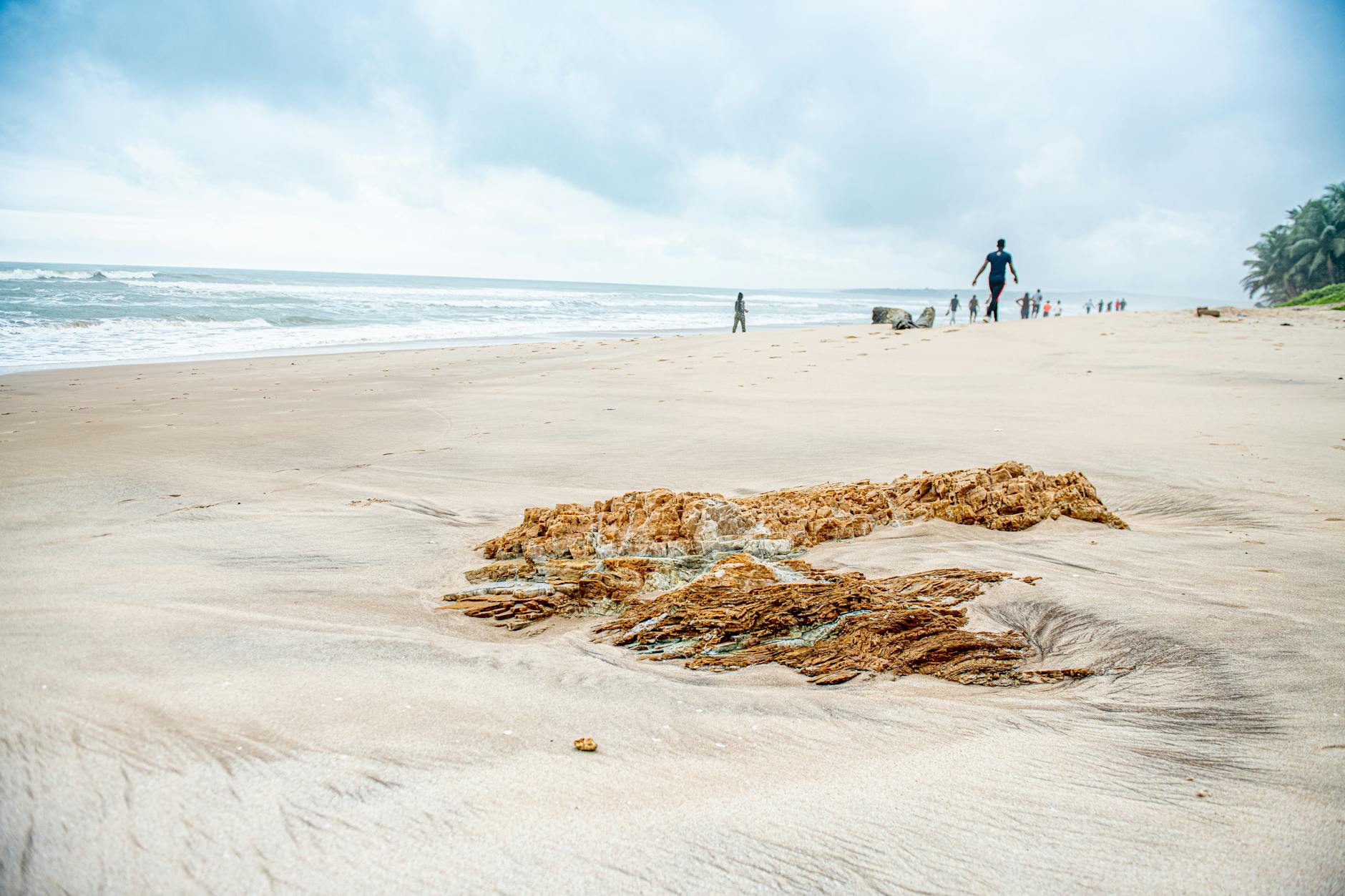
Explore Accra's rich history, vibrant markets, and beautiful coastline, all contributing to its investment appeal.
Accra offers a wealth of attractions that enhance its livability and draw in both tourists and long term residents, directly impacting property values and rental demand. From historical landmarks that tell Ghana's story to bustling markets and serene beaches, there's always something to experience. These sites not only provide cultural enrichment but also contribute to the city's economic vibrancy and appeal as a destination for both leisure and business, making properties in proximity highly desirable for various tenant profiles.
| Attraction | Type | Highlight | Why It Matters | Distance |
|---|---|---|---|---|
| Kwame Nkrumah Mausoleum and Memorial Park | Historical Site | Dedicated to Ghana's first president | Attracts tourists and history enthusiasts, boosting local footfall and short term rental demand. | 4.5 km |
| Makola Market | Market | Sprawling traditional market | A major commercial hub, driving economic activity and demand for local housing. | 3.8 km |
| Labadi Beach | Beach | Popular public beach with lively atmosphere | A key recreational spot, enhancing lifestyle appeal and attracting short term renters. | 12 km |
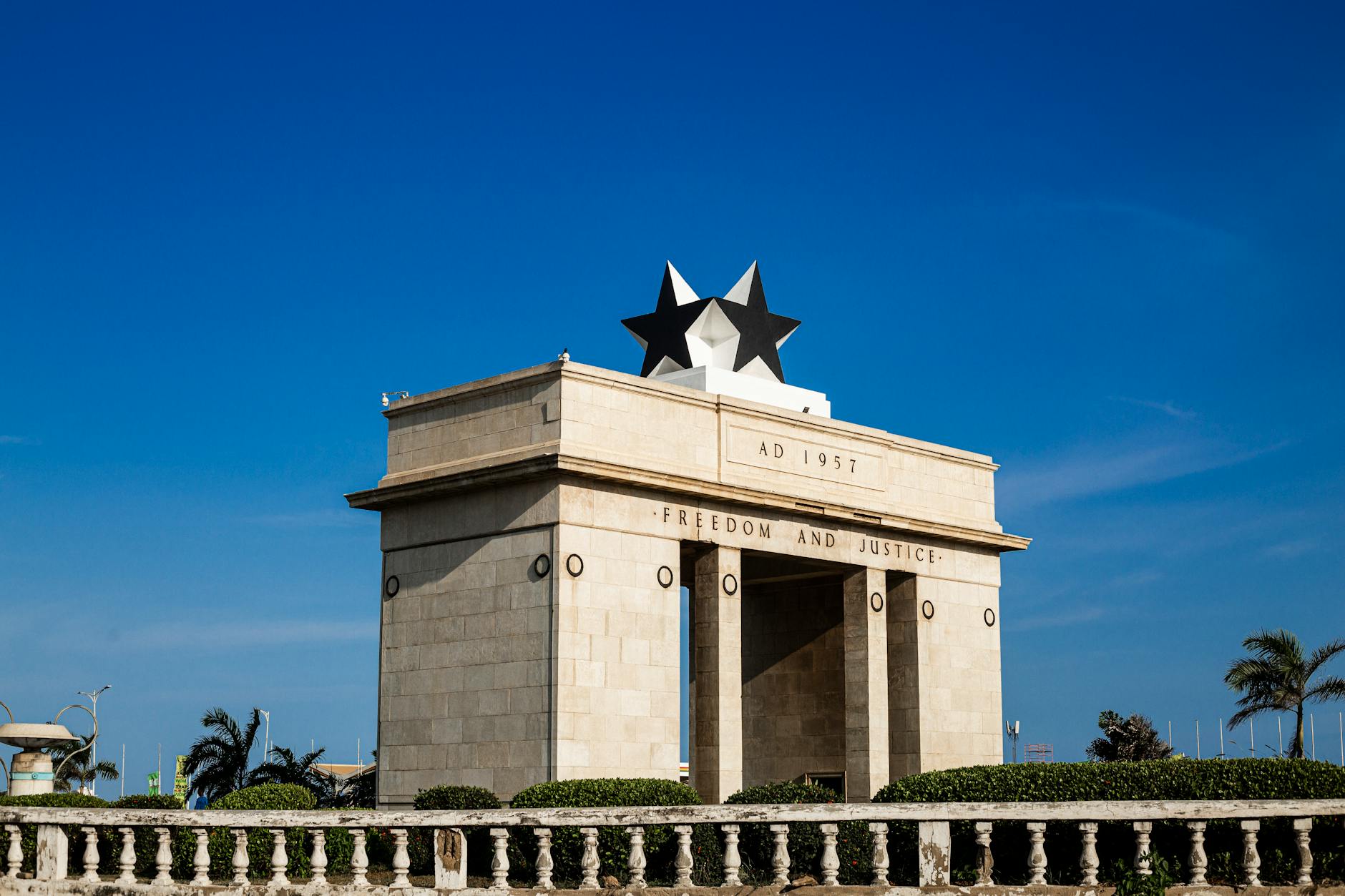
| Independence Square | Historical Landmark | Symbol of Ghana's independence | Significant national landmark, drawing visitors and contributing to the city's cultural tourism. | 4 km |

Schools & Education:
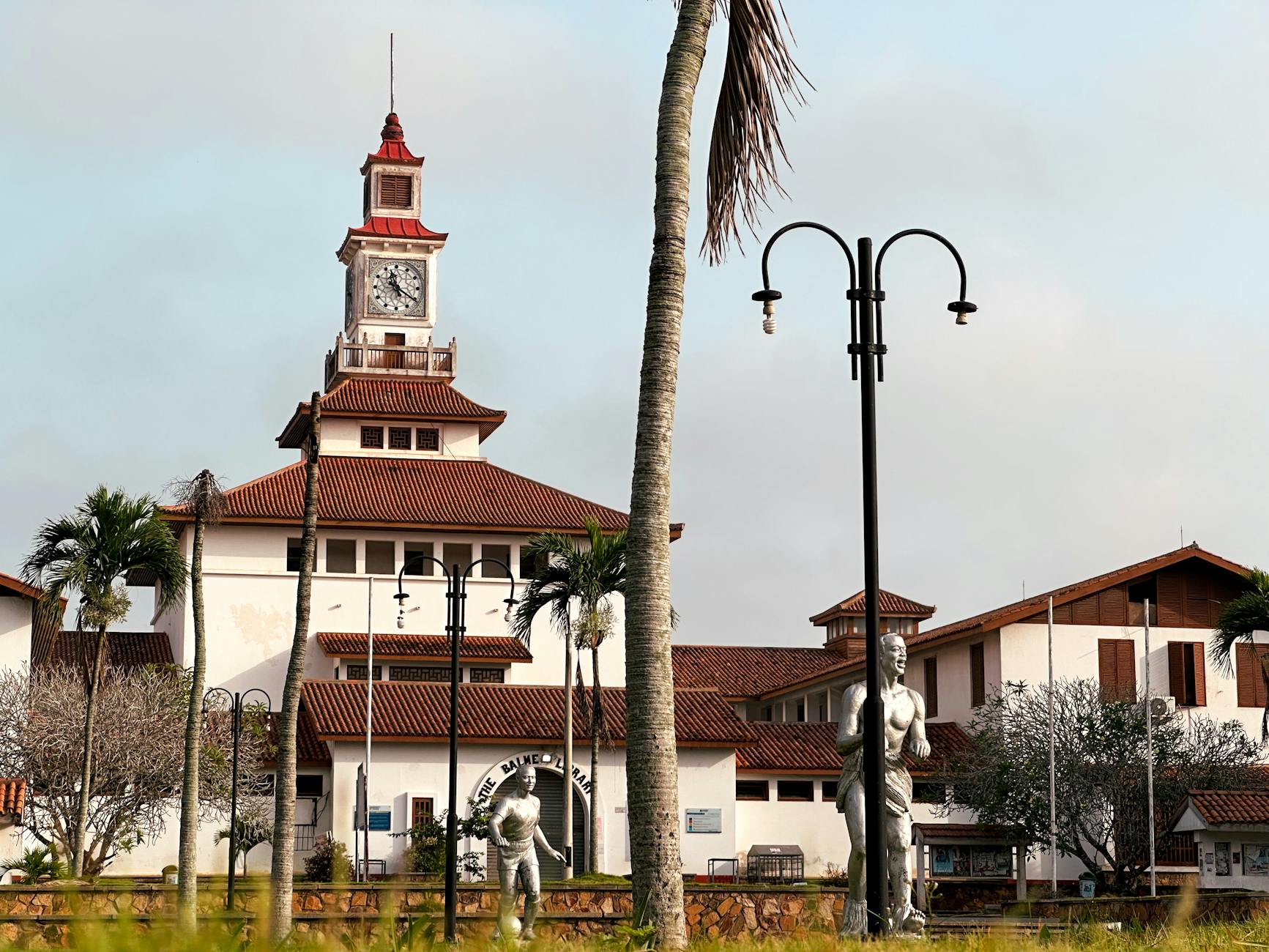
Accra offers a wide array of reputable educational institutions, catering to diverse academic needs.
Accra boasts a robust educational landscape with numerous schools, from local public institutions to highly regarded international schools. This diverse offering is a significant draw for families, including expatriates and those seeking quality education for their children. Proximity to good schools directly influences property values and rental demand, particularly for family sized units, ensuring a steady pool of potential tenants and buyers.
| School | Type | Grades | Why It Matters | Distance |
|---|---|---|---|---|
| Ghana International School | International | Pre-K to 12 | Attracts expatriate families and high net worth individuals, driving demand for premium rental properties. | 8 km |
| Lincoln Community School | International | Pre-K to 12 | A top tier international school, ensuring strong demand from affluent families seeking quality education. | 11 km |
| Al-Rayan International School | International | Primary Years to Diploma Programme | Offers a comprehensive IB curriculum, appealing to international families and boosting long term residency. | 13 km |
| SOS Hermann Gmeiner International College | International | Secondary | Provides quality international education, attracting families and contributing to stable rental markets. | 14 km |
Healthcare:
Accra provides access to a range of healthcare facilities, ensuring resident well being and investor confidence.
Access to quality healthcare is a crucial factor for residents and a significant consideration for property investors. Accra offers a variety of medical facilities, from large government hospitals to specialized private clinics. The presence of these institutions ensures that residents have access to necessary medical services, which in turn enhances the overall livability of the city and makes it more attractive for long term stays and family oriented tenants.
| Hospital | Type | Specialty | Why It Matters | Distance |
|---|---|---|---|---|
| Korle Bu Teaching Hospital | Government | Multi-speciality | A major public hospital providing comprehensive medical services, essential for overall city livability. | 5 km |
| Trust Hospital | Private | Multi-speciality | Offers private healthcare options, appealing to expatriates and higher income residents, increasing demand in nearby areas. | 7 km |
| Nyaho Medical Centre | Private | Multi-speciality | A well regarded private facility, contributing to the city's appeal for those seeking quality medical care. | 9 km |
| 37 Military Hospital | Government | Multi-speciality | A large, established hospital providing critical care, enhancing the sense of security for residents. | 8 km |
Dining & Cafés:
Accra's dining scene is a vibrant fusion of local flavors and international cuisines, catering to every palate.
Accra's culinary landscape is as diverse as its population, offering everything from authentic Ghanaian dishes to a wide range of international cuisines. This vibrant dining scene is a major draw for both residents and tourists, contributing to the city's dynamic lifestyle and making it an attractive location for property investment. Areas with a strong restaurant presence often experience higher foot traffic and a more lively atmosphere, which can translate into increased rental demand for nearby properties, particularly for short term and vacation rentals.
| Rating | Restaurant | Cuisine | Price | Why It Matters | Distance |
|---|---|---|---|---|---|
| 4.2 | Buka Restaurant | Ghanaian, West African | $ | A popular spot for authentic local cuisine, attracting tourists and locals, boosting neighborhood vibrancy. | 6 km |
| 4 | Azmera Restaurant | Ghanaian Buffet | $ | Offers a diverse Ghanaian buffet, a strong draw for cultural tourism and local dining experiences. | 5.5 km |
| 4.1 | Jamrock Restaurant | Jamaican | $ | Provides international dining options, catering to the diverse expatriate community and enhancing lifestyle appeal. | 7 km |
| 4.3 | Pinocchio & La Piazza | Italian, Ice Cream | $ | A popular choice for families and casual dining, adding to the amenities that attract long term residents. | 9 km |
Geography Profile:
Accra's coastal plain geography offers a generally flat terrain, ideal for urban development and accessibility.
Accra is situated on a coastal plain, characterized by its generally flat to gently undulating terrain. The city's elevation is relatively low, typically around 30 meters above sea level, which contributes to its warm, humid climate. This flat topography has facilitated urban expansion and infrastructure development, making it easier to navigate and build within the city. While there are no dramatic mountainous features, the coastline provides a natural boundary and a significant recreational asset. The proximity to the Gulf of Guinea influences both the climate and the local economy, particularly in sectors like fishing and tourism.
| Parameter | Value |
|---|---|
| Elevation | 30 m above sea level |
| Terrain Type | Coastal plain |
| Water Bodies | Gulf of Guinea |
Soil & Ecology:
Accra's laterite soils and coastal ecology support diverse flora, influencing urban green spaces and agriculture.
Accra's soil is predominantly laterite, a reddish clay rich in iron and aluminum, common in tropical regions. This soil type, while fertile for certain crops, can be challenging for construction without proper engineering. The coastal ecology supports a variety of flora adapted to the humid, warm conditions, including coconut palms, mangroves in estuarine areas, and various tropical plants. While much of the natural vegetation within the city has given way to urban development, efforts are made to maintain green spaces and parks.
Climate Snapshot:
Accra experiences a tropical climate with distinct wet and dry seasons, offering year round warmth.
Accra's climate is tropical, characterized by consistently warm temperatures throughout the year. You'll find two main seasons: a hotter, dry period from December to February, and a rainy season from April to October. The city is located in one of Ghana's driest coastal areas, meaning rainfall, while present, isn't as abundant as in some inland regions. The Harmattan wind, a dry, dusty wind from the Sahara, can be felt during the dry season, particularly in January, bringing lower humidity. Despite the variations, the weather remains generally pleasant, inviting outdoor activities for much of the year.
| Parameter | Value |
|---|---|
| Air Quality | Moderate |
| Annual Rainfall mm | 810 |
| Best Outdoor Season | November-March |
| Monsoon Months | May-September |
| Temperature Range | 23°C to 33°C |
Demand, Occupancy & ADR:
Accra's robust tourism and growing urban population drive consistent demand for real estate.
Accra's real estate market benefits from strong demand, fueled by both a thriving tourism sector and a rapidly expanding urban population. The city serves as Ghana's primary economic hub, attracting internal migration and international investment. This sustained demand, particularly for residential and commercial properties, underpins the market's stability and growth potential. The influx of foreign visitors and a growing middle class create a diverse tenant pool, from short term vacationers to long term residents and businesses.
Data Quality Note: Many metrics below are indicative estimates rather than verified sources. Conduct independent due diligence before making investment decisions. All metrics are estimates and should be verified with current market data.
| Metric | Value | Period | Notes |
|---|---|---|---|
| Domestic Tourists | 9.94M | 2024 | Ghana-wide data, indicating strong internal travel. |
| Foreign Tourists | 1.28M | 2024 | Ghana-wide international arrivals, showing significant growth. |
| Registered Hotels | 9,000+ | 2024 | Ghana-wide context, indicating a developed hospitality sector. |
| Avg. Annual Occupancy | 65% | Annual | Accra-area estimate, reflecting healthy hotel performance. |
| Peak ADR | $18,000 | Dec-Feb | High season average daily rate for hotels, indicating strong pricing power. |
| Off-season ADR | $6,000 | Jun-Sep | Low season average daily rate for hotels, showing seasonal variations. |
| Shoulder ADR | $12,000 | Oct-Nov / Mar-May | Transitional season average daily rate for hotels. |
Yield, Appreciation & What Drives Variance:
Accra offers attractive rental yields and capital growth, driven by consistent demand and urban development.
Accra's property market presents compelling yield opportunities for investors, with both rental income and capital appreciation contributing to overall returns. The city's dynamic economy and growing population ensure a steady demand for housing, supporting healthy rental yields. Strategic investments in well located properties, particularly those catering to the expatriate and professional segments, can deliver strong and consistent returns. Understanding the nuances of different neighborhoods and property types is key to maximizing your yield.
Data Quality Note: Many metrics below are indicative estimates rather than verified sources. Conduct independent due diligence before making investment decisions. Yield figures are estimates and can vary significantly based on property type, location, and market conditions.
| Metric | Value | Trend | Notes |
|---|---|---|---|
| Managed-Rental Gross Yield | 5 to 8 percent | - | Varies by operator and property type, with two bedroom apartments often performing well. |
| Capital Growth (YoY) | 10 to 15 percent | Strong | Strong appreciation in desirable corridors. |
| 5-Year CAGR (Capital) | 12 percent | Strong | Reflects sustained longer term growth. |
| Operator Quality Impact | High | - | Professional management significantly impacts net yields and tenant satisfaction. |
| Post-Monsoon Maintenance | Critical | - | Essential for preserving property value and ensuring tenant comfort, directly affecting ADR. |
| Booking Channel Spread | Moderate | - | A mix of online travel agencies and direct bookings is crucial for maximizing occupancy. |
Legal Ownership (Ghana):
Foreigners can buy but land tenure is complex under the Lands Act 2020
Foreign nationals can purchase property in Ghana, governed by the Lands Act 2020. Ghanaian citizens can hold allodial freehold title, but foreigners are limited to a 50-year leasehold, renewable once. Thorough land title investigation is essential before any purchase, as competing claims and title irregularities remain common across the country. Always engage a licensed Ghanaian solicitor to verify the title type, confirm there are no competing claims, and register the transaction properly with the Lands Commission.
Laws change. Always consult a licensed real estate attorney before purchasing.
| Buyer Type | Permitted | Tenure | Conditions | Approval |
|---|---|---|---|---|
| Resident citizen | Yes | Freehold | Full allodial or leasehold rights available | Lands Commission registration |
| Foreign national | Conditional | Leasehold | Maximum 50-year leasehold (renewable once); freehold not available to foreigners | Lands Commission |
| Non resident | Conditional | Leasehold | Same 50-year leasehold limit; title due diligence essential | Lands Commission |
Capital Gains Tax (Ghana):
15 percent capital gains tax on residential property under the Income Tax Act
Ghana charges 15% capital gains tax on gains from selling residential property under the Income Tax Act 2015. There's no distinction by holding period; 15% applies equally to short and long-term gains. Budget for this on top of legal and agent fees when you're planning your exit from an investment property.
Consult a qualified chartered accountant for advice specific to your tax profile.
| Holding Period | Classification | Tax Rate | Indexation |
|---|---|---|---|
| Any duration, principal residence (qualifying) | Primary home exemption | 0 percent (conditional, narrowly applied) | NA |
| Any duration, investment property | Investment or non-exempt sale | 15 percent on net gain | No |
Stamp Duty & Registration (Ghana):
Stamp duty around 0.5 percent plus registration and legal fees totaling two to five percent
Formal stamp duty in Ghana runs around 0.5%, with an additional Land Title Registration fee of about 0.25%. Total buyer-side costs realistically land between 2 and 5% of purchase price once all charges are included. Engage a registered Ghanaian solicitor and budget carefully for the all-in transaction cost before you commit.
| Ticket Size | Stamp Duty | Registration | Franking |
|---|---|---|---|
| All values | Approx 0.5 percent stamp duty | Approx 0.25 percent land title registration; legal fees add 1 to 4 percent | - |
Digital Nomad Profile (Regional Estimate):
Accra is West Africa's best nomad bet but internet is still uneven
Ghana is the most accessible entry point into West Africa for remote workers. Accra has a growing community of expats and nomads, with dedicated coworking spaces emerging. English is the official language throughout the country. Connectivity has improved but remains inconsistent: fibre is available in parts of Accra, but power outages mean you need a backup plan. Cost of living is low by global standards. There's no dedicated nomad visa, but the culture is genuinely welcoming to visitors.
Internet, rents and visa rules vary and change; verify current requirements before a long stay.
| Metric | Category | Value | Source | Notes |
|---|---|---|---|---|
| Digital Nomad Visa | Visa | None dedicated; tourist visa extendable; Ghana Beyond Aid scheme explored | estimated | Standard tourist entry; extensions possible through Ghana Immigration Service |
| Avg Fixed Broadband | Connectivity | 30 Mbps | estimated | national average; Accra higher, rural much lower |
| Avg Mobile Speed | Connectivity | 20 Mbps | estimated | national average |
| Monthly Cost of Living (1 person) | Cost | 700 to 1,300 USD | estimated | Accra upscale areas close to international cost; local areas much cheaper |
| Primary Language(s) | Language | English (official), Twi and other local languages | verified | |
| English Proficiency | Language | High | estimated | English is the language of government, education, and commerce |
| Nomad Community | Community | Emerging | estimated | |
| Timezone | Practical | GMT +0 | verified | |
| Currency | Practical | Ghanaian Cedi (GHS) | verified |
Frequently Asked Questions
Yes, Accra remains a strong property investment destination in 2026. The city's economic growth, increasing urbanization, and a vibrant tourism sector contribute to consistent demand for both residential and commercial properties. You'll find opportunities for both rental income and capital appreciation, particularly in well chosen neighborhoods with good infrastructure and amenities.
Local Insights & Discussions
Real experiences from visitors and residents in Accra
Be respectful and constructive in your comments.
Buying or selling in Accra?
Tell us once — our team connects you with the right homes, or the right buyers.