Sri Lanka: Area Guide, Getting There & Homes
Fetching weather details…
Discover the allure of Sri Lanka, where pristine beaches meet lush highlands. Investing in property here offers a unique blend of lifestyle and financial opportunity, whether you seek a serene vacation home or a promising rental asset.
Homes for sale in Sri Lanka →
Key Details
Economic Rebound
Sri Lanka's economy is recovering, with projected growth supporting real estate stability and appreciation.
Tourism Growth
A surge in tourism drives demand for rental properties, especially in coastal and scenic areas.
Infrastructure Catalyst
Ongoing development of expressways and connectivity enhances property values in emerging growth corridors.
Diverse Landscapes
From tropical beaches to cool highlands, Sri Lanka offers varied environments for diverse property preferences.
Affordable Entry
Compared to many global markets, Sri Lanka presents competitive property prices with significant appreciation potential.
Key Investment Thesis
Brand Premium
The 'Sri Lanka' brand, synonymous with natural beauty and cultural richness, commands a premium in the luxury and tourism property segments. Developments in areas like Port City Colombo and high-end villas on the south coast are attracting significant foreign investment, driving up values for unique, well-managed properties.
Demographic Driver
A growing middle class and returning diaspora are increasing demand for quality housing, particularly in urban and suburban areas. Furthermore, an aging population is showing increased interest in second homes and gated communities, creating diverse demand segments.
You'll Fall in Love:
Experience vibrant culture, stunning natural beauty, and a welcoming island lifestyle.
Imagine waking to the sound of waves, exploring ancient cultural sites, or hiking through mist-covered mountains. Sri Lanka offers an unparalleled lifestyle, blending rich heritage with breathtaking natural landscapes. From its diverse culinary scene to the warmth of its people, owning a home here means embracing a life of tranquility, adventure, and cultural immersion.
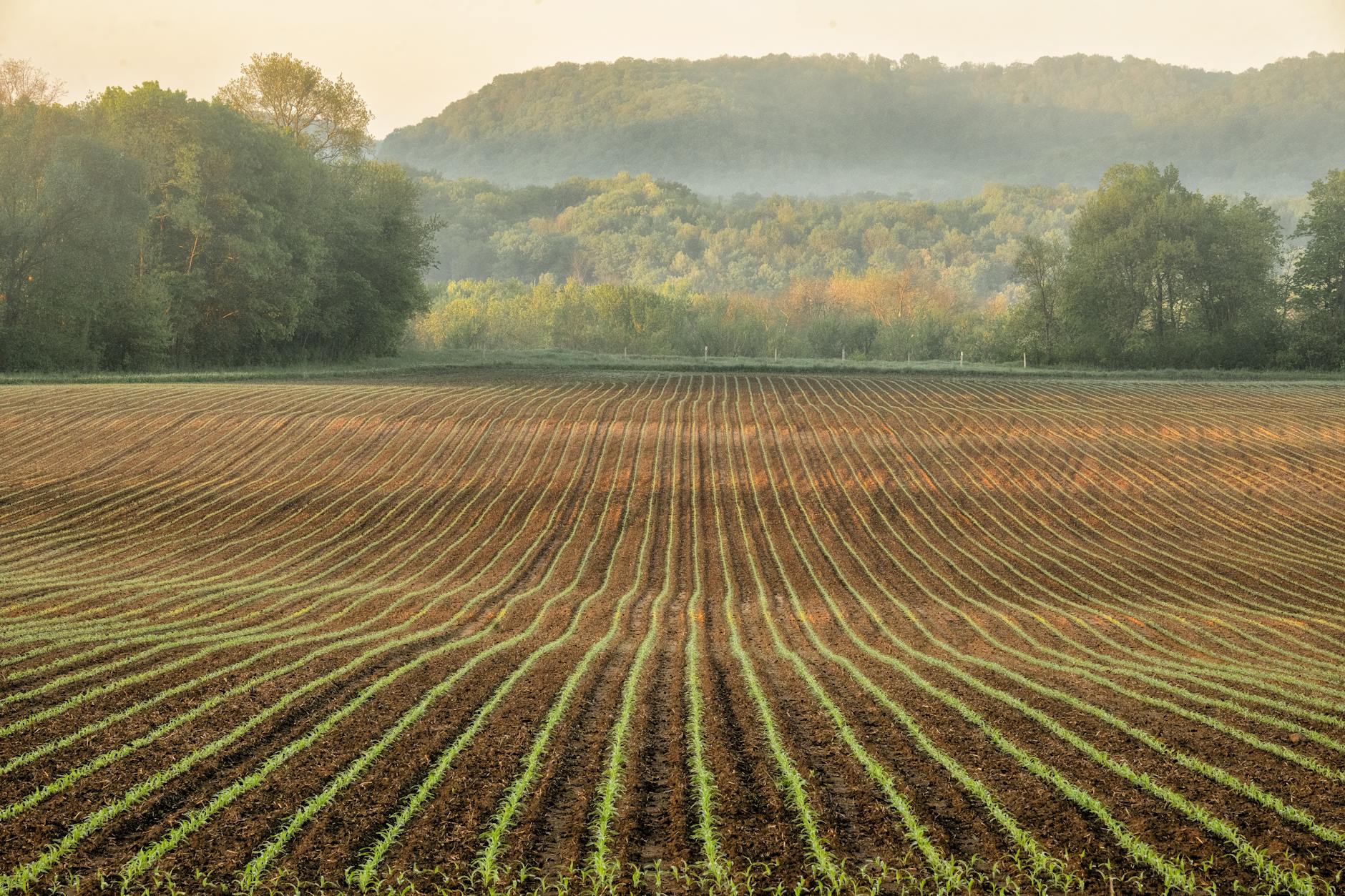
Geography Profile:
A diverse island nation with varied terrains, from central highlands to coastal plains.
Sri Lanka boasts a diverse geography, characterized by a central mountainous interior, rolling plains, and a picturesque coastal belt. This varied terrain supports distinct ecosystems and offers a wide range of environments for property investment.
| Parameter | Value |
|---|---|
| Notable Regions | Western Province, Southern Coast, Central Highlands |
| Terrain Type | Central Highlands, plains, coastal belt |
Climate Snapshot:
Tropical climate with distinct monsoon seasons, offering warm weather year-round.
The island is influenced by two monsoon seasons: the Southwest Monsoon (May-October) and the Northeast Monsoon (December-March), creating distinct wet and dry periods across different regions. This tropical weather is generally pleasant for second-home buyers throughout the year.
| Parameter | Value |
|---|---|
| Best Season | December to March (dry season in the southwest) |
| Climate Type | Tropical monsoon |
Legal Ownership (Sri Lanka):
No freehold for foreigners — 99-year lease or Sri Lankan company route
Under the Land (Restrictions on Alienation) Act No. 38 of 2014, foreigners cannot directly purchase freehold land. Alternatives include 99-year leases (15% lease tax abolished in 2016) or establishing a Sri Lankan company where a local trustee holds at least 51%.
Always consult a licensed real estate attorney before purchase. Rules change; verify current law.
| Buyer Type | Permitted | Tenure | Conditions | Approval |
|---|---|---|---|---|
| Sri Lankan Citizen | Yes | Freehold | Unrestricted | Land Registry |
| Foreign National (lease) | Yes | Leasehold | Up to 99 years lease; no lease tax since 2016 | Land Registry |
| Foreign National (via company) | Conditional | Freehold (via company) | Sri Lankan company with 51%+ local shareholding | Company registration + Land Registry |
Capital Gains Tax:
Capital Gains Tax (CGT) in Sri Lanka is levied on the profit from the sale of investment assets, including land and buildings.
We are confirming the capital gains rates for this location against the official schedule, so they are not shown here yet. Check with the local registry office, or a local lawyer, for the figure that applies to a specific property.
Frequently Asked Questions
Yes, Sri Lanka presents a compelling investment opportunity in 2026, driven by economic recovery, a booming tourism sector, and significant infrastructure development. The property market is showing strong signs of rebound, with potential for both capital appreciation and attractive rental yields, especially in emerging growth corridors and popular tourist destinations.
Local Insights & Discussions
Ask a question or share a local tip about Sri Lanka
Be respectful and constructive in your comments.
Buying or selling in Sri Lanka?
Tell us once. Our team connects you with the right homes, or the right buyers.