Melbourne, Victoria: Area Guide, Getting There & Homes
Fetching weather details…
Melbourne is a destination in Victoria, Australia, known for urban. Laneways, coffee capital, MCG, Federation Square, street art, food, most liveable city.
Homes for sale in Melbourne →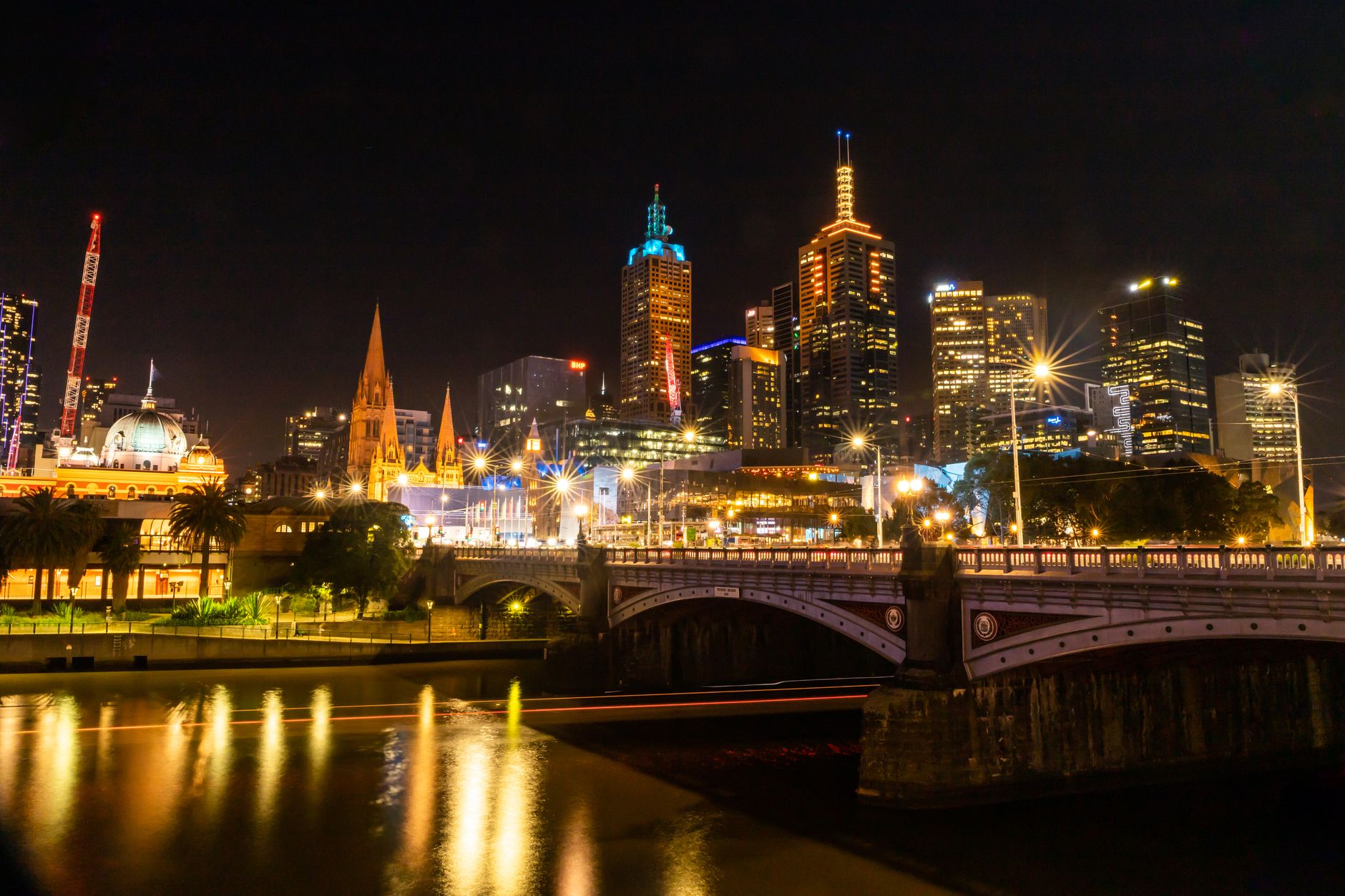
Key Details
Urban Lifestyle Hub
Melbourne offers a vibrant urban lifestyle, attracting strong rental demand and capital growth.
Cultural Capital Investment
Its reputation as a cultural hub drives tourism and sustained property value appreciation.
High Livability Factor
Consistently ranked highly for livability, ensuring consistent demand from residents.
Diverse Economic Base
A robust and diverse economy supports stable employment and property market resilience.
Strategic Growth Potential
Ongoing infrastructure development and population growth underpin future investment returns.
Attributes
Urban
Located in Melbourne
Connectivity
- Airport: Melbourne Airport (MEL) 20 km
- Railway: Southern Cross Station 0.5 km
- Highway: Monash Freeway (M1) 2 km
Key Landmarks
- Stadium: Melbourne Cricket Ground (MCG) 10 min
- Cultural Hub: Federation Square 5 min
- Market: Queen Victoria Market 8 min
Key Investment Thesis
Undervalued Relative to Sydney
Melbourne's median house price is currently over $600,000 cheaper than Sydney's, representing a historically wide discount. This significant price gap suggests substantial upside potential as the market corrects and Melbourne's strong fundamentals drive a revaluation, offering investors a compelling entry point.
Global City Brand Premium
Melbourne consistently ranks among the world's most livable cities, a brand premium that attracts both residents and businesses. This sustained desirability translates into robust demand for property, ensuring long term capital growth and stable rental markets, particularly in prime locations.
Strong Rental Yields and Cash Flow
Melbourne generally offers higher rental yields compared to Sydney, making it attractive for investors prioritizing cash flow. With a median house price around $920,000, the lower entry point allows for better rental returns, especially in middle and outer ring suburbs, supporting positive gearing opportunities.
Population Growth Catalyst
Victoria, and particularly Melbourne, is experiencing Australia's fastest population growth, with a 1.5 percent rental vacancy rate. This demographic surge creates chronic undersupply in the housing market, acting as a powerful catalyst for both rental demand and property price appreciation over the coming years.
Infrastructure Driven Appreciation
Ongoing major infrastructure projects across Melbourne, including public transport upgrades and urban renewal initiatives, unlock new development opportunities and enhance connectivity. These investments improve livability and accessibility, directly contributing to increased property values in surrounding areas and stimulating economic activity.
A Look into Melbourne:
Melbourne's heart beats with culture, commerce, and a compelling real estate narrative.
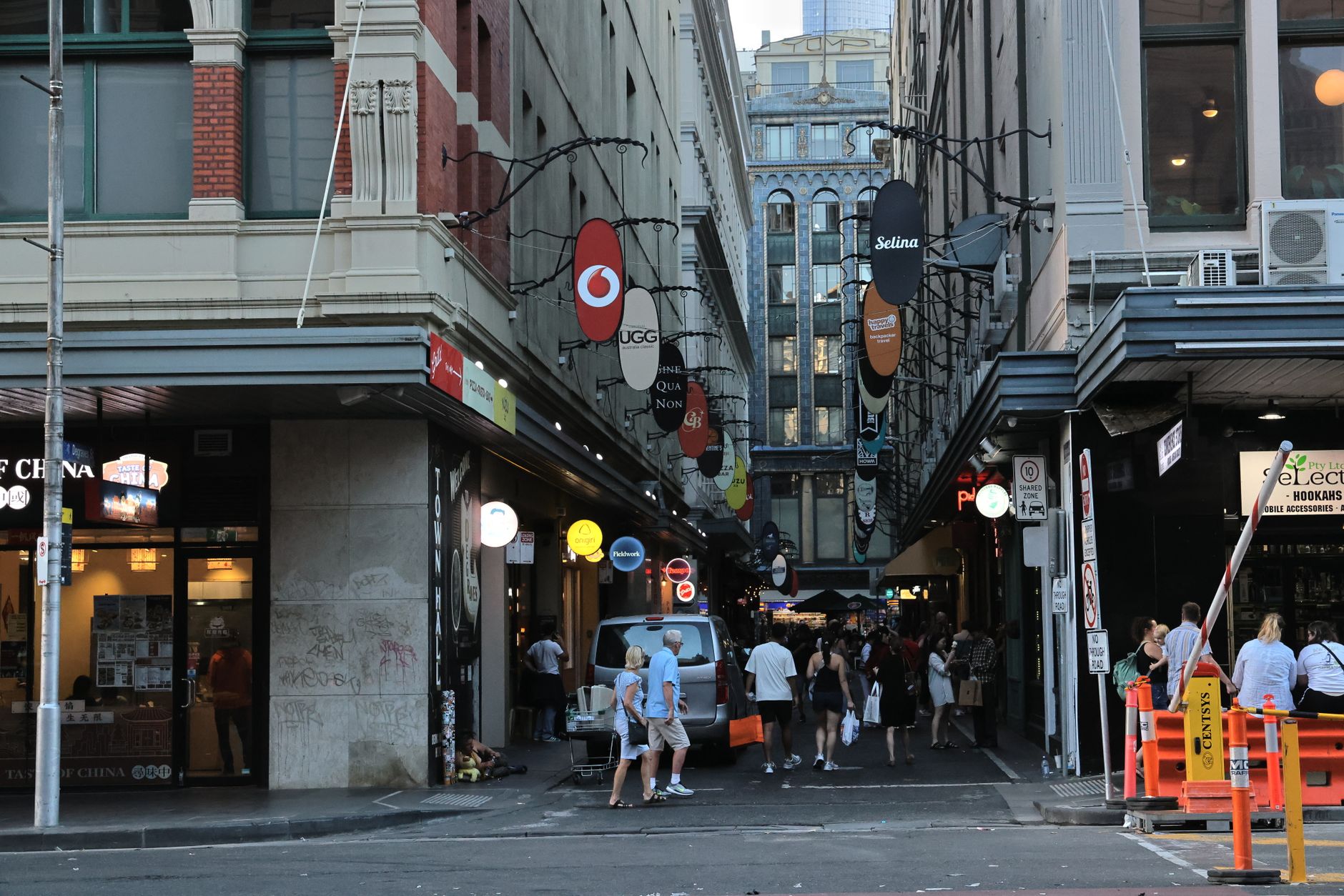
Melbourne's central business district, or CBD, is a dynamic tapestry of historic architecture and gleaming modern skyscrapers, all interwoven with a famous network of laneways. These narrow, often graffiti adorned, arteries pulse with hidden cafes, boutiques, and street art, giving the city its unique, intimate character. What most visitors miss about Melbourne is the seamless blend of its European elegance with a distinctly Australian, laid back vibe. The real estate here is highly sought after, driven by its unparalleled access to world class dining, entertainment, and employment opportunities.
What to Expect:
Experience a vibrant daily rhythm, from world class coffee to cultural immersion.
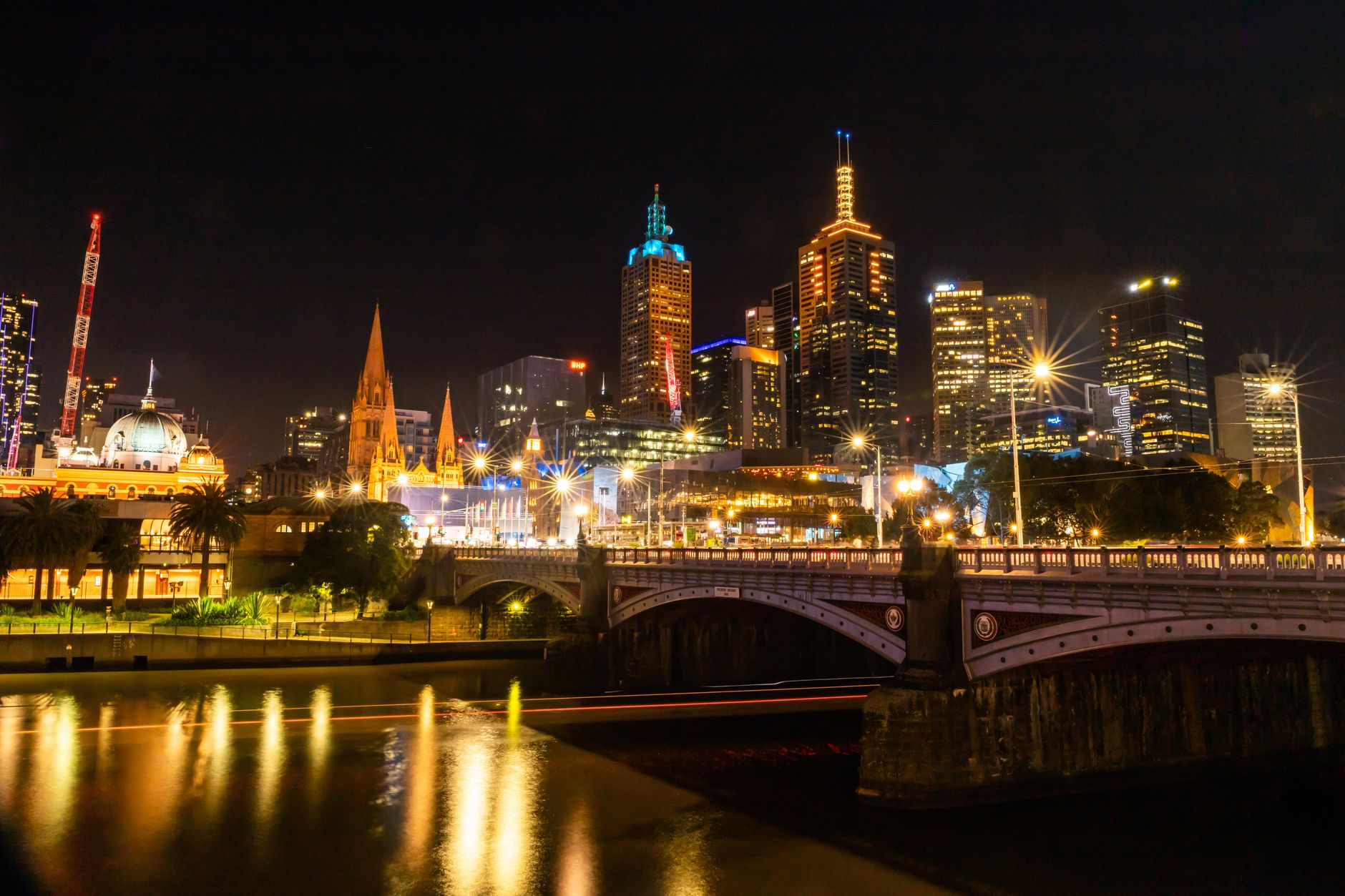
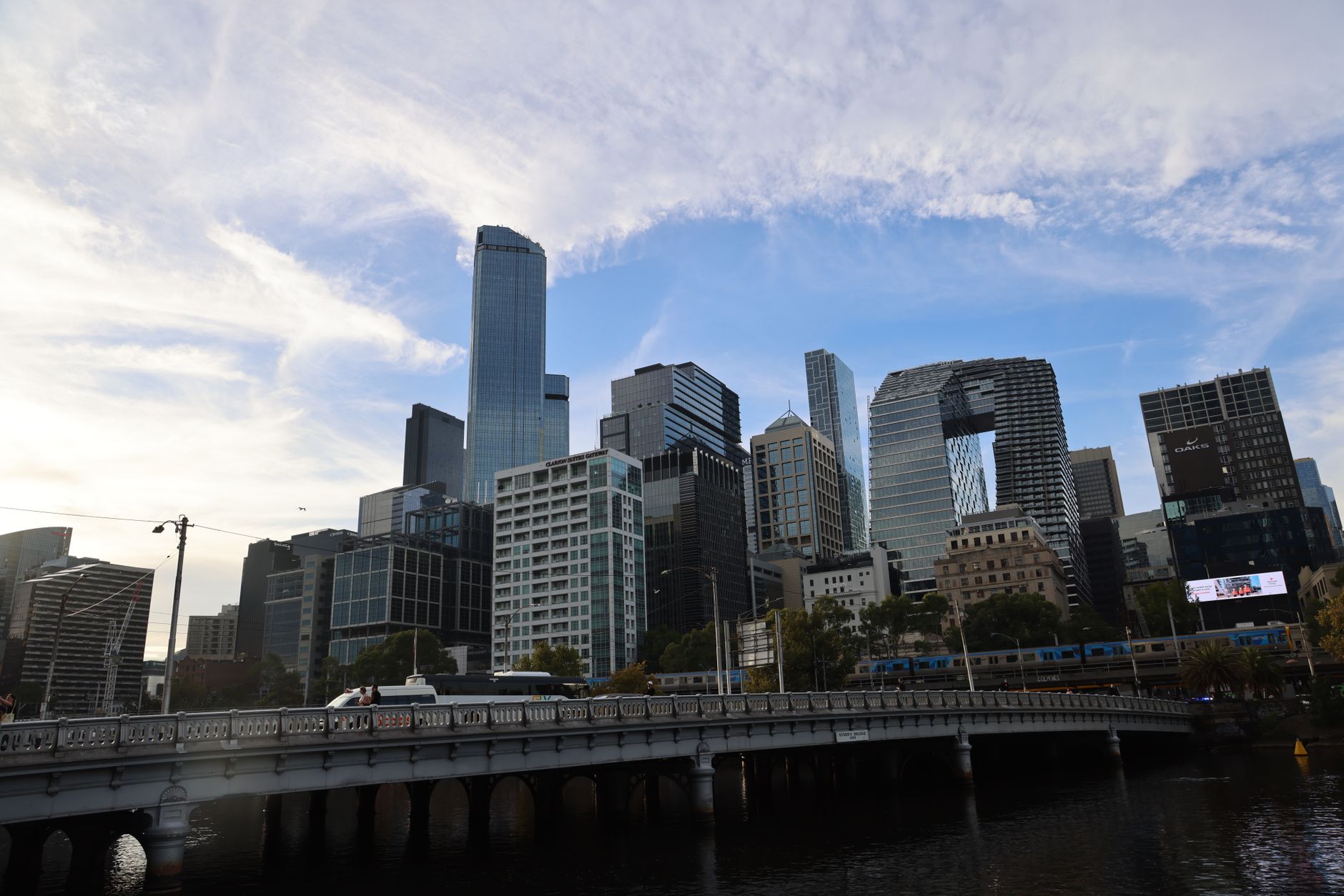
Daily life in Melbourne is a sophisticated blend of work and leisure. You'll wake to the aroma of exceptional coffee wafting from countless cafes, a testament to our city's caffeine obsession. Commutes are efficient, thanks to an extensive tram network that crisscrosses the city, making it easy to navigate from your apartment to your office or a leisurely lunch. Evenings often involve exploring new restaurants in the CBD or a show at one of the many theaters.
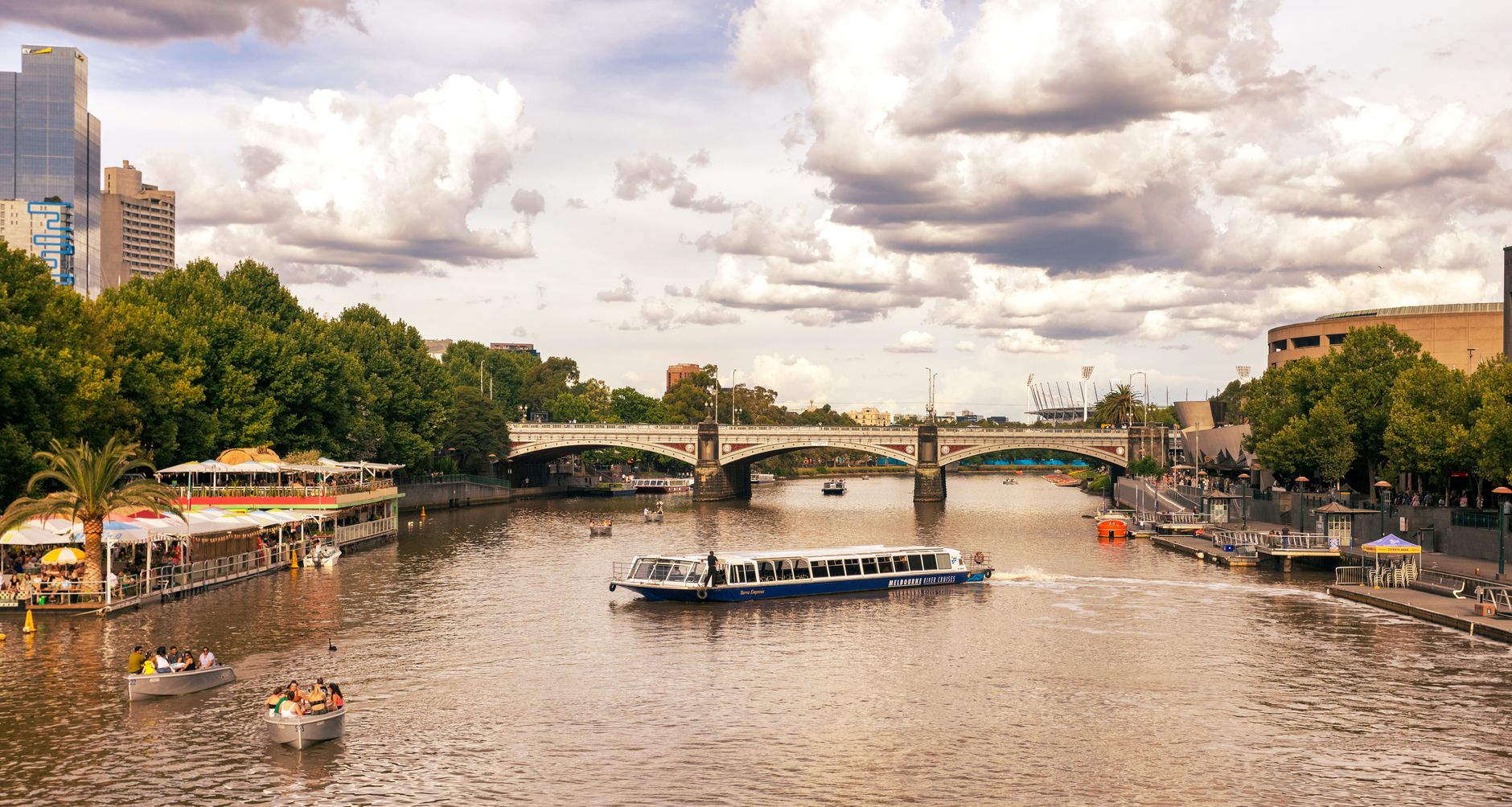
The Lifestyle:
A cosmopolitan lifestyle awaits, defined by arts, gastronomy, and a strong community spirit.
The Melbourne lifestyle is undeniably cosmopolitan, yet it retains a welcoming, community focused feel. We pride ourselves on our vibrant arts scene, with countless galleries, live music venues, and festivals throughout the year. Food is a serious passion here, from fine dining establishments to casual laneway eateries, reflecting our diverse cultural tapestry. You'll find a strong emphasis on outdoor activities, with numerous parks, gardens, and proximity to Port Phillip Bay for waterside pursuits. The city's calendar is always packed with major sporting events, fashion shows, and cultural celebrations, ensuring there's always something to engage with.
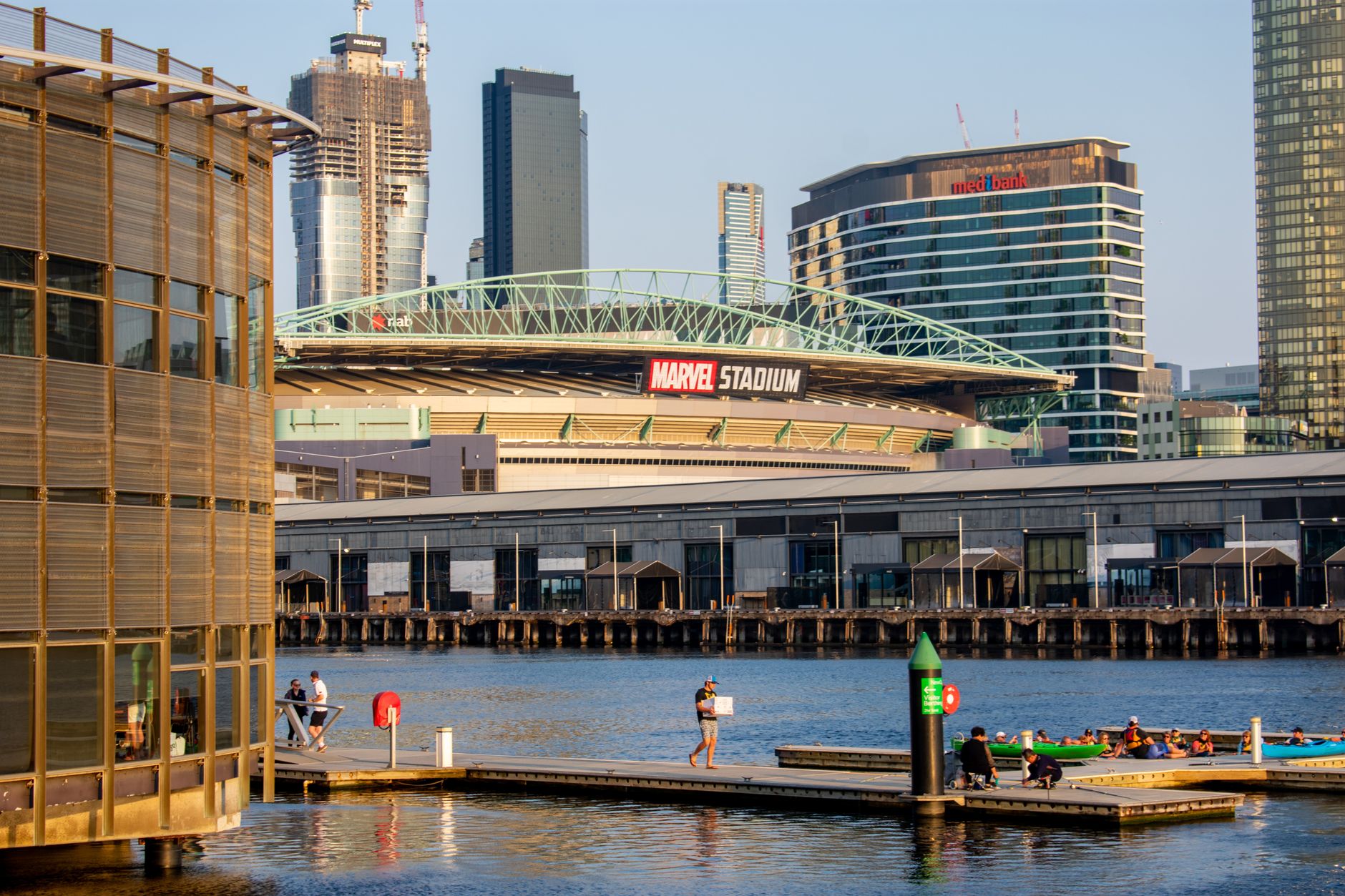
You'll Fall in Love:
Discover Melbourne's irresistible charm, from hidden laneways to grand architectural statements.
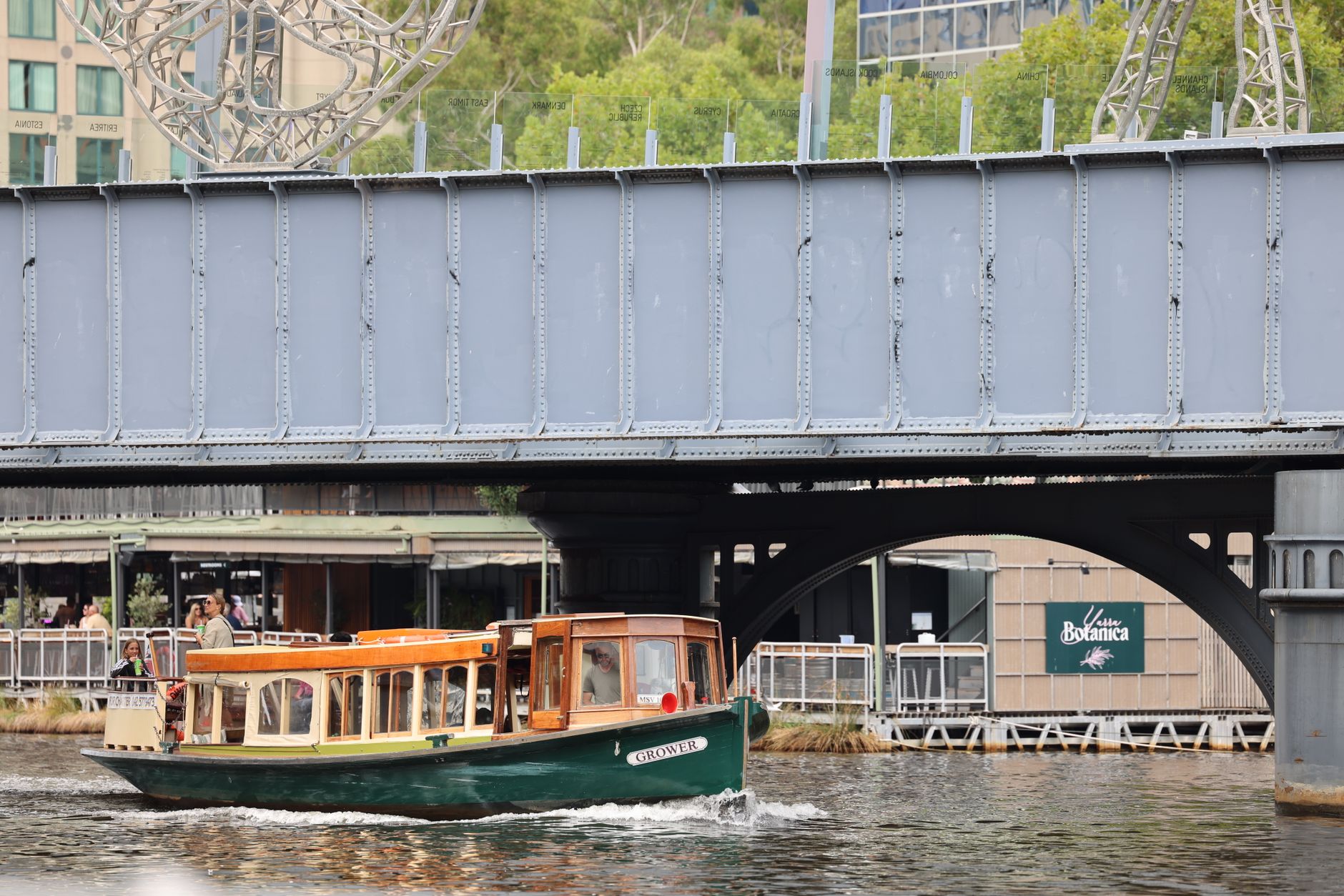
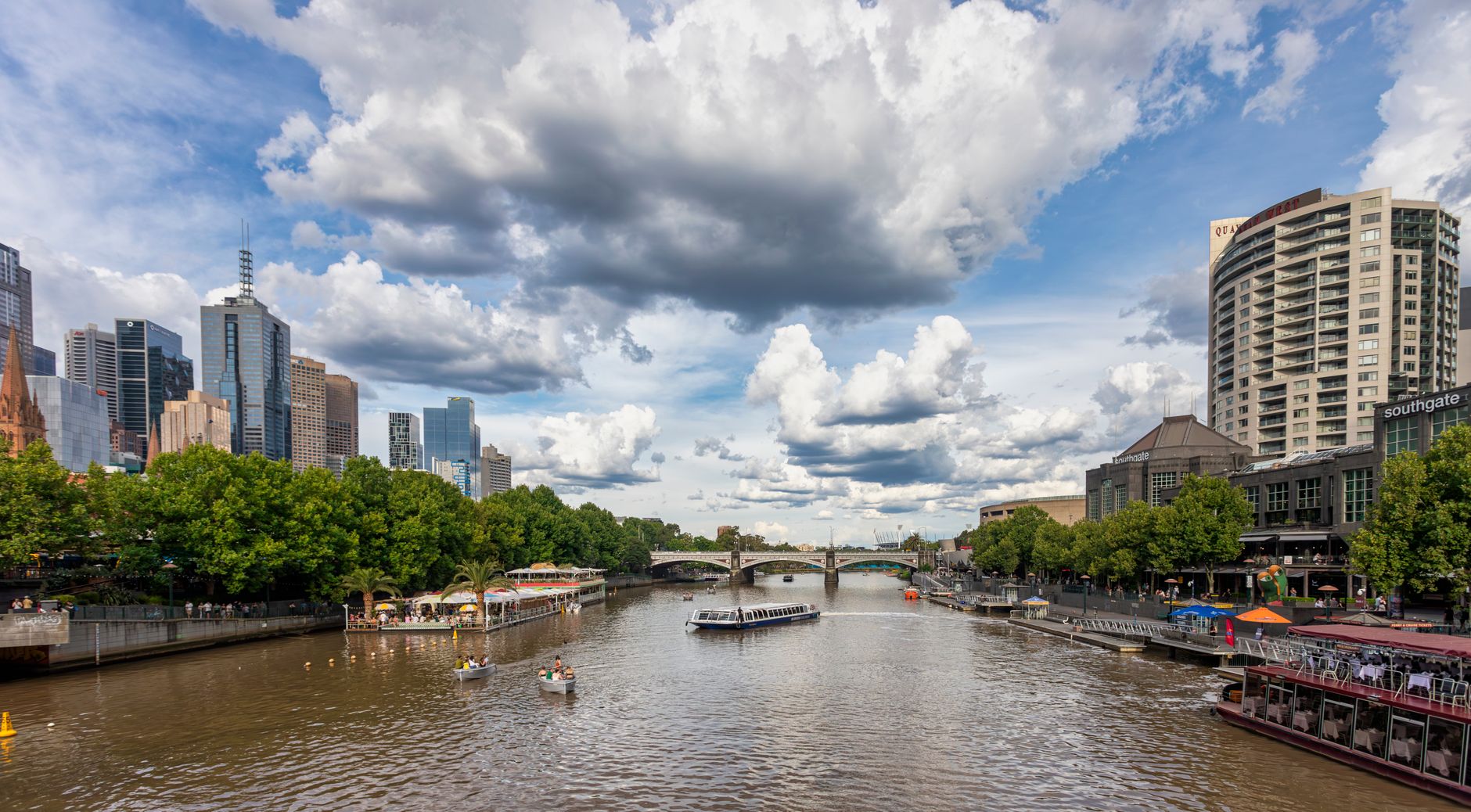
You'll be captivated by Melbourne's unique blend of old world charm and modern sophistication. It's the unexpected discoveries in our famous laneways, where world class street art adorns historic brickwork and tiny cafes serve up award winning brews. You'll love the architectural grandeur of Flinders Street Station and the serene beauty of the Yarra River winding through the city. The city's passion for sport is infectious, especially during an AFL match at the iconic Melbourne Cricket Ground.
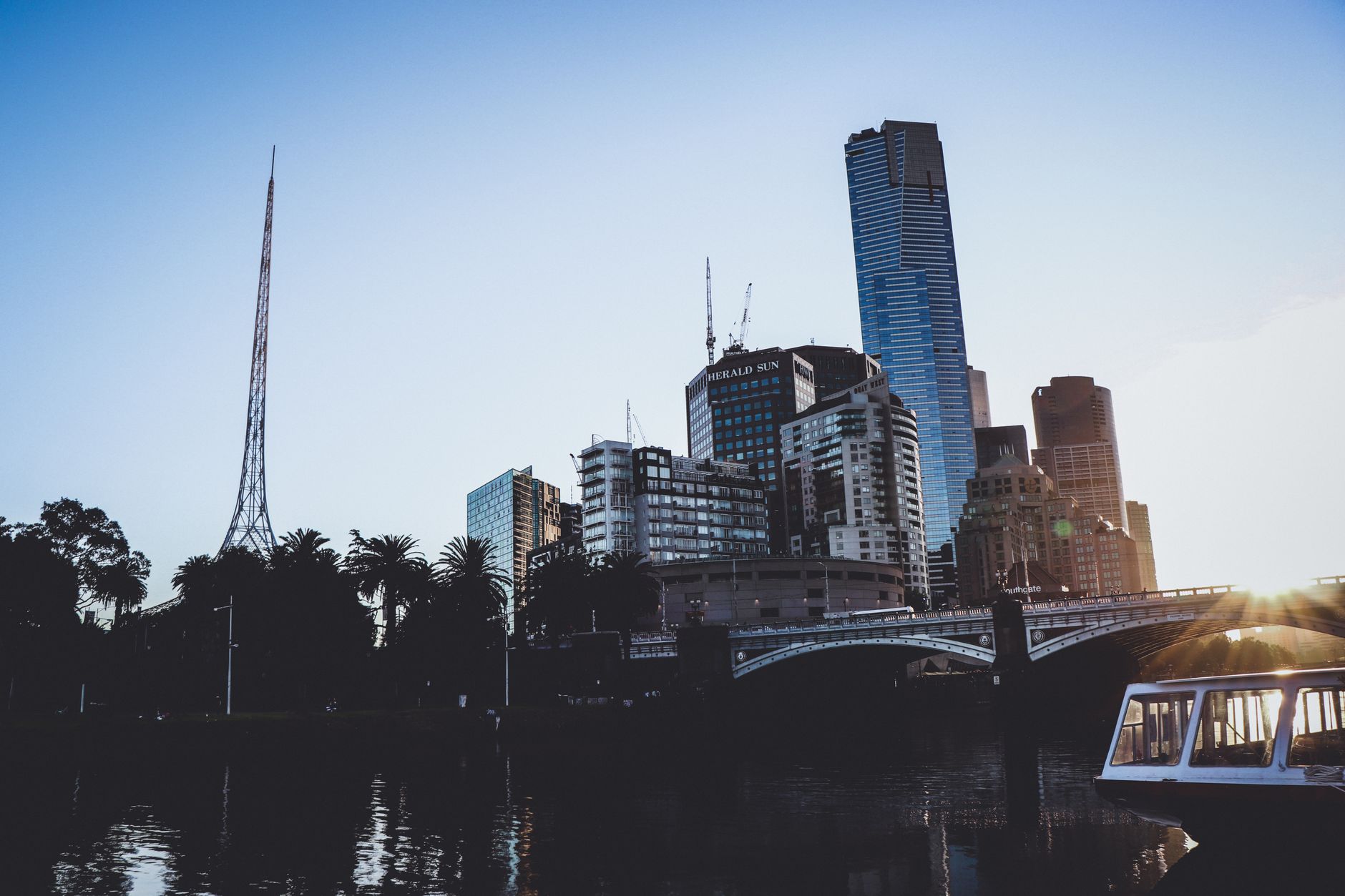
Nearby Attractions:
Explore Melbourne's iconic attractions, enhancing both lifestyle and investment appeal.
Melbourne's rich array of attractions significantly boosts its appeal for residents and visitors alike, directly impacting property values and rental demand. The city's cultural institutions, sporting venues, and vibrant public spaces are easily accessible, making it a highly desirable place to live. This constant influx of tourists and event goers creates a robust short term rental market, while the sheer quality of life offered by these amenities attracts long term residents, ensuring sustained demand for property. Investing near these landmarks often translates to higher occupancy rates and stronger capital appreciation over time.
| Attraction | Type | Highlight | Why It Matters | Distance |
|---|---|---|---|---|
| Melbourne Cricket Ground (MCG) | Stadium | Iconic sporting arena | Draws major events and tourists, increasing short term rental demand and property visibility. | 2.5 km |
| Federation Square | Cultural Hub | Public square and cultural precinct | A central gathering point for events and tourism, boosting footfall and commercial activity. | 0.8 km |
| Queen Victoria Market | Market | Historic open air market | A major tourist attraction and local amenity, enhancing livability and rental appeal. | 1.5 km |
| National Gallery of Victoria (NGV) | Art Gallery | Australia's oldest and most visited art museum | Attracts cultural tourists and residents, contributing to the city's prestige and desirability. | 1.2 km |
Schools & Education:
Melbourne boasts a strong educational landscape, attracting families and boosting property demand.
Melbourne's reputation for excellent education, from primary schools to world class universities, is a significant draw for families and international students. This robust educational ecosystem creates consistent demand for rental properties, particularly in suburbs with highly rated schools. Investors benefit from the stability of family tenants and the potential for higher resale values in these desirable school zones. The presence of prestigious institutions also contributes to the city's overall intellectual capital and economic growth.
| School | Type | Grades | Why It Matters | Distance |
|---|---|---|---|---|
| Melbourne High School | Public | 9 to 12 | A highly selective public school, driving demand for family housing in its catchment area. | 4.0 km |
| Mac. Robertson Girls' High School | Public | 9 to 12 | A premier selective girls' school, increasing property values and rental appeal in surrounding suburbs. | 3.8 km |
| University High School | Public | 7 to 12 | Strong academic reputation and proximity to the University of Melbourne, attracting both families and university staff. | 2.0 km |
| Scotch College | Private | Prep to 12 | A prestigious private school, drawing affluent families and supporting high end property demand. | 6.0 km |
Healthcare:
Access to top tier healthcare facilities enhances Melbourne's livability and investment appeal.
Melbourne offers a comprehensive network of healthcare facilities, including major public hospitals and specialized private clinics. This ensures residents have access to high quality medical care, a crucial factor for livability, especially for families and retirees. For investors, strong healthcare infrastructure contributes to the city's overall desirability, attracting long term residents and potentially increasing demand for properties, particularly those suited for an aging population or medical professionals. The presence of these facilities also supports a stable local economy.
| Hospital | Type | Specialty | Why It Matters | Distance |
|---|---|---|---|---|
| Royal Melbourne Hospital | Government | Multi-speciality | A major public hospital, providing essential services and employment, boosting local residential demand. | 2.0 km |
| St Vincent's Hospital Melbourne | Private | Multi-speciality | A leading private hospital, attracting medical professionals and patients, contributing to stable rental demand. | 1.5 km |
| Alfred Hospital | Government | Multi-speciality | A large teaching hospital and trauma center, enhancing the city's medical infrastructure and attracting skilled workers. | 4.5 km |
| Epworth Richmond | Private | Multi-speciality | A well regarded private hospital, offering specialized services and appealing to a discerning resident base. | 3.0 km |
Dining & Cafés:
Melbourne's diverse dining scene is a major draw, enhancing lifestyle and rental attractiveness.
Melbourne is widely recognized as Australia's culinary capital, offering an incredible array of dining experiences from casual laneway cafes to world class fine dining. This vibrant food culture is a significant lifestyle draw, attracting both residents and tourists, which in turn boosts demand for rental properties. The sheer variety of cuisines and dining options contributes to the city's dynamic atmosphere and makes it an exciting place to live. For investors, a strong dining scene translates to higher foot traffic in commercial areas and increased appeal for short term rentals, particularly for food focused travelers.
| Rating | Restaurant | Cuisine | Price | Why It Matters | Distance |
|---|---|---|---|---|---|
| 4.5 | Attica | Modern Australian | $$ | A world renowned restaurant, elevating Melbourne's culinary reputation and attracting high end tourism. | 6.0 km |
| 4.4 | MoVida | Spanish Tapas | $$ | A popular and established restaurant, contributing to the vibrant dining scene and drawing consistent patronage. | 0.5 km |
| 4.3 | Cumulus Inc. | Modern Australian | $$ | A highly regarded institution, known for quality and consistency, enhancing the neighborhood's appeal. | 0.7 km |
| 4.2 | Tipo 00 | Italian | $ | A beloved local favorite, contributing to the diverse culinary offerings and drawing consistent local and tourist traffic. | 0.3 km |
Geography Profile:
Melbourne's geography, a flat expanse by the bay, offers strategic advantages and scenic vistas.
Melbourne is primarily situated on the expansive, flat basalt plains of the Port Phillip Bay region. This relatively low lying terrain, with an average elevation of around 30 meters above sea level, has facilitated urban development and efficient infrastructure. While the immediate city center is largely flat, you'll find gentle undulations as you move into the inner and middle ring suburbs. The city's proximity to Port Phillip Bay is a defining feature, offering a coastline that influences both climate and lifestyle. The Yarra River meanders through the city, providing a vital waterway and picturesque natural corridors.
| Parameter | Value |
|---|---|
| Elevation | 30 m above sea level |
| Terrain Type | Flat |
| Water Bodies | Port Phillip Bay, Yarra River |
Soil & Ecology:
Rich volcanic soils and diverse urban flora define Melbourne's ecological footprint.
Melbourne's underlying geology is characterized by extensive basalt plains, resulting in fertile, dark volcanic soils in many areas. These soils, combined with a temperate climate, support a surprisingly diverse range of urban flora despite significant development. You'll find a mix of native Australian species, particularly various eucalypts and wattles, alongside introduced ornamental plants in parks and gardens. The city's commitment to green spaces, such as the Royal Botanic Gardens and numerous smaller parks, fosters pockets of biodiversity, attracting various bird species and small urban wildlife.
Climate Snapshot:
Melbourne's temperate climate offers four distinct seasons, with warm summers and cool winters.
Melbourne experiences a temperate climate, often described as having 'four seasons in one day' due to its variability. Summers, from December to February, are generally warm with mean temperatures between 14 and 25.3 degrees Celsius, though occasional hot spells can push temperatures past 30 degrees Celsius. Autumn, from March to May, brings cooler weather with average temperatures ranging from 10.9 to 20.3 degrees Celsius, often with clear, sunny days. Winters, June to August, are cool and often cloudy, with average temperatures between 6.5 and 14.2 degrees Celsius.
| Parameter | Value |
|---|---|
| Air Quality | Good |
| Annual Rainfall mm | 648 |
| Best Outdoor Season | Dec-Feb |
| Monsoon Months | No distinct monsoon |
| Temperature Range | 7°C to 25°C |
Demand, Occupancy & ADR:
Strong tourism and population growth fuel robust demand for Melbourne properties.
Melbourne's consistent appeal as a global city, coupled with strong population growth, creates a powerful demand driver for its property market. Both domestic and international tourism contribute significantly to the local economy, supporting short term rental markets and hospitality sectors. This sustained visitor interest, alongside a growing resident base, ensures a healthy and competitive real estate landscape. Investors can capitalize on this consistent demand, leading to stable rental income and long term capital appreciation. The city's diverse economic base further underpins this strong demand profile.
All metrics are estimates and subject to market fluctuations.
| Metric | Value | Period | Notes |
|---|---|---|---|
| Domestic Tourists | 10.41M | 2024 | Melbourne-specific data for year ending December 2024. |
| Foreign Tourists | 2.55M | 2024 | Melbourne-specific data for year ending December 2024. |
| Total Visitors Victoria | 31.85M | 2024 | Victoria-wide data for year ending December 2024. |
| International Spend Victoria | $9.0B | 2024 | Victoria-wide data for year ending December 2024. |
| Avg. Annual Occupancy (Hotels) | 75% | Annual | Melbourne-area estimate, reflecting strong demand. |
| Peak ADR (Hotels) | $250 | Dec-Feb | High season average daily rate for Melbourne hotels. |
| Off-season ADR (Hotels) | $150 | Jun-Sep | Low season average daily rate for Melbourne hotels. |
Yield, Appreciation & What Drives Variance:
Melbourne offers attractive rental yields and strong capital growth potential for investors.
Melbourne's property market presents a compelling case for investors, balancing solid rental yields with significant capital growth prospects. The city's continuous population influx and robust tourism sector drive consistent demand for both long term rentals and short term accommodation. Strategic investments in well located properties, particularly those with strong lifestyle appeal, can generate healthy cash flow and benefit from the city's ongoing appreciation. Understanding the nuances of operator quality and seasonal demand is key to maximizing returns in this dynamic market.
Data Quality Note: Many metrics below are indicative estimates rather than verified sources. Conduct independent due diligence before making investment decisions. Investment performance is not guaranteed and carries inherent risks.
| Metric | Value | Trend | Notes |
|---|---|---|---|
| Managed-Rental Gross Yield | 3 to 5 percent | - | Varies significantly by property type and location within Melbourne. |
| Capital Growth (YoY) | 5 to 10 percent | Moderate | Reflects recent market performance and expert forecasts. |
| 5-Year CAGR (Capital) | 6 percent | Moderate | Longer term view, reflecting historical averages and future projections. |
| Operator Quality Impact | High | - | Professional management significantly impacts rental income and property upkeep. |
| Post-Monsoon Maintenance | Moderate | - | Regular maintenance is important to preserve property value and tenant satisfaction. |
| Booking Channel Spread | High | - | Diversifying across OTAs and direct bookings optimizes occupancy and rates. |
Legal Ownership (Australia):
Foreigners banned from established homes until June 2029
Foreign buyers need Foreign Investment Review Board (FIRB) approval and historically could buy new dwellings but not existing ones. Under the Foreign Acquisitions and Takeovers Act, a temporary ban from 1 April 2025 now stops foreign persons, including temporary residents, buying established dwellings, extended in the 2026 to 2027 Budget to 30 June 2029, save narrow supply boosting exceptions. They may still buy new builds, subject to FIRB approval and surcharges. Australian citizens and permanent residents, and usually New Zealand citizens, buy freely. Tenure is freehold.
Laws change. Always consult a licensed real estate attorney before purchasing.
| Buyer Type | Permitted | Tenure | Conditions | Approval |
|---|---|---|---|---|
| Resident citizen or permanent resident | Yes | Freehold | No restriction | None |
| Foreign national, established home | No | NA | Banned 1 April 2025 to 30 June 2029, with narrow exceptions | FIRB (limited exceptions only) |
| Foreign national, new dwelling | Conditional | Freehold | Allowed with approval; large developments cap foreign ownership at 50 percent | Foreign Investment Review Board |
Capital Gains Tax (Australia):
50 percent discount after a year for residents, none for foreigners
Capital gains fold into your income tax. Sell an investment property held over 12 months as an Australian resident and you get a 50 percent CGT discount on the gain. Your main home is generally fully exempt. From 1 July 2025, foreign residents lose the discount entirely, even on gains built up while resident, and the main residence exemption is sharply limited. A 15 percent withholding applies on sales by foreign residents.
Consult a qualified chartered accountant for advice specific to your tax profile.
| Holding Period | Classification | Tax Rate | Indexation |
|---|---|---|---|
| Up to 12 months | Short term | Full gain at your marginal income tax rate | No discount applies |
| More than 12 months, Australian resident | Long term | Marginal rate on half the gain (50 percent discount) | No, discount method used |
| Any period, foreign resident | Foreign resident | Full gain at non resident rates, no discount from 1 July 2025 | No |
Stamp Duty & Registration (Australia):
State transfer duty 3 to 6 percent, plus a foreign surcharge
Stamp duty, called transfer duty, is set by each state and territory, typically 3 to 6 percent of the price on a progressive scale. Foreign buyers pay a hefty surcharge on top, generally 7 or 8 percent, and 9 percent in New South Wales, except the ACT and Northern Territory which levy none. New Zealand citizens are usually exempt. All in, a local buyer pays roughly 4 to 6 percent of price in costs.
| Ticket Size | Stamp Duty | Registration | Franking |
|---|---|---|---|
| All values, local buyer (progressive) | About 3 to 6 percent of price, varies by state | Transfer and mortgage registration fees, a few hundred dollars | - |
| Foreign buyer, most states | Base duty plus 7 to 8 percent foreign surcharge | Same registration fees | - |
| Foreign buyer, New South Wales | Base duty plus 9 percent surcharge | Same registration fees | - |
Digital Nomad Profile (Regional Estimate):
High quality and high cost, no dedicated nomad visa
Australia has no digital nomad visa; remote workers typically use Working Holiday or visitor visas. Internet is good in cities, with broadband medians around 50 to 100 Mbps and the NBN improving, though remote areas lag. It is expensive, with comfortable living often 2,500 to 4,000 Australian dollars a month. Strong English, safety and lifestyle appeal, but distance from Europe and Asia and an awkward timezone make it best for those prioritising quality of life over budget.
Internet, rents and visa rules vary and change; verify current requirements before a long stay.
| Metric | Category | Value | Source | Notes |
|---|---|---|---|---|
| Digital Nomad Visa | Visa | None; Working Holiday or visitor visas used | official | no dedicated nomad route |
| Avg Fixed Broadband | Connectivity | About 60 to 90 Mbps median | verified | national average |
| Avg Mobile Speed | Connectivity | About 80 to 100 Mbps | estimated | national average |
| Monthly Cost of Living (1 person) | Cost | 2,500 to 4,000 AUD | estimated | Sydney and Melbourne priciest |
| Primary Language(s) | Language | English | verified | |
| English Proficiency | Language | High, native | verified | |
| Nomad Community | Community | Established expat scene, smaller pure nomad community | estimated | |
| Timezone | Practical | GMT plus 8 to plus 11 across the country | verified | |
| Currency | Practical | Australian Dollar, AUD | verified |
Frequently Asked Questions
Yes, Melbourne presents a strong investment case for 2026. The city is currently undervalued compared to Sydney, offering significant capital growth potential. Its robust population growth and low rental vacancy rates indicate sustained demand, making it an attractive market for both long term appreciation and consistent rental income.
Local Insights & Discussions
Real experiences from visitors and residents in Melbourne
Be respectful and constructive in your comments.
Buying or selling in Melbourne?
Tell us once — our team connects you with the right homes, or the right buyers.