Hong Kong Mong Kok, East Asia: Area Guide, Getting There & Homes
Fetching weather details…
Hong Kong Mong Kok is a destination in East Asia, Hong Kong SAR, known for urban. Densest place on earth, Temple Street night market, sneaker street.
Homes for sale in Hong Kong Mong Kok →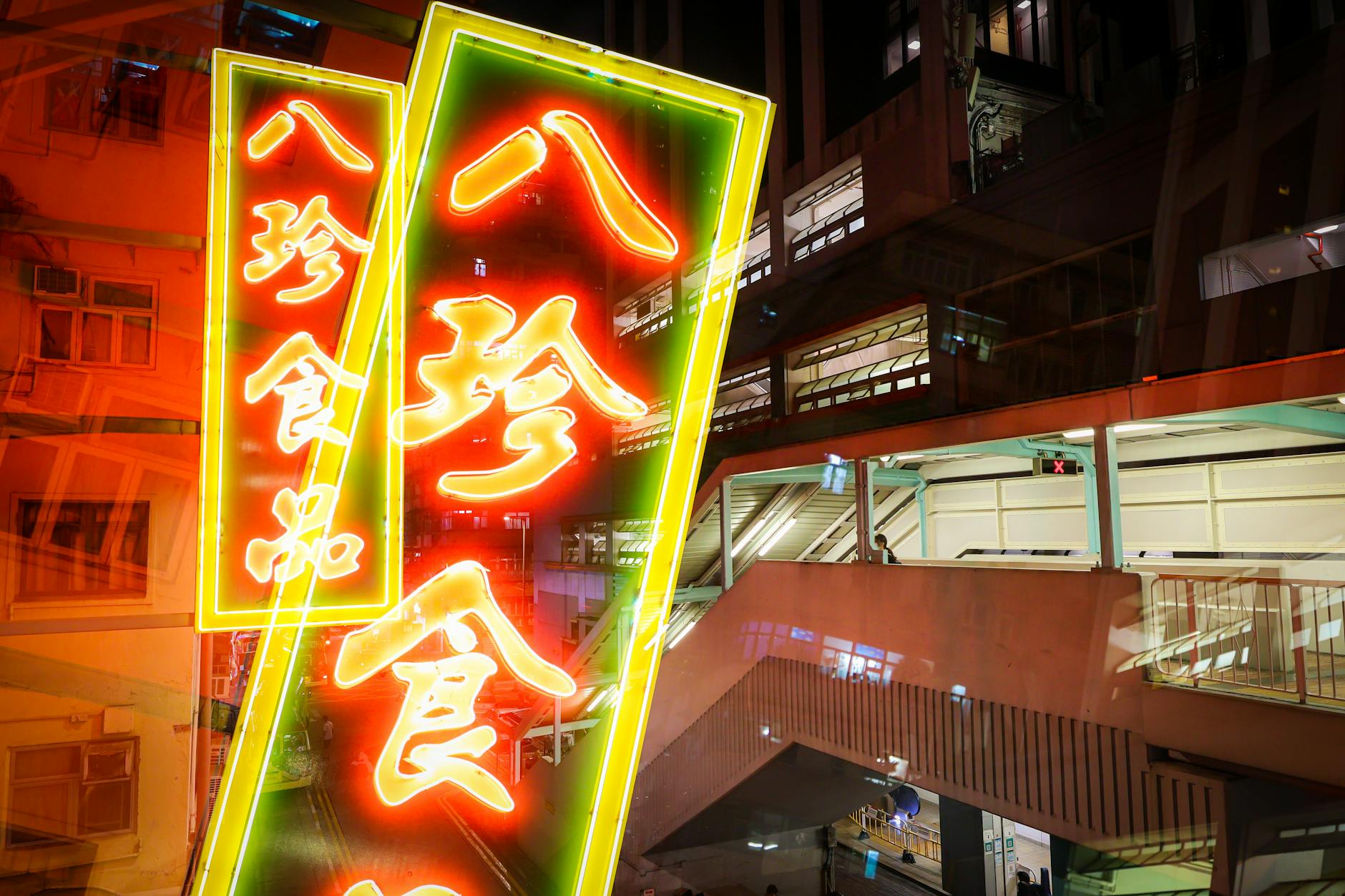
Key Details
Population Density
Retail Hub
Premier destination for shopping, dining, and entertainment.
Connectivity
Excellent MTR and bus network access.
Cultural Vibrancy
Authentic local life meets dynamic urban energy.
Investment Appeal
High footfall supports retail and rental demand.
Attributes
Urban
Located in Hong Kong Mong Kok
Connectivity
- Airport: Hong Kong International Airport
- Railway: Mong Kok MTR Station
- Highway: Nathan Road
Key Landmarks
- Market: Ladies' Market
- Shopping: Sneaker Street (Fa Yuen Street)
- Night Market: Temple Street Night Market
Key Investment Thesis
Unrivaled Density Drives Demand
Mong Kok's status as the world's most densely populated urban area ensures perpetual high footfall. This constant stream of people fuels retail sales and supports strong rental demand for both commercial and residential properties, creating a resilient investment base.
Retail Powerhouse Appeal
As a premier shopping destination with specialized streets like Sneaker Street and Ladies' Market, Mong Kok attracts significant consumer spending. This robust retail ecosystem makes commercial properties highly desirable, promising consistent rental income and capital appreciation.
High Rental Yield Potential
The intense demand from a dense population and constant tourist influx supports strong rental yields. Properties in prime Mong Kok locations benefit from high occupancy rates, offering a reliable income stream for investors.
MTR Connectivity Catalyst
Excellent connectivity via multiple MTR stations, including Mong Kok station, ensures seamless access. This infrastructure enhances property accessibility, driving up demand and value for both residential and commercial investments in the district.
A Look into Hong Kong Mong Kok:
Experience the electrifying pulse of Hong Kong's most dynamic urban core.
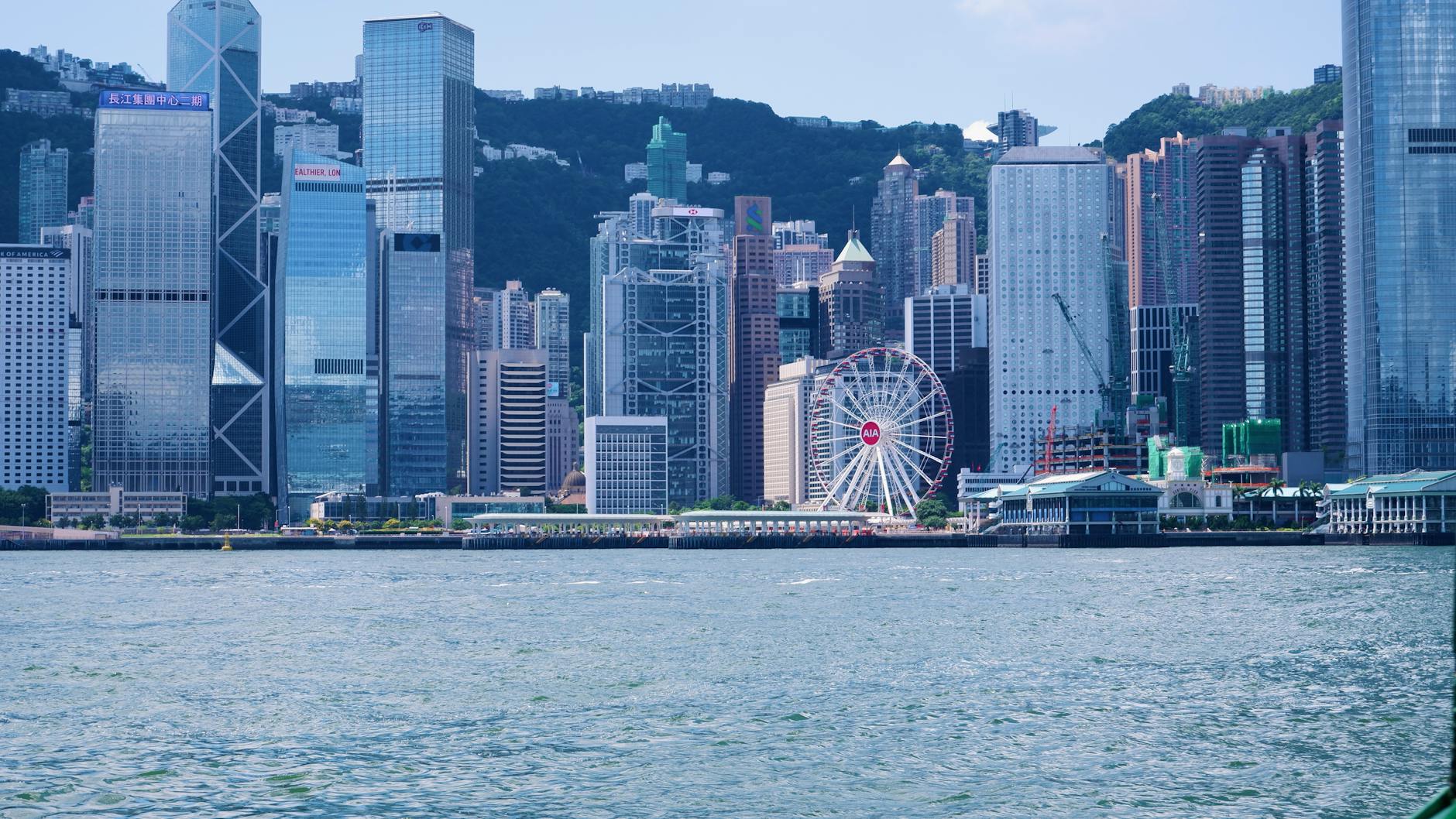
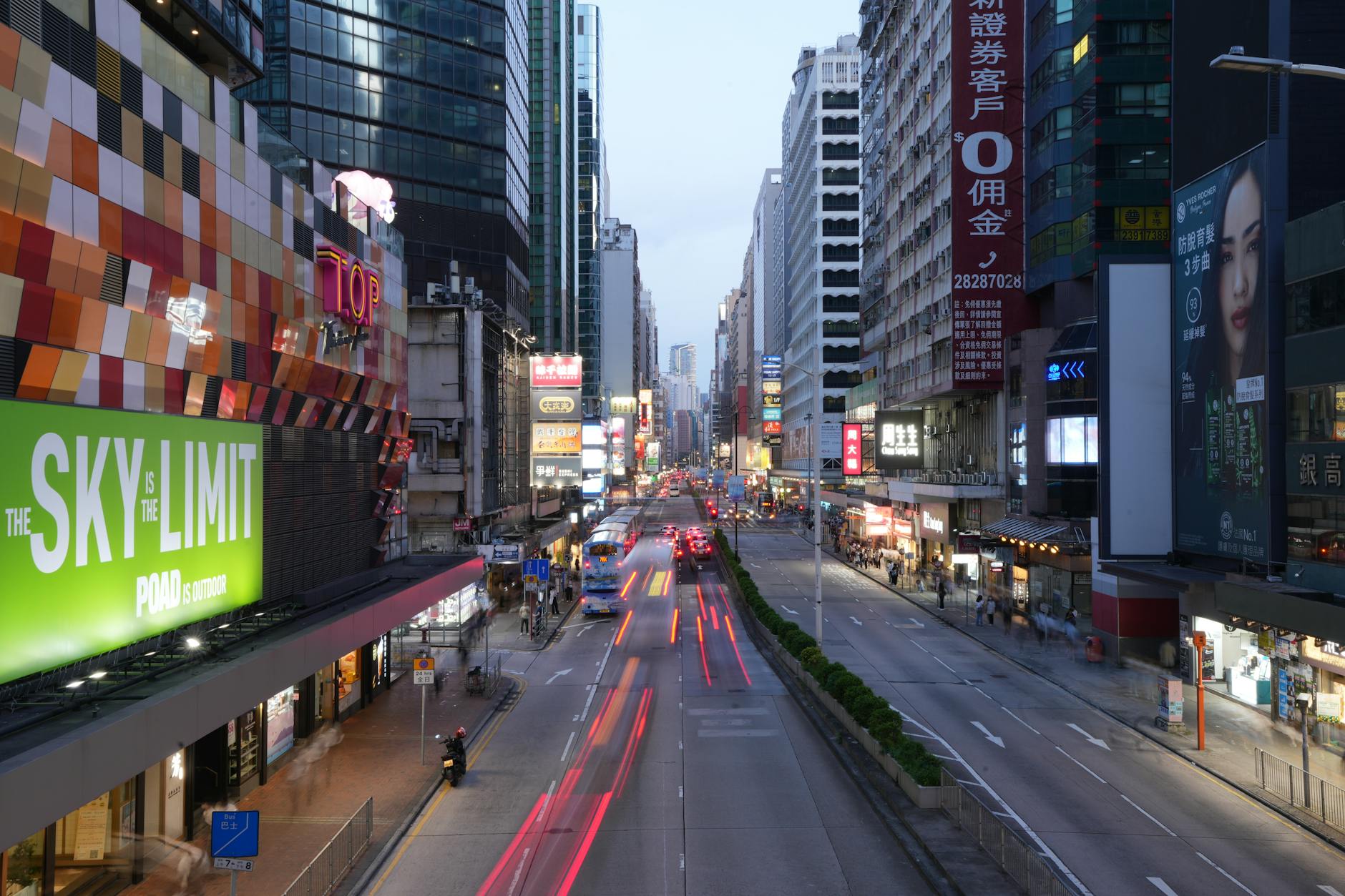
Mong Kok is the beating heart of Kowloon, a district that truly embodies the relentless energy of Hong Kong. It's a place where the world's highest population density meets an unparalleled commercial vibrancy. Streets like Nathan Road, Argyle Street, and Tung Choi Street are a constant flow of people, a testament to its status as a premier retail and entertainment hub. This isn't a place for quiet contemplation; it's a sensory immersion into a city that never sleeps, offering a unique blend of traditional markets and modern shopping complexes.
What to Expect:
Daily life in Mong Kok is a vibrant, fast-paced immersion in urban Hong Kong.
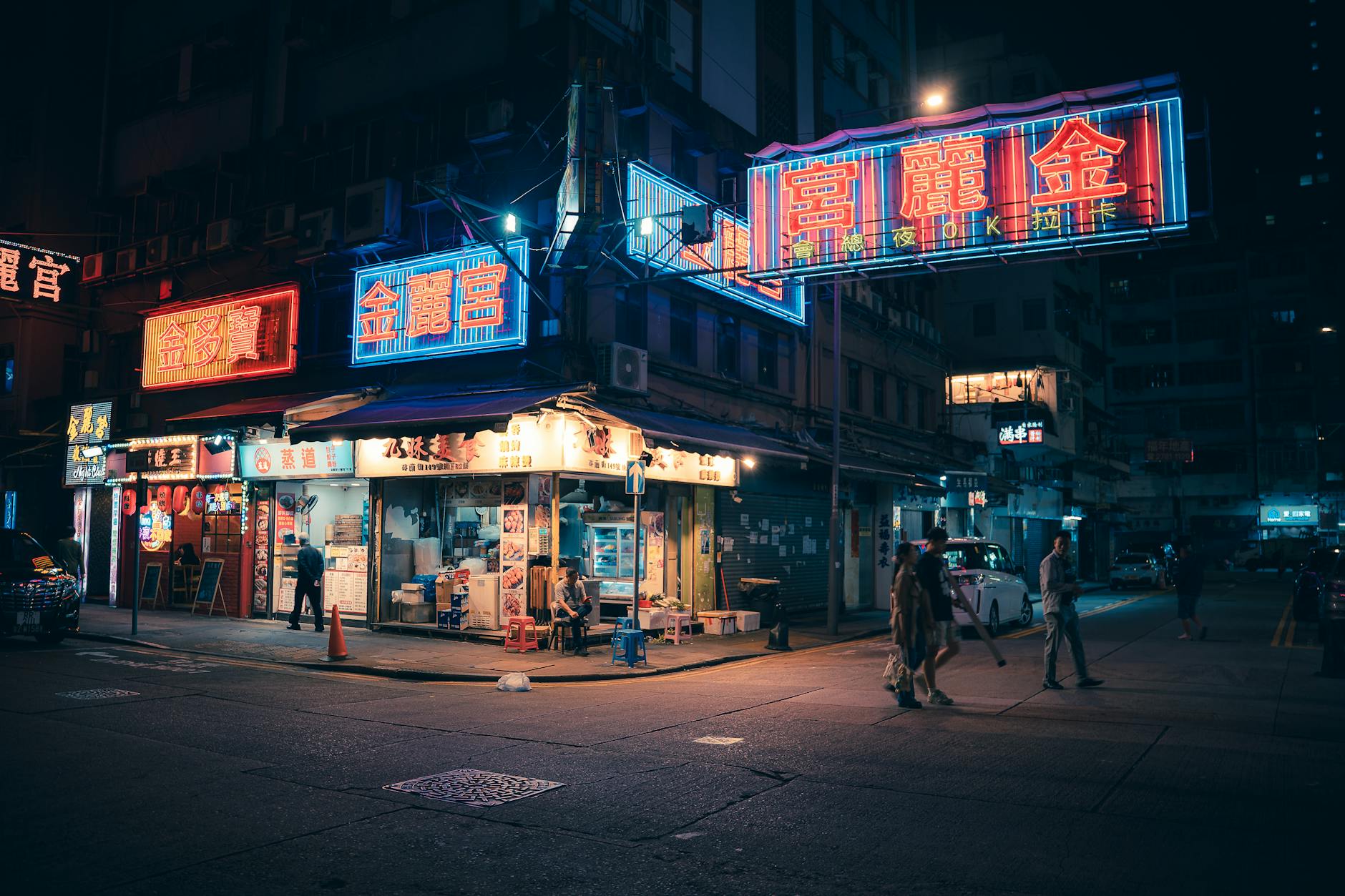
Expect a constant hum of activity from dawn till late night. Streets are alive with shoppers, street vendors, and the aromas of diverse cuisines. You'll navigate bustling crowds, especially around popular spots like Ladies' Market and Sneaker Street. Public transport, particularly the MTR, is efficient but can be crowded. The visual landscape is a dynamic mix of neon signs, towering residential buildings, and small, specialized shops. It’s a place where commerce is deeply integrated into daily life, with markets and retail spaces spilling onto sidewalks. Be prepared for a sensory-rich environment that demands engagement and offers constant discovery.
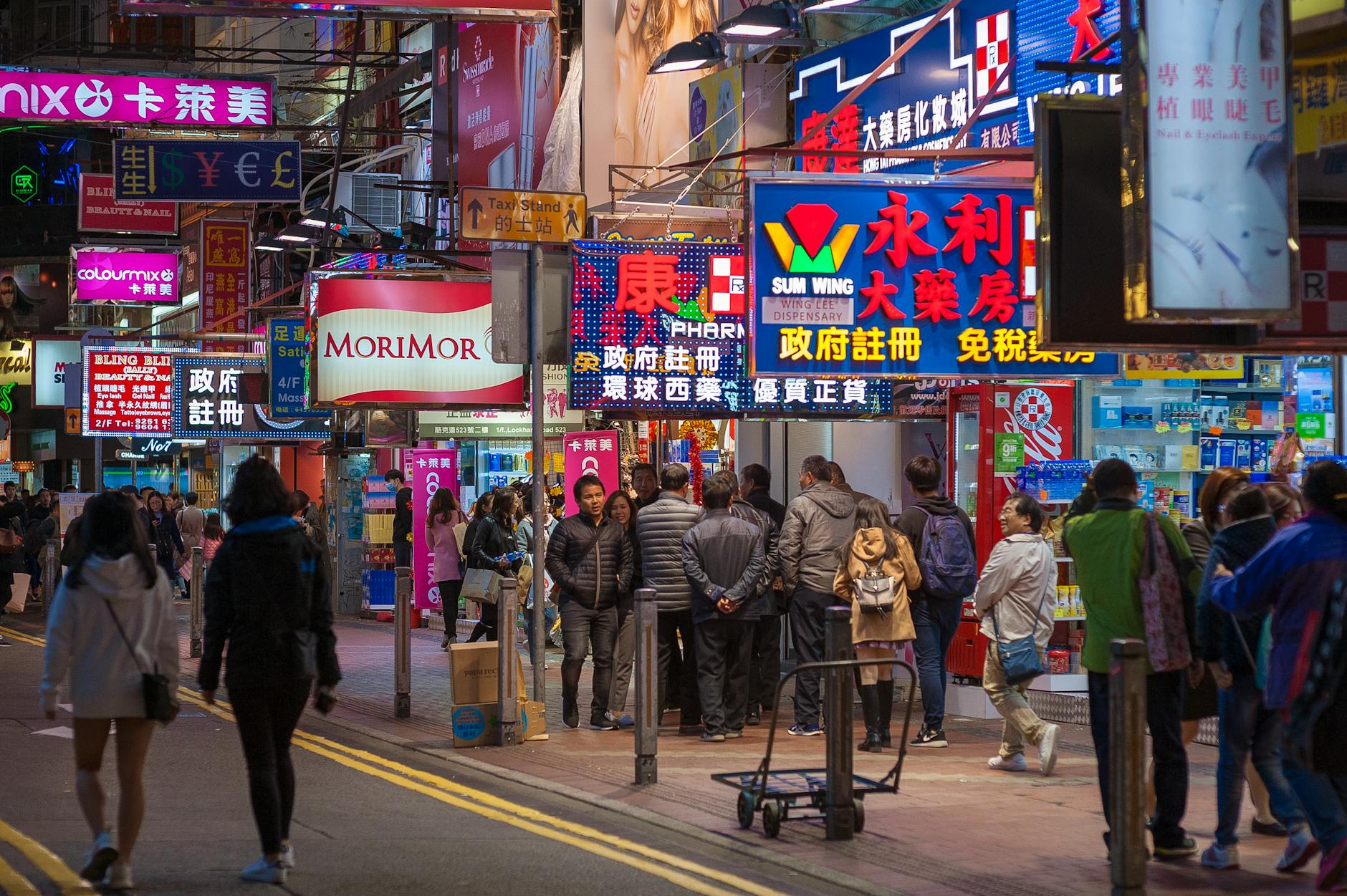
The Lifestyle:
A lifestyle defined by constant motion, endless choices, and authentic urban energy.
Life in Mong Kok is about embracing the city's pulse. It's a lifestyle for those who thrive on energy and variety. You're never far from a culinary adventure, whether it's a quick bite from a street stall or a sit-down meal at a traditional cha chaan teng. Shopping is a way of life here, with specialized streets catering to every interest, from fashion to electronics. The community is a dynamic mix of long-time residents and a constant stream of visitors, creating a unique social fabric.
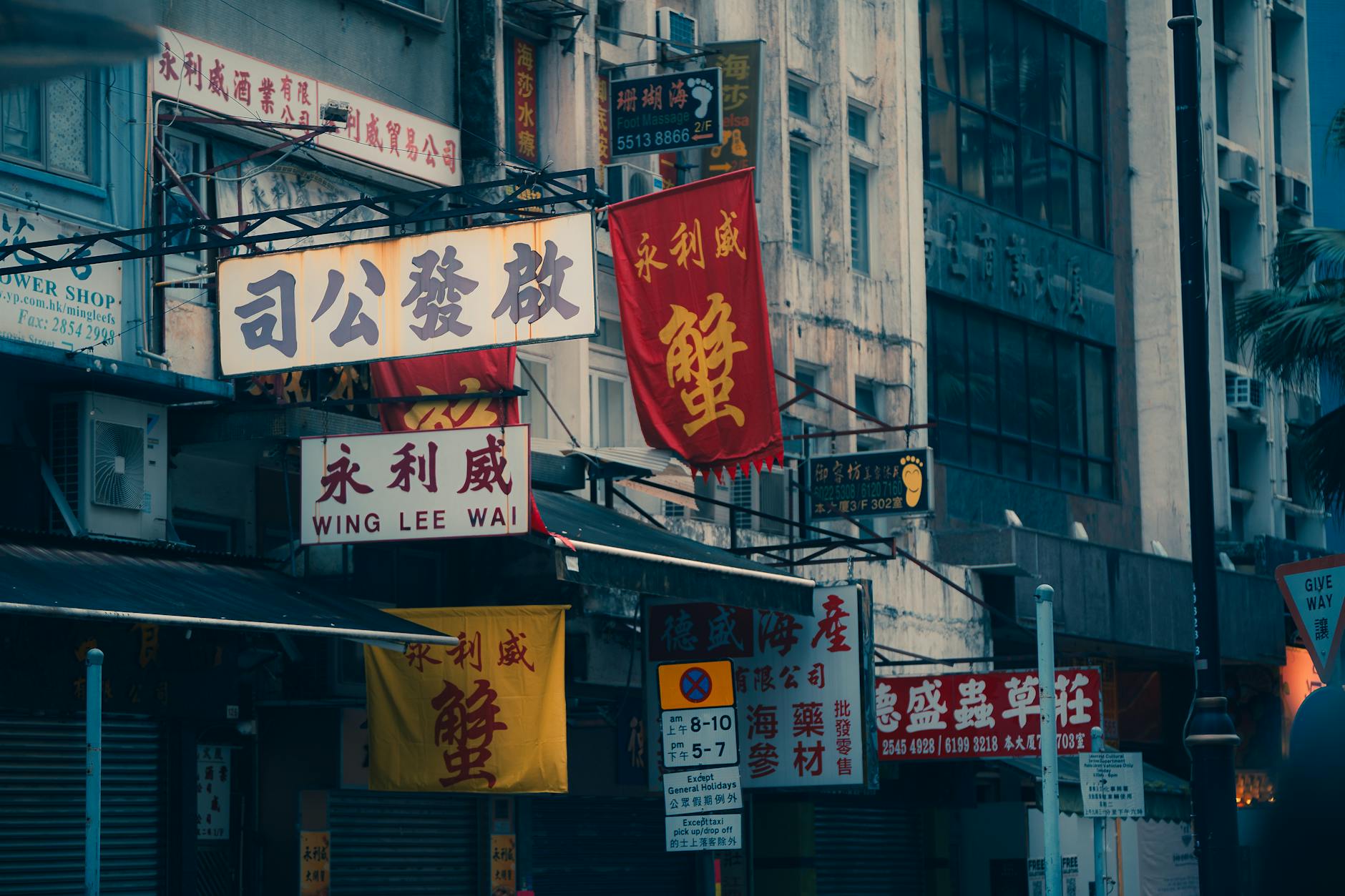
You'll Fall in Love:
Discover the raw, unfiltered energy that makes Mong Kok uniquely captivating.
What truly captivates about Mong Kok is its unvarnished authenticity. It’s a place that doesn't shy away from its intensity; instead, it embraces it. You'll find a raw, energetic charm in its crowded streets, the kaleidoscope of neon signs, and the sheer diversity of its offerings. The constant buzz of activity, the endless array of shops, and the vibrant street food scene create an atmosphere that’s both exhilarating and deeply engaging. It’s this unpretentious, high-octane environment that draws you in, offering a genuine slice of Hong Kong life that’s hard to find anywhere else.
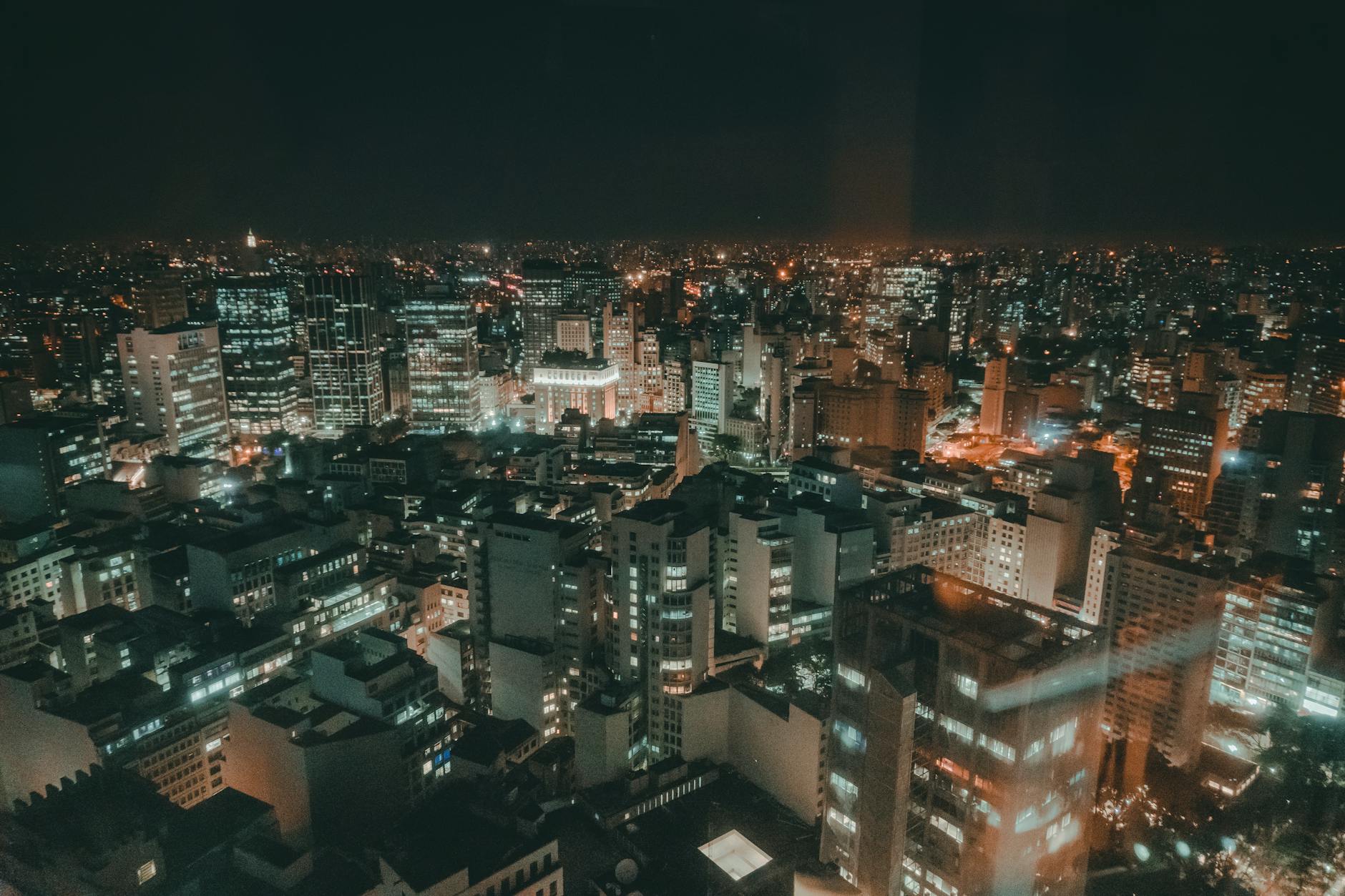
Nearby Attractions:
Vibrant markets and cultural hubs are just moments away.
Mong Kok's strategic location places you at the nexus of Kowloon's most exciting attractions. Within easy reach are iconic street markets like Ladies' Market and Sneaker Street, drawing constant footfall and offering unique retail experiences. The nearby Temple Street Night Market provides a lively evening atmosphere with food and souvenirs. For a different pace, the Flower Market and Bird Garden offer a splash of nature amidst the urban sprawl.
| Attraction | Type | Highlight | Why It Matters |
|---|---|---|---|
| Ladies' Market | Market | Bustling street market with diverse goods. | High tourist and local footfall makes it a constant draw for retail activity. |
| Sneaker Street (Fa Yuen Street) | Market | Specialized street for athletic footwear. | Attracts a dedicated consumer base, driving consistent sales for retailers. |
| Temple Street Night Market | Market | Famous night market with food and goods. | Significant evening tourist draw, boosting local businesses and rental appeal. |
| Flower Market Road | Market | Vibrant street filled with florists and plants. | Offers a unique, visually appealing experience that draws local and tourist visitors. |
Schools & Education:
Educational institutions serving the vibrant Mong Kok community.
Mong Kok is surrounded by a range of educational facilities catering to diverse needs. While the immediate area is densely populated with commercial and residential buildings, accessible public and private schools are available within a short commute. These institutions are crucial for attracting families to the area, thereby supporting demand for residential rentals and contributing to the neighbourhood's long-term stability and desirability.
| School | Type | Grades | Why It Matters |
|---|---|---|---|
| St. Teresa's School | Public | Primary | Provides essential primary education, making the area more attractive to families seeking local schooling options. |
| Kwong Wah Hospital School | Public | Primary to Secondary | Offers educational support within a healthcare setting, serving a specific community need and enhancing local amenities. |
| Po Leung Kuk No. 1 Primary School | Public | Primary | A well-regarded primary school that can influence family-oriented rental demand in its catchment area. |
| Methodist College | Private | Secondary | Provides secondary education, appealing to families looking for established private schooling options nearby. |
Healthcare:
Essential medical services readily accessible in and around Mong Kok.
Mong Kok is well-served by a network of healthcare facilities, ensuring residents have access to timely medical attention. The presence of major hospitals and numerous clinics enhances the area's livability, making it a practical choice for individuals and families. This accessibility to healthcare is a significant factor for long-term residents and can be a draw for tenants seeking a secure and well-supported living environment.
| Hospital | Type | Specialty | Why It Matters |
|---|---|---|---|
| Kwong Wah Hospital | Government | Multi-speciality | A major public hospital providing comprehensive medical services, crucial for resident well-being and community stability. |
| St. Teresa's Hospital | Private | Multi-speciality | Offers private healthcare options, catering to those seeking specialized or faster medical attention, enhancing local amenity value. |
| Caritas Medical Centre | Government | General | Provides essential general healthcare services, contributing to the overall health infrastructure supporting the local population. |
| Union Hospital | Private | Multi-speciality | A prominent private hospital that serves a wider population, reinforcing the area's reputation for accessible healthcare. |
Dining & Cafés:
A culinary melting pot offering flavors from street food to fine dining.
Mong Kok's dining scene is as dense and diverse as the district itself. From Michelin-recommended Cantonese cuisine at Ming Court to authentic street snacks on Dundas Street, there's an option for every palate and budget. You'll find classic cha chaan tengs like Kam Wah Cafe, offering iconic pineapple buns and milk tea, alongside international flavors and innovative concepts. The sheer variety and constant activity in its eateries contribute significantly to the neighbourhood's vibrant atmosphere and make it a perpetual draw for residents and visitors seeking culinary exploration.
| Restaurant | Cuisine | Price | Why It Matters |
|---|---|---|---|
| Kam Wah Cafe & Cake Shop | Hong Kong Cafe | $ | Iconic local eatery, drawing consistent crowds for its classic Hong Kong comfort food and baked goods. |
| Fei Jie Snacks Stall | Street Food | $ | A popular street food vendor, exemplifying the vibrant, accessible culinary scene that attracts constant foot traffic. |
| Ki'son Roasted Goose | Cantonese Roast Meats | $ | Renowned for a signature dish, attracting both locals and tourists, contributing to neighbourhood vibrancy and rental appeal. |
| Chrisly Cafe | Hong Kong Cafe | $ | A beloved local spot offering authentic Hong Kong cafe fare, enhancing the neighbourhood's culinary diversity and appeal. |
Geography Profile:
A flat, urbanized landscape at the heart of Kowloon.
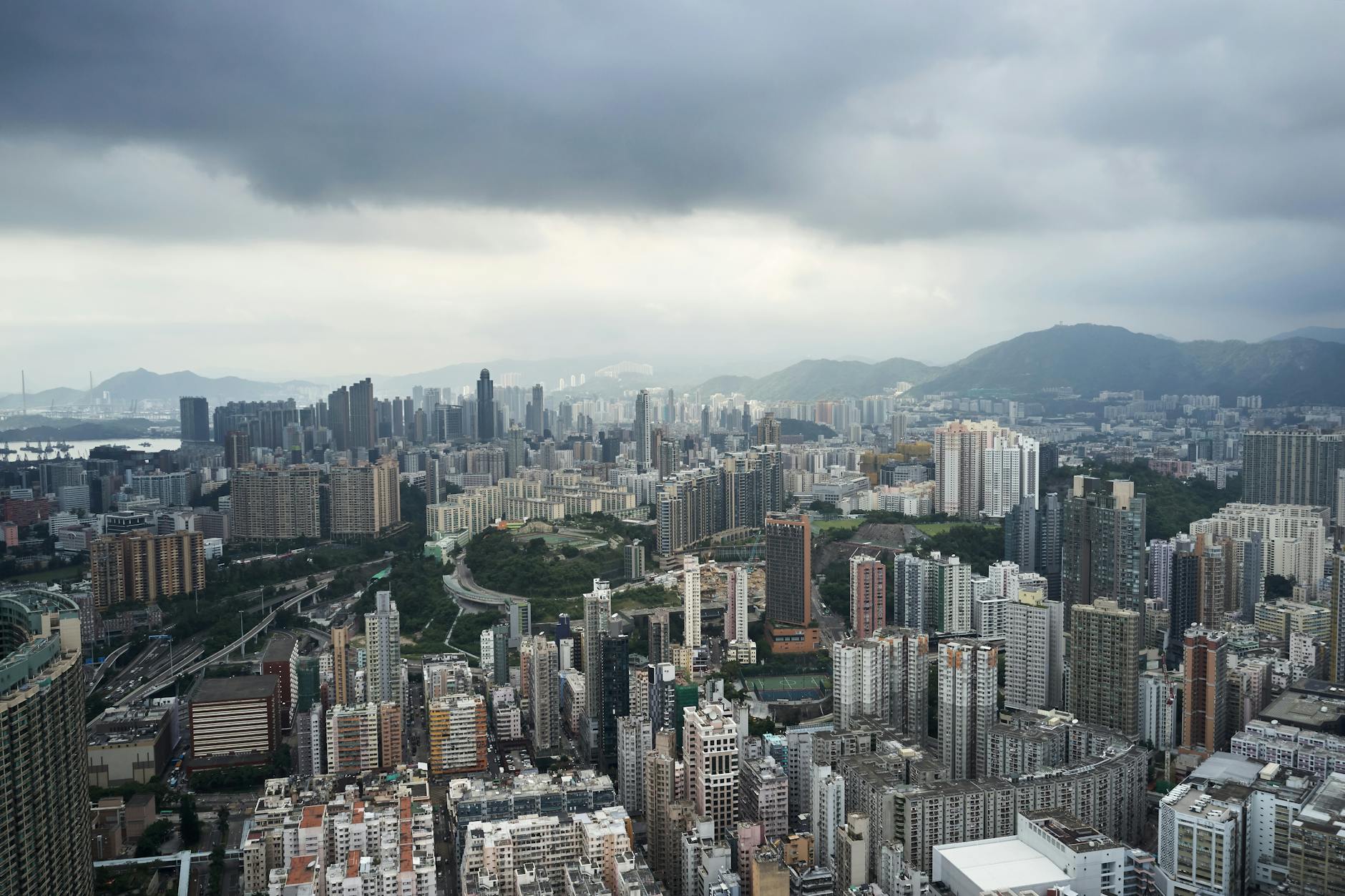
Mong Kok is situated on the Kowloon Peninsula, characterized by its predominantly flat terrain and dense urban development. It lies at a very low elevation, just a few meters above sea level, contributing to its compact and vertical building style. The district is an integral part of the larger Yau Tsim Mong District, a highly urbanized area with minimal natural features. Its geographical position is central within Kowloon, making it a key transit and commercial hub, with no significant natural water bodies directly within its immediate vicinity, emphasizing its built environment.
| Parameter | Value |
|---|---|
| Terrain Type | Flat urbanized area |
| Water Bodies | Victoria Harbour (nearby) |
Soil & Ecology:
Urban environment with limited natural soil and ecological diversity.
As one of the most densely populated urban areas globally, Mong Kok's soil and ecology are almost entirely artificial. The ground is dominated by concrete, asphalt, and building foundations, with minimal natural soil present. Any vegetation is typically confined to small planters, rooftop gardens, or ornamental trees along streets. The ecological diversity is consequently very low, primarily consisting of urban-adapted species such as pigeons, sparrows, and occasional insects. The focus here is on human infrastructure rather than natural ecosystems, reflecting its status as a hyper-urbanized district.
Climate Snapshot:
Humid subtropical climate with hot, humid summers and mild, drier winters.
Mong Kok experiences a humid subtropical climate, characterized by distinct seasons. Summers are hot and very humid, often with high temperatures and significant rainfall due to the monsoon season. Winters are mild and relatively dry, offering a more comfortable period. Spring and autumn are transitional, with pleasant temperatures. The high humidity and frequent rainfall, especially during summer, are key climatic features. Air quality can vary, often impacted by urban pollution and weather patterns.
| Parameter | Value |
|---|---|
| Air Quality | Moderate |
| Best Outdoor Season | Oct-Mar |
| Monsoon Months | Jun-Sep |
Legal Ownership (Hong Kong SAR):
Foreigners can buy property in Hong Kong freely with no restrictions
Hong Kong imposes no nationality-based restrictions on property ownership. Whether you're a Hong Kong permanent resident, a mainland Chinese citizen, or a foreign national from any country, you can buy residential or commercial property on exactly the same legal footing. All buyers now pay the same stamp duty scale following the 2024 reforms. Properties are held under leasehold granted by the government (typically 50 years renewable), which is standard across the territory and should not concern buyers as it is the universal tenure structure.
Laws change. Always consult a licensed real estate attorney before purchasing.
| Buyer Type | Permitted | Tenure | Conditions | Approval |
|---|---|---|---|---|
| Hong Kong permanent resident | Yes | Leasehold | Standard government leasehold (typically 50 years, renewable); freehold does not exist in HK | Standard conveyancing and Land Registry registration |
| Foreign national | Yes | Leasehold | No nationality restrictions; same leasehold tenure as residents | Standard conveyancing; legal representation required |
| Mainland Chinese citizen | Yes | Leasehold | No restrictions; treated as foreign buyer for currency transfer purposes | Standard conveyancing |
| Foreign company | Yes | Leasehold | Companies can own property; stamp duty obligations apply | Company registration documents required for conveyancing |
Capital Gains Tax:
Hong Kong is one of the world's most investor-friendly tax jurisdictions: there is simply no capital gains tax on the sale of real estate. Whether you're a resident or a foreign buyer, your profit from selling property is not subject to any capital gains levy. This has historically been a major attraction for international investors and remains one of Hong Kong's defining tax advantages.
We are confirming the capital gains rates for this location against the official schedule, so they are not shown here yet. Check with the local registry office, or a local lawyer, for the figure that applies to a specific property.
Stamp Duty & Registration:
Hong Kong simplified its stamp duty framework in 2024 by removing extra duties that previously applied to foreign buyers and second-home purchasers. All buyers now pay the standard Ad Valorem Stamp Duty (AVD) on a tiered scale from 1.5 to 4.25 percent based on the purchase price. This was a significant policy shift designed to revive market activity. Buyers should still verify current rates with a solicitor, as stamp duty policy has changed repeatedly.
We are confirming the stamp duty and registration rates for this location against the official schedule, so they are not shown here yet. Check with the local registry office, or a local lawyer, for the figure that applies to a specific property.
Frequently Asked Questions
Mong Kok's status as a hyper-dense, commercially vibrant district with excellent transport links suggests continued strong demand. Its appeal to both tourists and residents for retail and living makes it a consistent performer, though property values reflect this high demand and limited supply.
Local Insights & Discussions
Ask a question or share a local tip about Hong Kong Mong Kok
Be respectful and constructive in your comments.
Buying or selling in Hong Kong Mong Kok?
Tell us once. Our team connects you with the right homes, or the right buyers.