Bhadra Wildlife, Karnataka: Area Guide, Getting There & Homes
Fetching weather details…
Bhadra Wildlife is a destination in Karnataka, India, known for nature, wildlife. Tiger reserve, river rafting.
Homes for sale in Bhadra Wildlife →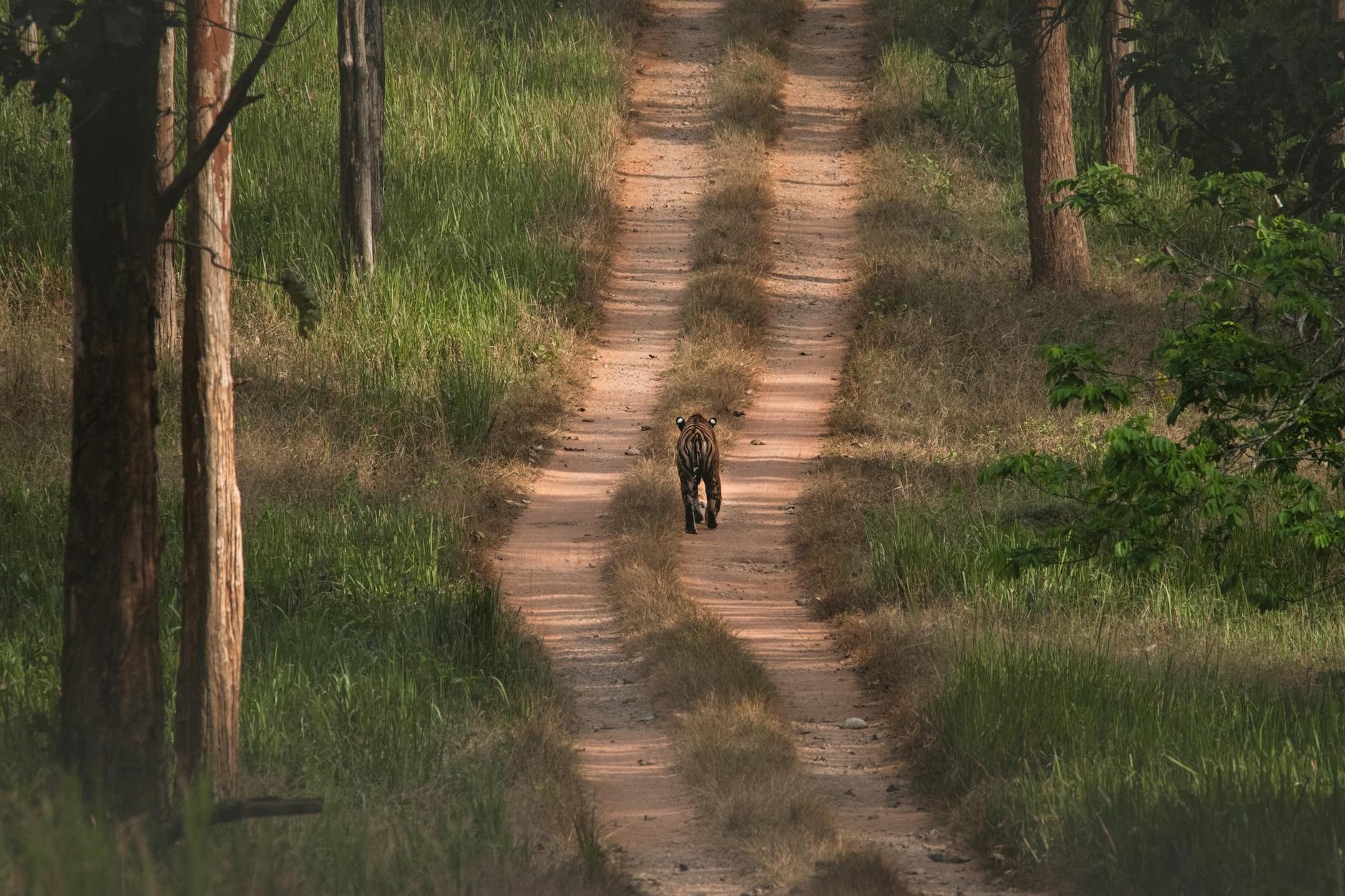
Key Details
Tiger Reserve
A vital tiger reserve in Karnataka, safeguarding biodiversity.
Western Ghats
Located in the biodiverse Western Ghats, a UNESCO site.
Rich Flora & Fauna
Birdwatcher's Paradise
Adventure Activities
Offers safaris, trekking, and nature walks.
Attributes
Nature, Wildlife
Located in Bhadra Wildlife
Connectivity
- Airport: Mangalore International Airport
- Railway: Kadur Railway Station
- Highway: NH 75 Approx.
Key Landmarks
- Dam: Bhadra Dam and Reservoir Near Lakkavalli village
- Tree: Jagara Giant Teak Tree Muthodi region
- Waterfall: Hebbe Falls Within sanctuary, requires trek
Key Investment Thesis
Scarcity of Quality Lodging
While visitor numbers are rising, the availability of high-quality, well-managed eco-lodges and resorts near Bhadra remains limited. This scarcity creates an opportunity for investors to develop or acquire properties that can command premium rates and achieve high occupancy.
Growing Demand for Nature Stays
The global trend towards experiential travel and nature-based tourism is a strong driver. Bhadra, with its pristine environment and wildlife, is perfectly positioned to capitalize on this demand, offering a compelling alternative to more crowded destinations.
Conservation as a Draw
Bhadra's designation as a Project Tiger Reserve and its role in biodiversity conservation are significant attractions. Investors can leverage this 'conservation premium,' appealing to travelers who wish to support sustainable tourism and protected areas.
A Look into Bhadra Wildlife:
Discover the untamed beauty of Bhadra, a sanctuary in Karnataka's Western Ghats.
Bhadra Wildlife Sanctuary, also known as Muthodi Wildlife Sanctuary, is a jewel nestled in the Western Ghats of Karnataka. The sanctuary is characterized by its undulating terrain, lush tropical moist and dry deciduous forests, and the life-giving Bhadra River. Its location within a UNESCO World Heritage Site underscores its ecological significance.
What to Expect:
Experience the wild: Safaris, nature walks, and abundant wildlife await.
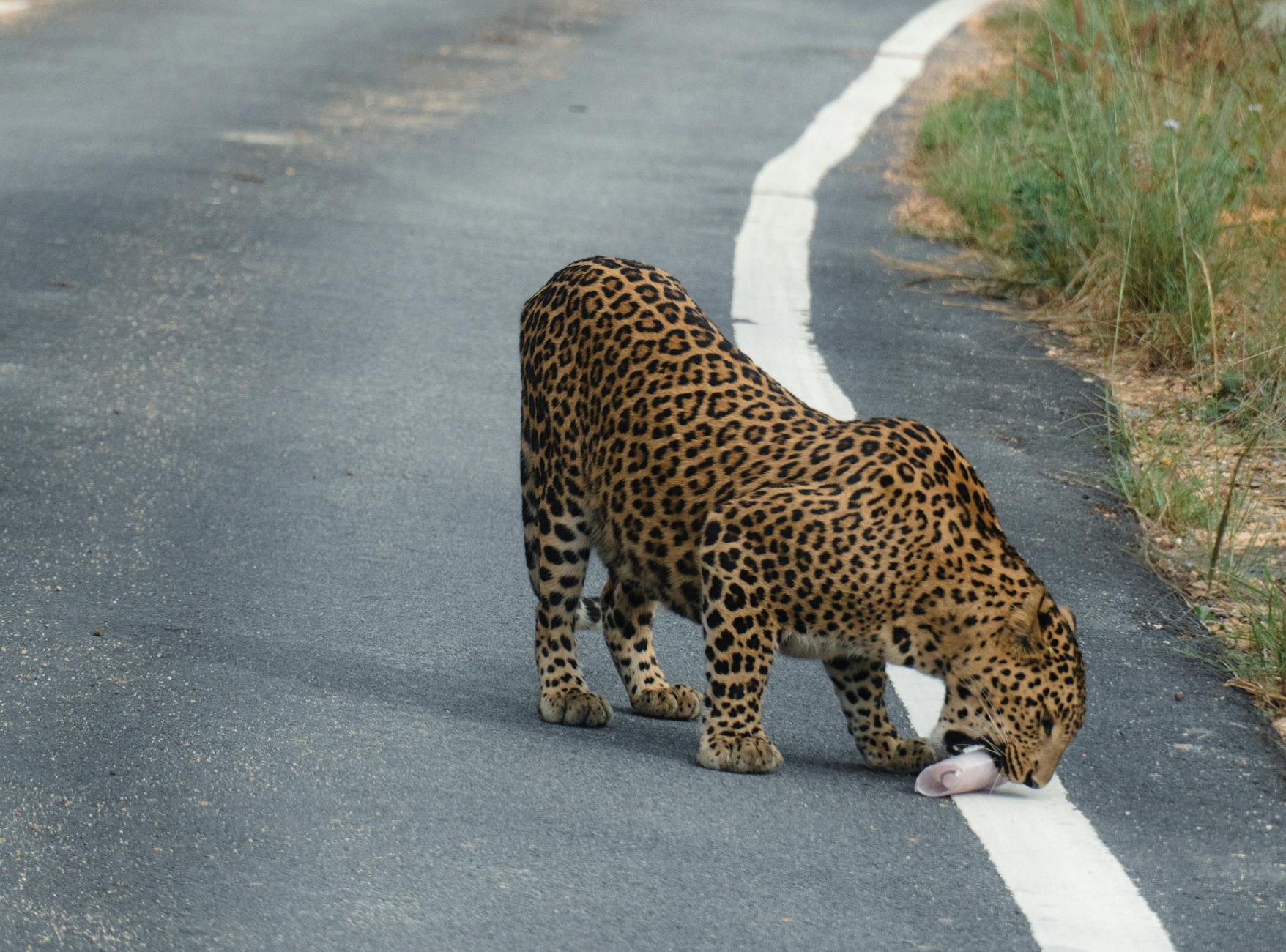
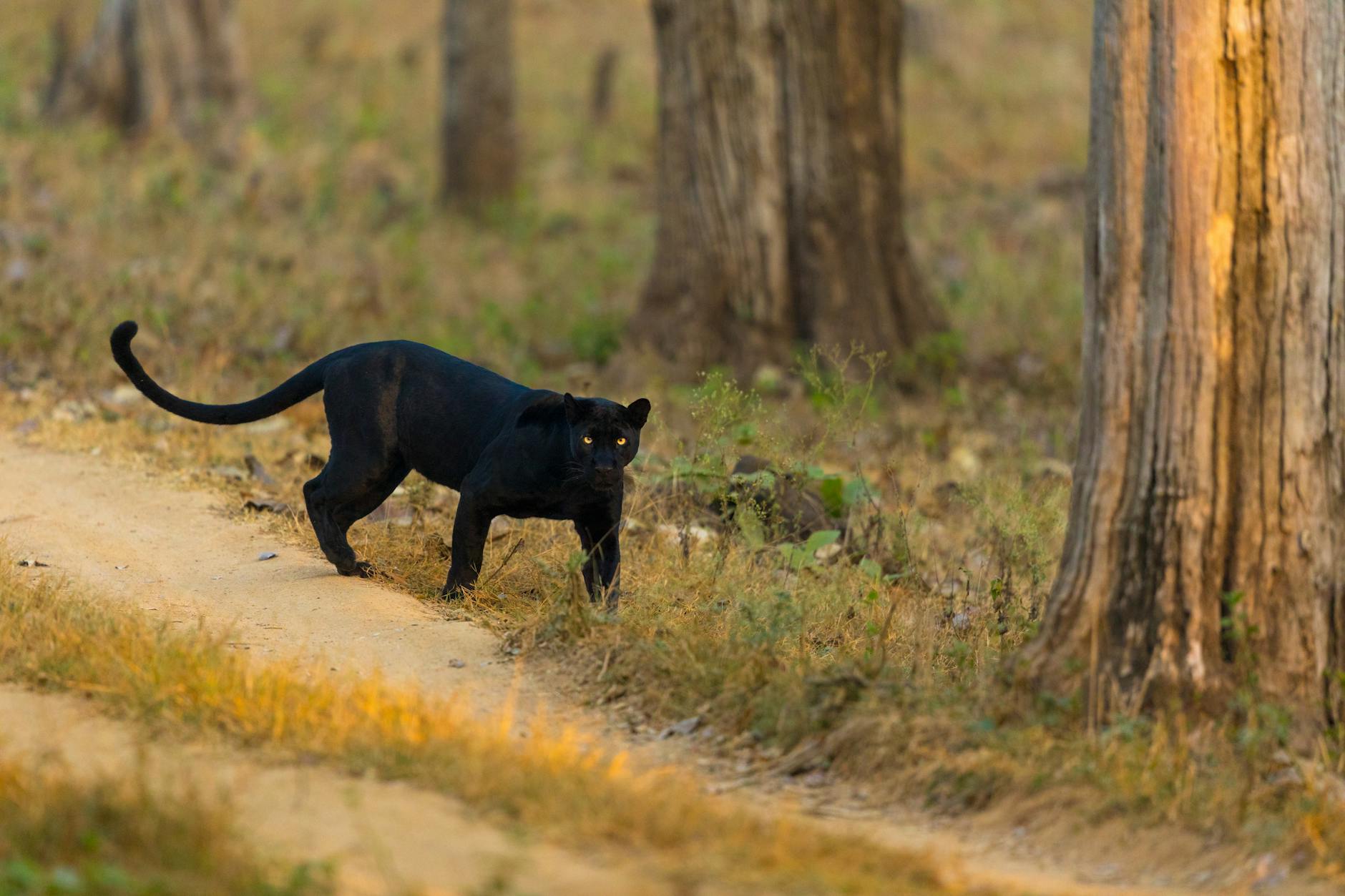
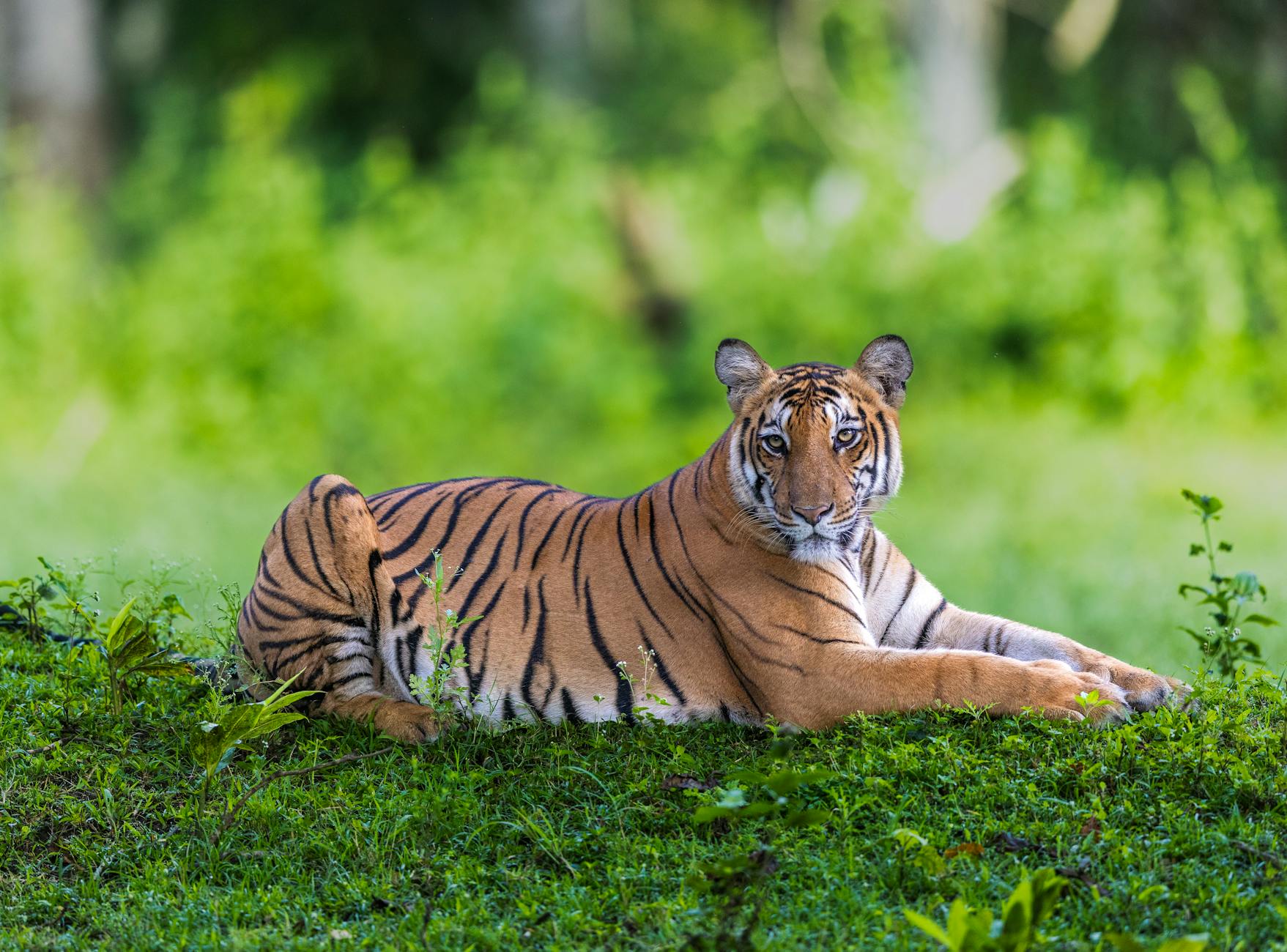
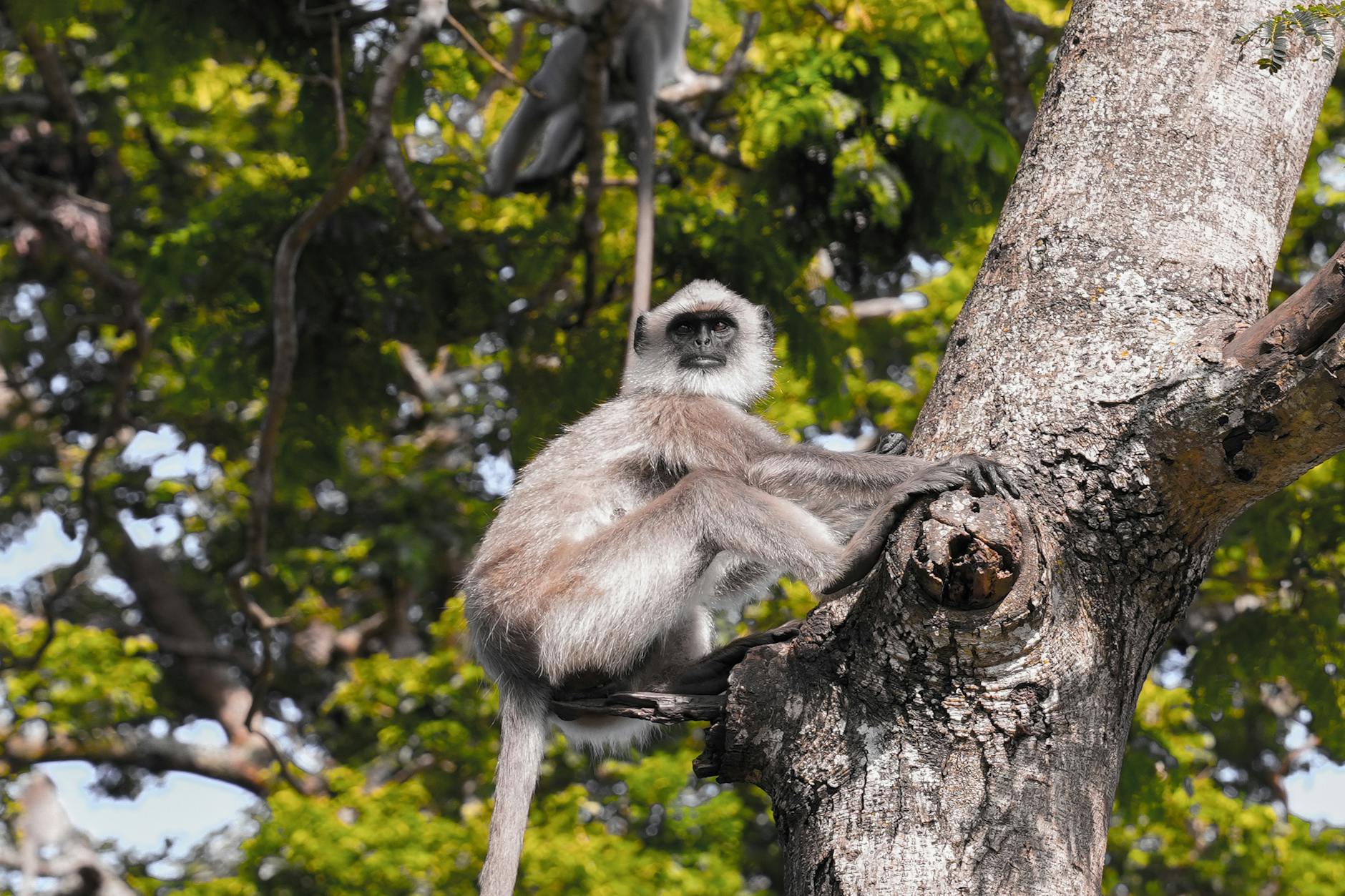
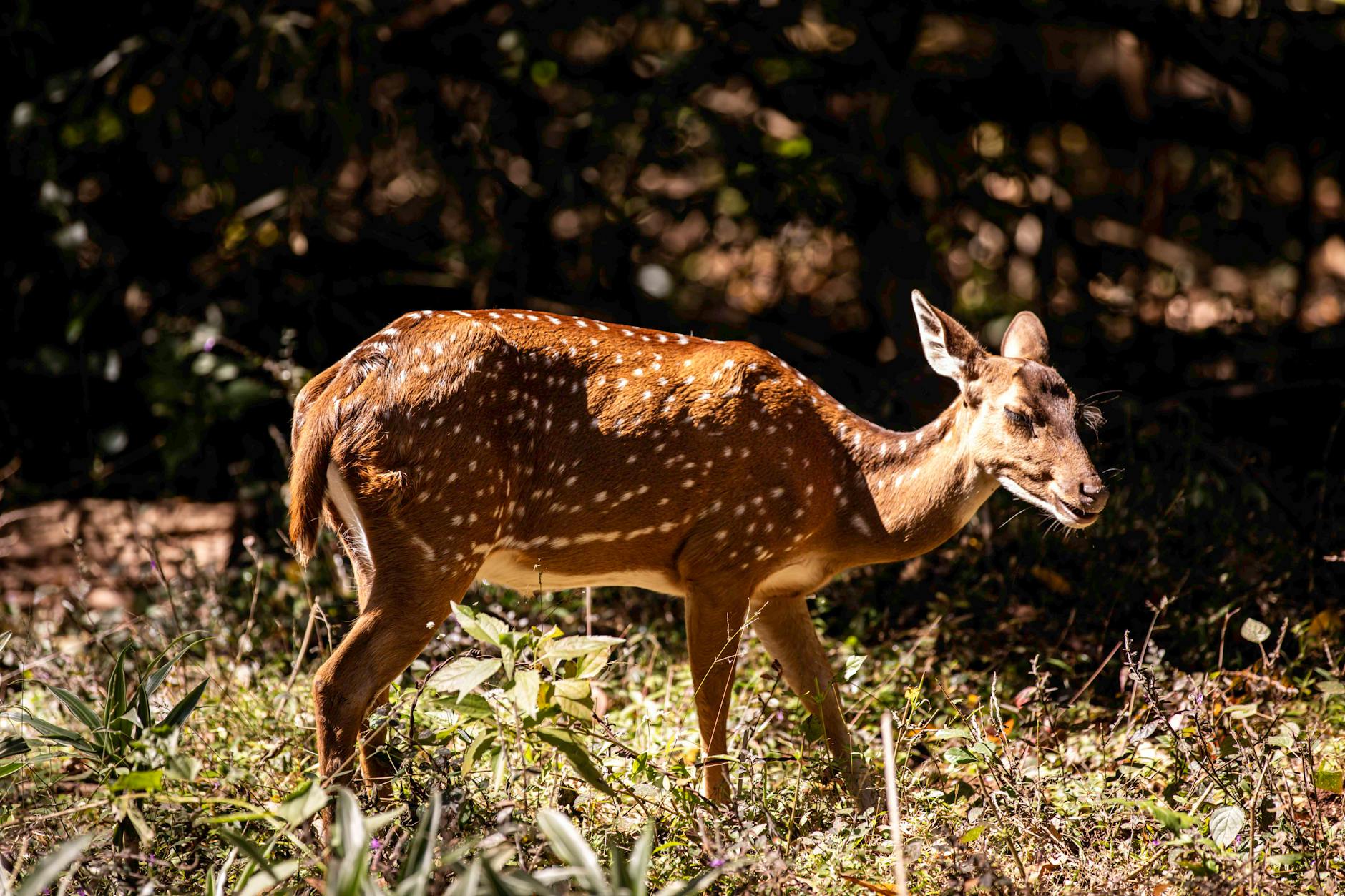
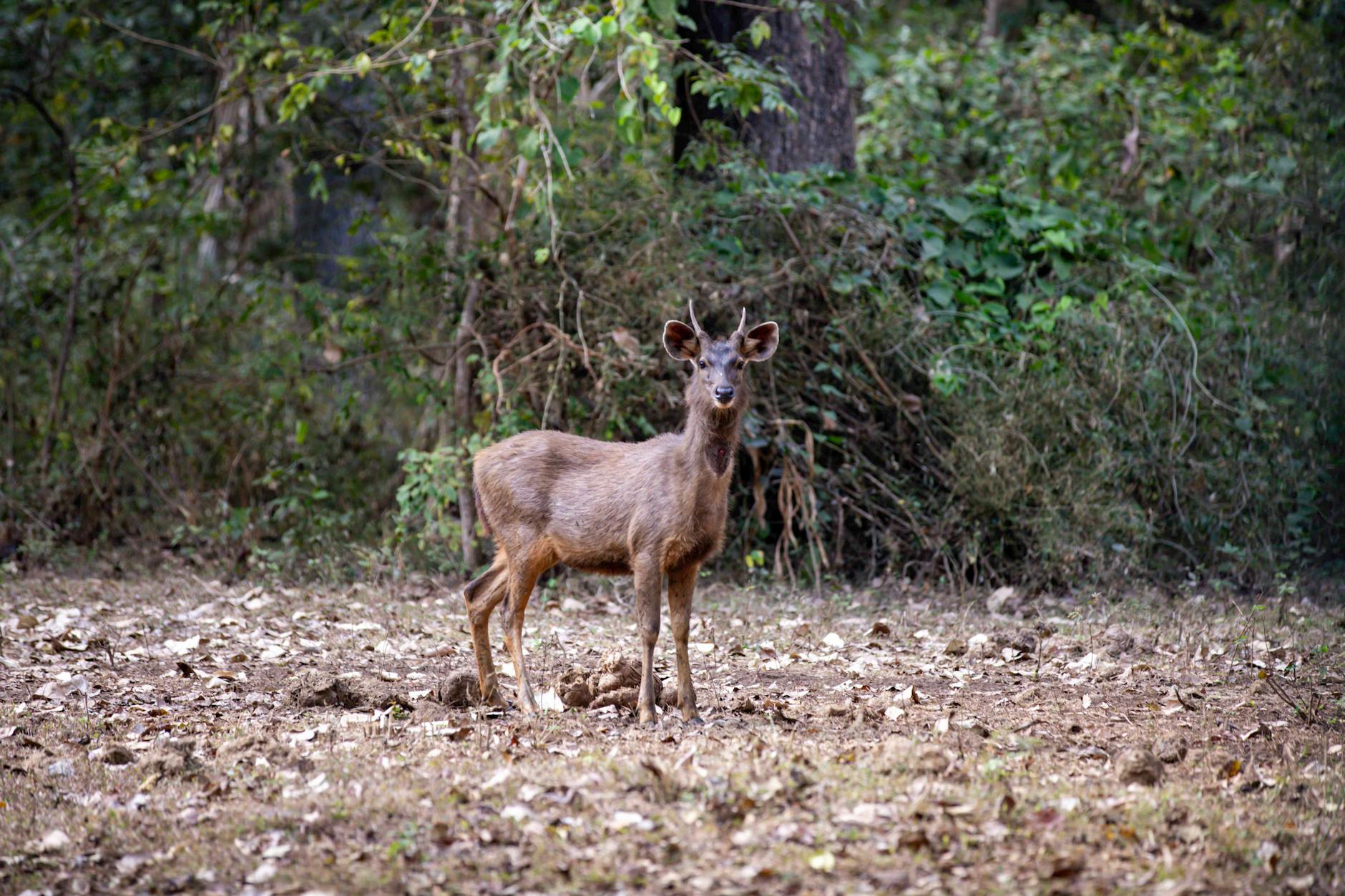
Life in Bhadra revolves around nature's rhythms. Mornings and evenings are for safaris, offering chances to spot tigers, leopards, elephants, and a myriad of bird species. During the day, you can explore trekking trails, enjoy birdwatching, or simply soak in the serene atmosphere around the Bhadra Reservoir. Accommodation options are primarily eco-lodges and forest department rest houses, emphasizing a close-to-nature experience. Dining is often simple, with meals provided at lodges or available in nearby towns like Chikmagalur. Mobile connectivity can be spotty, encouraging a digital detox.
The Lifestyle:
A tranquil existence immersed in nature, far from the city's hustle.
The lifestyle here is defined by its proximity to nature. Days are structured around the natural cycles of wildlife and the environment. Residents and visitors can expect a peaceful existence, punctuated by the calls of exotic birds and the rustling of leaves. Community interaction is minimal, centered around the eco-lodges and forest department facilities. The pace is slow, encouraging mindfulness and appreciation for the natural world. It's a lifestyle for those who find joy in simplicity, the great outdoors, and the thrill of encountering wildlife in its natural habitat.
You'll Fall in Love:
The raw, untamed beauty and the thrill of the wild.
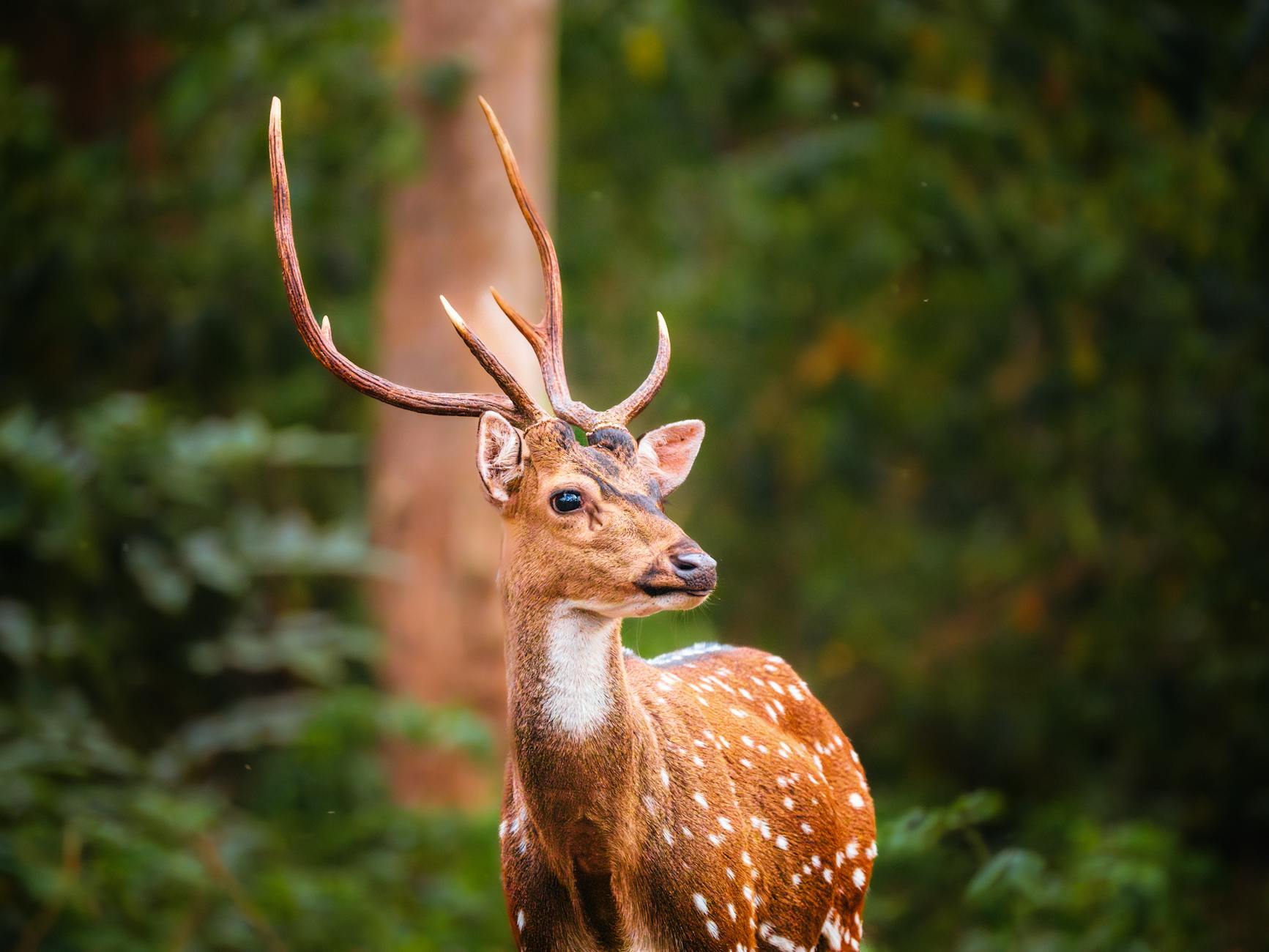
What truly captivates is the sheer wildness of Bhadra. The dense forests, the dramatic hills of the Western Ghats, and the vast Bhadra Reservoir create a breathtaking landscape. The thrill of a safari, the possibility of spotting a tiger, or the sight of a flock of birds taking flight is an unparalleled experience. The ancient Jagara Giant tree stands as a silent, majestic witness to centuries of natural history. The air is clean, the water is pure, and the sounds are of nature.
Nearby Attractions:
Explore the natural and cultural wonders surrounding Bhadra.
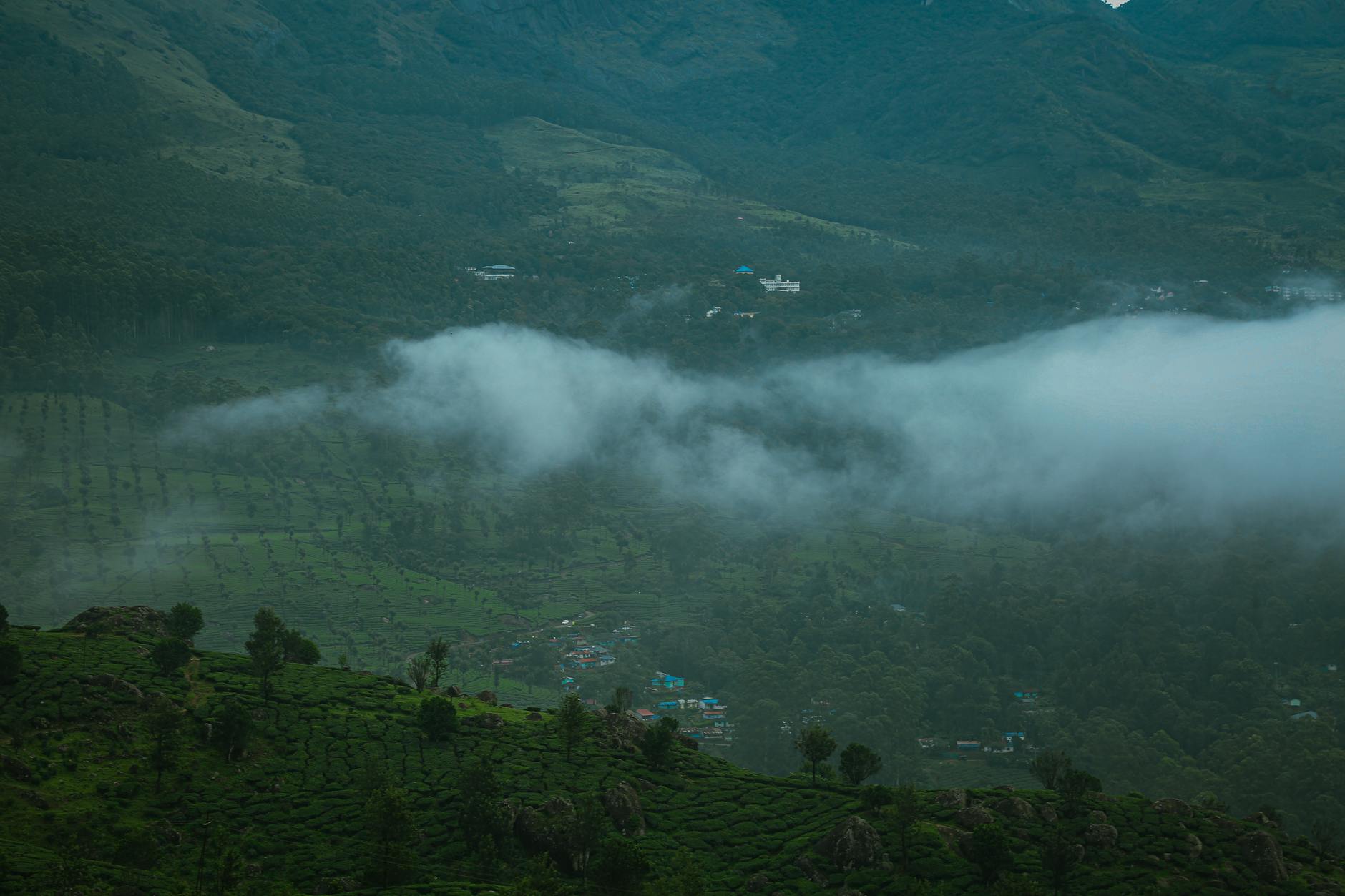
Beyond the sanctuary's boundaries, the region offers a blend of natural beauty and cultural significance. The majestic Mullayanagiri Peak, the highest in Karnataka, provides panoramic views and trekking opportunities. Nearby coffee plantations offer a glimpse into the region's agricultural heritage. Historical sites like the Belur and Halebid temples showcase exquisite Hoysala architecture, adding a cultural dimension to any visit. These attractions are accessible within a few hours' drive, making Bhadra a great base for exploring the diverse offerings of the Malnad region.
| Attraction | Type | Highlight | Why It Matters | Distance |
|---|---|---|---|---|
| Mullayanagiri Peak | Peak/Trekking | Highest peak in Karnataka with stunning views. | Attracts trekkers and nature enthusiasts, boosting local tourism and hospitality demand. | Approx. |
| Hebbe Falls | Waterfall | Two-tiered waterfall amidst dense forests. | A natural attraction that draws visitors seeking adventure and scenic beauty, enhancing the area's appeal. | Within sanctuary |
| Bhadra Dam and Reservoir | Dam/Reservoir | Scenic views and a haven for migratory birds. | Offers recreational activities like boating and birdwatching, increasing visitor footfall and local economic activity. | Near Lakkavalli village |
| Belur and Halebid Temples | Historical Site | Exquisite Hoysala architecture. | Cultural landmarks that attract history buffs and tourists, contributing to regional tourism revenue. | Approx. |
Schools & Education:
Educational institutions serving the local and surrounding communities.
While Bhadra Wildlife Sanctuary is primarily a natural reserve, educational facilities are available in nearby towns, catering to the needs of local populations and staff. These schools offer a range of educational opportunities, from primary to secondary levels. Their presence is crucial for the livability of the area for families associated with tourism and forest management, indirectly supporting the local economy and workforce stability.
| School | Type | Grades | Why It Matters | Distance |
|---|---|---|---|---|
| Government Higher Primary School, Lakkavalli | Public | Primary | Provides basic education for local children, making the area more livable for families employed in tourism. | Approx. |
| Government High School, Tarikere | Public | Secondary | Offers secondary education, crucial for families seeking stable living conditions and a better future for their children. | Approx. |
| Government Primary School, Muthodi | Public | Primary | Serves the immediate vicinity, supporting the local community and forest staff's families. | Approx. |
| Shree Sharada Peetham, Chikmagalur | Educational Institution | Various | A prominent educational center that can attract families seeking quality education for their children in the broader region. | Approx. |
Healthcare:
Essential medical facilities for residents and visitors.
Healthcare access in the immediate vicinity of Bhadra Wildlife Sanctuary is basic, with primary health centers in nearby villages. For more comprehensive medical needs, residents and visitors typically travel to larger towns like Chikmagalur or Tarikere. The availability of these facilities, even if basic, is important for ensuring the well-being of the local population and staff, contributing to the area's overall livability.
| Hospital | Type | Specialty | Why It Matters | Distance |
|---|---|---|---|---|
| Primary Health Centre, Lakkavalli | Government | General | Provides essential primary healthcare services to the local community, enhancing the area's basic livability. | Approx. |
| Government Hospital, Tarikere | Government | General | Offers broader medical services, crucial for residents and long-term visitors requiring more than basic care. | Approx. |
| District Hospital, Chikmagalur | Government | Multi-speciality | A key facility for serious medical conditions, ensuring a reasonable level of healthcare security for the region. | Approx. |
| Private Clinics in Chikmagalur | Private | Various | Provides additional healthcare options and specialized services, improving the overall healthcare landscape for residents. | Approx. |
Dining & Cafés:
Savor local flavors and simple, hearty meals near the sanctuary.
Dining options directly within Bhadra Wildlife Sanctuary are limited, primarily consisting of meals served at the forest lodges like River Tern Lodge. These often feature local Karnataka cuisine and some international dishes. For a wider variety, nearby towns such as Lakkavalli, Tarikere, and Chikmagalur offer local eateries and restaurants. Expect simple, home-style cooking, with local specialties like 'jolada rotti' (jowar roti) being popular. The focus is on fresh, regional ingredients, providing an authentic taste of the Malnad region.
| Restaurant | Cuisine | Why It Matters | Distance |
|---|---|---|---|
| River Tern Lodge Restaurant | Local/International | Convenient dining for lodge guests, offering local flavors and essential amenities for visitors. | Within sanctuary |
| Shree Annapoorna Hotel | South Indian/Local | A local favorite offering authentic regional dishes, enhancing the area's culinary appeal for visitors. | Approx. |
| The Estate Cafe | Cafe/Local | Provides a pleasant stop for refreshments and light meals, adding to the visitor experience in the vicinity. | Approx. |
| Restaurants in Chikmagalur | Various | Offers diverse dining choices, from traditional South Indian to multi-cuisine options, catering to varied tastes and boosting local economy. | Approx. |
Geography Profile:
A landscape of dramatic elevation changes and verdant forests.
This varied topography creates diverse microclimates and habitats. The sanctuary is nestled within the scenic hills and steep slopes of the Mullayanagiri, Hebbegiri, Gangegiri, and Bababudangiri ranges, forming a natural amphitheater. The Bhadra River and its tributaries carve through the landscape, feeding the vast Bhadra Reservoir, which forms a significant western boundary. The terrain includes wet deciduous forests, dry deciduous forests, and unique shola forests interspersed with grasslands at higher altitudes.
| Parameter | Value |
|---|---|
| Terrain Type | Hilly with undulating terrain, steep slopes |
| Water Bodies | Bhadra River, Bhadra Reservoir |
Soil & Ecology:
Diverse soils supporting rich biodiversity and prized timber.
The soil composition in Bhadra Wildlife Sanctuary varies with elevation and terrain, supporting a rich tapestry of flora. Lower altitudes feature fertile soils conducive to tropical moist and dry deciduous forests, dominated by valuable timber species like Teak and Rosewood. Higher elevations, particularly in the shola-grassland complexes, have different soil characteristics supporting unique montane vegetation. The presence of marshy patches, known as 'hadlu,' ensures year-round moisture and supports luxuriant grasses, vital for herbivores. This ecological diversity fosters a wide array of fauna, from large mammals to countless insect species, making it a critical biodiversity hotspot.
| Parameter | Value |
|---|---|
| Biodiversity Notes | Supports diverse flora and fauna, including endemic species. |
| Flora | Teak, Rosewood, Honne, Mathi, Tadasalu, medicinal plants |
| Soil Types | Varied, supporting deciduous and montane forests |
Climate Snapshot:
Distinct seasons with pleasant winters and warm summers.
Bhadra experiences a tropical climate influenced by its elevation and the Western Ghats. Winters (November to February) are cool and pleasant, ideal for wildlife viewing. Summers (March to May) can be warm, with temperatures rising, but are good for spotting animals near water sources. The best time for outdoor activities and wildlife sightings is generally from October to March.
| Parameter | Value |
|---|---|
| Air Quality | Good |
| Best Outdoor Season | October-March |
| Monsoon Months | June-September |
Legal Ownership (India):
Foreigners face tight limits; NRIs and OCIs buy freely
Buying is governed by the Foreign Exchange Management Act (FEMA) and RBI Master Directions. Resident citizens buy freely. NRIs and OCIs can buy any number of residential or commercial properties without RBI approval, paying through banking channels, but cannot buy agricultural land, plantations, or farmhouses. A foreign national of non Indian origin resident outside India generally cannot buy in their own name, except in narrow RBI approved cases. Tenure is freehold for most apartments and houses.
Laws change. Always consult a licensed real estate attorney before purchasing.
| Buyer Type | Permitted | Tenure | Conditions | Approval |
|---|---|---|---|---|
| Resident citizen | Yes | Freehold | No restriction on residential or commercial property | None |
| NRI or OCI | Conditional | Freehold | Residential and commercial allowed; agricultural land, plantations, farmhouses prohibited | None for permitted property |
| Foreign national, non Indian origin, resident abroad | No | NA | Generally barred from buying in own name; only narrow approved cases | Reserve Bank of India |
Capital Gains Tax (India):
Holding period splits gains into short term and long term
When you sell residential property in India, gains are short term if you held it 24 months or less, and added to your income at slab rates. Hold beyond 24 months and it is long term, taxed at a flat 12.5 percent without indexation. Property bought before 23 July 2024 can instead use the old 20 percent with indexation, whichever costs less.
Consult a qualified chartered accountant for advice specific to your tax profile.
| Holding Period | Classification | Tax Rate | Indexation |
|---|---|---|---|
| Up to 24 months | Short term | Your income tax slab rate | No, not available on short term assets |
| More than 24 months | Long term | 12.5 percent flat | No for purchases on or after 23 July 2024 |
| More than 24 months, bought before 23 July 2024 | Long term | 20 percent or 12.5 percent, whichever is lower | Yes, 20 percent option uses CII indexation |
Stamp Duty & Registration (Karnataka):
Value based slabs, with registration recently doubled to two percent
Karnataka charges stamp duty on a slab: two percent below twenty lakh, three percent up to forty five lakh, and five percent above, with no gender concession. Since the thirty first of August 2025 the registration fee rose from one to two percent. For an urban home above forty five lakh, you face roughly seven and a half percent.
| Ticket Size | Stamp Duty | Registration | Franking |
|---|---|---|---|
| Below twenty lakh | Two percent (same for all buyers) | Two percent (raised from one percent on 31 August 2025), plus about half a percent cess | - |
| Twenty one lakh to forty five lakh | Three percent (same for all buyers) | Two percent, plus about half a percent cess | - |
| Above forty five lakh | Five percent (same for all buyers) | Two percent, plus cess and surcharge | - |
Frequently Asked Questions
Bhadra offers potential for investment, particularly in eco-tourism ventures like lodges and homestays, driven by its status as a tiger reserve and growing eco-tourism demand. Property values in buffer zones may see appreciation due to increased accessibility and tourist interest.
Local Insights & Discussions
Ask a question or share a local tip about Bhadra Wildlife
Be respectful and constructive in your comments.
Buying or selling in Bhadra Wildlife?
Tell us once — our team connects you with the right homes, or the right buyers.